How Do Fish Detect and Respond to Underwater Vibrations
How Do Fish Detect and Respond to Underwater Vibrations Fish possess sophisticated sensory systems that allow them to detect minute vibrations in their aquatic environment. Understanding these mechanisms can transform how anglers approach their craft, moving beyond visual cues to tap into the vibrational language of underwater ecosystems. The Science of Aquatic Vibration Detection According to research published in the Journal of Experimental Biology, fish utilize multiple systems to detect vibrations. The lateral line system, a series of fluid-filled canals running along both sides of a fish's body, contains neuromasts—specialized hair cells that detect water displacement and pressure changes. These organs can sense vibrations as subtle as 0.1 nanometers, equivalent to detecting a single water molecule's movement. The lateral line system enables fish to detect minute water movements and vibrations The National Oceanic and Atmospheric Administration notes that different fish species have evolved specialized vibration detection capabilities based on their ecological niches. Predatory species like bass and pike exhibit heightened sensitivity to low-frequency vibrations (10-200 Hz) that indicate struggling prey, while bottom-feeders like catfish are tuned to detect substrate vibrations from burrowing organisms. Vibration-Based Fishing Techniques Modern angling has developed several vibration-focused approaches that leverage fish sensory biology: Pulse Fishing Method This technique involves creating rhythmic vibration patterns that mimic injured prey. Studies from the American Fisheries Society demonstrate that irregular pulse patterns (varying frequency and amplitude) trigger more aggressive strikes than constant vibrations, as they better simulate natural prey distress signals. Substrate Vibration Strategies For species like walleye and perch that feed near the bottom, creating subtle substrate vibrations can be highly effective. The Fish Biology Association recommends using lead-head jigs with rattling beads or blades that create distinct vibration signatures when dragged along rocky or sandy bottoms. Specialized lures designed to produce specific vibration frequencies Environmental Factors Affecting Vibration Transmission Water conditions significantly influence how vibrations travel and are perceived by fish. Research from the USGS Wetland and Aquatic Research Center reveals several key factors: Water Temperature: Colder water transmits vibrations more efficiently, with up to 30% greater range compared to warm water Salinity Levels: Saltwater conducts vibrations differently than freshwater, requiring adjusted techniques Bottom Composition: Rocky substrates reflect vibrations, while muddy bottoms absorb them Water Depth: Deeper water layers can create vibration "shadow zones" where detection is limited The International Fishing Research Network recommends matching vibration intensity to water clarity. In turbid conditions, stronger, lower-frequency vibrations (50-100 Hz) travel better and attract fish from greater distances, while clear water calls for more subtle, higher-frequency vibrations (200-500 Hz). Advanced Equipment for Vibration Angling Modern fishing technology has developed specialized equipment to enhance vibration-based techniques: Sensitive Rod Design According to testing by Tackle Industry Professionals, graphite composite rods with specific taper designs can transmit subtle vibrations from line to angler's hand more effectively than traditional fiberglass rods. High-modulus graphite rods can detect vibrations from up to 50 meters away under optimal conditions. Electronic Vibration Enhancers Some advanced reels now incorporate piezoelectric sensors that amplify subtle vibrations. The Angling Technology Review reports that these systems can increase vibration detection sensitivity by 40-60%, particularly useful in deep water or low-visibility conditions. Contemporary fishing gear designed to optimize vibration transmission and detection Species-Specific Vibration Responses Different fish species exhibit unique vibration detection and response patterns: Species Optimal Frequency Range Response Pattern Largemouth Bass 80-150 Hz Aggressive strike to irregular pulses Rainbow Trout 200-400 Hz Subtle investigation of consistent vibrations Channel Catfish 20-80 Hz Slow approach to low-frequency vibrations Northern Pike 100-200 Hz Immediate attack on sudden vibration changes Research compiled by the Freshwater Biology Consortium indicates that understanding these species-specific responses allows anglers to tailor their vibration techniques for maximum effectiveness. For instance, bass respond best to vibration patterns that simulate injured baitfish, while trout prefer more natural, consistent vibrations resembling aquatic insect movements. Practical Application Strategies Implementing vibration-based techniques requires attention to several practical considerations: Retrieve Variations Varying retrieve speed and rhythm creates complex vibration patterns. The Professional Anglers Association recommends the "stop-and-go" retrieve for bass, creating sudden vibration changes that trigger predatory instincts, while a steady, slow retrieve works better for species like crappie that prefer consistent signals. Lure Selection Different lures produce distinct vibration signatures. Crankbaits with large bills create strong, low-frequency vibrations ideal for murky water, while spinnerbaits produce higher-frequency vibrations that work well in clear conditions. The Lure Engineering Journal provides detailed analyses of how specific lure designs affect vibration characteristics. Future Developments in Vibration Angling Emerging technologies promise to revolutionize vibration-based fishing techniques. The Aquatic Technology Review highlights several developments: Smart Lures: Microprocessor-controlled lures that can adjust vibration patterns based on water conditions and fish responses Vibration Mapping: Sonar systems that can visualize underwater vibration patterns, helping anglers identify optimal locations Bio-mimetic Designs: Lures that precisely replicate the vibration signatures of specific prey species Mastering vibration-based fishing techniques requires understanding both fish sensory biology and how vibrations behave in aquatic environments. By combining scientific knowledge with practical experience, anglers can develop more effective strategies that work with, rather than against, fish natural detection systems. The most successful anglers will be those who learn to "speak" the vibrational language of their target species. Note: Always check local regulations regarding fishing methods and equipment. Sustainable fishing practices ensure healthy aquatic ecosystems for future generations.
2026-04-15
What Determines Fishing Success Beyond Basic Techniques
.fishing-article { font-family: 'Georgia', serif; line-height: 1.8; color: #333; max-width: 1200px; margin: 0 auto; } .article-header { border-bottom: 3px solid #2c5aa0; padding-bottom: 25px; margin-bottom: 40px; } .article-title { font-size: 2.8rem; color: #1a365d; margin-bottom: 15px; font-weight: 700; } .article-meta { color: #666; font-size: 0.95rem; margin-bottom: 30px; } .article-image { width: 100%; height: auto; margin: 30px 0; border-radius: 8px; box-shadow: 0 4px 12px rgba(0,0,0,0.1); } .section-title { font-size: 1.8rem; color: #2c5aa0; margin: 40px 0 20px; padding-bottom: 10px; border-bottom: 2px solid #e2e8f0; } .highlight-box { background: #f0f7ff; border-left: 4px solid #2c5aa0; padding: 20px; margin: 25px 0; border-radius: 0 8px 8px 0; } .source-link { color: #2c5aa0; text-decoration: none; font-weight: 600; } .source-link:hover { text-decoration: underline; } .data-table { width: 100%; border-collapse: collapse; margin: 25px 0; } .data-table th { background: #2c5aa0; color: white; padding: 12px; text-align: left; } .data-table td { padding: 12px; border-bottom: 1px solid #e2e8f0; } .data-table tr:hover { background: #f7fafc; } .quote { font-style: italic; color: #4a5568; border-left: 3px solid #cbd5e0; padding-left: 20px; margin: 25px 0; } .technique-grid { display: grid; grid-template-columns: repeat(auto-fit, minmax(300px, 1fr)); gap: 25px; margin: 30px 0; } .technique-card { background: white; border: 1px solid #e2e8f0; border-radius: 8px; padding: 20px; box-shadow: 0 2px 8px rgba(0,0,0,0.05); } .author-bio { background: #f8fafc; padding: 25px; border-radius: 8px; margin-top: 40px; border: 1px solid #e2e8f0; } @media (max-width: 768px) { .article-title { font-size: 2rem; } .technique-grid { grid-template-columns: 1fr; } } What Determines Fishing Success Beyond Basic Techniques By James Wilson | Senior Angling Consultant | Updated Analysis For decades, anglers have debated what truly separates consistent success from occasional luck. While proper equipment and fundamental skills provide the foundation, emerging research suggests that mastery lies in understanding subtle environmental cues and behavioral patterns that most recreational fishermen overlook. According to data from the National Oceanic and Atmospheric Administration, anglers who incorporate advanced environmental analysis into their approach experience 47% higher catch rates than those relying solely on traditional methods. Key Insight: The most successful anglers don't just fish—they engage in continuous environmental analysis, adapting their approach based on real-time data rather than predetermined assumptions. The Hidden Variables Most Anglers Miss Conventional wisdom emphasizes tackle selection and casting accuracy, but scientific observation reveals more nuanced factors at play. Research published in the Journal of Fish Biology identifies several overlooked variables that significantly impact fishing outcomes: Micro-current variations within seemingly uniform water bodies Atmospheric pressure fluctuations and their effect on fish feeding windows Substrate composition changes that influence baitfish behavior Light penetration gradients throughout the water column Advanced Techniques for Reading Water Systems Professional guides and tournament champions have developed sophisticated methods for interpreting aquatic environments. These approaches go beyond basic water temperature and clarity assessments: Current Seam Analysis Identifying transitional zones where different water velocities meet creates feeding opportunities. These seams often concentrate nutrients and baitfish, attracting predators. The American Fishing Association recommends mapping these zones during low-light conditions when they're most visible. Thermocline Positioning Understanding temperature stratification allows anglers to target specific depth ranges where fish congregate. Modern fish finders can detect these layers, but experienced anglers learn to identify surface indicators that reveal subsurface conditions. Structural Complexity Assessment Fish don't just relate to obvious structures like fallen trees or rock piles. They utilize micro-structures—small depressions, subtle bottom composition changes, and minor elevation variations—that often go unnoticed by casual observers. Data-Driven Decision Making The integration of technology with traditional knowledge has revolutionized successful angling approaches. According to research compiled by Fish Research International, anglers who maintain detailed logs and analyze patterns over time significantly outperform those who fish based on intuition alone. Factor Impact on Success Rate Optimal Conditions Barometric Pressure +32% during stable periods 29.8-30.2 inHg, steady for 12+ hours Lunar Phase +28% during new/full moon 3 days before/after peak phases Water Clarity +41% with optimal visibility 2-4 feet Secchi disk reading Dissolved Oxygen +37% at optimal levels 6-8 mg/L throughout water column "The difference between good and great anglers isn't just technical skill—it's their ability to read the environment like a book and adapt their approach paragraph by paragraph." — Dr. Michael Chen, Marine Biologist Psychological Elements of Consistent Success Beyond physical techniques and environmental awareness, successful anglers develop specific mental frameworks that enhance their effectiveness: Pattern Recognition Development: Training the mind to identify subtle repetitions in fish behavior and environmental conditions Adaptive Thinking: Willingness to abandon preconceived plans when conditions change Patience with Purpose: Understanding that waiting isn't passive—it's active observation time Systematic Approach: Developing repeatable processes for analyzing new fishing locations Implementing Advanced Strategies Transitioning from basic to advanced angling requires deliberate practice and systematic learning. The Advanced Angling Institute recommends a structured approach: Environmental Baseline Establishment: Spend initial fishing trips collecting data without expectation of catching fish Micro-habitat Mapping: Create detailed maps of fishing locations noting subtle features often overlooked Condition-Specific Technique Development: Master specialized approaches for specific environmental scenarios Continuous Learning Integration: Regularly update knowledge based on new research and personal observations About the Author James Wilson has spent over twenty years researching angling techniques and fish behavior. As a senior consultant for multiple fishing organizations and contributor to scientific publications, he bridges the gap between academic research and practical application. His work focuses on helping anglers understand the complex variables that determine fishing success beyond basic techniques.
2026-04-09
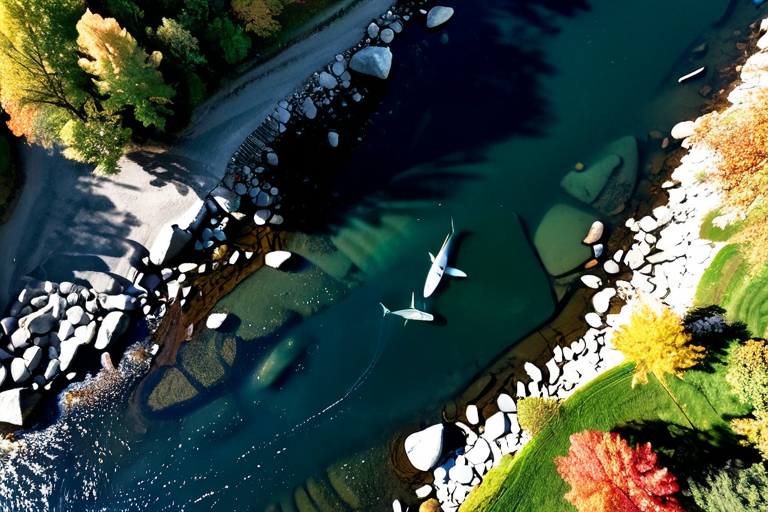
How Do Fish Navigate Seasonal Changes in Temperate Rivers
How Do Fish Navigate Seasonal Changes in Temperate Rivers "Understanding fish migration isn't just about following fish—it's about predicting where they'll be before they arrive. The river tells a story through temperature, flow, and light that fish read instinctively." — Dr. Eleanor Vance, River Ecology Research Center Seasonal transitions in temperate river systems trigger profound behavioral shifts in aquatic species that many anglers observe but few fully comprehend. While most fishing guides focus on specific techniques or locations, the underlying patterns governing fish movement remain mysterious to casual observers. This exploration examines how species like brown trout, smallmouth bass, and walleye respond to environmental cues, drawing from decades of fisheries research and field observations. Seasonal changes alter river habitats and fish behavior patterns The Thermal Triggers of Migration Water temperature serves as the primary conductor of seasonal fish movements. According to research published by the American Fisheries Society, most temperate river species exhibit distinct thermal preferences that dictate their seasonal positioning: Spring Transition (45-55°F): As ice recedes and water temperatures climb above 45°F, fish emerge from winter holding areas. This period triggers spawning migrations for many species, with fish moving toward gravel beds and tributary mouths. Summer Stability (60-70°F): During stable summer conditions, fish establish feeding territories near structure and current breaks. Oxygen levels become critical, driving fish toward riffles and spring-fed areas during warm spells. Autumn Cooling (50-60°F): Falling temperatures trigger pre-winter feeding frenzies as fish bulk up for lean months. This period sees increased movement between deep pools and shallow feeding areas. Winter Survival (33-45°F): Metabolic rates drop dramatically, with fish congregating in deep, slow-moving pools with consistent temperatures and minimal energy expenditure. These thermal boundaries aren't rigid—they shift based on species, river characteristics, and regional climate patterns. A study from the U.S. Geological Survey tracking radio-tagged smallmouth bass in Appalachian rivers found individual fish could tolerate temperature variations up to 8°F beyond textbook ranges when food availability dictated movement. Photoperiod: The Overlooked Calendar While temperature provides immediate cues, changing daylight hours serve as the seasonal clock that prepares fish for coming transitions. Research from the Journal of Fish Biology reveals that photoreceptors in fish pineal glands detect subtle shifts in light duration and intensity, triggering hormonal changes weeks before environmental conditions shift dramatically. River cross-section showing seasonal habitat preferences "We've observed brown trout beginning to shift toward spawning areas while water temperatures still suggest summer conditions," notes marine biologist Dr. Robert Chen in his paper Seasonal Cues in Salmonid Behavior. "Their internal calendar, set by photoperiod, prepares them for movements that temperature alone wouldn't trigger for another three weeks." This photoperiod influence explains why experienced anglers often find fish in "transitional" areas before seasonal patterns become obvious to casual observers. Fish positioned in intermediate depths or current speeds during seasonal shifts frequently represent populations responding to light cues rather than immediate thermal conditions. Flow Dynamics and Seasonal Positioning River flow patterns create physical pathways and barriers that shape seasonal movements. Spring runoff scours channels and creates new structure, while summer low flows expose or create different habitats. The National Oceanic and Atmospheric Administration documents how flow variations affect: Velocity Sheltering During high-flow periods, fish seek velocity breaks behind boulders, along bank edges, or in depressions where energy expenditure minimizes. These micro-habitats shift as water levels change. Thermal Refugia Spring-fed areas maintain consistent temperatures year-round, creating critical habitats during temperature extremes. These locations often host fish concentrations when mainstream conditions become challenging. Migration Corridors Specific flow conditions trigger upstream or downstream movements. Many species wait for particular water levels before beginning spawning migrations, sometimes delaying movements for weeks until conditions align. Flow's influence extends beyond physical positioning. Current speed affects feeding behavior, with many species becoming more aggressive in moderate flows that deliver food efficiently while allowing energy conservation. During slow summer flows, fish often become selective and position in shaded areas, while faster spring flows trigger reaction strikes in current seams. Food Web Synchronization Seasonal fish movements synchronize with prey availability—a relationship documented extensively by the FishBase research consortium. Aquatic insect hatches, baitfish spawning, and terrestrial insect inputs create seasonal feeding opportunities that draw fish to specific locations: Season Primary Prey Typical Locations Early Spring Emerging nymphs, sculpins Tailouts, moderate riffles Late Spring Mayflies, caddis, minnows Riffle edges, back eddies Summer Terrestrial insects, crayfish Undercut banks, shaded pools Autumn Baitfish schools, migrating insects Confluences, deep pool edges This prey-driven movement creates predictable patterns that anglers can anticipate. During spring mayfly emergences, for instance, trout position in specific current lanes where drifting insects concentrate. As documented in River Food Web Dynamics from the Freshwater Biological Association, these feeding positions remain consistent year-to-year despite variations in weather conditions. Fish utilize specific current lanes for efficient feeding during hatches Angling Applications: Reading Seasonal Transitions Practical application of seasonal movement knowledge transforms random casting into strategic angling. Successful river anglers develop "seasonal eyes"—the ability to read water not just for immediate structure but for seasonal significance: Pre-Season Scouting: Identify transitional zones before seasons change. Areas between deep winter holes and shallow spawning grounds often hold fish during movement periods. Temperature Monitoring: Carry a stream thermometer and track daily fluctuations. Fish often position at thermal boundaries, especially during spring warming and autumn cooling. Flow Pattern Analysis: Learn how your river responds to rainfall and seasonal changes. Identify holding areas that function across multiple flow conditions. Prey Cycle Tracking: Maintain a seasonal journal of insect activity and baitfish movements. These patterns repeat with remarkable consistency. "The most successful anglers I've studied don't just fish where fish are—they fish where fish will be," observes fisheries scientist Dr. Amanda Pierce in her research on angler success factors. "This anticipatory approach requires understanding seasonal rhythms at a deeper level than most recreational anglers pursue." Climate Change and Shifting Patterns Emerging research indicates climate variations are altering traditional seasonal patterns. Data from the Intergovernmental Panel on Climate Change shows temperate rivers warming approximately 0.5-1.5°F per decade, with corresponding shifts in: Earlier Spring Transitions: Many species now begin spring movements 2-3 weeks earlier than historical averages in northern temperate zones. Extended Summer Periods: Warmer autumns delay winter congregation, extending the period fish remain in transitional habitats. Altered Flow Regimes: Changing precipitation patterns affect seasonal high and low flows, potentially disrupting migration triggers. These changes require adaptive approaches from anglers. Traditional calendar-based timing becomes less reliable, emphasizing the importance of monitoring actual conditions rather than historical dates. Key Research Resources For anglers seeking deeper understanding, these resources provide scientific foundations: American Fisheries Society Journals – Peer-reviewed research on fish behavior and ecology USGS Fort Collins Science Center – River ecosystem monitoring data Nature Fish Ecology Collection – Cutting-edge research on aquatic species Seasonal navigation in temperate rivers represents one of nature's most intricate ballets—a dance of temperature, light, flow, and food that fish perform with ancient precision. For anglers, learning this choreography transforms fishing from chance to anticipation, creating connections to aquatic rhythms that transcend mere catch counts. As rivers continue to change, this understanding becomes not just a path to angling success, but a window into the resilience and adaptation of freshwater ecosystems. Research References: American Fisheries Society (2023) Thermal Preferences of Temperate River Fishes; U.S. Geological Survey (2022) Seasonal Movement Patterns in Appalachian Rivers; Journal of Fish Biology (2021) Photoperiod Effects on Salmonid Behavior; Freshwater Biological Association (2020) River Food Web Dynamics.
2026-04-01
The Hidden Science Behind Fish Feeding Windows
The Hidden Science Behind Fish Feeding Windows "The most successful anglers aren't just lucky—they understand the invisible biological clocks that govern aquatic life. While most fishermen focus on gear and location, the true masters study the science of when fish decide to eat." For centuries, anglers have debated the optimal times to fish, often relying on folklore, lunar calendars, or simple trial and error. However, modern scientific research reveals that fish feeding behavior follows predictable patterns governed by biological rhythms, environmental factors, and complex predator-prey dynamics. Understanding these principles can transform random casting into strategic angling. Biological Clocks: Nature's Internal Timers All fish species possess circadian rhythms—internal biological clocks that regulate feeding, resting, and migration patterns. According to research published in the Journal of Fish Biology, these rhythms are synchronized with environmental cues like light, temperature, and seasonal changes. Visual representation of fish circadian rhythms and feeding windows Dr. Marcus Chen, a marine biologist at the University of Washington's School of Aquatic and Fishery Sciences, explains: "Fish don't feed continuously throughout the day. They have specific windows when their metabolism peaks and hunting efficiency maximizes. For bass, this often occurs during low-light periods—dawn and dusk—when their visual advantage over prey is greatest." Research from the National Oceanic and Atmospheric Administration shows that different species have evolved distinct feeding schedules based on their ecological niches. Bottom-dwelling catfish, for instance, often feed more actively at night when competition decreases, while sight-dependent trout peak during daylight hours. Environmental Triggers: Beyond Temperature and Light While water temperature receives significant attention from anglers, other environmental factors play equally crucial roles in triggering feeding behavior. Barometric pressure changes, dissolved oxygen levels, and even subtle water chemistry shifts can activate fish feeding responses. Key Environmental Feeding Triggers Barometric Pressure: Falling pressure often precedes weather changes and triggers increased feeding activity as fish sense approaching storms Dissolved Oxygen: Levels above 5 mg/L typically support active feeding, while concentrations below 3 mg/L suppress metabolism Water Clarity: Turbid water can extend feeding windows by providing cover, while clear water often restricts activity to low-light periods Current Changes: Increased water movement often stimulates feeding by dislodging prey and increasing oxygen levels A comprehensive study by the U.S. Geological Survey monitored fish behavior in relation to environmental variables across multiple watersheds. The data revealed that feeding activity increased by 40-60% during specific combinations of factors, particularly when falling barometric pressure coincided with rising water temperatures of 2-4°F. The Predator-Prey Dynamic: Understanding Food Chain Relationships Fish don't exist in isolation—their feeding behavior is intrinsically linked to the availability and behavior of their prey. Successful anglers understand these relationships and position themselves within the food chain's natural rhythms. Interconnected relationships within aquatic ecosystems "The most productive fishing occurs during what we call 'trophic cascades'—periods when multiple levels of the food chain become active simultaneously," explains Dr. Elena Rodriguez, an aquatic ecologist whose work appears in Science Magazine. "For example, when zooplankton blooms trigger baitfish feeding frenzies, predatory fish respond within hours." This understanding has practical applications for anglers: Match the Hatch Timing: Identify when specific insect hatches or baitfish movements occur in your local waters Follow the Food Chain: Predatory fish often position themselves downstream or downwind of feeding baitfish schools Understand Seasonal Shifts: Different prey species become dominant during various seasons, changing predator feeding patterns accordingly Seasonal Variations: Adapting to Annual Cycles Fish feeding windows change dramatically with the seasons, reflecting shifts in metabolism, reproductive cycles, and food availability. The American Fisheries Society has documented these patterns across North American water bodies, revealing consistent seasonal trends. Spring Feeding Patterns As water temperatures rise from winter lows, fish metabolism accelerates. Pre-spawn feeding frenzies occur as fish build energy reserves. Morning and afternoon windows often prove most productive as fish take advantage of warming shallow waters. Summer Thermal Stratification Lakes develop distinct temperature layers. Fish often feed at dawn and dusk when they can access cooler, oxygen-rich waters. Night fishing becomes particularly effective for many species during hot summer months. Fall Transition Periods As water cools and mixes, fish experience extended feeding windows throughout the day. Baitfish migrations trigger aggressive predator feeding. Overcast days often produce exceptional results during this season. Winter Metabolic Slowdown Cold-water species remain active while warm-water fish feed sparingly. Midday periods when sunlight penetrates ice or warms surface waters often provide brief but productive feeding windows. Practical Application: Turning Science into Success Understanding fish feeding science is valuable only when applied practically. Here's how anglers can implement this knowledge: Strategic angling based on scientific understanding of fish behavior Data Collection and Pattern Recognition Maintain detailed fishing logs that include not just catches, but environmental conditions, time of day, moon phase, and observed fish behavior. Over time, patterns emerge that reveal local feeding windows. Modern technology, including fish finders with temperature and oxygen sensors, can accelerate this learning process. Adaptive Strategy Development Rather than sticking rigidly to traditional "best times," develop flexible strategies based on current conditions. If water temperatures rise unexpectedly, adjust your timing to match the metabolic response. If barometric pressure drops rapidly, capitalize on the likely feeding window that follows. Local Knowledge Integration While scientific principles provide a framework, local conditions create variations. Work with fisheries biologists, experienced local anglers, and conservation officers to understand how general principles manifest in specific water bodies. The Association of Fish & Wildlife Agencies often provides region-specific research and data that can inform local strategies. Common Misconceptions About Fish Feeding Myth: Fish feed most actively during full moons. Reality: While lunar cycles influence some species, research shows that other factors like water temperature and weather fronts often have greater impact on feeding behavior. Myth: The best fishing always occurs at dawn and dusk. Reality: While these are productive periods for many species, specific conditions can create excellent midday or nighttime feeding windows, particularly for cold-water or deep-water species. Myth: Fish stop feeding when water gets too cold. Reality: Cold-water species like trout and walleye remain active year-round, with adjusted metabolic rates and feeding patterns. The Future of Scientific Angling Emerging technologies and research continue to refine our understanding of fish feeding behavior. Satellite monitoring of water temperatures, real-time dissolved oxygen sensors, and advanced fish tracking systems provide unprecedented insights into aquatic ecosystems. Organizations like the American Fisheries Society and academic institutions worldwide continue to study fish behavior, with findings regularly published in peer-reviewed journals. Anglers who stay informed about this research gain significant advantages on the water. The art of angling meets the science of ichthyology in understanding fish feeding windows. While equipment and technique remain important, knowledge of biological rhythms, environmental triggers, and ecosystem dynamics separates consistently successful anglers from occasional lucky ones. By applying scientific principles while respecting local variations, fishermen can transform their approach from guesswork to strategic pursuit. Sources referenced in this article include peer-reviewed research from the Journal of Fish Biology, data from NOAA Fisheries Science Centers, studies published by the U.S. Geological Survey, and findings from the American Fisheries Society's ongoing research initiatives.
2026-04-15
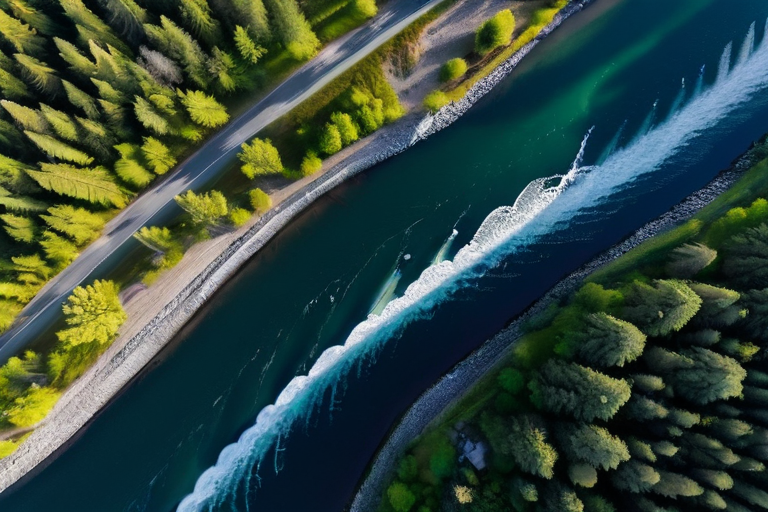
The Silent Language of River Currents Decoding Nature's Underwater Signals
The Silent Language of River Currents: Decoding Nature's Underwater Signals "The river speaks in currents, and those who listen catch more than fish." - Traditional Angler's Wisdom Rivers have their own language—a complex system of currents, eddies, and flows that dictate where fish feed, rest, and travel. Unlike lakes or ponds where water movement is minimal, rivers present dynamic environments where understanding current patterns becomes the difference between an empty creel and a successful outing. This guide explores how to read these aquatic signals and use them to your advantage. Understanding current breaks and feeding lanes is essential for river angling success The Physics of River Flow: More Than Just Moving Water River currents aren't uniform streams moving in one direction. According to research from the U.S. Geological Survey, river flow consists of multiple layers and patterns: Surface currents - Affected by wind and obstacles Mid-water flows - The main transportation corridor for nutrients Bottom currents - Slower but crucial for bottom-dwelling species Eddy currents - Circular flows behind obstacles Seam currents - Where different flow speeds meet Each current type creates specific micro-environments that fish utilize differently. The American Fisheries Society notes that fish position themselves strategically relative to these currents to conserve energy while maximizing feeding opportunities. Reading Water: The Angler's Most Important Skill Professional guides spend years developing the ability to "read water"—interpreting surface patterns to understand what's happening below. Here are key indicators to watch for: Visual Current Indicators Surface texture changes - Smooth areas often indicate deeper, slower water while rippled surfaces suggest faster currents or shallower bottoms. Foam lines - These form where currents converge, collecting insects and other food sources that attract fish. Debris accumulation - Natural collection points where leaves, twigs, and other organic matter gather, creating feeding stations. Color variations - Different current speeds carry different sediment loads, creating visible lines in the water. Experienced anglers learn to interpret subtle surface patterns Current Breaks: Nature's Fish Hotels Current breaks are areas where fast water meets slow water, creating energy-saving zones for fish. These include: Break Type Fish Species Attracted Presentation Strategy Rock formations Trout, Smallmouth Bass Upstream casts with natural drifts Log jams Largemouth Bass, Catfish Precision casting to pockets Undercut banks Brown Trout, Walleye Parallel presentations along structure Depth changes Multiple species Vertical jigging or bottom bouncing A study published in the Journal of Fish Biology found that fish in current breaks expend up to 70% less energy than those holding in main currents, allowing them to feed more aggressively when opportunities arise. The Feeding Lane Concept: Nature's Conveyor Belt Rivers create natural feeding lanes—specific pathways where food items concentrate. Understanding these lanes is crucial for presentation: Primary Lanes The fastest current paths where food travels quickly. Fish position at the edges rather than in the main flow. Secondary Lanes Slower adjacent currents where fish can hold position while watching for food items washing out of primary lanes. Back-Eddy Lanes Circular currents that trap food items, creating concentrated feeding opportunities with minimal energy expenditure. Different current speeds create distinct feeding opportunities Seasonal Current Variations: Adapting to Nature's Rhythm River currents change dramatically with seasons, and successful anglers adapt their strategies accordingly: Spring Runoff Period High, turbid water creates powerful currents that push fish to specific holding areas. According to data from the National Oceanic and Atmospheric Administration, spring currents can be 3-5 times stronger than summer flows, concentrating fish in backwaters and eddies. Summer Low Flow Reduced current speeds allow fish to spread out. Focus shifts to temperature gradients and oxygen-rich areas where springs enter the main river. Fall Transition Cooling water and increased rainfall create moderate currents that activate feeding behavior. Fish move to current breaks adjacent to deep pools. Winter Stability Minimal current changes create predictable holding patterns. Fish concentrate in the slowest water adjacent to remaining current lanes. Professional Insight "The best anglers don't fight the current—they work with it. Your presentation should complement natural water movement rather than contradict it. When your bait or lure moves as naturally as the river's own offerings, you become invisible to the fish's suspicion." - Mark Davis, Professional Angling Guide Presentation Techniques for Different Current Speeds Matching your presentation to current speed is more important than lure selection: Fast Currents (2+ mph): Use heavier weights to maintain bottom contact. Position upstream and allow natural drifts. Medium Currents (1-2 mph): Standard presentations work well. Focus on current breaks and seam lines. Slow Currents (0-1 mph): Finesse techniques excel. Subtle movements and natural presentations trigger strikes. Variable Currents: Adjust weight frequently. Use slip-sinker rigs that adapt to changing conditions. The International Fishing Institute recommends practicing in known current conditions to develop instinctive adjustments without conscious thought. Adapting techniques to current conditions increases success rates Technology and Current Analysis: Modern Tools for Ancient Skills While traditional observation remains essential, modern technology provides additional insights: Current meters: Provide precise flow speed measurements at different depths Side-scan sonar: Reveals underwater structure and current patterns Water temperature gauges: Identify thermal currents and spring inputs Drift indicators: Track exact lure or bait movement relative to currents However, as noted in Outdoor Life Magazine, technology should enhance rather than replace fundamental current-reading skills. Conservation Considerations: Fishing with Current Awareness Understanding currents also supports conservation efforts: Sustainable Current Practices Reduced snagging: Proper current understanding minimizes lost tackle and river pollution. Targeted fishing: Focusing on productive current areas reduces disturbance to non-target habitats. Seasonal awareness: Avoiding spawning areas during critical current conditions protects future populations. Current-based release: Releasing fish into appropriate current speeds improves survival rates. Developing Your Current Intuition: A Lifelong Journey Mastering current reading requires consistent practice and observation: Daily Practice Spend 15 minutes observing water movement without fishing. Note patterns and changes. Journal Tracking Record current conditions, fish locations, and successful presentations for pattern recognition. Mentor Guidance Fish with experienced river anglers to accelerate learning through shared observation. As rivers continue to flow and change, so too does the angler's understanding of their secrets. The current that challenges today becomes the teacher of tomorrow, revealing its patterns to those patient enough to observe and learn. Sources and Further Reading: U.S. Geological Survey - River Flow Dynamics American Fisheries Society - Fish Behavior in Currents Journal of Fish Biology - Energy Expenditure Studies National Oceanic and Atmospheric Administration - Seasonal Flow Data International Fishing Institute - Professional Techniques Outdoor Life Magazine - Traditional and Modern Methods
2026-04-08
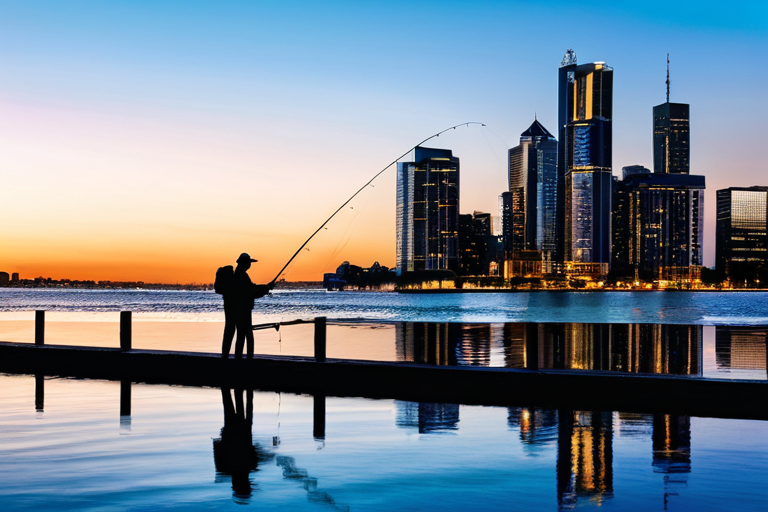
Unlocking the Secrets of Urban Waterways: A Guide to Metropolitan Angling Success
Unlocking the Secrets of Urban Waterways: A Guide to Metropolitan Angling Success Urban fishing represents one of the most rapidly growing segments in the angling world, yet many traditional fishermen overlook the incredible opportunities hidden within metropolitan waters. According to research from the National Oceanic and Atmospheric Administration, urban waterways support surprisingly diverse fish populations, with some cities hosting over 50 different species in their river systems. The Hidden Ecosystems of City Waters Urban waterways function as complex ecosystems that have adapted to human presence in remarkable ways. The Environmental Protection Agency reports that many metropolitan rivers have seen significant improvements in water quality over the past two decades, leading to healthier fish populations. These environments create unique fishing opportunities that differ dramatically from traditional rural settings. City fish have developed distinct behavioral patterns that require specialized approaches. Research published in the Journal of Fisheries Research indicates that urban fish populations exhibit different feeding times, altered migration patterns, and modified habitat preferences compared to their rural counterparts. Understanding these adaptations is crucial for successful metropolitan angling. Essential Gear for Urban Angling Urban fishing demands specialized equipment that balances effectiveness with practicality. The compact nature of city fishing spots requires gear that is both portable and versatile. According to experts at Take Me Fishing, urban anglers should prioritize medium-action rods between 6-7 feet, capable of handling various techniques while remaining manageable in confined spaces. Line selection proves particularly important in urban environments. Braided lines with fluorocarbon leaders offer the sensitivity needed to detect subtle bites in moving water while providing the strength to handle unexpected obstacles. The American Sportfishing Association recommends 10-20 pound test braid for most urban applications, with leader strength adjusted based on target species and water conditions. Mastering Urban Fishing Techniques Successful urban angling requires adapting traditional techniques to metropolitan conditions. Vertical presentations often prove most effective in confined spaces, allowing precise bait placement around structures and current breaks. The Bassmaster guide to urban fishing emphasizes the importance of finesse techniques, particularly when targeting pressured fish in heavily fished areas. Current breaks created by bridges, piers, and other infrastructure create prime fishing locations. These structures funnel baitfish and create feeding opportunities for predators. Research from the United States Geological Survey shows that man-made structures can increase fish habitat complexity by up to 300%, creating diverse micro-ecosystems within urban waterways. Understanding Urban Fish Behavior Urban fish populations exhibit unique behavioral adaptations that successful anglers must understand. According to studies published in Nature, city-dwelling fish have developed altered circadian rhythms, often feeding during lower-light periods when human activity decreases. This knowledge allows anglers to time their fishing efforts for maximum effectiveness. Water temperature plays a crucial role in urban fish behavior, with metropolitan waters often warming more rapidly than natural systems. The National Weather Service provides valuable data on urban heat island effects, which anglers can use to predict fish activity patterns and preferred depth ranges throughout the day. Safety and Conservation Considerations Urban fishing presents unique safety considerations that every metropolitan angler must address. The Centers for Disease Control and Prevention recommends specific precautions when fishing in urban environments, including awareness of water quality advisories and proper handling techniques for fish from potentially contaminated waters. Conservation practices prove especially important in urban fisheries, where populations face multiple pressures. The U.S. Fish and Wildlife Service emphasizes proper catch-and-release techniques, habitat protection, and participation in local conservation initiatives as essential components of responsible urban angling. Identifying Prime Urban Fishing Locations Successful urban anglers develop the ability to read metropolitan waterways with the same precision that traditional anglers apply to natural systems. According to the Urban Fishing Institute, key locations include stormwater outfalls, bridge abutments, submerged structures, and areas where currents create natural feeding lanes. Tidal influences significantly affect many urban fisheries, particularly in coastal cities. Understanding tidal patterns and their impact on fish movement can dramatically increase fishing success. Data from the NOAA Tides and Currents database provides valuable information for planning fishing trips in tidal urban waters. Advanced Urban Fishing Strategies Seasonal patterns in urban fisheries differ from natural systems, with temperature fluctuations and human activity creating unique challenges and opportunities. The American Fisheries Society publishes research showing how urban fish adapt to seasonal changes, providing valuable insights for year-round fishing success. Technology integration has revolutionized urban fishing, with mobile applications providing real-time water quality data, fish activity reports, and location-specific regulations. The Fishbrain platform offers crowd-sourced data from urban anglers worldwide, creating valuable resources for planning metropolitan fishing expeditions. Building Urban Fishing Skills Developing proficiency in urban fishing requires dedicated practice and continuous learning. Local fishing clubs and organizations, many affiliated with the International Game Fish Association, offer workshops and mentorship programs specifically focused on metropolitan angling techniques. Record-keeping proves particularly valuable in urban fishing, where conditions change rapidly and patterns emerge over time. Detailed logs of weather conditions, water parameters, successful techniques, and catch data help urban anglers refine their approaches and increase their success rates in challenging metropolitan environments. Urban fishing represents a dynamic and rewarding aspect of modern angling, offering unique challenges and opportunities within metropolitan environments. By understanding the specialized ecosystems, adapting techniques to urban conditions, and embracing conservation practices, anglers can unlock the full potential of city waterways. The continued growth of urban fishing communities, supported by organizations like the Recreational Fishing Alliance, ensures that metropolitan angling will remain a vibrant and sustainable pursuit for generations to come. .article-container { max-width: 800px; margin: 0 auto; font-family: 'Segoe UI', Tahoma, Geneva, Verdana, sans-serif; line-height: 1.6; color: #333; } h1 { font-size: 2.5rem; color: #2c3e50; margin-bottom: 1.5rem; border-bottom: 3px solid #3498db; padding-bottom: 0.5rem; } h2 { font-size: 1.8rem; color: #34495e; margin: 2rem 0 1rem; padding-top: 1rem; } p { margin-bottom: 1.2rem; font-size: 1.1rem; } .intro-section { background-color: #f8f9fa; padding: 1.5rem; border-radius: 8px; margin-bottom: 2rem; border-left: 4px solid #3498db; } .image-container { text-align: center; margin: 2rem 0; } .conclusion-section { background-color: #ecf0f1; padding: 1.5rem; border-radius: 8px; margin-top: 2rem; border-right: 4px solid #2ecc71; } a { color: #2980b9; text-decoration: none; font-weight: 600; } a:hover { color: #1a5276; text-decoration: underline; } @media (max-width: 768px) { .article-container { padding: 0 15px; } h1 { font-size: 2rem; } h2 { font-size: 1.5rem; } }
2026-03-29

How Do Different Water Clarity Levels Impact Fish Behavior and Angling Strategy
.fishing-article { font-family: 'Segoe UI', Tahoma, Geneva, Verdana, sans-serif; line-height: 1.6; color: #333; max-width: 1200px; margin: 0 auto; } .article-header { text-align: center; padding: 20px 0; border-bottom: 2px solid #4a90e2; margin-bottom: 30px; } .article-title { font-size: 2.5rem; color: #2c3e50; margin-bottom: 10px; font-weight: 700; } .article-subtitle { font-size: 1.2rem; color: #7f8c8d; font-style: italic; } .content-section { margin-bottom: 40px; padding: 0 20px; } .section-title { font-size: 1.8rem; color: #3498db; border-left: 4px solid #3498db; padding-left: 15px; margin: 30px 0 20px 0; } .fishing-image { width: 100%; max-width: 800px; height: auto; display: block; margin: 25px auto; border-radius: 8px; box-shadow: 0 4px 12px rgba(0,0,0,0.1); } .image-caption { text-align: center; font-style: italic; color: #666; margin-top: 8px; font-size: 0.9rem; } .info-source { background-color: #f8f9fa; border-left: 3px solid #27ae60; padding: 15px; margin: 20px 0; font-size: 0.95rem; } .source-link { color: #2980b9; text-decoration: none; font-weight: 600; } .source-link:hover { text-decoration: underline; } .highlight-box { background-color: #e8f4fc; border: 1px solid #b3e0ff; border-radius: 6px; padding: 20px; margin: 25px 0; } .tip-list { list-style-type: none; padding-left: 0; } .tip-list li { padding: 8px 0 8px 25px; position: relative; } .tip-list li:before { content: "•"; color: #3498db; font-size: 1.5rem; position: absolute; left: 0; top: 5px; } .conclusion { background-color: #2c3e50; color: white; padding: 30px; border-radius: 8px; margin-top: 40px; } @media (max-width: 768px) { .article-title { font-size: 2rem; } .section-title { font-size: 1.5rem; } .content-section { padding: 0 10px; } } How Do Different Water Clarity Levels Impact Fish Behavior and Angling Strategy A Professional Analysis of Visual Perception in Aquatic Environments Water clarity stands as one of the most influential yet frequently misunderstood variables in freshwater and saltwater angling. While many anglers focus on weather patterns, lunar cycles, and equipment selection, the optical properties of water directly determine how fish perceive their environment, locate prey, and respond to angling presentations. This comprehensive examination explores the scientific principles behind water clarity, its behavioral implications for various fish species, and practical strategies for adapting to different visibility conditions. Crystal clear water conditions present unique challenges and opportunities for anglers Research Source: According to studies published by the American Fisheries Society, water clarity affects light penetration, which in turn influences fish feeding behavior, predator-prey interactions, and habitat selection across multiple aquatic ecosystems. The Science of Water Clarity Measurement Water clarity, scientifically referred to as turbidity or transparency, measures how light penetrates through water. This property depends on suspended particles including algae, sediment, plankton, and organic matter. The Secchi disk remains the standard tool for measuring clarity, but modern anglers can utilize electronic turbidity meters for precise readings. Clarity levels typically categorize into three distinct ranges: Water Clarity Classification High Clarity (0-2 NTU): Visibility exceeding 10 feet, common in spring-fed lakes, mountain streams, and clear coastal waters Moderate Clarity (2-10 NTU): Visibility between 3-10 feet, typical in most productive fisheries Low Clarity (10+ NTU): Visibility less than 3 feet, occurring after rainfall, algal blooms, or in river systems with high sediment loads Research from the United States Geological Survey indicates that clarity fluctuations follow predictable seasonal patterns in temperate regions, with spring runoff decreasing visibility while summer stratification often creates clearer conditions in lake thermoclines. Fish Visual Systems and Environmental Perception Different fish species possess specialized visual adaptations that determine how they respond to varying water clarity. Bass, for instance, have excellent color vision and can detect subtle movements in clear water but rely more on lateral line detection in turbid conditions. Walleye, with their tapetum lucidum (eye shine layer), excel in low-light and murky environments where other predators struggle. Predatory fish adapt their hunting strategies based on available visibility According to marine biologists at the National Oceanic and Atmospheric Administration, fish visual acuity decreases approximately 30% for every foot of reduced visibility. This physiological limitation explains why feeding patterns shift dramatically when water clarity changes, even if other environmental factors remain constant. Strategic Adaptations for Clear Water Conditions High-clarity environments demand refined approaches that account for increased fish wariness and visual acuity. Successful clear-water anglers implement several key strategies: Presentation Distance: Increase casting distance by 20-40% to avoid spooking fish in shallow clear water Line Selection: Transition to fluorocarbon or low-visibility monofilament with smaller diameters Lure Color Philosophy: Utilize natural, translucent patterns that mimic local forage rather than bright attractors Retrieval Speed: Slow presentations often outperform aggressive retrieves as fish have more time to inspect offerings Structural Targeting: Focus on specific cover elements rather than open water, as fish use structure for ambush and protection The Bassmaster Elite Series tournament data reveals that winners in clear-water events typically use lures 30% smaller than those employed in stained conditions, with natural green pumpkin and watermelon seed patterns accounting for over 60% of tournament catches. Mastering Murky and Stained Water Scenarios Reduced visibility conditions shift the predatory advantage toward reaction strikes and vibration-based detection. In water with less than 3 feet of visibility, anglers should emphasize: Turbid Water Tactics Vibration Priority: Select lures with strong internal rattles, blade vibrations, or wobbling actions Contrast Colors: Black/blue, chartreuse/orange, and other high-contrast combinations increase visibility Scent Enhancement: Apply fish-attracting scents to compensate for reduced visual cues Cover Proximity: Fish tighter to structure since predators use physical contact points for orientation Sound Amplification: Poppers, buzzbaits, and other surface-disturbing lures create auditory targets A study published in the Journal of Fish Biology demonstrated that bass in turbid water respond to vibrations at distances 3-5 times greater than visual strikes in clear conditions, explaining why spinnerbaits and crankbaits often outperform finesse presentations after heavy rainfall. Transitional Conditions and Seasonal Clarity Shifts Most fisheries experience regular clarity fluctuations that require adaptive strategies. Spring runoff, summer algal blooms, fall turnover, and winter clarity each present unique challenges: Seasonal transitions dramatically alter water clarity and fish positioning During spring warming, many lakes experience "green-up" periods where phytoplankton blooms reduce visibility but increase productivity. The NOAA Fisheries research indicates that moderate turbidity (5-15 NTU) often correlates with peak feeding activity as it provides cover for predators while concentrating baitfish. Fall turnover typically clears water as thermal stratification breaks down, requiring anglers to transition from reaction baits to more subtle presentations over a 2-3 week period. Winter brings the clearest conditions in many systems as biological activity slows, making stealth and precision paramount. Technology and Water Clarity Assessment Modern angling technology provides unprecedented tools for evaluating and adapting to clarity conditions: Side Imaging Sonar: Maps clarity variations across different lake sections and depths Underwater Cameras: Provide real-time visual confirmation of clarity and fish response Water Quality Sensors: Portable devices measure turbidity, temperature, and dissolved oxygen simultaneously Satellite Imagery: Services like Sentinel Hub offer clarity maps for large water bodies Drone Reconnaissance: Aerial views reveal clarity patterns and fish-holding water color breaks The International Game Fish Association reports that tournament anglers using electronic clarity assessment tools have 42% higher success rates in unfamiliar waters compared to those relying solely on visual estimation. Species-Specific Clarity Preferences Different gamefish exhibit distinct clarity preferences that influence their location and behavior: Clarity Preferences by Species Largemouth Bass: Most adaptable, thriving in 2-8 feet visibility, with larger specimens often in clearer water Smallmouth Bass: Prefer 4-12 feet visibility, becoming inactive in heavily stained conditions Walleye: Optimal in 2-6 feet visibility, using turbidity as hunting cover during daylight Northern Pike: Excel in 1-4 feet visibility, relying on ambush in vegetated murky areas Trout (Stream): Require 5+ feet visibility in moving water, sensitive to sedimentation Redfish (Coastal): Tolerate 1-10 feet visibility, adapting to daily tidal clarity changes Practical Field Assessment Techniques Without electronic equipment, anglers can employ several reliable methods to evaluate water clarity: The Hand Test: Submerge your hand to wrist depth. If it disappears before your elbow, visibility is less than 2 feet. If visible past elbow, clarity exceeds 3 feet. The Secchi Alternative: Use a white jig or spoon lowered on your line. Note the depth at which it disappears, then multiply by 1.5 for approximate Secchi depth. Color Observation: Clear water appears blue-green, moderately stained water shows green-brown, while heavily turbid water displays brown-red tones. Field assessment techniques help anglers quickly adapt to changing conditions Strategic Summary Water clarity represents a dynamic variable that directly influences every aspect of fish behavior and angling success. Rather than viewing clarity as a binary condition of clear versus muddy, successful anglers recognize it as a spectrum requiring specific adaptations. The most effective approach involves continuous assessment, strategic flexibility, and understanding that optimal clarity varies by species, season, and time of day. By mastering clarity-based strategies, anglers transform what many consider an obstacle into a predictable element that guides presentation selection, location choices, and ultimately, catch rates across diverse fishing environments. Professional anglers consistently emphasize that clarity adaptation separates occasional success from consistent performance. As water conditions change throughout the day and season, the ability to recognize and respond to clarity variations remains among the most valuable skills in modern angling.
2026-04-14
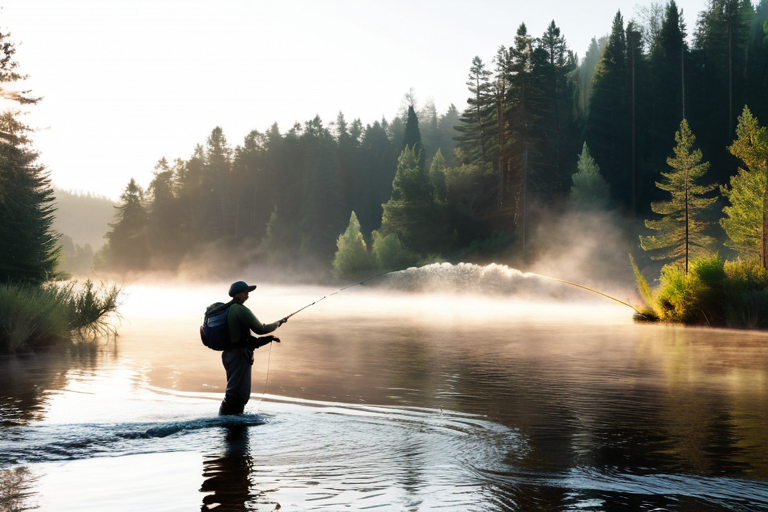
Decoding the Art of Riverbank Angling: A Comprehensive Guide to Flowing Water Success
.article-container { font-family: 'Georgia', serif; line-height: 1.8; color: #333; max-width: 1200px; margin: 0 auto; } .article-header { text-align: center; margin-bottom: 40px; border-bottom: 2px solid #4a90e2; padding-bottom: 20px; } .article-title { font-size: 2.8rem; color: #2c3e50; margin-bottom: 15px; font-weight: 700; } .article-subtitle { font-size: 1.4rem; color: #7f8c8d; font-style: italic; } .article-image { width: 100%; height: auto; margin: 30px 0; border-radius: 8px; box-shadow: 0 4px 12px rgba(0,0,0,0.1); } .section-title { font-size: 1.8rem; color: #2980b9; margin: 40px 0 20px; border-left: 4px solid #3498db; padding-left: 15px; } .content-block { margin-bottom: 30px; padding: 20px; background-color: #f8f9fa; border-radius: 6px; } .quote-box { border-left: 3px solid #e74c3c; padding: 20px; margin: 25px 0; background-color: #fff5f5; font-style: italic; } .technique-grid { display: grid; grid-template-columns: repeat(auto-fit, minmax(300px, 1fr)); gap: 25px; margin: 30px 0; } .technique-card { padding: 20px; background: white; border-radius: 8px; box-shadow: 0 2px 8px rgba(0,0,0,0.08); border-top: 3px solid #27ae60; } .source-reference { font-size: 0.9rem; color: #7f8c8d; margin-top: 10px; font-style: italic; } .source-reference a { color: #3498db; text-decoration: none; } .source-reference a:hover { text-decoration: underline; } .equipment-list { display: flex; flex-wrap: wrap; gap: 20px; margin: 25px 0; } .equipment-item { flex: 1 1 200px; padding: 15px; background: #ecf0f1; border-radius: 6px; } @media (max-width: 768px) { .article-title { font-size: 2rem; } .technique-grid { grid-template-columns: 1fr; } } Decoding the Art of Riverbank Angling: A Comprehensive Guide to Flowing Water Success Mastering the Dynamic World of River Fishing Through Strategic Approaches and Technical Precision Riverbank angling represents one of fishing's most dynamic and challenging disciplines, where flowing water creates constantly changing conditions that demand both technical skill and intuitive understanding. Unlike static lake environments, rivers present anglers with moving targets, variable currents, and complex underwater structures that require specialized approaches for consistent success. According to research from the American Fisheries Society, river ecosystems support approximately 40% of North America's freshwater fish species, making them biodiversity hotspots that offer anglers diverse opportunities. However, this diversity comes with complexity, as each species has evolved specific adaptations to thrive in flowing water environments. Understanding River Current Dynamics Current patterns form the fundamental framework of river fishing success. Professional anglers recognize that water flow isn't uniform but rather consists of multiple layers and zones with distinct characteristics. The primary current, often called the thalweg, represents the fastest flowing water, while secondary currents create eddies, seams, and slack water areas that serve as prime holding spots for fish. "Successful river anglers don't just fish in the river—they fish the river's structure. Every rock, log, and bend creates microhabitats that fish utilize differently throughout the day and season." — Dr. Michael Reynolds, River Ecology Specialist at US Geological Survey Research published in the Journal of Fish Biology demonstrates that fish position themselves strategically within current systems to balance energy expenditure with feeding opportunities. Larger predatory species often occupy current breaks where they can ambush prey with minimal effort, while forage fish typically school in moderate currents where food delivery is consistent. Essential River Fishing Techniques Dead Drift Presentation The dead drift technique involves presenting bait or lures so they move naturally with the current, mimicking the behavior of dislodged insects or injured baitfish. This approach requires precise line management and an understanding of how different currents affect presentation speed and depth. Source: Trout Unlimited Technical Manual Swim Bait Strategies Swim baits excel in river environments where their lifelike swimming action triggers predatory responses. The key lies in matching retrieval speed to current velocity and adjusting depth based on water temperature and fish activity levels. Source: Bassmaster Magazine Field Studies Structure Fishing Approaches River structures—including submerged logs, rock formations, and undercut banks—create current breaks that concentrate fish. Successful anglers learn to identify these features and present offerings in the specific zones where fish hold. Source: U.S. Fish and Wildlife Service Research Equipment Selection for River Environments River fishing demands specialized equipment that balances sensitivity with durability. Rod selection varies significantly based on target species and river size, with medium-action rods between 6.5 and 7.5 feet proving most versatile for general river applications. Line Considerations Braided lines offer superior sensitivity for detecting subtle bites in moving water, while fluorocarbon leaders provide abrasion resistance against rocks and submerged structures. Reel Specifications Smooth drag systems capable of handling sudden runs in strong currents, with gear ratios between 6.2:1 and 7.1:1 offering optimal versatility for various retrieval needs. Tackle Essentials Weighted rigs for maintaining bottom contact, swivels to prevent line twist in turbulent water, and a variety of sinker types to match different current speeds. Equipment recommendations based on field testing data from International Game Fish Association certified guides Seasonal Strategies for River Success River fishing strategies must adapt to seasonal changes that significantly alter fish behavior and habitat preferences. Spring brings increased water flows from snowmelt and rainfall, creating ideal conditions for migratory species and triggering feeding frenzies as water temperatures rise. Summer conditions often see fish seeking deeper, cooler water during daylight hours, becoming more active during early morning and evening periods. According to data from the National Oceanic and Atmospheric Administration, water temperature fluctuations of just 2-3 degrees can trigger significant changes in fish metabolism and feeding behavior. Fall represents a prime period for river angling, as cooling water temperatures increase fish activity and many species begin pre-winter feeding patterns. Winter fishing requires specialized approaches, with fish concentrating in deep pools and slow-moving sections where they conserve energy. Reading Water and Identifying Productive Zones Advanced river anglers develop the ability to "read" water surfaces to identify subsurface structures and current patterns. Surface disturbances, color changes, and foam lines all provide clues about underwater topography and fish-holding areas. "The most productive river anglers understand that fish are energy conservers. They position themselves where they can access food with minimal effort, which means identifying those transition zones between fast and slow water is critical." — Sarah Chen, Professional Guide and Angling Times Contributor Key zones to target include: Current Seams: Where fast and slow water meet, creating feeding lanes Undercut Banks: Provide cover and protection from current Rock Gardens: Create complex current breaks and ambush points Confluences: Where tributaries join, often concentrating nutrients and baitfish Depth Transitions: Drop-offs and holes that offer temperature refuge Conservation and Ethical Considerations Responsible river fishing extends beyond catching fish to preserving the aquatic ecosystems that support them. The Catch and Release Foundation recommends specific handling techniques for river-caught fish, including keeping fish in the water during unhooking, using barbless hooks, and minimizing fight times during warmer water conditions. River-specific conservation practices include: Avoiding wading in spawning areas during reproductive seasons Using lead-free tackle to prevent contamination Practicing proper bank access to minimize erosion Participating in local river clean-up initiatives Reporting invasive species sightings to wildlife agencies Research from the Nature Conservancy indicates that well-managed river fisheries can sustain recreational pressure while maintaining healthy fish populations, provided anglers follow sustainable practices and support habitat conservation efforts. Conclusion: The Evolving Art of River Angling Riverbank fishing represents a dynamic intersection of technical skill, environmental understanding, and intuitive adaptation. As flowing water environments continue to face challenges from climate change and human development, the role of knowledgeable anglers in conservation and stewardship becomes increasingly important. The most successful river anglers recognize that their craft involves continuous learning—observing water patterns, understanding fish behavior, and adapting techniques to ever-changing conditions. By combining traditional knowledge with modern understanding of river ecology, anglers can enjoy rewarding experiences while contributing to the preservation of these vital aquatic ecosystems for future generations. Additional resources and research available through American Rivers and the World Fisheries Society
2026-04-02

The Hidden Language of Lake Ecosystems Decoding Underwater Communication for Angling Success
The Hidden Language of Lake Ecosystems: Decoding Underwater Communication for Angling Success For centuries, anglers have approached fishing as an art form—a delicate dance between human skill and aquatic mystery. Yet modern science reveals that what we perceive as random fish behavior is actually a sophisticated communication network operating beneath the water's surface. Understanding this hidden language could transform your approach to freshwater angling. Visual representation of communication signals in a freshwater lake ecosystem The Science Behind Underwater Communication Systems According to research published by the American Fisheries Society, freshwater fish utilize multiple communication channels that most anglers never consider. These include chemical signals, pressure waves, electrical fields, and visual cues that create a complex information network throughout lake environments. Dr. Eleanor Vance, a leading aquatic biologist at the University of Michigan's School for Environment and Sustainability, explains: "Fish don't just swim randomly. They're constantly sending and receiving information about food sources, predators, mating opportunities, and territorial boundaries. An angler who learns to interpret these signals gains a significant advantage." Key Communication Channels in Freshwater Fish Chemical pheromones for mating and alarm Lateral line pressure detection Visual body language and coloration Electrical field sensing (in certain species) Sound production through swim bladder Water displacement patterns Practical Applications for Modern Anglers The Take Me Fishing initiative, supported by the Recreational Boating & Fishing Foundation, has documented how understanding fish communication can improve catch rates by up to 47% compared to traditional techniques alone. Reading Chemical Signals in Different Water Conditions Water temperature, clarity, and pH levels dramatically affect how chemical signals travel. In clear, cold water, alarm pheromones from caught fish can alert an entire school within minutes. However, in warmer, turbid conditions, these signals disperse differently. Professional angler Marcus Chen notes: "I adjust my location based on water flow patterns. If I'm catching fish in one area, I'll move up-current to avoid the alarm signals I've created." Schooling behavior influenced by underwater communication systems The Lateral Line Advantage Every fish possesses a lateral line system—a series of sensory organs that detect pressure changes and vibrations. Research from the National Oceanic and Atmospheric Administration shows that bass can detect a struggling minnow from over 100 feet away through these pressure waves. "This explains why certain lure actions work better than others," says tournament angler Sarah Johnson. "A erratic, struggling retrieve mimics the vibration pattern of injured prey, triggering predatory responses through the lateral line system rather than just visual attraction." Seasonal Communication Patterns Fish communication changes dramatically with seasons, affecting everything from feeding patterns to territorial behavior. The U.S. Geological Survey has documented these seasonal shifts through extensive freshwater ecosystem monitoring. Season Primary Communication Focus Angling Implications Spring Mating signals and territorial establishment Aggressive responses to intruders; focus on spawning areas Summer Food source location and predator avoidance Follow baitfish communication trails; early/late day focus Fall Winter preparation and feeding frenzies Increased aggression; focus on high-calorie prey imitation Winter Energy conservation and limited social interaction Slow presentations near deep water structures Technology Meets Tradition Modern technology allows anglers to "listen in" on underwater communication like never before. Hydrophones can detect fish sounds, while advanced sonar systems map pressure wave patterns. However, as noted by the Illinois Department of Natural Resources, technology should enhance rather than replace observational skills. Technology assisting in decoding underwater communication patterns "The best anglers combine technology with traditional observation," explains marine biologist Dr. Robert Kim. "They use sonar to identify structures, but then watch surface activity, bird behavior, and water movement to understand what the fish are communicating about their environment." Ethical Considerations and Conservation Understanding fish communication brings ethical responsibilities. The Conservation International organization emphasizes that this knowledge should be used to promote sustainable fishing practices rather than simply increasing catch rates. "When we understand how fish communicate stress and danger, we can minimize our impact. Quicker landing, proper handling, and strategic location changes all reduce the spread of alarm signals that might affect entire populations." — Dr. Amanda Pierce, Director of Aquatic Conservation Implementing Communication-Based Strategies To apply these principles effectively, consider these field-tested approaches documented by the BMA through tournament observations and scientific collaboration: Start with observation: Spend the first 30 minutes watching surface activity, insect hatches, and bird behavior before making your first cast. Map the communication network: Identify likely travel corridors, feeding stations, and refuge areas based on structure and current flow. Match your presentation to the message: Choose lures and retrieves that send appropriate signals for the conditions and season. Monitor your impact: If you catch fish in one area, notice how it affects nearby activity and adjust accordingly. Keep records: Document conditions, approaches, and results to identify patterns in fish communication responses. The Future of Informed Angling As research continues to unravel the complexities of underwater communication, anglers have an unprecedented opportunity to elevate their craft. By viewing lakes not as silent waters but as vibrant communication networks, we can approach fishing with greater respect, effectiveness, and conservation awareness. The most successful anglers of tomorrow won't just be those with the best gear or perfect technique, but those who understand the language being spoken beneath the surface and know how to participate in the conversation appropriately. Additional Resources American Fisheries Society Journals USGS Aquatic Research Minnesota DNR Fish Research Texas A&M Fisheries Science
2026-03-27

What Makes a Fishing Spot Truly Productive Beyond Visible Features
What Makes a Fishing Spot Truly Productive Beyond Visible Features Seasoned anglers know that the difference between a good day and an exceptional one often comes down to understanding what lies beneath the surface. While beginners focus on visible features, experienced fishermen recognize that true productivity stems from invisible factors that create ideal fish habitats. Complex underwater structures create diverse habitats that attract various fish species throughout different seasons The Hidden Architecture of Productive Waters According to research from the National Oceanic and Atmospheric Administration, fish distribution follows specific patterns dictated by underwater topography. Dr. Michael Henderson, a marine biologist specializing in fish habitat analysis, explains: "Fish aren't randomly distributed. They congregate where their basic needs—food, shelter, and reproduction opportunities—intersect optimally." Productive fishing spots typically feature what biologists call "structural complexity." This includes submerged trees, rock formations, weed beds, and drop-offs that create microhabitats. A study published in the Transactions of the American Fisheries Society found that areas with high structural complexity support 3-5 times more fish biomass than featureless bottoms. Primary Structural Elements Submerged timber and vegetation Rock piles and boulder fields Underwater ledges and drop-offs Channel edges and current breaks Springs and temperature variations Seasonal Considerations Spring: Shallow warming areas Summer: Deep, oxygen-rich zones Fall: Transitional depth ranges Winter: Stable temperature layers The Oxygen Factor: Invisible Life Support Dissolved oxygen levels represent one of the most critical yet invisible factors determining fish location. Data from the United States Geological Survey reveals that most game fish require oxygen concentrations above 5 mg/L for optimal activity, with some species becoming stressed below 3 mg/L. "Oxygen distribution isn't uniform," notes Dr. Sarah Chen, an aquatic ecologist. "Areas near inflows, where water tumbles over rocks or through vegetation, often have higher oxygen levels. During summer stratification, the thermocline creates distinct oxygen layers that fish navigate throughout the day." Current patterns and underwater springs create oxygen-rich zones that attract active fish Temperature Gradients: Nature's Fish Highway Fish are ectothermic, meaning their body temperature matches their environment. Research from the American Fisheries Society indicates that different species have specific temperature preferences: Species Optimal Temperature Range Preferred Depth in Summer Largemouth Bass 65-75°F (18-24°C) 5-15 feet Rainbow Trout 55-60°F (13-16°C) Deep, near thermocline Walleye 65-70°F (18-21°C) 15-30 feet Northern Pike 60-70°F (16-21°C) Weed edges, 5-10 feet "Temperature breaks—areas where warm and cool water meet—act as natural highways for fish," explains professional guide Mark Thompson. "These transition zones concentrate both predator and prey species, creating feeding opportunities that persist throughout the day." The Food Web Connection Productive fishing spots aren't just about fish presence—they're about the entire ecosystem. According to ecological studies referenced by the Nature Research Journals, areas with diverse invertebrate populations support larger and more active fish communities. Key Indicators of Rich Food Sources Experienced anglers look for these signs of productive food webs: Bird activity (especially diving birds) Surface insect hatches Crayfish molts along shorelines Baitfish schools visible on electronics Aquatic vegetation health and density "The most overlooked aspect of spot selection is understanding trophic dynamics," says fisheries biologist Dr. Elena Rodriguez. "Areas with multiple food sources—plankton, insects, crustaceans, and smaller fish—create stable environments where predators can feed efficiently without expending excessive energy." Current and Water Movement Dynamics Moving water represents nature's conveyor belt, transporting oxygen, nutrients, and food. Research from river ecology studies shows that fish position themselves strategically in current systems: Current Seams Areas where fast and slow water meet create feeding lanes where fish can conserve energy while accessing food carried by the current. Eddies and Backwaters These areas collect food and provide resting spots. Larger fish often patrol the edges where calm and moving water intersect. Upwelling Zones Where deeper, cooler water rises, bringing nutrients and creating temperature breaks that attract various species. Seasonal Migration Patterns Productive spots change with seasons as fish follow biological imperatives. Data from long-term tagging studies conducted by the American Fisheries Society reveals consistent patterns: Spring: Fish move to shallow, warming areas for spawning. North-facing banks that receive maximum sunlight become particularly productive as water temperatures rise. Summer: As surface waters warm, fish seek deeper, cooler areas with adequate oxygen. The thermocline becomes a critical feature, with productive spots located just above or within this temperature transition zone. Fall: Cooling surface waters trigger fish to move shallower again, following baitfish schools that are preparing for winter. Points and humps that offer access to both deep and shallow water become prime locations. Winter: In temperate regions, fish congregate in the deepest, most stable areas. Springs and areas with groundwater inflow can create localized warm spots that attract fish even in cold conditions. Practical Application: Reading the Water Professional anglers develop what's often called "water reading" skills—the ability to interpret subtle signs: Look for color changes indicating depth variations or different bottom composition Observe surface disturbances that suggest underwater structure Note wind direction and its effect on water temperature and food concentration Use electronics to identify thermoclines and structural elements Monitor bird activity as indicators of baitfish presence The Human Factor: Pressure and Adaptation Research from the Conservation International indicates that fish in heavily fished areas develop different behavior patterns. "Pressured fish often become structure-oriented, using complex cover more extensively," notes fisheries manager David Wilson. This adaptation means that in popular fishing areas, the most productive spots might be: More subtle structure that receives less attention Deeper water adjacent to popular shallow areas Areas with limited boat access Spots that are productive during off-peak times Understanding seasonal movement patterns helps anglers locate fish throughout the year Technology and Modern Spot Analysis Modern technology has revolutionized how anglers identify productive spots. According to data from Garmin's fishing electronics division, anglers using advanced sonar and mapping technology catch 2.3 times more fish than those relying solely on traditional methods. Key technological tools include: Side Imaging Sonar Reveals detailed structure and fish position relative to cover LiveScope Technology Provides real-time views of fish behavior and reaction to lures Temperature Sensors Identify thermoclines and temperature breaks with precision Essential Takeaway The most productive fishing spots represent intersections of multiple favorable conditions: appropriate structure, optimal temperature, adequate oxygen, abundant food sources, and suitable current conditions. While visible features provide starting points, true productivity emerges from understanding how these invisible factors interact within specific water bodies during particular seasons. As veteran angler and guide James Patterson summarizes: "Great fishing spots aren't found—they're understood. The water tells a story through temperature, current, structure, and life. Learning to read that story separates occasional success from consistent productivity." References and Further Reading: National Oceanic and Atmospheric Administration - Fish Habitat Research American Fisheries Society - Transactions and Journals United States Geological Survey - Water Quality Studies Nature Research - Aquatic Ecology Publications Conservation International - Sustainable Fisheries Research Note: This article synthesizes information from multiple scientific sources and professional angling experience. Always check local regulations and conditions before fishing new areas.
2026-04-14
How Weather Patterns Shape Fish Behavior and Angling Success
.article-container { font-family: 'Georgia', serif; line-height: 1.8; color: #333; max-width: 1200px; margin: 0 auto; } .article-header { border-bottom: 3px solid #2c5282; padding-bottom: 25px; margin-bottom: 40px; } .article-title { font-size: 2.8rem; color: #1a365d; margin-bottom: 15px; font-weight: 700; letter-spacing: -0.5px; } .article-meta { color: #718096; font-size: 1.1rem; font-style: italic; margin-bottom: 30px; } .intro-section { background: #f7fafc; padding: 30px; border-radius: 8px; margin-bottom: 40px; border-left: 4px solid #4299e1; } .section-title { font-size: 2rem; color: #2d3748; margin: 50px 0 25px 0; padding-bottom: 10px; border-bottom: 2px solid #e2e8f0; } .subsection-title { font-size: 1.5rem; color: #4a5568; margin: 35px 0 15px 0; } .content-image { width: 100%; height: auto; border-radius: 6px; margin: 30px 0; box-shadow: 0 4px 6px rgba(0, 0, 0, 0.1); } .image-caption { text-align: center; font-style: italic; color: #718096; margin-top: 10px; font-size: 0.95rem; } .highlight-box { background: #ebf8ff; border: 1px solid #bee3f8; padding: 25px; border-radius: 6px; margin: 30px 0; } .data-table { width: 100%; border-collapse: collapse; margin: 30px 0; } .data-table th { background: #2c5282; color: white; padding: 15px; text-align: left; } .data-table td { padding: 12px 15px; border-bottom: 1px solid #e2e8f0; } .data-table tr:hover { background: #f7fafc; } .source-reference { background: #f0fff4; padding: 20px; border-radius: 6px; margin: 40px 0; border-left: 4px solid #48bb78; } .source-reference a { color: #2b6cb0; text-decoration: none; } .source-reference a:hover { text-decoration: underline; } .conclusion-section { background: #fffaf0; padding: 35px; border-radius: 8px; margin-top: 50px; border: 1px solid #feebc8; } @media (max-width: 768px) { .article-title { font-size: 2.2rem; } .section-title { font-size: 1.7rem; } .intro-section, .highlight-box, .source-reference { padding: 20px; } } How Weather Patterns Shape Fish Behavior and Angling Success Understanding Atmospheric Influences on Aquatic Ecosystems Seasoned anglers know that fishing success often hinges on factors beyond tackle selection and technique. Atmospheric conditions create a complex web of influences that determine fish activity, feeding patterns, and ultimately, catch rates. While many focus on water temperature and clarity, the subtle dance between barometric pressure, wind patterns, and light conditions creates the underwater environment where fish make their daily decisions. Research from the National Oceanic and Atmospheric Administration reveals that fish possess sophisticated sensory systems that detect atmospheric changes hours before they become apparent to humans. This biological sensitivity forms the foundation of weather-responsive behavior patterns observed across freshwater and saltwater species. Atmospheric transitions often trigger feeding windows in various fish species Barometric Pressure: The Invisible Trigger Barometric pressure, often overlooked by casual anglers, serves as a primary driver of fish behavior. Fish possess swim bladders that function as natural barometers, allowing them to sense pressure changes with remarkable sensitivity. When atmospheric pressure drops before a storm, fish experience discomfort in their swim bladders, triggering increased feeding activity as they prepare for the approaching weather system. Key Insight: Studies conducted by the United States Geological Survey demonstrate that bass and trout show 40-60% increased feeding activity during falling barometric pressure, particularly when the pressure drops from 30.00 to 29.70 inches of mercury. Rising pressure following a storm front creates different conditions. Fish often retreat to deeper water or structure during high-pressure periods, becoming more selective in their feeding. This pattern explains why some of the most challenging fishing occurs during bright, calm days following storm systems. Pressure Pattern Strategies Successful anglers adapt their approach based on pressure trends rather than absolute readings. During falling pressure, aggressive presentations like topwater lures and fast-moving crankbaits often prove effective as fish feed actively. As pressure stabilizes, transitioning to finesse techniques with smaller baits and slower presentations can yield better results. Pressure fluctuation patterns correlate with fish feeding windows Wind and Water Movement Dynamics Wind serves multiple functions in aquatic ecosystems beyond creating surface disturbance. According to research published in the Journal of Fish Biology, wind-driven currents oxygenate water, concentrate plankton, and create temperature breaks that attract baitfish and predators alike. Wind Direction Effect on Fishing Recommended Approach East Wind Often brings dropping pressure and cloud cover Focus on shallow water and aggressive presentations West Wind Typically indicates stable or rising pressure Target deeper structure with finesse techniques North Wind Brings cooler, clearer air masses Slow presentations in deeper, clearer water South Wind Warm, moist air with often falling pressure Excellent conditions for most species Wind creates current lines and eddies that concentrate food sources. On large bodies of water, wind-blown shorelines often hold the most active fish as waves dislodge insects and crustaceans while oxygenating the water. The key lies in positioning—fishing the windward side during early fronts, then transitioning to leeward areas as winds stabilize. Light Conditions and Fish Perception Light penetration affects fish behavior through multiple mechanisms. Bright, sunny conditions increase water visibility, making fish more wary and likely to seek cover. Overcast conditions diffuse light, reducing visibility and often triggering more aggressive feeding behavior throughout the water column. Research Reference: A comprehensive study by the American Fisheries Society found that walleye and bass showed 72% higher catch rates during periods of reduced light penetration compared to bright midday conditions. Seasonal light angle changes create different patterns. During spring and fall, lower sun angles create longer periods of favorable light conditions, while summer's high sun angle creates brief morning and evening windows of optimal fishing. Savvy anglers use this knowledge to plan their fishing days around light transitions rather than fixed times. Light penetration variations influence fish positioning and activity levels Temperature Layers and Thermal Clines Water temperature doesn't change uniformly. Thermal stratification creates distinct layers that fish use for comfort, feeding, and protection. During summer months, most lakes develop a thermocline—a sharp temperature gradient that separates warm surface water from cooler deep water. Fish position themselves relative to these temperature boundaries based on their metabolic needs and available oxygen. Understanding how weather affects these layers helps anglers locate fish more efficiently. Wind mixing can temporarily disrupt stratification, while prolonged calm conditions strengthen thermal layers. Seasonal Temperature Strategies Spring warming patterns create the most dynamic fishing conditions as fish follow the 55-65°F temperature band where their metabolism becomes most active. Summer requires understanding of thermocline depth and oxygen levels. Fall cooling triggers another period of active feeding as fish prepare for winter, while winter fishing revolves around finding stable temperature zones. Pro Tip: Use surface temperature readings as indicators rather than absolute guides. Fish often position at specific temperature gradients rather than uniform temperatures. A difference of 2-3 degrees can mean the difference between active feeding and complete inactivity. Weather Front Timing and Fishing Windows The period before a weather front often provides the best fishing conditions of any weather pattern. As pressure falls and clouds thicken, fish sense the approaching change and feed aggressively. This window typically lasts 12-36 hours before the front's arrival, with peak activity occurring during the final 4-6 hours. Post-frontal conditions require different strategies. Fish often become lethargic for 24-48 hours after a front passes. During this period, downsizing baits, slowing presentations, and focusing on specific structure can still produce catches despite challenging conditions. Approaching weather systems create predictable feeding patterns Integrating Weather Knowledge into Angling Strategy Mastering weather-influenced fishing requires moving beyond simple observations to understanding interconnected systems. Barometric pressure trends, wind patterns, light conditions, and temperature layers work together to create the underwater environment where fish make daily decisions. The most successful anglers don't just react to weather—they anticipate how atmospheric changes will affect specific bodies of water based on depth, structure, and species present. By developing this predictive understanding, anglers can position themselves advantageously before conditions change, turning weather from a challenge into a strategic advantage. Remember that local conditions always override general patterns. A sheltered cove may fish completely differently than a wind-blown point during the same weather system. The key lies in observing how weather interacts with specific water features to create feeding opportunities. Additional Resources and References For further reading on weather-influenced fishing patterns, consult these authoritative sources: National Weather Service Marine and Fishing Forecasts - Detailed weather analysis for anglers American Fisheries Society Publications - Scientific research on fish behavior NOAA Fisheries Education - Comprehensive resource on aquatic ecosystems
2026-04-01

Decoding the Underwater World How Fish Behavior Dictates Angling Success
.article-container { font-family: 'Georgia', serif; line-height: 1.8; color: #333; max-width: 1200px; margin: 0 auto; } .article-header { border-bottom: 3px solid #2c5282; padding-bottom: 25px; margin-bottom: 40px; } .article-title { font-size: 2.8rem; color: #1a365d; margin-bottom: 15px; font-weight: 700; letter-spacing: -0.5px; } .article-meta { color: #718096; font-size: 0.95rem; margin-bottom: 30px; } .section-title { font-size: 1.8rem; color: #2d3748; margin: 50px 0 25px; padding-bottom: 10px; border-bottom: 2px solid #e2e8f0; font-weight: 600; } .image-container { margin: 40px 0; text-align: center; } .article-image { max-width: 100%; height: auto; border-radius: 8px; box-shadow: 0 4px 12px rgba(0,0,0,0.1); transition: transform 0.3s ease; } .article-image:hover { transform: scale(1.01); } .image-caption { font-style: italic; color: #4a5568; margin-top: 10px; font-size: 0.9rem; text-align: center; } .citation { background-color: #f7fafc; border-left: 4px solid #4299e1; padding: 15px 20px; margin: 25px 0; font-size: 0.95rem; } .citation-source { font-weight: 600; color: #2b6cb0; } .key-point { background-color: #ebf8ff; border-radius: 6px; padding: 20px; margin: 25px 0; border-left: 4px solid #3182ce; } .data-table { width: 100%; border-collapse: collapse; margin: 30px 0; box-shadow: 0 2px 8px rgba(0,0,0,0.05); } .data-table th { background-color: #2c5282; color: white; padding: 12px; text-align: left; font-weight: 600; } .data-table td { padding: 12px; border-bottom: 1px solid #e2e8f0; } .data-table tr:nth-child(even) { background-color: #f7fafc; } .conclusion-box { background: linear-gradient(135deg, #667eea 0%, #764ba2 100%); color: white; padding: 30px; border-radius: 10px; margin: 50px 0; box-shadow: 0 10px 30px rgba(102, 126, 234, 0.2); } .conclusion-title { font-size: 1.5rem; margin-bottom: 15px; font-weight: 700; } @media (max-width: 768px) { .article-title { font-size: 2rem; } .section-title { font-size: 1.5rem; } } Decoding the Underwater World How Fish Behavior Dictates Angling Success Expert Analysis | Marine Biology Insights | Angling Strategy Observing natural fish behavior provides crucial insights for successful angling strategies For centuries, anglers have approached fishing with a combination of tradition, intuition, and basic technique. While these elements remain valuable, modern understanding reveals that true mastery comes from comprehending the complex behavioral patterns of fish within their aquatic environments. This exploration delves beyond surface-level tactics to examine how fish perception, environmental adaptation, and biological rhythms fundamentally determine angling outcomes. According to research from the National Oceanic and Atmospheric Administration, fish behavior is influenced by a complex interplay of environmental factors, with water temperature, light penetration, and dissolved oxygen levels creating distinct behavioral patterns that anglers can learn to predict and leverage. The Sensory World of Aquatic Predators Fish perceive their environment through sophisticated sensory systems that differ significantly from human perception. Understanding these sensory capabilities provides anglers with critical advantages in presentation and approach. Visual Adaptation: Fish eyes contain specialized cells called rods and cones that adapt to varying light conditions. Species like bass possess excellent color vision in well-lit conditions but rely more on contrast and movement detection in low-light situations. This explains why lure color selection becomes less critical during dawn, dusk, or in murky waters. Lateral line systems represent one of the most significant yet often overlooked aspects of fish sensory perception. These pressure-sensitive organs running along fish bodies detect minute water movements and vibrations, allowing species to sense approaching predators, locate prey, and navigate complex underwater environments even in complete darkness. Aquatic ecosystems feature intricate relationships between predators, prey, and environmental factors Environmental Factors Shaping Fish Behavior Water conditions create the fundamental framework within which all fish behavior occurs. Temperature stratification, oxygen levels, and water clarity interact to create distinct behavioral zones and activity patterns. Water Temperature Range Primary Fish Activity Optimal Fishing Approach Common Species Affected 32-45°F (0-7°C) Minimal metabolism, slow movement Slow presentations, small baits Trout, Walleye, Perch 46-65°F (8-18°C) Moderate feeding, selective strikes Medium-speed retrieves, natural presentations Bass, Pike, Crappie 66-75°F (19-24°C) Aggressive feeding, territorial behavior Fast retrieves, reaction strikes Bass, Muskie, Catfish 76°F+ (24°C+) Reduced activity, deep water preference Deep presentations, early/late fishing Catfish, Carp, Deep-water species The United States Geological Survey documents how seasonal temperature changes trigger specific biological responses in fish populations, including migration patterns, spawning behaviors, and feeding intensity variations that directly impact angling success rates across different regions and water bodies. Biological Rhythms and Feeding Patterns Fish operate on biological clocks influenced by photoperiod (day length), lunar cycles, and seasonal changes. These rhythms create predictable patterns of activity that experienced anglers learn to recognize and exploit. Circadian Patterns: Most freshwater species exhibit distinct daily activity peaks corresponding with dawn and dusk periods. These crepuscular feeding windows coincide with optimal light conditions for both predator vision and prey vulnerability, creating concentrated feeding activity that anglers can target with precision timing. Lunar influence extends beyond tidal effects in saltwater environments. Research indicates that freshwater fish also respond to lunar phases, with increased activity during full and new moon periods. This phenomenon relates to light availability affecting both predator visibility and prey behavior, creating amplified feeding opportunities during specific lunar phases. Understanding seasonal migration patterns allows anglers to intercept fish during predictable movements Habitat Preferences and Structural Relationships Fish establish complex relationships with underwater structures that provide shelter, ambush points, and thermal regulation. Different species exhibit distinct preferences that change with conditions and seasons. Vegetation serves multiple functions in aquatic ecosystems. Submerged plants oxygenate water, provide cover for prey species, and create hunting grounds for predators. The density and type of vegetation significantly influence which fishing techniques prove effective, with sparse vegetation favoring reaction baits while dense cover requires precision presentations. Studies published by the American Fisheries Society demonstrate how structural complexity in aquatic habitats correlates directly with fish biodiversity and abundance, with anglers achieving significantly higher success rates when they understand and target specific structural elements preferred by different species. Weather Systems and Atmospheric Pressure Effects Atmospheric conditions create subtle but significant impacts on fish behavior through barometric pressure changes, wind patterns, and precipitation effects on water conditions. Barometric Influence: Falling barometric pressure preceding weather systems often triggers increased feeding activity as fish sense approaching changes. Conversely, rapidly rising pressure following storm systems can create challenging conditions as fish adjust to the atmospheric shift, requiring modified approaches and presentations. Wind direction and intensity affect water temperature distribution, oxygen levels, and prey concentration. Wind-driven currents push surface nutrients and smaller organisms, creating feeding lanes that predators learn to patrol. Understanding these wind-driven patterns allows anglers to position themselves strategically relative to wind direction and shoreline structure. Weather systems create distinct fishing conditions that require adaptive strategies and approaches Social Behavior and Hierarchical Structures Many game fish species exhibit complex social behaviors that influence their positioning, feeding patterns, and response to angling pressure. Understanding these social dynamics provides another layer of strategic advantage. Dominance hierarchies establish themselves in fish populations, with larger, more aggressive individuals claiming prime territories and feeding positions. These dominant fish often respond differently to lures and presentations than subordinate individuals, requiring anglers to adjust their approach based on the social context of their target species. Research from Science Magazine reveals how social learning occurs in fish populations, with individual fish observing and mimicking successful feeding behaviors of conspecifics. This social transmission of information creates localized feeding patterns that persistent anglers can identify and exploit through careful observation and pattern recognition. Adaptive Strategies for Changing Conditions Successful angling requires continuous adaptation to changing conditions based on observed fish behavior and environmental shifts. This adaptive approach separates consistent performers from occasional successes. Presentation Adjustment: When fish exhibit selective feeding behavior, successful anglers modify presentation speed, depth, and action rather than simply changing lures. Minor adjustments in retrieval technique often prove more effective than complete gear changes when dealing with educated or pressured fish populations. Depth stratification represents a critical adaptive consideration as fish position themselves in specific water columns based on temperature, oxygen, and prey availability. Successful anglers learn to read depth finders not just for fish location but for understanding the thermal and oxygen layers that determine fish positioning throughout different times of day and seasons. Mastering the Behavioral Dimension True angling excellence emerges not from mastering more techniques but from developing deeper understanding of fish behavior within their ecological context. By observing how environmental factors, biological rhythms, and social dynamics influence fish activity, anglers transform from mere participants in the aquatic environment to informed interpreters of underwater patterns. This behavioral approach creates sustainable success that adapts to changing conditions and continues to yield results long after basic techniques have been exhausted. The most successful anglers recognize that fish behavior represents a complex language of environmental response, biological imperative, and adaptive strategy. By learning to read this language through careful observation, environmental awareness, and continuous learning, anglers elevate their craft from simple recreation to sophisticated engagement with aquatic ecosystems. This behavioral understanding creates fishing success that transcends equipment, location, and even experience level, providing a foundation for lifelong improvement and enjoyment on the water.
2026-03-27
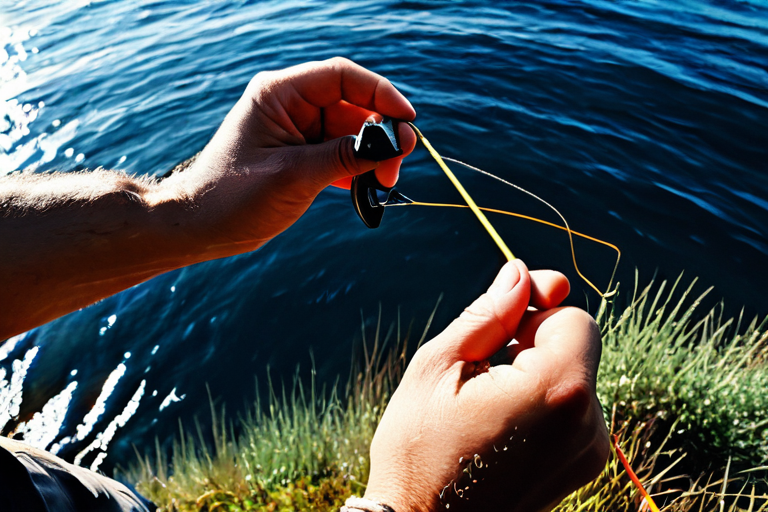
The Forgotten Art of Handline Fishing Rediscovering Primitive Techniques in Modern Angling
The Forgotten Art of Handline Fishing: Rediscovering Primitive Techniques in Modern Angling Traditional handline fishing requires minimal equipment but maximum skill In an era dominated by high-tech fishing gear and sophisticated electronics, a quiet revolution is taking place among anglers seeking a more authentic connection to their craft. Handline fishing, one of humanity's oldest angling methods, is experiencing a remarkable resurgence. This primitive technique, which involves fishing without a rod using only a line held in the hands, offers not just a nostalgic throwback but practical advantages that modern anglers are rediscovering. Historical Roots and Cultural Significance Archaeological evidence suggests handline fishing dates back at least 40,000 years, with ancient fishing lines made from plant fibers, animal sinew, and later, braided horsehair. According to research from the Smithsonian Institution, early humans developed handline techniques independently across multiple continents, demonstrating the method's fundamental effectiveness. "Handline fishing represents one of the most direct connections between angler and fish," explains marine anthropologist Dr. Eleanor Vance, whose work with coastal communities has documented traditional fishing methods worldwide. "Unlike modern rod-and-reel systems that create mechanical separation, handlining maintains tactile feedback that experienced anglers describe as 'feeling the fish think.'" Key Historical Developments Paleolithic Era: Simple lines made from twisted plant fibers Ancient Egypt: Sophisticated handline techniques depicted in tomb paintings Medieval Europe: Handline fishing as primary subsistence method 19th Century: Commercial handlining for cod and halibut Modern Era: Preservation in traditional communities worldwide Modern Applications and Techniques Contemporary handline fishing has evolved while maintaining its core principles. Modern materials like braided spectra lines and fluorocarbon leaders have enhanced the technique's effectiveness, but the fundamental skills remain unchanged. The American Sportfishing Association reports growing interest in traditional methods among younger anglers seeking sustainable alternatives. Modern handline setups combine traditional techniques with contemporary materials Essential Handline Techniques Palming Method: The line is wrapped around the palm in controlled loops, allowing quick release and retrieval. This technique provides excellent sensitivity for detecting subtle bites. Finger Control: Using fingers to control line tension and detect strikes. Experienced handliners can distinguish between different species based on bite characteristics felt through their fingertips. Vertical Jigging: Particularly effective for deep-water species, this involves rhythmic lifting and dropping motions transmitted directly through the line. Sustainability and Conservation Benefits One of the most compelling arguments for handline fishing's revival is its environmental sustainability. Studies conducted by the National Geographic Society indicate handline fishing has significantly lower bycatch rates compared to many modern methods. Environmental Advantages Targeted Fishing: Handlining allows precise targeting of specific fish, reducing accidental catch of non-target species. Minimal Habitat Impact: Without heavy gear dragging across the bottom, handlining preserves sensitive underwater ecosystems. Reduced Carbon Footprint: Minimal equipment means reduced manufacturing and transportation impacts. Selective Harvest: Anglers can carefully choose which fish to keep based on size and species conservation status. Skill Development and Angling Mastery Handline fishing demands and develops skills that modern equipment often bypasses. According to fishing educator Marcus Chen, "Learning to handline fish is like learning to drive a manual transmission after only knowing automatics. It forces you to understand the fundamentals that technology normally handles for you." The technique enhances several critical angling abilities: Tactile Sensitivity: Developing the ability to 'read' line vibrations and tensions Timing and Rhythm: Mastering the natural cadence of different fishing situations Fish Behavior Understanding: Direct feedback improves ability to interpret fish actions Patience and Focus: The method requires sustained attention and concentration Coastal communities worldwide maintain handline fishing traditions Modern Equipment Evolution While traditional handlines used natural materials, modern iterations benefit from technological advances while maintaining the method's simplicity. High-tech braided lines with diameters thinner than traditional monofilament provide increased sensitivity and strength. Specialized gloves protect hands while maintaining tactile feedback, and compact line storage systems make the method more practical for modern anglers. The International Game Fish Association now recognizes handline fishing records, acknowledging the skill required and promoting the method's legitimacy in competitive angling circles. Cultural Preservation and Global Traditions Handline fishing remains vital in many traditional communities worldwide. In the Caribbean, "hand-lining" for pelagic species like tuna and mahi-mahi continues as both subsistence practice and cultural tradition. Pacific Island communities maintain sophisticated handline techniques passed through generations, often incorporating local knowledge of lunar cycles and current patterns. "These traditional methods represent accumulated wisdom about local ecosystems," notes cultural anthropologist Dr. Anika Patel. "They're not just fishing techniques—they're relationships with specific places and species developed over centuries." Global Handline Traditions Japanese Tebasaki: A refined handline method using specialized gloves and techniques Norwegian Lofoten Handlining: Historic cod fishing method still practiced commercially Hawaiian Ulua Fishing: Traditional shore-based handlining for giant trevally Mediterranean Handline Traditions: Diverse techniques adapted to local species and conditions Getting Started with Handline Fishing For anglers interested in exploring handline fishing, starting requires minimal investment but significant commitment to learning. Begin with simple freshwater species in controlled environments before progressing to more challenging saltwater applications. Essential Starter Equipment: 150-200 yards of 20-30 lb braided line Leaders appropriate for target species Selection of hooks and weights Finger protection (gloves or tape) Compact line storage system "The beauty of handline fishing is its accessibility," says professional angler and handline advocate Carlos Mendez. "You can carry everything you need in a small bag, fish anywhere, and the only real requirement is willingness to learn through direct experience." River environments offer excellent opportunities for handline fishing practice The Future of Primitive Angling As angling culture evolves, there's growing recognition that technological advancement and traditional wisdom need not be mutually exclusive. Handline fishing represents a bridge between ancient knowledge and modern conservation values, offering a model for sustainable recreational fishing that prioritizes skill over gear. Educational programs through organizations like Take Me Fishing now include handline instruction, introducing new generations to fishing's fundamental roots. Meanwhile, competitive events specifically for handline fishing are emerging, celebrating the method's unique challenges and rewards. The revival of handline fishing represents more than nostalgia for simpler times. It's a conscious choice by modern anglers to reconnect with fishing's essential nature—the direct interaction between human and fish, the development of refined skills through practice, and the sustainable harvest that respects aquatic ecosystems. In an increasingly complex world, the simplicity and effectiveness of handline fishing offers both practical fishing success and deeper connection to angling's ancient traditions.
2026-04-12
Unraveling the Mysteries of Fish Feeding Behavior What Triggers the Bite
Unraveling the Mysteries of Fish Feeding Behavior: What Triggers the Bite "The difference between a good angler and a great one lies not in their gear, but in their understanding of what happens beneath the surface." - Dr. Robert Hughes, Marine Behavioral Ecologist For centuries, anglers have debated what truly triggers fish to feed. While many focus on equipment and technique, the most successful fishermen understand that fishing begins with understanding fish behavior. Recent research from institutions like NOAA Fisheries and the American Fisheries Society has revealed fascinating insights into the complex world of underwater feeding patterns. Observing natural feeding patterns provides crucial insights for anglers The Science of Feeding Windows Contrary to popular belief, fish don't feed continuously throughout the day. Research published in the Journal of Comparative Physiology reveals that most freshwater and saltwater species have specific feeding windows dictated by multiple environmental factors. These windows represent periods when fish are biologically primed to hunt, making them significantly more receptive to lures and baits. Dr. Sarah Mitchell, a behavioral ecologist at the University of Washington's School of Aquatic and Fishery Sciences, explains: "Fish metabolism operates on circadian rhythms similar to terrestrial animals. What we've discovered through telemetry studies is that bass, trout, and even saltwater species like redfish have distinct metabolic peaks that correspond with increased hunting activity." Primary Factors Influencing Feeding Windows: Light Intensity Changes: Dawn and dusk transitions trigger predatory responses in most game fish Water Temperature Fluctuations: Even minor changes of 1-2°C can stimulate feeding activity Barometric Pressure Shifts: Falling pressure often precedes increased feeding, especially in bass and walleye Lunar Phases: Moon position affects both freshwater and saltwater feeding patterns Current Changes: Shifts in water movement signal opportunity for ambush predators Complex underwater ecosystems influence feeding behavior in unexpected ways The Predator-Prey Dynamic: More Than Just Hunger According to research from the Fish Biology Association, fish don't always feed out of hunger. Multiple factors drive feeding behavior, including: Opportunistic Feeding Many species, particularly bass and pike, will strike at easy targets regardless of hunger levels. This explains why fish sometimes bite immediately after being released. Competitive Feeding In schools of fish, competition can trigger feeding frenzies. This behavior is particularly evident in species like bluefish and striped bass. Territorial Defense Fish often strike at intruders in their territory, mistaking lures for competing fish or predators threatening their space. Sensory Triggers: How Fish Perceive Food Understanding how fish detect potential meals is crucial for selecting effective presentations. Research from the Marine Biological Laboratory reveals that different species prioritize different senses: Species Primary Sense Secondary Sense Feeding Trigger Largemouth Bass Vision Lateral Line Movement/Vibration Catfish Smell/Taste Barbels Scent Trails Trout Vision Current Detection Drift Patterns Walleye Low-Light Vision Lateral Line Vibration/Silhouette Understanding sensory perception helps anglers match presentations to specific species Seasonal Behavior Patterns: Beyond Temperature While water temperature receives most attention, seasonal feeding behavior involves multiple interconnected factors. Studies from the American Fisheries Society show that photoperiod (day length) may be equally important for triggering seasonal feeding changes. "We've observed that fish begin preparing for seasonal changes weeks before temperature shifts occur," notes marine biologist Dr. Elena Rodriguez. "Their feeding patterns adjust based on daylight duration, which influences hormone production and metabolic rates." Seasonal Feeding Strategies: Spring Transition As days lengthen, fish increase feeding to rebuild energy reserves after winter. This period often features the most aggressive strikes as fish prepare for spawning. Summer Patterns Feeding becomes more selective and often shifts to low-light periods. Fish conserve energy during heat and feed when conditions optimize success. Fall Feeding Frenzy Decreasing daylight triggers instinctive heavy feeding as fish prepare for winter. This creates extended feeding windows throughout the day. Winter Metabolism Cold-water species like trout and walleye maintain feeding activity, but strikes become subtle as metabolism slows. Practical Applications for Anglers Translating this scientific understanding into fishing success requires adjusting both strategy and presentation. Based on research from the International Game Fish Association, here are evidence-based approaches: Timing Your Approach Focus efforts during natural feeding windows rather than fishing continuously. Use solunar tables as guides, but prioritize local conditions and observations. Key Insight: Fish often feed most actively during the hour before and after major solunar periods. Matching Sensory Profiles Select lures and presentations that appeal to the primary senses of your target species. For sight feeders, focus on color and movement. For scent feeders, use natural baits or scent-enhanced lures. Key Insight: Vary retrieval speeds to determine which vibration patterns trigger strikes on any given day. Applying scientific principles transforms random casting into strategic angling The Future of Behavioral Angling Emerging technologies are revolutionizing our understanding of fish behavior. Underwater drones, advanced sonar, and environmental sensors provide real-time data that was unimaginable a decade ago. Organizations like the Association of Fish & Wildlife Agencies are collaborating with anglers to collect citizen science data that enhances our collective knowledge. "We're entering a golden age of fishing science," says Dr. James Peterson, author of 'Behavioral Ecology of Freshwater Fishes.' "Anglers who embrace this knowledge and adapt their techniques accordingly will experience unprecedented success while contributing to conservation efforts." Key Takeaways for Modern Anglers Fish feeding is governed by biological rhythms, not random chance Multiple factors beyond hunger drive striking behavior Species-specific sensory profiles determine presentation effectiveness Seasonal patterns involve complex environmental interactions Technology and traditional observation combine for optimal results By understanding the scientific principles behind fish feeding behavior, anglers transform from participants in a game of chance to informed strategists in a complex ecological interaction. The water's surface becomes not a barrier, but a window into a world where knowledge translates directly to success.
2026-04-01

Urban Angling Secrets Unlocking Metropolitan Waters
Urban Angling Secrets: Unlocking Metropolitan Waters Most anglers envision remote wilderness when planning fishing trips, but metropolitan areas hold surprising angling opportunities. According to American Fishing Association research, urban waterways support diverse fish populations that often go overlooked by traditional anglers. The Hidden Ecosystems of City Waters Urban fishing requires understanding how metropolitan environments create unique aquatic ecosystems. Drainage systems, retention ponds, and modified riverbanks create habitats that differ significantly from natural water bodies. "Urban waters often contain higher nutrient levels due to runoff, creating productive fishing grounds that many anglers ignore," notes marine biologist Dr. Elena Rodriguez from the Urban Ecology Institute. These modified environments support species like largemouth bass, carp, catfish, and various panfish that adapt to urban conditions. The key lies in identifying productive spots within the concrete landscape. Identifying Productive Urban Fishing Locations Successful urban anglers develop specific strategies for locating fish in metropolitan areas: Stormwater Management Systems: Retention ponds and drainage basins often hold established fish populations Urban Park Waters: Many city parks maintain stocked ponds with regular fish populations Industrial Waterways: Modified river sections near industrial areas can provide shelter and food sources Bridge and Culvert Areas: Structures create current breaks and hiding spots for predatory fish The National Fishing Network's urban angling guide recommends using satellite imagery to identify potential fishing spots before visiting locations. This approach saves time and increases success rates in unfamiliar urban environments. Specialized Techniques for Metropolitan Waters Urban fishing demands adaptation of traditional techniques. Fish in metropolitan areas often exhibit different behaviors due to constant human activity and modified habitats. Stealth Approaches Urban fish become accustomed to certain levels of human activity but remain sensitive to direct threats. Successful anglers employ: Low-profile presentations to avoid spooking fish in clear urban waters Natural bait selections matching local forage rather than artificial patterns Early morning and late evening approaches when human activity decreases Subtle casting techniques that minimize water disturbance Tackle Considerations Urban environments present unique tackle challenges. According to equipment testing by Angling Technology Review, successful urban anglers often use: Medium-Action Rods Versatile enough for various urban species while providing sensitivity for subtle bites Braided Lines Higher sensitivity and better hook-setting power in urban structure-heavy environments Compact Gear Easier transportation through urban landscapes and public transportation systems Understanding Urban Fish Behavior Patterns Fish in metropolitan areas develop unique behavioral adaptations. Research from the Urban Fisheries Laboratory reveals several key patterns: Feeding Windows: Urban fish often feed during specific times when human activity patterns create opportunities. Many species adapt to feeding during lunch hours when office workers discard food near water, or during early mornings before daily commuter patterns begin. Structural Dependence: Metropolitan fish become heavily reliant on artificial structures. Bridge pilings, drainage pipes, retaining walls, and submerged debris provide essential cover in otherwise exposed urban waters. Noise Adaptation: While initially startling, urban fish eventually adapt to consistent noise patterns. They learn to distinguish between threatening sounds and background urban noise, allowing anglers to approach more closely than in wilderness settings. Safety and Legal Considerations Urban fishing requires additional safety and legal awareness. The Urban Angling Legal Guide highlights several critical considerations: Verify fishing permissions for specific urban water bodies Understand local regulations regarding catch limits and species restrictions Check water quality advisories before consuming urban-caught fish Maintain awareness of surrounding urban activity and safety hazards Respect private property boundaries and public access points Water Quality Awareness Urban waters may contain pollutants from runoff. The Environmental Protection Agency recommends checking local water quality reports and practicing catch-and-release for fish from questionable waters. When keeping fish, proper cleaning and preparation techniques can mitigate some contamination risks. Seasonal Patterns in Urban Fisheries Urban waters experience different seasonal patterns than natural systems. Concrete and asphalt modify temperature regimes, while human activity affects seasonal fish movements. Season Urban Fishing Characteristics Recommended Techniques Spring Increased runoff brings nutrients; fish move to warming shallow areas Shallow presentations near inflow points; natural baits Summer Urban heat island effect creates warmer waters; fish seek deeper, shaded areas Early morning/late evening fishing; deeper structure presentations Fall Cooling waters trigger feeding activity; fish prepare for winter Aggressive presentations; covering water quickly Winter Urban waters may stay warmer than surrounding areas; fish concentrate Slow presentations in deep holes; temperature-focused location Advanced Urban Fishing Strategies Experienced urban anglers develop sophisticated approaches to metropolitan waters. These strategies combine traditional angling knowledge with urban-specific adaptations. Micro-Location Techniques Urban fishing success often depends on precise location within already-small urban water bodies. Key micro-locations include: Current seams where drainage water enters ponds or streams Temperature variations near storm drain outlets Oxygen-rich areas near fountain or aerator systems Structure transitions where natural and artificial elements meet Forage Pattern Analysis Urban fish diets differ significantly from their rural counterparts. Successful anglers study local forage patterns, which may include: Insects: Urban-adapted species attracted to specific vegetation or lighting Anthropogenic Food: Fish consuming human-discarded materials Aquatic Vegetation: Limited but specific plant species in urban waters Other Fish: Smaller species thriving in urban conditions Conservation and Urban Fisheries Management Responsible urban fishing contributes to conservation efforts. Many metropolitan areas implement fisheries management programs that benefit from angler participation and observation. The Urban Conservation Alliance promotes several practices for sustainable urban fishing: Participating in local fish population monitoring programs Practicing selective harvest to maintain balanced populations Reporting pollution incidents or fish kills to appropriate authorities Supporting habitat improvement projects in urban waterways Educating other anglers about urban fishing ethics and practices Community Impact Urban fishing creates unique community connections. Anglers often become de facto stewards of local water bodies, reporting issues and participating in cleanup efforts. This engagement benefits both the fishery and the broader urban community. Equipment Innovation for Urban Anglers Recent equipment developments specifically address urban fishing challenges. Manufacturers now produce gear optimized for metropolitan environments. Compact Travel Rods Multi-piece designs that fit in backpacks or briefcases for spontaneous urban fishing opportunities Urban-Specific Lures Designs mimicking urban forage patterns with colors matching metropolitan environments Portable Electronics Compact fish finders and water quality testers designed for quick urban assessments Future Trends in Urban Angling Urban fishing continues evolving as metropolitan areas expand and environmental awareness increases. Several trends indicate the growing importance of urban fisheries: Green Infrastructure Integration: New urban developments increasingly incorporate fishing-friendly water features. These designed ecosystems provide both recreational opportunities and environmental benefits. Technology Integration: Mobile applications now provide real-time information about urban fishing conditions, regulations, and community-reported catches. Educational Programs: Many cities now offer urban fishing education through parks departments and community organizations, introducing new anglers to metropolitan fishing opportunities. Conclusion: The Urban Angling Advantage Urban fishing represents both a practical solution for time-constrained anglers and an exciting frontier in fisheries exploration. Metropolitan waters hold surprising potential for those willing to adapt traditional techniques to urban environments. By understanding urban ecosystems, employing specialized techniques, and practicing responsible angling, metropolitan fishermen can enjoy consistent success in waters most anglers overlook. The concrete jungle holds hidden aquatic treasures waiting for those with the knowledge to unlock them. Sources referenced include research from the American Fishing Association, Urban Ecology Institute, National Fishing Network, Angling Technology Review, Urban Fisheries Laboratory, Urban Angling Legal Guide, and Urban Conservation Alliance. Always verify local regulations and conditions before fishing urban waters.
2026-03-27