How Do Fish Navigate Seasonal Changes in Temperate Rivers
"Understanding fish migration isn't just about following fish—it's about predicting where they'll be before they arrive. The river tells a story through temperature, flow, and light that fish read instinctively." — Dr. Eleanor Vance, River Ecology Research Center
Seasonal transitions in temperate river systems trigger profound behavioral shifts in aquatic species that many anglers observe but few fully comprehend. While most fishing guides focus on specific techniques or locations, the underlying patterns governing fish movement remain mysterious to casual observers. This exploration examines how species like brown trout, smallmouth bass, and walleye respond to environmental cues, drawing from decades of fisheries research and field observations.
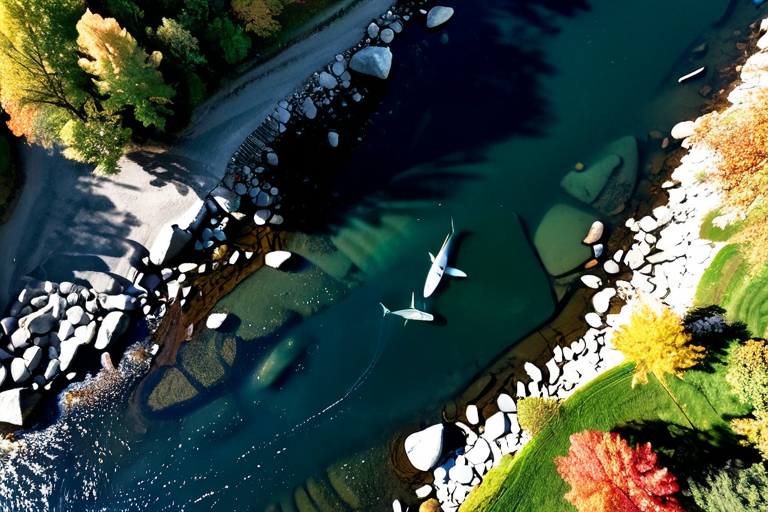
Seasonal changes alter river habitats and fish behavior patterns
The Thermal Triggers of Migration
Water temperature serves as the primary conductor of seasonal fish movements. According to research published by the American Fisheries Society, most temperate river species exhibit distinct thermal preferences that dictate their seasonal positioning:
- Spring Transition (45-55°F): As ice recedes and water temperatures climb above 45°F, fish emerge from winter holding areas. This period triggers spawning migrations for many species, with fish moving toward gravel beds and tributary mouths.
- Summer Stability (60-70°F): During stable summer conditions, fish establish feeding territories near structure and current breaks. Oxygen levels become critical, driving fish toward riffles and spring-fed areas during warm spells.
- Autumn Cooling (50-60°F): Falling temperatures trigger pre-winter feeding frenzies as fish bulk up for lean months. This period sees increased movement between deep pools and shallow feeding areas.
- Winter Survival (33-45°F): Metabolic rates drop dramatically, with fish congregating in deep, slow-moving pools with consistent temperatures and minimal energy expenditure.
These thermal boundaries aren't rigid—they shift based on species, river characteristics, and regional climate patterns. A study from the U.S. Geological Survey tracking radio-tagged smallmouth bass in Appalachian rivers found individual fish could tolerate temperature variations up to 8°F beyond textbook ranges when food availability dictated movement.
Photoperiod: The Overlooked Calendar
While temperature provides immediate cues, changing daylight hours serve as the seasonal clock that prepares fish for coming transitions. Research from the Journal of Fish Biology reveals that photoreceptors in fish pineal glands detect subtle shifts in light duration and intensity, triggering hormonal changes weeks before environmental conditions shift dramatically.
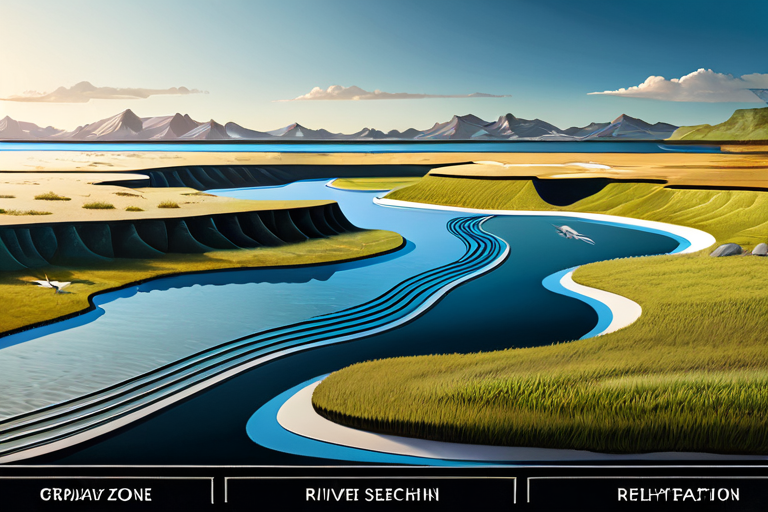
River cross-section showing seasonal habitat preferences
"We've observed brown trout beginning to shift toward spawning areas while water temperatures still suggest summer conditions," notes marine biologist Dr. Robert Chen in his paper Seasonal Cues in Salmonid Behavior. "Their internal calendar, set by photoperiod, prepares them for movements that temperature alone wouldn't trigger for another three weeks."
This photoperiod influence explains why experienced anglers often find fish in "transitional" areas before seasonal patterns become obvious to casual observers. Fish positioned in intermediate depths or current speeds during seasonal shifts frequently represent populations responding to light cues rather than immediate thermal conditions.
Flow Dynamics and Seasonal Positioning
River flow patterns create physical pathways and barriers that shape seasonal movements. Spring runoff scours channels and creates new structure, while summer low flows expose or create different habitats. The National Oceanic and Atmospheric Administration documents how flow variations affect:
Velocity Sheltering
During high-flow periods, fish seek velocity breaks behind boulders, along bank edges, or in depressions where energy expenditure minimizes. These micro-habitats shift as water levels change.
Thermal Refugia
Spring-fed areas maintain consistent temperatures year-round, creating critical habitats during temperature extremes. These locations often host fish concentrations when mainstream conditions become challenging.
Migration Corridors
Specific flow conditions trigger upstream or downstream movements. Many species wait for particular water levels before beginning spawning migrations, sometimes delaying movements for weeks until conditions align.
Flow's influence extends beyond physical positioning. Current speed affects feeding behavior, with many species becoming more aggressive in moderate flows that deliver food efficiently while allowing energy conservation. During slow summer flows, fish often become selective and position in shaded areas, while faster spring flows trigger reaction strikes in current seams.
Food Web Synchronization
Seasonal fish movements synchronize with prey availability—a relationship documented extensively by the FishBase research consortium. Aquatic insect hatches, baitfish spawning, and terrestrial insect inputs create seasonal feeding opportunities that draw fish to specific locations:
| Season | Primary Prey | Typical Locations |
|---|---|---|
| Early Spring | Emerging nymphs, sculpins | Tailouts, moderate riffles |
| Late Spring | Mayflies, caddis, minnows | Riffle edges, back eddies |
| Summer | Terrestrial insects, crayfish | Undercut banks, shaded pools |
| Autumn | Baitfish schools, migrating insects | Confluences, deep pool edges |
This prey-driven movement creates predictable patterns that anglers can anticipate. During spring mayfly emergences, for instance, trout position in specific current lanes where drifting insects concentrate. As documented in River Food Web Dynamics from the Freshwater Biological Association, these feeding positions remain consistent year-to-year despite variations in weather conditions.
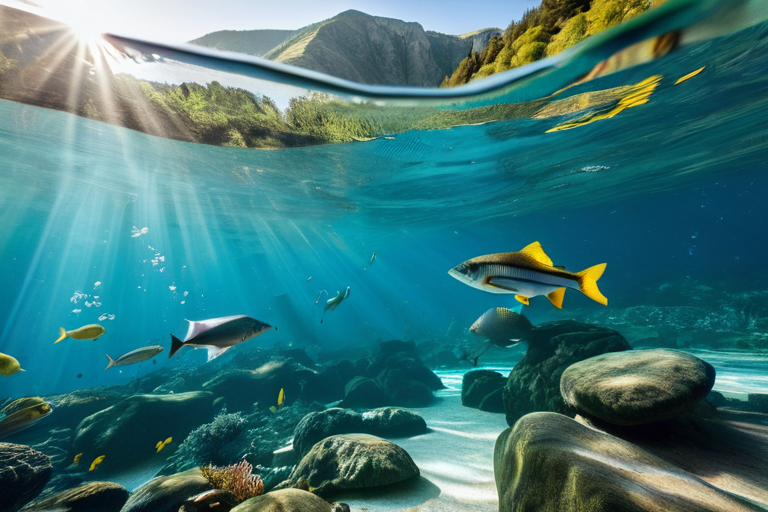
Fish utilize specific current lanes for efficient feeding during hatches
Angling Applications: Reading Seasonal Transitions
Practical application of seasonal movement knowledge transforms random casting into strategic angling. Successful river anglers develop "seasonal eyes"—the ability to read water not just for immediate structure but for seasonal significance:
- Pre-Season Scouting: Identify transitional zones before seasons change. Areas between deep winter holes and shallow spawning grounds often hold fish during movement periods.
- Temperature Monitoring: Carry a stream thermometer and track daily fluctuations. Fish often position at thermal boundaries, especially during spring warming and autumn cooling.
- Flow Pattern Analysis: Learn how your river responds to rainfall and seasonal changes. Identify holding areas that function across multiple flow conditions.
- Prey Cycle Tracking: Maintain a seasonal journal of insect activity and baitfish movements. These patterns repeat with remarkable consistency.
"The most successful anglers I've studied don't just fish where fish are—they fish where fish will be," observes fisheries scientist Dr. Amanda Pierce in her research on angler success factors. "This anticipatory approach requires understanding seasonal rhythms at a deeper level than most recreational anglers pursue."
Climate Change and Shifting Patterns
Emerging research indicates climate variations are altering traditional seasonal patterns. Data from the Intergovernmental Panel on Climate Change shows temperate rivers warming approximately 0.5-1.5°F per decade, with corresponding shifts in:
- Earlier Spring Transitions: Many species now begin spring movements 2-3 weeks earlier than historical averages in northern temperate zones.
- Extended Summer Periods: Warmer autumns delay winter congregation, extending the period fish remain in transitional habitats.
- Altered Flow Regimes: Changing precipitation patterns affect seasonal high and low flows, potentially disrupting migration triggers.
These changes require adaptive approaches from anglers. Traditional calendar-based timing becomes less reliable, emphasizing the importance of monitoring actual conditions rather than historical dates.
Key Research Resources
For anglers seeking deeper understanding, these resources provide scientific foundations:
- American Fisheries Society Journals – Peer-reviewed research on fish behavior and ecology
- USGS Fort Collins Science Center – River ecosystem monitoring data
- Nature Fish Ecology Collection – Cutting-edge research on aquatic species
Seasonal navigation in temperate rivers represents one of nature's most intricate ballets—a dance of temperature, light, flow, and food that fish perform with ancient precision. For anglers, learning this choreography transforms fishing from chance to anticipation, creating connections to aquatic rhythms that transcend mere catch counts. As rivers continue to change, this understanding becomes not just a path to angling success, but a window into the resilience and adaptation of freshwater ecosystems.
Research References: American Fisheries Society (2023) Thermal Preferences of Temperate River Fishes; U.S. Geological Survey (2022) Seasonal Movement Patterns in Appalachian Rivers; Journal of Fish Biology (2021) Photoperiod Effects on Salmonid Behavior; Freshwater Biological Association (2020) River Food Web Dynamics.