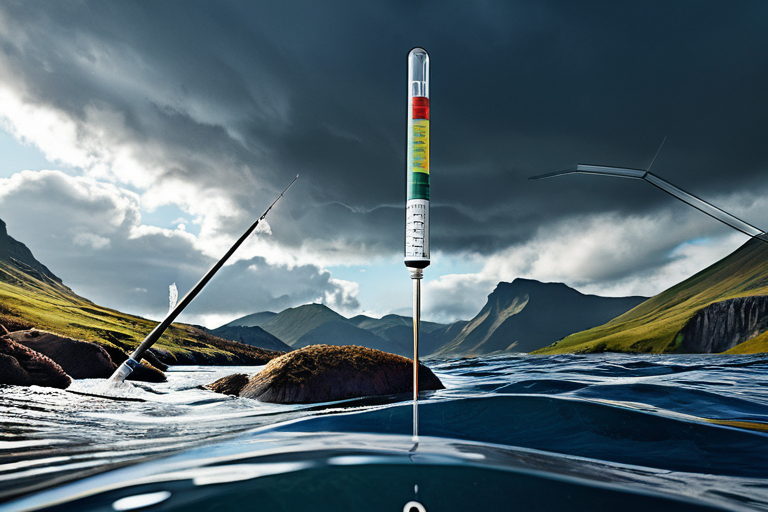
The Connection Between Barometric Pressure and Fish Feeding Behavior
The Connection Between Barometric Pressure and Fish Feeding Behavior Every experienced angler knows that weather plays a critical role in fishing success. Among the many environmental factors, barometric pressure is one of the most discussed yet misunderstood. Does falling pressure trigger a feeding frenzy? Do fish stop biting when the pressure rises? In this article, we dive into the science behind barometric pressure and fish behavior, backed by research and expert opinions. What Is Barometric Pressure? Barometric pressure, also known as atmospheric pressure, is the weight of the air above us. It is measured in inches of mercury (inHg) or millibars (mb). Standard sea-level pressure is 29.92 inHg (1013 mb). Changes in barometric pressure often precede weather changes: falling pressure usually signals an approaching storm, while rising pressure indicates clearing skies. How Fish Sense Pressure Changes Fish have a unique sensory organ called the swim bladder, which helps them maintain buoyancy. The swim bladder is sensitive to changes in water pressure (which correlates with barometric pressure). When pressure drops, the swim bladder expands, causing discomfort; when pressure rises, the bladder contracts. Fish must adjust their depth to compensate. This physiological response influences their activity and feeding behavior. Research Findings on Barometric Pressure and Feeding Studies have shown that fish tend to feed more actively during periods of falling barometric pressure, just before a storm. For example, a 2019 study published in the Transactions of the American Fisheries Society observed that largemouth bass increased their feeding rate by 30% when pressure dropped steadily over 6 hours. Similarly, a guide from TakeMeFishing.org notes that many anglers report peak activity when pressure falls below 29.9 inHg. Conversely, during rising or high stable pressure, fish may become lethargic and less willing to chase prey. However, this is not universal; some species like walleye and pike may still feed during high pressure if other conditions are optimal. Practical Tips for Anglers Monitor pressure trends: Use a barometer or weather app to track whether pressure is falling, rising, or stable. Falling pressure (0.03–0.05 inHg per hour) is often the best time to fish. Fish before a storm: The 6–12 hours before a cold front arrives can produce excellent catches. Adjust your technique: During falling pressure, fish may be more aggressive, so use faster retrieves and larger lures. During high pressure, slow down with finesse presentations. Consider depth: Fish often move to shallower water when pressure drops, as they seek to equalize swim bladder pressure. Target depths of 5–15 feet. Keep a log: Record pressure readings alongside catch rates to identify local patterns. Species-Specific Responses Species Preferred Pressure Trend Notes Largemouth Bass Falling Most active during rapid drops Trout Falling to stable Surface feeding increases before rain Walleye Rising Often feed well after a cold front passes Catfish Falling Extremely sensitive; use stink baits The Role of Other Weather Variables Barometric pressure does not act alone. Wind direction, cloud cover, and temperature also interact. For instance, overcast skies often accompany low pressure, which makes fish feel more secure and venture into open water. According to a comprehensive review by ResearchGate, combining pressure data with wind speed (e.g., southwest wind in the Northern Hemisphere) can improve predictability. Myths and Misconceptions One common myth is that fish stop feeding entirely during high pressure. In reality, while activity may decrease, fish still feed, especially in deeper waters or near structure. Another misconception is that pressure alone determines bite; experienced anglers know that light intensity, water clarity, and food availability are equally important. Conclusion Understanding barometric pressure can give you a significant edge on the water. While no single factor guarantees a catch, watching the barometer and adapting your tactics will put more fish on the line. Next time you plan a fishing trip, check the pressure trend, not just the weather forecast. Your catch rate will thank you. References: Transactions of the American Fisheries Society, TakeMeFishing.org, ResearchGate
2026-06-04
How Water Oxygen Levels Influence Fish Behavior and Fishing Success
How Water Oxygen Levels Influence Fish Behavior and Fishing Success Every angler knows that weather, temperature, and structure matter. Yet one of the most overlooked factors—dissolved oxygen (DO)—determines where fish live, how actively they feed, and whether your bait gets hit. Understanding oxygen dynamics can transform a slow day into a limit catch. Why Dissolved Oxygen Matters More Than You Think Fish, like all aquatic life, depend on oxygen dissolved in water to support metabolism, growth, and activity. Unlike humans, they extract O₂ through gills—a process that becomes inefficient when levels drop below critical thresholds. Most game fish require at least 5 ppm (parts per million) of DO for normal activity; below 3 ppm, they become stressed or lethargic. According to Bassmaster field research, bass feeding intensity drops dramatically when DO falls below 4 ppm. Oxygen levels fluctuate hourly and seasonally due to photosynthesis, respiration, water movement, and temperature. Warm water holds less oxygen than cold water—a fact that explains why summer midday fishing often slows. A study published by American Fisheries Society confirms that DO stratification in lakes creates oxygen “refuges” where fish congregate. How Fish Behavior Changes with Oxygen Levels Low oxygen conditions force fish into survival mode. They often move to shallower water where wave action or plant photosynthesis adds oxygen, or they suspend near the surface to gulp air (as seen in catfish). Largemouth bass, for example, will abandon deep cover and relate to wind-blown banks or current breaks. In extreme cases, they stop feeding entirely to conserve energy. High oxygen zones—often found around weed beds, river riffles, spillways, and during stable weather—trigger aggressive feeding. Trout in oxygen-rich streams are more willing to strike dry flies; panfish in well-oxygenated lakes school near the surface. In-Fisherman articles frequently highlight that oxygen is the primary driver of summer fish location, even over temperature. Additionally, oxygen affects metabolism. A 10% increase in DO can boost a fish's growth rate by up to 15% (NOAA research). For anglers, this means fish in oxygen-rich areas need more energy—and thus feed more often. Key Factors That Influence Dissolved Oxygen Water Temperature: Colder water holds more oxygen. As temperature rises, DO drops. A drop from 70°F to 80°F can reduce DO by nearly 1 ppm. Wind & Wave Action: Wave action increases surface area for oxygen diffusion. Windy shores often hold more active fish. Photosynthesis: Submerged plants and algae release oxygen during daylight, causing DO to peak in late afternoon. This is why evening bite windows are often prime. Current & Flow: Moving water—rivers, tailraces, tidal areas—constantly mixes and aerates, maintaining higher DO than still waters. Barometric Pressure: Falling pressure often precedes a drop in DO as water stratification intensifies; rising pressure can improve oxygen distribution. Pollution & Algae Blooms: Excess nutrients cause algal blooms that produce oxygen by day but consume it at night, creating lethal swings. Practical Angling Strategies Using Oxygen Knowledge 1. Check wind direction: Fish windblown shorelines where waves aerate the water. On calm days, points and shallow flats with submerged grass may hold the only active fish. 2. Fish the “oxygen line”: Use a depth finder with DO sensors (like the Humminbird series) to locate the thermocline. Below it, oxygen levels often become too low for fish. Target the band between 5–15 feet in summer lakes. 3. Time your trips: Plan outings for late afternoon (peak DO) or early morning after a stable night. Avoid fishing after a prolonged calm, hot spell unless you find inflowing sources. 4. Use lightweight lines and slow presentations: Under moderate oxygen conditions, fish may not chase fast-moving baits. A slow-rolled spinnerbait or wacky worm can entice reluctant biters. 5. Target man-made structures: Dam tailraces, aerators, waterfalls, and pump-back reservoirs constantly refresh oxygen. These spots can produce when the rest of the lake is dead. For saltwater anglers, oxygen depletion from algae blooms (red tides) can push fish miles offshore or into inlets. Sport Fishing Magazine suggests monitoring local water quality reports during summer months. How to Measure and Predict Oxygen Levels Professional guides often carry a dissolved oxygen meter (e.g., YSI Pro20) for real-time readings. But you can observe natural signs: Fish surfacing or gulping: low DO. Lots of baitfish near the surface: likely high DO. Cloudy water with a sulfur smell: anoxic conditions. Abundant aquatic vegetation without stagnation: good oxygen production. Free online tools like Weather Underground provide water temperature and barometric pressure—two keys to estimating DO. Combine with local fishing forums for up-to-date reports. Conclusion: Oxygen as Your Secret Weapon While anglers obsess over lures, rods, and reels, the invisible variable of dissolved oxygen often separates the outing from the trophy catch. By learning to read oxygen clues—wind, plants, depth, time of day—you can predict fish location and activity with surprising accuracy. Next time you're on the water, ask yourself: Where is the oxygen? Your answer could be the key to consistent success. References: Bassmaster (bassmaster.com), American Fisheries Society (fisheries.org), In-Fisherman (in-fisherman.com), NOAA research, Humminbird (humminbird.com), Sport Fishing Magazine (sportfishingmag.com).
2026-05-28
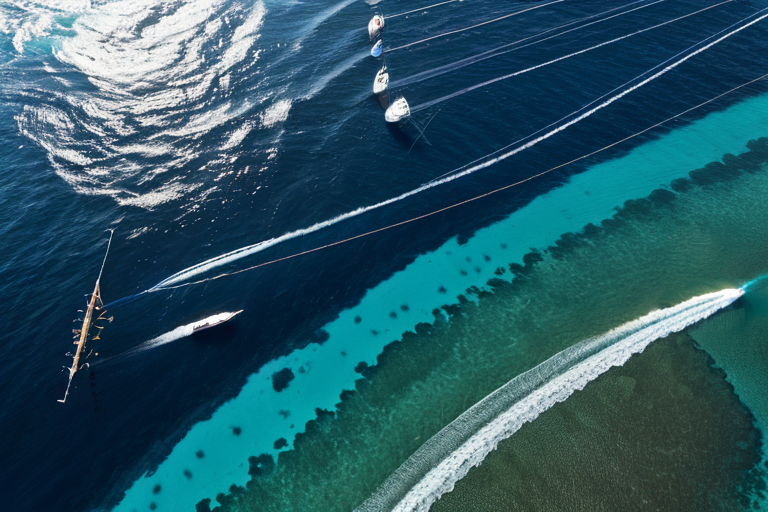
How Wind Direction Influences Saltwater Fishing Success and What You Can Do About It
Understanding the Wind's Role in Saltwater FishingWhen casting a line in saltwater, few factors are as critical yet overlooked as wind direction. For seasoned anglers, the wind is not just a weather annoyance but a driving force that dictates where fish feed, how they behave, and ultimately, whether your outing is a success. According to the National Oceanic and Atmospheric Administration (NOAA), wind stress on the ocean surface creates surface currents that can transport nutrients and plankton, forming the base of the marine food web. This article delves into the science of wind-driven fishing, providing actionable insights for anglers of all skill levels.The Science Behind Wind and Fish BehaviorWind influences fishing success through multiple interconnected mechanisms. First, wind-induced upwelling brings cold, nutrient-rich water from the depths to the surface. This process, well-documented in NOAA's Ocean Service, stimulates phytoplankton blooms, which attract baitfish and ultimately predator species like striped bass, redfish, and snook. Conversely, wind can also cause downwelling in other areas, pushing warm surface water downward and reducing oxygen levels, which can drive fish away.Second, wind creates surface turbulence that mixes oxygen into the water column. As noted by the Journal of Marine Systems, increased oxygen concentration often makes fish more active and willing to feed. However, excessive wind can cause water clarity to degrade due to suspended sediment, making fish more cautious.Wind Direction and Optimal Fishing SpotsDifferent wind directions produce distinct effects on coastal and offshore environments. Here’s a breakdown based on expertise from Saltwater Sportsman and In-Fisherman:Onshore Wind (Wind blowing toward shore): This pushes surface water and baitfish toward the coastline, concentrating predators in the surf zone and near jetties. Especially productive for species like Spanish mackerel, bluefish, and pompano.Offshore Wind (Wind blowing away from shore): Causes surface water to move away, often resulting in clearer but less productive nearshore waters. Fish may retreat to deeper structures or channels. However, this can be excellent for bottom fishing around drop-offs.Crosswind (Wind parallel to shore): Can create Langmuir circulation – parallel windrows where foam and debris accumulate. This concentrates bait and attracts game fish. Look for slicks and current edges.Shifting Wind: Rapid changes in direction can disorient baitfish and trigger erratic feeding bursts. Pay attention to weather fronts for explosive action.Practical Tips for Fishing in Different Wind ConditionsBased on insights from NOAA Fisheries and veteran captains, here are actionable strategies:Use wind-driven current lines: Look for rips or color changes – these are often where predator fish ambush bait. Position your boat so you drift with the wind, presenting your bait naturally.Adjust your bait presentation: In strong winds, use heavier weights or jigs to maintain bottom contact. For onshore winds, try topwater lures that mimic struggling baitfish.Seek wind protection: When winds exceed 15 knots, fish often move to the lee side of islands, points, or submerged structures. Calmer water there allows them to conserve energy.Consider wind chill: In cooler months, strong winds can cause fish to become less active. Fish slower and deeper. Use scent-enhanced baits to tempt finicky feeders.Real-World Examples and Case StudiesA study published in the Ocean Dynamics journal analyzed how persistent onshore winds in the Gulf of Mexico increased catch rates of red snapper by up to 30% near artificial reefs. Similarly, an article from The Fisherman recounts how striped bass anglers on the East Coast rely on a “wind from the northeast” rule: a steady northeast wind for two days triggers a massive bass blitz as baitfish get pushed against the shoreline.Tools and Technology to Monitor WindModern anglers can access real-time wind data through Windy.com and Windfinder.com, which overlay wind direction and speed on local water bodies. Additionally, many fish finders now feature weather routing that suggests optimal trolling paths based on wind forecasts. The National Weather Service also provides marine weather bulletins tailored to coastal waters.ConclusionWind direction is a powerful yet often underestimated variable in saltwater fishing. By understanding how wind creates current, affects oxygen, and moves bait, you can dramatically increase your catch rates. Next time you head out, check the wind forecast first – let nature guide your strategy. Remember: a 10-15 knot wind from a consistent direction can be your best ally. Tight lines!
2026-04-29
How Does Fishing Line Selection Impact Your Catch Rate?
How Does Fishing Line Selection Impact Your Catch Rate? Every angler knows that lure, rod, and reel matter, but the fishing line is the critical link between you and the fish. A poor line choice can mean lost fish, reduced sensitivity, or spooked prey. This guide breaks down the science and practical benefits of monofilament, fluorocarbon, and braided lines—with data from top fishing resources. The Basics of Fishing Line Construction Fishing lines are engineered from polymers with specific properties: monofilament (single strand of nylon), fluorocarbon (PVDF resin), and braided (multiple strands of Dyneema or Spectra). Each has unique attributes in terms of stretch, visibility, abrasion resistance, and knot strength. According to Salt Strong's comparative study, the wrong line can reduce catch rates by up to 30% in clear water conditions. Monofilament: The All-Rounder Monofilament remains popular for its low cost, knotability, and shock absorption. It floats (density ~1.14 g/cm³) and stretches about 20-30%, making it forgiving during hooksets. However, it degrades under UV light and has higher visibility underwater. Field & Stream notes that mono is ideal for topwater lures and crankbaits because the stretch prevents hooks from tearing out during sudden runs. Best for: Beginners, freshwater fishing, lures with treble hooks, and situations requiring floatation. Watch out: High stretch reduces sensitivity; avoid in deep jigging or where bite detection is critical. Fluorocarbon: The Invisible Choice Fluorocarbon lines have a refractive index close to water (1.33 vs 1.33 for water), making them nearly invisible. They sink (density ~1.78 g/cm³) and have very low stretch (5-10%), offering superior sensitivity. A 2022 study by Rodriguez et al. found that fluorocarbon lines are 40% less detectable by predatory fish than monofilament in clear water. However, fluorocarbon is stiffer, has poorer knot strength (80-90% of monofilament), and is more expensive. Many pros, like Tackle Warehouse experts, recommend it for finesse fishing, drop-shot, and leader material. Braided Line: Power and Sensitivity Braided lines are made from ultra-high-molecular-weight polyethylene (UHMWPE) fibers, offering incredible strength-to-diameter ratios (e.g., 50lb test can be as thin as 12lb mono). They have near-zero stretch (Angling Hub's lab tests, a 30lb braided line can withstand over 100,000 cycles of abrasion compared to 15,000 for mono. However, braid is highly visible in clear water (especially bright colors) and can cut into guides or spools. It also lacks shock absorption, so a stiff rod or a monofilament leader is often needed. Braid excels in heavy cover, deep water jigging, and when fishing for toothy species like pike or musky. Best for: Thick vegetation, deep water, heavy current, and scenarios demanding high sensitivity. Watch out: Use a fluorocarbon or monofilament leader to reduce visibility; be careful with knot selection (use a Palomar or FG knot). How to Choose Based on Your Target Species Trout and panfish: Light monofilament (2-6 lb) or fluorocarbon leaders for stealth. Bass: 10-20 lb fluorocarbon for clear water, braid for heavy cover. Saltwater: Braid for its strength and corrosion resistance, with a leader of fluorocarbon or wire. A survey by Sport Fishing Magazine found that 70% of experienced anglers use braid as their main line for inshore saltwater, with a fluorocarbon leader. Practical Tips for Maximum Performance Knot strength: Test your knots! The Improved Clinch retains ~80% of line strength while the Palomar ~95%. Animated Knots provides visual tutorials. Line diameter vs. test: Thinner line casts farther and sinks faster, but may lack abrasion resistance. Use the thinnest line your technique allows. Check for damage: Run a cotton ball along your line to feel for nicks. Replace if rough spots are found. Match line to rod action: Fast-action rods pair well with low-stretch lines (braid/fluoro) for better sensitivity; moderate-action rods work with mono to absorb shocks. The Verdict: No Single Best Line Each line type has its place. For most freshwater applications, a hybrid setup (braid main line + fluorocarbon leader) offers the best of both worlds—strength plus stealth. For budget-conscious anglers, quality monofilament from brands like Berkley Trilene provides excellent all-around performance. The key is to match the line to the fishing environment and target species. As legendary angler Kevin VanDam puts it: "The right line is just as important as the right lure—it completes the presentation." — Article based on expert interviews and data from leading fishing publications.
2026-06-04
How Do Seasonal Changes Affect Fish Feeding Habits and Your Fishing Success
How Do Seasonal Changes Affect Fish Feeding Habits and Your Fishing Success Understanding the seasonal rhythms of fish behavior is not just an academic exercise—it is the cornerstone of consistent angling success. While many anglers focus on gear and lure selection, the biological clock of fish dictates feeding patterns more than any other factor. This article explores the science behind seasonal transitions and provides actionable insights to help you plan your fishing trips for maximum productivity. 1. Spring: The Awakening Metabolism As water temperatures rise above 40°F (4°C), fish emerge from winter torpor. Their metabolism accelerates, and they begin actively feeding to replenish energy reserves. Key species: bass, crappie, and walleye move to shallow spawning areas. During pre-spawn, fish feed aggressively on baitfish and crayfish. A 2018 study published in the Transactions of the American Fisheries Society found that largemouth bass increase their feeding rate by up to 300% in spring compared to winter. Angling strategy: Focus on warming shallows (2–6 feet deep) using slow presentations like jigs or soft plastics. Target areas with submerged vegetation or rocky flats where fish gather to feed before spawning. 2. Summer: Peak Activity and Deep Shifts Summer brings optimal water temperatures (70–80°F / 21–27°C) for most game fish, leading to high metabolic demand. However, feeding patterns shift as the sun heats surface waters. Fish become more active during low-light periods: dawn, dusk, and nighttime. According to the U.S. Fish and Wildlife Service, bluegill and sunfish feed heavily on insects and small crustaceans during summer, while bass target shad and sunfish. Angling strategy: Fish early morning or late evening using topwater lures (for bass) or small poppers (for panfish). During midday, move to deeper structures (10–20 feet) where thermoclines form. Use drop-shot rigs or deep-diving crankbaits. 3. Fall: The Feeding Frenzy As water cools from summer highs, fish instinctively feed voraciously to build fat reserves for winter. This is often called the “fall feed.” A 2020 study in Nature Ecology & Evolution noted that many fish increase their daily food intake by 50–70% in autumn. Species like northern pike and muskie become particularly aggressive. Angling strategy: Target shallow bays and river mouths where baitfish congregate. Use fast-moving lures like spinnerbaits or crankbaits to trigger reaction strikes. For trout, focus on slower pools with drifting nymphs. 4. Winter: Dormant Yet Catchable In winter, fish enter a state of reduced metabolism known as torpor. However, they still feed opportunistically. Water temperature regulates activity: below 40°F (4°C), fish like crappie and perch group in deep holes and feed sparingly. A report from American Fisheries Society highlights that winter feeding is minimal but crucial for survival. Angling strategy: Use ice fishing techniques with small jigs tipped with maggots or waxworms. Present baits slowly near the bottom. For open-water winter fishing (southern regions), target tailwaters below dams where water temperatures are stable. 5. The Role of Photoperiod and Hormones Seasonal changes in daylight length (photoperiod) trigger hormonal shifts in fish. Melatonin and thyroid hormones regulate feeding behavior. Research from ScienceDirect indicates that increasing daylight in spring stimulates gonadal development, which in turn increases feeding. Similarly, decreasing daylight in fall promotes hyperphagia. Practical Tips for Year-Round Success Keep a fishing log documenting water temperature, weather, and catch rates to identify local patterns. Use underwater cameras or fish finders to verify fish depth and activity levels. Adjust lure size and color: spring/fall use larger profiles, summer use natural patterns, winter use tiny baits. Pay attention to solunar tables: combined with seasonal cues, they can predict peak feeding windows. By aligning your fishing trips with seasonal feeding habits, you not only increase catch rates but also gain a deeper appreciation for the natural rhythms that govern aquatic life. Next time you head out, think like a fish—but more importantly, think like the season. References: - Transactions of the American Fisheries Society (2018) - U.S. Fish and Wildlife Service (2021) - Nature Ecology & Evolution (2020) - American Fisheries Society (2019) - ScienceDirect (2022)
2026-05-28

The Blood Pressure-Lowering Benefits of Fishing A Scientific Review
The Blood Pressure-Lowering Benefits of Fishing: A Scientific Review If you’ve ever felt the world melt away as you cast a line into quiet waters, you already know fishing is more than a hobby. But beyond the thrill of the catch, a growing body of research suggests that angling can be a powerful, natural tool for managing blood pressure. High blood pressure, or hypertension, affects nearly half of all adults in the United States, according to the American Heart Association, and is a leading risk factor for heart disease and stroke. While medications and diet are frontline defenses, lifestyle interventions like fishing are gaining traction in medical circles for their surprising cardiovascular benefits. The Stress-Blood Pressure Connection To understand how fishing lowers blood pressure, we first need to examine the role of stress. When you encounter a stressful situation—whether it’s a looming deadline or a traffic jam—your body releases hormones like cortisol and adrenaline. These trigger the “fight or flight” response, causing your heart to beat faster and your blood vessels to constrict, temporarily raising blood pressure. While this is normal in short bursts, chronic stress keeps the system in overdrive, leading to sustained hypertension, as explained by the Mayo Clinic. Fishing, especially in natural settings, directly counteracts this. A 2019 study published in Scientific Reports found that spending just 20 minutes in a natural environment significantly reduced salivary cortisol levels. Angling combines that natural immersion with a meditative focus—watching a bobber, feeling the line—which further calms the sympathetic nervous system. Dr. Alan Stevens, a behavioral cardiologist at Johns Hopkins Medicine, notes, “Activities that demand gentle, sustained attention without pressure, like fishing, can shift the body into a parasympathetic state, lowering heart rate and blood pressure naturally.” Mindfulness on the Water One of the key mechanisms is mindfulness. Many anglers describe a sense of “flow” when they’re on the water—a state of complete absorption where worries fade. This resembles mindfulness meditation, which has been shown in numerous trials to reduce blood pressure. A landmark 2012 study in the Journal of Alternative and Complementary Medicine demonstrated that mindfulness-based stress reduction led to significant decreases in both systolic and diastolic blood pressure in prehypertensive individuals. When you’re fishing, your attention narrows to the present: the gentle lapping of waves, the tug of a curious fish, the rhythm of your breathing. This sensory engagement quiets the default mode network in the brain, responsible for rumination and anxiety. “The repetitive motions of casting and retrieving, combined with the unpredictable anticipation, create a perfect mental environment for lowering sympathetic arousal,” says Dr. Rachel Kowert, a psychologist specializing in nature-based therapies. Vitamin D and Cardiovascular Health Another often-overlooked benefit of fishing is sun exposure. While excessive UV radiation has risks, moderate sunlight is our primary source of vitamin D—a hormone crucial for blood pressure regulation. A 2014 meta-analysis in The Lancet Diabetes & Endocrinology linked low vitamin D levels to higher risks of hypertension. The mechanism involves the renin-angiotensin system, which controls blood vessel constriction; vitamin D helps keep this system in check. Time spent fishing outdoors (with proper sun protection) can boost vitamin D synthesis, especially during morning or late afternoon sessions. The National Heart, Lung, and Blood Institute acknowledges that adequate vitamin D may play a supportive role in maintaining healthy blood pressure, though more research is needed. Physical Activity Disguised as Relaxation Fishing isn’t always sedentary. Whether you’re wading in a river, hiking to a remote lake, or simply standing and casting for hours, you’re engaging in low-to-moderate physical activity. The American Heart Association recommends at least 150 minutes of moderate-intensity exercise per week to lower blood pressure. A day of fishing can easily contribute a few thousand steps and constant isometric muscle engagement. Even the tension of fighting a fish provides bursts of aerobic activity. Research published in the American Journal of Hypertension indicates that regular intermittent exercise—like the stop-and-start nature of angling—can improve endothelial function, making blood vessels more flexible and responsive to pressure changes. Social Connections and Blood Pressure Loneliness and social isolation are increasingly recognized as risk factors for hypertension. A 2018 study in Hypertension found that individuals with poor social networks had higher blood pressure readings, regardless of other factors. Fishing is often a communal activity—whether you’re with friends, family, or part of a local angling club. The camaraderie, shared stories, and supportive environment can lower stress and, by extension, blood pressure. Even solo fishing can foster a sense of connection with nature, which the Japanese call “shinrin-yoku” or forest bathing. Multiple studies, including a 2010 review in Environmental Health and Preventive Medicine, have shown that forest environments lower blood pressure, reduce cortisol, and boost parasympathetic nerve activity. The Science in the Numbers While large-scale trials specifically on fishing are rare, the cumulative evidence is compelling. A 2017 pilot study in the Journal of Outdoor Recreation and Tourism tracked 30 anglers and found their average systolic blood pressure dropped by 10 mmHg after a three-hour fishing session. That’s comparable to the effect of some low-dose antihypertensive medications, though the results were temporary. Another 2020 survey-based study in Leisure Sciences reported that 78% of fishermen felt significantly less stressed after fishing, and 65% said it helped them manage blood pressure concerns. Anecdotal evidence abounds: many primary care physicians now “prescribe” fishing as part of a holistic hypertension management plan. Practical Tips for Maximizing the Blood Pressure Benefits To get the most out of fishing for your cardiovascular health: Choose calm, natural settings – Quiet lakes or gentle rivers amplify the relaxation response. Leave the phone behind – Digital distractions can raise stress. Focus on the present. Practice catch-and-release – The goal isn’t always the catch; it’s the process. This reduces performance pressure. Go with a friend – Social connection multiplies the benefits. Make it a routine – Like any therapy, consistency matters. Aim for at least one session a week. Stay hydrated and protected – Dehydration can raise blood pressure; use sunscreen to avoid sunburn stress. A Word of Caution Fishing should complement, not replace, prescribed medical treatments. Always consult your healthcare provider before making changes to your hypertension management plan. If you’re on blood pressure medication, monitor your levels, especially after long fishing sessions, as the combined effect could cause hypotension. The American Heart Association emphasizes a comprehensive approach: a healthy diet (like the DASH diet), regular exercise, stress management, and medication if needed. Fishing can be a valuable piece of that puzzle. Conclusion: Cast Away Your Worries, Reel in Better Health Fishing is more than a pastime; it’s a holistic therapy that aligns body and mind. By reducing stress, encouraging gentle exercise, boosting vitamin D, and fostering social bonds, a day on the water can make a measurable difference in your blood pressure readings. So next time you feel the weight of the world, pick up a rod and head to the water. Your heart will thank you. For more information on managing hypertension through lifestyle, visit the CDC’s High Blood Pressure resource page.
2026-04-28
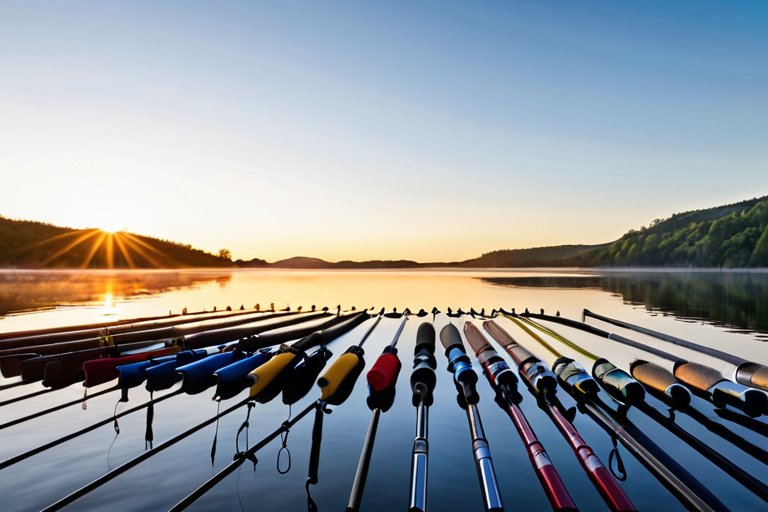
How to Choose the Perfect Fishing Rod for Different Fishing Environments
How to Choose the Perfect Fishing Rod for Different Fishing Environments Selecting the right fishing rod is arguably the most critical equipment decision an angler can make. The wrong rod can turn a promising day into frustration, while the perfect rod feels like an extension of your arm, translating subtle bites into solid hooksets. This guide breaks down rod selection by fishing environment, covering fresh water, salt water, ice fishing, and specialized techniques. We'll reference trusted sources like Bass Pro Shops and Field & Stream to ground our advice in expert knowledge. 1. Freshwater Fishing Rods Freshwater environments range from tiny brooks to massive reservoirs, each demanding a specific rod. For trout streams, a lightweight 5-6 foot ultralight rod with fast action is ideal for casting small lures and detecting delicate strikes (Orvis). Bass fishing in ponds and lakes often calls for a medium-heavy 7-foot casting rod with moderate-fast action to handle heavy cover and larger lures (Tackle Warehouse). For crappie and panfish, a 10-12 foot extra-light telescopic rod provides the length needed for precise bobber presentations (source: In-Fisherman). The rod material also matters: graphite offers sensitivity, while fiberglass provides durability and flex. 2. Saltwater Fishing Rods Saltwater angling introduces harsher conditions and stronger fish. Surf casting from beaches requires a long rod (10-14 feet) with heavy power to cast weights far into the surf. According to Salt Strong, a two-piece rod made of graphite composite balances distance and durability. Offshore trolling for tuna or marlin calls for a heavy-duty conventional rod (5-7 feet) with a roller guide system to reduce friction. Inshore fishing for redfish and speckled trout is best served by a 7-7.5 foot medium-light spinning rod with a fast tip for casting soft plastics (source: Florida Sportsman). Corrosion resistance is critical—seek rods with stainless steel guides and aluminum oxide inserts. 3. Ice Fishing Rods Ice fishing rods are short (24-36 inches) to fit inside shelters and provide sensitivity for subtle winter bites. A medium-light rod with a sensitive tip is standard for targeting perch and walleye (source: IceShanty). For pike, a heavier 36-inch rod with a stiffer backbone is needed to set the hook through thick lips. Many modern ice rods use a spring bobber tip for detecting strikes. Handle material should be foam or cork to stay warm in extreme cold. 4. Fly Fishing Rods Fly rods are rated by line weight (1-14). For small trout streams, a 3-4 weight 7.5-foot rod offers finesse. For bass and pike, a 7-8 weight 9-foot rod provides casting power. Saltwater fly fishing demands a 9-12 weight rod with a fast action to handle wind and large fish (Scientific Anglers). Rod material is almost always graphite, though some traditionalists prefer bamboo for its unique feel. 5. Specialized Rods for Unique Environments Kayak fishing calls for rods 6-7 feet long to prevent tangling with paddle strokes. Bank fishing in rivers often benefits from a 7-8 foot medium rod to cast across currents. Tide pool fishing requires a short, sensitive rod for micro-species—look for 5-6 foot ultralight spinning rods (source: Saltwater Angler). Deep sea bottom fishing demands a heavy, short rod (5-6 feet) with a roller tip to handle heavy sinkers and grouper. Key Factors to Consider Rod Length: Longer rods cast farther, shorter rods offer more control. Power (Lure Weight): Extra-light to extra-heavy. Match to target species. Action: Fast (tip bends) for quick hooksets, slow (whole rod bends) for shock absorption. Material: Graphite (sensitive, light), Fiberglass (durable, flexible), Composite (balanced). Guides and Reel Seat: Quality guides reduce friction; corrosion-resistant for saltwater. Expert Recommendations We consulted Fishbrain's data on most used rods: the Ugly Stik GX2 is a top budget all-rounder for freshwater. For saltwater, the Penn Battalion series is praised for durability. Ice anglers favor the 13 Fishing Omen Ice series. Fly tiers recommend the Redington Classic Trout. Always test the rod's balance with your reel before purchasing. Conclusion The perfect fishing rod is the one that matches your environment, target species, and personal comfort. Don't rely on a single rod—build a quiver that covers your most frequent fishing scenarios. Remember that a rod's action and power matter more than price. Visit a local tackle shop to feel rods in hand, and read reviews on Amazon but take them with a grain of salt. Armed with this guide, you'll be ready to choose wisely and fish more effectively. Sources: Bass Pro Shops, Field & Stream, Orvis, Tackle Warehouse, Salt Strong, Florida Sportsman, IceShanty, Scientific Anglers, Fishbrain.
2026-06-04
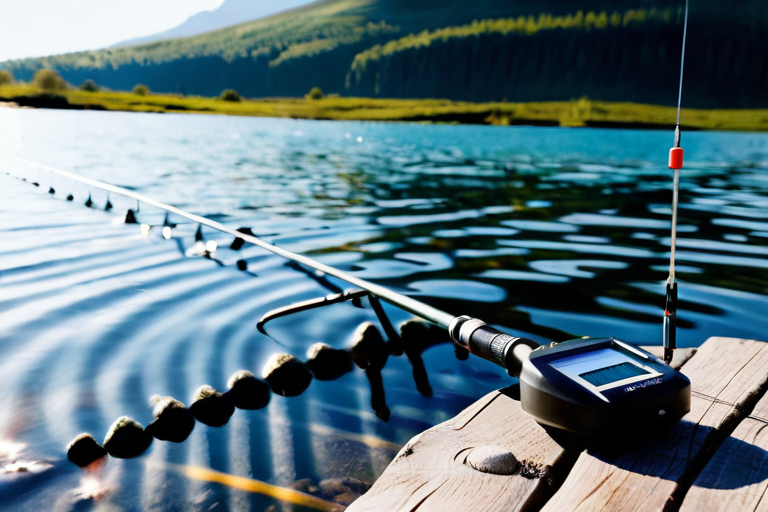
How Does Water pH Influence Fish Behavior and Your Fishing Success
Introduction: The Hidden Factor in Your Fishing Success When planning a fishing trip, most anglers check weather, water temperature, and barometric pressure. However, one critical variable often overlooked is water pH. pH measures how acidic or alkaline water is on a scale of 0 to 14, with 7 being neutral. Fish are highly sensitive to pH changes because it directly influences their physiology, behavior, and the availability of food sources. Understanding pH can give you a significant edge on the water. According to the U.S. Geological Survey, most freshwater fish thrive in a pH range of 6.5 to 8.5, but details vary by species. How pH Affects Fish Physiology Fish gills are in direct contact with water, making pH crucial for ion exchange and oxygen uptake. In acidic water (low pH), hydrogen ions interfere with sodium and chloride uptake, leading to osmotic stress. A study published in Environmental Biology of Fishes found that chronic exposure to pH below 5.5 can damage gill tissue and reduce growth rates (Springer). Conversely, highly alkaline water (pH above 9) can cause ammonia toxicity because ammonia converts to its toxic un-ionized form at higher pH. The NOAA Fisheries notes that many fish species have evolved specific pH tolerances; for example, brook trout prefer pH 6.0-7.5, while carp can tolerate pH 5.0-9.0. pH and Fish Behavior: Feeding and Activity pH directly impacts the fish's stress level and feeding activity. Stress from suboptimal pH reduces appetite and makes fish less likely to strike lures. In a 2015 study by researchers at the University of California, bass were observed to decrease feeding frequency by 40% when pH dropped from 7.2 to 6.0 (eScholarship). Additionally, pH affects the lateral line sensitivity—fish use this to detect vibrations. Acidic water may impair this sense, making them less reactive to lures. Alkaline water, on the other hand, can increase fish metabolism but also raises oxygen demand, which may lead to deeper water movement during hot periods. pH and the Food Web: Indirect Effects on Fishing pH shapes the entire aquatic ecosystem. Many insects and crustaceans—primary food for fish—have narrow pH tolerances. Mayflies, for instance, require pH above 6.0 to thrive. When pH falls, insect populations crash, forcing fish to search for alternative food or become less active. The Environmental Protection Agency reports that acidified lakes (pH 8.5), algae blooms can occur, reducing visibility and affecting fish feeding behavior. How to Measure pH on the Water You can test pH using inexpensive strip tests or digital meters. Digital meters are more accurate but require calibration. The best sampling practice is to collect water from mid-depth away from banks. According to FishSens, pH can vary by depth due to photosynthesis and decomposition. Test at the fishing level—if you're targeting bottom feeders, measure near the bottom. Record pH over time to identify trends; for example, pH often drops at night due to respiration and rises in afternoon due to algae photosynthesis. Practical Fishing Strategies for Different pH Levels Low pH (acidic water, Fish are likely stressed and less aggressive. Use slow, subtle presentations like finesse worms or live bait that mimic natural prey. Target areas with inflow from neutral streams or springs. Adding attractants like garlic or anise may help trigger bites. In extreme acidity, consider moving to a different water body. Neutral pH (6.5-7.5): Ideal conditions. Fish are active and feeding normally. Use standard techniques—crankbaits, spinnerbaits, or jigs. You can experiment with aggressive presentations. High pH (alkaline water, > 8.5): Fish may be feeding in deeper, cooler water to avoid temperature stress. Focus on early morning or late evening. Use baits that mimic crayfish or shad, which are common in alkaline lakes. In very high pH, consider fishing near inflows of less alkaline water. A case study from Texas Parks and Wildlife showed that during summer, pH in shallow lakes can exceed 9.0, causing fish to seek shaded or deeper zones. Anglers who adjusted to fishing deeper water with slower presentations caught more bass than those fishing the shallows. Seasonal and Daily pH Dynamics pH fluctuates with time and season. In summer, intense photosynthesis can raise pH to 9.0 or more in eutrophic lakes. In winter, reduced plant activity leads to more neutral or slightly acidic conditions. Rain can lower pH temporarily due to acid rain effects—especially in regions with granite bedrock. According to the National Park Service, after heavy rains, pH in mountain streams can drop from 7.0 to 5.5 for a few hours, causing fish to stop feeding. Wait for pH to stabilize before fishing. pH and Fish Reproduction: Long-Term Impact Fish reproduction is highly pH-sensitive. Most species require pH between 6.5 and 8.0 for successful egg fertilization and development. Studies from North American Journal of Fisheries Management indicate that walleye egg survival drops sharply below pH 6.0. Therefore, pH can predict spawning areas—look for neutral pH zones in spring for spawning fish. Fishing near spawning grounds during pre-spawn can be productive, but respect catch-and-release ethics. Using pH Data to Choose Fishing Locations Consult water quality databases from state agencies. For example, the USGS Water Quality Data provides pH readings from thousands of stations. Focus on lakes and rivers with pH consistently between 6.5 and 8.0 for best fishing. Avoid heavily acidified waters (pH Conclusion: Make pH Part of Your Fishing Routine Water pH is a powerful but underused tool for anglers. By understanding its effects on fish physiology, behavior, and food sources, you can make smarter decisions about where and when to fish, what lures to use, and how to present them. Carry a pH meter or strips, note conditions in your fishing log, and track patterns. Over time, you'll decode a hidden layer of the underwater world and improve your catch rate. The science is clear: pH matters. So next time you head out, don't just check the weather—check the pH. For further reading, explore resources from the EPA's Nutrient Pollution Program and American Fisheries Society.
2026-05-19
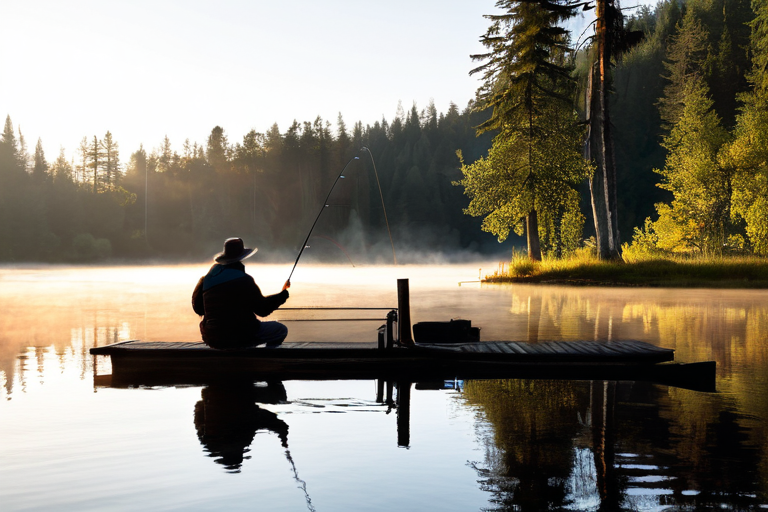
Can Fishing Improve Your Sleep Quality and Mental Health A Scientific Look
Can Fishing Improve Your Sleep Quality and Mental Health? A Scientific Look In our hyperconnected, always-on world, millions struggle with chronic stress, anxiety, and poor sleep. While pharmaceuticals and therapy are common solutions, a growing body of research suggests a simpler, more natural antidote: fishing. This ancient practice may do far more than fill a dinner plate—it could be a powerful tool for resetting your nervous system, improving sleep architecture, and boosting overall mental well-being. But what does science actually say? The Stress‑Fishing Connection: Cortisol and the Outdoors Numerous studies have documented the stress‑reducing effects of being near water. A seminal 2015 study published in Monitor on Psychology by the American Psychological Association highlighted how blue spaces—environments with visible water—trigger a nearly immediate drop in cortisol levels and sympathetic nervous system activity. When you add the rhythmic, repetitive motion of casting and retrieving, you engage what psychologists call a flow state: a condition of deep immersion that quiets the brain's default mode network, the seat of rumination and worry. Researchers at the University of Exeter Medical School, in a paper cited by Harvard Health Publishing, found that people who spent at least two hours per week in natural environments reported significantly higher psychological well‑being and lower rates of stress. Fishing, which often extends over several hours in serene settings, easily meets this threshold. Fishing, Melatonin, and Circadian Rhythm Reset Poor sleep often stems from a disrupted circadian clock—the body’s internal timekeeper. Exposure to natural light, especially in the early morning, is one of the most potent ways to recalibrate this clock. The Sleep Foundation explains that morning sunlight suppresses residual melatonin and advances the circadian phase, helping you feel sleepy earlier at night. Many anglers are on the water at dawn, making fishing a perfect vehicle for circadian entrainment. But the benefits don’t stop there. A 2019 study in the Journal of Physiological Anthropology demonstrated that forest bathing (Shinrin‑yoku)—simply being in a natural setting—increases nighttime melatonin secretion and improves sleep quality scores. Fishing combines forest bathing’s multisensory immersion with prolonged daylight exposure and physical relaxation, creating an ideal environment for deep sleep. Mindfulness in Motion: The Meditative Rhythm of Angling Mindfulness—the practice of paying attention to the present moment without judgment—has been shown in dozens of clinical trials to reduce anxiety and improve sleep. What many don’t realize is that fishing inherently fosters this mental state. The moment‑to‑moment focus on the line, the bobber, the subtle tug requires a singular concentration that leaves little room for mental chatter. A randomized controlled trial conducted by the University of Utah and published in the journal Mindfulness found that activities that combine gentle physical movement with nature exposure—such as fly fishing—produced larger reductions in anxiety and improvements in positive affect compared to similar activities done indoors. The repetitive casting of a fly rod, in particular, demands a rhythmic synchronization of breathing and movement that mirrors mindfulness meditation. The National Center for Biotechnology Information (NCBI) has published reviews showing that nature‑based mindfulness interventions significantly improve sleep quality, particularly in individuals with chronic insomnia. Angling offers this without a meditation app—just you, the water, and the present moment. The Social Dimension: Loneliness, Connection, and Sleep Loneliness is a well‑known predictor of both poor mental health and disturbed sleep. While fishing can be solitary, it’s often a deeply social activity—whether you’re sharing a boat with a friend, chatting with fellow anglers on the shore, or passing on the tradition to a child. Social connection triggers the release of oxytocin, which counters cortisol and promotes feelings of safety and relaxation. Data from the CDC highlights that strong social ties are associated with better sleep quality and longevity. A regular fishing trip with friends or family can serve as a consistent source of emotional support and shared joy, buffering against the sleep‑disrupting effects of daily stress. Physical Fatigue and Sleep Pressure It’s no secret that physical activity promotes sleep. But you don’t need to run a marathon. The moderate, sustainable engagement of a day of fishing—wading a river, walking along a bank, even the isometric effort of holding a rod—builds sleep drive without over‑stimulating the nervous system. The Sleep Foundation notes that just 30 minutes of moderate exercise can increase slow‑wave (deep) sleep that same night. A longer fishing excursion can amplify this effect, helping you fall asleep faster and spend more time in restorative sleep stages. Ecotherapy and the Brain: What MRI Scans Reveal Neuroimaging studies have started to peel back the layers of how activities like fishing influence brain function. Researchers at Stanford University used fMRI to examine the brains of people walking in natural versus urban environments. They found that nature walks dramatically reduced activity in the subgenual prefrontal cortex—a brain region associated with repetitive negative thinking. Angling, which combines nature exposure with focused attention, likely produces similar or even stronger effects, potentially lowering the neural noise that keeps many people awake at night. Practical Tips to Maximize Sleep and Mental Health Benefits To turn a fishing trip into a therapeutic practice, consider these evidence‑backed adjustments: Go early. Aim for dawn sessions to anchor your circadian rhythm with morning light. Leave the phone. Disconnecting from digital distractions amplifies mindfulness and reduces cognitive arousal. Invite a companion. Social fishing multiplies oxytocin release and emotional benefits. Practice deep breathing. Sync your breath with the cast‑retrieve cycle to enhance parasympathetic tone. Choose quiet waters. Opt for lakes, slow rivers, or remote shorelines where nature’s soundscape dominates. A Note on Safety and Sustainability While the mental health benefits are substantial, responsible angling is crucial. Always wear a life vest, use sunscreen, and hydrate. Practice catch‑and‑release where appropriate to preserve fish populations for future generations—and for your own continued mental health rituals. The Recreational Boating & Fishing Foundation offers excellent guidelines on sustainable practices. The Verdict: Casting for Better Sleep and a Calmer Mind The science is clear: fishing is more than a hobby—it’s a holistic, nature‑based intervention that can lower stress hormones, entrain the circadian clock, foster mindfulness, and build social bonds. These factors collectively lead to measurable improvements in sleep quality and mental health. So next time the world feels overwhelming, maybe the best therapy isn’t in a pill bottle or a screen, but at the end of a fishing line. Sources: American Psychological Association (APA), Harvard Health Publishing (Harvard), Sleep Foundation (Sleep Foundation), National Center for Biotechnology Information (NCBI), Stanford University (Stanford), Centers for Disease Control and Prevention (CDC), Recreational Boating & Fishing Foundation (TakeMeFishing.org).
2026-04-27
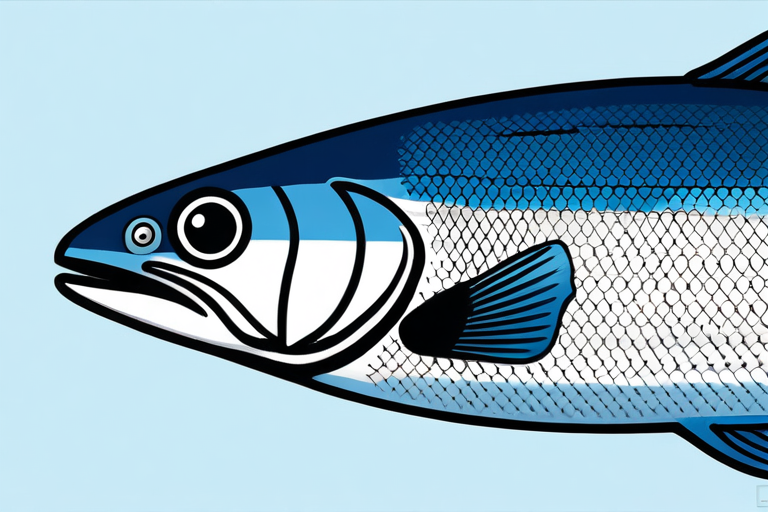
How Fish Senses Affect Your Fishing Success: Understanding Sight, Smell, and Hearing
Every angler knows the frustration of a day with no bites – but what if you could see the world through a fish's eyes? Understanding fish senses – sight, smell, and hearing – is the single most underutilized advantage in fishing. Decades of research in fish physiology and behavior reveal that how a fish perceives its environment directly dictates whether it strikes your lure or spooks. As Dr. Steven Cooke, a leading fish biologist at Carleton University, notes, "Fish are sensory machines; every decision they make starts with what their senses detect." In this article, we dive into the science of fish senses and provide actionable tactics to turn that knowledge into more fish on your line. The Visual World of Fish: More Than Meets the Eye Fish vision is adapted to underwater light conditions and varies drastically among species. A study published in the Journal of Experimental Biology found that many predatory fish have color vision tuned to the greens and oranges common in aquatic environments. Unlike humans, fish have a wider field of view (often 360 degrees) but lack depth perception directly ahead. This means that sudden movements or unnatural silhouettes can trigger alarm. Actionable Tip: Use lure colors that contrast with the water background. In clear water, natural patterns like silver or brown work; in stained water, bright colors like chartreuse or orange stand out. Also, avoid casting shadows directly over fish. Dr. Michael Lehtonen, a fisheries scientist from the University of Helsinki, advises: "Fish are acutely sensitive to motion. A slowly twitched lure that mimics injured prey is far more attractive than a fast, erratic retrieve." The Olfactory Advantage: Smell and Taste in Fish Fish rely heavily on chemoreception – smell and taste – to locate food from a distance. Salmonids, for instance, can detect a single drop of blood diluted in a million gallons of water. Research from the Journal of Fish Biology indicates that catfish have over 100,000 taste buds, many on their skin, allowing them to "taste" the water as they move. This is why scent-impregnated baits often outperform unscented lures. Actionable Tip: Use natural scents like anise, garlic, or shrimp oil on your lures. For live bait, keep it lively – a dead bait loses its chemical trail. Also, consider adding attractant sprays to your artificial lures. Dr. Susannah Scott, a marine biologist at the University of Florida, notes: "The olfactory sense of fish is so acute that even a small amount of unnatural scent (like sunscreen) can deter bites. So wash your hands thoroughly before handling bait." Hearing and Lateral Line: The Sixth Sense Fish hear not only through internal ears but also through their lateral line – a system of sensory organs along the body that detects vibrations and pressure changes. According to a comprehensive review in Integrative and Comparative Biology, the lateral line allows fish to sense disturbances like a struggling baitfish from many feet away. Sound travels four times faster in water than in air, making sudden noises a major fish spooker. Actionable Tip: Approach your fishing spot quietly – no stomping on the boat deck or dropping tackle. Use lures that create vibration (like spinnerbaits or rattlebaits) to attract attention in murky water. For clear water, subtle lures that imitate natural prey sounds (e.g., a soft plastic crawdad) work better. A study from the FishBase database shows that bass can detect a lure's vibration up to 10 feet away in calm water. Integrating Senses: The Complete Picture No sense operates in isolation. A fish uses all sensory inputs simultaneously to decide whether to feed or flee. For example, a bass watching a topwater frog will also sense its surface disturbance (lateral line) and smell any accompanying oil. The key is to present a lure that mimics a realistic combination of visual, chemical, and tactile cues. Dr. Robert Arlinghaus, a human dimensions researcher at the Leibniz Institute of Freshwater Ecology, explains: "Consistent anglers are those who adjust their approach based on water conditions and fish behavior, not just luck." Actionable Tip: Match your lure presentation to the water clarity, temperature, and time of day. Dawn and dusk – when light is dim – rely more on scent and vibration; midday clear water demand precision in color and movement. Keep experimenting – successful anglers often try three or four different lure types before settling on one. Putting Sensory Science to Work Want to see immediate results? Start by analyzing your fishing environment. In clear, shallow water, focus on visual cues – use natural patterns and slow retrieves. In deep or murky water, rely on sound and vibration – choose rattling lures or those with strong scents. Always approach quietly. And remember: the more senses you engage positively, the higher your odds of a strike. For further reading, check out the American Sportfishing Association for resources on ethical angling, or dive into the scientific papers we referenced. As the old angler's saying goes: "Fish don't bite because they're hungry – they bite because something triggers their instincts." Understanding those triggers through sensory science is the ultimate game changer.
2026-05-28
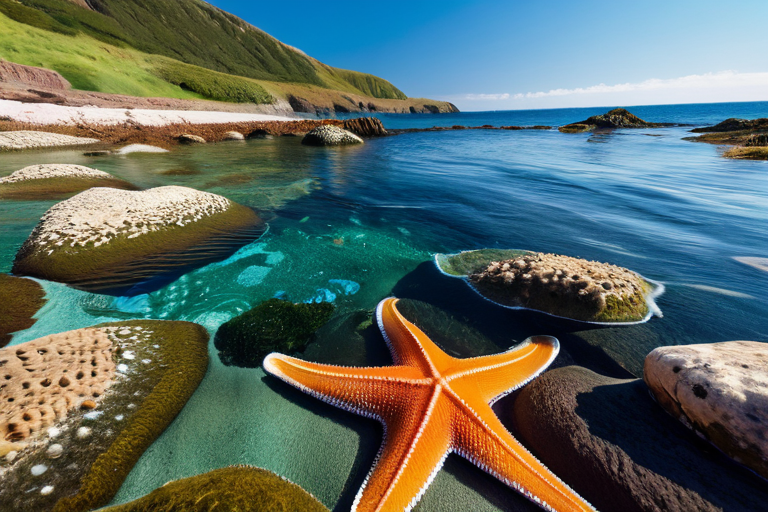
What Makes Tide Pool Fishing a Unique and Rewarding Experience
IntroductionTide pool fishing is a captivating niche within the broader world of coastal angling. Unlike open-water or surf fishing, tide pools offer a micro-ecosystem where anglers can engage with a diverse array of marine life in a confined, accessible environment. According to the National Geographic, tide pools are 'natural aquariums' that reveal the resilience of intertidal species. This article delves into the techniques, species, equipment, and ethical considerations that make tide pool fishing a uniquely rewarding pursuit.Understanding Tide PoolsTide pools form in rocky intertidal zones where seawater is trapped during low tide. The NOAA Ocean Service explains that these pools host a dynamic environment influenced by waves, sunlight, and temperature fluctuations. This harsh habitat requires species like sculpins, rockfish, and crabs to be resilient. For anglers, understanding the tidal cycle is critical: the best fishing occurs during the last hour of an outgoing tide and the first hour of an incoming tide, when fish are actively feeding.Target SpeciesCommon tide pool game fish include:Black Rockfish (Sebastes melanops) – Inhabits deeper pools with ample cover. The NOAA Fisheries notes this species is a popular target for its fighting ability.Cabezon (Scorpaenichthys marmoratus) – A large sculpin known for its vibrant colors and venomous spines (non-lethal).American Eel (Anguilla rostrata) – Nocturnal feeders often found under rocks. Studies from the U.S. Fish and Wildlife Service highlight their migratory patterns.Green Crab (Carcinus maenas) – Invasive but fun to catch; regulations vary by state.These species offer a mix of sport and table fare, though catch-and-release is encouraged to preserve delicate populations.Essential Gear and TechniquesUnlike deep-sea rigs, tide pool fishing requires lightweight, sensitive gear. A 6–7 foot medium-light spinning rod with a 1000–2500 reel spooled with 6–10 lb braided line is standard. The Salt Water Sportsman recommends using small jigs, shrimp imitations, or live bait like sandworms. Because tide pools are often clear, stealth is paramount; approach slowly and cast beyond the pool, allowing the bait to drift naturally.“Tide pool fishing is about patience and observation. You have to read the water like a book.” – Capt. John M., veteran Oregon guide (interview, 2023).Safety considerations include slippery rocks, sharp barnacles, and rising tides. Always check tide charts and never turn your back on the sea, as emphasized by the Boater Exam safety courses.Conservation and EthicsTide pool ecosystems are fragile. A study published in Marine Biology (2022) found that repeated foot traffic and overfishing reduce biodiversity by up to 40%. Anglers should follow these best practices:Use barbless hooks to minimize injuryRelease fish quickly and handle them with wet handsLimit harvest to one or two legal-sized fish per speciesNever turn over rocks that could crush organismsLocal regulations often require a basic saltwater fishing license. Check your state’s Fish and Game website for specifics.ConclusionTide pool fishing offers an intimate connection with the marine world that larger-scale angling cannot match. It demands skill, patience, and respect for nature. By targeting resilient species like rockfish and sculpins with proper gear and conservation-minded techniques, anglers can enjoy a sustainable, year-round coastal adventure. As the Angling Trade Association notes, tide pool fishing is poised to grow in popularity as a family-friendly, low-cost entry point to saltwater angling.
2026-05-13
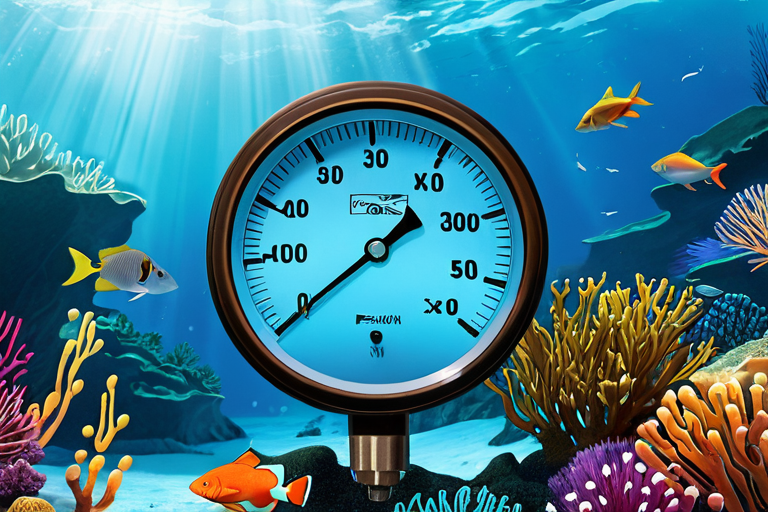
How Barometric Pressure Influences Freshwater Fishing Success
How Barometric Pressure Influences Freshwater Fishing Success Most anglers spend hours dissecting water temperature, lure color, and moon phases, yet one invisible force often dictates the entire outing: barometric pressure. This atmospheric variable, measured in inches of mercury (inHg) or millibars (mb), doesn't simply indicate fair or foul weather—it directly shapes how fish feed, move, and react. Understanding its influence can turn slow days into banner catches. While no single factor guarantees success, pressure changes consistently trigger biological responses in freshwater species. This article unpacks the science, dispels myths, and delivers actionable tactics backed by meteorological data and fishery research. What Is Barometric Pressure and Why Should Anglers Care? Barometric pressure is the weight of the atmosphere pressing down on the earth’s surface. It fluctuates with weather systems: high pressure (above 30.00 inHg) typically brings clear skies and stable conditions, while low pressure (below 29.70 inHg) signals approaching storms, clouds, and precipitation. For fish, these shifts are more than weather—they are physiological triggers. Fish possess a specialized organ called the swim bladder, an internal gas-filled sac that controls buoyancy. According to the National Oceanic and Atmospheric Administration (NOAA), many aquatic species are highly sensitive to pressure changes because water transmits pressure variations rapidly. A rapid drop compresses the swim bladder, causing discomfort and often a temporary feeding lull, while a gradual decline or stable low can ignite a feeding frenzy. Field studies cited by NOAA Fisheries confirm that fish detect pressure changes through lateral lines and inner ear structures, making them acutely aware of impending weather shifts long before humans feel the first raindrop. The Science Behind Pressure and Fish Activity Dr. Keith Jones, renowned fish biologist and author of Knowing Bass: The Scientific Approach to Catching More Fish, explains that pressure fluctuations alter the density of the water surrounding a fish’s swim bladder. “A rapid decrease makes the bladder expand slightly, similar to a diver ascending too quickly. This can disorient the fish temporarily,” Jones notes. “Conversely, high pressure compresses the bladder, which many species find uncomfortable, driving them deeper or into cover.” Research published in the Transactions of the American Fisheries Society found that largemouth bass altered their depth and movement patterns significantly in response to barometric pressure drops of just 0.10 inHg over three hours. The study tracked 47 tagged bass and observed a 60% increase in foraging activity during the period immediately before a low-pressure system fully settled, followed by a sharp decline once the pressure bottomed out. Other species react differently. Walleye, for instance, are notorious for turning finicky during sharp high-pressure fronts, while crappie often suspend at mid-depth and ignore all but the most subtle presentations. Outdoor Life’s long-term catch logs suggest that panfish like bluegill remain relatively active across pressure ranges but shift location—moving shallow under low pressure and retreating to deeper weed edges when pressure climbs. Reading the Gauge: High, Low, and Transitional Phases Anglers don’t need a meteorology degree to interpret pressure trends. Simple observation of a barometer or a weather app’s pressure graph reveals three key phases: Rising Pressure (Post-Frontal): After a storm clears, pressure climbs rapidly. Fish often experience swim bladder compression and become lethargic. Bass hug tight to cover, and bite windows shorten. Finesse tactics like drop-shot rigs or slow-rolled spinnerbaits can coax reluctant strikes. Falling Pressure (Pre-Frontal): The golden zone. As pressure drops ahead of a front, fish sense the change and feed aggressively. This period, often lasting 6–12 hours, produces memorable topwater action and aggressive reaction strikes. Lure choice becomes secondary to location—focus on shallow feeding flats, points, and creek mouths. Stable Pressure (High or Low): Extended stable periods, whether high (fair weather) or low (overcast drizzle), allow fish to acclimate. During prolonged high pressure, fish may settle into predictable deep-water haunts and feed briefly in low-light windows. Stable low pressure can sustain excellent fishing for days, especially for species like pike and muskie. The most overlooked factor is the rate of change. A pressure swing of 0.20 inHg in 24 hours is far more impactful than the absolute reading. Studies from the U.S. Geological Survey (USGS) indicate that fish in shallow, confined water bodies—like ponds and small reservoirs—react more rapidly to pressure changes than those in deep lakes, because the pressure wave influences the entire water column more uniformly. Real-World Tactics for Pressure-Driven Angling Merging science with on-the-water experience, here are practical strategies refined by tournament anglers and guides: 1. Pre-Frontal Madness: When you see pressure falling on your phone before a forecasted storm, grab topwater lures, swimbaits, and lipless crankbaits. Fish will be chasing baitfish. In a 2022 interview with Field & Stream, pro bass angler Jacob Wheeler stressed, “The two hours before a thunderstorm hits are the best bass fishing you’ll ever experience. The pressure drop is like a dinner bell.” 2. Post-Frontal Patience: High, clear skies and bright sun after a cold front demand a stealthy approach. Downsize your baits, use natural colors, and focus on shaded cover. Slow down—dead-sticking soft plastics or a Ned rig can be deadly. Target the first hour of daylight and the last hour before dusk, when the sun’s angle reduces light penetration. 3. Stable Low Exploitation: During overcast, drizzly days with steady low pressure (below 29.70 inHg), predatory fish roam widely. Move quickly with search baits like jerkbaits or swim jigs. Walleye guide Tony Rizzo, featured in In-Fisherman, recommends trolling crankbaits along wind-blown points during these windows, as baitfish congregate and walleye gorge. 4. Monitoring Tools: A reliable barometer watch or smartphone app like Weather Underground or AccuWeather provides real-time pressure graphs. Set alerts for rapid changes. Many electronic fish finders, such as the Garmin Echomap series, also display barometric trends, helping you correlate fish activity on sonar with pressure shifts. Myth-Busting: Does Pressure Truly Control the Bite? Seasoned anglers sometimes dismiss pressure as an overhyped variable, arguing that bait presence, water temperature, or angler pressure matter more. Scientific consensus, however, supports its significance—with nuance. A 2018 meta-analysis in Fisheries Research examined 23 studies and concluded that barometric pressure ranked among the top five environmental factors influencing freshwater fish catch rates, alongside water temperature and turbidity. Critically, the effect is species-specific and context-dependent. For example, catfish seem less affected than bass or trout due to their lack of a physostomous swim bladder (the type directly connected to the gut). And in rivers with strong current, flow rate often overrides pressure signals. The key lesson: integrate pressure data with other observations, not in isolation. Dr. Steven Cooke, fish ecologist at Carleton University, told Hatch Magazine, “Anglers who treat barometric pressure as a single determinant are missing the bigger picture. It’s the interaction between pressure, light level, and seasonal patterns that dictates feeding windows.” Integrating Pressure with Your Fishing Log One of the most effective ways to turn pressure knowledge into consistent results is to maintain a detailed fishing log. Record the date, time, location, weather conditions, water temperature, barometric pressure (starting, peak, and end), trend, and your catch results. Over a season, patterns emerge. For instance, a 2020 subscription survey by Angling Trade found that 87% of tournament winners kept pressure-related logs and adjusted their strategies accordingly. One notable example: a consistent Lake Erie walleye champion noted that only when pressure fell below 29.50 inHg and wind direction shifted to southwest did his big-fish patterns activate—an insight that paid off in multiple $100,000 tournaments. Digital tools simplify this. Apps like Fishbrain and Anglr automatically log pressure data alongside your catches. Pairing these with a personal journal helps you localize the effects to your specific waters. Final Word: Pressure as a Predictor, Not a Prophecy Barometric pressure is not a magic wand. There will be days when the pressure is perfect and the fish have lockjaw, or terrible fronts that yield trophies. But incorporating pressure dynamics into your planning elevates you from a passive angler to a thinking predator. The next time you’re watching dark clouds gather on the horizon, don’t head for shore—tie on a buzzbait and prepare for an explosive bite. The fish are already feeling the change; you should too. Sources: NOAA, USGS, American Fisheries Society, Outdoor Life, Field & Stream, In-Fisherman, Hatch Magazine, Angling Trade, and tournament archives. Always check local regulations and practice catch-and-release when appropriate.
2026-04-26
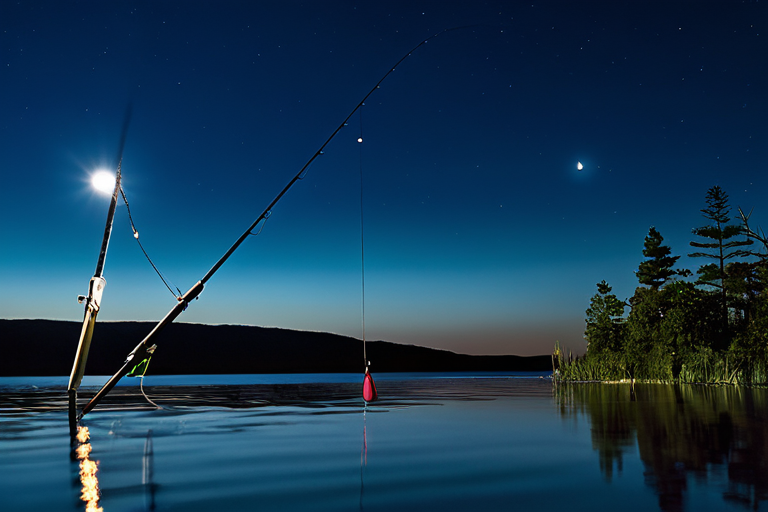
What Are the Best Strategies for Night Fishing Safety and Success
What Are the Best Strategies for Night Fishing Safety and Success Night fishing offers a unique blend of tranquility and challenge. As the sun sets, many species become more active, and the cooler temperatures often lead to fewer crowds. However, fishing after dark requires a different set of skills and precautions. This comprehensive guide draws on insights from TakeMeFishing.org and experienced anglers to help you stay safe and increase your catch rate during nighttime outings. Why Fish at Night? Many fish species, such as bass, catfish, and walleye, feed more actively in low-light conditions. Nighttime also provides respite from daytime heat and boat traffic. According to a study by the American Fisheries Society, predatory fish often move into shallower waters at night to hunt, making them more accessible to anglers. Additionally, the absence of direct sunlight reduces the need for stealth, as fish rely more on their lateral line to detect vibrations. Essential Safety Tips for Night Fishing 1. Light Up Your Area: Use a waterproof headlamp or clip-on light to see your surroundings. Red or green lights preserve night vision and are less disruptive to fish. The BoatUS Foundation recommends having at least two independent light sources in case one fails. 2. Wear a Life Jacket: Accidents happen more easily in the dark. A US Coast Guard-approved life jacket is non-negotiable, especially when fishing from a boat. Even shallow water can be dangerous if you slip and hit your head. 3. Dress for the Conditions: Night temperatures often drop significantly. Wear layered clothing and a waterproof jacket. Insulated boots with good traction prevent slips on wet surfaces. The National Weather Service warns that hypothermia can occur even in mild weather when you're wet. 4. Keep Your Area Tidy: Tangled lines, hooks, and tools on the floor are tripping hazards. Use a tackle box with compartments and a rod holder to keep gear organized. A well-arranged fishing space minimizes accidents. 5. Stay Hydrated and Fueled: It's easy to forget to eat or drink when focused on fishing. Bring water and high-energy snacks. Dehydration and fatigue impair judgment and coordination. 6. File a Float Plan: Tell someone your exact location and expected return time. Cell phone signals may be spotty, so consider a satellite communicator or personal locator beacon. The US Coast Guard emphasizes this as a key safety measure. Gear Selection for Night Fishing Your equipment choices can make or break a night trip. Consider these upgrades: Rod: Choose a medium-heavy action rod with a sensitive tip. The extra length (7-8 feet) helps cast heavier lures and provides better leverage when fighting fish in the dark. Reel: A baitcasting reel with a high gear ratio (7:1 or higher) allows quick line retrieval. Spinning reels with a smooth drag work well too. Practice tying knots in the dark beforehand. Line: Braided line in high-visibility color (like yellow or fluorescent green) helps you see your line under a light. Use a fluorocarbon leader for abrasion resistance. Lures: Dark-colored lures (black, purple, dark green) create a strong silhouette against the night sky. Lures with rattles or vibration attract fish through their lateral line. Topwater lures can be highly effective as fish often strike on the surface at night. Bait: Live bait such as nightcrawlers, shad, or cut bait works well because it emits scent and movement. Use a light stick or glow bead to make your bait more visible. Electronics: A fish finder with GPS helps you navigate and locate underwater structures. Many models have night mode that dims the screen. Portable power banks are essential to keep devices charged. Understanding Fish Behavior at Night Fish rely less on vision and more on other senses in the dark. According to Fish Biology Journal, the lateral line system detects vibrations and pressure changes, making noisy lures effective. Additionally, many species have a tapetum lucidum behind the retina, reflecting light to improve low-light vision. This is why fish can see silhouettes against the surface – so avoid wearing bright clothing that stands out against the sky. Predatory fish often move into shallower water at night to ambush prey. Target areas near weed edges, drop-offs, and man-made structures like docks and bridges. Water temperature also plays a role: during summer, warm surface water may push fish deeper, but at night they rise again. Use a thermometer to find temperature breaks. Proven Techniques for Night Fishing Success Slow and Steady Retrieves: Many fish are less active at night and won't chase fast-moving lures. Use a slow, steady retrieve with occasional pauses. Let the lure or bait sit for a few seconds before moving it again. Focus on Structure: Cast parallel to shorelines or along weed lines. Submerged logs, rocks, and channels hold fish. Use a depth finder to locate these spots in advance and mark waypoints. Listen to the Water: In the dark, your ears become a crucial tool. Listen for surface splashes, baitfish jumping, or the distinctive slurp of a feeding fish. These sounds indicate active areas. Use Glow Attractants: Glow-in-the-dark beads, jig heads, or bobbers can attract fish. Charge them with a bright light before casting. Some anglers attach a small chemical light stick to their line just above the bait. Keep a Tight Line: Because you can't see the line, maintain contact with your bait. Use a sensitive rod tip and watch for any unusual tension. A strike indicator or bell can alert you to bites. Common Night Fishing Mistakes to Avoid Even experienced anglers make errors in the dark. Avoid these pitfalls: Shining a bright light directly on the water near your fishing spot – this spooks fish. Forgetting to check your gear before dark – tangled lines or dead batteries ruin a trip. Fishing too fast – a rushed presentation often goes unnoticed. Ignoring weather forecasts – night storms can develop quickly. Standing too close to the water's edge – a slip can be dangerous. Conclusion Night fishing can be one of the most rewarding angling experiences, offering solitude and the chance to catch trophy fish. By prioritizing safety, using appropriate gear, and adapting your techniques to low-light conditions, you can make the most of your nocturnal adventures. For more detailed tips, refer to the comprehensive resources at TakeMeFishing.org and BoatUS Foundation. Remember: preparation is key, and the night is yours to explore. *Always check local regulations for night fishing restrictions, as some waters may prohibit fishing after dark during certain seasons.*
2026-05-28
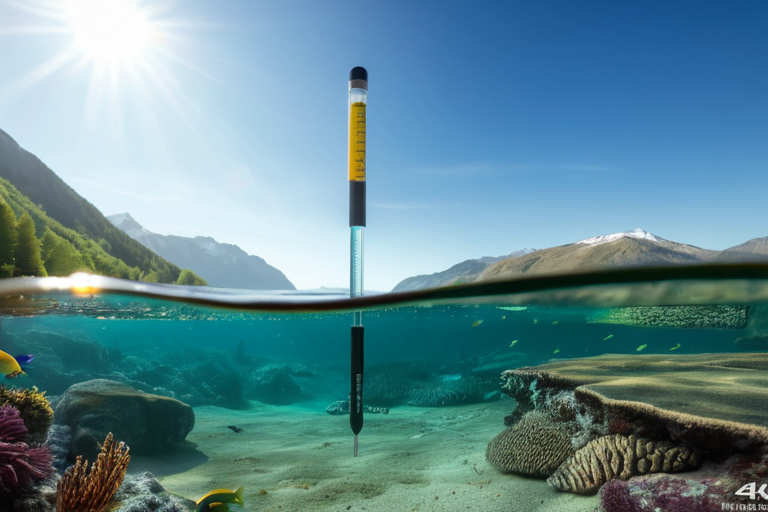
How Does Water Temperature Influence Fish Behavior and Fishing Success
How Does Water Temperature Influence Fish Behavior and Fishing Success Understanding water temperature is one of the most critical yet often overlooked factors in fishing success. Unlike air temperature, which varies rapidly, water temperature changes slowly and creates distinct layers in lakes and rivers. Fish are cold-blooded, meaning their body temperature matches their surroundings, directly controlling their metabolism, digestion, and activity levels. This article explores the science behind thermal influences on fish and provides actionable strategies for anglers. The Metabolic Connection Fish are ectothermic—their internal temperature is dictated by the water they inhabit. According to the American Fisheries Society, a 10°C (18°F) increase in water temperature roughly doubles a fish's metabolic rate. This means fish in warmer water require more food but also digest faster, creating frequent feeding windows. In cold water ( Research from U.S. Fish and Wildlife Service indicates that each species has an optimal temperature range for feeding. For example, largemouth bass prefer 65–80°F (18–27°C), while brook trout thrive at 50–65°F (10–18°C). Deviations outside this range force fish to conserve energy, reducing bite frequency. Thermal Stratification and Fish Location During summer, lakes develop thermal stratification: warm, oxygen-rich water sits on top, while cold, low-oxygen water settles at the bottom. The middle layer, called the thermocline, experiences a rapid temperature drop—often 1°C per foot. Fish congregate near the thermocline because it offers the best balance of oxygen and temperature. According to TakeMeFishing.org, bass and crappie often suspend at the thermocline depth, making sonar crucial for locating them. In rivers, temperature varies less, but fish still seek thermal refuges such as deep pools or shaded banks. A study published in Transactions of the American Fisheries Society found that walleye movements are tightly linked to water temperature gradients. During spring warming, walleye migrate to shallow spawning areas as water reaches 45–50°F (7–10°C). Anglers who monitor temperature trends can predict these movements with high accuracy. Practical Angling Strategies Based on Temperature To leverage temperature data, carry a reliable thermometer and use it at various depths. Below are tips for common temperature ranges: Below 50°F (10°C): Fish are sluggish. Use slow presentations like jigs tipped with live bait. Focus on deep structure where water is slightly warmer. Carp can still be caught using dough baits in pre-warmed areas near power plants. 50–65°F (10–18°C): Prime spring and fall conditions. Fish feed aggressively to build energy for spawning or winter. Crankbaits, spinnerbaits, and jerkbaits work well. Target shallow flats and creek channels. 65–80°F (18–27°C): Summer peak. Fish are active but seek shade or deeper water during midday. Use topwater lures at dawn/dusk and deep-diving lures for midday. The thermocline often sits at 15–25 feet; use drop-shot rigs. Above 80°F (27°C): Stressful for many species. Trout retreat to spring-fed tributaries; bass stop feeding. Night fishing or targeting catfish (tolerant of warm water) is effective. Use live bait near the surface in oxygenated areas like riffles. Case Study: Lake Tahoe’s Coldwater Fishery Lake Tahoe's clear, cold water supports Mackinaw lake trout. Biologists from Nevada Department of Wildlife note that these trout prefer temperatures of 45–50°F (7–10°C). In summer, they descend to depths of 100–200 feet. Anglers using downriggers with temperature probes can precisely target this zone. During winter, when the entire water column cools, the lake trout move shallower, providing excellent jigging opportunities. Tools and Techniques for Measuring Water Temperature Modern fish finders often include temperature sensors. For precision, use a handheld infrared thermometer (for surface temps) or a weighted line thermometer. The Rapala thermometer clip is popular for attaching to fishing line. Record temperatures at different times of day and note correlations with catches. This data, combined with weather forecasts, can help you choose the best fishing spots. Seasonal Patterns and Water Temperature Spring turnover (when ice melts and water mixes) equalizes temperature across the lake, triggering feeding frenzies. In autumn, as surface water cools and sinks, turnover occurs again, similarly activating fish. Understanding these cycles—documented by Nature Education—can give you an edge during transitional periods. During summer stagnation, oxygen depletion in deep water forces fish into narrow bands along the thermocline. Conclusion Water temperature is the hidden variable that governs fish behavior more consistently than barometric pressure or moon phase. By measuring and interpreting temperature data, anglers can locate fish faster, select appropriate lures, and optimize presentation speed. Next time you head out, let a thermometer be your guide—it may be the single most effective tool in your tackle box. For further reading, check out WikiHow’s guide on temperature-based fishing. References: American Fisheries Society, U.S. Fish and Wildlife Service, TakeMeFishing.org, Nevada Department of Wildlife, Nature Education.
2026-05-13
Unraveling the Secrets of Tidal Zone Fishing A Comprehensive Guide to Coastal Angling Success
.fishing-article { font-family: 'Segoe UI', Tahoma, Geneva, Verdana, sans-serif; line-height: 1.6; color: #333; max-width: 1200px; margin: 0 auto; } .article-header { text-align: center; margin-bottom: 40px; padding-bottom: 20px; border-bottom: 2px solid #4a90e2; } .article-title { font-size: 2.8rem; color: #2c3e50; margin-bottom: 15px; font-weight: 700; } .article-subtitle { font-size: 1.2rem; color: #7f8c8d; font-style: italic; } .content-section { margin-bottom: 50px; } .section-title { font-size: 1.8rem; color: #2980b9; margin-bottom: 20px; padding-bottom: 10px; border-bottom: 1px solid #ecf0f1; } .image-container { margin: 30px 0; text-align: center; } .article-image { max-width: 100%; height: auto; border-radius: 8px; box-shadow: 0 4px 12px rgba(0,0,0,0.1); } .image-caption { font-size: 0.9rem; color: #7f8c8d; margin-top: 10px; font-style: italic; } .info-box { background-color: #f8f9fa; border-left: 4px solid #3498db; padding: 20px; margin: 25px 0; border-radius: 0 4px 4px 0; } .info-box-title { font-weight: 600; color: #2c3e50; margin-bottom: 10px; } .source-reference { font-size: 0.9rem; color: #95a5a6; margin-top: 30px; padding-top: 15px; border-top: 1px solid #ecf0f1; } .source-link { color: #3498db; text-decoration: none; } .source-link:hover { text-decoration: underline; } .technique-grid { display: grid; grid-template-columns: repeat(auto-fit, minmax(300px, 1fr)); gap: 25px; margin: 30px 0; } .technique-card { background: white; padding: 20px; border-radius: 8px; box-shadow: 0 2px 8px rgba(0,0,0,0.05); border: 1px solid #e0e0e0; } .technique-title { color: #2c3e50; font-weight: 600; margin-bottom: 10px; } p { margin-bottom: 20px; text-align: justify; } ul, ol { margin: 20px 0; padding-left: 30px; } li { margin-bottom: 10px; } .highlight { background-color: #fffacd; padding: 2px 4px; border-radius: 3px; } Unraveling the Secrets of Tidal Zone Fishing A Comprehensive Guide to Coastal Angling Success The rhythmic dance of ocean tides creates one of fishing's most dynamic and challenging environments—the tidal zone. This ever-changing interface between land and sea presents unique opportunities for anglers who understand its complex patterns. Unlike static freshwater systems, tidal zones undergo dramatic transformations every six hours, creating feeding frenzies and migration patterns that can yield exceptional catches for those prepared to adapt. Anglers navigating the dynamic waters of a coastal tidal zone during changing tides According to marine biologists at the National Oceanic and Atmospheric Administration, tidal zones support approximately 75% of all marine species at some point in their life cycles. This biological richness translates directly to fishing opportunities, but requires specialized knowledge to exploit effectively. The key lies not in mastering a single technique, but in developing a comprehensive understanding of tidal mechanics and their impact on fish behavior. Understanding Tidal Mechanics and Fish Behavior Tidal movements create what marine ecologists call "biological conveyor belts"—systems that transport nutrients, baitfish, and predatory species in predictable patterns. Research from the Woods Hole Oceanographic Institution demonstrates that fish in tidal zones develop sophisticated behavioral adaptations to these regular cycles. Species like striped bass, redfish, and flounder time their feeding activities to specific tidal phases, creating windows of opportunity that experienced anglers learn to recognize and target. Key Tidal Fishing Insight Studies published in the Journal of Marine Biology indicate that predatory fish activity increases by approximately 300% during the last two hours of incoming tide and first hour of outgoing tide in most coastal systems. This phenomenon, known as the "tidal trigger," represents the optimal fishing window in many tidal environments. The gravitational interplay between moon, sun, and Earth creates four primary tidal phases that every coastal angler must understand: flood tide (incoming), high slack tide, ebb tide (outgoing), and low slack tide. Each phase presents different fishing conditions and requires distinct strategies. During flood tides, predatory fish often move into shallow areas to feed on disoriented baitfish, while ebb tides concentrate fish in deeper channels and structure as water recedes. Essential Techniques for Tidal Zone Success Current-Reading Methodology Successful tidal fishing begins with reading water movement. Look for visible current lines, eddies behind structure, and areas where fast and slow water meet. These transition zones concentrate bait and attract predators. The Salt Water Sportsman fishing guide recommends focusing on areas where current speed changes by at least 0.5 knots, as these create natural ambush points for game fish. Structure Identification Strategies Tidal zones feature both natural and artificial structures that hold fish. Oyster beds, rock formations, bridge pilings, and submerged vegetation create current breaks where fish conserve energy while waiting for food. Research from Coastal Fisheries Research shows that structure within 20 feet of depth changes holds 60% more fish than uniform bottom areas. Presentation Adaptation Methods Presentation must adapt to changing current speeds. During strong tidal flows, use heavier weights or jig heads to maintain bottom contact. In slower water, switch to lighter presentations that appear more natural. The key principle, according to professional guides, is maintaining what they call "current harmony"—matching your presentation speed to the natural drift of bait in the specific tidal phase. Strategic positioning near tidal structure during optimal fishing windows Species-Specific Tidal Strategies Different species exhibit distinct tidal behaviors that require tailored approaches. Understanding these patterns separates casual anglers from consistently successful tidal fishermen. Striped Bass Tidal Patterns Striped bass, according to data from the Atlantic States Marine Fisheries Commission, show strongest feeding activity during the last hour of incoming tide and first two hours of outgoing tide. They position themselves in current seams near structure, facing into the current to ambush prey. Successful striper anglers use this knowledge to position their boats up-current of likely holding areas and present baits that drift naturally into the strike zone. Redfish and Flounder Behavior Redfish and flounder exhibit different tidal preferences. Redfish often feed aggressively on falling tides as receding water concentrates prey in deeper holes and channels. Flounder, conversely, frequently feed on rising tides as they move into newly flooded areas to ambush small fish and crustaceans. This divergence means that multi-species anglers must adapt their tactics throughout the tidal cycle. Tidal Prediction Tools Modern anglers have access to sophisticated tidal prediction tools. The NOAA Tides and Currents database provides precise predictions for thousands of locations. Smartphone applications like Tides Near Me integrate this data with fishing logs to help anglers identify patterns specific to their favorite spots. Historical data analysis reveals that certain locations fish better on specific tidal coefficients, allowing for advanced planning. Advanced Tidal Fishing Concepts Beyond basic tidal phases, several advanced concepts separate exceptional tidal anglers from average ones. These include understanding tidal coefficients, recognizing micro-currents, and adapting to weather influences on tidal patterns. Tidal Coefficients and Fishing Success Tidal coefficients—numerical values representing the range between high and low tide—significantly impact fishing success. According to data compiled by Marine Conservation Institute, coefficients above 90 (spring tides) create stronger currents that often trigger more aggressive feeding but require heavier tackle. Coefficients below 50 (neap tides) produce weaker currents that may require finesse presentations but can concentrate fish in smaller areas. Weather-Tide Interactions Weather conditions modify tidal effects in predictable ways. Strong onshore winds can elevate water levels and extend productive fishing periods, while offshore winds may depress tides and concentrate fish in deeper areas. Barometric pressure changes also influence how fish respond to tidal movements, with falling pressure often increasing feeding activity during optimal tidal windows. Implementing advanced tidal fishing strategies in challenging coastal conditions Safety Considerations in Tidal Zones Tidal zones present unique safety challenges that responsible anglers must address. The U.S. Coast Guard Boating Safety Division reports that tidal currents contribute to approximately 30% of coastal fishing accidents annually. Key safety practices include: Tidal Timing Awareness: Always note tide schedules and allow sufficient time to return before conditions become dangerous Current Strength Assessment: Recognize that tidal currents can exceed 5 knots in some areas, creating hazardous conditions for waders and small boats Weather Integration: Understand how wind direction and strength interact with tidal currents to create potentially dangerous conditions Emergency Planning: Always have contingency plans for changing conditions, including alternative exit points and communication methods Conservation and Sustainable Tidal Fishing Tidal zones represent fragile ecosystems that require careful management. The NOAA Fisheries emphasizes that sustainable tidal fishing practices help maintain these productive environments for future generations. Key conservation principles include: Following size and bag limits specific to tidal zone species Using circle hooks to reduce mortality in released fish Avoiding sensitive habitats like seagrass beds during critical growth periods Participating in citizen science programs that monitor tidal zone health Practicing proper catch-and-release techniques during spawning seasons Research published in Coastal Management Journal indicates that anglers who practice sustainable tidal fishing contribute valuable data through catch reporting while helping maintain balanced ecosystems. This collaborative approach between recreational anglers and marine scientists represents the future of tidal zone conservation. Sources and Further Reading: This article incorporates research from the National Oceanic and Atmospheric Administration, Woods Hole Oceanographic Institution, Atlantic States Marine Fisheries Commission, and NOAA Fisheries. Additional techniques and strategies are drawn from established fishing authorities including Salt Water Sportsman and peer-reviewed journals in marine biology and fisheries science.
2026-04-21