Decoding the Underwater World How Fish Behavior Dictates Angling Success

For centuries, anglers have approached fishing with a combination of tradition, intuition, and basic technique. While these elements remain valuable, modern understanding reveals that true mastery comes from comprehending the complex behavioral patterns of fish within their aquatic environments. This exploration delves beyond surface-level tactics to examine how fish perception, environmental adaptation, and biological rhythms fundamentally determine angling outcomes.
The Sensory World of Aquatic Predators
Fish perceive their environment through sophisticated sensory systems that differ significantly from human perception. Understanding these sensory capabilities provides anglers with critical advantages in presentation and approach.
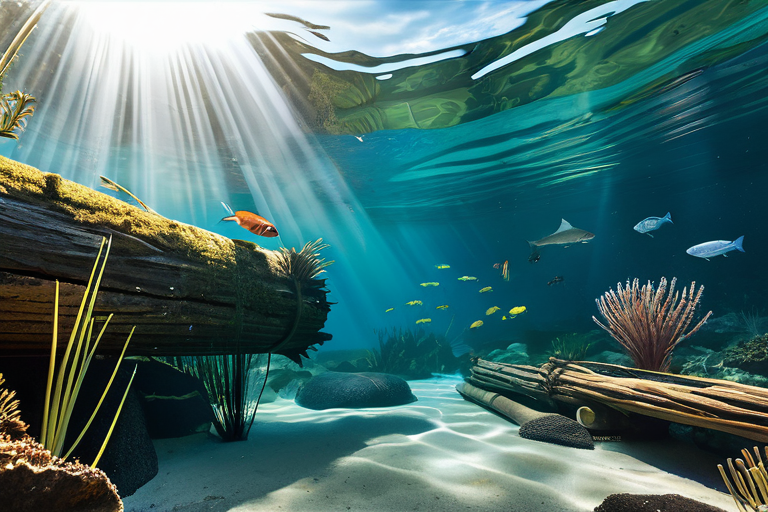
Lateral line systems represent one of the most significant yet often overlooked aspects of fish sensory perception. These pressure-sensitive organs running along fish bodies detect minute water movements and vibrations, allowing species to sense approaching predators, locate prey, and navigate complex underwater environments even in complete darkness.
Environmental Factors Shaping Fish Behavior
Water conditions create the fundamental framework within which all fish behavior occurs. Temperature stratification, oxygen levels, and water clarity interact to create distinct behavioral zones and activity patterns.
| Water Temperature Range | Primary Fish Activity | Optimal Fishing Approach | Common Species Affected |
|---|---|---|---|
| 32-45°F (0-7°C) | Minimal metabolism, slow movement | Slow presentations, small baits | Trout, Walleye, Perch |
| 46-65°F (8-18°C) | Moderate feeding, selective strikes | Medium-speed retrieves, natural presentations | Bass, Pike, Crappie |
| 66-75°F (19-24°C) | Aggressive feeding, territorial behavior | Fast retrieves, reaction strikes | Bass, Muskie, Catfish |
| 76°F+ (24°C+) | Reduced activity, deep water preference | Deep presentations, early/late fishing | Catfish, Carp, Deep-water species |
Biological Rhythms and Feeding Patterns
Fish operate on biological clocks influenced by photoperiod (day length), lunar cycles, and seasonal changes. These rhythms create predictable patterns of activity that experienced anglers learn to recognize and exploit.
Lunar influence extends beyond tidal effects in saltwater environments. Research indicates that freshwater fish also respond to lunar phases, with increased activity during full and new moon periods. This phenomenon relates to light availability affecting both predator visibility and prey behavior, creating amplified feeding opportunities during specific lunar phases.
Habitat Preferences and Structural Relationships
Fish establish complex relationships with underwater structures that provide shelter, ambush points, and thermal regulation. Different species exhibit distinct preferences that change with conditions and seasons.
Vegetation serves multiple functions in aquatic ecosystems. Submerged plants oxygenate water, provide cover for prey species, and create hunting grounds for predators. The density and type of vegetation significantly influence which fishing techniques prove effective, with sparse vegetation favoring reaction baits while dense cover requires precision presentations.
Weather Systems and Atmospheric Pressure Effects
Atmospheric conditions create subtle but significant impacts on fish behavior through barometric pressure changes, wind patterns, and precipitation effects on water conditions.
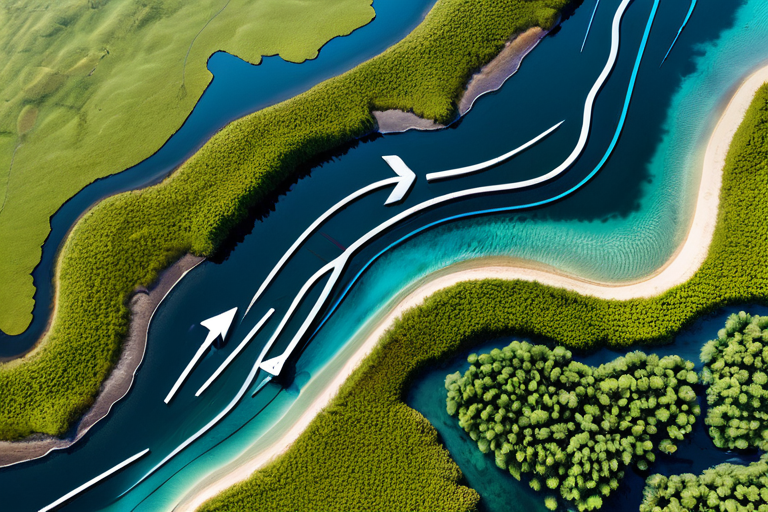
Wind direction and intensity affect water temperature distribution, oxygen levels, and prey concentration. Wind-driven currents push surface nutrients and smaller organisms, creating feeding lanes that predators learn to patrol. Understanding these wind-driven patterns allows anglers to position themselves strategically relative to wind direction and shoreline structure.

Social Behavior and Hierarchical Structures
Many game fish species exhibit complex social behaviors that influence their positioning, feeding patterns, and response to angling pressure. Understanding these social dynamics provides another layer of strategic advantage.
Dominance hierarchies establish themselves in fish populations, with larger, more aggressive individuals claiming prime territories and feeding positions. These dominant fish often respond differently to lures and presentations than subordinate individuals, requiring anglers to adjust their approach based on the social context of their target species.
Adaptive Strategies for Changing Conditions
Successful angling requires continuous adaptation to changing conditions based on observed fish behavior and environmental shifts. This adaptive approach separates consistent performers from occasional successes.
Depth stratification represents a critical adaptive consideration as fish position themselves in specific water columns based on temperature, oxygen, and prey availability. Successful anglers learn to read depth finders not just for fish location but for understanding the thermal and oxygen layers that determine fish positioning throughout different times of day and seasons.
True angling excellence emerges not from mastering more techniques but from developing deeper understanding of fish behavior within their ecological context. By observing how environmental factors, biological rhythms, and social dynamics influence fish activity, anglers transform from mere participants in the aquatic environment to informed interpreters of underwater patterns. This behavioral approach creates sustainable success that adapts to changing conditions and continues to yield results long after basic techniques have been exhausted.
The most successful anglers recognize that fish behavior represents a complex language of environmental response, biological imperative, and adaptive strategy. By learning to read this language through careful observation, environmental awareness, and continuous learning, anglers elevate their craft from simple recreation to sophisticated engagement with aquatic ecosystems. This behavioral understanding creates fishing success that transcends equipment, location, and even experience level, providing a foundation for lifelong improvement and enjoyment on the water.