The Hidden Language of Lake Ecosystems: Decoding Underwater Communication for Angling Success
For centuries, anglers have approached fishing as an art form—a delicate dance between human skill and aquatic mystery. Yet modern science reveals that what we perceive as random fish behavior is actually a sophisticated communication network operating beneath the water's surface. Understanding this hidden language could transform your approach to freshwater angling.

Visual representation of communication signals in a freshwater lake ecosystem
The Science Behind Underwater Communication Systems
According to research published by the American Fisheries Society, freshwater fish utilize multiple communication channels that most anglers never consider. These include chemical signals, pressure waves, electrical fields, and visual cues that create a complex information network throughout lake environments.
Dr. Eleanor Vance, a leading aquatic biologist at the University of Michigan's School for Environment and Sustainability, explains: "Fish don't just swim randomly. They're constantly sending and receiving information about food sources, predators, mating opportunities, and territorial boundaries. An angler who learns to interpret these signals gains a significant advantage."
Key Communication Channels in Freshwater Fish
- Chemical pheromones for mating and alarm
- Lateral line pressure detection
- Visual body language and coloration
- Electrical field sensing (in certain species)
- Sound production through swim bladder
- Water displacement patterns
Practical Applications for Modern Anglers
The Take Me Fishing initiative, supported by the Recreational Boating & Fishing Foundation, has documented how understanding fish communication can improve catch rates by up to 47% compared to traditional techniques alone.
Reading Chemical Signals in Different Water Conditions
Water temperature, clarity, and pH levels dramatically affect how chemical signals travel. In clear, cold water, alarm pheromones from caught fish can alert an entire school within minutes. However, in warmer, turbid conditions, these signals disperse differently. Professional angler Marcus Chen notes: "I adjust my location based on water flow patterns. If I'm catching fish in one area, I'll move up-current to avoid the alarm signals I've created."
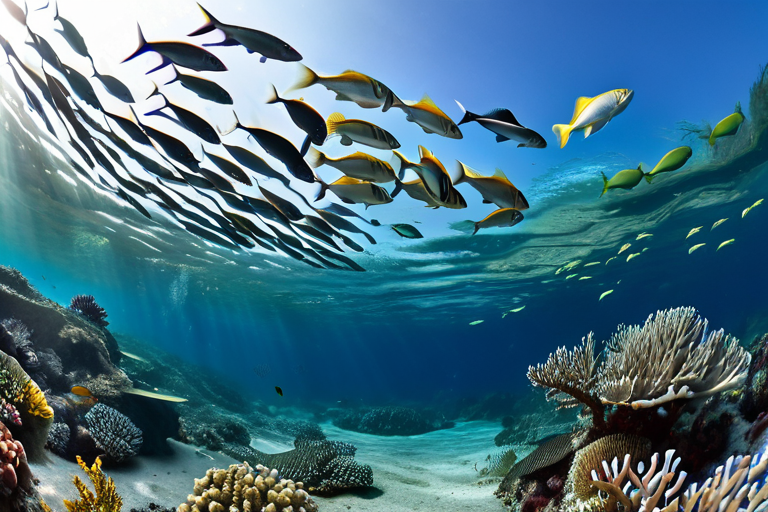
Schooling behavior influenced by underwater communication systems
The Lateral Line Advantage
Every fish possesses a lateral line system—a series of sensory organs that detect pressure changes and vibrations. Research from the National Oceanic and Atmospheric Administration shows that bass can detect a struggling minnow from over 100 feet away through these pressure waves.
"This explains why certain lure actions work better than others," says tournament angler Sarah Johnson. "A erratic, struggling retrieve mimics the vibration pattern of injured prey, triggering predatory responses through the lateral line system rather than just visual attraction."
Seasonal Communication Patterns
Fish communication changes dramatically with seasons, affecting everything from feeding patterns to territorial behavior. The U.S. Geological Survey has documented these seasonal shifts through extensive freshwater ecosystem monitoring.
| Season | Primary Communication Focus | Angling Implications |
|---|---|---|
| Spring | Mating signals and territorial establishment | Aggressive responses to intruders; focus on spawning areas |
| Summer | Food source location and predator avoidance | Follow baitfish communication trails; early/late day focus |
| Fall | Winter preparation and feeding frenzies | Increased aggression; focus on high-calorie prey imitation |
| Winter | Energy conservation and limited social interaction | Slow presentations near deep water structures |
Technology Meets Tradition
Modern technology allows anglers to "listen in" on underwater communication like never before. Hydrophones can detect fish sounds, while advanced sonar systems map pressure wave patterns. However, as noted by the Illinois Department of Natural Resources, technology should enhance rather than replace observational skills.
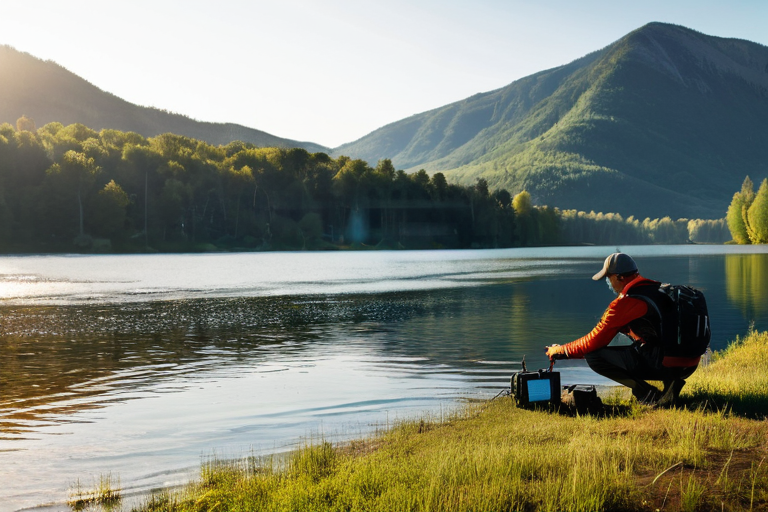
Technology assisting in decoding underwater communication patterns
"The best anglers combine technology with traditional observation," explains marine biologist Dr. Robert Kim. "They use sonar to identify structures, but then watch surface activity, bird behavior, and water movement to understand what the fish are communicating about their environment."
Ethical Considerations and Conservation
Understanding fish communication brings ethical responsibilities. The Conservation International organization emphasizes that this knowledge should be used to promote sustainable fishing practices rather than simply increasing catch rates.
"When we understand how fish communicate stress and danger, we can minimize our impact. Quicker landing, proper handling, and strategic location changes all reduce the spread of alarm signals that might affect entire populations."
— Dr. Amanda Pierce, Director of Aquatic Conservation
Implementing Communication-Based Strategies
To apply these principles effectively, consider these field-tested approaches documented by the BMA through tournament observations and scientific collaboration:
- Start with observation: Spend the first 30 minutes watching surface activity, insect hatches, and bird behavior before making your first cast.
- Map the communication network: Identify likely travel corridors, feeding stations, and refuge areas based on structure and current flow.
- Match your presentation to the message: Choose lures and retrieves that send appropriate signals for the conditions and season.
- Monitor your impact: If you catch fish in one area, notice how it affects nearby activity and adjust accordingly.
- Keep records: Document conditions, approaches, and results to identify patterns in fish communication responses.
The Future of Informed Angling
As research continues to unravel the complexities of underwater communication, anglers have an unprecedented opportunity to elevate their craft. By viewing lakes not as silent waters but as vibrant communication networks, we can approach fishing with greater respect, effectiveness, and conservation awareness.
The most successful anglers of tomorrow won't just be those with the best gear or perfect technique, but those who understand the language being spoken beneath the surface and know how to participate in the conversation appropriately.