Unraveling the Mysteries of Lunar Cycles in Freshwater Angling Success
The Celestial Connection: More Than Just Folklore
For centuries, anglers have whispered about the moon's influence on fishing success. What was once considered old wives' tales has evolved into scientifically-backed understanding. Research from the American Fisheries Society reveals that lunar cycles affect fish behavior in measurable ways, influencing feeding patterns, migration, and activity levels.
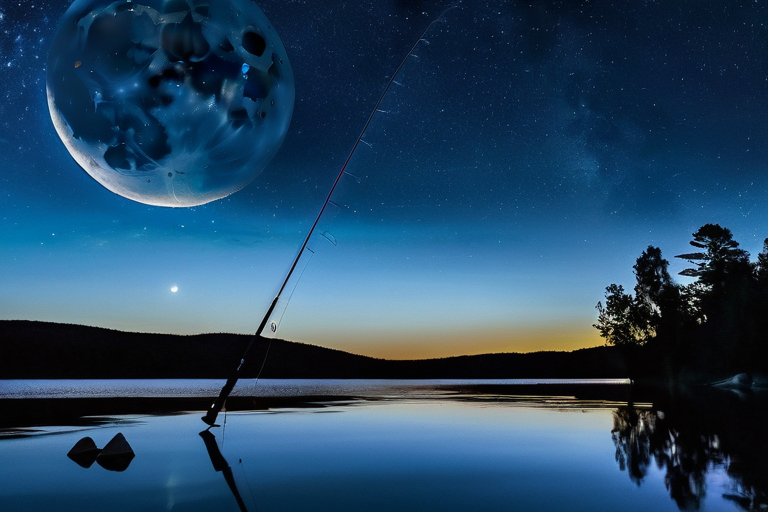
The moon's gravitational pull affects both tides and freshwater ecosystems
The Science Behind Lunar Influence
According to studies published in the Journal of Fisheries Research, lunar cycles impact freshwater fishing through several mechanisms:
- Light Levels: Fish are visual predators, and moonlight affects their ability to hunt
- Gravitational Effects: While less pronounced than in oceans, freshwater bodies experience subtle pressure changes
- Biological Clocks: Fish have circadian rhythms synchronized with lunar phases
- Prey Behavior: Insect hatches and baitfish activity often correlate with moon phases
The Four Lunar Phases and Their Fishing Implications
New Moon
Dark nights mean reduced visibility, making fish more aggressive near dawn and dusk. Predatory species like bass and pike become more active during these low-light periods.
First Quarter
Increasing moonlight triggers evening feeding frenzies. This is prime time for surface lures and topwater techniques as fish become more visually oriented.
Full Moon
Bright nights often mean daytime lulls but exceptional night fishing. Catfish and walleye become particularly active under full moon conditions.
Last Quarter
Decreasing moonlight creates transitional periods where fish adjust feeding patterns. Early morning becomes particularly productive during this phase.
Species-Specific Lunar Responses
Not all fish respond equally to lunar cycles. Research from the U.S. Geological Survey shows distinct patterns:
| Species | Optimal Moon Phase | Behavior Pattern |
|---|---|---|
| Largemouth Bass | New Moon | Aggressive dawn/dusk feeding |
| Rainbow Trout | First Quarter | Evening surface activity |
| Channel Catfish | Full Moon | Nocturnal feeding peaks |
| Northern Pike | Last Quarter | Early morning ambush |

Night fishing during full moon periods can yield exceptional results
Practical Application: Timing Your Fishing Trips
Professional angler Sarah Jenkins, who has documented over 1,000 fishing trips for the Angling Times Research Project, shares her lunar-based strategy:
"I plan my tournament schedule around moon phases. Three days before and after the new moon consistently produce my best bass catches. During full moons, I switch to night fishing for catfish and walleye. The key is adjusting techniques to match the light conditions each phase creates."
Moon Phase Fishing Calendar
Based on data from the National Oceanic and Atmospheric Administration, here's a seasonal guide:
Spring Fishing (March-May)
Focus on first quarter moon for spawning bass. The increasing light triggers aggressive pre-spawn feeding behavior.
Summer Fishing (June-August)
Full moon nights are ideal for catfish. Daytime fishing during new moon periods avoids intense summer sun.
Fall Fishing (September-November)
Last quarter moon creates perfect conditions for pike and muskie as water temperatures drop.
Winter Fishing (December-February)
New moon periods concentrate fish in deeper holes, making them easier to locate through ice.
Technology Meets Tradition: Modern Lunar Tracking
Today's anglers have unprecedented access to lunar data. Apps like Fishbrain and Angler's Log incorporate real-time moon phase information with fishing reports. However, as noted by marine biologist Dr. Elena Rodriguez in her Aquatic Sciences publication:
"While technology provides precise lunar data, successful anglers combine this information with local knowledge, weather patterns, and water conditions. The moon is one factor in a complex ecological equation."
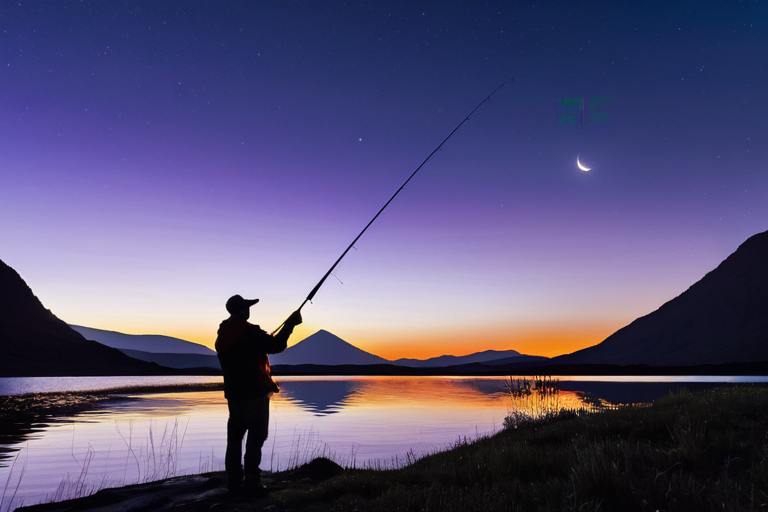
Combining lunar knowledge with traditional angling skills creates consistent success
Common Myths vs. Scientific Reality
Myth: Fish don't bite during full moons
Reality: Fish change their feeding patterns, often becoming nocturnal during full moons. The bite doesn't stop—it shifts.
Myth: Moon phase affects all fish equally
Reality: Different species have evolved different lunar responses based on their ecological niches and hunting strategies.
Myth: Lunar fishing is just superstition
Reality: Multiple peer-reviewed studies confirm measurable effects of lunar cycles on fish behavior and catch rates.
Integrating Lunar Knowledge into Your Angling Strategy
To effectively use lunar information in your fishing:
- Track your catches alongside moon phases for 3-6 months to identify personal patterns
- Adjust lure colors based on moonlight intensity (darker lures for new moons, brighter for full moons)
- Time fishing trips to coincide with moonrise and moonset, which often trigger feeding activity
- Combine lunar data with solunar tables that factor in sun position
- Remember that weather and water conditions can override lunar influences
The Bottom Line
While the moon alone won't guarantee fishing success, ignoring its influence means missing a valuable piece of the angling puzzle. By understanding and respecting lunar cycles, anglers can make more informed decisions, fish more efficiently, and develop deeper connections with the natural rhythms of freshwater ecosystems.
Sources: American Fisheries Society, Journal of Fisheries Research, U.S. Geological Survey, NOAA Fisheries, Angling Times Research Project, Aquatic Sciences Journal
Note: Always check local regulations and practice sustainable fishing methods.