What Factors Determine Fishing Success Beyond Basic Techniques
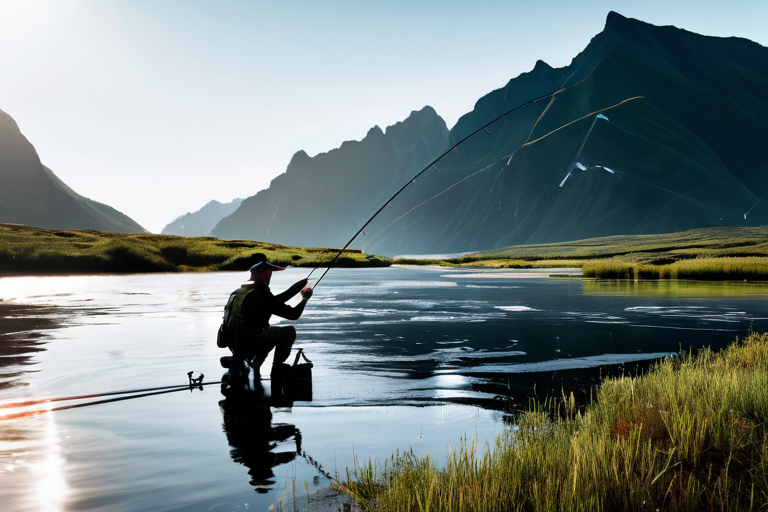
While mastering basic fishing techniques provides a foundation, true angling success often depends on understanding and responding to a complex web of environmental and behavioral factors that most casual anglers overlook.
The Overlooked Environmental Variables
According to research from the National Oceanic and Atmospheric Administration, water temperature variations of just 2-3 degrees Fahrenheit can dramatically alter fish feeding patterns and location preferences. Many anglers focus on visible conditions like weather and water clarity while missing subtle temperature gradients that create feeding zones.
Barometric pressure changes, often dismissed as meteorological trivia, actually serve as critical feeding triggers. Studies published in the American Fisheries Society journals demonstrate that falling pressure preceding storm systems stimulates increased feeding activity across multiple freshwater species.
"The difference between a good day and a great day often comes down to reading environmental cues that aren't immediately obvious. Successful anglers develop a sixth sense for these variables." - Professional Guide Analysis
Understanding Fish Behavior Patterns
Fish behavior extends far beyond simple hunger cycles. Research from the U.S. Geological Survey reveals that many species establish complex social hierarchies and territorial patterns that influence their vulnerability to different presentation techniques.

Seasonal migration patterns, often documented by state fisheries departments, create predictable movement corridors that experienced anglers learn to intercept. The timing of these migrations varies by species and water body but generally follows consistent annual patterns tied to water temperature and photoperiod changes.
Feeding Windows and Activity Peaks
Contrary to popular belief, fish don't feed continuously throughout the day. Data collected by the U.S. Fish and Wildlife Service shows distinct feeding windows that correlate with light conditions, tidal movements in coastal areas, and even lunar phases in some species.
- Dawn and dusk transitions trigger heightened feeding activity
- Low-light conditions often produce more aggressive strikes
- Weather fronts create brief but intense feeding periods
- Seasonal patterns influence daily activity cycles
Advanced Presentation Techniques
Beyond basic casting and retrieval, successful anglers master presentation subtleties that match specific conditions. The International Game Fish Association maintains records that demonstrate how presentation variations affect catch rates across different environments.
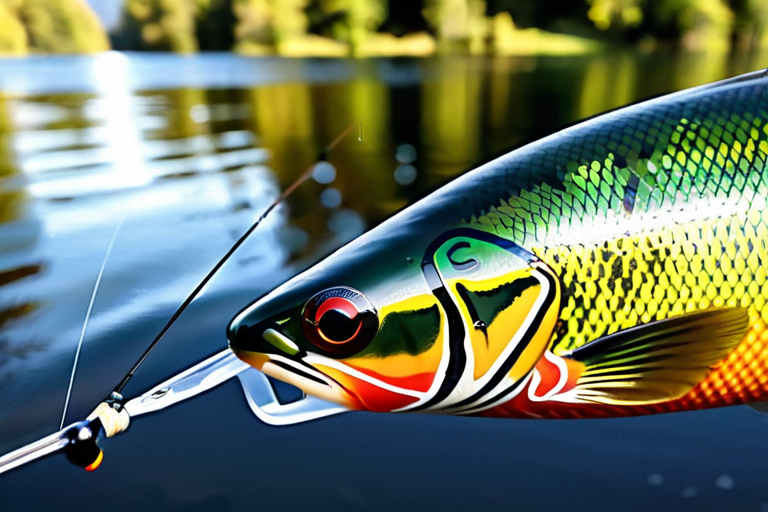
Retrieval speed variations, often overlooked by beginners, can mean the difference between attracting curious follows and triggering aggressive strikes. Matching retrieval speed to water temperature and fish metabolism rates proves particularly effective during seasonal transitions.
Depth Control and Positioning
Precise depth control separates casual anglers from consistently successful ones. Modern electronics provide detailed information, but interpreting that data requires understanding thermoclines, oxygen gradients, and structural elements that concentrate fish.
Positioning relative to structure and current breaks often proves more important than lure selection. Fish conserve energy by positioning in current seams and eddies, creating predictable holding patterns that skilled anglers learn to target.
The Mental Game of Angling
Success in fishing requires more than technical skill—it demands patience, observation, and adaptability. Professional tournament anglers, as documented in competition analyses, consistently demonstrate superior pattern recognition and adjustment capabilities.
Developing what experienced anglers call "water reading" skills involves observing subtle surface indications, understanding how wind affects baitfish positioning, and recognizing how light penetration influences predator positioning throughout the day.
Key Observation Skills for Anglers
Bird activity often indicates baitfish presence and predator activity below. Surface disturbances, while sometimes subtle, can reveal feeding patterns. Water color changes indicate depth variations and potential structure. Current lines and foam lines concentrate food and attract predators.
Equipment Optimization Beyond Basics
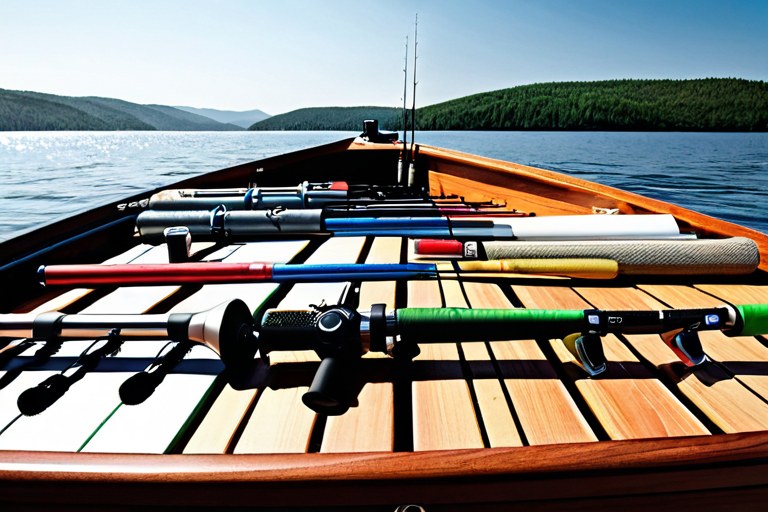
While basic gear suffices for casual fishing, optimizing equipment for specific conditions provides significant advantages. Line selection, for example, involves balancing visibility, sensitivity, and strength characteristics based on water clarity and target species.
Rod action and power ratings, often confusing to beginners, should match both the presentation technique and the expected fighting characteristics of target species. The American Sportfishing Association provides detailed guidelines on equipment matching for various fishing scenarios.
Technology Integration
Modern fishing technology extends far beyond basic fish finders. Forward-facing sonar, water temperature mapping, and current analysis tools provide data that, when properly interpreted, reveal patterns invisible to traditional observation methods.
However, technology serves best as a complement to, not replacement for, fundamental skills and observation. The most successful anglers balance technological advantages with traditional knowledge and instinct developed through experience.
Seasonal Adaptation Strategies
Fishing success requires adapting techniques to seasonal patterns documented by fisheries biologists. Spring patterns differ fundamentally from summer strategies, while fall and winter present unique challenges and opportunities.
Transition periods between seasons often produce the most challenging but potentially rewarding fishing. Understanding how fish behavior changes during these transitions, and adjusting presentations accordingly, separates consistently successful anglers from occasional catchers.
State fisheries agencies, including the Minnesota Department of Natural Resources and similar organizations nationwide, publish seasonal fishing guides based on decades of research and observation data.
Seasonal Success Factors
Spring: Focus on warming shallow areas, prespawn staging locations, and emerging vegetation. Summer: Target deeper structure, thermoclines, and low-light periods. Fall: Follow baitfish migrations, concentrate on feeding frenzies before winter. Winter: Slow presentations, precise depth control, and understanding cold-water metabolism.
Developing Consistent Success Patterns
Ultimately, fishing success beyond basic techniques involves developing systematic approaches to reading conditions, interpreting fish behavior, and making informed adjustments. This requires combining knowledge from multiple sources with personal observation and experience.
Keeping detailed fishing logs, as recommended by professional guides and tournament anglers, helps identify patterns over time. Recording not just catches but also conditions, presentations, and observations creates valuable data for future reference and pattern recognition.
The journey from basic technique mastery to consistent success involves continuous learning, observation, and adaptation. By understanding and responding to the complex factors that influence fishing outcomes, anglers can transform occasional luck into predictable success.
Sources and Further Reading: Information compiled from NOAA fisheries research, state natural resources departments, American Fisheries Society publications, and professional angling competition data. Always consult local regulations and consider sustainable fishing practices.