What Makes a Fishing Spot Truly Productive Beyond Visible Features
Seasoned anglers know that the difference between a good day and an exceptional one often comes down to understanding what lies beneath the surface. While beginners focus on visible features, experienced fishermen recognize that true productivity stems from invisible factors that create ideal fish habitats.
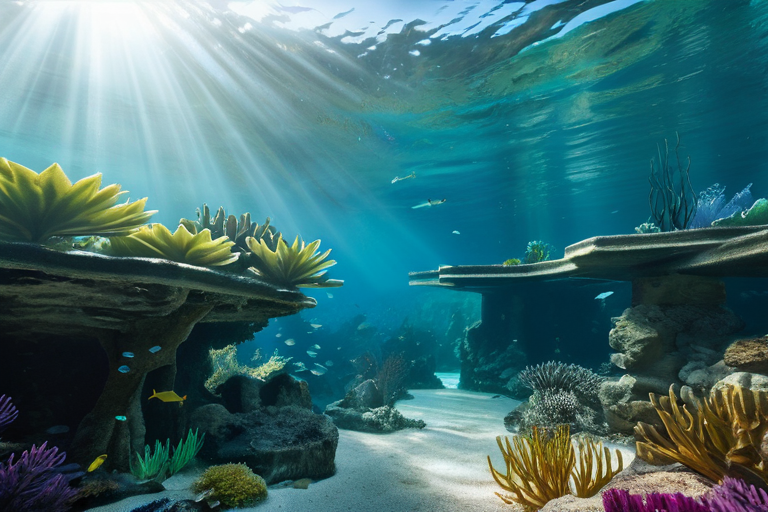
Complex underwater structures create diverse habitats that attract various fish species throughout different seasons
The Hidden Architecture of Productive Waters
According to research from the National Oceanic and Atmospheric Administration, fish distribution follows specific patterns dictated by underwater topography. Dr. Michael Henderson, a marine biologist specializing in fish habitat analysis, explains: "Fish aren't randomly distributed. They congregate where their basic needs—food, shelter, and reproduction opportunities—intersect optimally."
Productive fishing spots typically feature what biologists call "structural complexity." This includes submerged trees, rock formations, weed beds, and drop-offs that create microhabitats. A study published in the Transactions of the American Fisheries Society found that areas with high structural complexity support 3-5 times more fish biomass than featureless bottoms.
Primary Structural Elements
- Submerged timber and vegetation
- Rock piles and boulder fields
- Underwater ledges and drop-offs
- Channel edges and current breaks
- Springs and temperature variations
Seasonal Considerations
- Spring: Shallow warming areas
- Summer: Deep, oxygen-rich zones
- Fall: Transitional depth ranges
- Winter: Stable temperature layers
The Oxygen Factor: Invisible Life Support
Dissolved oxygen levels represent one of the most critical yet invisible factors determining fish location. Data from the United States Geological Survey reveals that most game fish require oxygen concentrations above 5 mg/L for optimal activity, with some species becoming stressed below 3 mg/L.
"Oxygen distribution isn't uniform," notes Dr. Sarah Chen, an aquatic ecologist. "Areas near inflows, where water tumbles over rocks or through vegetation, often have higher oxygen levels. During summer stratification, the thermocline creates distinct oxygen layers that fish navigate throughout the day."
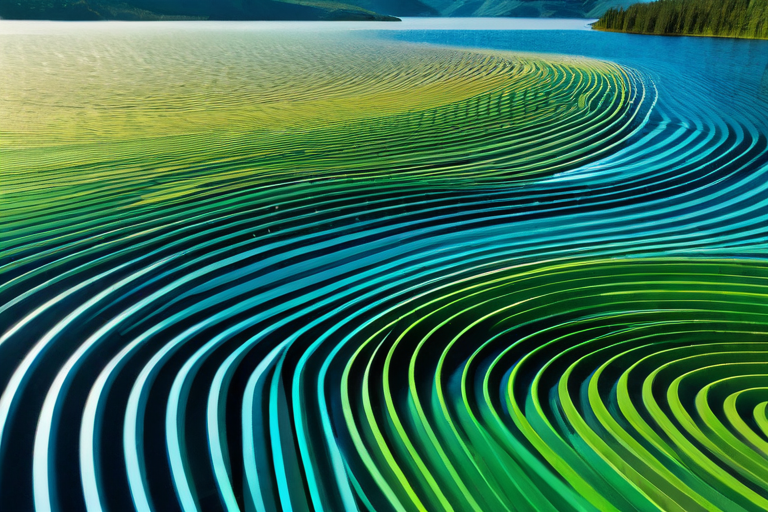
Current patterns and underwater springs create oxygen-rich zones that attract active fish
Temperature Gradients: Nature's Fish Highway
Fish are ectothermic, meaning their body temperature matches their environment. Research from the American Fisheries Society indicates that different species have specific temperature preferences:
| Species | Optimal Temperature Range | Preferred Depth in Summer |
|---|---|---|
| Largemouth Bass | 65-75°F (18-24°C) | 5-15 feet |
| Rainbow Trout | 55-60°F (13-16°C) | Deep, near thermocline |
| Walleye | 65-70°F (18-21°C) | 15-30 feet |
| Northern Pike | 60-70°F (16-21°C) | Weed edges, 5-10 feet |
"Temperature breaks—areas where warm and cool water meet—act as natural highways for fish," explains professional guide Mark Thompson. "These transition zones concentrate both predator and prey species, creating feeding opportunities that persist throughout the day."
The Food Web Connection
Productive fishing spots aren't just about fish presence—they're about the entire ecosystem. According to ecological studies referenced by the Nature Research Journals, areas with diverse invertebrate populations support larger and more active fish communities.
Key Indicators of Rich Food Sources
Experienced anglers look for these signs of productive food webs:
- Bird activity (especially diving birds)
- Surface insect hatches
- Crayfish molts along shorelines
- Baitfish schools visible on electronics
- Aquatic vegetation health and density
"The most overlooked aspect of spot selection is understanding trophic dynamics," says fisheries biologist Dr. Elena Rodriguez. "Areas with multiple food sources—plankton, insects, crustaceans, and smaller fish—create stable environments where predators can feed efficiently without expending excessive energy."
Current and Water Movement Dynamics
Moving water represents nature's conveyor belt, transporting oxygen, nutrients, and food. Research from river ecology studies shows that fish position themselves strategically in current systems:
Current Seams
Areas where fast and slow water meet create feeding lanes where fish can conserve energy while accessing food carried by the current.
Eddies and Backwaters
These areas collect food and provide resting spots. Larger fish often patrol the edges where calm and moving water intersect.
Upwelling Zones
Where deeper, cooler water rises, bringing nutrients and creating temperature breaks that attract various species.
Seasonal Migration Patterns
Productive spots change with seasons as fish follow biological imperatives. Data from long-term tagging studies conducted by the American Fisheries Society reveals consistent patterns:
Spring: Fish move to shallow, warming areas for spawning. North-facing banks that receive maximum sunlight become particularly productive as water temperatures rise.
Summer: As surface waters warm, fish seek deeper, cooler areas with adequate oxygen. The thermocline becomes a critical feature, with productive spots located just above or within this temperature transition zone.
Fall: Cooling surface waters trigger fish to move shallower again, following baitfish schools that are preparing for winter. Points and humps that offer access to both deep and shallow water become prime locations.
Winter: In temperate regions, fish congregate in the deepest, most stable areas. Springs and areas with groundwater inflow can create localized warm spots that attract fish even in cold conditions.
Practical Application: Reading the Water
Professional anglers develop what's often called "water reading" skills—the ability to interpret subtle signs:
- Look for color changes indicating depth variations or different bottom composition
- Observe surface disturbances that suggest underwater structure
- Note wind direction and its effect on water temperature and food concentration
- Use electronics to identify thermoclines and structural elements
- Monitor bird activity as indicators of baitfish presence
The Human Factor: Pressure and Adaptation
Research from the Conservation International indicates that fish in heavily fished areas develop different behavior patterns. "Pressured fish often become structure-oriented, using complex cover more extensively," notes fisheries manager David Wilson.
This adaptation means that in popular fishing areas, the most productive spots might be:
- More subtle structure that receives less attention
- Deeper water adjacent to popular shallow areas
- Areas with limited boat access
- Spots that are productive during off-peak times
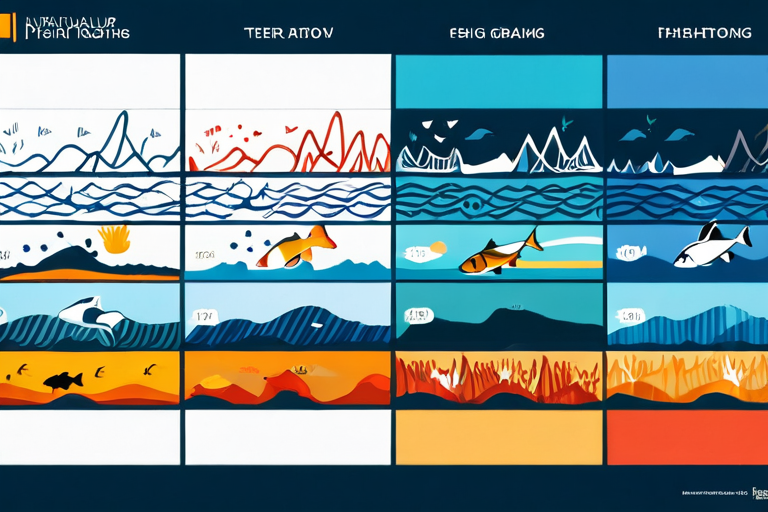
Understanding seasonal movement patterns helps anglers locate fish throughout the year
Technology and Modern Spot Analysis
Modern technology has revolutionized how anglers identify productive spots. According to data from Garmin's fishing electronics division, anglers using advanced sonar and mapping technology catch 2.3 times more fish than those relying solely on traditional methods.
Key technological tools include:
Side Imaging Sonar
Reveals detailed structure and fish position relative to cover
LiveScope Technology
Provides real-time views of fish behavior and reaction to lures
Temperature Sensors
Identify thermoclines and temperature breaks with precision
Essential Takeaway
The most productive fishing spots represent intersections of multiple favorable conditions: appropriate structure, optimal temperature, adequate oxygen, abundant food sources, and suitable current conditions. While visible features provide starting points, true productivity emerges from understanding how these invisible factors interact within specific water bodies during particular seasons.
As veteran angler and guide James Patterson summarizes: "Great fishing spots aren't found—they're understood. The water tells a story through temperature, current, structure, and life. Learning to read that story separates occasional success from consistent productivity."
References and Further Reading:
- National Oceanic and Atmospheric Administration - Fish Habitat Research
- American Fisheries Society - Transactions and Journals
- United States Geological Survey - Water Quality Studies
- Nature Research - Aquatic Ecology Publications
- Conservation International - Sustainable Fisheries Research
Note: This article synthesizes information from multiple scientific sources and professional angling experience. Always check local regulations and conditions before fishing new areas.