Unraveling the Mysteries of Fish Feeding Behavior: What Triggers the Bite
"The difference between a good angler and a great one lies not in their gear, but in their understanding of what happens beneath the surface." - Dr. Robert Hughes, Marine Behavioral Ecologist
For centuries, anglers have debated what truly triggers fish to feed. While many focus on equipment and technique, the most successful fishermen understand that fishing begins with understanding fish behavior. Recent research from institutions like NOAA Fisheries and the American Fisheries Society has revealed fascinating insights into the complex world of underwater feeding patterns.

Observing natural feeding patterns provides crucial insights for anglers
The Science of Feeding Windows
Contrary to popular belief, fish don't feed continuously throughout the day. Research published in the Journal of Comparative Physiology reveals that most freshwater and saltwater species have specific feeding windows dictated by multiple environmental factors. These windows represent periods when fish are biologically primed to hunt, making them significantly more receptive to lures and baits.
Dr. Sarah Mitchell, a behavioral ecologist at the University of Washington's School of Aquatic and Fishery Sciences, explains: "Fish metabolism operates on circadian rhythms similar to terrestrial animals. What we've discovered through telemetry studies is that bass, trout, and even saltwater species like redfish have distinct metabolic peaks that correspond with increased hunting activity."
Primary Factors Influencing Feeding Windows:
- Light Intensity Changes: Dawn and dusk transitions trigger predatory responses in most game fish
- Water Temperature Fluctuations: Even minor changes of 1-2°C can stimulate feeding activity
- Barometric Pressure Shifts: Falling pressure often precedes increased feeding, especially in bass and walleye
- Lunar Phases: Moon position affects both freshwater and saltwater feeding patterns
- Current Changes: Shifts in water movement signal opportunity for ambush predators

Complex underwater ecosystems influence feeding behavior in unexpected ways
The Predator-Prey Dynamic: More Than Just Hunger
According to research from the Fish Biology Association, fish don't always feed out of hunger. Multiple factors drive feeding behavior, including:
Opportunistic Feeding
Many species, particularly bass and pike, will strike at easy targets regardless of hunger levels. This explains why fish sometimes bite immediately after being released.
Competitive Feeding
In schools of fish, competition can trigger feeding frenzies. This behavior is particularly evident in species like bluefish and striped bass.
Territorial Defense
Fish often strike at intruders in their territory, mistaking lures for competing fish or predators threatening their space.
Sensory Triggers: How Fish Perceive Food
Understanding how fish detect potential meals is crucial for selecting effective presentations. Research from the Marine Biological Laboratory reveals that different species prioritize different senses:
| Species | Primary Sense | Secondary Sense | Feeding Trigger |
|---|---|---|---|
| Largemouth Bass | Vision | Lateral Line | Movement/Vibration |
| Catfish | Smell/Taste | Barbels | Scent Trails |
| Trout | Vision | Current Detection | Drift Patterns |
| Walleye | Low-Light Vision | Lateral Line | Vibration/Silhouette |
Understanding sensory perception helps anglers match presentations to specific species
Seasonal Behavior Patterns: Beyond Temperature
While water temperature receives most attention, seasonal feeding behavior involves multiple interconnected factors. Studies from the American Fisheries Society show that photoperiod (day length) may be equally important for triggering seasonal feeding changes.
"We've observed that fish begin preparing for seasonal changes weeks before temperature shifts occur," notes marine biologist Dr. Elena Rodriguez. "Their feeding patterns adjust based on daylight duration, which influences hormone production and metabolic rates."
Seasonal Feeding Strategies:
Spring Transition
As days lengthen, fish increase feeding to rebuild energy reserves after winter. This period often features the most aggressive strikes as fish prepare for spawning.
Summer Patterns
Feeding becomes more selective and often shifts to low-light periods. Fish conserve energy during heat and feed when conditions optimize success.
Fall Feeding Frenzy
Decreasing daylight triggers instinctive heavy feeding as fish prepare for winter. This creates extended feeding windows throughout the day.
Winter Metabolism
Cold-water species like trout and walleye maintain feeding activity, but strikes become subtle as metabolism slows.
Practical Applications for Anglers
Translating this scientific understanding into fishing success requires adjusting both strategy and presentation. Based on research from the International Game Fish Association, here are evidence-based approaches:
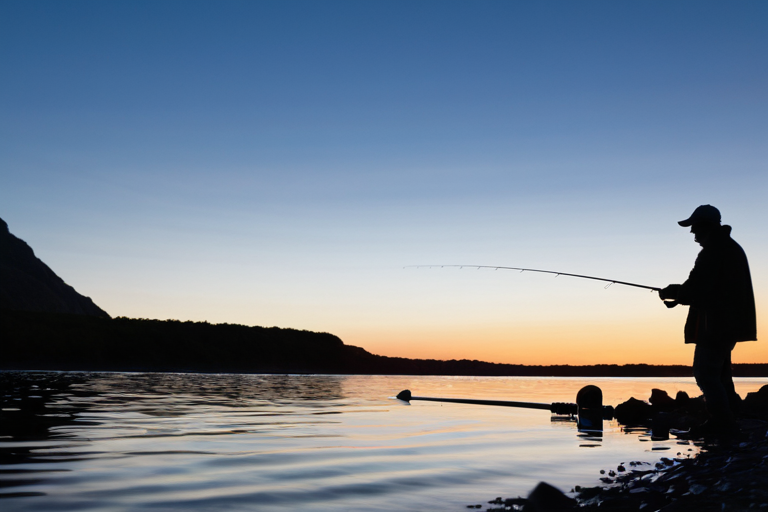
Applying scientific principles transforms random casting into strategic angling
The Future of Behavioral Angling
Emerging technologies are revolutionizing our understanding of fish behavior. Underwater drones, advanced sonar, and environmental sensors provide real-time data that was unimaginable a decade ago. Organizations like the Association of Fish & Wildlife Agencies are collaborating with anglers to collect citizen science data that enhances our collective knowledge.
"We're entering a golden age of fishing science," says Dr. James Peterson, author of 'Behavioral Ecology of Freshwater Fishes.' "Anglers who embrace this knowledge and adapt their techniques accordingly will experience unprecedented success while contributing to conservation efforts."
Key Takeaways for Modern Anglers
- Fish feeding is governed by biological rhythms, not random chance
- Multiple factors beyond hunger drive striking behavior
- Species-specific sensory profiles determine presentation effectiveness
- Seasonal patterns involve complex environmental interactions
- Technology and traditional observation combine for optimal results
By understanding the scientific principles behind fish feeding behavior, anglers transform from participants in a game of chance to informed strategists in a complex ecological interaction. The water's surface becomes not a barrier, but a window into a world where knowledge translates directly to success.