Unlocking the Secrets of Urban Waterways: A Guide to Metropolitan Angling Success
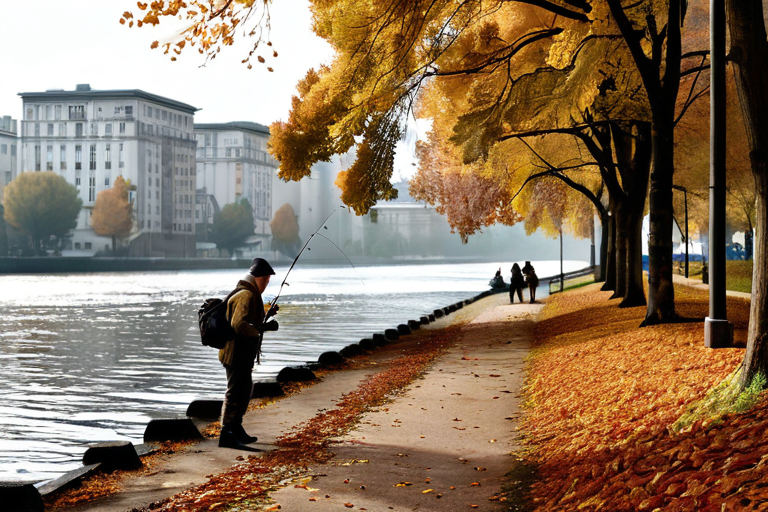
Urban fishing represents one of the most rapidly growing segments in the angling world, yet many traditional fishermen overlook the incredible opportunities hidden within metropolitan waters. According to research from the National Oceanic and Atmospheric Administration, urban waterways support surprisingly diverse fish populations, with some cities hosting over 50 different species in their river systems.
The Hidden Ecosystems of City Waters
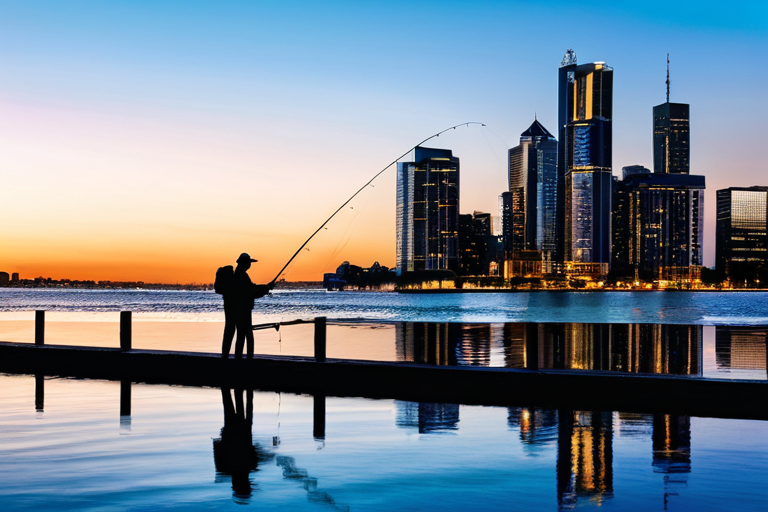
Urban waterways function as complex ecosystems that have adapted to human presence in remarkable ways. The Environmental Protection Agency reports that many metropolitan rivers have seen significant improvements in water quality over the past two decades, leading to healthier fish populations. These environments create unique fishing opportunities that differ dramatically from traditional rural settings.
City fish have developed distinct behavioral patterns that require specialized approaches. Research published in the Journal of Fisheries Research indicates that urban fish populations exhibit different feeding times, altered migration patterns, and modified habitat preferences compared to their rural counterparts. Understanding these adaptations is crucial for successful metropolitan angling.
Essential Gear for Urban Angling
Urban fishing demands specialized equipment that balances effectiveness with practicality. The compact nature of city fishing spots requires gear that is both portable and versatile. According to experts at Take Me Fishing, urban anglers should prioritize medium-action rods between 6-7 feet, capable of handling various techniques while remaining manageable in confined spaces.
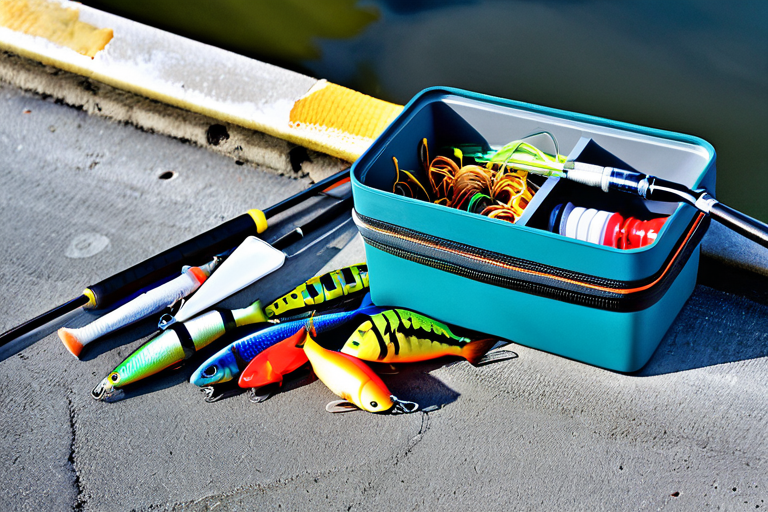
Line selection proves particularly important in urban environments. Braided lines with fluorocarbon leaders offer the sensitivity needed to detect subtle bites in moving water while providing the strength to handle unexpected obstacles. The American Sportfishing Association recommends 10-20 pound test braid for most urban applications, with leader strength adjusted based on target species and water conditions.
Mastering Urban Fishing Techniques
Successful urban angling requires adapting traditional techniques to metropolitan conditions. Vertical presentations often prove most effective in confined spaces, allowing precise bait placement around structures and current breaks. The Bassmaster guide to urban fishing emphasizes the importance of finesse techniques, particularly when targeting pressured fish in heavily fished areas.
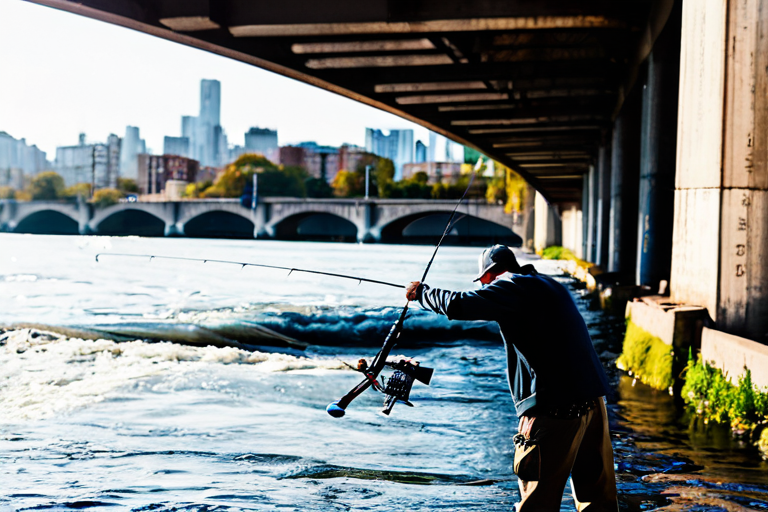
Current breaks created by bridges, piers, and other infrastructure create prime fishing locations. These structures funnel baitfish and create feeding opportunities for predators. Research from the United States Geological Survey shows that man-made structures can increase fish habitat complexity by up to 300%, creating diverse micro-ecosystems within urban waterways.
Understanding Urban Fish Behavior
Urban fish populations exhibit unique behavioral adaptations that successful anglers must understand. According to studies published in Nature, city-dwelling fish have developed altered circadian rhythms, often feeding during lower-light periods when human activity decreases. This knowledge allows anglers to time their fishing efforts for maximum effectiveness.
Water temperature plays a crucial role in urban fish behavior, with metropolitan waters often warming more rapidly than natural systems. The National Weather Service provides valuable data on urban heat island effects, which anglers can use to predict fish activity patterns and preferred depth ranges throughout the day.
Safety and Conservation Considerations
Urban fishing presents unique safety considerations that every metropolitan angler must address. The Centers for Disease Control and Prevention recommends specific precautions when fishing in urban environments, including awareness of water quality advisories and proper handling techniques for fish from potentially contaminated waters.
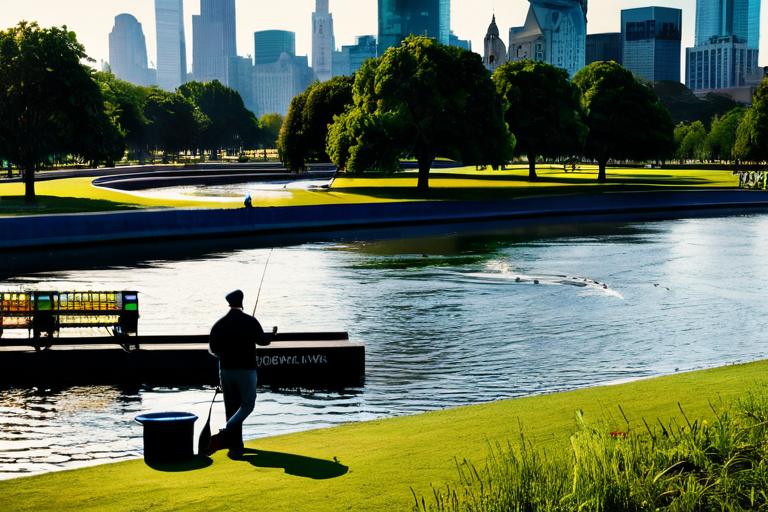
Conservation practices prove especially important in urban fisheries, where populations face multiple pressures. The U.S. Fish and Wildlife Service emphasizes proper catch-and-release techniques, habitat protection, and participation in local conservation initiatives as essential components of responsible urban angling.
Identifying Prime Urban Fishing Locations
Successful urban anglers develop the ability to read metropolitan waterways with the same precision that traditional anglers apply to natural systems. According to the Urban Fishing Institute, key locations include stormwater outfalls, bridge abutments, submerged structures, and areas where currents create natural feeding lanes.
Tidal influences significantly affect many urban fisheries, particularly in coastal cities. Understanding tidal patterns and their impact on fish movement can dramatically increase fishing success. Data from the NOAA Tides and Currents database provides valuable information for planning fishing trips in tidal urban waters.
Advanced Urban Fishing Strategies
Seasonal patterns in urban fisheries differ from natural systems, with temperature fluctuations and human activity creating unique challenges and opportunities. The American Fisheries Society publishes research showing how urban fish adapt to seasonal changes, providing valuable insights for year-round fishing success.
Technology integration has revolutionized urban fishing, with mobile applications providing real-time water quality data, fish activity reports, and location-specific regulations. The Fishbrain platform offers crowd-sourced data from urban anglers worldwide, creating valuable resources for planning metropolitan fishing expeditions.
Building Urban Fishing Skills
Developing proficiency in urban fishing requires dedicated practice and continuous learning. Local fishing clubs and organizations, many affiliated with the International Game Fish Association, offer workshops and mentorship programs specifically focused on metropolitan angling techniques.
Record-keeping proves particularly valuable in urban fishing, where conditions change rapidly and patterns emerge over time. Detailed logs of weather conditions, water parameters, successful techniques, and catch data help urban anglers refine their approaches and increase their success rates in challenging metropolitan environments.
Urban fishing represents a dynamic and rewarding aspect of modern angling, offering unique challenges and opportunities within metropolitan environments. By understanding the specialized ecosystems, adapting techniques to urban conditions, and embracing conservation practices, anglers can unlock the full potential of city waterways. The continued growth of urban fishing communities, supported by organizations like the Recreational Fishing Alliance, ensures that metropolitan angling will remain a vibrant and sustainable pursuit for generations to come.