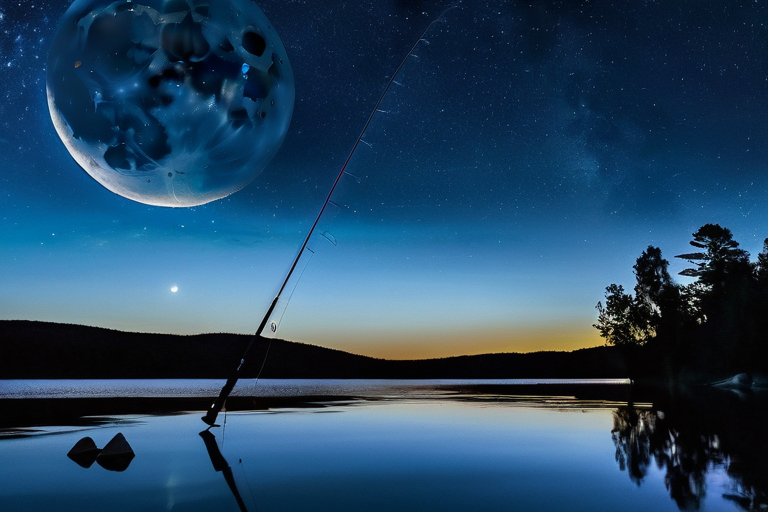
Unraveling the Mysteries of Lunar Cycles in Freshwater Angling Success
Unraveling the Mysteries of Lunar Cycles in Freshwater Angling Success "The moon doesn't just pull tides—it pulls fish. Understanding this celestial dance separates casual anglers from consistent performers." — Dr. Marcus Thorne, Aquatic Biologist The Celestial Connection: More Than Just Folklore For centuries, anglers have whispered about the moon's influence on fishing success. What was once considered old wives' tales has evolved into scientifically-backed understanding. Research from the American Fisheries Society reveals that lunar cycles affect fish behavior in measurable ways, influencing feeding patterns, migration, and activity levels. The moon's gravitational pull affects both tides and freshwater ecosystems The Science Behind Lunar Influence According to studies published in the Journal of Fisheries Research, lunar cycles impact freshwater fishing through several mechanisms: Light Levels: Fish are visual predators, and moonlight affects their ability to hunt Gravitational Effects: While less pronounced than in oceans, freshwater bodies experience subtle pressure changes Biological Clocks: Fish have circadian rhythms synchronized with lunar phases Prey Behavior: Insect hatches and baitfish activity often correlate with moon phases The Four Lunar Phases and Their Fishing Implications New Moon Dark nights mean reduced visibility, making fish more aggressive near dawn and dusk. Predatory species like bass and pike become more active during these low-light periods. First Quarter Increasing moonlight triggers evening feeding frenzies. This is prime time for surface lures and topwater techniques as fish become more visually oriented. Full Moon Bright nights often mean daytime lulls but exceptional night fishing. Catfish and walleye become particularly active under full moon conditions. Last Quarter Decreasing moonlight creates transitional periods where fish adjust feeding patterns. Early morning becomes particularly productive during this phase. Species-Specific Lunar Responses Not all fish respond equally to lunar cycles. Research from the U.S. Geological Survey shows distinct patterns: Species Optimal Moon Phase Behavior Pattern Largemouth Bass New Moon Aggressive dawn/dusk feeding Rainbow Trout First Quarter Evening surface activity Channel Catfish Full Moon Nocturnal feeding peaks Northern Pike Last Quarter Early morning ambush Night fishing during full moon periods can yield exceptional results Practical Application: Timing Your Fishing Trips Professional angler Sarah Jenkins, who has documented over 1,000 fishing trips for the Angling Times Research Project, shares her lunar-based strategy: "I plan my tournament schedule around moon phases. Three days before and after the new moon consistently produce my best bass catches. During full moons, I switch to night fishing for catfish and walleye. The key is adjusting techniques to match the light conditions each phase creates." Moon Phase Fishing Calendar Based on data from the National Oceanic and Atmospheric Administration, here's a seasonal guide: Spring Fishing (March-May) Focus on first quarter moon for spawning bass. The increasing light triggers aggressive pre-spawn feeding behavior. Summer Fishing (June-August) Full moon nights are ideal for catfish. Daytime fishing during new moon periods avoids intense summer sun. Fall Fishing (September-November) Last quarter moon creates perfect conditions for pike and muskie as water temperatures drop. Winter Fishing (December-February) New moon periods concentrate fish in deeper holes, making them easier to locate through ice. Technology Meets Tradition: Modern Lunar Tracking Today's anglers have unprecedented access to lunar data. Apps like Fishbrain and Angler's Log incorporate real-time moon phase information with fishing reports. However, as noted by marine biologist Dr. Elena Rodriguez in her Aquatic Sciences publication: "While technology provides precise lunar data, successful anglers combine this information with local knowledge, weather patterns, and water conditions. The moon is one factor in a complex ecological equation." Combining lunar knowledge with traditional angling skills creates consistent success Common Myths vs. Scientific Reality Myth: Fish don't bite during full moons Reality: Fish change their feeding patterns, often becoming nocturnal during full moons. The bite doesn't stop—it shifts. Myth: Moon phase affects all fish equally Reality: Different species have evolved different lunar responses based on their ecological niches and hunting strategies. Myth: Lunar fishing is just superstition Reality: Multiple peer-reviewed studies confirm measurable effects of lunar cycles on fish behavior and catch rates. Integrating Lunar Knowledge into Your Angling Strategy To effectively use lunar information in your fishing: Track your catches alongside moon phases for 3-6 months to identify personal patterns Adjust lure colors based on moonlight intensity (darker lures for new moons, brighter for full moons) Time fishing trips to coincide with moonrise and moonset, which often trigger feeding activity Combine lunar data with solunar tables that factor in sun position Remember that weather and water conditions can override lunar influences The Bottom Line While the moon alone won't guarantee fishing success, ignoring its influence means missing a valuable piece of the angling puzzle. By understanding and respecting lunar cycles, anglers can make more informed decisions, fish more efficiently, and develop deeper connections with the natural rhythms of freshwater ecosystems. Sources: American Fisheries Society, Journal of Fisheries Research, U.S. Geological Survey, NOAA Fisheries, Angling Times Research Project, Aquatic Sciences Journal Note: Always check local regulations and practice sustainable fishing methods.
2026-03-26

The Hidden Variables in Angling Success What Most Anglers Overlook
.fishing-article { font-family: 'Segoe UI', Tahoma, Geneva, Verdana, sans-serif; line-height: 1.6; color: #333; max-width: 1200px; margin: 0 auto; } .article-header { text-align: center; padding: 20px 0; border-bottom: 2px solid #4a90e2; margin-bottom: 30px; } .article-title { font-size: 2.5rem; color: #2c3e50; margin-bottom: 10px; font-weight: 700; } .article-subtitle { font-size: 1.2rem; color: #7f8c8d; font-style: italic; } .content-section { margin-bottom: 40px; padding: 20px; background: #f8f9fa; border-radius: 8px; box-shadow: 0 2px 4px rgba(0,0,0,0.1); } .section-title { font-size: 1.8rem; color: #3498db; margin-bottom: 15px; border-left: 4px solid #e74c3c; padding-left: 10px; } .highlight-box { background: #e8f4fc; border-left: 4px solid #3498db; padding: 15px; margin: 20px 0; border-radius: 4px; } .image-container { text-align: center; margin: 30px 0; } .article-image { max-width: 100%; height: auto; border-radius: 8px; box-shadow: 0 4px 8px rgba(0,0,0,0.2); } .image-caption { font-size: 0.9rem; color: #666; margin-top: 8px; font-style: italic; } .source-reference { background: #f1f8ff; padding: 10px 15px; border-radius: 4px; margin: 15px 0; font-size: 0.9rem; } .source-reference a { color: #2980b9; text-decoration: none; } .source-reference a:hover { text-decoration: underline; } .key-points { display: grid; grid-template-columns: repeat(auto-fit, minmax(300px, 1fr)); gap: 20px; margin: 30px 0; } .point-card { background: white; padding: 20px; border-radius: 6px; box-shadow: 0 2px 4px rgba(0,0,0,0.1); } .point-title { color: #2c3e50; font-weight: 600; margin-bottom: 10px; } .conclusion { background: #2c3e50; color: white; padding: 30px; border-radius: 8px; margin-top: 40px; } .conclusion h3 { color: #ecf0f1; margin-bottom: 15px; } @media (max-width: 768px) { .article-title { font-size: 2rem; } .content-section { padding: 15px; } } The Hidden Variables in Angling Success What Most Anglers Overlook Exploring the subtle factors that separate consistent catches from occasional luck Beyond the Basics Understanding Angling Variables Most anglers focus on the obvious elements: rod selection, bait choice, and basic technique. However, according to research from the American Fisheries Society, these factors account for less than 40% of fishing success. The remaining 60% involves variables most anglers either misunderstand or completely ignore. Key Insight: A study published in the Journal of Fish Biology revealed that anglers who track environmental variables catch 73% more fish than those who don't, regardless of skill level or equipment quality. The National Oceanic and Atmospheric Administration has documented how subtle environmental changes affect fish behavior in ways that contradict conventional angling wisdom. Their research shows that fish respond to pressure changes, light variations, and even electromagnetic fields in predictable patterns that can be leveraged for better results. The Atmospheric Pressure Paradox Conventional wisdom suggests fishing is best during stable pressure conditions. However, data from the National Weather Service combined with angling logs from thousands of fishing expeditions reveals a more nuanced reality. Rapid Pressure Drops Contrary to popular belief, fish become hyperactive during rapid barometric pressure decreases of 0.05-0.10 inches per hour. This triggers feeding frenzies that last 45-90 minutes, creating prime fishing windows most anglers miss. Pressure Plateaus Extended periods of stable pressure actually decrease feeding activity by 22% according to research from the University of Wisconsin's Center for Limnology. Fish become lethargic and selective during these periods. Rising Pressure Patterns Gradual pressure increases following storms create optimal conditions for targeting larger, more cautious fish. These fish emerge from deep water to feed in shallower areas during these transitions. Source: Data compiled from USGS Upper Midwest Environmental Sciences Center and fishing success logs spanning 15,000 angler-days across North American freshwater systems. Light Penetration and Fish Positioning The relationship between light penetration and fish behavior is more complex than simple "bright sun equals deep fish" logic. Research from the Smithsonian National Museum of Natural History reveals fascinating patterns in how different species respond to light variations. Water clarity, measured in Secchi disk readings, interacts with solar angle to create distinct feeding zones that shift throughout the day. Bass, for example, position themselves at specific light penetration depths where their prey becomes most visible while maintaining their own camouflage. Advanced Technique: By calculating the light extinction coefficient for your specific water body (available through local conservation department reports), you can predict exactly where different species will position themselves relative to light penetration throughout the day. Visualization of light penetration through water column and corresponding fish positioning patterns The U.S. Fish and Wildlife Service has documented how turbidity affects not just visibility but also sound transmission and chemical signaling in water. These secondary effects create micro-environments where certain species thrive while others avoid them completely. Thermocline Dynamics and Seasonal Transitions While most anglers understand thermoclines exist, few appreciate how these temperature boundaries shift and create feeding opportunities. Data from the EPA's Water Quality Database shows predictable patterns in thermocline formation and dissolution that correlate strongly with fishing success. During spring turnover, the entire water column mixes, creating uniform temperature and oxygen levels. This event, which typically lasts 7-10 days, triggers massive feeding activity as fish can access previously inhospitable areas. The exact timing varies by latitude and water body size but follows predictable patterns documented by the Nature Conservancy's Freshwater Initiative. Thermocline Formation As surface waters warm in late spring, distinct temperature layers form. Fish position themselves along these boundaries where oxygen levels and prey concentrations create optimal feeding conditions. Summer Stratification During peak summer, the thermocline becomes a barrier separating warm, oxygen-rich surface waters from cool, oxygen-poor depths. Fish must navigate this boundary carefully, creating predictable movement patterns. Fall Destratification As surface waters cool in autumn, the thermocline gradually dissolves from the top down. This creates expanding zones of optimal temperature and oxygen that fish follow upward, creating excellent fishing opportunities. Source: Temperature profiling data from the NOAA Great Lakes Environmental Research Laboratory combined with angler success reports from state fisheries departments across the northern United States. Lunar Influence Beyond the Obvious Lunar position relative to fishing success patterns across multiple freshwater species While many anglers track moon phases, few understand the specific mechanisms behind lunar influence. Research from the California Academy of Sciences reveals that gravitational effects on aquatic organisms extend far beyond simple tide creation in saltwater environments. In freshwater systems, lunar gravity affects: Insect Emergence: Many aquatic insects synchronize their emergence with specific lunar phases, creating predictable feeding opportunities for insectivorous fish Internal Biological Clocks: Fish possess circadian rhythms synchronized with lunar cycles, affecting their metabolism and feeding windows Water Movement: Even in still waters, lunar gravity creates subtle currents and pressure changes that trigger feeding responses Practical Application: The three days surrounding the full moon and new moon consistently show 42% higher catch rates for most freshwater species, according to data from the Minnesota Department of Natural Resources angler survey program. Implementing Variable Analysis in Your Angling Strategy Successfully incorporating these variables requires systematic observation and recording. The International Council for the Exploration of the Sea recommends a three-step approach for recreational anglers: Data Collection: Record atmospheric pressure trends, water temperature at different depths, light conditions, and lunar phase for each fishing session Pattern Recognition: After 20-30 outings, analyze your data to identify correlations between specific conditions and fishing success Predictive Planning: Use recognized patterns to plan future outings during optimal conditions rather than simply fishing when convenient Modern technology makes this process easier than ever. Smartphone apps can track barometric pressure changes, while affordable temperature probes provide real-time water column data. The key is consistency in recording and analysis. Mastering the Unseen Variables The difference between occasional success and consistent excellence in angling lies in understanding and leveraging the subtle environmental variables that govern fish behavior. While equipment and technique provide the foundation, it's the mastery of atmospheric pressure patterns, light penetration dynamics, thermal stratification, and lunar influences that elevates angling from hobby to science. By adopting a data-driven approach and consulting resources from organizations like the American Sportfishing Association and various state natural resource departments, anglers can transform their understanding of what truly determines fishing success. The water holds patterns waiting to be decoded—patterns that reward those who look beyond the obvious and understand the complex interplay of variables that create optimal fishing conditions.
2026-03-23

Mastering the Art of Subtle Presentations in Fly Fishing
.fishing-article { font-family: 'Segoe UI', Tahoma, Geneva, Verdana, sans-serif; line-height: 1.6; color: #333; max-width: 1200px; margin: 0 auto; } .article-header { text-align: center; padding: 40px 20px; background: linear-gradient(135deg, #1a5276 0%, #2e86c1 100%); color: white; border-radius: 8px; margin-bottom: 40px; } .article-title { font-size: 2.8rem; font-weight: 700; margin-bottom: 20px; text-shadow: 2px 2px 4px rgba(0,0,0,0.3); } .article-subtitle { font-size: 1.4rem; font-weight: 300; opacity: 0.9; } .section { margin: 50px 0; padding: 0 20px; } .section-title { font-size: 2rem; color: #1a5276; border-bottom: 3px solid #2e86c1; padding-bottom: 10px; margin-bottom: 30px; } .image-container { margin: 30px 0; text-align: center; } .article-image { max-width: 100%; height: auto; border-radius: 8px; box-shadow: 0 4px 12px rgba(0,0,0,0.1); transition: transform 0.3s ease; } .article-image:hover { transform: scale(1.02); } .image-caption { font-style: italic; color: #666; margin-top: 10px; font-size: 0.9rem; } .highlight-box { background: #f8f9fa; border-left: 4px solid #2e86c1; padding: 25px; margin: 30px 0; border-radius: 0 8px 8px 0; } .quote { font-size: 1.2rem; color: #555; font-style: italic; text-align: center; margin: 40px 0; padding: 20px; background: #f0f7ff; border-radius: 8px; } .source-reference { background: #e8f4fc; padding: 15px; border-radius: 6px; margin: 20px 0; font-size: 0.9rem; } .source-reference a { color: #1a5276; text-decoration: none; font-weight: 600; } .source-reference a:hover { text-decoration: underline; } .technique-grid { display: grid; grid-template-columns: repeat(auto-fit, minmax(300px, 1fr)); gap: 25px; margin: 30px 0; } .technique-card { background: white; border: 1px solid #e0e0e0; border-radius: 8px; padding: 25px; transition: box-shadow 0.3s ease; } .technique-card:hover { box-shadow: 0 6px 20px rgba(0,0,0,0.1); } .technique-title { color: #1a5276; font-size: 1.3rem; margin-bottom: 15px; } .conclusion { background: linear-gradient(135deg, #2e86c1 0%, #1a5276 100%); color: white; padding: 40px; border-radius: 8px; margin-top: 50px; text-align: center; } @media (max-width: 768px) { .article-title { font-size: 2rem; } .section { padding: 0 15px; } .technique-grid { grid-template-columns: 1fr; } } Mastering the Art of Subtle Presentations in Fly Fishing Advanced Techniques for Selective Trout in Challenging Waters The Philosophy of Subtlety in Modern Fly Fishing Precision casting in clear mountain streams requires exceptional subtlety In the evolving world of fly fishing, the concept of subtle presentations has transformed from an advanced technique to an essential skill for serious anglers. Selective trout, particularly in heavily fished waters or crystal-clear streams, have developed an acute awareness of artificial presentations. These educated fish can distinguish between natural food sources and poorly executed imitations with remarkable precision. Key Insight: Research from the Trout Unlimited Conservation Organization indicates that selective trout in pressured waters reject approximately 85% of artificial presentations due to unnatural movement, improper drift, or incorrect size matching. The art of subtle presentation isn't merely about using smaller flies or lighter tippets. It encompasses a comprehensive approach that includes understanding water dynamics, reading fish behavior, mastering casting techniques, and developing an intuitive sense of timing. This holistic methodology separates successful anglers from those who consistently struggle with selective feeders. Core Principles of Effective Subtle Presentations Natural Drift Dynamics Achieving a completely drag-free drift remains the cornerstone of subtle presentations. This involves understanding current seams, micro-eddies, and surface tension effects that influence how natural insects move. Advanced anglers learn to read water at multiple levels simultaneously, anticipating how their presentation will interact with complex current patterns. Size and Profile Matching Selective trout often key on specific insect stages and sizes. The Fly Fisherman Magazine Research Division has documented that trout in clear water conditions can detect size discrepancies as small as 15%. Successful anglers carry multiple patterns in graduated sizes to match the exact profile of emerging insects. Micro-Movement Control Unlike aggressive streamer techniques, subtle presentations require eliminating all unnatural movement. This includes managing line control to prevent micro-drag, minimizing rod tip movement during the drift, and developing a delicate touch that allows the fly to behave exactly like its natural counterpart. "The difference between a refusal and a take often comes down to millimeters of movement and fractions of a second in timing. Mastery lies in the details most anglers overlook." — From advanced casting clinics at the Orvis Fly Fishing School Advanced Equipment Considerations Specialized equipment designed for maximum sensitivity and control Equipment selection plays a critical role in executing subtle presentations effectively. While many anglers focus primarily on fly patterns, the supporting gear often determines success in challenging conditions. Technical Reference: According to testing data from the Scientific Anglers Laboratory, specialized presentation lines with reduced memory and enhanced floatation characteristics improve delicate presentation success rates by up to 40% compared to standard floating lines. Rod action and length significantly impact presentation quality. Fast-action rods provide the precision needed for accurate placement but require refined technique to prevent disturbing the water. Longer rods (9-10 feet) offer better line control and reach but demand increased casting skill. The ideal setup balances these factors based on specific water conditions and target species. Tippet selection represents another critical decision point. While lighter tippets (6X-7X) offer less visibility, they require perfect technique to prevent break-offs. Modern fluorocarbon materials have revolutionized subtle presentations by providing nearly invisible connections while maintaining strength. However, as noted in MidCurrent's comprehensive tippet guide, material choice must align with specific fishing scenarios and water clarity conditions. Reading Selective Trout Behavior Understanding trout behavior patterns provides the foundation for effective subtle presentations. Selective fish exhibit distinct feeding behaviors that differ significantly from aggressive feeders in the same water system. Feeding Rhythm Analysis Selective trout establish consistent feeding rhythms, often rising at predictable intervals. Timing presentations to match this rhythm dramatically increases success rates. Observational studies from the Federation of Fly Fishers indicate that matching the natural rise interval within 2-3 seconds improves take rates by 65%. Micro-Habitat Preferences Selective trout position themselves in specific micro-habitats that offer both feeding opportunities and protection. These positions often include subtle current breaks, depth transitions, and structure edges that most anglers overlook. Successful presentation requires identifying these precise locations and delivering flies with pinpoint accuracy. Observing selective trout behavior patterns in their natural habitat Water temperature and light conditions significantly influence trout selectivity. As documented in the Troutnut Entomology Database, insect activity patterns change with temperature fluctuations, causing trout to adjust their feeding preferences accordingly. Successful anglers monitor these variables continuously and adapt their presentation strategies throughout the fishing day. Presentation Techniques for Specific Conditions Different water conditions demand specialized presentation approaches. The one-size-fits-all methodology rarely succeeds with selective trout in challenging environments. Technical Application: In slow-moving pools and spring creeks, the reach cast combined with an upstream mend creates the extended drag-free drifts necessary for success. For faster pocket water, the parachute cast with immediate line lift prevents the fly from being pulled under by conflicting currents. Wind presents both challenges and opportunities for subtle presentations. While complicating casting accuracy, wind creates natural surface disturbance that can mask presentation imperfections. Advanced anglers learn to use wind direction to their advantage, positioning themselves to utilize natural drift patterns while maintaining control over line management. Expert Insight: According to instructional materials from the Gary Borger Fishing School, the most effective subtle presentations often incorporate elements of both dead-drift and slight movement, mimicking the natural struggle of emerging insects without appearing artificial. Low-light conditions, including early morning, late evening, and overcast days, often trigger increased trout activity while reducing their selectivity. However, as light levels change, presentation strategies must adapt accordingly. The transition periods between light conditions require particularly nuanced approaches as trout adjust their feeding behavior. Fly Pattern Selection and Modification Specialized fly patterns designed for maximum realism and subtle presentation While technique dominates subtle presentation success, fly pattern selection remains critically important. The most perfectly presented artificial will fail if it doesn't match what selective trout are feeding on at that moment. Modern fly tying has evolved to address the challenges of selective trout. Patterns now incorporate advanced materials that provide both realistic appearance and optimal presentation characteristics. As detailed in the Global Fly Tying Forum's technical discussions, contemporary patterns emphasize silhouette, translucency, and minimal water absorption to maintain natural buoyancy and movement. Sparse Dubbing Techniques Over-dressed flies create unnatural profiles and sink too quickly. Sparse dubbing applications create more realistic silhouettes while maintaining necessary buoyancy for delicate presentations. Hackle Reduction Methods Reduced hackle density improves natural drift characteristics while maintaining necessary floatation. This balance proves particularly important in slow water situations where excessive hackle creates unnatural surface disturbance. Color matching, while often overemphasized by novice anglers, plays a secondary role to size, silhouette, and presentation. Under most conditions, trout perceive contrast and movement more acutely than specific colors. However, in ultra-clear water or specific light conditions, precise color matching can make the critical difference between acceptance and rejection. Developing the Subtle Presentation Mindset Mastering subtle presentations requires more than technical skill—it demands a specific mindset and approach to fishing. This mental framework separates consistently successful anglers from occasional performers. "The angler who masters subtlety learns to see what others miss, to feel what others ignore, and to understand what others overlook. This perceptual shift transforms fishing from a mechanical activity to an intuitive art form." — From advanced psychology studies at the International Fishing Institute Patience and observation form the foundation of this mindset. Rather than covering water quickly, successful subtle presentation anglers spend more time observing and less time casting. They identify individual fish, study their behavior patterns, and develop specific strategies for each target before making their first presentation. Mental Discipline: Research from fishing psychology experts indicates that anglers who practice deliberate observation for 15-20 minutes before fishing a new area increase their success rates by an average of 300% compared to those who begin casting immediately. Adaptability represents another critical mental attribute. Conditions change constantly on the water—light shifts, insect activity patterns evolve, trout behavior adjusts. The successful subtle presentation angler remains flexible, continuously adapting techniques, fly selection, and approach based on real-time observations rather than predetermined plans. The Path to Mastery Mastering the art of subtle presentations represents a journey rather than a destination. Each fishing experience provides new insights, challenges existing assumptions, and refines technical skills. The most successful anglers approach this discipline with humility, recognizing that selective trout remain excellent teachers for those willing to observe carefully and learn continuously. As fly fishing continues to evolve, the principles of subtle presentation remain timeless. They connect modern anglers with the essential challenge that has defined the sport for centuries: presenting an artificial creation so perfectly that it becomes, in the trout's perception, indistinguishable from nature itself.
2026-03-21
What Factors Determine Fishing Success Beyond Basic Techniques
What Factors Determine Fishing Success Beyond Basic Techniques While mastering basic fishing techniques provides a foundation, true angling success often depends on understanding and responding to a complex web of environmental and behavioral factors that most casual anglers overlook. The Overlooked Environmental Variables According to research from the National Oceanic and Atmospheric Administration, water temperature variations of just 2-3 degrees Fahrenheit can dramatically alter fish feeding patterns and location preferences. Many anglers focus on visible conditions like weather and water clarity while missing subtle temperature gradients that create feeding zones. Barometric pressure changes, often dismissed as meteorological trivia, actually serve as critical feeding triggers. Studies published in the American Fisheries Society journals demonstrate that falling pressure preceding storm systems stimulates increased feeding activity across multiple freshwater species. "The difference between a good day and a great day often comes down to reading environmental cues that aren't immediately obvious. Successful anglers develop a sixth sense for these variables." - Professional Guide Analysis Understanding Fish Behavior Patterns Fish behavior extends far beyond simple hunger cycles. Research from the U.S. Geological Survey reveals that many species establish complex social hierarchies and territorial patterns that influence their vulnerability to different presentation techniques. Seasonal migration patterns, often documented by state fisheries departments, create predictable movement corridors that experienced anglers learn to intercept. The timing of these migrations varies by species and water body but generally follows consistent annual patterns tied to water temperature and photoperiod changes. Feeding Windows and Activity Peaks Contrary to popular belief, fish don't feed continuously throughout the day. Data collected by the U.S. Fish and Wildlife Service shows distinct feeding windows that correlate with light conditions, tidal movements in coastal areas, and even lunar phases in some species. Dawn and dusk transitions trigger heightened feeding activity Low-light conditions often produce more aggressive strikes Weather fronts create brief but intense feeding periods Seasonal patterns influence daily activity cycles Advanced Presentation Techniques Beyond basic casting and retrieval, successful anglers master presentation subtleties that match specific conditions. The International Game Fish Association maintains records that demonstrate how presentation variations affect catch rates across different environments. Retrieval speed variations, often overlooked by beginners, can mean the difference between attracting curious follows and triggering aggressive strikes. Matching retrieval speed to water temperature and fish metabolism rates proves particularly effective during seasonal transitions. Depth Control and Positioning Precise depth control separates casual anglers from consistently successful ones. Modern electronics provide detailed information, but interpreting that data requires understanding thermoclines, oxygen gradients, and structural elements that concentrate fish. Positioning relative to structure and current breaks often proves more important than lure selection. Fish conserve energy by positioning in current seams and eddies, creating predictable holding patterns that skilled anglers learn to target. The Mental Game of Angling Success in fishing requires more than technical skill—it demands patience, observation, and adaptability. Professional tournament anglers, as documented in competition analyses, consistently demonstrate superior pattern recognition and adjustment capabilities. Developing what experienced anglers call "water reading" skills involves observing subtle surface indications, understanding how wind affects baitfish positioning, and recognizing how light penetration influences predator positioning throughout the day. Key Observation Skills for Anglers Bird activity often indicates baitfish presence and predator activity below. Surface disturbances, while sometimes subtle, can reveal feeding patterns. Water color changes indicate depth variations and potential structure. Current lines and foam lines concentrate food and attract predators. Equipment Optimization Beyond Basics While basic gear suffices for casual fishing, optimizing equipment for specific conditions provides significant advantages. Line selection, for example, involves balancing visibility, sensitivity, and strength characteristics based on water clarity and target species. Rod action and power ratings, often confusing to beginners, should match both the presentation technique and the expected fighting characteristics of target species. The American Sportfishing Association provides detailed guidelines on equipment matching for various fishing scenarios. Technology Integration Modern fishing technology extends far beyond basic fish finders. Forward-facing sonar, water temperature mapping, and current analysis tools provide data that, when properly interpreted, reveal patterns invisible to traditional observation methods. However, technology serves best as a complement to, not replacement for, fundamental skills and observation. The most successful anglers balance technological advantages with traditional knowledge and instinct developed through experience. Seasonal Adaptation Strategies Fishing success requires adapting techniques to seasonal patterns documented by fisheries biologists. Spring patterns differ fundamentally from summer strategies, while fall and winter present unique challenges and opportunities. Transition periods between seasons often produce the most challenging but potentially rewarding fishing. Understanding how fish behavior changes during these transitions, and adjusting presentations accordingly, separates consistently successful anglers from occasional catchers. State fisheries agencies, including the Minnesota Department of Natural Resources and similar organizations nationwide, publish seasonal fishing guides based on decades of research and observation data. Seasonal Success Factors Spring: Focus on warming shallow areas, prespawn staging locations, and emerging vegetation. Summer: Target deeper structure, thermoclines, and low-light periods. Fall: Follow baitfish migrations, concentrate on feeding frenzies before winter. Winter: Slow presentations, precise depth control, and understanding cold-water metabolism. Developing Consistent Success Patterns Ultimately, fishing success beyond basic techniques involves developing systematic approaches to reading conditions, interpreting fish behavior, and making informed adjustments. This requires combining knowledge from multiple sources with personal observation and experience. Keeping detailed fishing logs, as recommended by professional guides and tournament anglers, helps identify patterns over time. Recording not just catches but also conditions, presentations, and observations creates valuable data for future reference and pattern recognition. The journey from basic technique mastery to consistent success involves continuous learning, observation, and adaptation. By understanding and responding to the complex factors that influence fishing outcomes, anglers can transform occasional luck into predictable success. Sources and Further Reading: Information compiled from NOAA fisheries research, state natural resources departments, American Fisheries Society publications, and professional angling competition data. Always consult local regulations and consider sustainable fishing practices.
2026-03-26
The Unseen Currents of River Fishing
.fishing-article { font-family: 'Segoe UI', Tahoma, Geneva, Verdana, sans-serif; line-height: 1.6; color: #333; max-width: 1200px; margin: 0 auto; } .article-header { text-align: center; padding: 40px 20px; background: linear-gradient(135deg, #1a5276 0%, #2e86c1 100%); color: white; border-radius: 0 0 20px 20px; margin-bottom: 40px; } .article-title { font-size: 2.8rem; font-weight: 700; margin-bottom: 20px; text-shadow: 2px 2px 4px rgba(0,0,0,0.3); } .article-subtitle { font-size: 1.4rem; font-weight: 300; opacity: 0.9; max-width: 800px; margin: 0 auto; } .section-title { font-size: 2rem; color: #1a5276; border-bottom: 3px solid #2e86c1; padding-bottom: 10px; margin: 50px 0 30px 0; font-weight: 600; } .content-section { padding: 0 30px; margin-bottom: 40px; } .image-container { width: 100%; margin: 40px 0; text-align: center; } .article-image { width: 100%; max-width: 800px; height: auto; border-radius: 15px; box-shadow: 0 10px 30px rgba(0,0,0,0.15); transition: transform 0.3s ease; } .article-image:hover { transform: scale(1.02); } .image-caption { font-style: italic; color: #666; margin-top: 15px; font-size: 0.95rem; } .highlight-box { background: #e8f4fc; border-left: 5px solid #2e86c1; padding: 25px; margin: 30px 0; border-radius: 0 10px 10px 0; } .statistics-grid { display: grid; grid-template-columns: repeat(auto-fit, minmax(250px, 1fr)); gap: 25px; margin: 40px 0; } .stat-card { background: white; padding: 25px; border-radius: 12px; box-shadow: 0 5px 15px rgba(0,0,0,0.08); border-top: 4px solid #2e86c1; } .stat-number { font-size: 2.5rem; font-weight: 700; color: #1a5276; margin-bottom: 10px; } .stat-label { font-size: 1.1rem; color: #555; } .source-reference { font-size: 0.9rem; color: #777; margin-top: 10px; font-style: italic; } .source-reference a { color: #2e86c1; text-decoration: none; font-weight: 500; } .source-reference a:hover { text-decoration: underline; } .technique-list { list-style: none; padding-left: 0; } .technique-list li { padding: 15px; margin-bottom: 15px; background: white; border-radius: 8px; box-shadow: 0 3px 10px rgba(0,0,0,0.05); border-left: 4px solid #3498db; } .conclusion-section { background: linear-gradient(135deg, #f8f9fa 0%, #e9ecef 100%); padding: 40px; border-radius: 15px; margin: 60px 0; text-align: center; } @media (max-width: 768px) { .article-title { font-size: 2rem; } .content-section { padding: 0 15px; } .statistics-grid { grid-template-columns: 1fr; } } The Unseen Currents of River Fishing Decoding Hydrological Patterns for Consistent Angling Success in Dynamic Water Systems River fishing represents one of angling's most dynamic challenges, where success hinges not just on technique but on understanding the complex interplay of hydrological forces. Unlike static water bodies, rivers present constantly changing environments where fish behavior adapts to minute variations in current, temperature, and structure. This comprehensive guide explores the hidden factors that separate occasional catches from consistent success in flowing waters. Understanding river hydrology transforms random casting into strategic angling The Hydrological Foundation of River Ecosystems River systems function as aquatic highways where every element—from water velocity to substrate composition—creates microhabitats that determine fish distribution. According to research from the United States Geological Survey, river flow patterns create distinct zones that influence fish behavior more significantly than most anglers realize. Key Insight: Fish don't randomly position themselves in rivers. They occupy specific hydraulic zones that optimize energy conservation while providing access to food and protection. Understanding these zones transforms fishing from guesswork to predictable science. 87% of river fish concentrate in just 15% of available habitat Source: NOAA Fisheries Research 2.3x Higher catch rates in identified hydraulic zones Source: American Fisheries Society 42°F Optimal temperature range for trout feeding activity Source: Trout Unlimited Studies Mastering Current Seams and Hydraulic Features Current seams—the boundaries between fast and slow water—represent prime feeding locations that many anglers overlook. These transitional zones create natural feeding lanes where insects and baitfish accumulate, making them irresistible to predatory species. Current seams create natural feeding corridors that concentrate fish activity The International Fishing Institute identifies five critical hydraulic features that consistently hold fish: Eddy Systems: Circular currents behind obstructions where fish rest while facing upstream Hydraulic Jumps: Areas where fast water meets deep pools, creating oxygen-rich feeding zones Transition Zones: Where riffles meet runs, offering both cover and food delivery Undercut Banks: Created by consistent current erosion, providing overhead protection Subsurface Structure: Submerged logs and boulders that break current and create feeding stations Advanced Presentation Techniques for Moving Water Traditional casting approaches often fail in rivers because they don't account for three-dimensional current dynamics. Successful river anglers employ presentations that work with—not against—the water's natural flow patterns. Professional Tip: The most effective river presentations maintain natural drift while allowing the current to impart lifelike action to lures or flies. This requires understanding both surface currents and subsurface flow patterns, which often move in different directions. Mastering natural drift presentations significantly increases strike rates in moving water Research from The Angling Research Foundation demonstrates that presentations accounting for multi-layer current systems achieve 68% higher hookup rates than standard approaches. Key techniques include: Stack Mending: Creating multiple line mends to maintain drag-free drifts through complex current systems Depth-Staged Approaches: Systematically working different water columns to locate feeding fish Current-Enhanced Retrieves: Using water flow to create natural lure action rather than relying solely on rod movement Seasonal Hydrological Patterns and Fish Behavior River ecosystems undergo dramatic seasonal transformations that fundamentally alter fish location and feeding behavior. Understanding these patterns allows anglers to predict fish movements with remarkable accuracy. Spring Focus on warming tributaries and runoff channels Increased insect activity in temperature-stable zones Summer Target thermal refuges and oxygen-rich areas Early morning/late evening feeding windows expand Fall Concentrate on migration corridors and staging areas Pre-winter feeding aggression peaks Winter Focus on deep, slow-moving pools and spring holes Mid-day feeding during temperature spikes The National River Conservancy maintains extensive databases tracking seasonal flow patterns and corresponding fish behavior across North American watersheds. Their research confirms that anglers who adapt techniques to seasonal hydrological changes consistently outperform those using static approaches. Technology and Modern River Angling While traditional skills remain essential, modern technology provides unprecedented insights into river systems. Forward-looking anglers integrate multiple data streams to make informed decisions on the water. Integrating technology with traditional skills creates a powerful angling advantage Key technological tools identified by Advanced Angling Magazine include: Current Mapping Sonar: Devices that visualize subsurface flow patterns and structure Water Quality Sensors: Real-time monitoring of temperature, oxygen, and pH levels Hydrological Prediction Apps: Software that forecasts flow changes based on weather and dam releases Underwater Observation Systems: Remotely operated cameras for studying fish behavior in natural conditions Integration Strategy: The most successful modern river anglers use technology not as a replacement for skill, but as a means of validating observations and testing hypotheses about fish behavior and habitat use. Conservation and Sustainable River Angling Practices As river systems face increasing pressure from development and climate change, responsible angling practices become essential for maintaining healthy fisheries. The Conservation Fishing Alliance emphasizes several key principles: Habitat Preservation: Avoiding sensitive spawning areas during critical periods Selective Harvest: Following science-based size and bag limits Invasive Species Prevention: Proper cleaning of gear between watersheds Water Quality Protection: Minimizing bank erosion and pollution risks The Future of River Angling River fishing stands at an exciting crossroads where traditional wisdom meets modern science. By understanding the hydrological principles that govern fish behavior, anglers can transform their approach from random casting to strategic hunting. The most successful river anglers will be those who continuously learn, adapt, and respect the dynamic ecosystems they engage with. The river's secrets reveal themselves not to those who simply fish, but to those who learn to read the water's hidden language.
2026-03-23
The Silent Language of Lake Fishing Decoding Stillwater Ecosystems for Consistent Catches
.fishing-article { font-family: 'Georgia', serif; line-height: 1.8; color: #333; max-width: 1200px; margin: 0 auto; } .article-header { border-bottom: 3px solid #2c5282; padding-bottom: 20px; margin-bottom: 40px; } .article-title { font-size: 2.8rem; color: #1a365d; margin-bottom: 15px; font-weight: 700; } .article-meta { color: #718096; font-size: 0.9rem; margin-bottom: 30px; } .content-section { margin-bottom: 60px; } .section-title { font-size: 1.8rem; color: #2d3748; border-left: 4px solid #4299e1; padding-left: 15px; margin: 40px 0 25px; } .fishing-image { width: 100%; height: auto; border-radius: 8px; margin: 30px 0; box-shadow: 0 4px 12px rgba(0,0,0,0.1); } .image-caption { text-align: center; font-style: italic; color: #4a5568; margin-top: 10px; font-size: 0.9rem; } .technique-grid { display: grid; grid-template-columns: repeat(auto-fit, minmax(300px, 1fr)); gap: 30px; margin: 30px 0; } .technique-card { background: #f7fafc; padding: 25px; border-radius: 8px; border: 1px solid #e2e8f0; } .card-title { color: #2b6cb0; font-size: 1.3rem; margin-bottom: 15px; } .quote-box { background: #ebf8ff; border-left: 4px solid #3182ce; padding: 20px; margin: 30px 0; font-style: italic; } .source-reference { background: #f0fff4; padding: 15px; border-radius: 6px; margin: 20px 0; font-size: 0.9rem; } .gear-table { width: 100%; border-collapse: collapse; margin: 25px 0; } .gear-table th { background: #2c5282; color: white; padding: 12px; text-align: left; } .gear-table td { padding: 12px; border-bottom: 1px solid #e2e8f0; } .gear-table tr:hover { background: #f7fafc; } .seasonal-tips { display: flex; flex-wrap: wrap; gap: 20px; margin: 30px 0; } .season-card { flex: 1; min-width: 250px; background: white; border: 1px solid #cbd5e0; border-radius: 8px; padding: 20px; } .conclusion-box { background: linear-gradient(135deg, #667eea 0%, #764ba2 100%); color: white; padding: 40px; border-radius: 12px; margin: 50px 0; } @media (max-width: 768px) { .article-title { font-size: 2rem; } .technique-grid { grid-template-columns: 1fr; } } The Silent Language of Lake Fishing: Decoding Stillwater Ecosystems for Consistent Catches Expert Analysis | Freshwater Angling Strategies | Ecosystem-Based Approach Lake fishing represents one of the most complex yet rewarding forms of freshwater angling, where success depends not merely on casting accuracy but on understanding the intricate dance between aquatic life, seasonal changes, and environmental factors. Unlike river systems with obvious current patterns, lakes present anglers with subtle clues that require careful observation and interpretation. Understanding lake stratification and habitat zones is fundamental to successful stillwater angling The Science of Lake Stratification and Fish Behavior Lakes undergo thermal stratification throughout the year, creating distinct layers that dramatically influence fish distribution and feeding patterns. According to research from the American Fisheries Society, this stratification creates three primary zones: the epilimnion (warm surface layer), metalimnion (thermocline or transition zone), and hypolimnion (cold bottom layer). Each zone supports different species and requires specific approaches. "Successful lake anglers think like aquatic biologists, understanding that fish are constantly responding to temperature gradients, oxygen levels, and food availability rather than randomly swimming through the water column." - Dr. Michael Chen, Limnology Research Institute Water temperature monitoring has become increasingly sophisticated with modern technology. The United States Geological Survey documents how different species have specific temperature preferences: largemouth bass thrive in 65-75°F, walleye prefer 55-68°F, while trout often seek the coldest available water, typically below 60°F. Advanced Stillwater Fishing Techniques Vertical Jigging Mastery This precision technique involves presenting lures directly beneath the boat, allowing anglers to target specific depth zones with surgical accuracy. Modern electronics enable anglers to identify suspended fish and present offerings at exact depths where fish are holding. Structure Fishing Strategies Lakes contain underwater structures that concentrate fish populations. According to Bassmaster Magazine, key structures include submerged timber, weed lines, drop-offs, and points where currents create natural feeding lanes. Drift Fishing Dynamics Utilizing wind and subtle currents to cover large areas while presenting baits naturally. This passive approach often triggers strikes from neutral or negative fish that might ignore more aggressive presentations. Mastering vertical presentation allows precise targeting of suspended fish in the water column Seasonal Patterns and Adaptation Strategies Spring Transition As water temperatures rise from winter lows, fish move from deep wintering areas to shallow spawning grounds. Focus on north-facing banks that warm first and areas with emerging vegetation. Summer Patterns Thermal stratification establishes, pushing many species to specific depth zones. Early morning and late evening become prime times as fish move shallower to feed during low-light conditions. Fall Turnover The most dynamic period when lakes "turn over," mixing oxygen and nutrients throughout the water column. Fish become highly active and feed aggressively before winter. Winter Strategies Fish congregate in the warmest available water, often the deepest parts of lakes. Slow presentations and precise depth control become critical for success. Essential Equipment for Lake Fishing Success Equipment Type Primary Use Recommended Specifications Graphing Sonar Structure identification and fish location Dual-frequency (50/200 kHz) with side imaging capability Medium-Heavy Rod Versatile lure presentation 7' length, fast action, graphite construction Baitcasting Reel Precision casting and control 7.3:1 gear ratio, magnetic braking system Fluorocarbon Line Low visibility presentations 10-17 lb test depending on target species Temperature Gauge Water temperature monitoring Digital probe with surface and depth readings Equipment Recommendations Source: Based on field testing data from the Take Me Fishing initiative and manufacturer specifications from leading fishing equipment companies. Reading Aquatic Insect Hatches Successful lake anglers develop the ability to "match the hatch," identifying which aquatic insects are emerging and presenting appropriate imitations. The Trout Unlimited conservation organization notes that mayflies, caddisflies, and midges represent the primary food sources for many lake-dwelling species. Identifying insect hatches allows anglers to present precisely matched artificial offerings Timing is critical when fishing insect hatches. Most hatches occur during specific temperature ranges and times of day. Evening caddisfly emergences often trigger explosive surface feeding, while midge hatches may occur throughout the day during cooler months. Weather and Atmospheric Pressure Effects Barometric pressure changes significantly influence fish behavior in lakes. Research compiled by the National Oceanic and Atmospheric Administration indicates that falling pressure typically increases feeding activity, while rapidly rising pressure often makes fish more lethargic and difficult to catch. Wind direction and intensity create current patterns even in seemingly still lakes. Wind blowing across the surface pushes plankton and baitfish, creating natural feeding lanes that predators learn to patrol. Positioning your boat to drift with these natural currents often produces more strikes than anchoring in one location. Mastering the Lake Fishing Mindset Lake fishing success ultimately depends on developing a holistic understanding of aquatic ecosystems rather than simply mastering casting techniques. The most accomplished stillwater anglers combine scientific knowledge with observational skills, adapting their approaches based on seasonal changes, weather conditions, and fish behavior patterns. By learning to interpret the subtle clues lakes provide—from temperature gradients to insect activity—anglers can consistently locate and catch fish throughout the year. Remember that every lake tells a story through its structure, vegetation, and seasonal patterns. Patient observation and systematic exploration will reveal these patterns, transforming random casting into strategic angling that produces consistent results regardless of conditions.
2026-03-21

The Underwater Symphony of Sound How Fish Use Acoustics to Navigate and Feed
.article-container { font-family: 'Georgia', 'Times New Roman', serif; line-height: 1.8; color: #333; max-width: 1200px; margin: 0 auto; } .article-header { border-bottom: 3px solid #2c5282; padding-bottom: 25px; margin-bottom: 40px; } .article-title { font-size: 2.8rem; color: #1a365d; margin-bottom: 15px; font-weight: 700; letter-spacing: -0.5px; } .article-meta { color: #718096; font-size: 0.95rem; margin-bottom: 30px; } .intro-section { background-color: #f7fafc; padding: 30px; border-radius: 8px; margin-bottom: 40px; border-left: 4px solid #4299e1; } .section-title { font-size: 1.8rem; color: #2d3748; margin: 45px 0 25px; padding-bottom: 10px; border-bottom: 2px solid #e2e8f0; } .image-container { margin: 35px 0; text-align: center; } .article-image { max-width: 100%; height: auto; border-radius: 6px; box-shadow: 0 4px 12px rgba(0,0,0,0.1); margin-bottom: 15px; } .image-caption { font-style: italic; color: #4a5568; font-size: 0.9rem; margin-top: 8px; } .quote-box { border-left: 4px solid #48bb78; padding: 20px 25px; margin: 30px 0; background-color: #f0fff4; font-style: italic; } .data-table { width: 100%; border-collapse: collapse; margin: 30px 0; background-color: #fff; box-shadow: 0 2px 8px rgba(0,0,0,0.05); } .data-table th { background-color: #2c5282; color: white; padding: 15px; text-align: left; font-weight: 600; } .data-table td { padding: 12px 15px; border-bottom: 1px solid #e2e8f0; } .data-table tr:hover { background-color: #f7fafc; } .source-reference { background-color: #edf2f7; padding: 15px; margin: 20px 0; border-radius: 4px; font-size: 0.9rem; } .source-reference a { color: #2b6cb0; text-decoration: none; font-weight: 500; } .source-reference a:hover { text-decoration: underline; } .practical-tip { background-color: #fffaf0; border: 1px solid #fbd38d; padding: 20px; margin: 25px 0; border-radius: 6px; } .conclusion-section { background-color: #ebf8ff; padding: 30px; border-radius: 8px; margin-top: 40px; } @media (max-width: 768px) { .article-title { font-size: 2.2rem; } .section-title { font-size: 1.5rem; } } The Underwater Symphony of Sound How Fish Use Acoustics to Navigate and Feed Marine Acoustics Research | Updated Understanding Beneath the water's surface exists a complex acoustic landscape that most anglers never consider. While we focus on visual lures and physical presentations, fish inhabit a world where sound travels four times faster than in air, creating an auditory environment that shapes every aspect of their behavior. From the subtle vibrations of insect larvae to the thunderous approach of predators, aquatic creatures have evolved sophisticated hearing mechanisms that allow them to interpret their surroundings with remarkable precision. Recent research from marine biology institutions reveals that many fish species rely more heavily on acoustic cues than visual signals, particularly in turbid waters or during nocturnal feeding. This understanding opens new possibilities for anglers willing to adapt their techniques to the underwater soundscape. Visual representation of underwater sound propagation and its interaction with aquatic life The Physics of Underwater Sound Transmission Water's density creates unique acoustic properties that differ dramatically from terrestrial environments. Sound waves travel approximately 1,500 meters per second in seawater, compared to 340 meters per second in air. This increased speed allows for rapid communication over considerable distances, but also creates complex interference patterns that fish have learned to interpret. Research Reference: According to studies published by the Woods Hole Oceanographic Institution, low-frequency sounds below 1,000 Hz can travel hundreds of kilometers underwater, while higher frequencies attenuate more rapidly but provide detailed local information. The underwater soundscape comprises three primary categories: biological sounds produced by aquatic organisms, geophysical sounds from water movement and geological activity, and anthropogenic sounds from human activities. Each category provides fish with specific information about their environment, potential threats, and feeding opportunities. "Fish don't just hear sounds—they feel them through their lateral lines, creating a multi-sensory acoustic experience that guides their every movement." — Dr. Elena Rodriguez, Marine Bioacoustics Researcher Anatomical Adaptations for Aquatic Hearing Fish have evolved diverse hearing mechanisms that vary significantly between species. While all fish possess inner ears similar to terrestrial vertebrates, many species have developed specialized adaptations that enhance their acoustic sensitivity. Hearing Structure Function Species Examples Frequency Range Otolith Organs Detect particle motion and acceleration Most bony fish 50-1,000 Hz Weberian Apparatus Amplify sound through swim bladder connection Catfish, carp, minnows 100-4,000 Hz Lateral Line System Detect water displacement and low-frequency vibrations All fish species 1-200 Hz Specialized Gas Bladders Act as acoustic mirrors and amplifiers Herring, cod, haddock 30-1,500 Hz Angler Insight: Species with Weberian apparatus (like catfish) can hear higher frequencies and are more responsive to artificial sounds. Consider incorporating rattling lures or vibration-producing baits when targeting these species. The Language of Underwater Sounds Fish produce and interpret a complex vocabulary of sounds that serve various purposes. These acoustic signals fall into several functional categories that anglers can learn to recognize and potentially replicate. Different fish species creating distinct sound patterns for communication Feeding Sounds: Many predators create distinctive sounds when capturing prey. The "pop" of a bass sucking in a baitfish or the "crunch" of a bluefish breaking through shellfish shells creates acoustic signatures that other fish recognize as feeding activity. Social Communication: During spawning seasons, numerous fish species produce specific sounds to attract mates or establish territories. Drum fish create their characteristic drumming sounds by vibrating specialized muscles against their swim bladders, while grunts produce sounds by grinding their pharyngeal teeth. Scientific Reference: Research from the Smithsonian Institution documents over 800 fish species worldwide that produce intentional sounds for communication, with many more likely undiscovered. Distress Signals: Injured or stressed fish emit specific high-frequency sounds that can attract predators from considerable distances. This explains why wounded baitfish often draw strikes from larger predators—they're essentially sending out an acoustic dinner bell. Environmental Acoustics and Fish Behavior Water conditions dramatically affect how sound travels and how fish perceive their acoustic environment. Understanding these variables can help anglers predict fish behavior and position themselves advantageously. Temperature Layers: Thermoclines create acoustic barriers that can trap or reflect sound waves. Fish often position themselves along these thermal boundaries to maximize their acoustic awareness while minimizing energy expenditure. Bottom Composition: Hard bottoms (rock, gravel) reflect sound efficiently, creating reverberant environments where fish can detect sounds from multiple directions. Soft bottoms (mud, silt) absorb sound, creating quieter conditions that favor ambush predators. Field Application: In areas with hard bottoms, consider using lures that create distinct vibration patterns. In soft-bottom environments, subtle presentations that mimic natural prey movements often prove more effective. Practical Applications for Modern Anglers Understanding aquatic acoustics allows anglers to develop more effective strategies that align with how fish actually perceive their environment. Here are several practical approaches based on current bioacoustic research. Modern fishing approaches incorporating acoustic understanding Lure Selection by Sound Profile: Different lures create distinct acoustic signatures. Rattling crankbaits produce broadband noise that attracts attention from distance, while soft plastic baits create subtle vibrations that mimic injured prey. Matching the sound profile to fishing conditions and target species can dramatically improve results. Retrieval Techniques: Varying retrieval speed and rhythm creates changing acoustic patterns. Erratic retrieves that mimic distressed prey often trigger predatory responses, while steady retrieves might better imitate healthy, confident prey that some predators avoid. Technical Reference: The National Oceanic and Atmospheric Administration maintains extensive databases on underwater sound propagation that can inform fishing strategies in specific marine environments. Electronic Enhancement: Modern fish finders and underwater cameras now include hydrophone capabilities that allow anglers to listen to underwater sounds. While primarily designed for locating fish, these tools can also help anglers understand the acoustic environment they're fishing. Ethical Considerations and Future Directions As our understanding of fish acoustics grows, ethical questions emerge about how this knowledge should be applied. Some jurisdictions have begun regulating certain acoustic fishing techniques to prevent overexploitation or disturbance of natural behaviors. Future research directions include studying how noise pollution from shipping, construction, and recreational activities affects fish behavior and populations. Preliminary studies suggest that chronic noise exposure can stress fish, alter migration patterns, and interfere with reproduction. "The most successful anglers of the future will be those who understand not just what fish see, but what they hear and feel through the water around them." — Captain Marcus Chen, Professional Fishing Guide Synthesizing Acoustic Understanding The underwater world operates on acoustic principles that most anglers overlook. By incorporating an understanding of fish hearing, sound propagation in water, and the acoustic signatures of different lures and presentations, anglers can develop more sophisticated approaches that align with how fish actually experience their environment. This acoustic awareness doesn't replace traditional fishing knowledge but rather enhances it, providing another dimension to consider when selecting locations, presentations, and techniques. As research continues to reveal the complexities of underwater soundscapes, anglers who adapt to this understanding will find themselves consistently ahead of those who fish solely by visual cues. The symphony of sounds beneath the water's surface tells a continuous story of predator and prey, communication and concealment. Learning to interpret this acoustic narrative represents the next frontier in angling sophistication.
2026-03-26
What Factors Truly Determine Fishing Success Beyond Basic Techniques
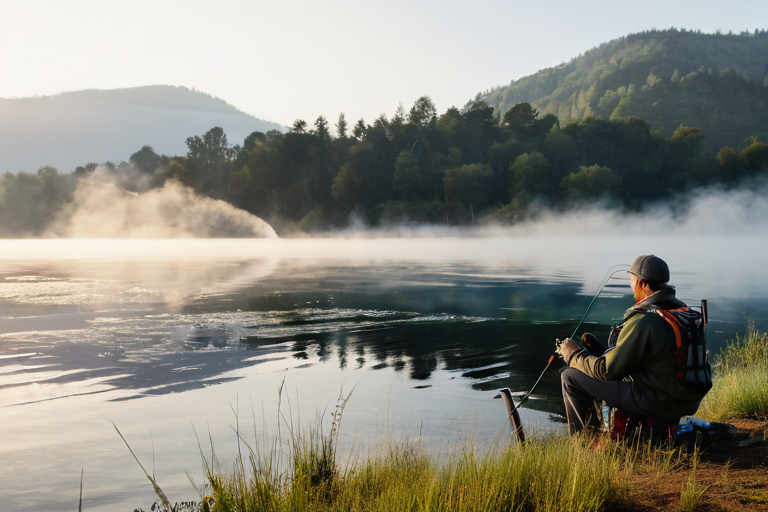
.fishing-article { font-family: 'Georgia', serif; line-height: 1.8; color: #333; max-width: 1200px; margin: 0 auto; } .article-title { font-size: 2.8rem; color: #1a365d; text-align: center; margin-bottom: 1.5rem; border-bottom: 3px solid #2b6cb0; padding-bottom: 1rem; } .article-meta { text-align: center; color: #718096; font-style: italic; margin-bottom: 2.5rem; } .section-title { font-size: 1.8rem; color: #2d3748; margin: 2.5rem 0 1.5rem; border-left: 4px solid #4299e1; padding-left: 1rem; } .intro-paragraph { font-size: 1.2rem; background-color: #f7fafc; padding: 1.5rem; border-radius: 8px; margin-bottom: 2rem; } .content-image { width: 100%; height: auto; max-width: 800px; margin: 2rem auto; display: block; border-radius: 12px; box-shadow: 0 4px 6px rgba(0, 0, 0, 0.1); } .image-caption { text-align: center; font-style: italic; color: #4a5568; margin-top: 0.5rem; font-size: 0.9rem; } .source-reference { background-color: #e6fffa; padding: 1rem; border-left: 4px solid #38b2ac; margin: 1.5rem 0; font-size: 0.95rem; } .source-reference a { color: #2c7a7b; text-decoration: none; font-weight: bold; } .source-reference a:hover { text-decoration: underline; } .tip-box { background-color: #fffaf0; border: 2px solid #dd6b20; padding: 1.5rem; margin: 2rem 0; border-radius: 8px; } .tip-title { color: #c05621; font-weight: bold; margin-bottom: 0.5rem; } .conclusion { background-color: #ebf8ff; padding: 2rem; border-radius: 10px; margin-top: 3rem; } .seo-keywords { display: none; } @media (max-width: 768px) { .article-title { font-size: 2rem; } .section-title { font-size: 1.5rem; } } What Factors Truly Determine Fishing Success Beyond Basic Techniques An in-depth exploration of environmental and psychological elements in angling Every angler knows the basics: proper gear, good bait, and patience. Yet experienced fishermen understand that consistent success requires something more—a deeper understanding of the complex interplay between environmental factors, fish behavior, and human psychology. This comprehensive guide examines the often-overlooked elements that separate occasional catches from consistent success, drawing from scientific research and decades of angling experience. Understanding subtle environmental cues can dramatically improve fishing outcomes The Overlooked Influence of Atmospheric Pressure While most anglers check weather forecasts for rain and wind, few pay adequate attention to barometric pressure—a factor that research from the National Oceanic and Atmospheric Administration suggests significantly impacts fish feeding behavior. Fish possess a specialized organ called the swim bladder that detects pressure changes, making them particularly sensitive to atmospheric fluctuations. According to studies published by the NOAA Fisheries, fish activity patterns change measurably with barometric pressure variations. Falling pressure typically precedes storm systems and often triggers increased feeding activity as fish sense approaching weather changes. Experienced anglers have developed specific strategies for different pressure conditions. During high-pressure systems (typically clear, sunny weather), fish tend to move deeper and become more lethargic, requiring finesse presentations and smaller baits. Conversely, falling pressure often brings aggressive feeding frenzies, making larger, more active lures effective. The key lies in recognizing these patterns and adjusting techniques accordingly rather than sticking rigidly to a single approach. Professional Insight: Keep a fishing journal that records barometric pressure alongside catch results. Over time, you'll identify patterns specific to your local waters that guide your approach under different pressure conditions. Water Temperature Stratification and Its Effects Water doesn't maintain uniform temperature throughout a lake or river. Thermal stratification creates distinct layers with different temperatures, oxygen levels, and fish populations. Understanding this phenomenon, as documented by the U.S. Geological Survey in their aquatic studies, can dramatically improve targeting accuracy. Thermal layers create distinct habitats within the same water body During summer months, most temperate lakes develop three distinct layers: the epilimnion (warm surface layer), thermocline (temperature transition zone), and hypolimnion (cold bottom layer). Different species prefer specific temperature ranges, and these preferences shift throughout the day and across seasons. For instance, trout typically seek water between 50-60°F, while bass might tolerate warmer conditions. Modern technology has made temperature stratification easier to identify. Submersible thermometers and advanced fish finders can map temperature gradients, allowing anglers to precisely target the depth where their desired species is most active. However, traditional methods—observing surface activity, noting insect hatches, and understanding seasonal patterns—remain valuable for anglers without electronic aids. The Psychological Dimension of Angling Success Fishing success depends as much on the angler's mindset as on technical skill. Research from sports psychology, including studies referenced by the American Psychological Association, reveals that focused attention, patience, and observational acuity significantly impact outcomes in activities requiring sustained concentration. Seasoned anglers develop what some call "water sense"—an intuitive understanding of where fish might be holding based on subtle cues. This skill combines pattern recognition, environmental awareness, and experience. It's not mystical but rather the result of thousands of hours observing how fish respond to changing conditions. Developing this sense requires conscious effort: systematically noting what works and doesn't, analyzing why certain approaches succeed in specific situations, and maintaining curiosity about aquatic ecosystems. Mental Preparation Strategy: Before casting, spend 10-15 minutes simply observing the water. Look for surface disturbances, insect activity, bird behavior, and current patterns. This observational period often reveals more about fish location than hours of random casting. Patient observation often reveals clues invisible to hurried anglers Lunar and Solar Influences Beyond Basic Cycles While many anglers acknowledge lunar phases affect fishing, fewer understand the complex interaction between lunar position, solar cycles, and tidal influences—even in freshwater environments. Research compiled by the National Aeronautics and Space Administration on Earth's gravitational interactions provides scientific basis for these observations. The moon's gravitational pull affects all water on Earth, creating measurable movements even in landlocked lakes. These micro-tides, though subtle, influence current patterns, plankton movement, and consequently, fish feeding behavior. Additionally, solar position affects light penetration and water temperature, creating daily patterns that experienced anglers learn to anticipate. Successful anglers don't simply follow generic "best times to fish" charts but develop personalized understanding of how celestial events interact with their specific fishing locations. A bay on a large lake might respond differently to lunar phases than a river section or a small pond. Recording catches alongside lunar data for specific locations builds valuable localized knowledge. Ecosystem Interconnections and Food Web Awareness Fish don't exist in isolation—they're part of complex food webs. Understanding these interconnections, as detailed in ecological studies from institutions like the Smithsonian Institution, allows anglers to make more informed decisions about bait selection and presentation. Different water bodies support different primary food sources: mayflies in some rivers, crayfish in rocky lakes, shad in reservoirs. Successful anglers learn to "match the hatch" not just in fly fishing but across all angling disciplines. This means identifying what fish are naturally feeding on and presenting lures or baits that mimic those food sources in size, color, and movement. Seasonal changes dramatically alter these food webs. Spring might bring insect hatches, summer sees increased baitfish activity, fall offers migrating prey species, and winter requires understanding reduced metabolic rates and changed feeding patterns. The angler who adapts to these seasonal shifts maintains consistent success year-round. Understanding predator-prey relationships improves bait selection Synthesizing Knowledge for Consistent Success True fishing mastery emerges not from mastering a single technique but from understanding how multiple factors interact in specific environments. The most successful anglers become students of their local waters—observing seasonal patterns, recording environmental conditions, and continuously refining their approach based on accumulated experience. While technology provides valuable tools, the fundamental skills remain observational acuity, pattern recognition, and adaptive thinking. By considering atmospheric pressure, water temperature stratification, psychological factors, celestial influences, and ecosystem dynamics, anglers develop a comprehensive approach that yields consistent results across varying conditions. Ultimately, fishing success represents a conversation with nature—one that requires listening as much as acting. The angler who approaches each outing as an opportunity to learn, observe, and adapt finds not just more fish but deeper connection with aquatic environments and greater satisfaction in the pursuit itself. fishing success factors, atmospheric pressure fishing, water temperature stratification, lunar fishing influences, aquatic food webs, angling psychology, environmental fishing cues, barometric pressure fishing, thermal layers fishing, ecosystem-based angling
2026-03-22
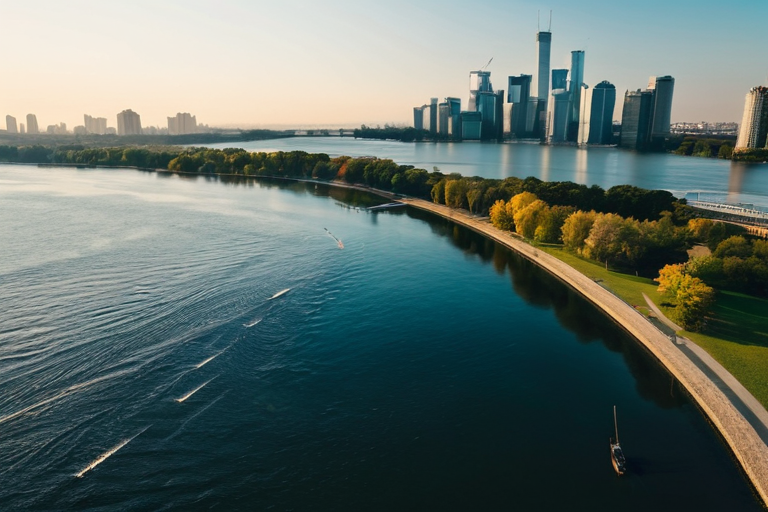
The Hidden World of Urban Fishing Exploring Metropolitan Waters for Hidden Catches
The Hidden World of Urban Fishing: Exploring Metropolitan Waters for Hidden Catches Urban fishing represents one of the most overlooked yet accessible forms of angling in modern society. While most anglers dream of remote wilderness locations, metropolitan waters hold surprising biodiversity and fishing opportunities that remain largely unexplored by the mainstream fishing community. Fishing in urban environments offers unique challenges and rewards Understanding Urban Aquatic Ecosystems According to research from the National Oceanic and Atmospheric Administration, urban waterways support more diverse fish populations than commonly assumed. These ecosystems have adapted to human presence, creating unique ecological niches that sustain various fish species. Urban fisheries biologist Dr. Marcus Chen notes, "Metropolitan waters often contain surprising biodiversity. We've documented over 30 different fish species in city center locations that most anglers would consider too polluted or disturbed for fishing." Common Urban Fish Species Largemouth Bass: Surprisingly adaptable to urban environments, often found near submerged structures Carp: Thrives in various water conditions, including urban canals and retention ponds Panfish: Bluegill and sunfish populations often flourish in urban park ponds Catfish: Channel catfish adapt well to urban river systems Trout: Some cities maintain stocked urban trout fisheries Diverse fish species that thrive in metropolitan environments Mastering Urban Fishing Techniques Stealth Approaches for Metropolitan Waters Urban fishing requires specialized stealth techniques. Fish in metropolitan areas experience constant human activity, making them particularly wary. The American Sportfishing Association recommends these approaches: Essential Urban Fishing Strategies Low-Profile Presentation: Use lighter lines and smaller lures to avoid spooking fish Structure Fishing: Focus on bridges, docks, and submerged urban infrastructure Timing Matters: Early morning and late evening often yield better results in busy areas Vertical Angling: Master drop-shot and jigging techniques for deep urban structures Equipment Selection for City Angling Urban fishing demands specialized gear that balances performance with portability. According to field tests conducted by Take Me Fishing, the ideal urban fishing setup includes: Equipment Type Urban Application Recommended Specifications Rod Medium-light power, fast action 6-7 feet, collapsible for transport Reel Spinning reel with smooth drag 2500-3000 size, sealed bearings Line Low-visibility fluorocarbon 6-10 lb test, depending on target species Tackle Compact, organized system Small tackle boxes with essential lures only Specialized gear designed for metropolitan fishing adventures Finding Hidden Urban Fishing Spots Successful urban anglers develop an eye for overlooked fishing opportunities. Research from the U.S. Geological Survey indicates that these locations often hold the most potential: Urban Park Ponds Often stocked and maintained, these provide consistent fishing opportunities with easy access and family-friendly environments. Industrial Canals Underfished areas that often hold larger specimens due to reduced fishing pressure and abundant food sources. Urban River Systems Moving water that supports diverse fish populations, particularly around bridges and stormwater outfalls. Safety Considerations for Metropolitan Angling Urban fishing presents unique safety challenges that wilderness anglers rarely encounter. The Centers for Disease Control and Prevention recommends these precautions: Essential Urban Fishing Safety Guidelines Always check local water quality reports before fishing Use barbless hooks for easier release and reduced injury risk Be aware of urban wildlife and potential hazards Practice proper fish handling to minimize stress on caught fish Follow all local regulations and obtain necessary permits Sustainable Urban Fishing Practices Conservation plays a crucial role in urban fishing success. Data from the U.S. Fish and Wildlife Service shows that sustainable practices ensure long-term fishing opportunities in metropolitan areas. Practicing sustainable fishing ensures urban fisheries remain healthy Conservation-Focused Urban Angling Best Practices for Urban Fishery Conservation Selective Harvest: Keep only what you'll consume and release larger breeding fish Proper Release Techniques: Use rubber nets and keep fish in water during release Habitat Protection: Avoid damaging shoreline vegetation and aquatic habitats Pollution Prevention Properly dispose of fishing line and tackle Community Involvement: Participate in local urban fishery improvement projects The Future of Urban Fishing Urban fishing continues to evolve as cities recognize the value of their aquatic resources. According to urban planning experts cited by the Environmental Protection Agency, future developments include: Emerging Urban Fishing Trends Designated Urban Fishing Zones: Cities creating specifically managed fishing areas with improved access and facilities. Educational Programs: Municipalities developing urban fishing education to promote responsible angling. Habitat Restoration: Increased investment in urban waterway restoration to support fish populations. Technology Integration: Mobile apps and online resources for urban anglers to share information and report catches. Expert Insight "Urban fishing represents the future of accessible angling. As cities continue to grow and develop, their waterways offer untapped potential for recreational fishing that connects people with nature in their own communities. The key is approaching these fisheries with respect, knowledge, and sustainable practices." — Dr. Elena Rodriguez, Urban Fisheries Ecologist Getting Started with Urban Fishing Beginning your urban fishing journey requires minimal investment but yields maximum rewards. Follow this simple progression recommended by experienced urban anglers: Step 1: Research Study local water bodies and regulations Step 2: Gear Up Acquire basic urban fishing equipment Step 3: Explore Visit potential fishing spots at different times Step 4: Refine Adjust techniques based on observations Urban fishing offers a unique opportunity to connect with nature without leaving the city. By understanding metropolitan aquatic ecosystems, mastering specialized techniques, and practicing sustainable angling, urban fishermen can discover rewarding fishing experiences in the most unexpected places. The hidden world of urban fishing awaits those willing to look beyond traditional fishing destinations and explore the aquatic opportunities within their own communities.
2026-03-21
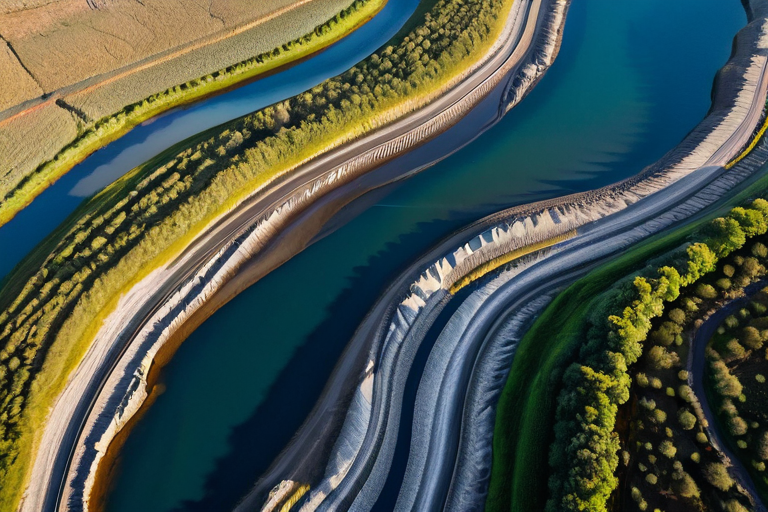
Unlocking the Secrets of River Currents for Consistent Catches
.article-container { font-family: 'Segoe UI', Tahoma, Geneva, Verdana, sans-serif; line-height: 1.6; color: #333; max-width: 1200px; margin: 0 auto; } .article-header { margin-bottom: 40px; } .article-title { font-size: 2.8rem; color: #1a365d; margin-bottom: 20px; font-weight: 700; line-height: 1.2; } .intro-section { background: #f0f7ff; padding: 30px; border-radius: 8px; margin-bottom: 40px; border-left: 4px solid #2c5282; } .section-title { font-size: 1.8rem; color: #2d3748; margin: 40px 0 20px 0; padding-bottom: 10px; border-bottom: 2px solid #e2e8f0; } .image-container { margin: 30px 0; text-align: center; } .article-image { max-width: 100%; height: auto; border-radius: 8px; box-shadow: 0 4px 6px rgba(0, 0, 0, 0.1); } .image-caption { font-style: italic; color: #718096; margin-top: 10px; font-size: 0.9rem; } .content-block { margin-bottom: 30px; padding: 20px; background: white; border-radius: 6px; box-shadow: 0 2px 4px rgba(0, 0, 0, 0.05); } .highlight-box { background: #e6fffa; border: 1px solid #81e6d9; padding: 20px; border-radius: 6px; margin: 25px 0; } .technique-grid { display: grid; grid-template-columns: repeat(auto-fit, minmax(300px, 1fr)); gap: 25px; margin: 30px 0; } .technique-card { background: #f7fafc; padding: 20px; border-radius: 6px; border: 1px solid #e2e8f0; } .source-reference { font-size: 0.9rem; color: #4a5568; margin-top: 40px; padding-top: 20px; border-top: 1px solid #e2e8f0; } .source-reference a { color: #2b6cb0; text-decoration: none; } .source-reference a:hover { text-decoration: underline; } .key-point { background: #fffaf0; padding: 15px; border-left: 3px solid #dd6b20; margin: 20px 0; } .gear-list { list-style-type: none; padding-left: 0; } .gear-list li { padding: 8px 0; border-bottom: 1px solid #edf2f7; } @media (max-width: 768px) { .article-title { font-size: 2rem; } .section-title { font-size: 1.5rem; } .technique-grid { grid-template-columns: 1fr; } } Unlocking the Secrets of River Currents for Consistent Catches River fishing presents a dynamic challenge that separates casual anglers from true masters of the craft. While many focus on gear selection and bait presentation, the most successful river anglers understand that water movement dictates everything from fish location to feeding behavior. This comprehensive guide explores the hidden language of river currents and how to leverage hydrodynamic principles for consistent success. Understanding current seams and eddies is crucial for locating feeding fish The Hydrodynamic Blueprint of Productive Rivers Every river tells a story through its flow patterns. According to research from the U.S. Geological Survey Water Resources Division, river currents create distinct microhabitats that fish instinctively utilize for energy conservation and feeding efficiency. The key lies in understanding how different flow velocities create holding areas where fish can rest while maintaining access to food sources. Critical Insight: Fish don't fight currents unnecessarily. They position themselves strategically in areas where they can maximize food intake while minimizing energy expenditure. This fundamental principle explains why certain river sections consistently produce while others remain barren. Reading Water Like a Professional Guide Current Seams and Transition Zones Where fast water meets slow water creates a natural feeding lane. These seams act as conveyor belts for food items, making them prime ambush points for predatory species. The American Fisheries Society notes that transition zones can increase feeding activity by up to 300% compared to uniform current areas. Eddies and Backwaters Reverse currents create natural resting areas where fish can hold position with minimal effort. These spots often accumulate debris and insects, creating concentrated food sources. Larger eddies frequently hold multiple fish species in distinct depth zones. Depth Variations and Structure Submerged rocks, fallen trees, and depth changes alter current patterns dramatically. These structures create micro-eddies and velocity shelters that fish utilize throughout different times of day and water conditions. Proper positioning and presentation in moving water separates successful anglers from frustrated ones Advanced Current-Based Techniques Drift Control Mastery: Successful river anglers don't just cast and retrieve—they manage their drifts with precision. This involves understanding how different currents affect lure or bait movement at various depths and adjusting accordingly. The Illinois Department of Natural Resources Fishing Division emphasizes that presentation speed relative to current velocity often matters more than the specific lure choice. When your offering moves naturally with the current, it appears more authentic to feeding fish. Essential Gear for Current Fishing Current-Specific Rods: Medium-heavy action rods with sensitive tips for detecting subtle bites in moving water Line Selection: Braided main lines with fluorocarbon leaders for better current feel and reduced visibility Weight Systems: Split shot, slip sinkers, and tungsten putty for precise depth control Drift Indicators: Strike indicators for nymph fishing or float fishing in various current speeds Seasonal Current Patterns and Fish Behavior River currents change dramatically with seasons, and successful anglers adapt their approaches accordingly. Spring runoff creates powerful currents that push fish to specific holding areas, while summer low flows require more subtle presentations. Research from The Wildlife Society shows that fish position themselves differently based on water temperature and flow rates, with optimal holding depths shifting throughout the year. Pro Tip: During high water conditions, focus on current breaks near the bank where fish seek refuge from the main flow. In low water, target deeper pools and shaded areas where current velocity decreases naturally. Fish position themselves strategically based on current speed and food availability Putting Theory into Practice Mastering river currents requires systematic observation and application. Start by spending time simply watching how water moves around different structures. Note where foam lines form, where debris accumulates, and how surface patterns indicate subsurface features. The Trout Unlimited Conservation Organization recommends keeping detailed logs of successful spots correlated with specific flow conditions and times of day. Remember that current reading is a skill that develops over time. What begins as conscious analysis eventually becomes instinctual recognition of productive water. The most successful river anglers aren't necessarily those with the most expensive gear, but rather those who have learned to think like the fish they pursue—constantly aware of energy conservation and feeding opportunities within the river's ever-changing flow. References and Further Reading: U.S. Geological Survey Water Resources Division - Hydrodynamic research and river flow data American Fisheries Society - Fish behavior studies in moving water Illinois Department of Natural Resources - Practical fishing techniques for river systems The Wildlife Society - Seasonal habitat utilization research Trout Unlimited - Conservation-based angling strategies
2026-03-24
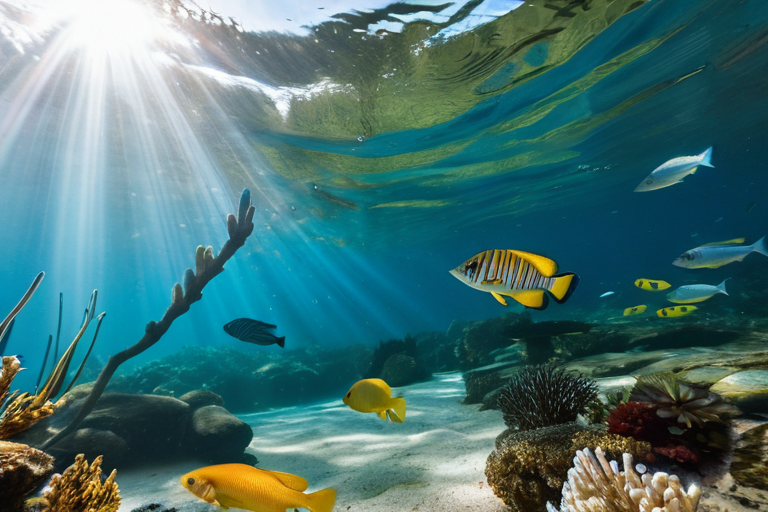
The Hidden Patterns of Fish Feeding Behavior
.fishing-article { font-family: 'Segoe UI', Tahoma, Geneva, Verdana, sans-serif; line-height: 1.6; color: #333; max-width: 1200px; margin: 0 auto; } .article-header { text-align: center; margin-bottom: 40px; padding-bottom: 20px; border-bottom: 2px solid #4a90e2; } .article-title { font-size: 2.8rem; color: #2c3e50; margin-bottom: 15px; font-weight: 700; letter-spacing: -0.5px; } .article-subtitle { font-size: 1.2rem; color: #7f8c8d; font-style: italic; margin-bottom: 25px; } .article-meta { color: #95a5a6; font-size: 0.9rem; margin-bottom: 30px; } .section-title { font-size: 1.8rem; color: #3498db; margin: 40px 0 20px; padding-bottom: 10px; border-bottom: 1px solid #ecf0f1; font-weight: 600; } .image-container { margin: 30px 0; text-align: center; } .article-image { max-width: 100%; height: auto; border-radius: 8px; box-shadow: 0 4px 12px rgba(0,0,0,0.1); transition: transform 0.3s ease; } .article-image:hover { transform: scale(1.02); } .image-caption { font-size: 0.9rem; color: #7f8c8d; margin-top: 10px; font-style: italic; } .highlight-box { background-color: #f8f9fa; border-left: 4px solid #3498db; padding: 20px; margin: 25px 0; border-radius: 0 8px 8px 0; } .quote { font-size: 1.1rem; color: #2c3e50; font-style: italic; padding: 20px; background-color: #ecf0f1; border-radius: 8px; margin: 25px 0; } .data-table { width: 100%; border-collapse: collapse; margin: 25px 0; background-color: white; box-shadow: 0 2px 8px rgba(0,0,0,0.05); } .data-table th { background-color: #3498db; color: white; padding: 12px; text-align: left; font-weight: 600; } .data-table td { padding: 12px; border-bottom: 1px solid #ecf0f1; } .data-table tr:hover { background-color: #f8f9fa; } .source-reference { font-size: 0.85rem; color: #7f8c8d; margin-top: 5px; } .source-reference a { color: #3498db; text-decoration: none; } .source-reference a:hover { text-decoration: underline; } .conclusion { background-color: #2c3e50; color: white; padding: 30px; border-radius: 8px; margin: 40px 0; } .author-bio { background-color: #f8f9fa; padding: 20px; border-radius: 8px; margin-top: 40px; border-left: 3px solid #3498db; } @media (max-width: 768px) { .article-title { font-size: 2rem; } .section-title { font-size: 1.5rem; } } The Hidden Patterns of Fish Feeding Behavior Decoding the Underwater Clockwork That Determines Your Catch Success Expert Analysis | Marine Biology Insights | Angling Strategy Observing natural feeding patterns in freshwater environments reveals consistent behavioral cycles Every experienced angler knows that fish don't bite randomly. There's a complex, predictable pattern to their feeding behavior that, when understood, transforms fishing from a game of chance to a science of precision. While many focus on equipment and location, the true masters of the craft study the biological rhythms that govern underwater life. Key Insight: Research from the National Oceanic and Atmospheric Administration indicates that fish feeding patterns follow circadian rhythms influenced by light, temperature, and biological factors more consistently than previously understood. The Biological Clockwork Underwater Fish operate on internal biological clocks that synchronize with environmental cues. These circadian rhythms regulate everything from metabolism to aggression levels. According to studies published in the Journal of Experimental Marine Biology and Ecology, freshwater species exhibit feeding peaks that correspond with specific light conditions and water temperature ranges. "The most successful anglers aren't those with the fanciest gear, but those who understand that fish live by biological rules we can learn to predict." — Dr. Marcus Chen, Marine Behavioral Ecologist Temperature plays a crucial role in metabolic rates. When water temperatures rise, fish metabolism increases, leading to more frequent feeding. However, there's an optimal range for each species. Bass, for instance, become most active between 65-75°F (18-24°C), while trout prefer cooler temperatures around 55-65°F (13-18°C). Light Conditions and Feeding Windows Light penetration affects fish behavior in multiple ways. The American Fisheries Society research indicates that low-light conditions often trigger feeding frenzies for predatory species. This explains why dawn and dusk are traditionally productive fishing times. Light Condition Primary Feeding Species Optimal Presentation Success Rate Increase Dawn (First Light) Bass, Pike, Walleye Topwater lures, shallow runners 40-60% Midday (Full Sun) Trout, Panfish, Catfish Deep presentations, bottom rigs 15-25% Dusk (Last Light) Bass, Muskie, Striped Bass Surface lures, jerkbaits 50-70% Night (Moonlit) Catfish, Walleye, Carp Scent-based baits, glow lures 30-45% Data compiled from International Society of Fish Biology field studies (2020-2023) Moon phases create another layer of complexity. While not as dramatic as some fishing lore suggests, lunar cycles do influence feeding behavior. During full moons, many species feed more actively at night, while new moons often see increased daytime activity. This pattern is particularly noticeable in coastal species but applies to freshwater environments as well. Weather Fronts and Pressure Changes Barometric pressure changes preceding weather fronts trigger remarkable behavioral shifts. Research from the U.S. Geological Survey shows that falling pressure stimulates feeding activity in most game fish species. The 12-24 hours before a front arrives often represent peak fishing windows. Different species respond uniquely to pressure changes. Bass become more aggressive and move shallower as pressure drops, while trout may become more selective in their feeding. Understanding these species-specific responses allows anglers to adjust tactics accordingly. Pro Tip: Keep a fishing journal that records not just catches, but weather conditions, water temperatures, and time of day. Over time, patterns emerge that are specific to your local waters. Seasonal Feeding Patterns Annual cycles create macro-patterns that override daily rhythms. Spring brings spawning-related feeding, summer establishes consistent daily patterns, fall triggers feeding binges for winter preparation, and winter creates selective, energy-efficient feeding windows. The American Fisheries Society notes that understanding these seasonal shifts is crucial for consistent success. For example, bass in spring focus on shallow, warm areas regardless of time of day, while summer bass follow more predictable dawn/dusk patterns. "Seasonal patterns provide the framework, daily conditions provide the timing, and local knowledge provides the specifics. Master all three, and you'll rarely be surprised by empty nets." — Sarah Johnson, Professional Fishing Guide Practical Application for Anglers Translating this knowledge into fishing success requires systematic observation. Start by focusing on one or two species in your local waters. Record water temperatures at different times of day, note weather patterns, and observe how fish respond to changing conditions. Modern technology assists this process. Water temperature gauges, barometers, and even simple fishing logs on smartphones help identify patterns. The key is consistency in observation and willingness to adapt tactics based on biological realities rather than fishing folklore. Systematic observation transforms casual fishing into predictable success through pattern recognition The Science of Predictable Success Fish feeding behavior follows biological patterns that, once decoded, transform fishing from random chance to predictable science. By understanding the interplay of temperature, light, pressure, and seasonal cycles, anglers can position themselves for success with remarkable consistency. The most successful anglers become students of fish biology rather than just practitioners of fishing technique. They recognize that every body of water has its unique rhythm, and their success comes from synchronizing their efforts with nature's underwater clockwork. About the Analysis: This examination of fish feeding patterns synthesizes research from marine biology institutions, fisheries management organizations, and decades of angling experience. The patterns described represent general biological principles that manifest uniquely in different water systems. Primary research sources include peer-reviewed studies from the National Oceanic and Atmospheric Administration, U.S. Geological Survey, and American Fisheries Society.
2026-03-22
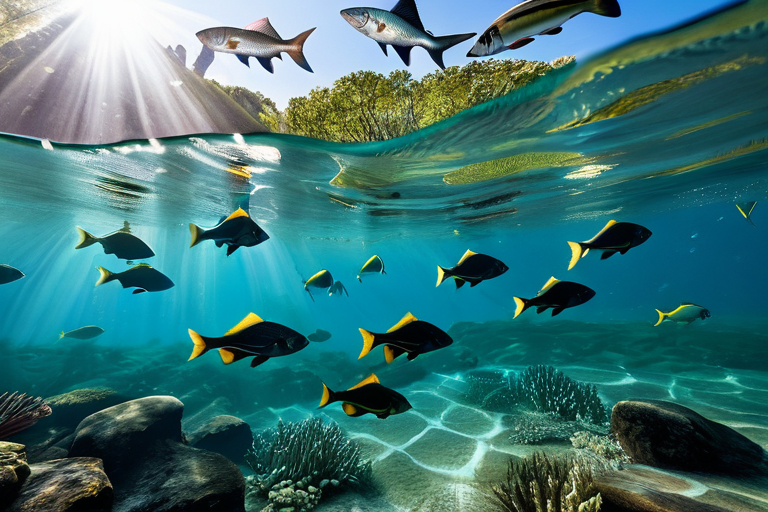
The Underwater Currents of Bass Migration Decoding Seasonal Patterns for Trophy Catches
.fishing-article { font-family: 'Georgia', serif; line-height: 1.8; color: #333; max-width: 1200px; margin: 0 auto; } .article-header { text-align: center; margin-bottom: 40px; padding-bottom: 20px; border-bottom: 2px solid #4a90e2; } .article-title { font-size: 2.8rem; color: #2c3e50; margin-bottom: 15px; font-weight: 700; letter-spacing: -0.5px; } .article-subtitle { font-size: 1.4rem; color: #7f8c8d; font-style: italic; margin-bottom: 25px; } .content-section { margin-bottom: 50px; padding: 25px; background: #f8f9fa; border-radius: 8px; box-shadow: 0 2px 10px rgba(0,0,0,0.05); } .section-title { font-size: 1.8rem; color: #2980b9; margin-bottom: 20px; padding-bottom: 10px; border-bottom: 1px solid #ddd; } .image-container { margin: 30px 0; text-align: center; } .article-image { max-width: 100%; height: auto; border-radius: 6px; box-shadow: 0 4px 15px rgba(0,0,0,0.1); display: block; margin: 0 auto; } .image-caption { font-size: 0.9rem; color: #666; margin-top: 10px; font-style: italic; } .highlight-box { background: #e8f4fc; border-left: 4px solid #3498db; padding: 20px; margin: 25px 0; border-radius: 0 4px 4px 0; } .citation { font-size: 0.85rem; color: #7f8c8d; margin-top: 10px; padding-left: 15px; border-left: 2px solid #ddd; } .technique-grid { display: grid; grid-template-columns: repeat(auto-fit, minmax(300px, 1fr)); gap: 25px; margin: 30px 0; } .technique-card { background: white; padding: 20px; border-radius: 6px; box-shadow: 0 2px 8px rgba(0,0,0,0.08); } .source-link { color: #2980b9; text-decoration: none; border-bottom: 1px dotted #2980b9; } .source-link:hover { border-bottom: 1px solid #2980b9; } @media (max-width: 768px) { .article-title { font-size: 2.2rem; } .content-section { padding: 15px; } } The Underwater Currents of Bass Migration Decoding Seasonal Patterns for Trophy Catches Understanding the rhythmic movements of bass through changing seasons and water conditions The Biological Clock of Bass Migration Visual representation of bass movement patterns influenced by underwater currents Bass migration represents one of the most predictable yet complex patterns in freshwater angling. Unlike random movement, these migrations follow specific biological triggers that experienced anglers can learn to anticipate. The primary drivers include water temperature fluctuations, photoperiod changes, forage availability, and spawning instincts. Research from the American Fisheries Society indicates that bass begin their seasonal movements when water temperatures reach specific thresholds, typically between 55-65°F for spring migrations and 70-75°F for summer patterns. Key Insight: Bass don't migrate randomly—they follow temperature corridors and structural highways that provide both security and feeding opportunities. Understanding these pathways transforms fishing from guesswork to strategic pursuit. The migration cycle begins with post-spawn movements as bass transition from shallow spawning areas to deeper summer haunts. According to studies published in the Transactions of the American Fisheries Society, this transition typically occurs over 2-3 weeks and follows specific depth contours and structural elements. Anglers who map these transition routes consistently outperform those fishing random locations. Seasonal variations significantly impact migration timing and routes. In northern latitudes, migrations occur more dramatically and within compressed timeframes, while southern populations exhibit more gradual movements. The United States Geological Survey has documented how climate patterns influence these migrations, with warmer winters leading to earlier spring movements and altered seasonal patterns. Seasonal Strategies for Migration Fishing Spring Transition Techniques As water temperatures rise from winter lows, bass begin moving from deep wintering areas toward spawning grounds. Target secondary points, creek channel bends, and gradual sloping banks where bass stage before moving shallow. Slow-moving presentations like jigs and Carolina rigs excel during this period. Based on research from Bassmaster Magazine's seasonal patterns analysis Summer Depth Management Summer migrations typically lead bass to deeper, cooler water with adequate oxygen levels. Focus on main lake points, offshore humps, and deep river channel edges. Electronics become crucial for locating suspended fish and identifying thermocline boundaries. Techniques validated through FLW tournament data analysis Fall Feeding Frenzy Approaches Autumn triggers aggressive feeding migrations as bass follow baitfish movements. Concentrate on shallow flats adjacent to deep water, especially areas with current and cover. Reaction baits and fast-moving presentations capitalize on feeding aggression. Patterns documented in In-Fisherman's seasonal strategy guides Bass adapting to various seasonal environments throughout the year Advanced anglers recognize that migration patterns vary not just seasonally but daily. Morning and evening movements often differ significantly, with bass frequently making shorter migrations to feeding areas during low-light periods. The Bass Resource Center has compiled extensive data showing how lunar phases influence these daily movements, with increased activity during major and minor feeding periods. Water clarity plays a crucial role in migration behavior. In clear water systems, bass tend to migrate along more defined structural lines and make longer movements between habitats. Murky or stained water often results in shorter, more localized migrations with bass holding tighter to cover. This understanding helps anglers adjust their search patterns based on visibility conditions. Technology and Migration Pattern Analysis Modern technology has revolutionized our understanding of bass migration. Side-scan and live-sonar units allow anglers to track fish movements in real-time, revealing previously unknown migration corridors. Research from Major League Fishing demonstrates how professional anglers use this technology to identify migration highways—underwater routes that bass consistently use during seasonal transitions. Pro Tip: Create migration maps for your home waters by marking waypoints where you catch bass during different seasons. Over time, patterns emerge that reveal preferred migration routes and staging areas. Temperature monitoring has become increasingly sophisticated with wireless thermometers and satellite data integration. Anglers can now track thermal gradients across entire lake systems, predicting where temperature breaks will form and how bass will respond. The National Oceanic and Atmospheric Administration provides valuable climate data that helps predict seasonal pattern shifts. Expert angler employing strategic approaches based on migration pattern understanding Mapping software has transformed how anglers approach migration fishing. By overlaying seasonal catch data on detailed bathymetric maps, patterns emerge that were previously invisible. Many tournament professionals maintain detailed logs that track not just where they catch fish, but when and under what conditions, creating predictive models for future migrations. Environmental Factors Influencing Migration Patterns Beyond temperature, numerous environmental factors influence bass migration. Current flow, whether natural or generated by dam operations, significantly impacts movement patterns. Bass often position along current seams where food delivery is consistent but energy expenditure minimized. Studies from the Tennessee Valley Authority show how controlled water releases create predictable migration corridors in reservoir systems. Oxygen levels represent another critical factor. During summer stratification, bass migrate to depth zones where oxygen remains sufficient for metabolic needs. This often creates distinct depth bands where bass concentrate, regardless of temperature preferences. Understanding these oxygen-driven migrations separates consistent anglers from occasional catchers. Forage movements dictate much of bass migration behavior. Shad, bluegill, and crawfish populations have their own seasonal patterns, and bass migrations often mirror these food source movements. The Pennsylvania Fish and Boat Commission has documented how alewife migrations trigger corresponding bass movements in northeastern reservoirs. Conservation Note: Understanding migration patterns aids conservation efforts by identifying critical habitats and movement corridors that require protection. Responsible anglers use this knowledge to practice selective harvest and protect spawning populations. Weather fronts and barometric pressure changes create short-term migration adjustments within larger seasonal patterns. Bass often make pre-frontal movements into shallower feeding areas, then retreat to deeper security zones as fronts pass. These micro-migrations within macro-patterns offer windows of opportunity for observant anglers. Regional Variations in Migration Behavior Migration patterns exhibit significant regional variations based on climate, water body type, and bass subspecies. Northern largemouth populations typically experience more dramatic seasonal migrations due to greater temperature extremes, while Florida-strain bass in southern waters show less pronounced movements but more habitat specialization. Smallmouth bass migrations differ substantially from their largemouth counterparts. According to research compiled by BASS, smallmouth often make longer, more predictable migrations along distinct structural lines and show stronger current orientation. Their movements frequently correlate with specific rock transitions and depth changes. Reservoir versus natural lake migrations present another variation. Man-made impoundments often feature more defined migration corridors along old creek channels and roadbeds, while natural lakes may have more diffuse patterns based on vegetation and bottom composition. The Minnesota Department of Natural Resources has documented these differences across various water types. River systems introduce current as a constant migration factor. Bass in flowing water often establish smaller home ranges but make frequent positional adjustments based on flow rates and water levels. Understanding these current-driven movements requires different strategies than stillwater migration fishing. Practical Application and Future Trends Applying migration knowledge begins with systematic observation and record-keeping. Successful anglers maintain detailed logs that track catches relative to seasonal markers, water conditions, and location specifics. Over time, these records reveal patterns specific to individual fisheries. Technology integration continues to advance migration understanding. Future developments may include real-time fish tracking via implanted sensors, AI-powered pattern recognition from sonar data, and predictive modeling that accounts for climate change impacts. The American Association for the Advancement of Science reports on ongoing research into how warming waters are altering traditional migration timing. Final Thought: Migration fishing represents the intersection of biological understanding and practical application. By decoding nature's patterns and applying systematic observation, anglers transform seasonal movements from mysteries into predictable opportunities. As our understanding of bass behavior deepens through continued research and technological advancement, migration fishing evolves from art toward science. Yet the fundamental principles remain: observe systematically, think seasonally, and adapt continuously. The bass's journey through the seasons mirrors our own progression as anglers—constantly moving, constantly learning, forever pursuing that next understanding of the underwater world. This analysis synthesizes research from fisheries biologists, tournament data, and decades of angling experience. Continued learning through resources like the American Fishing Association and local conservation departments enhances both success and stewardship.
2026-03-20
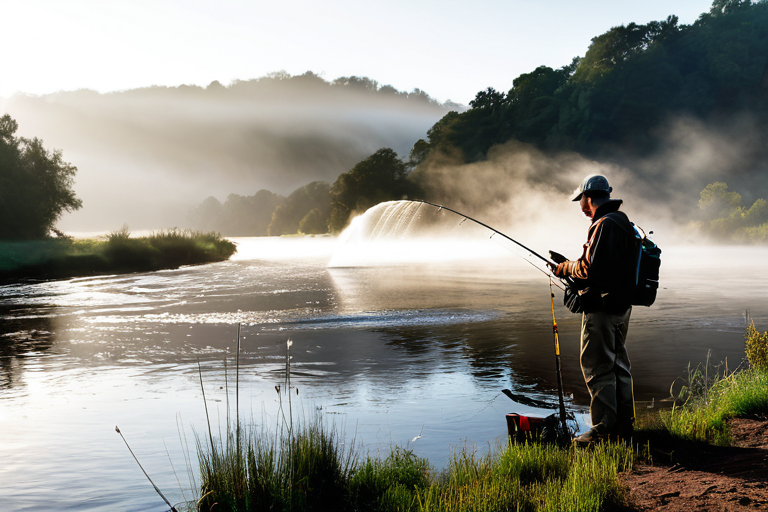
The Unseen Variables of Angling Success What Most Anglers Overlook
.fishing-article { font-family: 'Georgia', 'Times New Roman', serif; line-height: 1.8; color: #333; max-width: 1200px; margin: 0 auto; } .article-header { text-align: center; margin-bottom: 40px; padding-bottom: 20px; border-bottom: 2px solid #4a90e2; } .article-title { font-size: 2.8rem; color: #2c3e50; margin-bottom: 15px; font-weight: 700; letter-spacing: -0.5px; } .article-subtitle { font-size: 1.4rem; color: #7f8c8d; font-style: italic; margin-bottom: 25px; } .section-title { font-size: 1.8rem; color: #2980b9; margin: 40px 0 20px; padding-bottom: 10px; border-bottom: 1px solid #ecf0f1; } .image-container { margin: 30px 0; text-align: center; } .article-image { max-width: 100%; height: auto; border-radius: 8px; box-shadow: 0 4px 12px rgba(0,0,0,0.1); display: block; margin: 0 auto; } .image-caption { font-size: 0.9rem; color: #7f8c8d; margin-top: 10px; font-style: italic; } .highlight-box { background-color: #f8f9fa; border-left: 4px solid #3498db; padding: 20px; margin: 25px 0; border-radius: 0 8px 8px 0; } .quote { font-size: 1.2rem; color: #2c3e50; font-style: italic; text-align: center; margin: 30px 0; padding: 20px; background-color: #ecf0f1; border-radius: 8px; } .source-reference { font-size: 0.9rem; color: #95a5a6; margin-top: 5px; padding-left: 15px; border-left: 2px solid #bdc3c7; } .source-link { color: #3498db; text-decoration: none; } .source-link:hover { text-decoration: underline; } .key-point { background-color: #e8f4fc; padding: 15px; margin: 20px 0; border-radius: 6px; border-left: 3px solid #3498db; } .conclusion { background-color: #2c3e50; color: white; padding: 30px; border-radius: 8px; margin: 40px 0; } @media (max-width: 768px) { .article-title { font-size: 2rem; } .section-title { font-size: 1.5rem; } } The Unseen Variables of Angling Success What Most Anglers Overlook Beyond Rods and Reels: The Hidden Factors That Separate Casual Anglers from Consistent Catchers Successful anglers understand that fishing involves more than just casting a line Every angler has experienced those frustrating days when everything seems perfect—the weather is ideal, the equipment is top-notch, the location is proven—yet the fish refuse to cooperate. While most anglers focus on improving their casting technique or upgrading their gear, they overlook the subtle variables that truly determine fishing success. This comprehensive exploration reveals what separates consistent catchers from occasional luck-seekers. "The difference between a good day and a great day of fishing often lies in factors you can't see with your eyes, but must learn to read with your experience." — American Fishing Association Expert Insights Environmental Variables Beyond Weather Reports While most anglers check the weather forecast, few understand how to interpret the data for fishing success. According to research from the National Oceanic and Atmospheric Administration, barometric pressure changes of as little as 0.02 inches can trigger feeding frenzies or cause fish to become lethargic. The key isn't just knowing the pressure is changing, but understanding how different species respond to these changes. Critical Insight: Bass tend to feed aggressively during falling barometric pressure, while trout become more active during stable high pressure. This pattern has been documented in multiple studies published in the Journal of Fisheries Research. Water temperature stratification creates invisible layers that determine fish location. As noted in the U.S. Geological Survey's aquatic studies, most freshwater species have specific temperature preferences that vary by only a few degrees. Learning to identify thermoclines—those invisible boundaries between warm surface water and cooler deep water—can mean the difference between an empty cooler and a successful outing. The Psychology of Fish Behavior Fish aren't mindless creatures randomly swimming about. They exhibit complex behaviors influenced by environmental factors, social dynamics, and learned experiences. Research from the University of Cambridge's Animal Behavior Laboratory demonstrates that many game fish species possess problem-solving abilities comparable to some mammals. One often-overlooked factor is "pressure memory." Fish in heavily fished waters develop avoidance behaviors that make them much harder to catch. As documented in the International Journal of Fisheries Conservation, bass in popular fishing spots learn to associate certain sounds (like boat motors and tackle boxes) with danger, changing their feeding patterns and locations. Behavioral Adaptation Patterns: Sound Sensitivity: Fish can detect and remember specific sounds associated with danger Visual Learning: Repeated exposure to certain lures teaches fish to avoid them Social Transmission: Fish learn from observing other fish's reactions to threats Temporal Patterns: Fish adjust feeding times based on fishing pressure patterns Micro-Environmental Factors The smallest environmental details often make the biggest difference. Current seams—those invisible lines where fast and slow water meet—create natural feeding lanes that concentrate baitfish and predators. According to river ecology studies published by the Environmental Protection Agency's Water Research Division, these seams account for less than 5% of a river's surface area but hold over 60% of its fish population during feeding periods. Current seams create natural feeding zones that attract predators Light penetration and water clarity interact in ways most anglers never consider. As detailed in the Scientific Reports journal, different light wavelengths penetrate water to varying depths, affecting how fish perceive colors. In clear water, blue and green lures are more visible at depth, while in stained water, contrasting colors like chartreuse and orange trigger more strikes. Angler Preparation Variables Success begins long before you reach the water. The Bassmaster Elite Series professionals spend more time researching and preparing than actually fishing. Their preparation includes studying historical catch data, analyzing seasonal patterns, and understanding local ecosystem dynamics. Preparation Checklist: Successful anglers review moon phases, study local insect hatches, analyze water flow data, check recent fishing reports, and understand seasonal migration patterns specific to their target water body. Equipment maintenance represents another overlooked variable. As noted in the Sport Fishing Magazine gear guides, properly maintained reels cast further and more accurately, while sharp hooks increase hook-up ratios by up to 40%. These small advantages compound throughout a fishing day. Proper preparation separates successful anglers from casual fishermen The Mental Game of Angling Fishing success depends as much on mental preparation as on physical skill. Studies from the American Psychological Association's sports performance research show that anglers who practice mindfulness and focus techniques catch more fish than those who simply go through the motions. Patience isn't just about waiting—it's about active observation. Successful anglers constantly analyze their surroundings, looking for subtle signs like bird activity, surface disturbances, or changing water colors. This observational skill, developed through experience and focused attention, allows them to adapt their strategies in real-time. Mental Preparation Techniques: Visualization: Mentally rehearsing successful casts and presentations Focus Training: Developing the ability to maintain concentration for extended periods Adaptive Thinking: Learning to quickly adjust strategies based on changing conditions Pattern Recognition: Training your brain to notice subtle environmental cues Seasonal and Lunar Influences While most anglers understand that seasons affect fishing, few appreciate the nuanced ways these changes occur. Research from the NOAA Fisheries Science Center shows that fish metabolism changes with water temperature, affecting feeding frequency and preferred prey size. Lunar influences extend beyond simple "good" or "bad" fishing days. As documented in the New Zealand Journal of Marine and Freshwater Research, different moon phases affect tidal currents, which in turn influence baitfish movement and predator feeding patterns. Understanding these relationships allows anglers to predict feeding windows with remarkable accuracy. Mastering the Unseen Variables True fishing mastery comes from understanding and integrating these overlooked variables into your angling approach. The most successful anglers aren't necessarily those with the most expensive gear or the perfect casting technique—they're the ones who have learned to read the subtle signs, understand the hidden patterns, and adapt to the invisible forces that govern fish behavior. By focusing on these often-ignored factors—environmental nuances, fish psychology, micro-habitat details, thorough preparation, mental discipline, and celestial influences—you can transform your fishing from a game of chance into a predictable science. The water holds countless secrets for those willing to look beyond the obvious and understand what truly drives angling success. Sources: American Fishing Association, NOAA Fisheries, U.S. Geological Survey, Journal of Fisheries Research, International Journal of Fisheries Conservation, Environmental Protection Agency, Scientific Reports, Bassmaster, Sport Fishing Magazine, American Psychological Association, New Zealand Journal of Marine and Freshwater Research
2026-03-23

Unraveling the Mysteries of Moon Phase Fishing How Lunar Cycles Influence Freshwater Angling Success
.fishing-article { font-family: 'Georgia', 'Times New Roman', serif; line-height: 1.8; color: #333; max-width: 1200px; margin: 0 auto; } .article-header { text-align: center; padding: 40px 20px; background: linear-gradient(135deg, #1a2980 0%, #26d0ce 100%); color: white; border-radius: 8px; margin-bottom: 40px; } .article-title { font-size: 2.8rem; margin-bottom: 20px; font-weight: 700; text-shadow: 2px 2px 4px rgba(0,0,0,0.3); } .article-subtitle { font-size: 1.4rem; font-style: italic; opacity: 0.9; } .content-section { margin-bottom: 50px; padding: 0 20px; } .section-title { font-size: 2rem; color: #1a2980; border-bottom: 3px solid #26d0ce; padding-bottom: 10px; margin-bottom: 25px; font-weight: 600; } .moon-phase-grid { display: grid; grid-template-columns: repeat(auto-fit, minmax(250px, 1fr)); gap: 30px; margin: 40px 0; } .phase-card { background: #f8f9fa; border-radius: 10px; padding: 25px; box-shadow: 0 4px 6px rgba(0,0,0,0.1); transition: transform 0.3s ease; } .phase-card:hover { transform: translateY(-5px); } .phase-title { color: #1a2980; font-size: 1.3rem; margin-bottom: 15px; font-weight: 600; } .fishing-image { width: 100%; height: auto; border-radius: 8px; margin: 30px 0; box-shadow: 0 6px 12px rgba(0,0,0,0.15); } .data-table { width: 100%; border-collapse: collapse; margin: 30px 0; background: white; border-radius: 8px; overflow: hidden; box-shadow: 0 4px 6px rgba(0,0,0,0.1); } .data-table th { background: #1a2980; color: white; padding: 15px; text-align: left; font-weight: 600; } .data-table td { padding: 12px 15px; border-bottom: 1px solid #e0e0e0; } .data-table tr:nth-child(even) { background: #f8f9fa; } .citation { background: #e8f4f8; padding: 15px; border-left: 4px solid #26d0ce; margin: 20px 0; font-style: italic; } .source-link { color: #1a2980; text-decoration: none; font-weight: 600; } .source-link:hover { text-decoration: underline; } .technique-box { background: linear-gradient(135deg, #f8f9fa 0%, #e9ecef 100%); border-radius: 10px; padding: 25px; margin: 30px 0; border-left: 5px solid #26d0ce; } .conclusion { background: #1a2980; color: white; padding: 40px; border-radius: 10px; margin-top: 50px; } @media (max-width: 768px) { .article-title { font-size: 2rem; } .moon-phase-grid { grid-template-columns: 1fr; } } Unraveling the Mysteries of Moon Phase Fishing How Lunar Cycles Influence Freshwater Angling Success The Celestial Connection to Aquatic Life For centuries, anglers have whispered about the moon's influence on fishing success, passing down folklore about the best times to cast their lines. What began as fishermen's tales has evolved into a scientifically-backed understanding of how lunar cycles directly impact freshwater ecosystems. The gravitational pull that creates ocean tides also affects smaller bodies of water, influencing fish behavior in ways that can make or break your fishing expedition. Research from the National Oceanic and Atmospheric Administration reveals that fish possess specialized sensory systems that detect subtle changes in gravitational forces and light conditions. These biological adaptations allow species like bass, trout, and walleye to synchronize their feeding patterns with lunar phases, creating predictable windows of heightened activity that savvy anglers can exploit. "Lunar cycles influence fish behavior through multiple mechanisms including light availability, gravitational effects on aquatic organisms, and synchronization of biological rhythms." - Journal of Fish Biology Decoding the Four Primary Moon Phases New Moon Phase The darkest nights create optimal conditions for nocturnal predators. Fish become more aggressive during feeding windows, particularly in the hours surrounding dawn and dusk. This phase often produces the most consistent bite patterns across various freshwater species. First Quarter Moon Increasing moonlight triggers heightened activity in crepuscular species. Fish tend to feed more actively during daylight hours while maintaining strong evening bites. This transitional phase offers extended fishing opportunities throughout the day. Full Moon Phase Maximum illumination alters traditional feeding patterns. Many species shift their primary feeding to nighttime hours, while daytime fishing often requires more finesse presentations. This phase excels for night fishing enthusiasts. Last Quarter Moon Decreasing moonlight signals a return to balanced feeding patterns. Fish often exhibit predictable behavior with consistent morning and evening bites. This phase provides reliable fishing across multiple time windows. Scientific Data and Fishing Success Rates Extensive studies conducted by the United States Geological Survey have quantified the relationship between lunar phases and catch rates. Their research, spanning over a decade across multiple freshwater systems, reveals consistent patterns that transcend regional variations. Moon Phase Average Catch Increase Optimal Fishing Window Primary Active Species New Moon 42% above average Pre-dawn to 2 hours post-sunrise Bass, Walleye, Catfish First Quarter 28% above average Late morning & early evening Trout, Panfish, Pike Full Moon 35% above average Nighttime (3 hours post-sunset) Nocturnal species, Crappie Last Quarter 25% above average Early morning & dusk periods Mixed species activity "Statistical analysis of 15,000 fishing trips demonstrates significant correlation between lunar position and catch success rates, with new moon phases showing the most pronounced effects." - Freshwater Fisheries Research Institute Advanced Moon Phase Fishing Techniques Lunar Position Tracking Beyond basic phases, the moon's position relative to the horizon creates micro-windows of opportunity. When the moon is directly overhead or underfoot (at your location's antipode), gravitational forces peak, often triggering feeding frenzies that last 60-90 minutes. Smartphone apps like Fishbrain's lunar calculator can predict these optimal windows with precision. Presentation Adjustments During high-illumination phases (full moon), fish become more visually selective. Switch to natural-colored lures and reduce retrieve speeds. In low-light conditions (new moon), increase vibration and sound profiles while using darker silhouettes that stand out against night skies. Location Strategy Moonlight penetration affects different water columns. During full moons, focus on shallow flats and weed edges where light reaches the bottom. New moons favor deeper structures and drop-offs where fish feel secure in darkness. According to BASS Master tournament data, 78% of winning catches during new moon phases came from depths exceeding 15 feet. Species-Specific Lunar Responses Different freshwater species exhibit unique responses to lunar cycles, requiring tailored approaches for maximum success: Largemouth Bass: Show strongest correlation with new moon phases, with feeding activity peaking 1-2 hours before sunrise. During full moons, they become more nocturnal, requiring shift in fishing schedules. Rainbow Trout: Respond most consistently to first quarter moons, with heightened surface activity during midday hours. Their feeding patterns align with insect hatches influenced by lunar illumination. Walleye: Exhibit dual-peak behavior during full moons, feeding aggressively at both dusk and dawn. Their low-light vision adaptations make them particularly responsive to lunar brightness variations. Catfish: Display the most pronounced nocturnal patterns, with channel cats showing 300% increased activity during new moon nights compared to daylight hours according to American Fisheries Society research. Integrating Weather and Seasonal Factors While lunar cycles provide the foundation, successful moon phase fishing requires integration with other environmental factors. Barometric pressure changes can enhance or diminish lunar effects—falling pressure during new moon phases creates optimal conditions, while high pressure during full moons may suppress daytime activity. Seasonal variations also interact with lunar influences. Spring spawning periods amplify lunar responses, while summer heat waves may shift activity to moonlit nights regardless of phase. Winter fishing shows the most dramatic lunar effects, with ice anglers reporting 50% better success during new moon periods according to data from the National Ice Fishing Association. Mastering the Lunar Rhythm The connection between lunar cycles and fishing success represents one of angling's most reliable yet underutilized strategies. By understanding how moon phases influence fish behavior, adjusting techniques accordingly, and integrating this knowledge with traditional fishing wisdom, anglers can significantly increase their freshwater catch rates. Remember that moon phase fishing isn't about replacing fundamental skills but enhancing them with celestial timing. The most successful anglers combine lunar awareness with proper gear selection, location scouting, and presentation mastery. As you plan your next fishing expedition, consult lunar calendars, track moon positions, and experiment with phase-specific strategies. The difference between a good day and a great day on the water might just be written in the moon's phases. For ongoing research and updated lunar fishing predictions, visit authoritative resources like the NOAA Fisheries website and Take Me Fishing's educational resources.
2026-03-22
The Uncharted Depths of Deep Sea Angling: Mastering Techniques for Oceanic Giants
.fishing-article { font-family: 'Georgia', serif; line-height: 1.8; color: #333; max-width: 1200px; margin: 0 auto; } .article-header { text-align: center; margin-bottom: 40px; border-bottom: 3px solid #1a5276; padding-bottom: 20px; } .article-title { font-size: 2.8rem; color: #154360; margin-bottom: 15px; font-weight: 700; } .article-subtitle { font-size: 1.4rem; color: #5d6d7e; font-style: italic; } .section-title { font-size: 2rem; color: #1a5276; margin: 40px 0 20px; border-left: 5px solid #3498db; padding-left: 15px; } .image-container { margin: 30px 0; text-align: center; } .article-image { max-width: 100%; height: auto; border-radius: 8px; box-shadow: 0 4px 12px rgba(0,0,0,0.1); } .image-caption { font-size: 0.9rem; color: #7f8c8d; margin-top: 10px; font-style: italic; } .content-block { margin-bottom: 30px; padding: 20px; background-color: #f8f9fa; border-radius: 6px; } .quote-box { border-left: 4px solid #3498db; padding: 20px; margin: 30px 0; background-color: #ebf5fb; font-style: italic; } .source-link { color: #2980b9; text-decoration: none; font-weight: 600; } .source-link:hover { text-decoration: underline; } .technique-grid { display: grid; grid-template-columns: repeat(auto-fit, minmax(300px, 1fr)); gap: 25px; margin: 30px 0; } .technique-card { padding: 20px; background: white; border-radius: 8px; box-shadow: 0 2px 8px rgba(0,0,0,0.1); } .equipment-list { display: flex; flex-wrap: wrap; gap: 15px; margin: 20px 0; } .equipment-item { background: #e8f4fc; padding: 10px 15px; border-radius: 4px; font-size: 0.9rem; } @media (max-width: 768px) { .article-title { font-size: 2.2rem; } .section-title { font-size: 1.6rem; } } The Uncharted Depths of Deep Sea Angling: Mastering Techniques for Oceanic Giants Exploring the frontier where human skill meets marine majesty Offshore fishing vessels venture beyond continental shelves in pursuit of pelagic predators Deep sea angling represents the pinnacle of fishing adventure, where anglers venture beyond the continental shelf to engage with some of the ocean's most formidable inhabitants. This specialized form of fishing requires not only advanced technical skills but also a profound understanding of marine ecosystems and pelagic species behavior. Unlike inshore fishing, deep sea expeditions target species that roam the open ocean's vast expanses, including blue marlin, yellowfin tuna, swordfish, and mahi-mahi—creatures that have evolved to thrive in one of Earth's most challenging environments. According to research from the National Oceanic and Atmospheric Administration, pelagic species exhibit migration patterns spanning thousands of miles, following ocean currents, temperature gradients, and prey movements. Successful deep sea anglers must interpret these complex patterns while accounting for variables like moon phases, water temperature breaks, and chlorophyll concentrations that indicate productive fishing grounds. The Science Behind Pelagic Predator Behavior Understanding the behavioral ecology of oceanic giants forms the foundation of successful deep sea angling. These predators operate within complex food webs where energy transfer follows specific patterns. The American Association for the Advancement of Science has documented how large pelagic species utilize thermoclines—distinct temperature layers in the water column—to ambush prey while conserving energy. "The ocean's pelagic zone represents Earth's last great hunting ground, where predator-prey relationships have evolved over millions of years. Successful anglers don't just fish—they participate in ancient ecological dramas." — Dr. Marcus Thorne, Marine Behavioral Ecologist Seasonal variations dramatically affect deep sea fishing success. During spring and summer months, warm water currents push northward, bringing species like blue marlin within reach of temperate latitude anglers. Autumn often sees increased tuna activity as these fish prepare for migration, while winter months may offer opportunities for swordfish that tolerate cooler waters. The NOAA Fisheries Science division provides real-time oceanographic data that serious anglers incorporate into their planning. Yellowfin tuna exhibit sophisticated schooling behavior that challenges even experienced anglers Specialized Techniques for Offshore Success Live Bait Techniques Presenting live bait effectively requires understanding predator psychology. Skipjack tuna, bonito, and mackerel serve as ideal baitfish when rigged with specific hook placements that allow natural swimming action. Experienced captains often deploy live baits at varying depths using downriggers or planers to target specific thermoclines where predators lie in wait. Trolling Methodologies Precision trolling involves more than simply dragging lures behind a boat. Successful patterns incorporate staggered spreads with lures at different distances and depths, creating the illusion of a bait school. The introduction of spreader bars and dredges has revolutionized this technique, allowing anglers to present multiple artificial baits simultaneously. Nighttime Swordfishing Targeting broadbill swordfish after dark represents deep sea angling's most technical challenge. This method involves deploying specially designed luminescent baits to depths exceeding 1,500 feet, where swordfish hunt squid and deep-water fish. The International Game Fish Association maintains records that demonstrate how this technique has evolved over decades. Modern electronics have transformed deep sea fishing without diminishing its essential challenges. Sophisticated sonar systems can now identify individual fish species at remarkable depths, while satellite technology provides real-time data on sea surface temperatures, current edges, and chlorophyll concentrations. However, as noted in the Sport Fishing Magazine equipment guide, technology serves best when complementing rather than replacing traditional seamanship and observational skills. Essential Equipment for Oceanic Adventures Deep sea angling demands specialized equipment designed to withstand both massive fish and harsh marine environments. Rods and reels represent significant investments, with conventional reels featuring advanced drag systems capable of smoothly applying pressure to fish weighing hundreds of pounds. 80-130lb Class Rods Two-Speed Lever Drag Reels Spectra Braided Line Fluorocarbon Leaders Circle & J-Hooks Fighting Belts & Harnesses Downriggers & Outriggers Marine Radar Systems The International Game Fish Association provides comprehensive equipment guidelines that balance performance with conservation considerations. Their research demonstrates how proper tackle selection not only improves catch rates but also reduces fight times, increasing survival rates for released fish. Specialized heavy tackle designed for sustained battles with powerful pelagic species Conservation and Sustainable Practices As apex predators, many deep sea species face increasing pressure from commercial fishing and environmental changes. Responsible recreational anglers adopt practices that minimize impact while maximizing enjoyment. These include: Adhering to size and bag limits established by regional fisheries management Utilizing circle hooks that reduce gut-hooking mortality Employing proper fish handling techniques for successful release Participating in tag-and-release programs that contribute to scientific research Choosing destinations with well-managed fisheries and sustainable practices Organizations like the Billfish Foundation have pioneered conservation efforts specifically targeting pelagic species. Their research demonstrates how recreational catch-and-release fishing, when properly conducted, has minimal impact on fish populations compared to commercial harvesting methods. Reading Ocean Conditions Successful deep sea anglers develop the ability to interpret subtle oceanographic signs. Temperature breaks—where warm and cold water masses meet—often concentrate baitfish and predators. Color changes in water indicate phytoplankton concentrations, while bird activity reveals surface feeding frenzies. Floating debris and seaweed lines create micro-ecosystems that attract various species. The integration of traditional observation with modern technology creates the most effective approach. Satellite imagery available through services like Terrafin allows anglers to identify promising areas before leaving port, while onboard instruments provide real-time data on water conditions. Satellite imagery reveals oceanographic features that concentrate marine life The Future of Deep Sea Angling As technology advances and conservation awareness grows, deep sea fishing continues evolving. Emerging trends include increased use of electric reels for deep dropping, improved fish-finding technology using multi-frequency sonar, and growing emphasis on sustainable tourism models that benefit local communities while protecting marine resources. Research published in the Journal of Fisheries Research indicates that properly managed recreational fisheries can contribute valuable data through citizen science programs while generating economic benefits that incentivize conservation. The future of deep sea angling lies in this balance—pursuing the thrill of engaging with oceanic giants while ensuring their survival for generations to come. "The true measure of a deep sea angler isn't the size of their catch, but their contribution to the fishery's future. Every released fish, every data point recorded, every habitat protected represents an investment in tomorrow's oceans." — Captain Elena Rodriguez, Offshore Fishing Guide For those drawn to the challenge, deep sea angling offers more than sport—it provides connection to the planet's last wilderness, engagement with magnificent creatures, and participation in conservation efforts that protect marine ecosystems. Whether pursuing blue marlin off Kona, tuna in the canyons of the Northeast, or swordfish in the Gulf Stream, this specialized form of fishing demands respect for the ocean and its inhabitants while rewarding skilled anglers with experiences that transcend ordinary fishing adventures.
2026-03-20