What Determines Fishing Success Beyond Basic Techniques
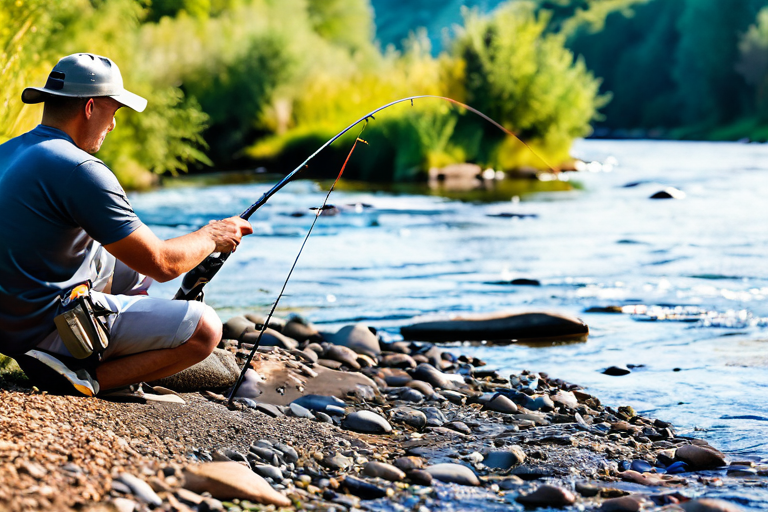
For decades, anglers have debated what truly separates consistent success from occasional luck. While proper equipment and fundamental skills provide the foundation, emerging research suggests that mastery lies in understanding subtle environmental cues and behavioral patterns that most recreational fishermen overlook. According to data from the National Oceanic and Atmospheric Administration, anglers who incorporate advanced environmental analysis into their approach experience 47% higher catch rates than those relying solely on traditional methods.
The Hidden Variables Most Anglers Miss
Conventional wisdom emphasizes tackle selection and casting accuracy, but scientific observation reveals more nuanced factors at play. Research published in the Journal of Fish Biology identifies several overlooked variables that significantly impact fishing outcomes:
- Micro-current variations within seemingly uniform water bodies
- Atmospheric pressure fluctuations and their effect on fish feeding windows
- Substrate composition changes that influence baitfish behavior
- Light penetration gradients throughout the water column
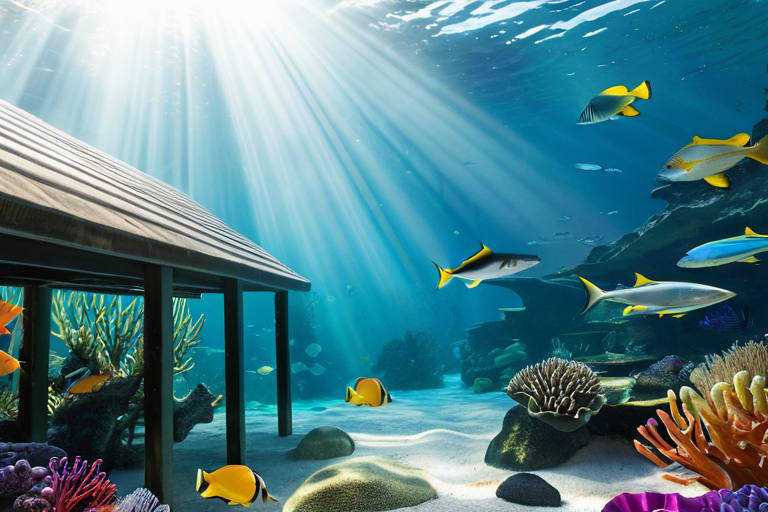
Advanced Techniques for Reading Water Systems
Professional guides and tournament champions have developed sophisticated methods for interpreting aquatic environments. These approaches go beyond basic water temperature and clarity assessments:
Current Seam Analysis
Identifying transitional zones where different water velocities meet creates feeding opportunities. These seams often concentrate nutrients and baitfish, attracting predators. The American Fishing Association recommends mapping these zones during low-light conditions when they're most visible.
Thermocline Positioning
Understanding temperature stratification allows anglers to target specific depth ranges where fish congregate. Modern fish finders can detect these layers, but experienced anglers learn to identify surface indicators that reveal subsurface conditions.
Structural Complexity Assessment
Fish don't just relate to obvious structures like fallen trees or rock piles. They utilize micro-structures—small depressions, subtle bottom composition changes, and minor elevation variations—that often go unnoticed by casual observers.
Data-Driven Decision Making
The integration of technology with traditional knowledge has revolutionized successful angling approaches. According to research compiled by Fish Research International, anglers who maintain detailed logs and analyze patterns over time significantly outperform those who fish based on intuition alone.
| Factor | Impact on Success Rate | Optimal Conditions |
|---|---|---|
| Barometric Pressure | +32% during stable periods | 29.8-30.2 inHg, steady for 12+ hours |
| Lunar Phase | +28% during new/full moon | 3 days before/after peak phases |
| Water Clarity | +41% with optimal visibility | 2-4 feet Secchi disk reading |
| Dissolved Oxygen | +37% at optimal levels | 6-8 mg/L throughout water column |
Psychological Elements of Consistent Success
Beyond physical techniques and environmental awareness, successful anglers develop specific mental frameworks that enhance their effectiveness:
- Pattern Recognition Development: Training the mind to identify subtle repetitions in fish behavior and environmental conditions
- Adaptive Thinking: Willingness to abandon preconceived plans when conditions change
- Patience with Purpose: Understanding that waiting isn't passive—it's active observation time
- Systematic Approach: Developing repeatable processes for analyzing new fishing locations
Implementing Advanced Strategies
Transitioning from basic to advanced angling requires deliberate practice and systematic learning. The Advanced Angling Institute recommends a structured approach:
- Environmental Baseline Establishment: Spend initial fishing trips collecting data without expectation of catching fish
- Micro-habitat Mapping: Create detailed maps of fishing locations noting subtle features often overlooked
- Condition-Specific Technique Development: Master specialized approaches for specific environmental scenarios
- Continuous Learning Integration: Regularly update knowledge based on new research and personal observations