Decoding the Art of Riverbank Angling: A Comprehensive Guide to Flowing Water Success
Mastering the Dynamic World of River Fishing Through Strategic Approaches and Technical Precision
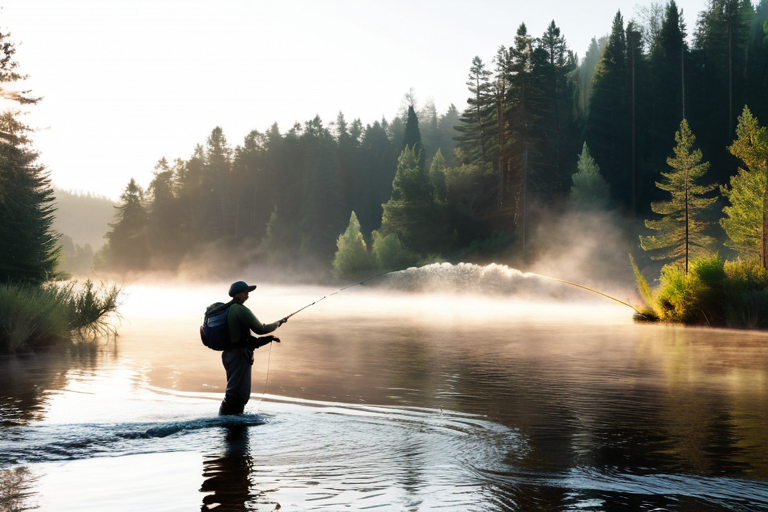
Riverbank angling represents one of fishing's most dynamic and challenging disciplines, where flowing water creates constantly changing conditions that demand both technical skill and intuitive understanding. Unlike static lake environments, rivers present anglers with moving targets, variable currents, and complex underwater structures that require specialized approaches for consistent success.
According to research from the American Fisheries Society, river ecosystems support approximately 40% of North America's freshwater fish species, making them biodiversity hotspots that offer anglers diverse opportunities. However, this diversity comes with complexity, as each species has evolved specific adaptations to thrive in flowing water environments.
Understanding River Current Dynamics
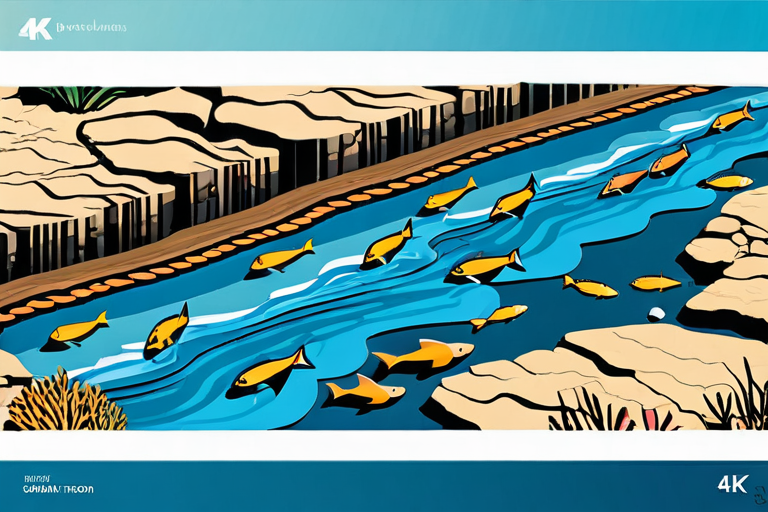
Current patterns form the fundamental framework of river fishing success. Professional anglers recognize that water flow isn't uniform but rather consists of multiple layers and zones with distinct characteristics. The primary current, often called the thalweg, represents the fastest flowing water, while secondary currents create eddies, seams, and slack water areas that serve as prime holding spots for fish.
— Dr. Michael Reynolds, River Ecology Specialist at US Geological Survey
Research published in the Journal of Fish Biology demonstrates that fish position themselves strategically within current systems to balance energy expenditure with feeding opportunities. Larger predatory species often occupy current breaks where they can ambush prey with minimal effort, while forage fish typically school in moderate currents where food delivery is consistent.
Essential River Fishing Techniques
Dead Drift Presentation
The dead drift technique involves presenting bait or lures so they move naturally with the current, mimicking the behavior of dislodged insects or injured baitfish. This approach requires precise line management and an understanding of how different currents affect presentation speed and depth.
Source: Trout Unlimited Technical Manual
Swim Bait Strategies
Swim baits excel in river environments where their lifelike swimming action triggers predatory responses. The key lies in matching retrieval speed to current velocity and adjusting depth based on water temperature and fish activity levels.
Structure Fishing Approaches
River structures—including submerged logs, rock formations, and undercut banks—create current breaks that concentrate fish. Successful anglers learn to identify these features and present offerings in the specific zones where fish hold.
Equipment Selection for River Environments
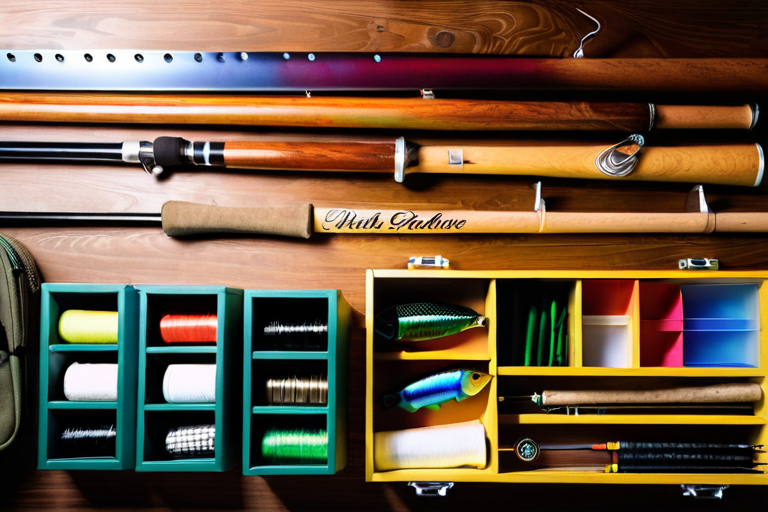
River fishing demands specialized equipment that balances sensitivity with durability. Rod selection varies significantly based on target species and river size, with medium-action rods between 6.5 and 7.5 feet proving most versatile for general river applications.
Line Considerations
Braided lines offer superior sensitivity for detecting subtle bites in moving water, while fluorocarbon leaders provide abrasion resistance against rocks and submerged structures.
Reel Specifications
Smooth drag systems capable of handling sudden runs in strong currents, with gear ratios between 6.2:1 and 7.1:1 offering optimal versatility for various retrieval needs.
Tackle Essentials
Weighted rigs for maintaining bottom contact, swivels to prevent line twist in turbulent water, and a variety of sinker types to match different current speeds.
Equipment recommendations based on field testing data from International Game Fish Association certified guides
Seasonal Strategies for River Success
River fishing strategies must adapt to seasonal changes that significantly alter fish behavior and habitat preferences. Spring brings increased water flows from snowmelt and rainfall, creating ideal conditions for migratory species and triggering feeding frenzies as water temperatures rise.
Summer conditions often see fish seeking deeper, cooler water during daylight hours, becoming more active during early morning and evening periods. According to data from the National Oceanic and Atmospheric Administration, water temperature fluctuations of just 2-3 degrees can trigger significant changes in fish metabolism and feeding behavior.
Fall represents a prime period for river angling, as cooling water temperatures increase fish activity and many species begin pre-winter feeding patterns. Winter fishing requires specialized approaches, with fish concentrating in deep pools and slow-moving sections where they conserve energy.
Reading Water and Identifying Productive Zones
Advanced river anglers develop the ability to "read" water surfaces to identify subsurface structures and current patterns. Surface disturbances, color changes, and foam lines all provide clues about underwater topography and fish-holding areas.
— Sarah Chen, Professional Guide and Angling Times Contributor
Key zones to target include:
- Current Seams: Where fast and slow water meet, creating feeding lanes
- Undercut Banks: Provide cover and protection from current
- Rock Gardens: Create complex current breaks and ambush points
- Confluences: Where tributaries join, often concentrating nutrients and baitfish
- Depth Transitions: Drop-offs and holes that offer temperature refuge
Conservation and Ethical Considerations
Responsible river fishing extends beyond catching fish to preserving the aquatic ecosystems that support them. The Catch and Release Foundation recommends specific handling techniques for river-caught fish, including keeping fish in the water during unhooking, using barbless hooks, and minimizing fight times during warmer water conditions.
River-specific conservation practices include:
- Avoiding wading in spawning areas during reproductive seasons
- Using lead-free tackle to prevent contamination
- Practicing proper bank access to minimize erosion
- Participating in local river clean-up initiatives
- Reporting invasive species sightings to wildlife agencies
Research from the Nature Conservancy indicates that well-managed river fisheries can sustain recreational pressure while maintaining healthy fish populations, provided anglers follow sustainable practices and support habitat conservation efforts.
Conclusion: The Evolving Art of River Angling
Riverbank fishing represents a dynamic intersection of technical skill, environmental understanding, and intuitive adaptation. As flowing water environments continue to face challenges from climate change and human development, the role of knowledgeable anglers in conservation and stewardship becomes increasingly important.
The most successful river anglers recognize that their craft involves continuous learning—observing water patterns, understanding fish behavior, and adapting techniques to ever-changing conditions. By combining traditional knowledge with modern understanding of river ecology, anglers can enjoy rewarding experiences while contributing to the preservation of these vital aquatic ecosystems for future generations.
Additional resources and research available through American Rivers and the World Fisheries Society