The Underwater Symphony of Sound How Fish Use Acoustics to Navigate and Feed
Beneath the water's surface exists a complex acoustic landscape that most anglers never consider. While we focus on visual lures and physical presentations, fish inhabit a world where sound travels four times faster than in air, creating an auditory environment that shapes every aspect of their behavior. From the subtle vibrations of insect larvae to the thunderous approach of predators, aquatic creatures have evolved sophisticated hearing mechanisms that allow them to interpret their surroundings with remarkable precision.
Recent research from marine biology institutions reveals that many fish species rely more heavily on acoustic cues than visual signals, particularly in turbid waters or during nocturnal feeding. This understanding opens new possibilities for anglers willing to adapt their techniques to the underwater soundscape.

The Physics of Underwater Sound Transmission
Water's density creates unique acoustic properties that differ dramatically from terrestrial environments. Sound waves travel approximately 1,500 meters per second in seawater, compared to 340 meters per second in air. This increased speed allows for rapid communication over considerable distances, but also creates complex interference patterns that fish have learned to interpret.
The underwater soundscape comprises three primary categories: biological sounds produced by aquatic organisms, geophysical sounds from water movement and geological activity, and anthropogenic sounds from human activities. Each category provides fish with specific information about their environment, potential threats, and feeding opportunities.
Anatomical Adaptations for Aquatic Hearing
Fish have evolved diverse hearing mechanisms that vary significantly between species. While all fish possess inner ears similar to terrestrial vertebrates, many species have developed specialized adaptations that enhance their acoustic sensitivity.
| Hearing Structure | Function | Species Examples | Frequency Range |
|---|---|---|---|
| Otolith Organs | Detect particle motion and acceleration | Most bony fish | 50-1,000 Hz |
| Weberian Apparatus | Amplify sound through swim bladder connection | Catfish, carp, minnows | 100-4,000 Hz |
| Lateral Line System | Detect water displacement and low-frequency vibrations | All fish species | 1-200 Hz |
| Specialized Gas Bladders | Act as acoustic mirrors and amplifiers | Herring, cod, haddock | 30-1,500 Hz |
The Language of Underwater Sounds
Fish produce and interpret a complex vocabulary of sounds that serve various purposes. These acoustic signals fall into several functional categories that anglers can learn to recognize and potentially replicate.

Feeding Sounds: Many predators create distinctive sounds when capturing prey. The "pop" of a bass sucking in a baitfish or the "crunch" of a bluefish breaking through shellfish shells creates acoustic signatures that other fish recognize as feeding activity.
Social Communication: During spawning seasons, numerous fish species produce specific sounds to attract mates or establish territories. Drum fish create their characteristic drumming sounds by vibrating specialized muscles against their swim bladders, while grunts produce sounds by grinding their pharyngeal teeth.
Distress Signals: Injured or stressed fish emit specific high-frequency sounds that can attract predators from considerable distances. This explains why wounded baitfish often draw strikes from larger predators—they're essentially sending out an acoustic dinner bell.
Environmental Acoustics and Fish Behavior
Water conditions dramatically affect how sound travels and how fish perceive their acoustic environment. Understanding these variables can help anglers predict fish behavior and position themselves advantageously.
Temperature Layers: Thermoclines create acoustic barriers that can trap or reflect sound waves. Fish often position themselves along these thermal boundaries to maximize their acoustic awareness while minimizing energy expenditure.
Bottom Composition: Hard bottoms (rock, gravel) reflect sound efficiently, creating reverberant environments where fish can detect sounds from multiple directions. Soft bottoms (mud, silt) absorb sound, creating quieter conditions that favor ambush predators.
Understanding aquatic acoustics allows anglers to develop more effective strategies that align with how fish actually perceive their environment. Here are several practical approaches based on current bioacoustic research.
Lure Selection by Sound Profile: Different lures create distinct acoustic signatures. Rattling crankbaits produce broadband noise that attracts attention from distance, while soft plastic baits create subtle vibrations that mimic injured prey. Matching the sound profile to fishing conditions and target species can dramatically improve results.
Retrieval Techniques: Varying retrieval speed and rhythm creates changing acoustic patterns. Erratic retrieves that mimic distressed prey often trigger predatory responses, while steady retrieves might better imitate healthy, confident prey that some predators avoid.
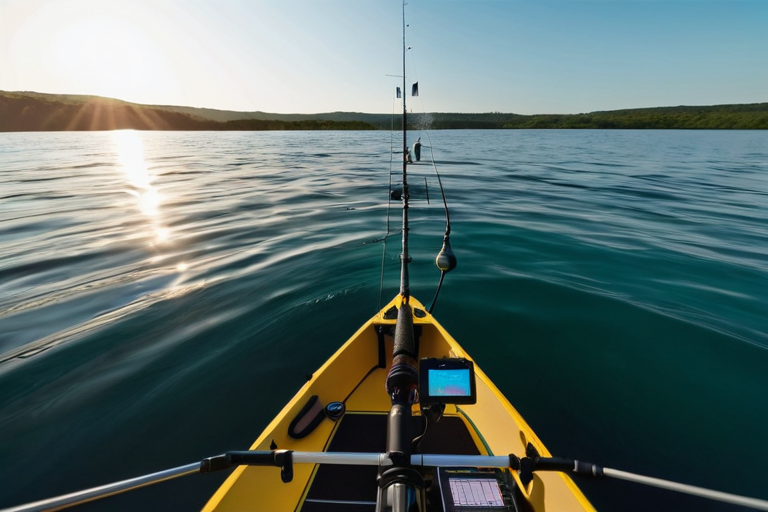
Electronic Enhancement: Modern fish finders and underwater cameras now include hydrophone capabilities that allow anglers to listen to underwater sounds. While primarily designed for locating fish, these tools can also help anglers understand the acoustic environment they're fishing.
Ethical Considerations and Future Directions
As our understanding of fish acoustics grows, ethical questions emerge about how this knowledge should be applied. Some jurisdictions have begun regulating certain acoustic fishing techniques to prevent overexploitation or disturbance of natural behaviors.
Future research directions include studying how noise pollution from shipping, construction, and recreational activities affects fish behavior and populations. Preliminary studies suggest that chronic noise exposure can stress fish, alter migration patterns, and interfere with reproduction.
Synthesizing Acoustic Understanding
The underwater world operates on acoustic principles that most anglers overlook. By incorporating an understanding of fish hearing, sound propagation in water, and the acoustic signatures of different lures and presentations, anglers can develop more sophisticated approaches that align with how fish actually experience their environment.
This acoustic awareness doesn't replace traditional fishing knowledge but rather enhances it, providing another dimension to consider when selecting locations, presentations, and techniques. As research continues to reveal the complexities of underwater soundscapes, anglers who adapt to this understanding will find themselves consistently ahead of those who fish solely by visual cues.
The symphony of sounds beneath the water's surface tells a continuous story of predator and prey, communication and concealment. Learning to interpret this acoustic narrative represents the next frontier in angling sophistication.