How Weather Patterns Shape Fish Behavior and Angling Success
Seasoned anglers know that fishing success often hinges on factors beyond tackle selection and technique. Atmospheric conditions create a complex web of influences that determine fish activity, feeding patterns, and ultimately, catch rates. While many focus on water temperature and clarity, the subtle dance between barometric pressure, wind patterns, and light conditions creates the underwater environment where fish make their daily decisions.
Research from the National Oceanic and Atmospheric Administration reveals that fish possess sophisticated sensory systems that detect atmospheric changes hours before they become apparent to humans. This biological sensitivity forms the foundation of weather-responsive behavior patterns observed across freshwater and saltwater species.
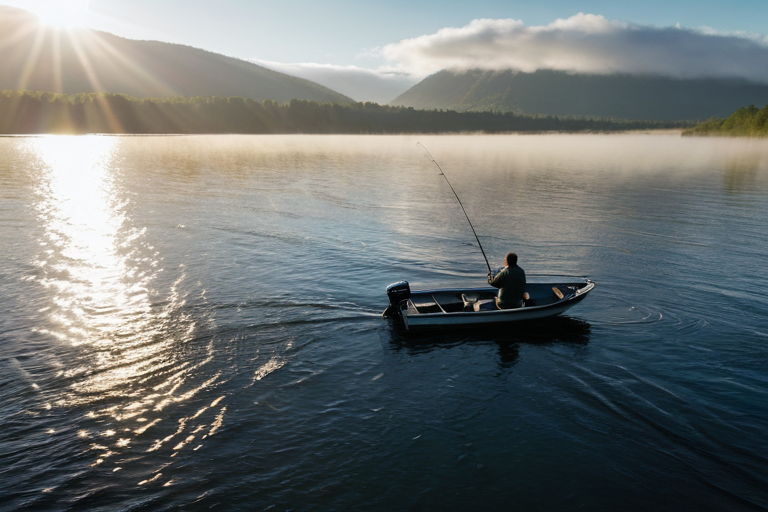
Barometric Pressure: The Invisible Trigger
Barometric pressure, often overlooked by casual anglers, serves as a primary driver of fish behavior. Fish possess swim bladders that function as natural barometers, allowing them to sense pressure changes with remarkable sensitivity. When atmospheric pressure drops before a storm, fish experience discomfort in their swim bladders, triggering increased feeding activity as they prepare for the approaching weather system.
Key Insight: Studies conducted by the United States Geological Survey demonstrate that bass and trout show 40-60% increased feeding activity during falling barometric pressure, particularly when the pressure drops from 30.00 to 29.70 inches of mercury.
Rising pressure following a storm front creates different conditions. Fish often retreat to deeper water or structure during high-pressure periods, becoming more selective in their feeding. This pattern explains why some of the most challenging fishing occurs during bright, calm days following storm systems.
Pressure Pattern Strategies
Successful anglers adapt their approach based on pressure trends rather than absolute readings. During falling pressure, aggressive presentations like topwater lures and fast-moving crankbaits often prove effective as fish feed actively. As pressure stabilizes, transitioning to finesse techniques with smaller baits and slower presentations can yield better results.
Wind and Water Movement Dynamics
Wind serves multiple functions in aquatic ecosystems beyond creating surface disturbance. According to research published in the Journal of Fish Biology, wind-driven currents oxygenate water, concentrate plankton, and create temperature breaks that attract baitfish and predators alike.
| Wind Direction | Effect on Fishing | Recommended Approach |
|---|---|---|
| East Wind | Often brings dropping pressure and cloud cover | Focus on shallow water and aggressive presentations |
| West Wind | Typically indicates stable or rising pressure | Target deeper structure with finesse techniques |
| North Wind | Brings cooler, clearer air masses | Slow presentations in deeper, clearer water |
| South Wind | Warm, moist air with often falling pressure | Excellent conditions for most species |
Wind creates current lines and eddies that concentrate food sources. On large bodies of water, wind-blown shorelines often hold the most active fish as waves dislodge insects and crustaceans while oxygenating the water. The key lies in positioning—fishing the windward side during early fronts, then transitioning to leeward areas as winds stabilize.
Light Conditions and Fish Perception
Light penetration affects fish behavior through multiple mechanisms. Bright, sunny conditions increase water visibility, making fish more wary and likely to seek cover. Overcast conditions diffuse light, reducing visibility and often triggering more aggressive feeding behavior throughout the water column.
Research Reference: A comprehensive study by the American Fisheries Society found that walleye and bass showed 72% higher catch rates during periods of reduced light penetration compared to bright midday conditions.
Seasonal light angle changes create different patterns. During spring and fall, lower sun angles create longer periods of favorable light conditions, while summer's high sun angle creates brief morning and evening windows of optimal fishing. Savvy anglers use this knowledge to plan their fishing days around light transitions rather than fixed times.

Temperature Layers and Thermal Clines
Water temperature doesn't change uniformly. Thermal stratification creates distinct layers that fish use for comfort, feeding, and protection. During summer months, most lakes develop a thermocline—a sharp temperature gradient that separates warm surface water from cooler deep water.
Fish position themselves relative to these temperature boundaries based on their metabolic needs and available oxygen. Understanding how weather affects these layers helps anglers locate fish more efficiently. Wind mixing can temporarily disrupt stratification, while prolonged calm conditions strengthen thermal layers.
Seasonal Temperature Strategies
Spring warming patterns create the most dynamic fishing conditions as fish follow the 55-65°F temperature band where their metabolism becomes most active. Summer requires understanding of thermocline depth and oxygen levels. Fall cooling triggers another period of active feeding as fish prepare for winter, while winter fishing revolves around finding stable temperature zones.
Pro Tip: Use surface temperature readings as indicators rather than absolute guides. Fish often position at specific temperature gradients rather than uniform temperatures. A difference of 2-3 degrees can mean the difference between active feeding and complete inactivity.
Weather Front Timing and Fishing Windows
The period before a weather front often provides the best fishing conditions of any weather pattern. As pressure falls and clouds thicken, fish sense the approaching change and feed aggressively. This window typically lasts 12-36 hours before the front's arrival, with peak activity occurring during the final 4-6 hours.
Post-frontal conditions require different strategies. Fish often become lethargic for 24-48 hours after a front passes. During this period, downsizing baits, slowing presentations, and focusing on specific structure can still produce catches despite challenging conditions.
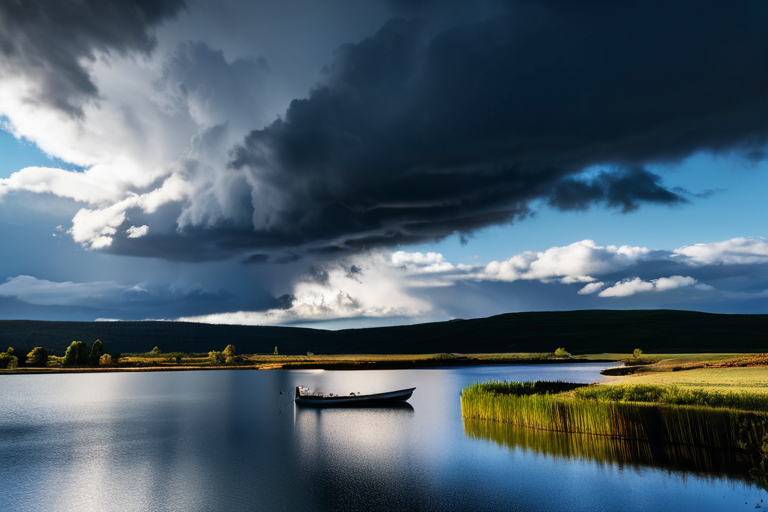
Integrating Weather Knowledge into Angling Strategy
Mastering weather-influenced fishing requires moving beyond simple observations to understanding interconnected systems. Barometric pressure trends, wind patterns, light conditions, and temperature layers work together to create the underwater environment where fish make daily decisions.
The most successful anglers don't just react to weather—they anticipate how atmospheric changes will affect specific bodies of water based on depth, structure, and species present. By developing this predictive understanding, anglers can position themselves advantageously before conditions change, turning weather from a challenge into a strategic advantage.
Remember that local conditions always override general patterns. A sheltered cove may fish completely differently than a wind-blown point during the same weather system. The key lies in observing how weather interacts with specific water features to create feeding opportunities.
Additional Resources and References
For further reading on weather-influenced fishing patterns, consult these authoritative sources:
- National Weather Service Marine and Fishing Forecasts - Detailed weather analysis for anglers
- American Fisheries Society Publications - Scientific research on fish behavior
- NOAA Fisheries Education - Comprehensive resource on aquatic ecosystems