The Forgotten Art of Handline Fishing: Rediscovering Primitive Techniques in Modern Angling
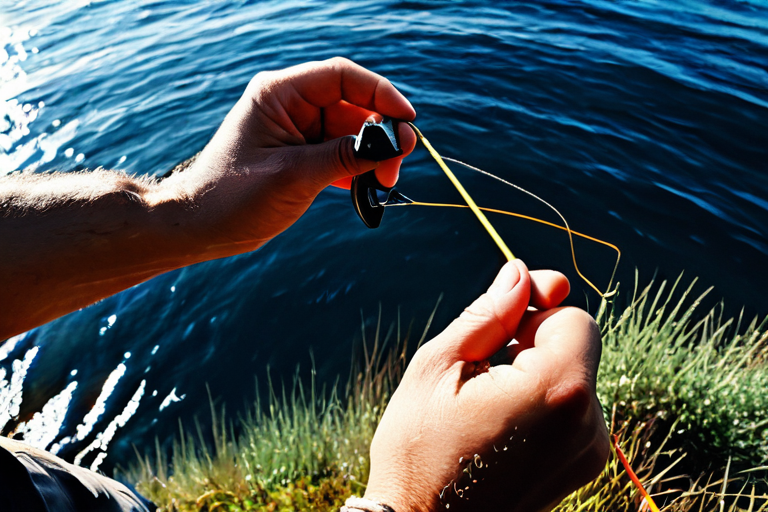
Traditional handline fishing requires minimal equipment but maximum skill
In an era dominated by high-tech fishing gear and sophisticated electronics, a quiet revolution is taking place among anglers seeking a more authentic connection to their craft. Handline fishing, one of humanity's oldest angling methods, is experiencing a remarkable resurgence. This primitive technique, which involves fishing without a rod using only a line held in the hands, offers not just a nostalgic throwback but practical advantages that modern anglers are rediscovering.
Historical Roots and Cultural Significance
Archaeological evidence suggests handline fishing dates back at least 40,000 years, with ancient fishing lines made from plant fibers, animal sinew, and later, braided horsehair. According to research from the Smithsonian Institution, early humans developed handline techniques independently across multiple continents, demonstrating the method's fundamental effectiveness.
"Handline fishing represents one of the most direct connections between angler and fish," explains marine anthropologist Dr. Eleanor Vance, whose work with coastal communities has documented traditional fishing methods worldwide. "Unlike modern rod-and-reel systems that create mechanical separation, handlining maintains tactile feedback that experienced anglers describe as 'feeling the fish think.'"
Key Historical Developments
- Paleolithic Era: Simple lines made from twisted plant fibers
- Ancient Egypt: Sophisticated handline techniques depicted in tomb paintings
- Medieval Europe: Handline fishing as primary subsistence method
- 19th Century: Commercial handlining for cod and halibut
- Modern Era: Preservation in traditional communities worldwide
Modern Applications and Techniques
Contemporary handline fishing has evolved while maintaining its core principles. Modern materials like braided spectra lines and fluorocarbon leaders have enhanced the technique's effectiveness, but the fundamental skills remain unchanged. The American Sportfishing Association reports growing interest in traditional methods among younger anglers seeking sustainable alternatives.
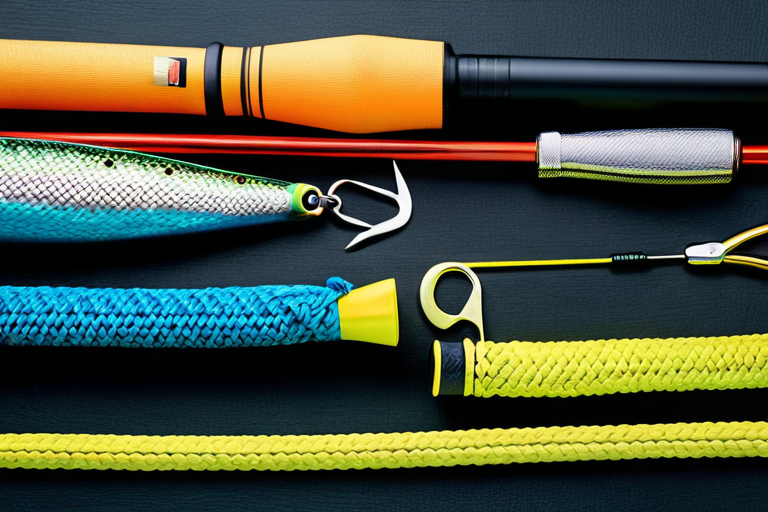
Modern handline setups combine traditional techniques with contemporary materials
Essential Handline Techniques
Palming Method: The line is wrapped around the palm in controlled loops, allowing quick release and retrieval. This technique provides excellent sensitivity for detecting subtle bites.
Finger Control: Using fingers to control line tension and detect strikes. Experienced handliners can distinguish between different species based on bite characteristics felt through their fingertips.
Vertical Jigging: Particularly effective for deep-water species, this involves rhythmic lifting and dropping motions transmitted directly through the line.
Sustainability and Conservation Benefits
One of the most compelling arguments for handline fishing's revival is its environmental sustainability. Studies conducted by the National Geographic Society indicate handline fishing has significantly lower bycatch rates compared to many modern methods.
Environmental Advantages
Targeted Fishing: Handlining allows precise targeting of specific fish, reducing accidental catch of non-target species.
Minimal Habitat Impact: Without heavy gear dragging across the bottom, handlining preserves sensitive underwater ecosystems.
Reduced Carbon Footprint: Minimal equipment means reduced manufacturing and transportation impacts.
Selective Harvest: Anglers can carefully choose which fish to keep based on size and species conservation status.
Skill Development and Angling Mastery
Handline fishing demands and develops skills that modern equipment often bypasses. According to fishing educator Marcus Chen, "Learning to handline fish is like learning to drive a manual transmission after only knowing automatics. It forces you to understand the fundamentals that technology normally handles for you."
The technique enhances several critical angling abilities:
- Tactile Sensitivity: Developing the ability to 'read' line vibrations and tensions
- Timing and Rhythm: Mastering the natural cadence of different fishing situations
- Fish Behavior Understanding: Direct feedback improves ability to interpret fish actions
- Patience and Focus: The method requires sustained attention and concentration

Coastal communities worldwide maintain handline fishing traditions
Modern Equipment Evolution
While traditional handlines used natural materials, modern iterations benefit from technological advances while maintaining the method's simplicity. High-tech braided lines with diameters thinner than traditional monofilament provide increased sensitivity and strength. Specialized gloves protect hands while maintaining tactile feedback, and compact line storage systems make the method more practical for modern anglers.
The International Game Fish Association now recognizes handline fishing records, acknowledging the skill required and promoting the method's legitimacy in competitive angling circles.
Cultural Preservation and Global Traditions
Handline fishing remains vital in many traditional communities worldwide. In the Caribbean, "hand-lining" for pelagic species like tuna and mahi-mahi continues as both subsistence practice and cultural tradition. Pacific Island communities maintain sophisticated handline techniques passed through generations, often incorporating local knowledge of lunar cycles and current patterns.
"These traditional methods represent accumulated wisdom about local ecosystems," notes cultural anthropologist Dr. Anika Patel. "They're not just fishing techniques—they're relationships with specific places and species developed over centuries."
Global Handline Traditions
Japanese Tebasaki: A refined handline method using specialized gloves and techniques
Norwegian Lofoten Handlining: Historic cod fishing method still practiced commercially
Hawaiian Ulua Fishing: Traditional shore-based handlining for giant trevally
Mediterranean Handline Traditions: Diverse techniques adapted to local species and conditions
Getting Started with Handline Fishing
For anglers interested in exploring handline fishing, starting requires minimal investment but significant commitment to learning. Begin with simple freshwater species in controlled environments before progressing to more challenging saltwater applications.
Essential Starter Equipment:
- 150-200 yards of 20-30 lb braided line
- Leaders appropriate for target species
- Selection of hooks and weights
- Finger protection (gloves or tape)
- Compact line storage system
"The beauty of handline fishing is its accessibility," says professional angler and handline advocate Carlos Mendez. "You can carry everything you need in a small bag, fish anywhere, and the only real requirement is willingness to learn through direct experience."
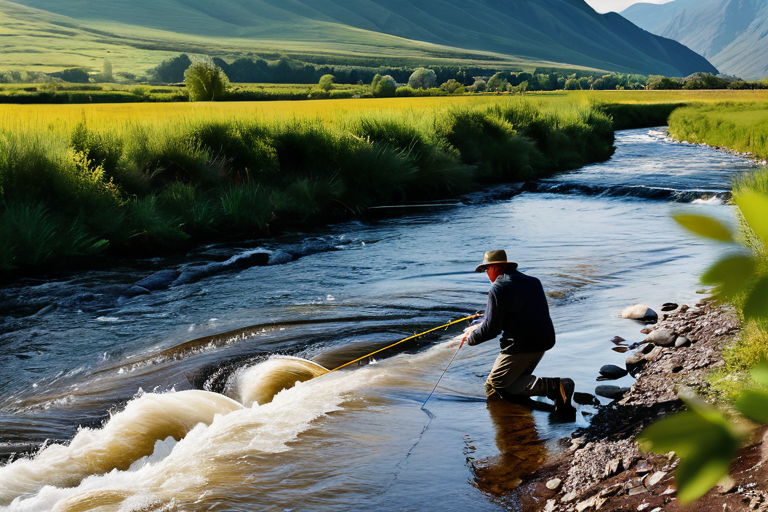
River environments offer excellent opportunities for handline fishing practice
The Future of Primitive Angling
As angling culture evolves, there's growing recognition that technological advancement and traditional wisdom need not be mutually exclusive. Handline fishing represents a bridge between ancient knowledge and modern conservation values, offering a model for sustainable recreational fishing that prioritizes skill over gear.
Educational programs through organizations like Take Me Fishing now include handline instruction, introducing new generations to fishing's fundamental roots. Meanwhile, competitive events specifically for handline fishing are emerging, celebrating the method's unique challenges and rewards.
The revival of handline fishing represents more than nostalgia for simpler times. It's a conscious choice by modern anglers to reconnect with fishing's essential nature—the direct interaction between human and fish, the development of refined skills through practice, and the sustainable harvest that respects aquatic ecosystems. In an increasingly complex world, the simplicity and effectiveness of handline fishing offers both practical fishing success and deeper connection to angling's ancient traditions.