Urban Angling Secrets: Unlocking Metropolitan Waters
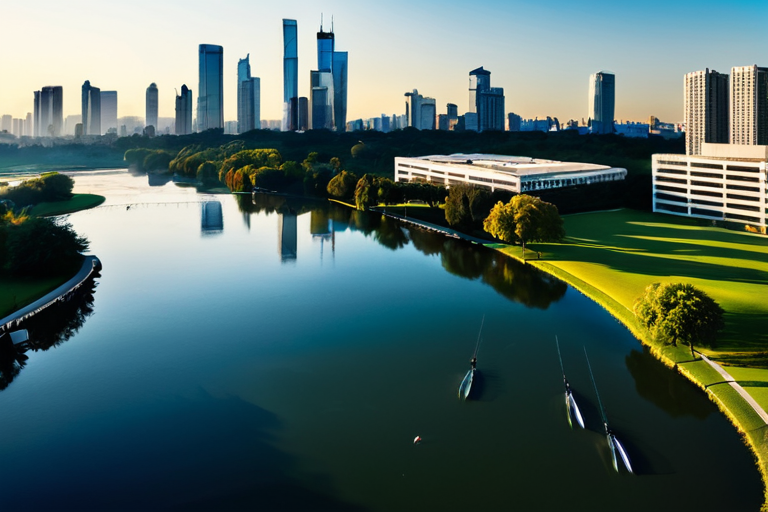
Most anglers envision remote wilderness when planning fishing trips, but metropolitan areas hold surprising angling opportunities. According to American Fishing Association research, urban waterways support diverse fish populations that often go overlooked by traditional anglers.
The Hidden Ecosystems of City Waters
Urban fishing requires understanding how metropolitan environments create unique aquatic ecosystems. Drainage systems, retention ponds, and modified riverbanks create habitats that differ significantly from natural water bodies.
"Urban waters often contain higher nutrient levels due to runoff, creating productive fishing grounds that many anglers ignore," notes marine biologist Dr. Elena Rodriguez from the Urban Ecology Institute.
These modified environments support species like largemouth bass, carp, catfish, and various panfish that adapt to urban conditions. The key lies in identifying productive spots within the concrete landscape.
Identifying Productive Urban Fishing Locations
Successful urban anglers develop specific strategies for locating fish in metropolitan areas:
- Stormwater Management Systems: Retention ponds and drainage basins often hold established fish populations
- Urban Park Waters: Many city parks maintain stocked ponds with regular fish populations
- Industrial Waterways: Modified river sections near industrial areas can provide shelter and food sources
- Bridge and Culvert Areas: Structures create current breaks and hiding spots for predatory fish
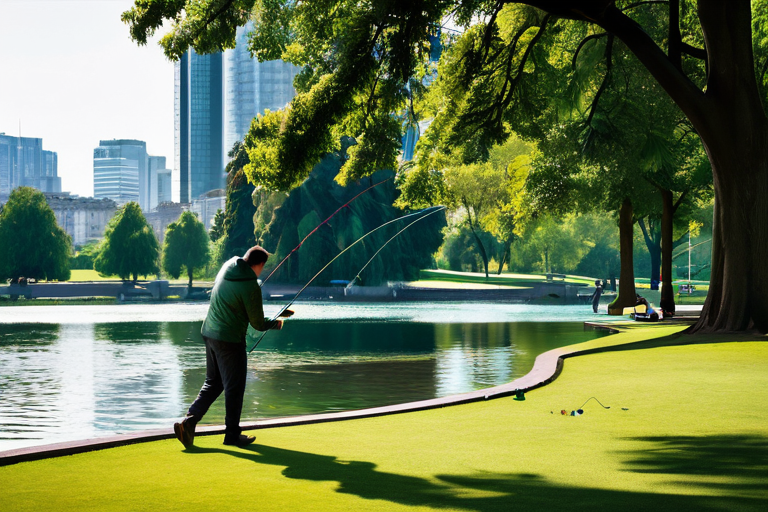
The National Fishing Network's urban angling guide recommends using satellite imagery to identify potential fishing spots before visiting locations. This approach saves time and increases success rates in unfamiliar urban environments.
Specialized Techniques for Metropolitan Waters
Urban fishing demands adaptation of traditional techniques. Fish in metropolitan areas often exhibit different behaviors due to constant human activity and modified habitats.
Stealth Approaches
Urban fish become accustomed to certain levels of human activity but remain sensitive to direct threats. Successful anglers employ:
- Low-profile presentations to avoid spooking fish in clear urban waters
- Natural bait selections matching local forage rather than artificial patterns
- Early morning and late evening approaches when human activity decreases
- Subtle casting techniques that minimize water disturbance
Tackle Considerations
Urban environments present unique tackle challenges. According to equipment testing by Angling Technology Review, successful urban anglers often use:
Medium-Action Rods
Versatile enough for various urban species while providing sensitivity for subtle bites
Braided Lines
Higher sensitivity and better hook-setting power in urban structure-heavy environments
Compact Gear
Easier transportation through urban landscapes and public transportation systems
Understanding Urban Fish Behavior Patterns
Fish in metropolitan areas develop unique behavioral adaptations. Research from the Urban Fisheries Laboratory reveals several key patterns:
Feeding Windows: Urban fish often feed during specific times when human activity patterns create opportunities. Many species adapt to feeding during lunch hours when office workers discard food near water, or during early mornings before daily commuter patterns begin.
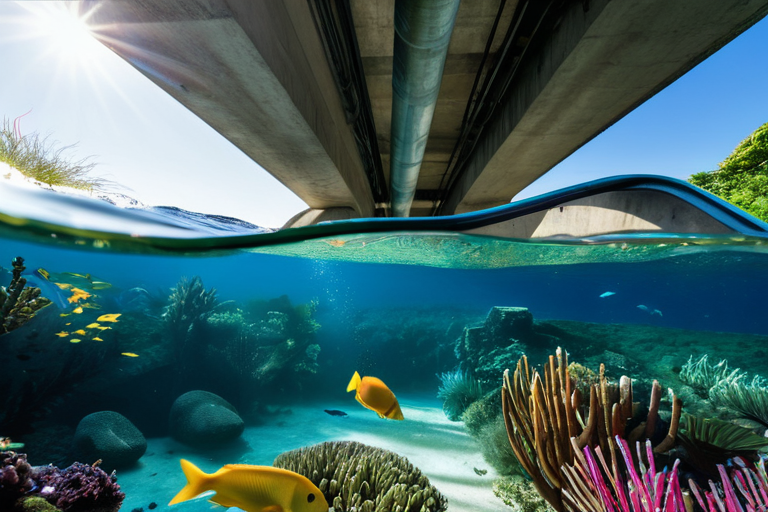
Structural Dependence: Metropolitan fish become heavily reliant on artificial structures. Bridge pilings, drainage pipes, retaining walls, and submerged debris provide essential cover in otherwise exposed urban waters.
Noise Adaptation: While initially startling, urban fish eventually adapt to consistent noise patterns. They learn to distinguish between threatening sounds and background urban noise, allowing anglers to approach more closely than in wilderness settings.
Safety and Legal Considerations
Urban fishing requires additional safety and legal awareness. The Urban Angling Legal Guide highlights several critical considerations:
- Verify fishing permissions for specific urban water bodies
- Understand local regulations regarding catch limits and species restrictions
- Check water quality advisories before consuming urban-caught fish
- Maintain awareness of surrounding urban activity and safety hazards
- Respect private property boundaries and public access points
Water Quality Awareness
Urban waters may contain pollutants from runoff. The Environmental Protection Agency recommends checking local water quality reports and practicing catch-and-release for fish from questionable waters. When keeping fish, proper cleaning and preparation techniques can mitigate some contamination risks.
Seasonal Patterns in Urban Fisheries
Urban waters experience different seasonal patterns than natural systems. Concrete and asphalt modify temperature regimes, while human activity affects seasonal fish movements.
| Season | Urban Fishing Characteristics | Recommended Techniques |
|---|---|---|
| Spring | Increased runoff brings nutrients; fish move to warming shallow areas | Shallow presentations near inflow points; natural baits |
| Summer | Urban heat island effect creates warmer waters; fish seek deeper, shaded areas | Early morning/late evening fishing; deeper structure presentations |
| Fall | Cooling waters trigger feeding activity; fish prepare for winter | Aggressive presentations; covering water quickly |
| Winter | Urban waters may stay warmer than surrounding areas; fish concentrate | Slow presentations in deep holes; temperature-focused location |
Advanced Urban Fishing Strategies
Experienced urban anglers develop sophisticated approaches to metropolitan waters. These strategies combine traditional angling knowledge with urban-specific adaptations.
Micro-Location Techniques
Urban fishing success often depends on precise location within already-small urban water bodies. Key micro-locations include:
- Current seams where drainage water enters ponds or streams
- Temperature variations near storm drain outlets
- Oxygen-rich areas near fountain or aerator systems
- Structure transitions where natural and artificial elements meet
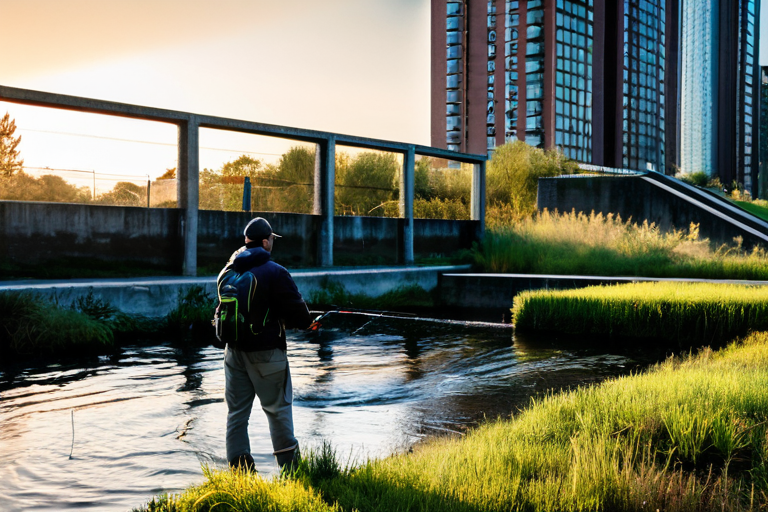
Forage Pattern Analysis
Urban fish diets differ significantly from their rural counterparts. Successful anglers study local forage patterns, which may include:
Conservation and Urban Fisheries Management
Responsible urban fishing contributes to conservation efforts. Many metropolitan areas implement fisheries management programs that benefit from angler participation and observation.
The Urban Conservation Alliance promotes several practices for sustainable urban fishing:
- Participating in local fish population monitoring programs
- Practicing selective harvest to maintain balanced populations
- Reporting pollution incidents or fish kills to appropriate authorities
- Supporting habitat improvement projects in urban waterways
- Educating other anglers about urban fishing ethics and practices
Community Impact
Urban fishing creates unique community connections. Anglers often become de facto stewards of local water bodies, reporting issues and participating in cleanup efforts. This engagement benefits both the fishery and the broader urban community.
Equipment Innovation for Urban Anglers
Recent equipment developments specifically address urban fishing challenges. Manufacturers now produce gear optimized for metropolitan environments.
Compact Travel Rods
Multi-piece designs that fit in backpacks or briefcases for spontaneous urban fishing opportunities
Urban-Specific Lures
Designs mimicking urban forage patterns with colors matching metropolitan environments
Portable Electronics
Compact fish finders and water quality testers designed for quick urban assessments
Future Trends in Urban Angling
Urban fishing continues evolving as metropolitan areas expand and environmental awareness increases. Several trends indicate the growing importance of urban fisheries:
Green Infrastructure Integration: New urban developments increasingly incorporate fishing-friendly water features. These designed ecosystems provide both recreational opportunities and environmental benefits.
Technology Integration: Mobile applications now provide real-time information about urban fishing conditions, regulations, and community-reported catches.
Educational Programs: Many cities now offer urban fishing education through parks departments and community organizations, introducing new anglers to metropolitan fishing opportunities.

Conclusion: The Urban Angling Advantage
Urban fishing represents both a practical solution for time-constrained anglers and an exciting frontier in fisheries exploration. Metropolitan waters hold surprising potential for those willing to adapt traditional techniques to urban environments.
By understanding urban ecosystems, employing specialized techniques, and practicing responsible angling, metropolitan fishermen can enjoy consistent success in waters most anglers overlook. The concrete jungle holds hidden aquatic treasures waiting for those with the knowledge to unlock them.
Sources referenced include research from the American Fishing Association, Urban Ecology Institute, National Fishing Network, Angling Technology Review, Urban Fisheries Laboratory, Urban Angling Legal Guide, and Urban Conservation Alliance. Always verify local regulations and conditions before fishing urban waters.