What Factors Truly Determine Fishing Success Beyond Basic Techniques
The Overlooked Influence of Atmospheric Pressure
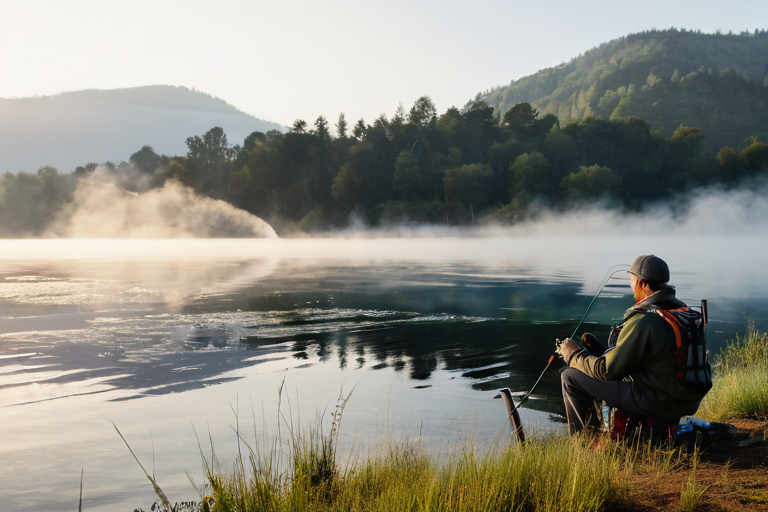
While most anglers check weather forecasts for rain and wind, few pay adequate attention to barometric pressure—a factor that research from the National Oceanic and Atmospheric Administration suggests significantly impacts fish feeding behavior. Fish possess a specialized organ called the swim bladder that detects pressure changes, making them particularly sensitive to atmospheric fluctuations.
Experienced anglers have developed specific strategies for different pressure conditions. During high-pressure systems (typically clear, sunny weather), fish tend to move deeper and become more lethargic, requiring finesse presentations and smaller baits. Conversely, falling pressure often brings aggressive feeding frenzies, making larger, more active lures effective. The key lies in recognizing these patterns and adjusting techniques accordingly rather than sticking rigidly to a single approach.
Water Temperature Stratification and Its Effects
Water doesn't maintain uniform temperature throughout a lake or river. Thermal stratification creates distinct layers with different temperatures, oxygen levels, and fish populations. Understanding this phenomenon, as documented by the U.S. Geological Survey in their aquatic studies, can dramatically improve targeting accuracy.

During summer months, most temperate lakes develop three distinct layers: the epilimnion (warm surface layer), thermocline (temperature transition zone), and hypolimnion (cold bottom layer). Different species prefer specific temperature ranges, and these preferences shift throughout the day and across seasons. For instance, trout typically seek water between 50-60°F, while bass might tolerate warmer conditions.
Modern technology has made temperature stratification easier to identify. Submersible thermometers and advanced fish finders can map temperature gradients, allowing anglers to precisely target the depth where their desired species is most active. However, traditional methods—observing surface activity, noting insect hatches, and understanding seasonal patterns—remain valuable for anglers without electronic aids.
The Psychological Dimension of Angling Success
Fishing success depends as much on the angler's mindset as on technical skill. Research from sports psychology, including studies referenced by the American Psychological Association, reveals that focused attention, patience, and observational acuity significantly impact outcomes in activities requiring sustained concentration.
Seasoned anglers develop what some call "water sense"—an intuitive understanding of where fish might be holding based on subtle cues. This skill combines pattern recognition, environmental awareness, and experience. It's not mystical but rather the result of thousands of hours observing how fish respond to changing conditions. Developing this sense requires conscious effort: systematically noting what works and doesn't, analyzing why certain approaches succeed in specific situations, and maintaining curiosity about aquatic ecosystems.
Lunar and Solar Influences Beyond Basic Cycles
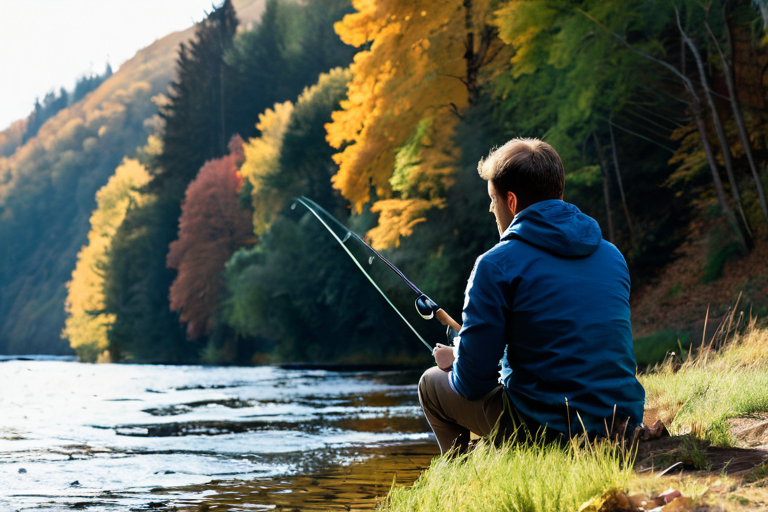
While many anglers acknowledge lunar phases affect fishing, fewer understand the complex interaction between lunar position, solar cycles, and tidal influences—even in freshwater environments. Research compiled by the National Aeronautics and Space Administration on Earth's gravitational interactions provides scientific basis for these observations.
The moon's gravitational pull affects all water on Earth, creating measurable movements even in landlocked lakes. These micro-tides, though subtle, influence current patterns, plankton movement, and consequently, fish feeding behavior. Additionally, solar position affects light penetration and water temperature, creating daily patterns that experienced anglers learn to anticipate.
Successful anglers don't simply follow generic "best times to fish" charts but develop personalized understanding of how celestial events interact with their specific fishing locations. A bay on a large lake might respond differently to lunar phases than a river section or a small pond. Recording catches alongside lunar data for specific locations builds valuable localized knowledge.
Ecosystem Interconnections and Food Web Awareness
Fish don't exist in isolation—they're part of complex food webs. Understanding these interconnections, as detailed in ecological studies from institutions like the Smithsonian Institution, allows anglers to make more informed decisions about bait selection and presentation.
Different water bodies support different primary food sources: mayflies in some rivers, crayfish in rocky lakes, shad in reservoirs. Successful anglers learn to "match the hatch" not just in fly fishing but across all angling disciplines. This means identifying what fish are naturally feeding on and presenting lures or baits that mimic those food sources in size, color, and movement.
Seasonal changes dramatically alter these food webs. Spring might bring insect hatches, summer sees increased baitfish activity, fall offers migrating prey species, and winter requires understanding reduced metabolic rates and changed feeding patterns. The angler who adapts to these seasonal shifts maintains consistent success year-round.
Synthesizing Knowledge for Consistent Success
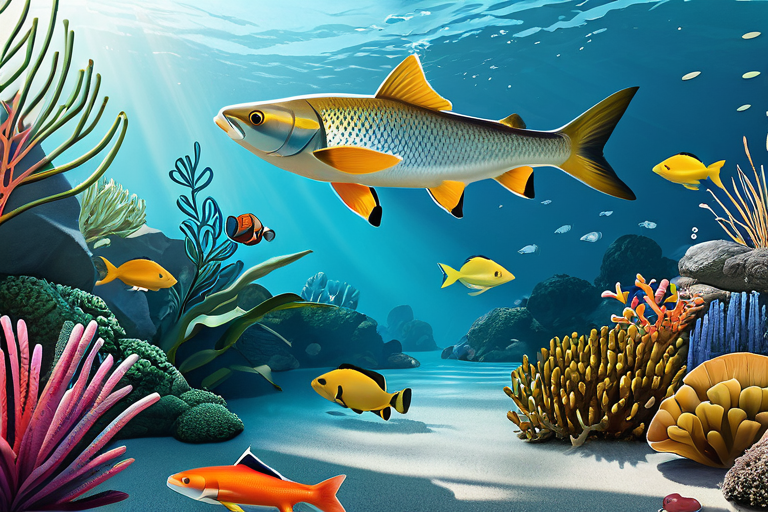
True fishing mastery emerges not from mastering a single technique but from understanding how multiple factors interact in specific environments. The most successful anglers become students of their local waters—observing seasonal patterns, recording environmental conditions, and continuously refining their approach based on accumulated experience.
While technology provides valuable tools, the fundamental skills remain observational acuity, pattern recognition, and adaptive thinking. By considering atmospheric pressure, water temperature stratification, psychological factors, celestial influences, and ecosystem dynamics, anglers develop a comprehensive approach that yields consistent results across varying conditions.
Ultimately, fishing success represents a conversation with nature—one that requires listening as much as acting. The angler who approaches each outing as an opportunity to learn, observe, and adapt finds not just more fish but deeper connection with aquatic environments and greater satisfaction in the pursuit itself.