Unlocking the Secrets of River Currents for Consistent Catches
River fishing presents a dynamic challenge that separates casual anglers from true masters of the craft. While many focus on gear selection and bait presentation, the most successful river anglers understand that water movement dictates everything from fish location to feeding behavior. This comprehensive guide explores the hidden language of river currents and how to leverage hydrodynamic principles for consistent success.
The Hydrodynamic Blueprint of Productive Rivers
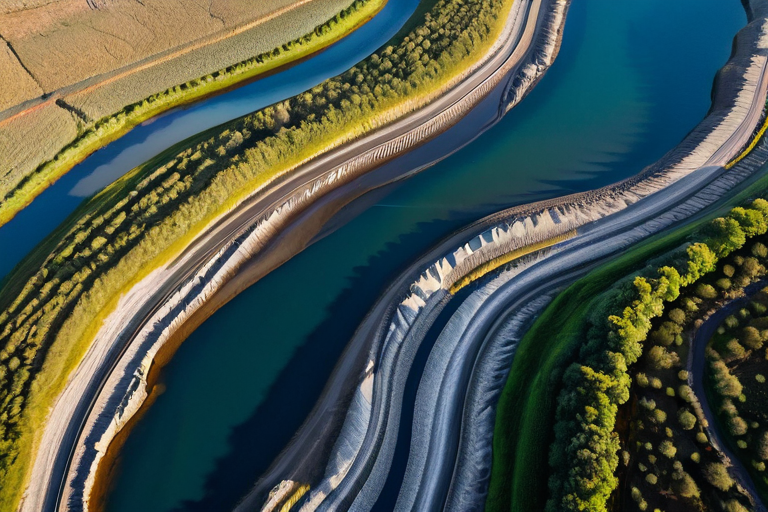
Every river tells a story through its flow patterns. According to research from the U.S. Geological Survey Water Resources Division, river currents create distinct microhabitats that fish instinctively utilize for energy conservation and feeding efficiency. The key lies in understanding how different flow velocities create holding areas where fish can rest while maintaining access to food sources.
Critical Insight: Fish don't fight currents unnecessarily. They position themselves strategically in areas where they can maximize food intake while minimizing energy expenditure. This fundamental principle explains why certain river sections consistently produce while others remain barren.
Reading Water Like a Professional Guide
Current Seams and Transition Zones
Where fast water meets slow water creates a natural feeding lane. These seams act as conveyor belts for food items, making them prime ambush points for predatory species. The American Fisheries Society notes that transition zones can increase feeding activity by up to 300% compared to uniform current areas.
Eddies and Backwaters
Reverse currents create natural resting areas where fish can hold position with minimal effort. These spots often accumulate debris and insects, creating concentrated food sources. Larger eddies frequently hold multiple fish species in distinct depth zones.
Depth Variations and Structure
Submerged rocks, fallen trees, and depth changes alter current patterns dramatically. These structures create micro-eddies and velocity shelters that fish utilize throughout different times of day and water conditions.
Advanced Current-Based Techniques
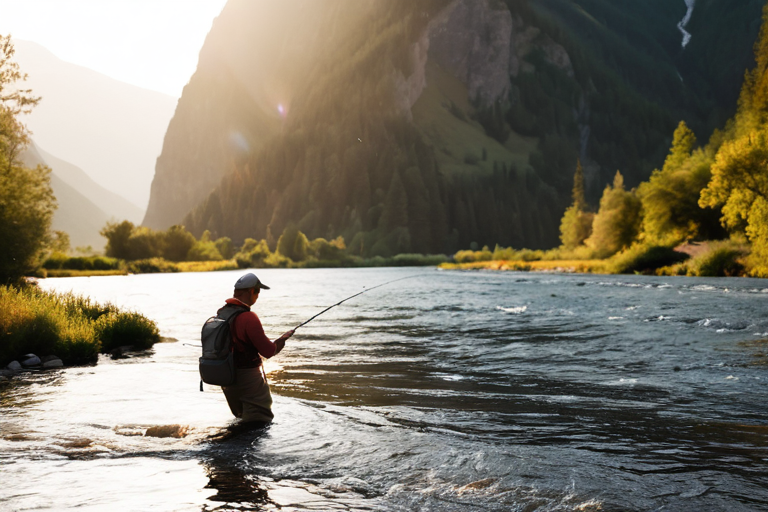
Drift Control Mastery: Successful river anglers don't just cast and retrieve—they manage their drifts with precision. This involves understanding how different currents affect lure or bait movement at various depths and adjusting accordingly.
The Illinois Department of Natural Resources Fishing Division emphasizes that presentation speed relative to current velocity often matters more than the specific lure choice. When your offering moves naturally with the current, it appears more authentic to feeding fish.
Essential Gear for Current Fishing
- Current-Specific Rods: Medium-heavy action rods with sensitive tips for detecting subtle bites in moving water
- Line Selection: Braided main lines with fluorocarbon leaders for better current feel and reduced visibility
- Weight Systems: Split shot, slip sinkers, and tungsten putty for precise depth control
- Drift Indicators: Strike indicators for nymph fishing or float fishing in various current speeds
Seasonal Current Patterns and Fish Behavior
River currents change dramatically with seasons, and successful anglers adapt their approaches accordingly. Spring runoff creates powerful currents that push fish to specific holding areas, while summer low flows require more subtle presentations. Research from The Wildlife Society shows that fish position themselves differently based on water temperature and flow rates, with optimal holding depths shifting throughout the year.
Pro Tip: During high water conditions, focus on current breaks near the bank where fish seek refuge from the main flow. In low water, target deeper pools and shaded areas where current velocity decreases naturally.

Putting Theory into Practice
Mastering river currents requires systematic observation and application. Start by spending time simply watching how water moves around different structures. Note where foam lines form, where debris accumulates, and how surface patterns indicate subsurface features. The Trout Unlimited Conservation Organization recommends keeping detailed logs of successful spots correlated with specific flow conditions and times of day.
Remember that current reading is a skill that develops over time. What begins as conscious analysis eventually becomes instinctual recognition of productive water. The most successful river anglers aren't necessarily those with the most expensive gear, but rather those who have learned to think like the fish they pursue—constantly aware of energy conservation and feeding opportunities within the river's ever-changing flow.
References and Further Reading:
- U.S. Geological Survey Water Resources Division - Hydrodynamic research and river flow data
- American Fisheries Society - Fish behavior studies in moving water
- Illinois Department of Natural Resources - Practical fishing techniques for river systems
- The Wildlife Society - Seasonal habitat utilization research
- Trout Unlimited - Conservation-based angling strategies