The Underwater Currents of Bass Migration Decoding Seasonal Patterns for Trophy Catches
Understanding the rhythmic movements of bass through changing seasons and water conditions
The Biological Clock of Bass Migration
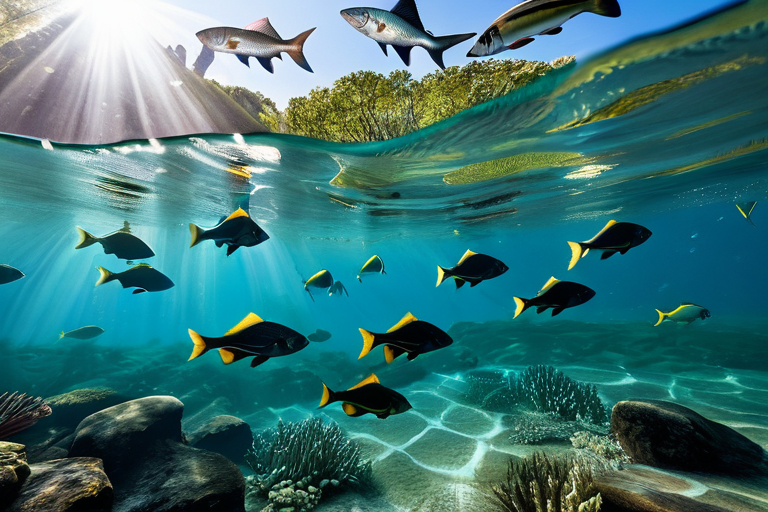
Visual representation of bass movement patterns influenced by underwater currents
Bass migration represents one of the most predictable yet complex patterns in freshwater angling. Unlike random movement, these migrations follow specific biological triggers that experienced anglers can learn to anticipate. The primary drivers include water temperature fluctuations, photoperiod changes, forage availability, and spawning instincts. Research from the American Fisheries Society indicates that bass begin their seasonal movements when water temperatures reach specific thresholds, typically between 55-65°F for spring migrations and 70-75°F for summer patterns.
Key Insight: Bass don't migrate randomly—they follow temperature corridors and structural highways that provide both security and feeding opportunities. Understanding these pathways transforms fishing from guesswork to strategic pursuit.
The migration cycle begins with post-spawn movements as bass transition from shallow spawning areas to deeper summer haunts. According to studies published in the Transactions of the American Fisheries Society, this transition typically occurs over 2-3 weeks and follows specific depth contours and structural elements. Anglers who map these transition routes consistently outperform those fishing random locations.
Seasonal variations significantly impact migration timing and routes. In northern latitudes, migrations occur more dramatically and within compressed timeframes, while southern populations exhibit more gradual movements. The United States Geological Survey has documented how climate patterns influence these migrations, with warmer winters leading to earlier spring movements and altered seasonal patterns.
Seasonal Strategies for Migration Fishing
Spring Transition Techniques
As water temperatures rise from winter lows, bass begin moving from deep wintering areas toward spawning grounds. Target secondary points, creek channel bends, and gradual sloping banks where bass stage before moving shallow. Slow-moving presentations like jigs and Carolina rigs excel during this period.
Based on research from Bassmaster Magazine's seasonal patterns analysis
Summer Depth Management
Summer migrations typically lead bass to deeper, cooler water with adequate oxygen levels. Focus on main lake points, offshore humps, and deep river channel edges. Electronics become crucial for locating suspended fish and identifying thermocline boundaries.
Techniques validated through FLW tournament data analysis
Fall Feeding Frenzy Approaches
Autumn triggers aggressive feeding migrations as bass follow baitfish movements. Concentrate on shallow flats adjacent to deep water, especially areas with current and cover. Reaction baits and fast-moving presentations capitalize on feeding aggression.
Patterns documented in In-Fisherman's seasonal strategy guides

Bass adapting to various seasonal environments throughout the year
Advanced anglers recognize that migration patterns vary not just seasonally but daily. Morning and evening movements often differ significantly, with bass frequently making shorter migrations to feeding areas during low-light periods. The Bass Resource Center has compiled extensive data showing how lunar phases influence these daily movements, with increased activity during major and minor feeding periods.
Water clarity plays a crucial role in migration behavior. In clear water systems, bass tend to migrate along more defined structural lines and make longer movements between habitats. Murky or stained water often results in shorter, more localized migrations with bass holding tighter to cover. This understanding helps anglers adjust their search patterns based on visibility conditions.
Technology and Migration Pattern Analysis
Modern technology has revolutionized our understanding of bass migration. Side-scan and live-sonar units allow anglers to track fish movements in real-time, revealing previously unknown migration corridors. Research from Major League Fishing demonstrates how professional anglers use this technology to identify migration highways—underwater routes that bass consistently use during seasonal transitions.
Pro Tip: Create migration maps for your home waters by marking waypoints where you catch bass during different seasons. Over time, patterns emerge that reveal preferred migration routes and staging areas.
Temperature monitoring has become increasingly sophisticated with wireless thermometers and satellite data integration. Anglers can now track thermal gradients across entire lake systems, predicting where temperature breaks will form and how bass will respond. The National Oceanic and Atmospheric Administration provides valuable climate data that helps predict seasonal pattern shifts.
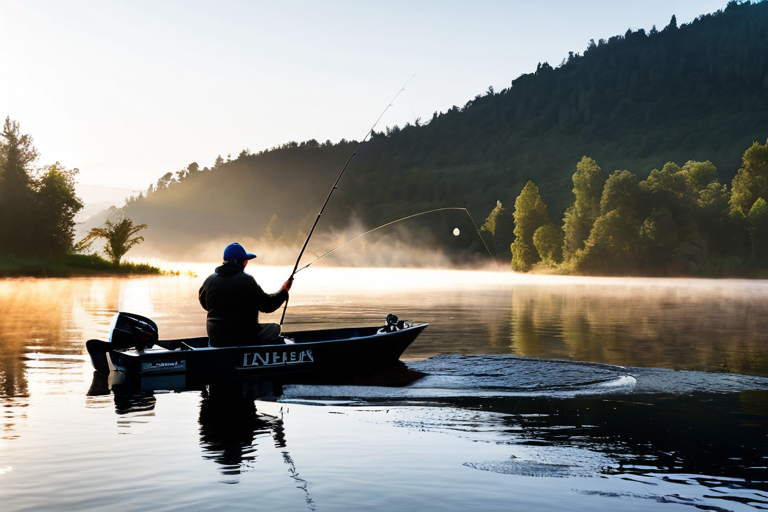
Expert angler employing strategic approaches based on migration pattern understanding
Mapping software has transformed how anglers approach migration fishing. By overlaying seasonal catch data on detailed bathymetric maps, patterns emerge that were previously invisible. Many tournament professionals maintain detailed logs that track not just where they catch fish, but when and under what conditions, creating predictive models for future migrations.
Environmental Factors Influencing Migration Patterns
Beyond temperature, numerous environmental factors influence bass migration. Current flow, whether natural or generated by dam operations, significantly impacts movement patterns. Bass often position along current seams where food delivery is consistent but energy expenditure minimized. Studies from the Tennessee Valley Authority show how controlled water releases create predictable migration corridors in reservoir systems.
Oxygen levels represent another critical factor. During summer stratification, bass migrate to depth zones where oxygen remains sufficient for metabolic needs. This often creates distinct depth bands where bass concentrate, regardless of temperature preferences. Understanding these oxygen-driven migrations separates consistent anglers from occasional catchers.
Forage movements dictate much of bass migration behavior. Shad, bluegill, and crawfish populations have their own seasonal patterns, and bass migrations often mirror these food source movements. The Pennsylvania Fish and Boat Commission has documented how alewife migrations trigger corresponding bass movements in northeastern reservoirs.
Conservation Note: Understanding migration patterns aids conservation efforts by identifying critical habitats and movement corridors that require protection. Responsible anglers use this knowledge to practice selective harvest and protect spawning populations.
Weather fronts and barometric pressure changes create short-term migration adjustments within larger seasonal patterns. Bass often make pre-frontal movements into shallower feeding areas, then retreat to deeper security zones as fronts pass. These micro-migrations within macro-patterns offer windows of opportunity for observant anglers.
Regional Variations in Migration Behavior
Migration patterns exhibit significant regional variations based on climate, water body type, and bass subspecies. Northern largemouth populations typically experience more dramatic seasonal migrations due to greater temperature extremes, while Florida-strain bass in southern waters show less pronounced movements but more habitat specialization.
Smallmouth bass migrations differ substantially from their largemouth counterparts. According to research compiled by BASS, smallmouth often make longer, more predictable migrations along distinct structural lines and show stronger current orientation. Their movements frequently correlate with specific rock transitions and depth changes.
Reservoir versus natural lake migrations present another variation. Man-made impoundments often feature more defined migration corridors along old creek channels and roadbeds, while natural lakes may have more diffuse patterns based on vegetation and bottom composition. The Minnesota Department of Natural Resources has documented these differences across various water types.
River systems introduce current as a constant migration factor. Bass in flowing water often establish smaller home ranges but make frequent positional adjustments based on flow rates and water levels. Understanding these current-driven movements requires different strategies than stillwater migration fishing.
Practical Application and Future Trends
Applying migration knowledge begins with systematic observation and record-keeping. Successful anglers maintain detailed logs that track catches relative to seasonal markers, water conditions, and location specifics. Over time, these records reveal patterns specific to individual fisheries.
Technology integration continues to advance migration understanding. Future developments may include real-time fish tracking via implanted sensors, AI-powered pattern recognition from sonar data, and predictive modeling that accounts for climate change impacts. The American Association for the Advancement of Science reports on ongoing research into how warming waters are altering traditional migration timing.
Final Thought: Migration fishing represents the intersection of biological understanding and practical application. By decoding nature's patterns and applying systematic observation, anglers transform seasonal movements from mysteries into predictable opportunities.
As our understanding of bass behavior deepens through continued research and technological advancement, migration fishing evolves from art toward science. Yet the fundamental principles remain: observe systematically, think seasonally, and adapt continuously. The bass's journey through the seasons mirrors our own progression as anglers—constantly moving, constantly learning, forever pursuing that next understanding of the underwater world.
This analysis synthesizes research from fisheries biologists, tournament data, and decades of angling experience. Continued learning through resources like the American Fishing Association and local conservation departments enhances both success and stewardship.