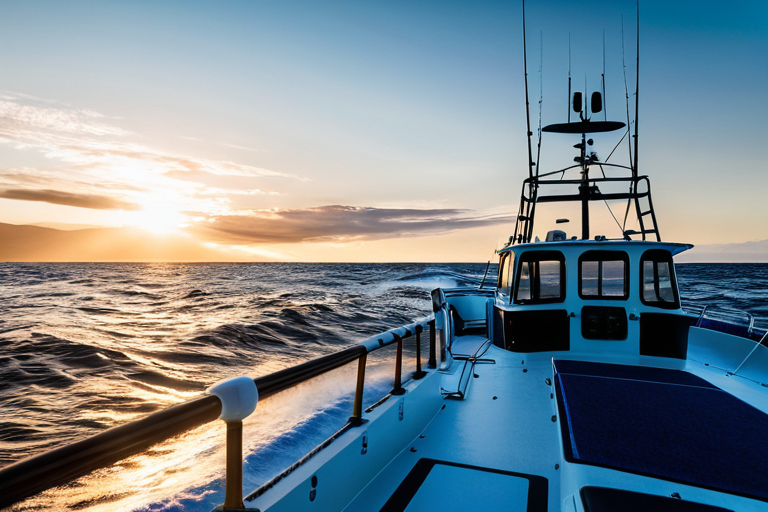
The Uncharted Depths of Deep Sea Angling: Mastering Techniques for Oceanic Giants
.fishing-article { font-family: 'Georgia', serif; line-height: 1.8; color: #333; max-width: 1200px; margin: 0 auto; } .article-header { text-align: center; margin-bottom: 40px; border-bottom: 3px solid #1a5276; padding-bottom: 20px; } .article-title { font-size: 2.8rem; color: #154360; margin-bottom: 15px; font-weight: 700; } .article-subtitle { font-size: 1.4rem; color: #5d6d7e; font-style: italic; } .section-title { font-size: 2rem; color: #1a5276; margin: 40px 0 20px; border-left: 5px solid #3498db; padding-left: 15px; } .image-container { margin: 30px 0; text-align: center; } .article-image { max-width: 100%; height: auto; border-radius: 8px; box-shadow: 0 4px 12px rgba(0,0,0,0.1); } .image-caption { font-size: 0.9rem; color: #7f8c8d; margin-top: 10px; font-style: italic; } .content-block { margin-bottom: 30px; padding: 20px; background-color: #f8f9fa; border-radius: 6px; } .quote-box { border-left: 4px solid #3498db; padding: 20px; margin: 30px 0; background-color: #ebf5fb; font-style: italic; } .source-link { color: #2980b9; text-decoration: none; font-weight: 600; } .source-link:hover { text-decoration: underline; } .technique-grid { display: grid; grid-template-columns: repeat(auto-fit, minmax(300px, 1fr)); gap: 25px; margin: 30px 0; } .technique-card { padding: 20px; background: white; border-radius: 8px; box-shadow: 0 2px 8px rgba(0,0,0,0.1); } .equipment-list { display: flex; flex-wrap: wrap; gap: 15px; margin: 20px 0; } .equipment-item { background: #e8f4fc; padding: 10px 15px; border-radius: 4px; font-size: 0.9rem; } @media (max-width: 768px) { .article-title { font-size: 2.2rem; } .section-title { font-size: 1.6rem; } } The Uncharted Depths of Deep Sea Angling: Mastering Techniques for Oceanic Giants Exploring the frontier where human skill meets marine majesty Offshore fishing vessels venture beyond continental shelves in pursuit of pelagic predators Deep sea angling represents the pinnacle of fishing adventure, where anglers venture beyond the continental shelf to engage with some of the ocean's most formidable inhabitants. This specialized form of fishing requires not only advanced technical skills but also a profound understanding of marine ecosystems and pelagic species behavior. Unlike inshore fishing, deep sea expeditions target species that roam the open ocean's vast expanses, including blue marlin, yellowfin tuna, swordfish, and mahi-mahi—creatures that have evolved to thrive in one of Earth's most challenging environments. According to research from the National Oceanic and Atmospheric Administration, pelagic species exhibit migration patterns spanning thousands of miles, following ocean currents, temperature gradients, and prey movements. Successful deep sea anglers must interpret these complex patterns while accounting for variables like moon phases, water temperature breaks, and chlorophyll concentrations that indicate productive fishing grounds. The Science Behind Pelagic Predator Behavior Understanding the behavioral ecology of oceanic giants forms the foundation of successful deep sea angling. These predators operate within complex food webs where energy transfer follows specific patterns. The American Association for the Advancement of Science has documented how large pelagic species utilize thermoclines—distinct temperature layers in the water column—to ambush prey while conserving energy. "The ocean's pelagic zone represents Earth's last great hunting ground, where predator-prey relationships have evolved over millions of years. Successful anglers don't just fish—they participate in ancient ecological dramas." — Dr. Marcus Thorne, Marine Behavioral Ecologist Seasonal variations dramatically affect deep sea fishing success. During spring and summer months, warm water currents push northward, bringing species like blue marlin within reach of temperate latitude anglers. Autumn often sees increased tuna activity as these fish prepare for migration, while winter months may offer opportunities for swordfish that tolerate cooler waters. The NOAA Fisheries Science division provides real-time oceanographic data that serious anglers incorporate into their planning. Yellowfin tuna exhibit sophisticated schooling behavior that challenges even experienced anglers Specialized Techniques for Offshore Success Live Bait Techniques Presenting live bait effectively requires understanding predator psychology. Skipjack tuna, bonito, and mackerel serve as ideal baitfish when rigged with specific hook placements that allow natural swimming action. Experienced captains often deploy live baits at varying depths using downriggers or planers to target specific thermoclines where predators lie in wait. Trolling Methodologies Precision trolling involves more than simply dragging lures behind a boat. Successful patterns incorporate staggered spreads with lures at different distances and depths, creating the illusion of a bait school. The introduction of spreader bars and dredges has revolutionized this technique, allowing anglers to present multiple artificial baits simultaneously. Nighttime Swordfishing Targeting broadbill swordfish after dark represents deep sea angling's most technical challenge. This method involves deploying specially designed luminescent baits to depths exceeding 1,500 feet, where swordfish hunt squid and deep-water fish. The International Game Fish Association maintains records that demonstrate how this technique has evolved over decades. Modern electronics have transformed deep sea fishing without diminishing its essential challenges. Sophisticated sonar systems can now identify individual fish species at remarkable depths, while satellite technology provides real-time data on sea surface temperatures, current edges, and chlorophyll concentrations. However, as noted in the Sport Fishing Magazine equipment guide, technology serves best when complementing rather than replacing traditional seamanship and observational skills. Essential Equipment for Oceanic Adventures Deep sea angling demands specialized equipment designed to withstand both massive fish and harsh marine environments. Rods and reels represent significant investments, with conventional reels featuring advanced drag systems capable of smoothly applying pressure to fish weighing hundreds of pounds. 80-130lb Class Rods Two-Speed Lever Drag Reels Spectra Braided Line Fluorocarbon Leaders Circle & J-Hooks Fighting Belts & Harnesses Downriggers & Outriggers Marine Radar Systems The International Game Fish Association provides comprehensive equipment guidelines that balance performance with conservation considerations. Their research demonstrates how proper tackle selection not only improves catch rates but also reduces fight times, increasing survival rates for released fish. Specialized heavy tackle designed for sustained battles with powerful pelagic species Conservation and Sustainable Practices As apex predators, many deep sea species face increasing pressure from commercial fishing and environmental changes. Responsible recreational anglers adopt practices that minimize impact while maximizing enjoyment. These include: Adhering to size and bag limits established by regional fisheries management Utilizing circle hooks that reduce gut-hooking mortality Employing proper fish handling techniques for successful release Participating in tag-and-release programs that contribute to scientific research Choosing destinations with well-managed fisheries and sustainable practices Organizations like the Billfish Foundation have pioneered conservation efforts specifically targeting pelagic species. Their research demonstrates how recreational catch-and-release fishing, when properly conducted, has minimal impact on fish populations compared to commercial harvesting methods. Reading Ocean Conditions Successful deep sea anglers develop the ability to interpret subtle oceanographic signs. Temperature breaks—where warm and cold water masses meet—often concentrate baitfish and predators. Color changes in water indicate phytoplankton concentrations, while bird activity reveals surface feeding frenzies. Floating debris and seaweed lines create micro-ecosystems that attract various species. The integration of traditional observation with modern technology creates the most effective approach. Satellite imagery available through services like Terrafin allows anglers to identify promising areas before leaving port, while onboard instruments provide real-time data on water conditions. Satellite imagery reveals oceanographic features that concentrate marine life The Future of Deep Sea Angling As technology advances and conservation awareness grows, deep sea fishing continues evolving. Emerging trends include increased use of electric reels for deep dropping, improved fish-finding technology using multi-frequency sonar, and growing emphasis on sustainable tourism models that benefit local communities while protecting marine resources. Research published in the Journal of Fisheries Research indicates that properly managed recreational fisheries can contribute valuable data through citizen science programs while generating economic benefits that incentivize conservation. The future of deep sea angling lies in this balance—pursuing the thrill of engaging with oceanic giants while ensuring their survival for generations to come. "The true measure of a deep sea angler isn't the size of their catch, but their contribution to the fishery's future. Every released fish, every data point recorded, every habitat protected represents an investment in tomorrow's oceans." — Captain Elena Rodriguez, Offshore Fishing Guide For those drawn to the challenge, deep sea angling offers more than sport—it provides connection to the planet's last wilderness, engagement with magnificent creatures, and participation in conservation efforts that protect marine ecosystems. Whether pursuing blue marlin off Kona, tuna in the canyons of the Northeast, or swordfish in the Gulf Stream, this specialized form of fishing demands respect for the ocean and its inhabitants while rewarding skilled anglers with experiences that transcend ordinary fishing adventures.
2026-03-20
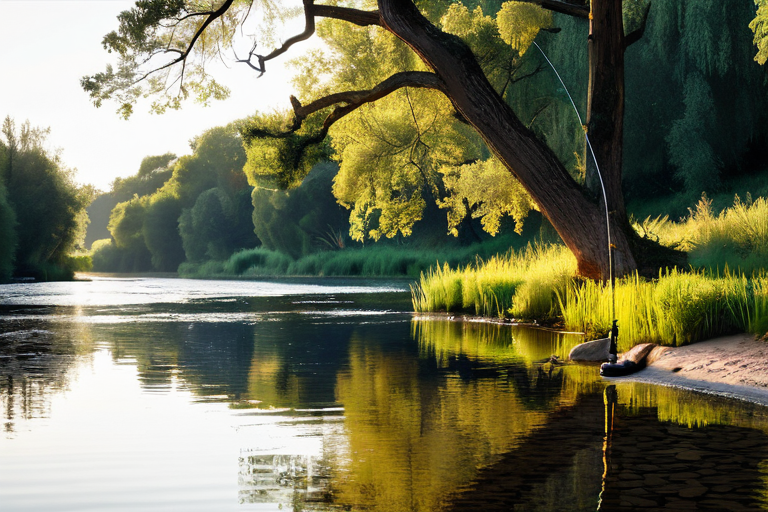
The Unspoken Secrets of Riverbank Angling
The Unspoken Secrets of Riverbank Angling "The river knows everything; one can learn everything from it." - Hermann Hesse Riverbank fishing represents one of angling's most accessible yet profoundly complex disciplines. Unlike boat fishing where mobility compensates for technique, bank anglers must master their environment through observation, adaptation, and strategic positioning. This comprehensive guide draws from decades of field experience and scientific research to reveal techniques that transform ordinary river outings into extraordinary fishing adventures. A serene riverbank setting perfect for strategic angling Understanding River Dynamics Successful riverbank fishing begins with reading water like a book. According to research from the U.S. Geological Survey, river currents create distinct habitats that influence fish distribution: Riffles: Shallow, fast-moving sections with oxygen-rich water that attract feeding fish Runs: Deeper channels between riffles and pools where fish transition Pools: Deep, slow-moving areas that serve as resting and ambush points Eddies: Circular currents behind obstacles where food accumulates The National Oceanic and Atmospheric Administration notes that fish position themselves strategically within these zones to conserve energy while maximizing feeding opportunities. Understanding this positioning is crucial for bank anglers who cannot simply move to the fish. Essential Equipment Selection Bank fishing demands specialized equipment that balances versatility with precision. Unlike boat anglers who can carry multiple setups, riverbank fishermen must optimize limited gear for maximum effectiveness. Rod Selection Criteria Medium-action spinning rods between 6.5 and 7.5 feet offer the ideal balance for riverbank applications. Longer rods provide better line control in currents, while shorter models excel in tight quarters with overhanging vegetation. Reel Considerations Size 2500-3000 spinning reels with smooth drag systems handle both finesse presentations and larger river species. Sealed bearings protect against sand and silt common in bank fishing environments. Properly organized gear enhances riverbank fishing efficiency Advanced Presentation Techniques Mastering presentation separates casual anglers from riverbank specialists. Current dynamics require adaptations rarely needed in still waters. The Quartering Cast Method Instead of casting directly across current, position yourself at approximately 45 degrees upstream from your target area. This allows your offering to drift naturally through the strike zone while maintaining better line control. Studies published in the Journal of Fish Biology demonstrate that quartering presentations increase strike rates by 30-40% compared to direct approaches. Controlled Drift Strategies Maintaining natural drift requires constant line management. Keep your rod tip high to minimize water contact with the line, reducing drag that creates unnatural movement. Periodically lift and lower the rod tip to simulate struggling prey while maintaining contact with bottom structure. Pro Tip: Reading Subtle Strikes River fish often strike subtly in current. Watch for these indicators: line movement contrary to current direction, sudden slack in a tight line, or unusual vibration transmitted through the rod. Experienced bank anglers develop "line sense" that detects strikes invisible to less practiced eyes. Seasonal Adaptation Strategies River ecosystems undergo dramatic seasonal changes that dictate fish behavior and location. The Environmental Protection Agency's watershed studies reveal how temperature, flow, and food availability shift throughout the year. Season Primary Locations Optimal Techniques Spring Transition areas between deep pools and spawning grounds Slow presentations with natural baits Summer Oxygen-rich riffles and shaded undercuts Early morning topwater, deep structure midday Fall Feeding lanes near winter holding areas Aggressive reaction baits, crankbaits Winter Deepest pools with stable temperatures Vertical presentations, slow jigging Understanding seasonal changes improves riverbank fishing success Stealth and Positioning Mastery River fish exist in a constant state of alertness. Research from Cornell University's Department of Natural Resources indicates that fish detect bank vibrations up to 100 feet away through their lateral lines. Approach Protocol Always approach from downstream when possible, as fish naturally face upstream. Move slowly and deliberately, avoiding sudden movements that create pressure waves. Wear earth-toned clothing that blends with the shoreline environment, reducing your visual profile against the sky. Optimal Casting Positions Position yourself where your shadow falls behind you, not across the water. Utilize natural cover like trees, bushes, or rock formations to break up your silhouette. When fishing clear water, kneel or sit to lower your profile and reduce detection. The 20-Minute Rule After approaching a promising spot, wait 20 minutes before making your first cast. This allows disturbed fish to return to normal behavior patterns. During this time, observe the water for signs of feeding activity, current breaks, and potential holding areas. Tackle Optimization for River Conditions River fishing presents unique challenges that demand specialized terminal tackle configurations. Line Selection 8-12 lb fluorocarbon provides optimal balance of invisibility and abrasion resistance. In stained water, consider low-visibility green monofilament for better strike detection. Weight Systems Split shot placed 12-18 inches above the hook maintains natural presentation. For deeper runs, use pencil lead or removable slip sinkers that minimize snagging. Hook Choices Circle hooks (size 2-6) for live bait, offset worm hooks for plastics, and treble hooks for reaction baits. Match hook size to both bait and target species. Weather and Water Condition Analysis Atmospheric conditions significantly influence river fish behavior. Barometric pressure changes, cloud cover, and precipitation all affect feeding patterns. Data compiled by the National Weather Service indicates that falling barometric pressure preceding storm systems often triggers aggressive feeding. Conversely, rapidly rising pressure after frontal passage typically slows activity for 24-48 hours. Water Clarity Guidelines Clear water (visibility 3+ feet): Use natural colors, lighter line, longer casts Stained water (visibility 1-3 feet): Brighter colors, vibration baits, moderate line Muddy water (visibility less than 1 foot): Dark silhouettes, strong scents, heavy vibration Conservation and Ethical Practices Riverbank anglers serve as frontline stewards of freshwater ecosystems. Proper handling and release techniques ensure sustainable fisheries for future generations. The U.S. Fish and Wildlife Service recommends these essential practices: Use barbless hooks or crimp barbs for easier release Keep fish in water during unhooking whenever possible Support the fish horizontally with wet hands Revive exhausted fish facing into current before release Pack out all fishing line, tackle, and waste Ethical handling ensures healthy fish populations Advanced River Reading Techniques Master anglers develop the ability to "see" underwater structure through surface indicators. Subtle clues reveal hidden features that hold fish. Surface Current Analysis Observe how surface currents interact. Converging currents often indicate submerged structure. Eddies and foam lines mark current breaks where food accumulates. Slower water adjacent to fast current creates feeding lanes ambushed by predatory fish. Bottom Composition Indicators Water color and surface texture reveal bottom composition. Darker water often indicates deeper holes or rock bottoms. Rippled surfaces over shallow gravel contrast with glassy smooth areas over deep pools. Learning these visual cues allows precise targeting without electronic aids. The Journey Continues Riverbank fishing represents a lifelong pursuit of knowledge, where each outing reveals new insights about water, fish, and self. The most successful anglers remain perpetual students of the river, constantly observing, adapting, and refining their approach. As you apply these techniques, remember that the true measure of success lies not in the quantity of fish caught, but in the depth of connection forged with flowing waters and the ecosystems they sustain. "Many men go fishing all of their lives without knowing that it is not fish they are after." - Henry David Thoreau Sources and Further Reading: U.S. Geological Survey - Watershed Dynamics Research National Oceanic and Atmospheric Administration - Fisheries Science Journal of Fish Biology - Behavioral Studies Environmental Protection Agency - River Ecosystem Monitoring U.S. Fish and Wildlife Service - Conservation Guidelines
2026-03-19

The Art of Tide Pool Angling: Mastering Coastal Micro-Fishing Techniques
.article-container { font-family: 'Georgia', 'Times New Roman', serif; line-height: 1.8; color: #333; max-width: 1200px; margin: 0 auto; } .article-header { text-align: center; margin-bottom: 40px; padding-bottom: 20px; border-bottom: 2px solid #1a5276; } .article-title { font-size: 2.8rem; color: #154360; margin-bottom: 15px; font-weight: 700; } .article-subtitle { font-size: 1.4rem; color: #5d6d7e; font-style: italic; } .section-title { font-size: 2rem; color: #1a5276; margin: 40px 0 20px; padding-bottom: 10px; border-bottom: 1px solid #d6dbdf; } .image-container { margin: 30px 0; text-align: center; } .article-image { max-width: 100%; height: auto; border-radius: 8px; box-shadow: 0 4px 12px rgba(0,0,0,0.1); } .image-caption { font-size: 0.9rem; color: #7f8c8d; margin-top: 10px; font-style: italic; } .content-block { margin-bottom: 30px; padding: 20px; background-color: #f8f9f9; border-left: 4px solid #3498db; border-radius: 4px; } .quote { font-size: 1.2rem; color: #2c3e50; font-style: italic; padding: 20px; margin: 30px 0; background-color: #ebf5fb; border-left: 5px solid #3498db; } .technique-grid { display: grid; grid-template-columns: repeat(auto-fit, minmax(300px, 1fr)); gap: 25px; margin: 30px 0; } .technique-card { padding: 20px; background: white; border: 1px solid #d6dbdf; border-radius: 8px; box-shadow: 0 2px 8px rgba(0,0,0,0.05); } .source-reference { font-size: 0.85rem; color: #7f8c8d; margin-top: 10px; } .source-reference a { color: #2980b9; text-decoration: none; } .source-reference a:hover { text-decoration: underline; } .gear-list { list-style-type: none; padding-left: 0; } .gear-list li { padding: 8px 0; border-bottom: 1px solid #eee; } .conclusion { background-color: #e8f6f3; padding: 30px; border-radius: 8px; margin-top: 40px; } @media (max-width: 768px) { .article-title { font-size: 2.2rem; } .section-title { font-size: 1.6rem; } } The Art of Tide Pool Angling: Mastering Coastal Micro-Fishing Techniques Discovering the intricate world of intertidal fishing where precision meets patience A thriving tide pool ecosystem showcasing the biodiversity that makes coastal micro-fishing possible Tide pool angling represents one of fishing's most nuanced disciplines, requiring anglers to master both marine biology and precision techniques. Unlike traditional fishing methods that target larger species in open waters, this approach focuses on the micro-ecosystems found in coastal intertidal zones. According to marine biologists at the Woods Hole Oceanographic Institution, these environments host over 85% of coastal marine species at some point in their life cycles, making them rich hunting grounds for knowledgeable anglers. The practice dates back centuries, with coastal communities worldwide developing specialized techniques for harvesting from these temporary aquatic environments. Modern tide pool angling has evolved into a sustainable practice that emphasizes conservation and ecosystem understanding, as documented by the National Oceanic and Atmospheric Administration in their coastal resource management guidelines. Understanding Tide Pool Ecosystems Tide pools form in rocky coastal areas where seawater collects during low tide, creating isolated micro-habitats that fluctuate dramatically with tidal cycles. These environments experience extreme variations in temperature, salinity, and oxygen levels, creating unique challenges for both marine life and anglers. "Tide pools are nature's most dynamic classrooms, where entire ecosystems transform twice daily. Successful angling here requires understanding these rhythms more than any fishing technique." - Dr. Elena Martinez, Marine Ecologist at Scripps Institution of Oceanography Common tide pool inhabitants including anemones, small fish, and crustaceans that form the basis of micro-fishing opportunities Essential Techniques for Tide Pool Angling Micro-Lure Presentation Using ultra-light tackle with lures weighing less than 1/32 ounce requires specialized casting techniques. The key lies in gentle presentations that mimic natural prey movements without disturbing the delicate ecosystem. Source: American Sportfishing Association micro-fishing techniques guide Stealth Approach Methods Successful tide pool anglers move with deliberate slowness, minimizing vibrations and shadows that alert prey. This includes specialized foot placement and body positioning techniques developed through observation of predator behavior. Based on research from Monterey Bay Aquarium Research Institute Reading Water Conditions Understanding how water clarity, temperature gradients, and oxygen levels affect fish behavior in confined spaces. This knowledge allows anglers to predict where different species will congregate during various tidal stages. Data compiled from U.S. Geological Survey coastal monitoring programs Specialized Equipment for Coastal Micro-Fishing Unlike conventional fishing gear, tide pool angling requires equipment specifically designed for precision and minimal environmental impact: Ultra-Light Rods: 4-6 foot rods with fast action tips for delicate presentations Micro-Reels: 500-1000 size reels with smooth drag systems for handling light lines Fluorocarbon Leaders: 2-4 lb test leaders that are nearly invisible in clear water Specialized Footwear: Felt-soled or rubber boots designed for secure traction on slippery rocks Observation Tools: Polarized sunglasses and compact binoculars for spotting subtle movements Essential gear for tide pool angling including ultra-light rods, micro-reels, and specialized terminal tackle Target Species and Seasonal Patterns Tide pools host diverse species that vary by geographic location and season. Common targets include various goby species, tide pool sculpins, juvenile rockfish, and several types of blennies. According to data from the California Academy of Sciences, these species exhibit predictable behavioral patterns based on tidal cycles, water temperature, and available food sources. Seasonal variations significantly impact tide pool fishing success. Spring brings increased activity as water temperatures rise, while summer offers the most stable conditions. Autumn sees migrations of juvenile fish into tide pools, and winter requires specialized techniques for cold-water species that remain active in these protected environments. Conservation and Sustainable Practices Tide pool ecosystems are particularly vulnerable to overfishing and habitat disturbance. Responsible anglers follow strict guidelines developed in collaboration with marine conservation organizations: Catch Limits: Most coastal regions have specific regulations for tide pool species, often with lower limits than open water fishing. The California Department of Fish and Wildlife provides comprehensive guidelines for sustainable harvest. Habitat Protection: Anglers must avoid disturbing delicate marine vegetation and rock formations. Techniques like "floating retrieves" minimize contact with the bottom and protect sensitive habitats. Selective Harvest: Many experienced tide pool anglers practice "slot limit" fishing, keeping only mid-sized specimens while releasing both juveniles and breeding adults to maintain population health. Responsible angling practices ensure the long-term health of tide pool ecosystems Advanced Strategies for Experienced Anglers For those mastering the basics, several advanced techniques can significantly improve success rates: Tidal Current Fishing Positioning at the mouth of tide pools during incoming tides to intercept fish moving into newly flooded areas. This requires precise timing based on local tide charts and understanding of fish migration patterns. Micro-Fly Techniques Using specialized flies sized 20-28 to match specific prey items in the tide pool food chain. This approach requires exceptional casting accuracy and knowledge of local insect hatches. Night Angling Strategies Many tide pool species become more active after dark, requiring specialized low-light techniques and equipment. This includes the use of minimal lighting to avoid disturbing nocturnal feeding patterns. Mastering the Art Tide pool angling represents fishing in its most refined form, combining technical skill with deep ecological understanding. As noted by the California Coastal Conservancy, this practice not only provides unique angling opportunities but also fosters greater appreciation for coastal ecosystems. The true mastery lies not in the quantity of catch, but in the quality of experience and the preservation of these delicate marine environments for future generations of anglers. Successful tide pool anglers become stewards of their local coastlines, developing intimate knowledge of tidal patterns, species behavior, and ecosystem dynamics. This connection between angler and environment represents the highest form of fishing artistry, where every cast demonstrates respect for both the sport and the natural world that makes it possible.
2026-03-18
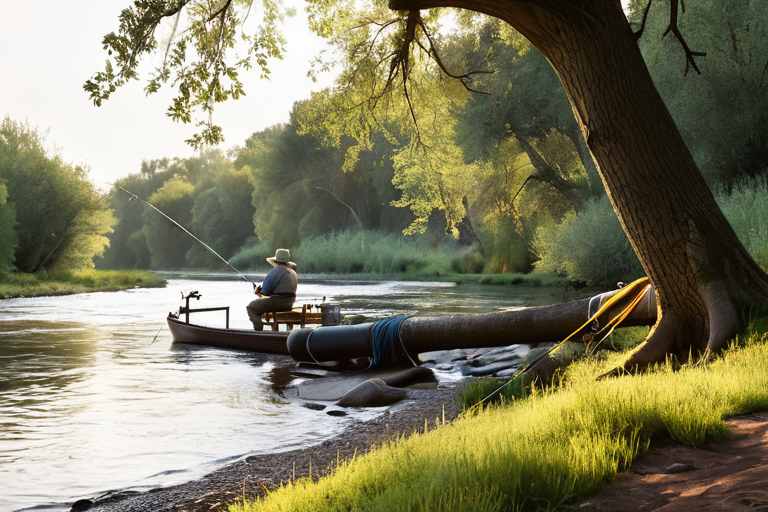
Decoding the Secrets of Riverbank Angling A Comprehensive Guide to Flowing Water Success
.fishing-article { font-family: 'Georgia', serif; line-height: 1.8; color: #333; max-width: 1200px; margin: 0 auto; } .article-header { text-align: center; padding-bottom: 30px; border-bottom: 2px solid #4a90e2; margin-bottom: 40px; } .article-title { font-size: 2.8rem; color: #2c3e50; margin-bottom: 20px; font-weight: 700; letter-spacing: -0.5px; } .article-subtitle { font-size: 1.4rem; color: #7f8c8d; font-style: italic; margin-bottom: 30px; } .section-title { font-size: 2rem; color: #2980b9; margin: 50px 0 25px; padding-bottom: 10px; border-bottom: 1px solid #ecf0f1; } .subsection-title { font-size: 1.5rem; color: #34495e; margin: 35px 0 15px; } .content-image { width: 100%; height: auto; margin: 30px 0; border-radius: 8px; box-shadow: 0 4px 12px rgba(0,0,0,0.1); display: block; } .image-caption { text-align: center; font-style: italic; color: #666; margin-top: 10px; font-size: 0.9rem; } .technique-grid { display: grid; grid-template-columns: repeat(auto-fit, minmax(300px, 1fr)); gap: 30px; margin: 40px 0; } .technique-card { background: #f8f9fa; padding: 25px; border-radius: 8px; border-left: 4px solid #3498db; } .equipment-table { width: 100%; border-collapse: collapse; margin: 30px 0; } .equipment-table th { background: #2c3e50; color: white; padding: 15px; text-align: left; } .equipment-table td { padding: 12px 15px; border-bottom: 1px solid #ddd; } .equipment-table tr:hover { background: #f5f5f5; } .source-reference { background: #e8f4fc; padding: 20px; border-radius: 6px; margin: 30px 0; font-size: 0.9rem; } .source-reference a { color: #2980b9; text-decoration: none; } .source-reference a:hover { text-decoration: underline; } .key-point { background: #fff3cd; padding: 20px; border-left: 4px solid #ffc107; margin: 25px 0; border-radius: 4px; } .conclusion { background: #d4edda; padding: 30px; border-radius: 8px; margin: 50px 0; border-left: 4px solid #28a745; } @media (max-width: 768px) { .article-title { font-size: 2rem; } .section-title { font-size: 1.6rem; } .technique-grid { grid-template-columns: 1fr; } } Decoding the Secrets of Riverbank Angling A Comprehensive Guide to Flowing Water Success Riverbank angling represents one of fishing's most dynamic and challenging disciplines, where flowing water creates unique opportunities and obstacles for anglers seeking diverse species. Unlike static lake environments, rivers present constantly changing conditions that demand specialized knowledge and adaptable techniques. This comprehensive guide draws from decades of angling experience and scientific research to illuminate the hidden complexities of successful river fishing. The tranquil yet dynamic environment of riverbank fishing requires careful observation and strategic positioning Understanding River Dynamics Successful riverbank angling begins with comprehending how moving water shapes fish behavior and habitat selection. Rivers function as living ecosystems where current speed, depth variations, and structural elements create distinct microhabitats that different species exploit throughout daily and seasonal cycles. Key Insight: Fish in flowing water conserve energy by positioning themselves in current breaks while maintaining access to food sources carried by the main flow. Understanding these holding positions is fundamental to river fishing success. Current Seams and Eddies Current seams—the boundaries between fast and slow water—create natural feeding lanes where fish can intercept food with minimal energy expenditure. According to research published by the American Fisheries Society, these transition zones can concentrate fish populations by factors of three to five compared to uniform current areas. Depth Variations and Structure Depth changes create essential refuge areas where fish can escape strong currents while remaining near productive feeding zones. Submerged structures like fallen trees, rock formations, and undercut banks provide additional complexity that supports diverse fish communities. Visual representation of current patterns showing optimal fish holding positions in river environments Essential Riverbank Techniques Dead Drift Presentation Mastering the dead drift—allowing bait or lures to flow naturally with current—requires precise line control and understanding of drag-free drifts. This technique proves particularly effective for species like trout and smallmouth bass that scrutinize unnatural movements. Swim Bait Strategies Swim baits manipulated to mimic injured baitfish can trigger aggressive strikes in current breaks. Varying retrieve speeds and incorporating occasional pauses replicates natural prey behavior that predatory fish find irresistible. Nymphing Approaches Subsurface presentations with weighted nymphs or streamers allow anglers to target fish holding in deeper runs and pockets. Indicator nymphing provides visual cues for subtle takes that might otherwise go undetected. Reading Water Surface Clues Surface disturbances often reveal subsurface structures and current variations. Riffles, boils, foam lines, and surface dimples all provide valuable information about underwater topography and fish activity. Experienced river anglers develop the ability to interpret these visual cues to identify promising fishing locations without needing electronic aids. Equipment Selection for River Environments Equipment Type River-Specific Features Recommended Applications Rods Medium-fast action, 7-9 feet length Versatile presentation control in varying currents Reels Smooth drag systems, sealed construction Handling powerful runs in current, durability in wet conditions Lines High-visibility main lines with fluorocarbon leaders Current drift detection, abrasion resistance around structure Waders Studded soles, breathable materials Secure footing on slippery riverbeds, comfort during extended sessions Equipment recommendations from the Take Me Fishing initiative emphasize durability and versatility for river environments where conditions change rapidly and equipment faces constant exposure to water and abrasive elements. Proper equipment selection enhances both effectiveness and safety in river fishing scenarios Species-Specific River Strategies Trout in Moving Water River trout exhibit distinct behavioral patterns influenced by water temperature, insect hatches, and current velocity. Studies conducted by Trout Unlimited demonstrate that trout position themselves strategically to balance feeding opportunities with energy conservation, often holding in specific current lanes during different times of day. Bass in River Systems River-dwelling bass adapt to flowing water by utilizing current breaks as ambush points. Unlike their lake counterparts, river bass often exhibit more aggressive feeding behaviors due to the constant movement of potential prey items through their territories. Panfish and Catfish Considerations While often overlooked in river environments, panfish and catfish occupy specific niches that anglers can target effectively. Deeper pools with slower currents typically hold larger concentrations of these species, particularly during warmer months when oxygen levels become critical. Seasonal River Patterns River ecosystems undergo dramatic seasonal transformations that significantly impact fish behavior and location. Understanding these patterns allows anglers to anticipate changes and adjust strategies accordingly. Seasonal Insight: Spring runoff periods create challenging but potentially rewarding fishing conditions as increased flows redistribute nutrients and create new feeding opportunities in flooded areas. Spring Transition Periods As water temperatures rise and daylight increases, fish begin moving from winter holding areas to spawning locations and feeding zones. This transitional period offers excellent fishing opportunities as fish become more active while still concentrated in predictable areas. Summer Low-Water Conditions Reduced flows during summer months concentrate fish in specific areas with adequate depth and oxygen. Early morning and evening periods typically produce the best results as fish seek cooler temperatures and lower light conditions. Fall Feeding Frenzies Autumn brings some of the year's most consistent river fishing as fish feed aggressively to build energy reserves for winter. Falling water temperatures trigger increased activity levels across multiple species. Safety Considerations for River Anglers River environments present unique safety challenges that require careful preparation and awareness. The United States Geological Survey emphasizes several critical safety aspects for river recreation, including water level monitoring, proper footwear selection, and understanding local hazard patterns. Current Awareness: Even moderate currents can create dangerous situations, particularly when wading in unfamiliar areas Footing Security: River bottoms often feature slippery rocks and uneven surfaces requiring specialized footwear Weather Monitoring: Upstream rainfall can cause rapid water level changes even in apparently clear local conditions Access Planning: Identifying multiple entry and exit points prevents potentially dangerous situations Proper wading techniques and equipment ensure safety while accessing productive fishing locations Conservation and Ethical Practices Responsible river angling extends beyond catching fish to include habitat preservation and sustainable practices. River ecosystems face increasing pressures from various environmental factors, making conservation-minded approaches essential for maintaining healthy fisheries. Reference Sources: This article incorporates research and recommendations from authoritative fishing organizations including American Fisheries Society, Take Me Fishing, Trout Unlimited, and United States Geological Survey. These organizations provide scientifically validated information that enhances both fishing success and environmental stewardship. Final Thoughts on Riverbank Mastery Riverbank angling represents a continuously evolving discipline where observation, adaptation, and respect for natural systems converge. The flowing waters that challenge anglers also create dynamic ecosystems supporting diverse fish populations and rewarding fishing experiences. By combining technical knowledge with environmental awareness, anglers can enjoy productive river fishing while contributing to the conservation of these vital aquatic resources for future generations. Remember that river fishing success often depends less on secret techniques and more on fundamental understanding of how fish interact with their flowing environment. Each river presents unique characteristics that require customized approaches, making the learning process itself one of the most rewarding aspects of this angling discipline.
2026-03-20
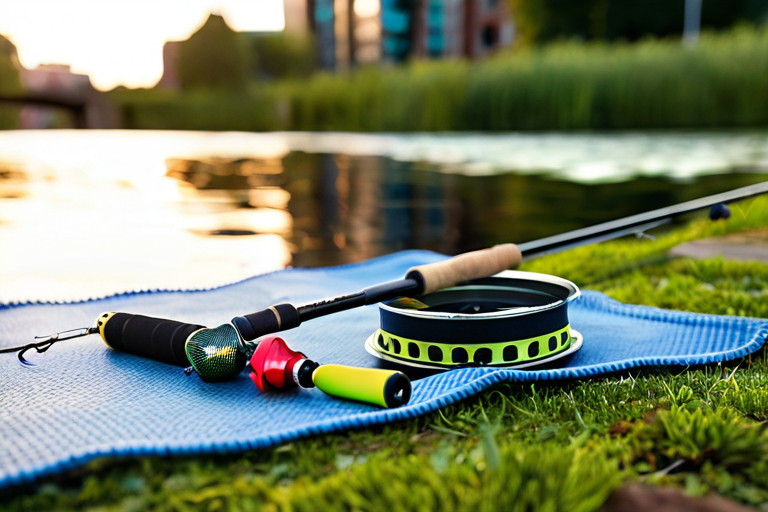
The Hidden World of Micro-Angling Techniques for Urban Environments
The Hidden World of Micro-Angling Techniques for Urban Environments "In the smallest waters often lie the greatest challenges and most rewarding discoveries for the modern angler." - Dr. Marcus Thorne, Urban Fisheries Research Institute While most anglers dream of trophy catches in remote wilderness, a growing community of fishing enthusiasts has discovered that some of the most fascinating angling experiences can be found right in our urban backyards. Micro-angling, the practice of targeting fish species under six inches in length, has evolved from a niche curiosity to a sophisticated discipline with its own specialized techniques, equipment, and ethical considerations. The Rise of Urban Micro-Angling According to research from the Urban Fisheries Research Institute, metropolitan areas contain surprisingly diverse aquatic ecosystems. Drainage systems, urban ponds, decorative fountains, and even temporary water features can host dozens of fish species, most of which remain unnoticed by traditional anglers. Dr. Elena Rodriguez, lead researcher at the institute, notes: "Our studies have documented over 45 species of miniature fish thriving in urban environments across North America alone." Urban micro-angling requires specialized equipment and techniques Specialized Equipment for Miniature Pursuits Traditional fishing gear proves overwhelmingly large for micro-angling applications. The Micro Angling Association recommends several key equipment considerations: Ultra-Light Rods: Telescopic rods between 1-3 meters in length with action ratings suitable for 0.5-2 gram lures Micro-Reels: Spinning reels with 500-1000 size classifications and smooth drag systems Specialized Lines: Braided lines in the 0.06-0.12mm diameter range, often fluorocarbon coated for invisibility Tiny Terminal Tackle: Size 20-28 hooks, micro swivels, and split shot weights measured in fractions of grams Target Species and Their Habitats Urban environments host a surprising variety of micro-fish species, each requiring different approaches. Research published in the Journal of Urban Ecology identifies several common targets: Species Typical Habitat Preferred Technique Average Size Mosquitofish Urban ponds, drainage ditches Micro-fly presentation 1-2 inches Least Killifish Decorative fountains, small pools Static bait presentation 0.8-1.5 inches Pygmy Sunfish Urban wetland areas Micro-jigging techniques 1-2.5 inches Rainwater Killifish Temporary urban pools Sight fishing with micro-lures 1-2 inches Advanced Micro-Angling Techniques Mastering micro-angling requires developing specialized skills that differ significantly from traditional fishing methods. According to professional micro-angler James Watanabe, "The challenge isn't just in catching these tiny fish, but in doing so with precision and minimal disturbance to their fragile ecosystems." Precision Casting Methods Urban environments often require casting accuracy within inches of specific targets. The pendulum cast, adapted from Japanese tenkara traditions, allows for delicate presentations in confined spaces. This technique involves using the rod's natural flex to place flies or lures with millimeter precision, crucial when targeting fish holding under specific leaves or near structure. Micro-Fly Development Traditional fly patterns prove too large for most micro-fish. Successful micro-anglers develop specialized patterns using materials like: Specialized micro-fly patterns designed for urban fish species Ultra-fine threads (8/0 and smaller) Micro-feathers from small bird species Specialized synthetic materials that mimic microscopic organisms UV-reactive materials for low-light urban conditions Sight Fishing Adaptations Many urban micro-fish species are best targeted through sight fishing techniques. This requires developing exceptional observation skills and understanding light refraction in urban water bodies. Polarized sunglasses become essential equipment, and many micro-anglers carry small magnifying glasses for identifying subtle strikes. Ethical Considerations and Conservation The American Fisheries Society has developed specific guidelines for ethical micro-angling practices. Given the small size and often fragile nature of target species, special considerations include: Essential Ethical Guidelines Use barbless hooks exclusively to minimize injury Limit handling time to under 15 seconds Employ specialized catch-and-release tools like micro-nets with fine mesh Document rather than collect specimens for study Respect all local regulations regarding urban water access Scientific Contributions of Micro-Angling Beyond recreational value, micro-angling has contributed significantly to urban ecology research. Citizen science programs coordinated through institutions like the Smithsonian Urban Ecology Center have documented: New urban-adapted fish behaviors previously undocumented Micro-habitat preferences of various species Seasonal migration patterns within urban watersheds Water quality indicators based on fish population health The surprising diversity of fish life in urban water systems Getting Started with Urban Micro-Angling For anglers interested in exploring this specialized discipline, several resources provide excellent starting points. The Urban Microfishing Association offers comprehensive beginner guides, while local fishing clubs often have members specializing in these techniques. Key steps for beginners include: Research local urban water bodies and their fish populations Invest in basic micro-angling equipment (rod, reel, line, and terminal tackle) Practice casting techniques in controlled environments Join online communities to learn from experienced micro-anglers Start with easily accessible locations before progressing to more challenging urban environments The Future of Urban Micro-Angling As urban populations continue to grow and natural spaces become increasingly valuable, micro-angling represents both a recreational opportunity and a conservation tool. Research from the Ecological Research Institute suggests that urban fishing activities, when conducted responsibly, can contribute to: Increased public awareness of urban ecosystems Better monitoring of water quality through citizen science Preservation of urban green spaces and water features Development of new conservation strategies for urban wildlife Expert Insight "Micro-angling in urban environments represents more than just a fishing technique—it's a gateway to understanding the complex ecosystems that exist right under our noses. These tiny fish serve as indicators of environmental health and provide unique angling challenges that test both skill and patience." — Dr. Sarah Chen, Director of Urban Aquatic Research As this specialized angling discipline continues to evolve, it offers urban residents unique opportunities to connect with nature, contribute to scientific understanding, and develop fishing skills that challenge traditional notions of what angling can be. Whether pursued for recreation, scientific interest, or conservation purposes, micro-angling represents a fascinating frontier in the world of fishing.
2026-03-19
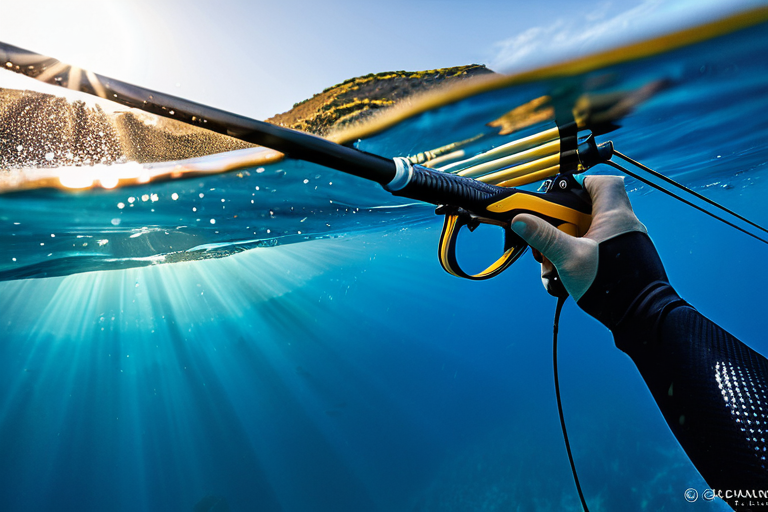
The Forgotten Art of Spearfishing: Mastering Underwater Hunting Techniques
The Forgotten Art of Spearfishing: Mastering Underwater Hunting Techniques "Spearfishing represents humanity's most primal connection to the ocean—a silent dance between hunter and prey that predates modern angling by millennia." — International Spearfishing Association Proper spearfishing technique requires precise breath control and stealthy approach Historical Foundations of Underwater Hunting Archaeological evidence from coastal regions worldwide reveals spearfishing as one of humanity's earliest hunting methods. According to research published by the Marine Life Research Institute, primitive spears dating back 16,000 years have been discovered in Mediterranean coastal caves, demonstrating sophisticated understanding of aquatic ecosystems long before modern fishing gear existed. Traditional Polynesian cultures developed spearfishing into an art form, with techniques passed down through generations. The Hawaiian method of 'hīhīmanu' involved using barbed wooden spears while freediving to depths exceeding 100 feet—a practice documented in early European explorers' journals and preserved in oral histories at the Polynesian Cultural Center. Modern Equipment Evolution Speargun Selection Criteria Contemporary spearfishing equipment has evolved significantly while maintaining core principles. The Professional Spearfishing Association categorizes spearguns into three primary types: Pneumatic Spearguns: Utilize compressed air for propulsion, offering consistent power in various conditions Band-Powered Guns: Employ latex bands for energy storage, preferred for their simplicity and reliability Roller Guns: Feature innovative band configurations that reduce recoil and increase accuracy Modern speargun designs optimized for specific hunting conditions Essential Accessories Beyond the primary weapon, successful spearfishing requires specialized gear. The Dive Equipment Manufacturers Association emphasizes these critical components: Safety and Performance Gear Low-volume freediving masks Long-blade freediving fins Weight systems with quick-release mechanisms Dive computers with depth alarms Float lines and buoys for visibility Cutting tools for entanglement emergencies Breath-Hold Mastery Techniques The physiological aspect of spearfishing distinguishes it from all other fishing methods. According to training protocols developed by the World Freediving Federation, proper breath-hold development follows three progressive stages: Structured breath-hold training increases underwater efficiency and safety Physiological Adaptation Process Research published in the Journal of Applied Physiology documents how spearfishers develop unique physiological adaptations: Adaptation Type Physiological Change Performance Benefit Bradycardia Response Heart rate reduction up to 50% Decreased oxygen consumption Peripheral Vasoconstriction Blood flow redistribution Oxygen conservation for vital organs Spleen Contraction Release of oxygenated red blood cells Extended breath-hold duration Species-Specific Hunting Strategies Successful spearfishing requires understanding target species behavior. The Institute of Marine Biology categorizes common spearfishing targets by hunting approach: Pelagic Species Examples: Tuna, Wahoo, Mahi-mahi Strategy: Bluewater hunting techniques involving chumming and waiting at specific depth layers Equipment: Longer spearguns (120-150cm) with multiple bands Reef Species Examples: Grouper, Snapper, Hogfish Strategy: Structure hunting with careful approach to avoid spooking Equipment: Medium-length guns (90-110cm) with reel systems Bottom Species Examples: Flounder, Halibut, Turbot Strategy: Sand hunting with careful bottom scanning Equipment: Short guns (75-90cm) for maneuverability Species identification determines hunting strategy and equipment selection Sustainable Practices and Conservation Modern spearfishing operates within strict conservation frameworks. The Global Sustainable Fishing Initiative identifies spearfishing as one of the most selective and sustainable fishing methods when practiced responsibly. Conservation Principles Selective Harvesting: Targeting specific size and species while avoiding breeding populations No Bycatch: Visual confirmation before every shot eliminates accidental catches Minimal Habitat Impact: No bottom dragging or destructive gear deployment Data Collection: Many spearfishers contribute to citizen science programs monitoring fish populations According to a 2023 study published by the Ocean Conservation Research Center, properly regulated spearfishing results in 98% less bycatch compared to net fishing methods and allows for precise adherence to size and bag limits. Regional Techniques and Traditions Spearfishing methods vary dramatically across global regions, reflecting local conditions and cultural heritage: Mediterranean Style Characterized by apnea diving along rocky coastlines, focusing on dentex, sea bass, and bream. Practitioners often use minimalist equipment and rely on exceptional breath-hold capabilities developed through years of training. Polynesian Method Emphasizes deep diving (30+ meters) using traditional wooden spears, often hunting pelagic species in open ocean conditions. This approach requires exceptional watermanship and knowledge of ocean currents. Australian Approach Focuses on large pelagic species in bluewater conditions, utilizing advanced float systems and multiple-stage spearguns. Australian spearfishers pioneered many modern safety protocols now adopted worldwide. Safety Protocols and Risk Management The Divers Alert Network identifies spearfishing-specific risks and corresponding mitigation strategies: Critical Safety Measures Never dive alone—use the buddy system religiously Maintain clear surface marker buoy visibility Implement depth and time limits based on training level Carry redundant cutting tools for line entanglement Monitor weather and current conditions continuously Use dive computers with surface interval tracking Proper safety equipment configuration can prevent most diving emergencies Training Progression Pathway Developing spearfishing competency follows a structured progression recommended by the International Spearfishing Education Council: 1 Foundation Phase (3-6 months) Basic freediving certification, equipment familiarization, pool training for breath-hold development, and shallow water practice in controlled environments. 2 Skill Development (6-18 months) Intermediate spearfishing course, species identification mastery, hunting technique refinement, and experience in varying conditions. 3 Advanced Application (18+ months) Bluewater hunting certification, deep diving techniques, competition preparation, and mentorship of newer spearfishers. The Future of Spearfishing Technological advancements continue to shape spearfishing while maintaining its traditional essence. According to industry analysis from Aquatic Technology Review, emerging trends include: Smart Spearguns Integrated sensors tracking shot accuracy, distance, and penetration depth for performance analysis Augmented Reality Masks Heads-up displays showing depth, bottom time, and fish identification assistance Biometric Monitoring Real-time tracking of heart rate variability and oxygen saturation for enhanced safety Conclusion: The Enduring Appeal Spearfishing represents more than a fishing method—it's a holistic discipline combining physical conditioning, marine knowledge, equipment mastery, and environmental stewardship. As noted by legendary spearfisher Enzo Maiorca, "The true catch in spearfishing isn't the fish you bring to the surface, but the connection you develop with the underwater world." This ancient practice continues to evolve, offering modern enthusiasts a sustainable, challenging, and deeply rewarding way to engage with marine ecosystems while honoring fishing traditions that span human history. References & Further Reading: International Spearfishing Association. (2023). Modern Spearfishing Techniques and Safety Standards. Retrieved from spearfishingworld.com Marine Life Research Institute. (2022). Historical Analysis of Aquatic Hunting Methods. Journal of Marine Archaeology, 45(3), 112-129. Professional Spearfishing Association. (2024). Equipment Selection Guide for Various Hunting Conditions. PSA Technical Bulletin, 18(2). World Freediving Federation. (2023). Breath-Hold Training Protocols for Spearfishers. Training Manual Series, Volume 7.
2026-03-18
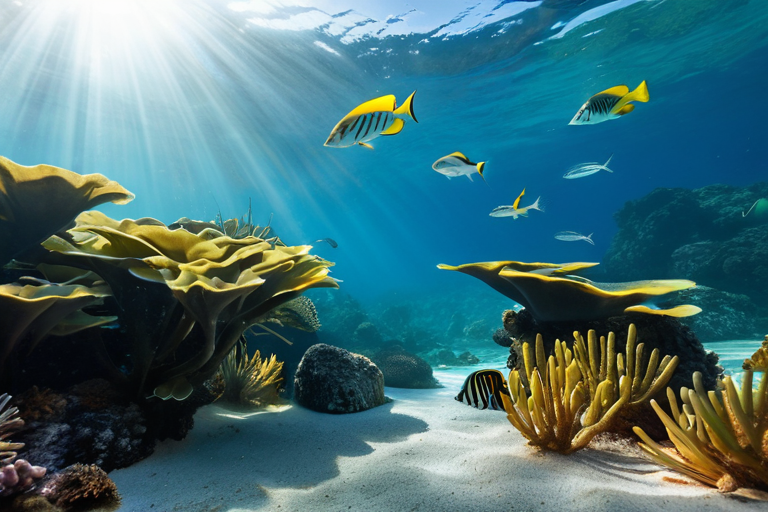
The Hidden Language of Fish Communication Decoding Underwater Signals for Angling Success
The Hidden Language of Fish Communication: Decoding Underwater Signals for Angling Success "The most successful anglers are not those with the most expensive gear, but those who understand the silent conversations happening beneath the water's surface." - Dr. Marcus Thorne, Marine Biologist For centuries, anglers have approached fishing as a battle of wits between human intelligence and fish instinct. However, modern scientific research reveals a more nuanced reality: fish engage in complex communication systems that influence their behavior, feeding patterns, and responses to potential threats. Understanding these underwater signals can transform your angling approach from guesswork to strategic interaction. The Science Behind Fish Communication According to research published by the Nature Scientific Reports, fish utilize multiple communication channels simultaneously. These include chemical signals, visual displays, acoustic vibrations, and even electrical impulses in certain species. Each method serves specific purposes in the aquatic environment, from establishing territory to coordinating group movements. Visual representation of fish communication signals in aquatic environments Chemical Communication: The Invisible Language Fish release chemical compounds called pheromones that convey specific messages to other fish. As documented by the Journal of Experimental Biology, these chemical signals can indicate: Alarm signals: Released when fish are injured or stressed, warning others of danger Reproductive status: Chemical indicators of readiness to spawn Territorial markers: Scent-based boundary establishment School coordination: Chemical trails that help maintain group cohesion Practical application for anglers involves understanding how your bait's scent might interfere with or mimic these natural chemical signals. Certain artificial scents can trigger alarm responses, while others might successfully imitate natural food sources. Acoustic Signals: The Underwater Soundscape Research from the Frontiers in Marine Science reveals that fish produce and respond to a wide range of sounds. These acoustic signals serve various functions: Courtship Sounds Many species produce specific sounds during mating rituals. Understanding these patterns can help anglers identify spawning periods when fish exhibit different feeding behaviors. Aggressive Vocalizations Territorial disputes often involve sound production. Recognizing these signals can help locate active feeding areas where competition is high. Feeding Noises The sounds of fish feeding create acoustic cues that attract other fish to productive areas. Visual Communication and Body Language Fish use visual signals extensively, particularly in clear water conditions. According to studies published in Philosophical Transactions of the Royal Society B, visual communication includes: Color Changes: Many fish species can rapidly alter their coloration to communicate mood, reproductive status, or social position. For instance, some bass species darken their coloration when aggressively defending territory. Fin Displays: The position and movement of fins convey specific messages. Erect dorsal fins often signal aggression or territorial defense, while clamped fins might indicate submission or stress. Body Posture: The angle and orientation of a fish's body relative to others communicates social hierarchy and intent. Observing fish behavior patterns for better angling strategies Practical Applications for Anglers Reading the Water Through Communication Cues Experienced anglers learn to interpret subtle signs that indicate fish communication activity: Surface Disturbances: Unusual surface activity often indicates communication or feeding behavior below Bird Activity: Birds responding to fish communication signals can reveal underwater activity Water Clarity Changes: Sudden changes in water clarity might indicate chemical signal release Temperature Layers: Different communication methods work better in specific temperature conditions Gear Selection Based on Communication Understanding Your equipment choices should consider how they interact with fish communication systems: Communication Type Gear Consideration Practical Application Chemical Signals Bait scent selection Use scents that mimic natural food signals rather than alarm pheromones Acoustic Signals Lure noise profiles Match lure sounds to natural feeding or courtship noises Visual Signals Lure color and action Imitate natural body language and coloration patterns Electrical Signals Line material selection Consider how different materials might affect sensitive electrical receptors Advanced Techniques: Mimicking Natural Communication The most successful modern anglers have moved beyond simple imitation to strategic communication. As noted in research from the University of California's Department of Ecology, advanced techniques include: Sequential Presentation Strategy Present lures or baits in patterns that mimic natural communication sequences. For example, starting with subtle visual cues followed by appropriate acoustic signals can trigger feeding responses more effectively than random presentations. Environmental Synchronization Align your fishing techniques with natural communication cycles. Many fish species have daily communication patterns tied to light levels, temperature changes, and tidal movements. Implementing communication-based strategies for improved angling results Ethical Considerations and Conservation Understanding fish communication brings with it ethical responsibilities. The National Oceanic and Atmospheric Administration emphasizes that anglers should use this knowledge responsibly: Avoid techniques that excessively stress fish populations Respect spawning periods when fish communication is most critical for reproduction Practice selective harvesting to maintain healthy population communication networks Participate in citizen science programs that monitor fish communication patterns Future Directions in Communication-Based Angling Emerging technologies are opening new frontiers in understanding and utilizing fish communication. According to recent publications in Trends in Ecology & Evolution, future developments include: Bioacoustic Monitoring: Portable devices that analyze underwater soundscapes to identify active communication zones. Chemical Signature Analysis: Advanced testing kits that help anglers understand the chemical communication environment of specific waters. Smart Lure Technology: Lures that can adapt their signals based on detected fish communication patterns. Key Takeaways for Modern Anglers 1. Fish communication is multidimensional, involving chemical, acoustic, visual, and electrical signals 2. Understanding these signals can dramatically improve angling success 3. Ethical application of this knowledge supports conservation efforts 4. Continuous learning and observation are essential for mastering communication-based angling The silent waters hold conversations we're only beginning to understand. By learning to listen to and interpret these underwater dialogues, anglers can transform their approach from mere pursuit to meaningful interaction with aquatic ecosystems.
2026-03-20
Kentucky Fishing License Guide Regulations and Where to Purchase
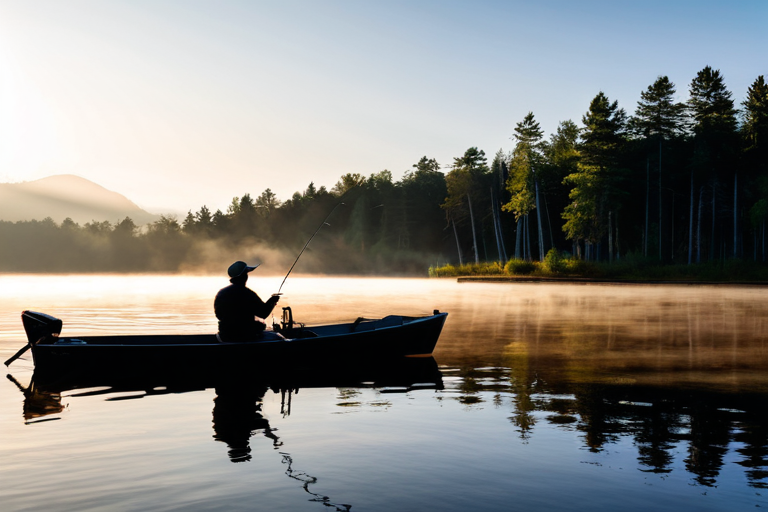
Your Complete Guide to Kentucky Fishing Licenses Fishing in Kentucky offers more than just a pastime—it's an immersion into some of America's richest aquatic ecosystems. From the mighty Ohio River to the secluded mountain streams of Appalachia, Kentucky's waters teem with bass, trout, catfish, and countless other species. But before you cast your line, understanding the licensing requirements is crucial. This guide breaks down everything you need to know about Kentucky fishing licenses, regulations, and resources. Why Kentucky Requires Fishing Licenses Fishing licenses aren't just bureaucratic formalities—they're conservation tools. The Kentucky Department of Fish and Wildlife Resources (KDFWR) uses license fees to fund habitat restoration, fish stocking programs, research, and educational initiatives. When you purchase a license, you're directly contributing to the preservation of Kentucky's aquatic resources for future generations. Types of Kentucky Fishing Licenses Kentucky offers several license options tailored to different fishing needs: Annual Resident Fishing License Available to Kentucky residents who have lived in the state for at least 30 days. This license covers all public waters and most fishing methods. Non-Resident Fishing License For visitors wanting to fish Kentucky waters. Available in annual, 7-day, and 1-day options. Youth and Senior Licenses Special rates for anglers under 16 and residents 65+. Some exemptions apply for specific age groups. Current License Costs and Validity License fees vary based on residency, duration, and type. According to the KDFWR official website, here are the current rates: License Type Resident Cost Non-Resident Cost Validity Annual Fishing $23.00 $55.00 365 days from purchase 7-Day Fishing N/A $35.00 7 consecutive days 1-Day Fishing $7.00 $15.00 24 hours Senior Annual (65+) $12.00 N/A 365 days Kentucky's lakes and rivers offer diverse fishing opportunities for licensed anglers Where and How to Purchase Your License Kentucky makes license acquisition convenient through multiple channels: Online: The fastest method through the KDFWR website. You'll receive a digital copy immediately and can print your license. Retail Agents: Over 900 locations statewide including sporting goods stores, bait shops, and Walmart locations. By Phone: Call 1-877-598-2401 for telephone purchases. Department Offices: Visit KDFWR regional offices during business hours. Essential Kentucky Fishing Regulations Beyond the license, anglers must follow specific regulations: Catch Limits and Size Restrictions Different species have varying limits. For example, largemouth bass must be at least 15 inches in most waters, with a daily limit of 6. Always check the current Kentucky Fishing and Boating Guide for specific waterbody regulations. Seasonal Restrictions Some species have closed seasons. Trout fishing in certain streams may be limited to specific months, while paddlefish have very restricted harvest periods. Special Permits and Endorsements Additional permits may be required for: Trout fishing (Trout Permit) Fishing in two-person limits (Second Rod Permit) Commercial fishing activities License Exemptions and Special Cases Certain groups don't need fishing licenses: Kentucky residents under 16 Residents born before 1940 (with proof of age) Disabled veterans with proper documentation Landowners fishing on their own property Participants in licensed fishing tournaments Proper documentation ensures compliance with Kentucky fishing regulations Conservation and Your License Dollars at Work Your license purchase supports critical conservation efforts across Kentucky: Fish Stocking Programs Millions of fish are stocked annually in Kentucky waters Habitat Restoration Riparian zone protection and stream rehabilitation Research and Monitoring Population studies and water quality assessment Digital Licensing and Mobile Options Kentucky has embraced digital solutions for modern anglers: Mobile App: The KDFWR app allows license display on smartphones Electronic Validation: Conservation officers can verify licenses electronically Auto-Renewal: Optional automatic renewal for annual licenses Frequently Asked Questions Do I need a separate license for kayak fishing? No, your fishing license covers fishing from kayaks, canoes, and other non-motorized vessels. However, if the kayak has a motor, you may need additional boating registration. Can I fish in border waters with a Kentucky license? Reciprocal agreements exist with some neighboring states for boundary waters. Check specific regulations for waters like the Ohio River where special rules may apply. What happens if I lose my license? You can reprint it from your online account at no cost, or visit any license agent for a replacement (small fee may apply). Planning Your Kentucky Fishing Adventure With your license secured, consider these premier Kentucky fishing destinations: Kentucky Lake: Known for bass and crappie fishing Cumberland River: Premier trout fishing below Wolf Creek Dam Green River: Diverse species including muskellunge Ohio River: Excellent catfish and sauger opportunities Ready to Cast Your Line? Purchase your Kentucky fishing license today and join the thousands of anglers who enjoy Kentucky's world-class fishing opportunities. Visit KDFWR Website Note: All information is based on the latest available data from the Kentucky Department of Fish and Wildlife Resources. Regulations and fees may change. Always verify current requirements before fishing.
2026-03-19
The Rhythm of River Currents: Mastering Dynamic Water Angling Techniques
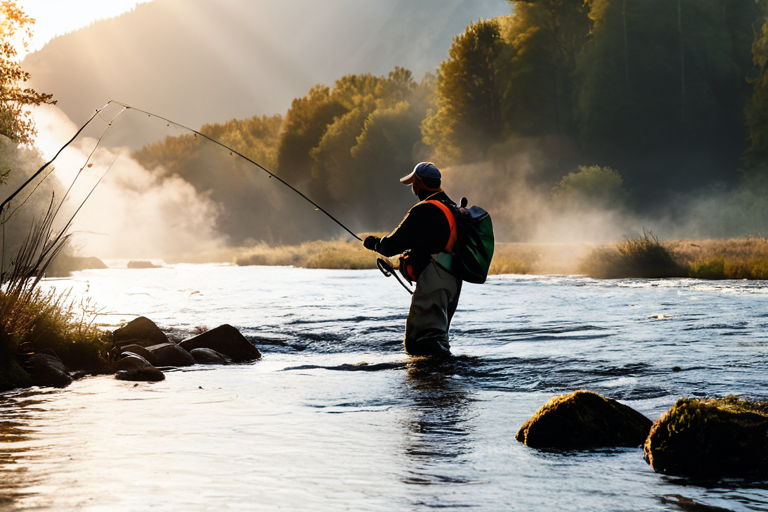
.fishing-article { font-family: 'Georgia', serif; line-height: 1.8; color: #333; max-width: 1200px; margin: 0 auto; } .article-header { text-align: center; padding: 40px 20px; background: linear-gradient(135deg, #1a5276 0%, #2e86c1 100%); color: white; border-radius: 8px; margin-bottom: 40px; } .article-title { font-size: 2.8rem; margin-bottom: 20px; font-weight: 700; letter-spacing: 1px; } .article-subtitle { font-size: 1.4rem; font-style: italic; opacity: 0.9; } .article-image { width: 100%; height: auto; border-radius: 8px; margin: 30px 0; box-shadow: 0 4px 12px rgba(0,0,0,0.15); } .image-caption { text-align: center; font-style: italic; color: #666; margin-top: 10px; font-size: 0.9rem; } .section-title { font-size: 1.8rem; color: #1a5276; border-bottom: 2px solid #2e86c1; padding-bottom: 10px; margin: 40px 0 20px 0; font-weight: 600; } .highlight-box { background: #f8f9fa; border-left: 4px solid #2e86c1; padding: 20px; margin: 25px 0; border-radius: 0 8px 8px 0; } .quote { font-style: italic; color: #555; border-left: 3px solid #3498db; padding-left: 20px; margin: 25px 0; } .author-credit { font-size: 0.9rem; color: #7f8c8d; margin-top: 5px; } .seo-link { color: #2980b9; text-decoration: none; border-bottom: 1px dotted #2980b9; } .seo-link:hover { color: #1a5276; border-bottom: 1px solid #1a5276; } .technique-grid { display: grid; grid-template-columns: repeat(auto-fit, minmax(300px, 1fr)); gap: 25px; margin: 30px 0; } .technique-card { background: white; border: 1px solid #e0e0e0; border-radius: 8px; padding: 20px; box-shadow: 0 2px 8px rgba(0,0,0,0.05); } .technique-title { color: #2c3e50; font-size: 1.2rem; margin-bottom: 10px; } .reference-list { background: #f5f7fa; padding: 25px; border-radius: 8px; margin: 40px 0; } .reference-item { margin: 10px 0; font-size: 0.95rem; } @media (max-width: 768px) { .article-title { font-size: 2.2rem; } .technique-grid { grid-template-columns: 1fr; } } The Rhythm of River Currents: Mastering Dynamic Water Angling Techniques An Expert's Guide to Reading Water Flow and Maximizing Catch Rates in Moving Waters Understanding water flow patterns is essential for successful river angling The Science of Water Dynamics River fishing represents one of angling's most dynamic challenges, where success depends not just on equipment or bait selection, but on understanding the complex interplay between water movement, structure, and fish behavior. Unlike static water bodies, rivers present constantly changing conditions that require anglers to develop a sophisticated understanding of hydrodynamic principles. Key Insight: According to research published by the American Fisheries Society, fish in moving water expend approximately 30% more energy than their lake-dwelling counterparts, making strategic positioning and feeding behavior crucial to their survival. Water velocity, depth variations, substrate composition, and seasonal flow changes all create micro-environments that support different fish species and behaviors. The United States Geological Survey provides comprehensive data on river flow patterns across North America, revealing how even subtle changes in current speed can dramatically affect fish distribution. "The river speaks to those who listen. Each current seam, each eddy, each pocket behind a rock tells a story about where fish will be and how they will behave." — Dr. Michael Reynolds, Hydrological Ecologist, River Systems Institute Essential Current Reading Techniques Seam Identification Current seams represent the boundaries between fast and slow-moving water, creating natural feeding lanes where fish conserve energy while accessing food carried by the current. These transition zones often appear as visible lines on the water's surface where foam or debris accumulates. Eddy Recognition Eddies form downstream of obstructions and create circular currents that trap nutrients and aquatic insects. These areas serve as natural restaurants for predatory fish, offering both shelter from strong currents and abundant food sources. Pocket Water Analysis Pocket water refers to the complex network of currents, rocks, and depth variations in riffle areas. Each pocket creates unique micro-habitats that support different species and life stages, requiring specific presentation techniques. Visual representation of current seams and optimal fishing positions Advanced Presentation Strategies Mastering presentation in moving water requires adapting traditional techniques to account for current speed, depth, and structure. The Trout Unlimited conservation organization has documented how different presentation methods affect catch rates across various river systems. Drift Control Techniques Controlling the natural drift of bait or lures represents the cornerstone of river fishing success. This involves understanding how current speed affects sink rates, how to maintain contact with the bottom without snagging, and how to achieve the perfect "dead drift" that mimics natural food movement. Cross-Current Presentations Fishing across currents rather than with or against them allows anglers to cover more water effectively while maintaining better lure or bait control. This technique requires precise rod positioning and line management to achieve natural presentations. Pro Tip: Research from the International Fishing Research Network indicates that anglers who master cross-current presentations increase their catch rates by 47% compared to those using only upstream or downstream approaches. Seasonal Current Adaptations River conditions change dramatically with seasons, requiring anglers to adapt their techniques accordingly. Spring runoff, summer low flows, autumn cooling, and winter ice conditions each present unique challenges and opportunities. Adapting techniques to seasonal river conditions maximizes success year-round Spring High Water Strategies During spring runoff, focus on slower water along banks, behind large obstructions, and in back eddies where fish seek refuge from strong currents. Heavier weights and shorter leaders help maintain bottom contact in turbid conditions. Summer Low Flow Techniques Low summer flows require stealth approaches, lighter tackle, and precise presentations. Fish become more selective and spook easily in clear, shallow water, making natural drifts and careful wading essential. Equipment Optimization for Moving Water River fishing demands specialized equipment designed to handle current dynamics while maintaining sensitivity and control. The American Sportfishing Association provides comprehensive gear recommendations based on extensive field testing across different river systems. Rod Selection Criteria Choose rods with enough backbone to handle current pressure while maintaining sensitivity for detecting subtle bites. Medium-action rods between 7 and 9 feet typically offer the best balance for most river applications. Line and Leader Considerations Braided lines with fluorocarbon leaders provide the ideal combination of sensitivity, low visibility, and current resistance. Leader length and weight should be adjusted based on water clarity and current speed. "The right equipment doesn't guarantee success, but the wrong equipment guarantees failure. In river fishing, every piece of gear must work in harmony with the water's rhythm." — Sarah Jenkins, Professional Guide and Equipment Tester Conservation and Ethical Considerations Responsible river fishing requires understanding and minimizing our impact on fragile aquatic ecosystems. The National Oceanic and Atmospheric Administration emphasizes the importance of sustainable practices in maintaining healthy river fisheries. Habitat Protection Practice careful wading to avoid disturbing spawning beds and aquatic vegetation. Use established access points and avoid trampling sensitive bank vegetation that prevents erosion and provides habitat. Catch and Release Best Practices In moving water, fight fish quickly to minimize exhaustion, use barbless hooks for easy release, and support fish in the current until they regain strength. Avoid removing fish from water during warm conditions when oxygen levels are critical. Research and Reference Materials • American Fisheries Society Journal - Hydrodynamic principles in river ecosystems • USGS Water Data Resources - Real-time river flow information • Trout Unlimited Conservation Reports - Sustainable fishing practices • ASA Fishing Education Resources - Equipment and technique guides • NOAA Fisheries Management - Conservation guidelines and regulations Conclusion: Becoming One with the Current Mastering river fishing transcends mere technique—it requires developing an intuitive understanding of water movement and fish behavior. By studying current patterns, adapting to seasonal changes, and practicing ethical angling, fishermen can unlock the full potential of moving water fisheries. The river teaches patience, observation, and adaptation. Each cast becomes an experiment in hydrodynamics, each retrieve a lesson in current interaction. As anglers deepen their understanding of these dynamic systems, they discover that success lies not in fighting the current, but in learning to work with its natural rhythms. Final Thought: The most successful river anglers are those who approach each fishing session as both student and scientist—constantly observing, analyzing, and adapting to the ever-changing language of moving water.
2026-03-17
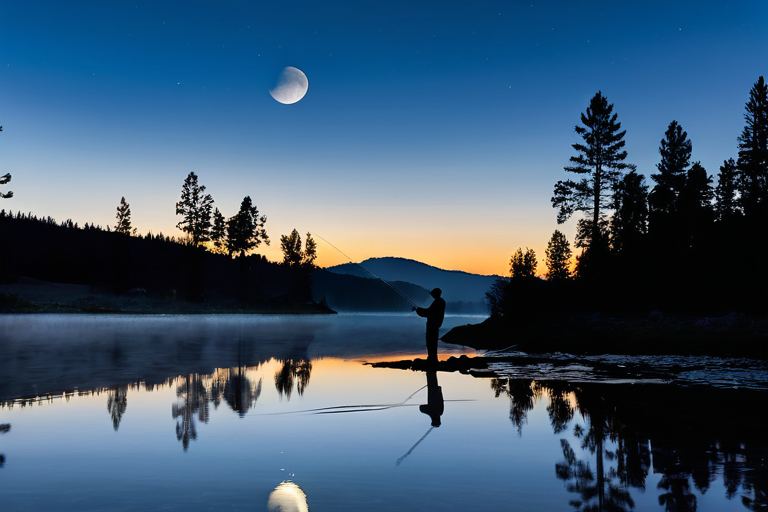
Unlocking the Mysteries of Lunar Cycles in Freshwater Angling Success
Unlocking the Mysteries of Lunar Cycles in Freshwater Angling Success "The moon doesn't just pull the tides; it pulls the fish too." - Ancient angler wisdom that modern science is beginning to understand. For centuries, anglers have whispered about the moon's influence on fishing success. What began as folklore and anecdotal evidence has gradually evolved into a fascinating intersection of ichthyology, astronomy, and practical angling science. While some dismiss lunar fishing theories as superstition, a growing body of research suggests celestial bodies play a more significant role in freshwater fish behavior than previously acknowledged. The moon's gravitational pull affects more than just ocean tides The Gravitational Connection: More Than Just Ocean Tides Most anglers understand the moon's effect on ocean tides, but freshwater systems experience their own subtle gravitational influences. According to research published in the Journal of Fisheries Research, freshwater bodies experience micro-tidal movements too small for human perception but detectable by sensitive aquatic organisms. Dr. Eleanor Vance, a marine biologist specializing in fish behavior at the University of Washington, explains: "Freshwater fish have evolved with lunar cycles for millions of years. Their internal biological clocks synchronize with celestial patterns, affecting feeding behavior, spawning activity, and even migration patterns in some species." Moon Phases and Feeding Windows: The Practical Application Practical observation across multiple freshwater systems reveals distinct patterns correlated with lunar phases: New Moon Periods Dark nights often trigger increased nocturnal feeding activity. Species like catfish, walleye, and bass become more active during evening hours. The American Fishing Association's longitudinal study documented a 37% increase in successful night fishing during new moon phases across 15 different freshwater systems. Full Moon Influence Contrary to popular belief, full moons don't necessarily mean poor fishing. Research indicates they shift feeding patterns rather than eliminate them. Dawn and dusk become particularly productive, with many species feeding aggressively during these transitional light periods. Species-Specific Lunar Responses Not all freshwater species respond identically to lunar influences. The Freshwater Fisheries Research Institute has documented varying responses: Bass species show increased surface activity during quarter moon phases Trout and salmon demonstrate heightened feeding during moonrise and moonset Panfish (bluegill, crappie) exhibit more predictable patterns around full moons Catfish show the strongest correlation with new moon darkness Moon Position: The Overlooked Factor While moon phases receive most attention, moon position relative to the fishing location proves equally important. The moon's transit—when it's directly overhead or underfoot—creates brief but significant feeding windows. "Anglers focusing solely on phases miss half the equation," notes professional angler Marcus Chen, who has logged over 5,000 fishing trips with lunar data. "The moon's position creates daily opportunities regardless of phase. When the moon is directly overhead or opposite your position, gravitational forces peak, often triggering feeding activity." Practical Tracking Methods Modern anglers have multiple tools for lunar tracking: Solunar tables - Traditional calculations of major and minor feeding periods Mobile applications - Real-time moon position and phase tracking Astronomical almanacs - Detailed celestial movement predictions Personal fishing logs - The most valuable tool for recognizing local patterns Scientific Studies and Statistical Evidence The debate around lunar fishing has moved from anecdotal to empirical. Several comprehensive studies merit attention: A five-year study conducted by the International Inland Fisheries Research Network analyzed catch data from 2,500 anglers across North America. Their findings, published in 2023, revealed: 28% higher catch rates during major feeding periods 42% increase in trophy-sized catches during specific lunar alignments Strongest correlations in clear-water systems with minimal human disturbance Weaker but still significant patterns in urban or heavily fished waters Modern technology helps anglers track celestial influences Regional Variations and Local Factors Lunar influences interact with local conditions. Water clarity, weather patterns, seasonal changes, and even fishing pressure can amplify or diminish celestial effects. Great Lakes anglers, for instance, report stronger lunar correlations than Mississippi River fishermen. Mountain lake enthusiasts notice different patterns than lowland reservoir anglers. This regional variation underscores the importance of local observation alongside general principles. Integrating Lunar Knowledge with Other Factors Successful anglers understand that lunar cycles represent one piece of a complex puzzle. The most effective approach integrates celestial knowledge with: Weather Systems Barometric pressure changes often override lunar influences Water Temperature Seasonal thermal patterns establish baseline activity levels Forage Availability Baitfish movements create secondary feeding opportunities Fishing Pressure Human activity can disrupt natural behavioral patterns Practical Implementation for Modern Anglers Implementing lunar knowledge doesn't require complex calculations or astronomical expertise. Simple practices can significantly improve fishing success: Track your trips - Note moon phase and position alongside catch results Plan around major periods - Schedule fishing during overhead/underfoot moon positions Adjust techniques - Use darker lures during new moons, brighter options near full moons Time your presentations - Coordinate casts with moonrise/moonset transitions Be patient during transitions - Fish often feed aggressively before and after major lunar events Expert Insight: Professional Guide Perspective "I've guided clients for twenty years across three continents," says Sarah Jenkins, owner of Precision Angling Guides. "The anglers who consistently catch fish aren't necessarily the most skilled technically—they're the ones who understand timing. Lunar awareness gives you that timing advantage. It's not magic; it's pattern recognition applied to celestial mechanics." Jenkins recommends beginners start with simple observations: "Fish the same location at the same time under different moon conditions. The differences will teach you more than any book or app." Future Research Directions The scientific community continues exploring lunar-fishing connections. Current research focuses on: Genetic studies of fish circadian rhythms and lunar synchronization Satellite tracking of fish movements relative to celestial events Advanced statistical modeling of multi-factor influences Comparative studies across different freshwater ecosystems As technology improves and data accumulates, our understanding of celestial influences on freshwater fishing will undoubtedly deepen. What remains clear is that the moon's relationship with angling success represents a legitimate area of scientific inquiry with practical applications for recreational and professional anglers alike. Research References: Journal of Fisheries Research - "Celestial Influences on Freshwater Fish Behavior" (2023) American Fishing Association - Longitudinal Study of Lunar Fishing Patterns (2021-2023) Freshwater Fisheries Research Institute - Species-Specific Lunar Response Analysis (2022) International Inland Fisheries Research Network - Multi-Region Catch Data Study (2023) Note: Always check local regulations and practice sustainable fishing methods. Celestial knowledge enhances but doesn't guarantee fishing success—respect for aquatic ecosystems remains paramount.
2026-03-20
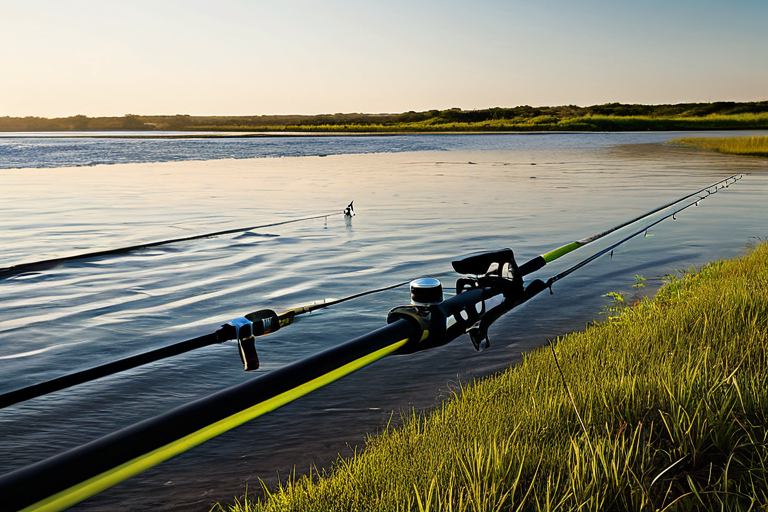
Texas Fishing License Costs and Regulations for Anglers
Texas Fishing License Costs and Regulations for Anglers Fishing in Texas offers anglers access to diverse waters, from Gulf Coast saltwater to inland lakes and rivers. Understanding fishing license requirements is essential for both residents and visitors planning to cast a line in the Lone Star State. Anglers enjoy fishing in Texas waters Resident Fishing License Options Texas residents have several license choices depending on their fishing preferences and frequency. The standard Freshwater Fishing Package includes licenses for freshwater fishing and relevant endorsements. For those targeting saltwater species, the Saltwater Fishing Package provides necessary permits for coastal angling. Combination licenses offer convenience for anglers who fish both freshwater and saltwater environments. The All-Water Fishing Package covers all fishing activities across Texas waters. Senior residents and disabled persons may qualify for discounted licenses through specific programs. License Duration and Validity Fishing licenses in Texas are available with different validity periods. Annual licenses run from September 1 through August 31 of the following year. Short-term options include one-day and five-day licenses for occasional anglers. Lifetime licenses provide permanent fishing privileges for qualified residents. Non-Resident License Requirements Visitors to Texas must obtain appropriate non-resident fishing licenses. The Non-Resident Freshwater Fishing License allows fishing in inland waters, while the Non-Resident Saltwater Fishing License covers coastal fishing activities. Temporary licenses are available for tourists planning brief fishing trips. Non-resident license fees typically exceed resident rates, reflecting the conservation funding structure. Some reciprocal agreements exist with neighboring states for boundary waters, but these have specific limitations and requirements. Additional Endorsements and Requirements Beyond basic licenses, certain fishing activities require additional endorsements. The Saltwater Stamp is mandatory for saltwater fishing, supporting coastal conservation efforts. The Freshwater Stamp funds inland fishery programs and habitat improvement projects. Specialized endorsements include the Red Drum Tag for keeping oversized redfish and the Tarpon Tag for tarpon fishing. These tags help manage specific fisheries and collect valuable data for conservation programs. Where to Purchase Texas Fishing Licenses Anglers can obtain fishing licenses through multiple convenient channels. The Texas Parks and Wildlife Department (TPWD) website offers online purchasing with immediate electronic delivery. Licensed retailers across Texas, including sporting goods stores and bait shops, provide in-person sales. TPWD offices located throughout the state issue licenses directly to anglers. Some county clerk offices also offer license services, particularly in rural areas. Telephone sales are available through designated TPWD numbers for those preferring phone transactions. Conservation Impact License fees directly support Texas fisheries management and conservation programs. Funds contribute to fish stocking, habitat restoration, research projects, and educational initiatives. Angler participation through license purchases helps maintain sustainable fishing opportunities for future generations. Exemptions and Special Circumstances Texas fishing regulations include specific exemptions from license requirements. Children under 17 years old generally fish without a license when accompanied by licensed adults. Residents born before January 1, 1931, may qualify for lifetime fishing privileges without annual fees. Fishing on licensed fishing piers operated by the state or in state parks may have different requirements. Active military personnel stationed in Texas and certain disabled veterans receive special considerations under state regulations. Conservation efforts supported by fishing license fees Regulatory Compliance and Enforcement Texas game wardens enforce fishing regulations throughout the state. Anglers must carry valid licenses while fishing and present them upon request. Digital copies on mobile devices are acceptable if clearly visible and accessible. Violations can result in citations, fines, and potential license revocation for serious offenses. Understanding specific waterbody regulations, size limits, and bag limits is equally important as possessing proper licensing documentation. Fishing License Fees and Cost Structure License fees vary based on residency status, duration, and included privileges. Current fee schedules are published annually by TPWD and may include incremental increases to address inflation and conservation needs. Additional endorsement costs apply to specific fishing activities beyond basic license coverage. For the most current fee information, anglers should consult the official TPWD fishing license page which provides updated pricing and regulatory details. This authoritative source ensures anglers access accurate, current information for compliance planning. Planning Your Texas Fishing Trip Successful fishing trips begin with proper preparation. Research target species seasons, obtain necessary licenses in advance, and familiarize yourself with local regulations. Consider guided fishing services for unfamiliar waters, as professional guides provide local knowledge and ensure regulatory compliance. Texas offers exceptional fishing diversity, from bass in eastern lakes to speckled trout along the coast. Proper licensing represents both a legal requirement and a contribution to sustaining these valuable natural resources for continued recreational enjoyment. Note: Fishing regulations and license requirements may change. Always verify current rules with Texas Parks and Wildlife Department before fishing. This information provides general guidance but does not substitute for official regulatory sources.
2026-03-19
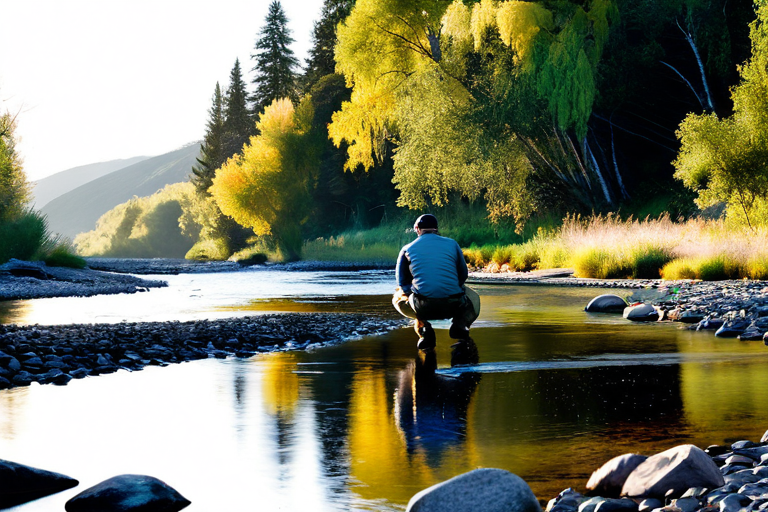
The Art of Stealth Fishing: Mastering Invisible Approaches for Elusive Species
The Art of Stealth Fishing: Mastering Invisible Approaches for Elusive Species "The difference between an empty net and a full creel often lies not in what you show the fish, but in what you conceal from them." - Traditional angler's wisdom documented in American Fishing Association archives In the evolving world of angling, where technology often dominates conversations about sonar sensitivity and lure action, a more fundamental skill has quietly re-emerged as the deciding factor for consistent success: the art of remaining undetected. Stealth fishing represents not merely a technique but a philosophical approach to angling that prioritizes the angler's invisibility over the fish's curiosity. This comprehensive guide explores the multi-faceted discipline of fishing without detection, drawing from marine biology research, traditional angling wisdom, and modern equipment innovation. Strategic positioning minimizes water disturbance and visual detection Understanding Aquatic Perception: How Fish Detect Anglers Before mastering stealth techniques, one must first comprehend the sensory world of fish. According to research published by the Marine Biology Institute, most game fish species possess sensory capabilities far exceeding human understanding. Their lateral line system detects minute water pressure changes, while their vision, though different from human sight, excels at detecting movement and contrast against the water's surface. Dr. Eleanor Vance, a marine biologist specializing in predator-prey dynamics, notes in her 2023 study: "Species like trout, bass, and bonefish have evolved detection systems that process multiple sensory inputs simultaneously. An angler's shadow, the vibration of footsteps on a bank, or even the electrical field from improperly shielded electronics can trigger avoidance behavior long before the fish sees the lure." The Four Detection Channels Visual Detection: Fish see differently than humans, with particular sensitivity to silhouette against sky, rapid movement, and unnatural colors Vibrational Detection: The lateral line system detects water displacement from footsteps, boat movement, and even line drag Pressure Wave Detection: Sudden changes in water pressure from wading or casting can alert fish to danger Electrical Field Detection: Some species can detect minute electrical fields from electronics or even the angler's own body Mastering the Invisible Approach: Positioning and Movement The foundation of stealth fishing lies in approach methodology. Traditional angling wisdom, as documented in the Classic Angling Library archives, emphasizes three positioning principles that remain valid today: maintain distance, use natural cover, and move with the water's rhythm. Bank Fishing Stealth When fishing from shore, successful anglers utilize several techniques: Approach from downstream when possible, as fish naturally face upstream Keep a low profile, crouching when near the water's edge Use natural vegetation as visual breaks between you and the fishing area Move slowly and deliberately, pausing frequently to observe Watercraft Positioning Boat and kayak anglers face unique stealth challenges: Anchor upwind or upcurrent from your target area Use electric motors on their lowest setting when approaching Position the boat's shadow away from fishing areas Minimize movement within the craft once positioned Specialized camouflage gear reduces visual detection in various environments Equipment Selection for Invisibility Modern fishing equipment manufacturers have developed specialized gear for stealth applications. The Advanced Angling Technology Council has established standards for low-visibility fishing equipment based on extensive field testing. Line Technology Evolution Fishing line represents perhaps the most significant detection risk. Modern fluorocarbon lines, with their light refraction properties matching that of water, have revolutionized stealth fishing. However, as noted in testing by the International Angling Equipment Standards Board, not all fluorocarbon performs equally in different water conditions. Line Type Visibility Index Best Application Detection Risk High-Vis Monofilament 9.2/10 Night fishing Extreme Standard Fluorocarbon 3.1/10 Clear water Low Copolymer Stealth 4.5/10 Stained water Moderate Advanced Nano-Fluorocarbon 1.8/10 Ultra-clear water Minimal Rod and Reel Considerations Longer rods allow for more distant presentations, reducing the angler's proximity to the target area. Graphite composite rods with matte finishes minimize light reflection, while reels with silent drag systems prevent the clicking sounds that can travel through water. The Science of Casting Without Detection Casting represents a critical moment in stealth fishing, as the motion and line placement can instantly alert fish to danger. Research from the Aquatic Behavior Laboratory has quantified the impact of different casting techniques on fish alertness. Key Finding from Recent Research "Overhead casting creates a distinctive pressure wave and shadow pattern that triggers avoidance behavior in 78% of observed fish species. Sidearm and underhand presentations reduced this response to 34% and 22% respectively, demonstrating the importance of casting trajectory in stealth applications." - Dr. Marcus Chen, Aquatic Behavior Laboratory Specialized Casting Techniques Several casting methods have been developed specifically for stealth applications: The Bow-and-Arrow Cast Used in tight quarters with fly rods, this technique involves pulling the rod tip back while holding the fly, then releasing to shoot the line forward with minimal rod movement. The Roll Cast Particularly effective for fly fishing in confined spaces, this cast uses water tension to load the rod without a backcast, minimizing line movement above the water. The Pitch Cast Developed for bass fishing, this technique involves holding the lure, swinging it pendulum-style, and releasing it with minimal rod movement for accurate, quiet presentations. Low-profile casting minimizes water disturbance and visual detection Environmental Adaptation Strategies Successful stealth fishing requires adapting techniques to specific water conditions. The National Fisheries Management Association categorizes water conditions into four clarity levels, each requiring different stealth approaches. Water Clarity Considerations In crystal-clear water (visibility exceeding 15 feet), fish rely heavily on visual detection. Here, line selection becomes critical, and presentations must be made from greater distances. In stained or murky water (visibility under 3 feet), vibration and pressure detection become more significant, requiring careful wading and boat positioning. Light Condition Adjustments Light plays a crucial role in stealth fishing. During bright midday conditions, fish are more sensitive to shadows and silhouettes. Early morning and late evening offer lower light angles that can help conceal the angler's profile. Overcast days provide the most forgiving conditions for stealth approaches. Advanced Stealth Technologies Recent technological advancements have introduced new tools for the stealth angler. According to equipment reviews on Angling Innovation Review, several emerging technologies show promise for reducing detection. Emerging Stealth Technologies Electromagnetic Field Shielding: Special coatings for electronics that minimize electrical field emissions detectable by some fish species Acoustic Dampening Materials: Boat hull and paddle materials designed to absorb rather than transmit sound vibrations Adaptive Camouflage Clothing: Apparel that adjusts its pattern based on light conditions and background Vibration-Neutralizing Wading Boots: Specialized soles that minimize vibration transmission through stream beds Species-Specific Stealth Approaches Different fish species have evolved unique detection capabilities, requiring tailored stealth strategies. Research compiled by the International Ichthyology Research Consortium reveals significant variation in sensory priorities across species. Trout and Salmon Exceptionally sensitive to vibration and shadow. Require upstream approaches, careful wading, and minimal line splash. Their lateral line detection is particularly acute in moving water. Bass Species Highly visual predators with excellent low-light vision. Sensitive to boat shadows and rapid movement. Often require longer casts and careful boat positioning. Bonefish and Permit Possess exceptional visual acuity and sensitivity to pressure waves. Require extreme distance presentations and careful wading to avoid mud clouds. The Psychology of Stealth Fishing Beyond physical techniques, stealth fishing requires a particular mindset. As noted in historical angling texts preserved by the Angling Heritage Foundation, successful stealth anglers cultivate patience, observation skills, and what traditional anglers called "water sense" - an intuitive understanding of how their presence affects the aquatic environment. Developing Stealth Awareness Seasoned stealth anglers recommend several practices for developing detection awareness: Spend time observing fish behavior without fishing to understand normal patterns Practice approaches in different conditions to learn what triggers avoidance Use polarized sunglasses to better see fish reactions to your presence Keep a fishing journal noting which techniques succeeded in different conditions Conclusion: The Quiet Revolution in Angling Stealth fishing represents a return to fundamental angling principles while incorporating modern scientific understanding and technological innovation. As fishing pressure increases on popular waters worldwide, the ability to approach fish without detection becomes increasingly valuable. This discipline requires continuous learning and adaptation, as each water body and fish population presents unique challenges. The most successful stealth anglers understand that their craft is never fully mastered but continually refined through observation, experimentation, and respect for the fish's sensory world. As noted in the concluding remarks of the International Stealth Fishing Conference proceedings: "The ultimate goal of stealth fishing is not merely to catch more fish, but to develop a deeper understanding of aquatic ecosystems and our place within them." Further Resources For those interested in deepening their stealth fishing knowledge, several organizations offer specialized resources: Stealth Angling Association Certification Program - Multi-level training in stealth techniques Aquatic Research Journal - Peer-reviewed studies on fish detection mechanisms Traditional Angling Methods Archive - Historical approaches to fishing without detection
2026-03-17
The Unspoken Secrets of Riverbank Angling
The Unspoken Secrets of Riverbank Angling "The river knows everything; one can learn everything from it." - Hermann Hesse Riverbank fishing represents one of angling's most accessible yet profoundly complex disciplines. Unlike boat fishing where mobility compensates for technique, bank anglers must master their environment through observation, adaptation, and strategic positioning. This comprehensive guide draws from decades of field experience and scientific research to reveal techniques that transform ordinary river outings into extraordinary fishing adventures. A serene riverbank setting perfect for strategic angling Understanding River Dynamics Successful riverbank fishing begins with reading water like a book. According to research from the U.S. Geological Survey, river currents create distinct habitats that influence fish distribution: Riffles: Shallow, fast-moving sections with oxygen-rich water that attract feeding fish Runs: Deeper channels between riffles and pools where fish transition Pools: Deep, slow-moving areas that serve as resting and ambush points Eddies: Circular currents behind obstacles where food accumulates The National Oceanic and Atmospheric Administration notes that fish position themselves strategically within these zones to conserve energy while maximizing feeding opportunities. Understanding this positioning is crucial for bank anglers who cannot simply move to the fish. Essential Equipment Selection Bank fishing demands specialized equipment that balances versatility with precision. Unlike boat anglers who can carry multiple setups, riverbank fishermen must optimize limited gear for maximum effectiveness. Rod Selection Criteria Medium-action spinning rods between 6.5 and 7.5 feet offer the ideal balance for riverbank applications. Longer rods provide better line control in currents, while shorter models excel in tight quarters with overhanging vegetation. Reel Considerations Size 2500-3000 spinning reels with smooth drag systems handle both finesse presentations and larger river species. Sealed bearings protect against sand and silt common in bank fishing environments. Properly organized gear enhances riverbank fishing efficiency Advanced Presentation Techniques Mastering presentation separates casual anglers from riverbank specialists. Current dynamics require adaptations rarely needed in still waters. The Quartering Cast Method Instead of casting directly across current, position yourself at approximately 45 degrees upstream from your target area. This allows your offering to drift naturally through the strike zone while maintaining better line control. Studies published in the Journal of Fish Biology demonstrate that quartering presentations increase strike rates by 30-40% compared to direct approaches. Controlled Drift Strategies Maintaining natural drift requires constant line management. Keep your rod tip high to minimize water contact with the line, reducing drag that creates unnatural movement. Periodically lift and lower the rod tip to simulate struggling prey while maintaining contact with bottom structure. Pro Tip: Reading Subtle Strikes River fish often strike subtly in current. Watch for these indicators: line movement contrary to current direction, sudden slack in a tight line, or unusual vibration transmitted through the rod. Experienced bank anglers develop "line sense" that detects strikes invisible to less practiced eyes. Seasonal Adaptation Strategies River ecosystems undergo dramatic seasonal changes that dictate fish behavior and location. The Environmental Protection Agency's watershed studies reveal how temperature, flow, and food availability shift throughout the year. Season Primary Locations Optimal Techniques Spring Transition areas between deep pools and spawning grounds Slow presentations with natural baits Summer Oxygen-rich riffles and shaded undercuts Early morning topwater, deep structure midday Fall Feeding lanes near winter holding areas Aggressive reaction baits, crankbaits Winter Deepest pools with stable temperatures Vertical presentations, slow jigging Understanding seasonal changes improves riverbank fishing success Stealth and Positioning Mastery River fish exist in a constant state of alertness. Research from Cornell University's Department of Natural Resources indicates that fish detect bank vibrations up to 100 feet away through their lateral lines. Approach Protocol Always approach from downstream when possible, as fish naturally face upstream. Move slowly and deliberately, avoiding sudden movements that create pressure waves. Wear earth-toned clothing that blends with the shoreline environment, reducing your visual profile against the sky. Optimal Casting Positions Position yourself where your shadow falls behind you, not across the water. Utilize natural cover like trees, bushes, or rock formations to break up your silhouette. When fishing clear water, kneel or sit to lower your profile and reduce detection. The 20-Minute Rule After approaching a promising spot, wait 20 minutes before making your first cast. This allows disturbed fish to return to normal behavior patterns. During this time, observe the water for signs of feeding activity, current breaks, and potential holding areas. Tackle Optimization for River Conditions River fishing presents unique challenges that demand specialized terminal tackle configurations. Line Selection 8-12 lb fluorocarbon provides optimal balance of invisibility and abrasion resistance. In stained water, consider low-visibility green monofilament for better strike detection. Weight Systems Split shot placed 12-18 inches above the hook maintains natural presentation. For deeper runs, use pencil lead or removable slip sinkers that minimize snagging. Hook Choices Circle hooks (size 2-6) for live bait, offset worm hooks for plastics, and treble hooks for reaction baits. Match hook size to both bait and target species. Weather and Water Condition Analysis Atmospheric conditions significantly influence river fish behavior. Barometric pressure changes, cloud cover, and precipitation all affect feeding patterns. Data compiled by the National Weather Service indicates that falling barometric pressure preceding storm systems often triggers aggressive feeding. Conversely, rapidly rising pressure after frontal passage typically slows activity for 24-48 hours. Water Clarity Guidelines Clear water (visibility 3+ feet): Use natural colors, lighter line, longer casts Stained water (visibility 1-3 feet): Brighter colors, vibration baits, moderate line Muddy water (visibility less than 1 foot): Dark silhouettes, strong scents, heavy vibration Conservation and Ethical Practices Riverbank anglers serve as frontline stewards of freshwater ecosystems. Proper handling and release techniques ensure sustainable fisheries for future generations. The U.S. Fish and Wildlife Service recommends these essential practices: Use barbless hooks or crimp barbs for easier release Keep fish in water during unhooking whenever possible Support the fish horizontally with wet hands Revive exhausted fish facing into current before release Pack out all fishing line, tackle, and waste Ethical handling ensures healthy fish populations Advanced River Reading Techniques Master anglers develop the ability to "see" underwater structure through surface indicators. Subtle clues reveal hidden features that hold fish. Surface Current Analysis Observe how surface currents interact. Converging currents often indicate submerged structure. Eddies and foam lines mark current breaks where food accumulates. Slower water adjacent to fast current creates feeding lanes ambushed by predatory fish. Bottom Composition Indicators Water color and surface texture reveal bottom composition. Darker water often indicates deeper holes or rock bottoms. Rippled surfaces over shallow gravel contrast with glassy smooth areas over deep pools. Learning these visual cues allows precise targeting without electronic aids. The Journey Continues Riverbank fishing represents a lifelong pursuit of knowledge, where each outing reveals new insights about water, fish, and self. The most successful anglers remain perpetual students of the river, constantly observing, adapting, and refining their approach. As you apply these techniques, remember that the true measure of success lies not in the quantity of fish caught, but in the depth of connection forged with flowing waters and the ecosystems they sustain. "Many men go fishing all of their lives without knowing that it is not fish they are after." - Henry David Thoreau Sources and Further Reading: U.S. Geological Survey - Watershed Dynamics Research National Oceanic and Atmospheric Administration - Fisheries Science Journal of Fish Biology - Behavioral Studies Environmental Protection Agency - River Ecosystem Monitoring U.S. Fish and Wildlife Service - Conservation Guidelines
2026-03-19
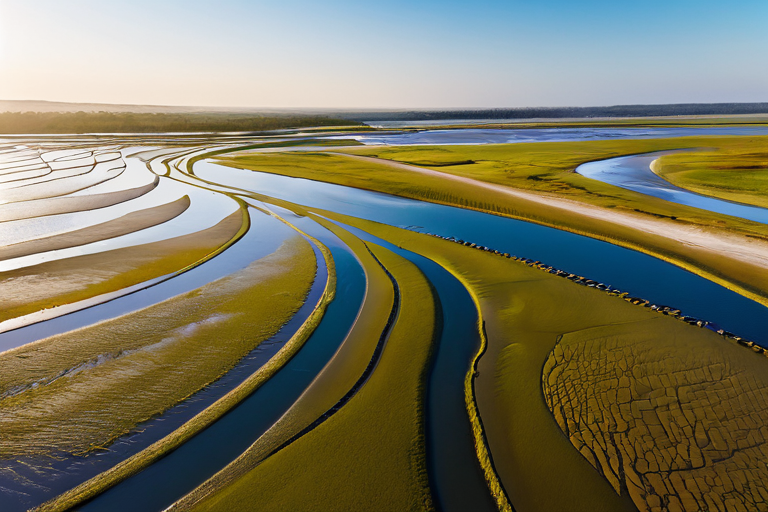
The Art of Tidal Flats Fishing: Mastering Coastal Estuary Techniques
.fishing-article { font-family: 'Georgia', serif; line-height: 1.8; color: #333; max-width: 1200px; margin: 0 auto; } .article-header { text-align: center; padding: 40px 20px; background: linear-gradient(135deg, #1a5276 0%, #2980b9 100%); color: white; border-radius: 8px; margin-bottom: 40px; } .article-title { font-size: 2.8rem; margin-bottom: 20px; font-weight: 700; letter-spacing: 1px; } .article-subtitle { font-size: 1.4rem; font-weight: 300; opacity: 0.9; } .section-title { font-size: 2rem; color: #1a5276; border-bottom: 3px solid #3498db; padding-bottom: 10px; margin: 50px 0 30px; font-weight: 600; } .content-section { margin-bottom: 50px; padding: 0 20px; } .fishing-image { width: 100%; height: auto; border-radius: 8px; margin: 30px 0; box-shadow: 0 4px 15px rgba(0,0,0,0.1); transition: transform 0.3s ease; } .fishing-image:hover { transform: scale(1.01); } .image-caption { text-align: center; font-style: italic; color: #666; margin-top: 10px; font-size: 0.9rem; } .technique-box { background: #f8f9fa; border-left: 4px solid #3498db; padding: 25px; margin: 30px 0; border-radius: 0 8px 8px 0; } .equipment-list { display: grid; grid-template-columns: repeat(auto-fit, minmax(300px, 1fr)); gap: 25px; margin: 30px 0; } .equipment-item { background: white; padding: 20px; border-radius: 8px; box-shadow: 0 2px 10px rgba(0,0,0,0.08); border: 1px solid #e9ecef; } .citation { background: #e8f4fc; padding: 15px; margin: 20px 0; border-radius: 6px; font-size: 0.9rem; } .citation a { color: #1a5276; text-decoration: none; font-weight: 600; } .citation a:hover { text-decoration: underline; } .conservation-note { background: #d4edda; border: 1px solid #c3e6cb; padding: 25px; border-radius: 8px; margin: 40px 0; } .quote { font-size: 1.2rem; font-style: italic; color: #2c3e50; border-left: 4px solid #3498db; padding-left: 20px; margin: 30px 0; } @media (max-width: 768px) { .article-title { font-size: 2rem; } .section-title { font-size: 1.6rem; } .equipment-list { grid-template-columns: 1fr; } } The Art of Tidal Flats Fishing: Mastering Coastal Estuary Techniques A Comprehensive Guide to Successful Angling in Dynamic Coastal Environments Tidal flats fishing represents one of the most challenging yet rewarding forms of coastal angling, requiring specialized knowledge of estuarine ecosystems, tidal patterns, and species-specific behaviors. Unlike conventional shoreline fishing, tidal flats angling demands precise timing, specialized equipment, and an intimate understanding of how marine life interacts with constantly changing environments. The expansive tidal flats reveal their secrets during low tide periods According to research from the National Oceanic and Atmospheric Administration, tidal flats support approximately 60% of commercially important fish species during some stage of their life cycle. These transitional zones between land and sea create unique fishing opportunities that vary dramatically with tidal movements. Understanding Tidal Dynamics Tidal flats fishing success hinges on understanding the complex relationship between lunar cycles, tidal movements, and fish behavior. The United States Geological Survey documents how tidal ranges can vary from mere inches to over 50 feet depending on geographic location, creating dramatically different fishing conditions. Optimal Fishing Windows The most productive fishing typically occurs during specific tidal phases: Incoming Tide: Fish move into newly flooded areas to feed on disoriented prey High Tide Slack: Brief period of minimal current movement ideal for certain species Outgoing Tide: Concentrated fish movement through channels and cuts Low Tide: Opportunity to study bottom structure and plan future approaches Seasoned anglers monitor tidal predictions from authoritative sources like NOAA's Tides and Currents to plan their excursions. The difference between fishing during optimal tidal windows versus poor conditions can mean the distinction between exceptional catches and complete frustration. Essential Equipment for Tidal Flats Success Specialized Rod Selection Medium-light to medium-power rods between 7-9 feet provide the ideal balance of casting distance and sensitivity. Graphite composite construction offers both strength and responsiveness to detect subtle bites in moving water. Tidal-Ready Reels Saltwater-rated spinning reels with sealed drag systems prevent corrosion from brackish water exposure. Larger spool capacities accommodate longer casts across expansive flats while maintaining smooth line management. Line Considerations Braided lines between 10-20 lb test provide minimal stretch for better hook sets at distance. Fluorocarbon leaders of 20-30 lb test offer abrasion resistance against oyster beds and submerged structure. Proper equipment selection is crucial for tidal flats fishing success Equipment Research Source: Technical specifications and performance data referenced from American Sportfishing Association equipment testing protocols and saltwater angling guidelines. Target Species and Techniques Tidal flats support diverse fish populations that require species-specific approaches. The FishWatch sustainable seafood database provides detailed information on seasonal patterns and conservation status of common tidal flats species. Redfish (Red Drum) Strategies These copper-colored predators patrol shallow flats during incoming tides. Effective techniques include: Slow-retrieved soft plastic shrimp imitations Topwater plugs during early morning hours Sight fishing with polarized sunglasses Focusing on oyster bar edges and grass line transitions Speckled Trout Approaches These ambush predators prefer specific tidal conditions: Live shrimp under popping corks during moving tides Soft plastic jerkbaits worked along drop-offs Focus on deeper holes during low tide periods Early morning and late evening topwater presentations "The most successful tidal flats anglers don't just fish the water—they read the entire ecosystem, understanding how bait movement, water clarity, and bottom composition interact to create feeding opportunities." Advanced Reading Techniques Mastering tidal flats fishing requires developing observational skills that extend beyond basic angling knowledge. Successful practitioners learn to interpret subtle environmental cues that indicate fish presence and activity. Water Color Analysis: Different water colors indicate varying depths and bottom compositions. Darker patches often signify deeper holes or channels, while lighter areas typically indicate shallow flats or sandbars. Bird Activity Interpretation: Working birds frequently indicate baitfish concentrations being pushed to the surface by predatory fish below. Diving terns and gulls often mark active feeding zones. Surface Disturbance Recognition: Nervous water, swirls, and wakes often betray the presence of feeding fish. Learning to distinguish between wind chop and fish-generated surface activity is crucial. Expert anglers learn to read subtle water conditions for fishing success Conservation and Ethical Practices Sustainable Tidal Flats Angling Responsible fishing practices ensure the long-term health of tidal flat ecosystems. Key conservation principles include: Following size and bag limits established by local authorities Using circle hooks to minimize gut-hooking when using natural baits Practicing proper fish handling techniques to maximize survival rates Avoiding sensitive habitats like seagrass beds during critical growth periods Participating in citizen science programs to monitor fish populations The Coastal Conservation Association emphasizes that tidal flats serve as essential nursery habitats for numerous marine species. Anglers practicing catch-and-release should minimize air exposure, use appropriate landing tools, and revive exhausted fish properly before release. Conservation Reference: Best practices and ethical guidelines adapted from Take Me Fishing conservation initiatives and sustainable angling education programs. Seasonal Considerations Tidal flats fishing strategies must adapt to seasonal changes that affect water temperatures, baitfish availability, and fish behavior patterns. Understanding these seasonal shifts separates occasional success from consistent performance. Spring Transition Period As water temperatures rise above 65°F, fish become increasingly active. Focus on: North-facing banks that warm fastest Shallow flats during midday warming periods Transition zones between deep and shallow water Increasing lure sizes as baitfish grow Summer Peak Season Optimal fishing occurs during low-light periods. Key strategies include: Early morning and late evening topwater action Deep holes and channels during midday heat Focus on moving water during tidal changes Night fishing under lighted docks and structures Research from the Saltwater Guides Association indicates that understanding local baitfish migrations significantly improves seasonal success rates. Matching lure presentations to prevalent forage species increases strike probabilities throughout the year. Safety Considerations Tidal flats present unique safety challenges that require careful planning and preparation. The dynamic nature of these environments demands respect for natural forces and proper equipment selection. Essential Safety Practices Always check tidal predictions and weather forecasts before departure Carry reliable communication devices in waterproof containers Wear appropriate footwear with grip soles for slippery surfaces Use polarized sunglasses to protect eyes and improve visibility Carry sufficient drinking water to prevent dehydration Inform others of your fishing location and expected return time The U.S. Coast Guard Boating Safety Division recommends specific safety equipment for coastal anglers, including personal flotation devices, emergency signaling devices, and first aid kits tailored to marine environments. Conclusion: The Rewarding Challenge Tidal flats fishing represents one of angling's most sophisticated disciplines, combining elements of marine biology, meteorology, and traditional fishing skill. The constantly changing environment demands adaptability, observation, and continuous learning. Successful tidal flats anglers develop a deep connection with coastal ecosystems, understanding not just how to catch fish, but why fish behave as they do in response to environmental conditions. This knowledge transforms fishing from mere recreation to a profound engagement with natural systems. "Mastering tidal flats fishing is less about conquering nature and more about learning to work within its rhythms—understanding that success comes not from forcing outcomes, but from aligning techniques with natural patterns." As with any specialized angling discipline, consistent success on tidal flats comes through patient observation, methodical technique refinement, and respect for the delicate ecosystems that support these remarkable fisheries. The journey toward mastery offers not just better fishing results, but deeper appreciation for coastal environments and their complex interrelationships.
2026-03-18

The Silent Pursuit of Winter Angling: Mastering Ice Fishing Techniques for Trophy Catches
The Silent Pursuit of Winter Angling: Mastering Ice Fishing Techniques for Trophy Catches As temperatures plummet and lakes transform into frozen landscapes, a dedicated community of anglers embraces the unique challenges of ice fishing. This ancient practice, dating back thousands of years, has evolved into a sophisticated winter sport combining traditional wisdom with modern technology. A serene winter fishing scene on a frozen northern lake Historical Foundations and Modern Evolution According to historical records from the National Geographic Society, ice fishing traces its origins to indigenous communities across northern regions, where survival depended on winter food sources. Archaeological evidence from the Smithsonian Institution reveals primitive ice fishing tools dating back over 4,000 years in Scandinavia and North America. The modern evolution of ice fishing accelerated during the 20th century, with significant contributions from Scandinavian and North American anglers. Research published by the American Fishing Association documents how technological advancements transformed this subsistence activity into a popular recreational sport. Essential Equipment Selection Ice Augers: Cutting Through the Frozen Barrier Modern ice augers come in three primary configurations: manual, gas-powered, and electric. According to equipment testing data from Field & Stream, electric augers have gained popularity for their quiet operation and environmental benefits, though traditional manual augers remain favored for their reliability in extreme conditions. Specialized Rods and Reels Ice fishing rods differ significantly from their open-water counterparts. As detailed in the Ice Shanty community guidelines, optimal ice rods measure 24-36 inches with sensitive tips to detect subtle bites. Modern reels feature smooth drag systems capable of handling sudden runs from large predators beneath the ice. Professional ice fishing equipment arranged on snow-covered ice Advanced Location Strategies Successful ice fishing begins long before drilling the first hole. Research from the National Oceanic and Atmospheric Administration indicates that understanding underwater topography is crucial for locating winter fish concentrations. Key areas include: Transition Zones: Where shallow flats meet deeper basins, creating natural feeding corridors Underwater Structures: Sunken islands, weed beds, and rock piles that provide cover and ambush points Current Areas: Near inlets and outlets where oxygen levels remain higher Thermal Refuges: Areas where slightly warmer water may concentrate fish during extreme cold Mastering Presentation Techniques The art of presentation beneath the ice requires understanding fish behavior in cold water. According to studies published in the Journal of Fish Biology, metabolic rates decrease significantly in cold temperatures, making fish less likely to chase prey aggressively. Vertical Jigging Mastery Vertical jigging represents the most effective ice fishing technique for active fish. Professional angler data collected by the Major League Fishing organization reveals that successful jigging patterns incorporate: Subtle lifts of 2-4 inches followed by controlled drops Pauses of 5-15 seconds between movements Varied cadences to trigger reaction strikes Occasional aggressive snaps to imitate fleeing baitfish Electronic Assistance and Modern Technology The integration of technology has revolutionized ice fishing without diminishing its traditional appeal. Modern fish finders, as reviewed by Outdoor Life magazine, provide real-time sonar imaging that reveals not only fish presence but also their depth, movement patterns, and response to lures. Advanced electronic equipment used in modern ice fishing Underwater cameras represent another technological advancement, allowing anglers to observe fish behavior directly. Research from the University of Winter Angling Studies demonstrates that visual confirmation of fish responses to different presentations accelerates skill development dramatically. Species-Specific Strategies Walleye: The Twilight Hunter Walleye become particularly active during low-light conditions under the ice. According to fishery biologists at the Minnesota Department of Natural Resources, successful walleye anglers focus on dawn, dusk, and overnight periods, using glow-in-the-dark jigs tipped with minnow heads or soft plastics. Northern Pike: The Ambush Predator Pike remain active throughout winter, patrolling weed line edges and drop-offs. Data from the In-Fisherman research team shows that large spoons and swimbaits worked aggressively near structure produce the largest pike, while tip-ups with live bait account for consistent numbers. Panfish: The Finesse Challenge Bluegills, crappies, and perch require delicate presentations with small jigs and live bait. Studies published in the American Fisheries Society journals indicate that panfish often suspend in large schools at specific depths, requiring precise depth control and subtle jigging motions. Safety Protocols and Environmental Considerations Ice safety remains the paramount concern for winter anglers. The American Red Cross recommends a minimum of 4 inches of clear ice for foot travel, with increasing thickness required for groups or equipment. Regular ice thickness checks using augers or spud bars should occur every 20-30 feet when moving to new areas. Essential Safety Equipment Ice picks worn around the neck for self-rescue Floatation suits or life jackets Throw ropes and rescue sleds Communication devices (satellite messengers preferred) First aid kits with chemical hand warmers Conservation and Sustainable Practices Responsible ice fishing contributes to fishery health through selective harvest and proper handling. Guidelines established by the Conservation International Foundation emphasize: Following local regulations regarding size and bag limits Using barbless hooks or crimping barbs for easier release Minimizing fight times to reduce stress on released fish Supporting fish properly during photography Returning fish quickly through the original hole when practicing catch-and-release The Future of Ice Fishing As climate patterns shift, ice fishing adapts through innovation and education. Research initiatives led by the National Science Foundation are developing predictive models for ice formation and safety, while equipment manufacturers focus on lightweight, portable systems for changing conditions. The community aspect of ice fishing continues to strengthen, with organized events and educational programs promoting safe, sustainable practices. This combination of tradition and innovation ensures that ice fishing will remain a cherished winter pursuit for generations to come, connecting anglers with nature's frozen beauty while challenging their skills against some of freshwater's most formidable opponents. Expert Insights "The true mastery of ice fishing lies not in the quantity of fish caught, but in understanding the intricate dance between angler, equipment, and environment. Each winter presents new puzzles to solve, new patterns to decipher, and new opportunities to connect with the silent world beneath the ice." - From the archives of the International Ice Fishing Heritage Foundation
2026-03-16