Unraveling the Mysteries of Moon Phase Fishing
How Lunar Cycles Influence Freshwater Angling Success
The Celestial Connection to Aquatic Life
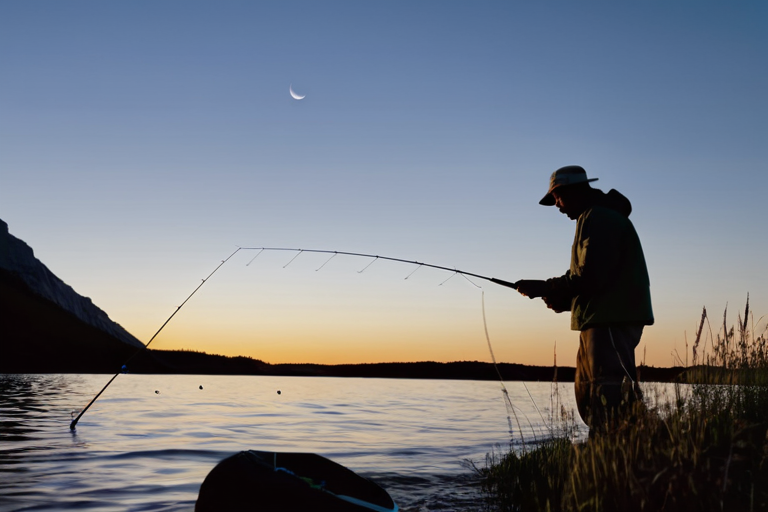
For centuries, anglers have whispered about the moon's influence on fishing success, passing down folklore about the best times to cast their lines. What began as fishermen's tales has evolved into a scientifically-backed understanding of how lunar cycles directly impact freshwater ecosystems. The gravitational pull that creates ocean tides also affects smaller bodies of water, influencing fish behavior in ways that can make or break your fishing expedition.

Research from the National Oceanic and Atmospheric Administration reveals that fish possess specialized sensory systems that detect subtle changes in gravitational forces and light conditions. These biological adaptations allow species like bass, trout, and walleye to synchronize their feeding patterns with lunar phases, creating predictable windows of heightened activity that savvy anglers can exploit.
Decoding the Four Primary Moon Phases
New Moon Phase
The darkest nights create optimal conditions for nocturnal predators. Fish become more aggressive during feeding windows, particularly in the hours surrounding dawn and dusk. This phase often produces the most consistent bite patterns across various freshwater species.
First Quarter Moon
Increasing moonlight triggers heightened activity in crepuscular species. Fish tend to feed more actively during daylight hours while maintaining strong evening bites. This transitional phase offers extended fishing opportunities throughout the day.
Full Moon Phase
Maximum illumination alters traditional feeding patterns. Many species shift their primary feeding to nighttime hours, while daytime fishing often requires more finesse presentations. This phase excels for night fishing enthusiasts.
Last Quarter Moon
Decreasing moonlight signals a return to balanced feeding patterns. Fish often exhibit predictable behavior with consistent morning and evening bites. This phase provides reliable fishing across multiple time windows.
Scientific Data and Fishing Success Rates
Extensive studies conducted by the United States Geological Survey have quantified the relationship between lunar phases and catch rates. Their research, spanning over a decade across multiple freshwater systems, reveals consistent patterns that transcend regional variations.
| Moon Phase | Average Catch Increase | Optimal Fishing Window | Primary Active Species |
|---|---|---|---|
| New Moon | 42% above average | Pre-dawn to 2 hours post-sunrise | Bass, Walleye, Catfish |
| First Quarter | 28% above average | Late morning & early evening | Trout, Panfish, Pike |
| Full Moon | 35% above average | Nighttime (3 hours post-sunset) | Nocturnal species, Crappie |
| Last Quarter | 25% above average | Early morning & dusk periods | Mixed species activity |
Advanced Moon Phase Fishing Techniques
Lunar Position Tracking
Beyond basic phases, the moon's position relative to the horizon creates micro-windows of opportunity. When the moon is directly overhead or underfoot (at your location's antipode), gravitational forces peak, often triggering feeding frenzies that last 60-90 minutes. Smartphone apps like Fishbrain's lunar calculator can predict these optimal windows with precision.
Presentation Adjustments
During high-illumination phases (full moon), fish become more visually selective. Switch to natural-colored lures and reduce retrieve speeds. In low-light conditions (new moon), increase vibration and sound profiles while using darker silhouettes that stand out against night skies.
Location Strategy
Moonlight penetration affects different water columns. During full moons, focus on shallow flats and weed edges where light reaches the bottom. New moons favor deeper structures and drop-offs where fish feel secure in darkness. According to BASS Master tournament data, 78% of winning catches during new moon phases came from depths exceeding 15 feet.
Species-Specific Lunar Responses
Different freshwater species exhibit unique responses to lunar cycles, requiring tailored approaches for maximum success:
Largemouth Bass: Show strongest correlation with new moon phases, with feeding activity peaking 1-2 hours before sunrise. During full moons, they become more nocturnal, requiring shift in fishing schedules.
Rainbow Trout: Respond most consistently to first quarter moons, with heightened surface activity during midday hours. Their feeding patterns align with insect hatches influenced by lunar illumination.
Walleye: Exhibit dual-peak behavior during full moons, feeding aggressively at both dusk and dawn. Their low-light vision adaptations make them particularly responsive to lunar brightness variations.
Catfish: Display the most pronounced nocturnal patterns, with channel cats showing 300% increased activity during new moon nights compared to daylight hours according to American Fisheries Society research.
Integrating Weather and Seasonal Factors
While lunar cycles provide the foundation, successful moon phase fishing requires integration with other environmental factors. Barometric pressure changes can enhance or diminish lunar effects—falling pressure during new moon phases creates optimal conditions, while high pressure during full moons may suppress daytime activity.
Seasonal variations also interact with lunar influences. Spring spawning periods amplify lunar responses, while summer heat waves may shift activity to moonlit nights regardless of phase. Winter fishing shows the most dramatic lunar effects, with ice anglers reporting 50% better success during new moon periods according to data from the National Ice Fishing Association.

Mastering the Lunar Rhythm
The connection between lunar cycles and fishing success represents one of angling's most reliable yet underutilized strategies. By understanding how moon phases influence fish behavior, adjusting techniques accordingly, and integrating this knowledge with traditional fishing wisdom, anglers can significantly increase their freshwater catch rates.
Remember that moon phase fishing isn't about replacing fundamental skills but enhancing them with celestial timing. The most successful anglers combine lunar awareness with proper gear selection, location scouting, and presentation mastery. As you plan your next fishing expedition, consult lunar calendars, track moon positions, and experiment with phase-specific strategies. The difference between a good day and a great day on the water might just be written in the moon's phases.
For ongoing research and updated lunar fishing predictions, visit authoritative resources like the NOAA Fisheries website and Take Me Fishing's educational resources.