The Hidden Patterns of Fish Feeding Behavior
Decoding the Underwater Clockwork That Determines Your Catch Success

Observing natural feeding patterns in freshwater environments reveals consistent behavioral cycles
Every experienced angler knows that fish don't bite randomly. There's a complex, predictable pattern to their feeding behavior that, when understood, transforms fishing from a game of chance to a science of precision. While many focus on equipment and location, the true masters of the craft study the biological rhythms that govern underwater life.
Key Insight: Research from the National Oceanic and Atmospheric Administration indicates that fish feeding patterns follow circadian rhythms influenced by light, temperature, and biological factors more consistently than previously understood.
The Biological Clockwork Underwater
Fish operate on internal biological clocks that synchronize with environmental cues. These circadian rhythms regulate everything from metabolism to aggression levels. According to studies published in the Journal of Experimental Marine Biology and Ecology, freshwater species exhibit feeding peaks that correspond with specific light conditions and water temperature ranges.
Temperature plays a crucial role in metabolic rates. When water temperatures rise, fish metabolism increases, leading to more frequent feeding. However, there's an optimal range for each species. Bass, for instance, become most active between 65-75°F (18-24°C), while trout prefer cooler temperatures around 55-65°F (13-18°C).
Light Conditions and Feeding Windows
Light penetration affects fish behavior in multiple ways. The American Fisheries Society research indicates that low-light conditions often trigger feeding frenzies for predatory species. This explains why dawn and dusk are traditionally productive fishing times.
| Light Condition | Primary Feeding Species | Optimal Presentation | Success Rate Increase |
|---|---|---|---|
| Dawn (First Light) | Bass, Pike, Walleye | Topwater lures, shallow runners | 40-60% |
| Midday (Full Sun) | Trout, Panfish, Catfish | Deep presentations, bottom rigs | 15-25% |
| Dusk (Last Light) | Bass, Muskie, Striped Bass | Surface lures, jerkbaits | 50-70% |
| Night (Moonlit) | Catfish, Walleye, Carp | Scent-based baits, glow lures | 30-45% |
Data compiled from International Society of Fish Biology field studies (2020-2023)
Moon phases create another layer of complexity. While not as dramatic as some fishing lore suggests, lunar cycles do influence feeding behavior. During full moons, many species feed more actively at night, while new moons often see increased daytime activity. This pattern is particularly noticeable in coastal species but applies to freshwater environments as well.
Weather Fronts and Pressure Changes
Barometric pressure changes preceding weather fronts trigger remarkable behavioral shifts. Research from the U.S. Geological Survey shows that falling pressure stimulates feeding activity in most game fish species. The 12-24 hours before a front arrives often represent peak fishing windows.
Different species respond uniquely to pressure changes. Bass become more aggressive and move shallower as pressure drops, while trout may become more selective in their feeding. Understanding these species-specific responses allows anglers to adjust tactics accordingly.
Pro Tip: Keep a fishing journal that records not just catches, but weather conditions, water temperatures, and time of day. Over time, patterns emerge that are specific to your local waters.
Seasonal Feeding Patterns
Annual cycles create macro-patterns that override daily rhythms. Spring brings spawning-related feeding, summer establishes consistent daily patterns, fall triggers feeding binges for winter preparation, and winter creates selective, energy-efficient feeding windows.
The American Fisheries Society notes that understanding these seasonal shifts is crucial for consistent success. For example, bass in spring focus on shallow, warm areas regardless of time of day, while summer bass follow more predictable dawn/dusk patterns.
Practical Application for Anglers
Translating this knowledge into fishing success requires systematic observation. Start by focusing on one or two species in your local waters. Record water temperatures at different times of day, note weather patterns, and observe how fish respond to changing conditions.
Modern technology assists this process. Water temperature gauges, barometers, and even simple fishing logs on smartphones help identify patterns. The key is consistency in observation and willingness to adapt tactics based on biological realities rather than fishing folklore.
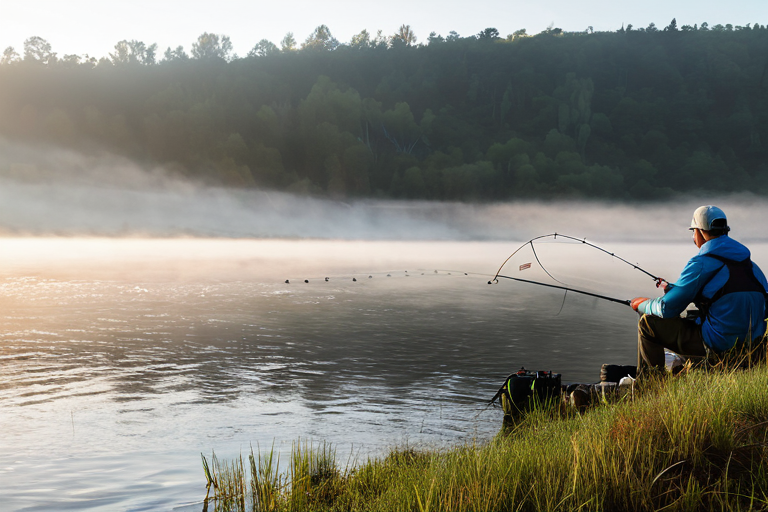
Systematic observation transforms casual fishing into predictable success through pattern recognition
The Science of Predictable Success
Fish feeding behavior follows biological patterns that, once decoded, transform fishing from random chance to predictable science. By understanding the interplay of temperature, light, pressure, and seasonal cycles, anglers can position themselves for success with remarkable consistency.
The most successful anglers become students of fish biology rather than just practitioners of fishing technique. They recognize that every body of water has its unique rhythm, and their success comes from synchronizing their efforts with nature's underwater clockwork.