The Uncharted Depths of Deep Sea Angling: Mastering Techniques for Oceanic Giants
Deep sea fishing represents the pinnacle of angling adventure, combining advanced technology with traditional skills to pursue some of the ocean's most formidable inhabitants. This comprehensive guide explores the specialized techniques, equipment, and conservation practices that define modern offshore angling.
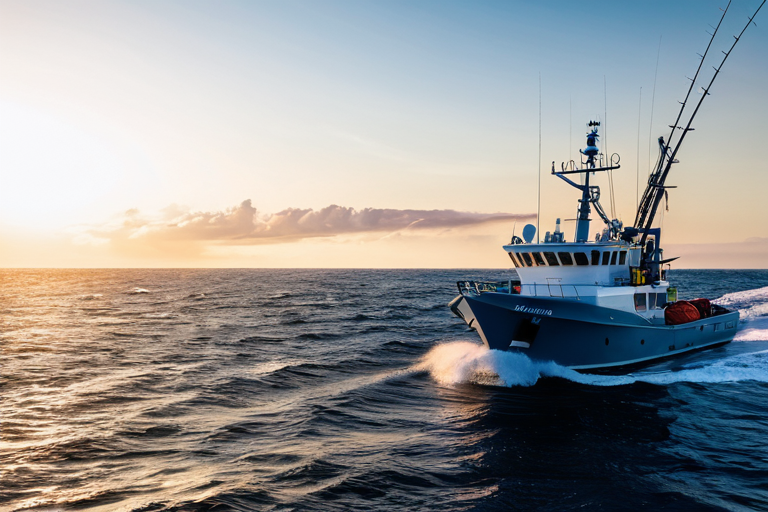
Modern deep sea vessels equipped with advanced navigation and fish-finding technology
Understanding Pelagic Ecosystems
Deep sea angling requires comprehensive knowledge of pelagic ecosystems, where species distribution follows complex oceanographic patterns. According to research from the National Oceanic and Atmospheric Administration Fisheries, successful offshore anglers must understand thermoclines, current systems, and nutrient upwelling zones that concentrate predatory species.
Marine biologists at the Scripps Institution of Oceanography have documented how blue water species like marlin, tuna, and swordfish follow specific temperature gradients and prey migrations. Their studies reveal that successful anglers must interpret satellite sea surface temperature data alongside traditional knowledge of bird activity and surface disturbances.
Key Oceanographic Factors
- Thermocline depth and strength
- Current convergence zones
- Chlorophyll concentration areas
- Underwater topography features
- Seasonal upwelling patterns
Advanced Offshore Equipment
Modern deep sea fishing has evolved dramatically with technological advancements. The International Game Fish Association (IGFA) maintains standards for offshore equipment that balance sporting challenge with practical effectiveness.
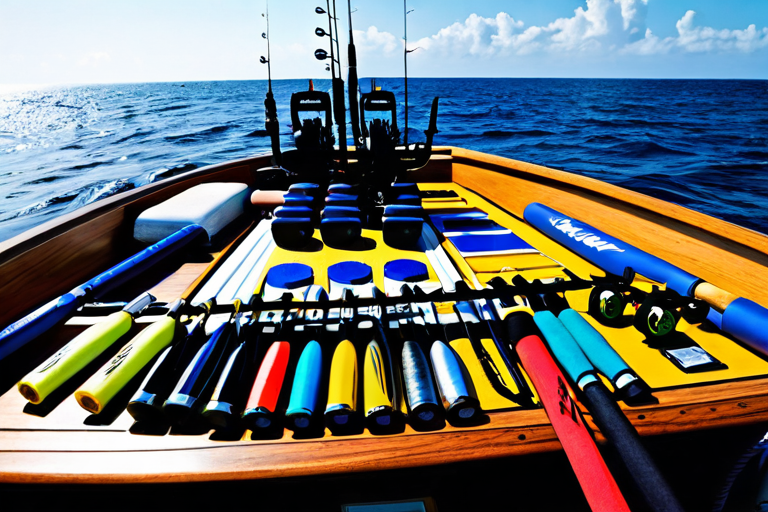
Specialized tackle designed for battling large pelagic species
Rod and Reel Systems
Offshore anglers employ specialized lever drag reels capable of handling 500+ yards of 80-130 lb test line. According to equipment tests conducted by Sport Fishing Magazine, modern offshore rods feature composite materials that provide both strength and sensitivity, allowing anglers to detect subtle strikes at depths exceeding 200 feet.
Electronic Navigation Systems
Advanced fish finders and chart plotters have revolutionized offshore angling. Systems integrating side-scan sonar, 3D mapping, and real-time current data enable precise targeting of pelagic species. The Navico Group, manufacturers of Simrad and Lowrance systems, reports that modern anglers can identify individual fish species and size classes at depths previously considered unreachable.
Specialized Fishing Techniques
Trolling Methods
Strategic trolling patterns vary based on target species and conditions. Experienced captains employ spread configurations that mimic natural bait schools, with surface, mid-water, and deep-running lures working in concert.
Live Bait Techniques
Proper live bait presentation requires understanding species-specific behavior. Techniques include bridling, nose-hooking, and shoulder-hooking methods that maximize bait longevity and natural movement.
Deep Dropping
For bottom-dwelling species like tilefish and grouper, specialized electric reels and heavy sinker systems enable precise presentations at depths exceeding 1,000 feet.
Target Species Strategies
Each pelagic species requires specific approaches based on feeding behavior, habitat preferences, and seasonal patterns. The Billfish Foundation provides extensive research on marlin and sailfish behavior, noting that successful anglers must adapt techniques based on water temperature, light conditions, and prey availability.
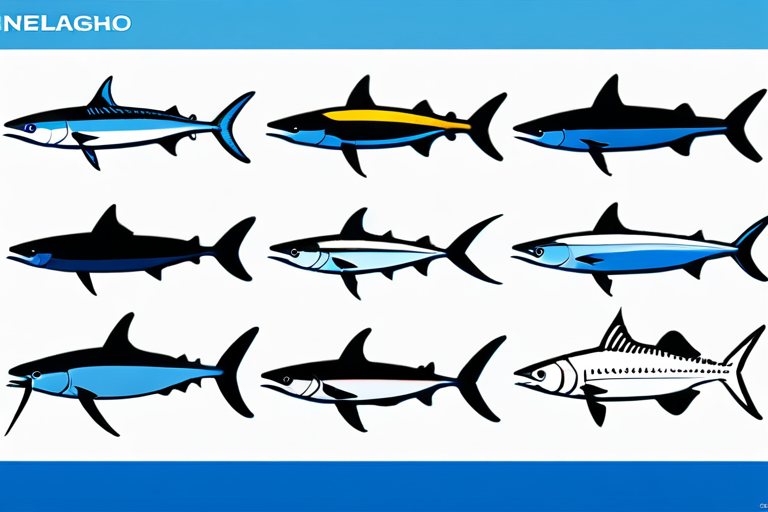
Diverse pelagic species requiring specialized angling approaches
Blue Marlin Tactics
Blue marlin, the apex predators of tropical waters, require specific lure selections and trolling speeds. Research from the University of Hawaii's Pelagic Fisheries Research Program indicates that marlin respond best to lures creating specific bubble trails and water disturbances at speeds between 8-12 knots.
Tuna Fishing Methods
Tuna species, from yellowfin to bluefin, demand different approaches based on their schooling behavior and feeding patterns. The Tuna Research and Conservation Center documents how successful anglers use chumming techniques, live bait presentations, and specialized jigs to target specific tuna species throughout the water column.
Conservation and Sustainability
Responsible deep sea angling incorporates conservation practices that ensure species sustainability. The Marine Conservation Institute advocates for circle hooks, proper handling techniques, and selective harvest practices that minimize impact on vulnerable populations.
Sustainable Practices
- Use of non-offset circle hooks to reduce mortality
- Proper fish handling and release techniques
- Adherence to size and bag limits
- Participation in tagging programs
- Support for marine protected areas
Safety Considerations
Offshore angling presents unique safety challenges that require comprehensive preparation. The U.S. Coast Guard Boating Safety Division emphasizes the importance of proper safety equipment, weather monitoring, and emergency communication systems for offshore operations.
Essential safety equipment includes EPIRB (Emergency Position Indicating Radio Beacon) devices, satellite communication systems, comprehensive first aid kits, and proper personal flotation devices designed for offshore conditions. Regular safety drills and proper crew training significantly reduce risks associated with deep sea angling.
The Future of Deep Sea Angling
Technological advancements continue to transform offshore fishing. Emerging technologies include AI-powered fish prediction algorithms, advanced satellite imaging for water condition analysis, and biodegradable fishing gear that reduces marine pollution.
Research institutions like the Woods Hole Oceanographic Institution are developing new understanding of pelagic ecosystems that will inform future angling practices. Their work on ocean acoustics and predator-prey relationships promises to revolutionize how anglers locate and target offshore species.
Deep sea angling represents the ultimate synthesis of traditional fishing knowledge and modern technology. By combining advanced equipment with ecological understanding and conservation ethics, anglers can pursue oceanic giants while contributing to marine ecosystem preservation. The future of offshore fishing lies in this balance between adventure and responsibility, where each expedition contributes to both personal achievement and broader ocean stewardship.