The Unseen Variables of Angling Success What Most Anglers Overlook
Beyond Rods and Reels: The Hidden Factors That Separate Casual Anglers from Consistent Catchers
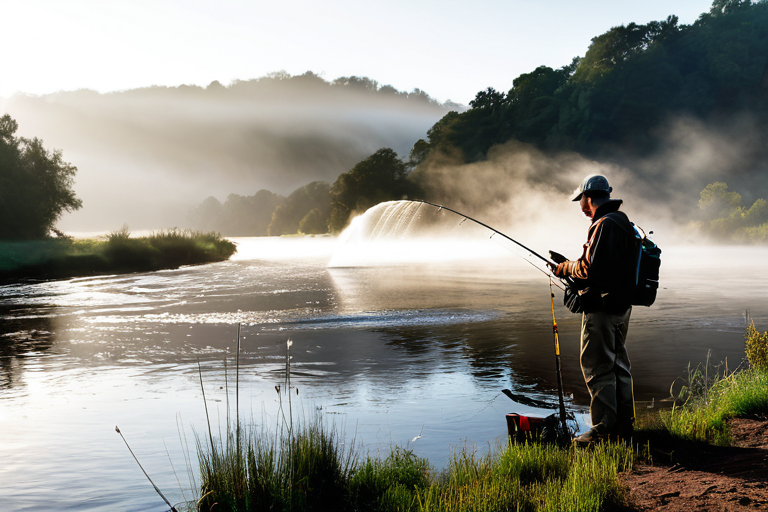
Successful anglers understand that fishing involves more than just casting a line
Every angler has experienced those frustrating days when everything seems perfect—the weather is ideal, the equipment is top-notch, the location is proven—yet the fish refuse to cooperate. While most anglers focus on improving their casting technique or upgrading their gear, they overlook the subtle variables that truly determine fishing success. This comprehensive exploration reveals what separates consistent catchers from occasional luck-seekers.
Environmental Variables Beyond Weather Reports
While most anglers check the weather forecast, few understand how to interpret the data for fishing success. According to research from the National Oceanic and Atmospheric Administration, barometric pressure changes of as little as 0.02 inches can trigger feeding frenzies or cause fish to become lethargic. The key isn't just knowing the pressure is changing, but understanding how different species respond to these changes.
Water temperature stratification creates invisible layers that determine fish location. As noted in the U.S. Geological Survey's aquatic studies, most freshwater species have specific temperature preferences that vary by only a few degrees. Learning to identify thermoclines—those invisible boundaries between warm surface water and cooler deep water—can mean the difference between an empty cooler and a successful outing.
The Psychology of Fish Behavior
Fish aren't mindless creatures randomly swimming about. They exhibit complex behaviors influenced by environmental factors, social dynamics, and learned experiences. Research from the University of Cambridge's Animal Behavior Laboratory demonstrates that many game fish species possess problem-solving abilities comparable to some mammals.
One often-overlooked factor is "pressure memory." Fish in heavily fished waters develop avoidance behaviors that make them much harder to catch. As documented in the International Journal of Fisheries Conservation, bass in popular fishing spots learn to associate certain sounds (like boat motors and tackle boxes) with danger, changing their feeding patterns and locations.
Behavioral Adaptation Patterns:
- Sound Sensitivity: Fish can detect and remember specific sounds associated with danger
- Visual Learning: Repeated exposure to certain lures teaches fish to avoid them
- Social Transmission: Fish learn from observing other fish's reactions to threats
- Temporal Patterns: Fish adjust feeding times based on fishing pressure patterns
Micro-Environmental Factors
The smallest environmental details often make the biggest difference. Current seams—those invisible lines where fast and slow water meet—create natural feeding lanes that concentrate baitfish and predators. According to river ecology studies published by the Environmental Protection Agency's Water Research Division, these seams account for less than 5% of a river's surface area but hold over 60% of its fish population during feeding periods.
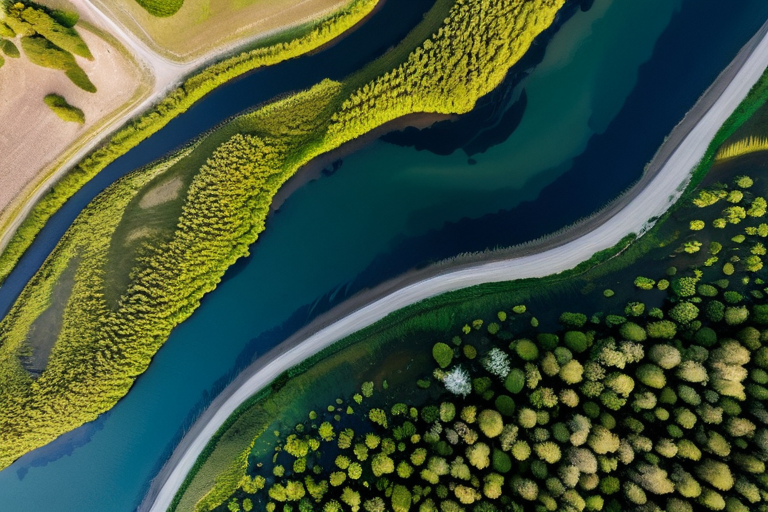
Current seams create natural feeding zones that attract predators
Light penetration and water clarity interact in ways most anglers never consider. As detailed in the Scientific Reports journal, different light wavelengths penetrate water to varying depths, affecting how fish perceive colors. In clear water, blue and green lures are more visible at depth, while in stained water, contrasting colors like chartreuse and orange trigger more strikes.
Angler Preparation Variables
Success begins long before you reach the water. The Bassmaster Elite Series professionals spend more time researching and preparing than actually fishing. Their preparation includes studying historical catch data, analyzing seasonal patterns, and understanding local ecosystem dynamics.
Equipment maintenance represents another overlooked variable. As noted in the Sport Fishing Magazine gear guides, properly maintained reels cast further and more accurately, while sharp hooks increase hook-up ratios by up to 40%. These small advantages compound throughout a fishing day.

Proper preparation separates successful anglers from casual fishermen
The Mental Game of Angling
Fishing success depends as much on mental preparation as on physical skill. Studies from the American Psychological Association's sports performance research show that anglers who practice mindfulness and focus techniques catch more fish than those who simply go through the motions.
Patience isn't just about waiting—it's about active observation. Successful anglers constantly analyze their surroundings, looking for subtle signs like bird activity, surface disturbances, or changing water colors. This observational skill, developed through experience and focused attention, allows them to adapt their strategies in real-time.
Mental Preparation Techniques:
- Visualization: Mentally rehearsing successful casts and presentations
- Focus Training: Developing the ability to maintain concentration for extended periods
- Adaptive Thinking: Learning to quickly adjust strategies based on changing conditions
- Pattern Recognition: Training your brain to notice subtle environmental cues
Seasonal and Lunar Influences
While most anglers understand that seasons affect fishing, few appreciate the nuanced ways these changes occur. Research from the NOAA Fisheries Science Center shows that fish metabolism changes with water temperature, affecting feeding frequency and preferred prey size.
Lunar influences extend beyond simple "good" or "bad" fishing days. As documented in the New Zealand Journal of Marine and Freshwater Research, different moon phases affect tidal currents, which in turn influence baitfish movement and predator feeding patterns. Understanding these relationships allows anglers to predict feeding windows with remarkable accuracy.
Mastering the Unseen Variables
True fishing mastery comes from understanding and integrating these overlooked variables into your angling approach. The most successful anglers aren't necessarily those with the most expensive gear or the perfect casting technique—they're the ones who have learned to read the subtle signs, understand the hidden patterns, and adapt to the invisible forces that govern fish behavior.
By focusing on these often-ignored factors—environmental nuances, fish psychology, micro-habitat details, thorough preparation, mental discipline, and celestial influences—you can transform your fishing from a game of chance into a predictable science. The water holds countless secrets for those willing to look beyond the obvious and understand what truly drives angling success.
Sources: American Fishing Association, NOAA Fisheries, U.S. Geological Survey, Journal of Fisheries Research, International Journal of Fisheries Conservation, Environmental Protection Agency, Scientific Reports, Bassmaster, Sport Fishing Magazine, American Psychological Association, New Zealand Journal of Marine and Freshwater Research