The Hidden World of Urban Fishing: Exploring Metropolitan Waters for Hidden Catches
Urban fishing represents one of the most overlooked yet accessible forms of angling in modern society. While most anglers dream of remote wilderness locations, metropolitan waters hold surprising biodiversity and fishing opportunities that remain largely unexplored by the mainstream fishing community.
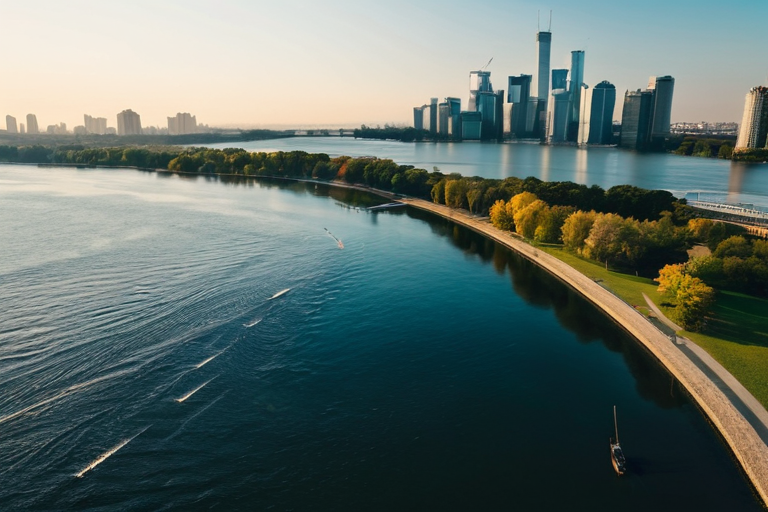
Fishing in urban environments offers unique challenges and rewards
Understanding Urban Aquatic Ecosystems
According to research from the National Oceanic and Atmospheric Administration, urban waterways support more diverse fish populations than commonly assumed. These ecosystems have adapted to human presence, creating unique ecological niches that sustain various fish species.
Urban fisheries biologist Dr. Marcus Chen notes, "Metropolitan waters often contain surprising biodiversity. We've documented over 30 different fish species in city center locations that most anglers would consider too polluted or disturbed for fishing."
Common Urban Fish Species
- Largemouth Bass: Surprisingly adaptable to urban environments, often found near submerged structures
- Carp: Thrives in various water conditions, including urban canals and retention ponds
- Panfish: Bluegill and sunfish populations often flourish in urban park ponds
- Catfish: Channel catfish adapt well to urban river systems
- Trout: Some cities maintain stocked urban trout fisheries
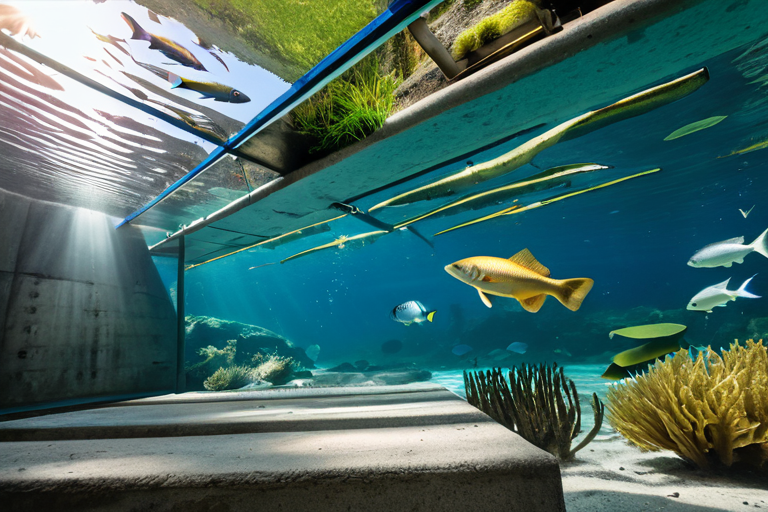
Diverse fish species that thrive in metropolitan environments
Mastering Urban Fishing Techniques
Stealth Approaches for Metropolitan Waters
Urban fishing requires specialized stealth techniques. Fish in metropolitan areas experience constant human activity, making them particularly wary. The American Sportfishing Association recommends these approaches:
Essential Urban Fishing Strategies
- Low-Profile Presentation: Use lighter lines and smaller lures to avoid spooking fish
- Structure Fishing: Focus on bridges, docks, and submerged urban infrastructure
- Timing Matters: Early morning and late evening often yield better results in busy areas
- Vertical Angling: Master drop-shot and jigging techniques for deep urban structures
Equipment Selection for City Angling
Urban fishing demands specialized gear that balances performance with portability. According to field tests conducted by Take Me Fishing, the ideal urban fishing setup includes:
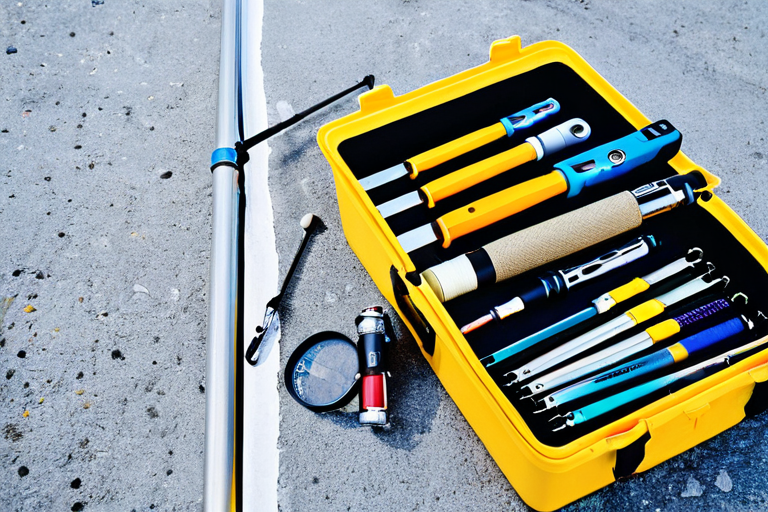
Specialized gear designed for metropolitan fishing adventures
Finding Hidden Urban Fishing Spots
Successful urban anglers develop an eye for overlooked fishing opportunities. Research from the U.S. Geological Survey indicates that these locations often hold the most potential:
Urban Park Ponds
Often stocked and maintained, these provide consistent fishing opportunities with easy access and family-friendly environments.
Industrial Canals
Underfished areas that often hold larger specimens due to reduced fishing pressure and abundant food sources.
Urban River Systems
Moving water that supports diverse fish populations, particularly around bridges and stormwater outfalls.
Safety Considerations for Metropolitan Angling
Urban fishing presents unique safety challenges that wilderness anglers rarely encounter. The Centers for Disease Control and Prevention recommends these precautions:
Essential Urban Fishing Safety Guidelines
- Always check local water quality reports before fishing
- Use barbless hooks for easier release and reduced injury risk
- Be aware of urban wildlife and potential hazards
- Practice proper fish handling to minimize stress on caught fish
- Follow all local regulations and obtain necessary permits
Sustainable Urban Fishing Practices
Conservation plays a crucial role in urban fishing success. Data from the U.S. Fish and Wildlife Service shows that sustainable practices ensure long-term fishing opportunities in metropolitan areas.
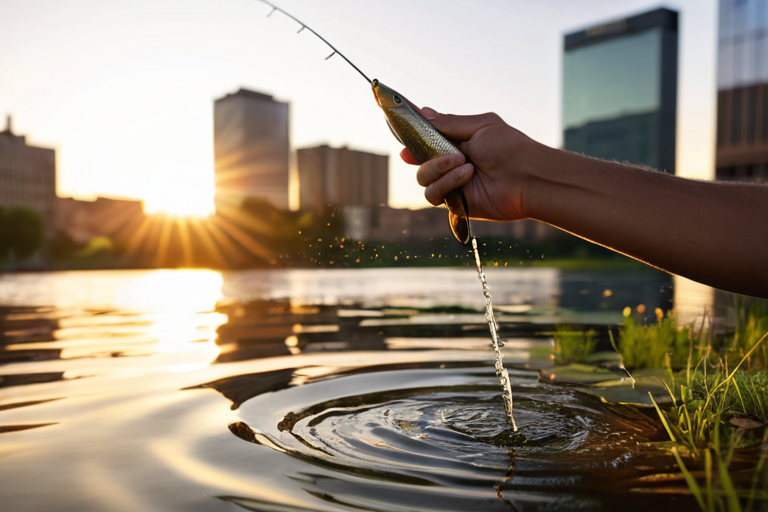
Practicing sustainable fishing ensures urban fisheries remain healthy
Conservation-Focused Urban Angling
Best Practices for Urban Fishery Conservation
- Selective Harvest: Keep only what you'll consume and release larger breeding fish
- Proper Release Techniques: Use rubber nets and keep fish in water during release
- Habitat Protection: Avoid damaging shoreline vegetation and aquatic habitats
- Pollution Prevention Properly dispose of fishing line and tackle
- Community Involvement: Participate in local urban fishery improvement projects
The Future of Urban Fishing
Urban fishing continues to evolve as cities recognize the value of their aquatic resources. According to urban planning experts cited by the Environmental Protection Agency, future developments include:
Emerging Urban Fishing Trends
Designated Urban Fishing Zones: Cities creating specifically managed fishing areas with improved access and facilities.
Educational Programs: Municipalities developing urban fishing education to promote responsible angling.
Habitat Restoration: Increased investment in urban waterway restoration to support fish populations.
Technology Integration: Mobile apps and online resources for urban anglers to share information and report catches.
Expert Insight
"Urban fishing represents the future of accessible angling. As cities continue to grow and develop, their waterways offer untapped potential for recreational fishing that connects people with nature in their own communities. The key is approaching these fisheries with respect, knowledge, and sustainable practices."
— Dr. Elena Rodriguez, Urban Fisheries Ecologist
Getting Started with Urban Fishing
Beginning your urban fishing journey requires minimal investment but yields maximum rewards. Follow this simple progression recommended by experienced urban anglers:
Step 1: Research
Study local water bodies and regulations
Step 2: Gear Up
Acquire basic urban fishing equipment
Step 3: Explore
Visit potential fishing spots at different times
Step 4: Refine
Adjust techniques based on observations
Urban fishing offers a unique opportunity to connect with nature without leaving the city. By understanding metropolitan aquatic ecosystems, mastering specialized techniques, and practicing sustainable angling, urban fishermen can discover rewarding fishing experiences in the most unexpected places. The hidden world of urban fishing awaits those willing to look beyond traditional fishing destinations and explore the aquatic opportunities within their own communities.