The Silent Language of Lake Fishing: Decoding Stillwater Ecosystems for Consistent Catches
Lake fishing represents one of the most complex yet rewarding forms of freshwater angling, where success depends not merely on casting accuracy but on understanding the intricate dance between aquatic life, seasonal changes, and environmental factors. Unlike river systems with obvious current patterns, lakes present anglers with subtle clues that require careful observation and interpretation.
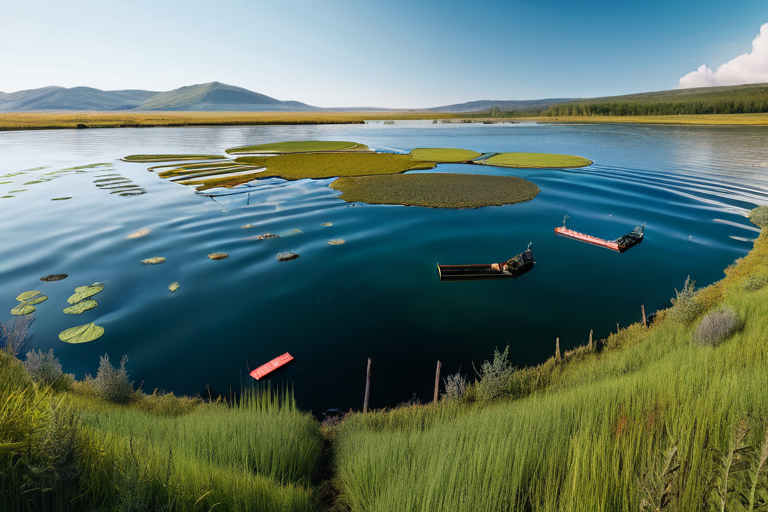
The Science of Lake Stratification and Fish Behavior
Lakes undergo thermal stratification throughout the year, creating distinct layers that dramatically influence fish distribution and feeding patterns. According to research from the American Fisheries Society, this stratification creates three primary zones: the epilimnion (warm surface layer), metalimnion (thermocline or transition zone), and hypolimnion (cold bottom layer). Each zone supports different species and requires specific approaches.
Water temperature monitoring has become increasingly sophisticated with modern technology. The United States Geological Survey documents how different species have specific temperature preferences: largemouth bass thrive in 65-75°F, walleye prefer 55-68°F, while trout often seek the coldest available water, typically below 60°F.
Advanced Stillwater Fishing Techniques
Vertical Jigging Mastery
This precision technique involves presenting lures directly beneath the boat, allowing anglers to target specific depth zones with surgical accuracy. Modern electronics enable anglers to identify suspended fish and present offerings at exact depths where fish are holding.
Structure Fishing Strategies
Lakes contain underwater structures that concentrate fish populations. According to Bassmaster Magazine, key structures include submerged timber, weed lines, drop-offs, and points where currents create natural feeding lanes.
Drift Fishing Dynamics
Utilizing wind and subtle currents to cover large areas while presenting baits naturally. This passive approach often triggers strikes from neutral or negative fish that might ignore more aggressive presentations.
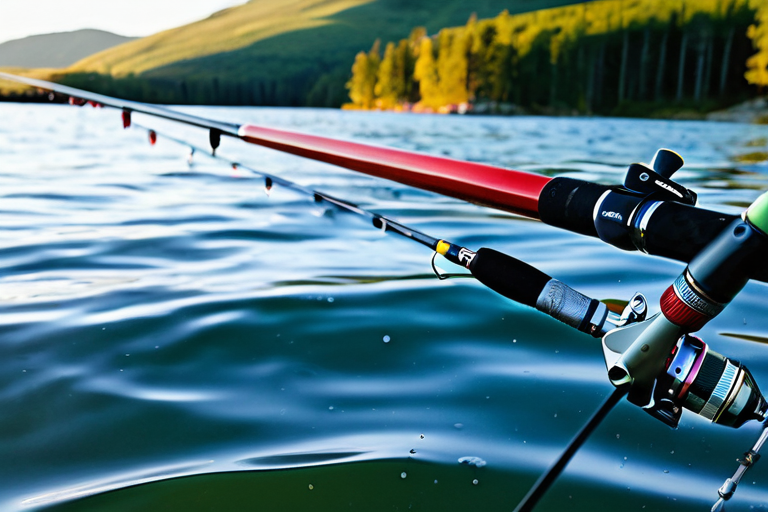
Seasonal Patterns and Adaptation Strategies
Spring Transition
As water temperatures rise from winter lows, fish move from deep wintering areas to shallow spawning grounds. Focus on north-facing banks that warm first and areas with emerging vegetation.
Summer Patterns
Thermal stratification establishes, pushing many species to specific depth zones. Early morning and late evening become prime times as fish move shallower to feed during low-light conditions.
Fall Turnover
The most dynamic period when lakes "turn over," mixing oxygen and nutrients throughout the water column. Fish become highly active and feed aggressively before winter.
Winter Strategies
Fish congregate in the warmest available water, often the deepest parts of lakes. Slow presentations and precise depth control become critical for success.
Essential Equipment for Lake Fishing Success
| Equipment Type | Primary Use | Recommended Specifications |
|---|---|---|
| Graphing Sonar | Structure identification and fish location | Dual-frequency (50/200 kHz) with side imaging capability |
| Medium-Heavy Rod | Versatile lure presentation | 7' length, fast action, graphite construction |
| Baitcasting Reel | Precision casting and control | 7.3:1 gear ratio, magnetic braking system |
| Fluorocarbon Line | Low visibility presentations | 10-17 lb test depending on target species |
| Temperature Gauge | Water temperature monitoring | Digital probe with surface and depth readings |
Reading Aquatic Insect Hatches
Successful lake anglers develop the ability to "match the hatch," identifying which aquatic insects are emerging and presenting appropriate imitations. The Trout Unlimited conservation organization notes that mayflies, caddisflies, and midges represent the primary food sources for many lake-dwelling species.
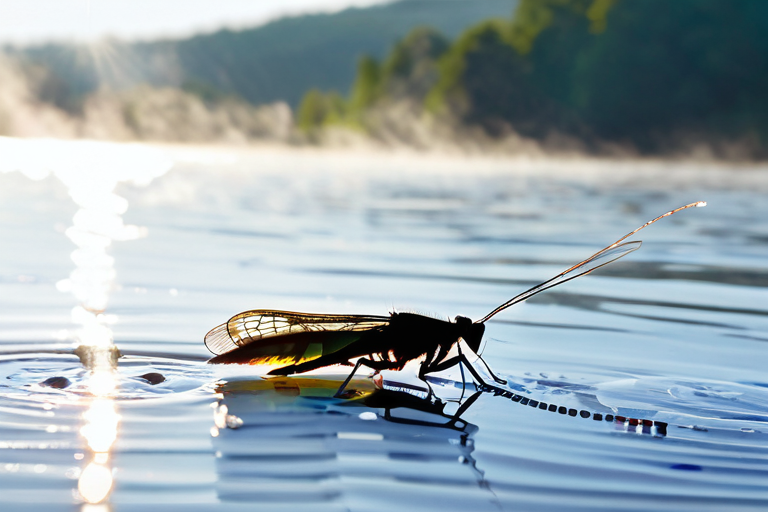
Timing is critical when fishing insect hatches. Most hatches occur during specific temperature ranges and times of day. Evening caddisfly emergences often trigger explosive surface feeding, while midge hatches may occur throughout the day during cooler months.
Weather and Atmospheric Pressure Effects
Barometric pressure changes significantly influence fish behavior in lakes. Research compiled by the National Oceanic and Atmospheric Administration indicates that falling pressure typically increases feeding activity, while rapidly rising pressure often makes fish more lethargic and difficult to catch.
Wind direction and intensity create current patterns even in seemingly still lakes. Wind blowing across the surface pushes plankton and baitfish, creating natural feeding lanes that predators learn to patrol. Positioning your boat to drift with these natural currents often produces more strikes than anchoring in one location.
Mastering the Lake Fishing Mindset
Lake fishing success ultimately depends on developing a holistic understanding of aquatic ecosystems rather than simply mastering casting techniques. The most accomplished stillwater anglers combine scientific knowledge with observational skills, adapting their approaches based on seasonal changes, weather conditions, and fish behavior patterns. By learning to interpret the subtle clues lakes provide—from temperature gradients to insect activity—anglers can consistently locate and catch fish throughout the year.
Remember that every lake tells a story through its structure, vegetation, and seasonal patterns. Patient observation and systematic exploration will reveal these patterns, transforming random casting into strategic angling that produces consistent results regardless of conditions.