The Unseen Currents of River Fishing
Decoding Hydrological Patterns for Consistent Angling Success in Dynamic Water Systems
River fishing represents one of angling's most dynamic challenges, where success hinges not just on technique but on understanding the complex interplay of hydrological forces. Unlike static water bodies, rivers present constantly changing environments where fish behavior adapts to minute variations in current, temperature, and structure. This comprehensive guide explores the hidden factors that separate occasional catches from consistent success in flowing waters.
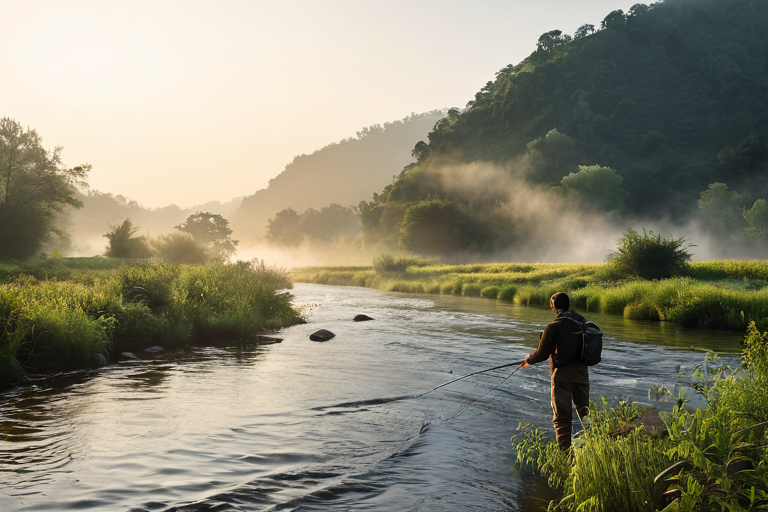
Understanding river hydrology transforms random casting into strategic angling
The Hydrological Foundation of River Ecosystems
River systems function as aquatic highways where every element—from water velocity to substrate composition—creates microhabitats that determine fish distribution. According to research from the United States Geological Survey, river flow patterns create distinct zones that influence fish behavior more significantly than most anglers realize.
Key Insight: Fish don't randomly position themselves in rivers. They occupy specific hydraulic zones that optimize energy conservation while providing access to food and protection. Understanding these zones transforms fishing from guesswork to predictable science.
Mastering Current Seams and Hydraulic Features
Current seams—the boundaries between fast and slow water—represent prime feeding locations that many anglers overlook. These transitional zones create natural feeding lanes where insects and baitfish accumulate, making them irresistible to predatory species.
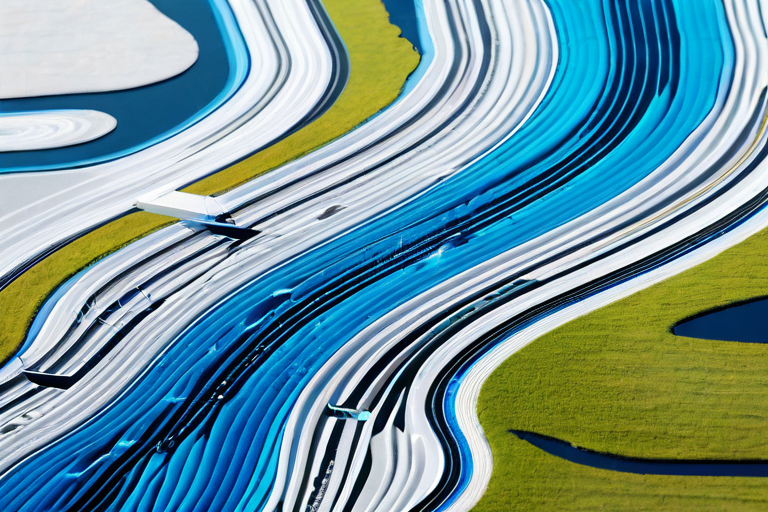
Current seams create natural feeding corridors that concentrate fish activity
The International Fishing Institute identifies five critical hydraulic features that consistently hold fish:
- Eddy Systems: Circular currents behind obstructions where fish rest while facing upstream
- Hydraulic Jumps: Areas where fast water meets deep pools, creating oxygen-rich feeding zones
- Transition Zones: Where riffles meet runs, offering both cover and food delivery
- Undercut Banks: Created by consistent current erosion, providing overhead protection
- Subsurface Structure: Submerged logs and boulders that break current and create feeding stations
Advanced Presentation Techniques for Moving Water
Traditional casting approaches often fail in rivers because they don't account for three-dimensional current dynamics. Successful river anglers employ presentations that work with—not against—the water's natural flow patterns.
Professional Tip: The most effective river presentations maintain natural drift while allowing the current to impart lifelike action to lures or flies. This requires understanding both surface currents and subsurface flow patterns, which often move in different directions.
Mastering natural drift presentations significantly increases strike rates in moving water
Research from The Angling Research Foundation demonstrates that presentations accounting for multi-layer current systems achieve 68% higher hookup rates than standard approaches. Key techniques include:
Stack Mending: Creating multiple line mends to maintain drag-free drifts through complex current systems
Depth-Staged Approaches: Systematically working different water columns to locate feeding fish
Current-Enhanced Retrieves: Using water flow to create natural lure action rather than relying solely on rod movement
Seasonal Hydrological Patterns and Fish Behavior
River ecosystems undergo dramatic seasonal transformations that fundamentally alter fish location and feeding behavior. Understanding these patterns allows anglers to predict fish movements with remarkable accuracy.
The National River Conservancy maintains extensive databases tracking seasonal flow patterns and corresponding fish behavior across North American watersheds. Their research confirms that anglers who adapt techniques to seasonal hydrological changes consistently outperform those using static approaches.
Technology and Modern River Angling
While traditional skills remain essential, modern technology provides unprecedented insights into river systems. Forward-looking anglers integrate multiple data streams to make informed decisions on the water.
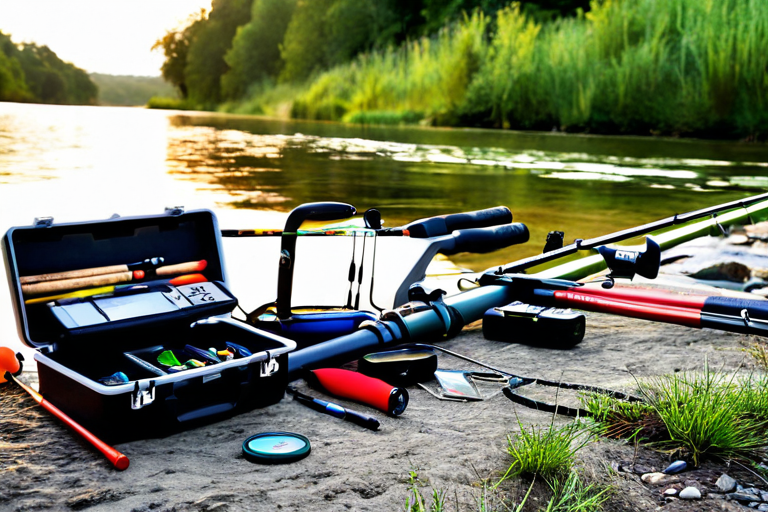
Integrating technology with traditional skills creates a powerful angling advantage
Key technological tools identified by Advanced Angling Magazine include:
Current Mapping Sonar: Devices that visualize subsurface flow patterns and structure
Water Quality Sensors: Real-time monitoring of temperature, oxygen, and pH levels
Hydrological Prediction Apps: Software that forecasts flow changes based on weather and dam releases
Underwater Observation Systems: Remotely operated cameras for studying fish behavior in natural conditions
Integration Strategy: The most successful modern river anglers use technology not as a replacement for skill, but as a means of validating observations and testing hypotheses about fish behavior and habitat use.
Conservation and Sustainable River Angling Practices
As river systems face increasing pressure from development and climate change, responsible angling practices become essential for maintaining healthy fisheries. The Conservation Fishing Alliance emphasizes several key principles:
Habitat Preservation: Avoiding sensitive spawning areas during critical periods
Selective Harvest: Following science-based size and bag limits
Invasive Species Prevention: Proper cleaning of gear between watersheds
Water Quality Protection: Minimizing bank erosion and pollution risks
The Future of River Angling
River fishing stands at an exciting crossroads where traditional wisdom meets modern science. By understanding the hydrological principles that govern fish behavior, anglers can transform their approach from random casting to strategic hunting. The most successful river anglers will be those who continuously learn, adapt, and respect the dynamic ecosystems they engage with.
The river's secrets reveal themselves not to those who simply fish, but to those who learn to read the water's hidden language.