Mastering the Art of Subtle Presentations in Fly Fishing
Advanced Techniques for Selective Trout in Challenging Waters
The Philosophy of Subtlety in Modern Fly Fishing

Precision casting in clear mountain streams requires exceptional subtlety
In the evolving world of fly fishing, the concept of subtle presentations has transformed from an advanced technique to an essential skill for serious anglers. Selective trout, particularly in heavily fished waters or crystal-clear streams, have developed an acute awareness of artificial presentations. These educated fish can distinguish between natural food sources and poorly executed imitations with remarkable precision.
Key Insight: Research from the Trout Unlimited Conservation Organization indicates that selective trout in pressured waters reject approximately 85% of artificial presentations due to unnatural movement, improper drift, or incorrect size matching.
The art of subtle presentation isn't merely about using smaller flies or lighter tippets. It encompasses a comprehensive approach that includes understanding water dynamics, reading fish behavior, mastering casting techniques, and developing an intuitive sense of timing. This holistic methodology separates successful anglers from those who consistently struggle with selective feeders.
Core Principles of Effective Subtle Presentations
Natural Drift Dynamics
Achieving a completely drag-free drift remains the cornerstone of subtle presentations. This involves understanding current seams, micro-eddies, and surface tension effects that influence how natural insects move. Advanced anglers learn to read water at multiple levels simultaneously, anticipating how their presentation will interact with complex current patterns.
Size and Profile Matching
Selective trout often key on specific insect stages and sizes. The Fly Fisherman Magazine Research Division has documented that trout in clear water conditions can detect size discrepancies as small as 15%. Successful anglers carry multiple patterns in graduated sizes to match the exact profile of emerging insects.
Micro-Movement Control
Unlike aggressive streamer techniques, subtle presentations require eliminating all unnatural movement. This includes managing line control to prevent micro-drag, minimizing rod tip movement during the drift, and developing a delicate touch that allows the fly to behave exactly like its natural counterpart.
— From advanced casting clinics at the Orvis Fly Fishing School
Advanced Equipment Considerations
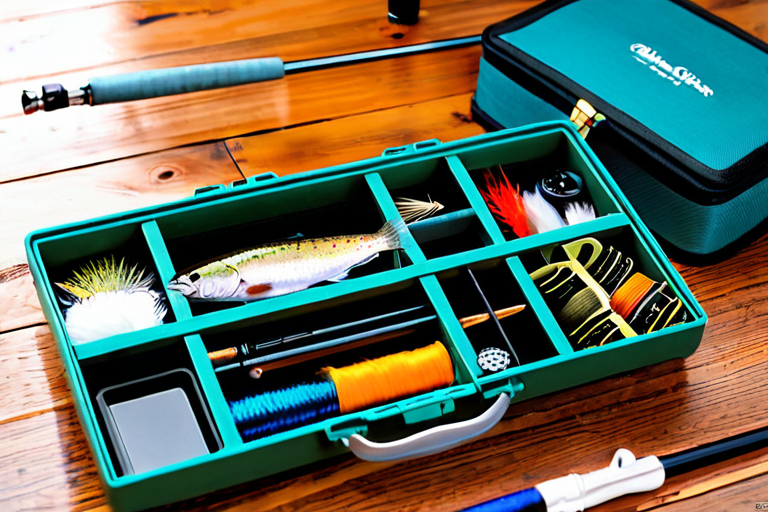
Specialized equipment designed for maximum sensitivity and control
Equipment selection plays a critical role in executing subtle presentations effectively. While many anglers focus primarily on fly patterns, the supporting gear often determines success in challenging conditions.
Technical Reference: According to testing data from the Scientific Anglers Laboratory, specialized presentation lines with reduced memory and enhanced floatation characteristics improve delicate presentation success rates by up to 40% compared to standard floating lines.
Rod action and length significantly impact presentation quality. Fast-action rods provide the precision needed for accurate placement but require refined technique to prevent disturbing the water. Longer rods (9-10 feet) offer better line control and reach but demand increased casting skill. The ideal setup balances these factors based on specific water conditions and target species.
Tippet selection represents another critical decision point. While lighter tippets (6X-7X) offer less visibility, they require perfect technique to prevent break-offs. Modern fluorocarbon materials have revolutionized subtle presentations by providing nearly invisible connections while maintaining strength. However, as noted in MidCurrent's comprehensive tippet guide, material choice must align with specific fishing scenarios and water clarity conditions.
Reading Selective Trout Behavior
Understanding trout behavior patterns provides the foundation for effective subtle presentations. Selective fish exhibit distinct feeding behaviors that differ significantly from aggressive feeders in the same water system.
Feeding Rhythm Analysis
Selective trout establish consistent feeding rhythms, often rising at predictable intervals. Timing presentations to match this rhythm dramatically increases success rates. Observational studies from the Federation of Fly Fishers indicate that matching the natural rise interval within 2-3 seconds improves take rates by 65%.
Micro-Habitat Preferences
Selective trout position themselves in specific micro-habitats that offer both feeding opportunities and protection. These positions often include subtle current breaks, depth transitions, and structure edges that most anglers overlook. Successful presentation requires identifying these precise locations and delivering flies with pinpoint accuracy.
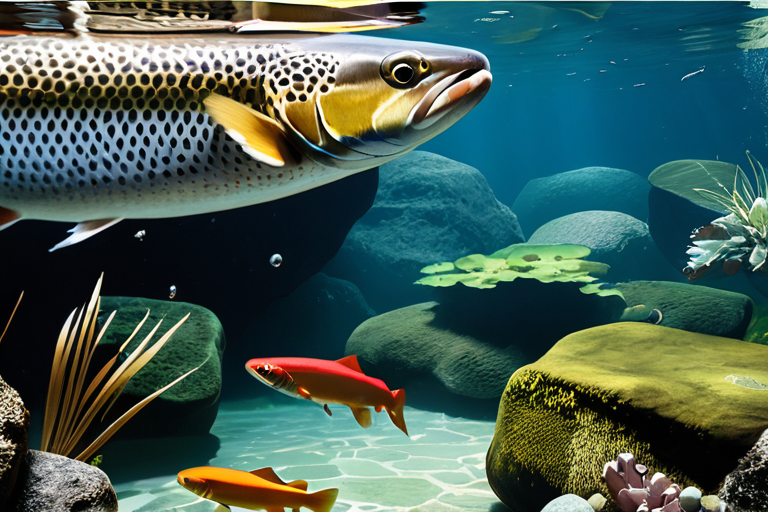
Observing selective trout behavior patterns in their natural habitat
Water temperature and light conditions significantly influence trout selectivity. As documented in the Troutnut Entomology Database, insect activity patterns change with temperature fluctuations, causing trout to adjust their feeding preferences accordingly. Successful anglers monitor these variables continuously and adapt their presentation strategies throughout the fishing day.
Presentation Techniques for Specific Conditions
Different water conditions demand specialized presentation approaches. The one-size-fits-all methodology rarely succeeds with selective trout in challenging environments.
Technical Application: In slow-moving pools and spring creeks, the reach cast combined with an upstream mend creates the extended drag-free drifts necessary for success. For faster pocket water, the parachute cast with immediate line lift prevents the fly from being pulled under by conflicting currents.
Wind presents both challenges and opportunities for subtle presentations. While complicating casting accuracy, wind creates natural surface disturbance that can mask presentation imperfections. Advanced anglers learn to use wind direction to their advantage, positioning themselves to utilize natural drift patterns while maintaining control over line management.
Expert Insight: According to instructional materials from the Gary Borger Fishing School, the most effective subtle presentations often incorporate elements of both dead-drift and slight movement, mimicking the natural struggle of emerging insects without appearing artificial.
Low-light conditions, including early morning, late evening, and overcast days, often trigger increased trout activity while reducing their selectivity. However, as light levels change, presentation strategies must adapt accordingly. The transition periods between light conditions require particularly nuanced approaches as trout adjust their feeding behavior.
Fly Pattern Selection and Modification
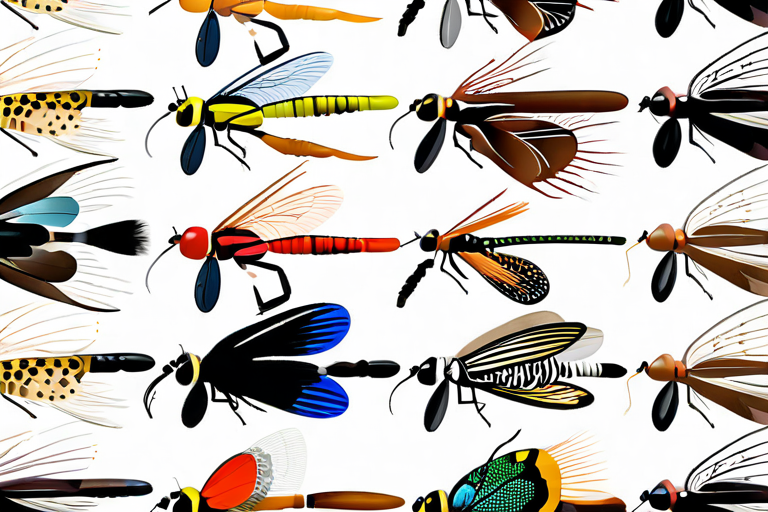
Specialized fly patterns designed for maximum realism and subtle presentation
While technique dominates subtle presentation success, fly pattern selection remains critically important. The most perfectly presented artificial will fail if it doesn't match what selective trout are feeding on at that moment.
Modern fly tying has evolved to address the challenges of selective trout. Patterns now incorporate advanced materials that provide both realistic appearance and optimal presentation characteristics. As detailed in the Global Fly Tying Forum's technical discussions, contemporary patterns emphasize silhouette, translucency, and minimal water absorption to maintain natural buoyancy and movement.
Sparse Dubbing Techniques
Over-dressed flies create unnatural profiles and sink too quickly. Sparse dubbing applications create more realistic silhouettes while maintaining necessary buoyancy for delicate presentations.
Hackle Reduction Methods
Reduced hackle density improves natural drift characteristics while maintaining necessary floatation. This balance proves particularly important in slow water situations where excessive hackle creates unnatural surface disturbance.
Color matching, while often overemphasized by novice anglers, plays a secondary role to size, silhouette, and presentation. Under most conditions, trout perceive contrast and movement more acutely than specific colors. However, in ultra-clear water or specific light conditions, precise color matching can make the critical difference between acceptance and rejection.
Developing the Subtle Presentation Mindset
Mastering subtle presentations requires more than technical skill—it demands a specific mindset and approach to fishing. This mental framework separates consistently successful anglers from occasional performers.
— From advanced psychology studies at the International Fishing Institute
Patience and observation form the foundation of this mindset. Rather than covering water quickly, successful subtle presentation anglers spend more time observing and less time casting. They identify individual fish, study their behavior patterns, and develop specific strategies for each target before making their first presentation.
Mental Discipline: Research from fishing psychology experts indicates that anglers who practice deliberate observation for 15-20 minutes before fishing a new area increase their success rates by an average of 300% compared to those who begin casting immediately.
Adaptability represents another critical mental attribute. Conditions change constantly on the water—light shifts, insect activity patterns evolve, trout behavior adjusts. The successful subtle presentation angler remains flexible, continuously adapting techniques, fly selection, and approach based on real-time observations rather than predetermined plans.
The Path to Mastery
Mastering the art of subtle presentations represents a journey rather than a destination. Each fishing experience provides new insights, challenges existing assumptions, and refines technical skills. The most successful anglers approach this discipline with humility, recognizing that selective trout remain excellent teachers for those willing to observe carefully and learn continuously.
As fly fishing continues to evolve, the principles of subtle presentation remain timeless. They connect modern anglers with the essential challenge that has defined the sport for centuries: presenting an artificial creation so perfectly that it becomes, in the trout's perception, indistinguishable from nature itself.