Decoding the Secrets of Riverbank Angling
A Comprehensive Guide to Flowing Water Success
Riverbank angling represents one of fishing's most dynamic and challenging disciplines, where flowing water creates unique opportunities and obstacles for anglers seeking diverse species. Unlike static lake environments, rivers present constantly changing conditions that demand specialized knowledge and adaptable techniques. This comprehensive guide draws from decades of angling experience and scientific research to illuminate the hidden complexities of successful river fishing.
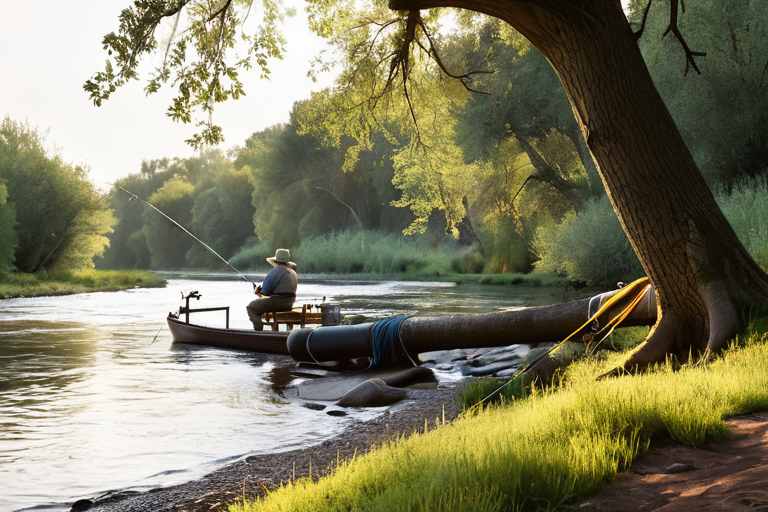
The tranquil yet dynamic environment of riverbank fishing requires careful observation and strategic positioning
Understanding River Dynamics
Successful riverbank angling begins with comprehending how moving water shapes fish behavior and habitat selection. Rivers function as living ecosystems where current speed, depth variations, and structural elements create distinct microhabitats that different species exploit throughout daily and seasonal cycles.
Current Seams and Eddies
Current seams—the boundaries between fast and slow water—create natural feeding lanes where fish can intercept food with minimal energy expenditure. According to research published by the American Fisheries Society, these transition zones can concentrate fish populations by factors of three to five compared to uniform current areas.
Depth Variations and Structure
Depth changes create essential refuge areas where fish can escape strong currents while remaining near productive feeding zones. Submerged structures like fallen trees, rock formations, and undercut banks provide additional complexity that supports diverse fish communities.

Visual representation of current patterns showing optimal fish holding positions in river environments
Essential Riverbank Techniques
Dead Drift Presentation
Mastering the dead drift—allowing bait or lures to flow naturally with current—requires precise line control and understanding of drag-free drifts. This technique proves particularly effective for species like trout and smallmouth bass that scrutinize unnatural movements.
Swim Bait Strategies
Swim baits manipulated to mimic injured baitfish can trigger aggressive strikes in current breaks. Varying retrieve speeds and incorporating occasional pauses replicates natural prey behavior that predatory fish find irresistible.
Nymphing Approaches
Subsurface presentations with weighted nymphs or streamers allow anglers to target fish holding in deeper runs and pockets. Indicator nymphing provides visual cues for subtle takes that might otherwise go undetected.
Reading Water Surface Clues
Surface disturbances often reveal subsurface structures and current variations. Riffles, boils, foam lines, and surface dimples all provide valuable information about underwater topography and fish activity. Experienced river anglers develop the ability to interpret these visual cues to identify promising fishing locations without needing electronic aids.
Equipment Selection for River Environments
| Equipment Type | River-Specific Features | Recommended Applications |
|---|---|---|
| Rods | Medium-fast action, 7-9 feet length | Versatile presentation control in varying currents |
| Reels | Smooth drag systems, sealed construction | Handling powerful runs in current, durability in wet conditions |
| Lines | High-visibility main lines with fluorocarbon leaders | Current drift detection, abrasion resistance around structure |
| Waders | Studded soles, breathable materials | Secure footing on slippery riverbeds, comfort during extended sessions |
Equipment recommendations from the Take Me Fishing initiative emphasize durability and versatility for river environments where conditions change rapidly and equipment faces constant exposure to water and abrasive elements.
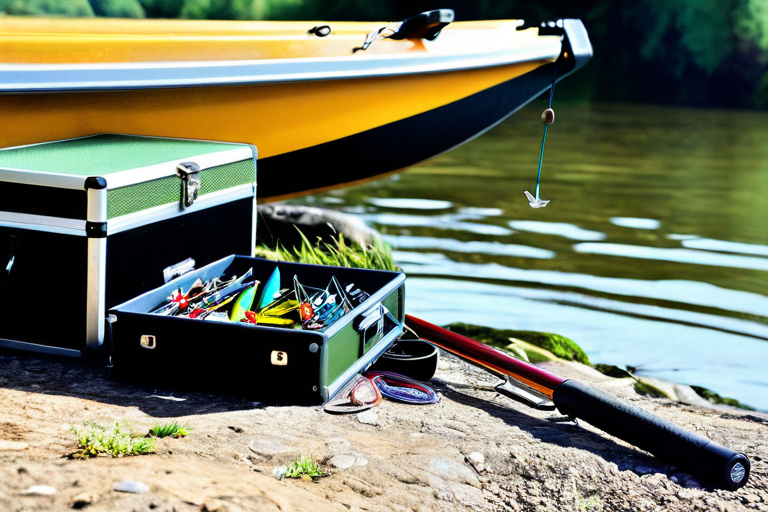
Proper equipment selection enhances both effectiveness and safety in river fishing scenarios
Species-Specific River Strategies
Trout in Moving Water
River trout exhibit distinct behavioral patterns influenced by water temperature, insect hatches, and current velocity. Studies conducted by Trout Unlimited demonstrate that trout position themselves strategically to balance feeding opportunities with energy conservation, often holding in specific current lanes during different times of day.
Bass in River Systems
River-dwelling bass adapt to flowing water by utilizing current breaks as ambush points. Unlike their lake counterparts, river bass often exhibit more aggressive feeding behaviors due to the constant movement of potential prey items through their territories.
Panfish and Catfish Considerations
While often overlooked in river environments, panfish and catfish occupy specific niches that anglers can target effectively. Deeper pools with slower currents typically hold larger concentrations of these species, particularly during warmer months when oxygen levels become critical.
Seasonal River Patterns
River ecosystems undergo dramatic seasonal transformations that significantly impact fish behavior and location. Understanding these patterns allows anglers to anticipate changes and adjust strategies accordingly.
Spring Transition Periods
As water temperatures rise and daylight increases, fish begin moving from winter holding areas to spawning locations and feeding zones. This transitional period offers excellent fishing opportunities as fish become more active while still concentrated in predictable areas.
Summer Low-Water Conditions
Reduced flows during summer months concentrate fish in specific areas with adequate depth and oxygen. Early morning and evening periods typically produce the best results as fish seek cooler temperatures and lower light conditions.
Fall Feeding Frenzies
Autumn brings some of the year's most consistent river fishing as fish feed aggressively to build energy reserves for winter. Falling water temperatures trigger increased activity levels across multiple species.
Safety Considerations for River Anglers
River environments present unique safety challenges that require careful preparation and awareness. The United States Geological Survey emphasizes several critical safety aspects for river recreation, including water level monitoring, proper footwear selection, and understanding local hazard patterns.
- Current Awareness: Even moderate currents can create dangerous situations, particularly when wading in unfamiliar areas
- Footing Security: River bottoms often feature slippery rocks and uneven surfaces requiring specialized footwear
- Weather Monitoring: Upstream rainfall can cause rapid water level changes even in apparently clear local conditions
- Access Planning: Identifying multiple entry and exit points prevents potentially dangerous situations
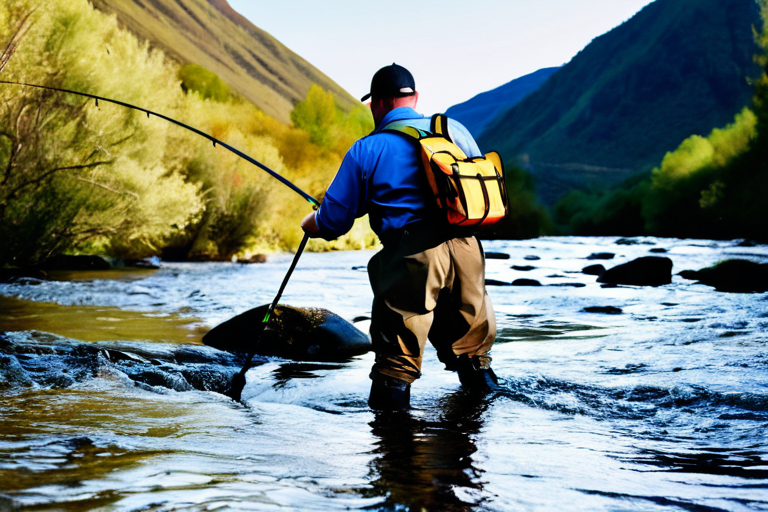
Proper wading techniques and equipment ensure safety while accessing productive fishing locations
Conservation and Ethical Practices
Responsible river angling extends beyond catching fish to include habitat preservation and sustainable practices. River ecosystems face increasing pressures from various environmental factors, making conservation-minded approaches essential for maintaining healthy fisheries.
Reference Sources: This article incorporates research and recommendations from authoritative fishing organizations including American Fisheries Society, Take Me Fishing, Trout Unlimited, and United States Geological Survey. These organizations provide scientifically validated information that enhances both fishing success and environmental stewardship.
Final Thoughts on Riverbank Mastery
Riverbank angling represents a continuously evolving discipline where observation, adaptation, and respect for natural systems converge. The flowing waters that challenge anglers also create dynamic ecosystems supporting diverse fish populations and rewarding fishing experiences. By combining technical knowledge with environmental awareness, anglers can enjoy productive river fishing while contributing to the conservation of these vital aquatic resources for future generations.
Remember that river fishing success often depends less on secret techniques and more on fundamental understanding of how fish interact with their flowing environment. Each river presents unique characteristics that require customized approaches, making the learning process itself one of the most rewarding aspects of this angling discipline.