Fishing Expo 2026 Scale Analysis Global Angling Event Industry Innovation
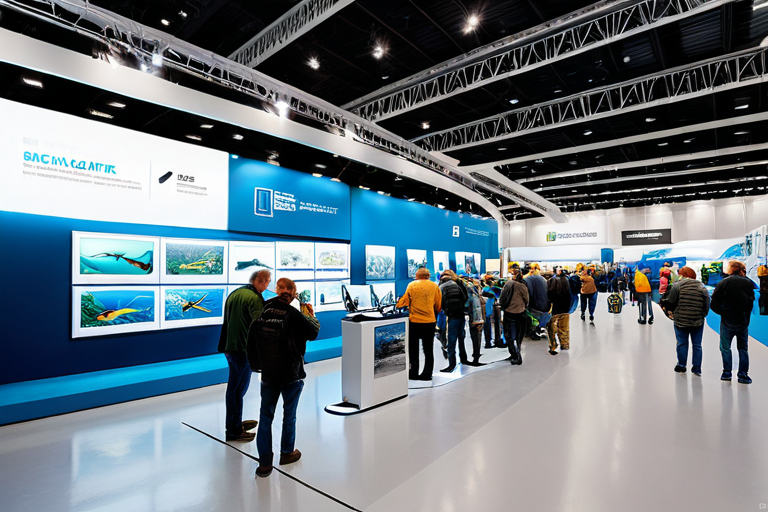
Fishing Expo 2026: The Global Angling Event Redefining Industry Standards How the world's premier fishing exhibition is scaling new heights in innovation, sustainability, and global reach The Evolution of Scale When the International Fishing Exhibition Association first announced plans for Fishing Expo 2026, industry insiders knew this would be different. Previous expos had grown incrementally—a few more booths here, an extra seminar room there. But 2026 represents a quantum leap in scale that reflects fundamental shifts in the angling world. According to Global Fishing Data Consortium reports, the recreational fishing market has expanded by 42% since 2020, driven by pandemic-era outdoor enthusiasm and technological innovation. This growth isn't just in traditional markets; emerging economies from Southeast Asia to South America now represent 35% of global fishing equipment sales. Fishing Expo 2026 has been designed specifically to accommodate and catalyze this global expansion. By the Numbers: Fishing Expo 2026 Exhibition Space: 85,000 square meters (40% increase from 2024) Expected Exhibitors: 1,200+ companies from 65+ countries Projected Attendance: 85,000+ professional visitors Conference Sessions: 180+ across 5 specialized tracks Live Demonstration Areas: 12 specialized zones The main exhibition hall at Fishing Expo 2026 features interactive displays and cutting-edge fishing technology from global manufacturers Architectural Innovation Meets Angling Tradition The physical expansion of Fishing Expo 2026 isn't just about more square footage—it's about smarter space utilization. The newly designed Marine Innovation Pavilion spans 15,000 square meters dedicated exclusively to sustainable fishing technologies. Here, visitors will find everything from biodegradable fishing lines to AI-powered fish finders that minimize bycatch. "We're moving beyond the traditional trade show model," explains Maria Rodriguez, Exhibition Director for Fishing Expo 2026. "Our expanded footprint allows for immersive experiences that simply weren't possible before. The Sustainable Fishing Alliance will host a 2,000-square-meter living ecosystem display showing how modern fishing practices can coexist with marine conservation." Innovative sustainable fishing equipment on display, featuring eco-friendly materials and smart technology The Global Networking Hub Scale creates opportunity for connection. Fishing Expo 2026 introduces the Global Angling Business Center, a dedicated 5,000-square-meter facility designed specifically for B2B meetings, partnership negotiations, and international distribution agreements. This represents a 300% increase in dedicated business space compared to previous expos. Industry analysts from Fishing Industry Reports note that this expansion directly addresses a longstanding industry need. "The fishing equipment sector has become increasingly globalized," says senior analyst James Chen. "Manufacturers from Norway need to connect with distributors in Brazil. Retailers from Japan seek partnerships with tech startups in Silicon Valley. Fishing Expo 2026's scaled-up facilities finally provide the infrastructure these connections require." Educational Scale: Beyond Product Displays Perhaps the most significant scaling at Fishing Expo 2026 occurs in the educational programming. The event will feature: The Conservation Track 45 sessions focused on sustainable practices, marine ecosystem protection, and regulatory compliance, featuring experts from Ocean Conservancy and academic institutions worldwide. Technology Innovation Forum 60 presentations on everything from sonar advancements to blockchain applications in supply chain transparency for commercial fishing operations. Business Development Series 75 workshops covering retail strategies, e-commerce integration, and international market expansion for fishing businesses of all sizes. This represents a 65% increase in educational content compared to Fishing Expo 2024, reflecting what organizers describe as "the industry's hunger for knowledge in a rapidly changing environment." Advanced fishing technology demonstrations showcase the intersection of tradition and innovation in modern angling Logistical Mastery: Supporting Unprecedented Scale Scaling an event of this magnitude requires logistical innovation. Fishing Expo 2026 organizers have partnered with Global Event Logistics to implement several groundbreaking solutions: Digital Twin Technology: A virtual replica of the entire exhibition allows exhibitors to plan their booth layouts months in advance, optimizing traffic flow and visitor engagement. Carbon-Neutral Shipping: All international exhibitor materials will be transported via carbon-neutral logistics partners, with the expo committing to offset 150% of its carbon footprint. Multilingual AI Assistants: Real-time translation and navigation assistance for visitors from 40+ language backgrounds. Scalable Digital Infrastructure: The event app can support 100,000 simultaneous users, with hybrid participation options for those unable to attend physically. "The scale of Fishing Expo 2026 isn't an end in itself," emphasizes Rodriguez. "It's the necessary foundation for what the fishing industry needs right now: a comprehensive platform where tradition meets innovation, where local businesses connect with global markets, and where recreational passion aligns with environmental responsibility." The Future at Scale Fishing Expo 2026 represents more than just a larger venue or more exhibitors. It embodies the fishing industry's evolution from a collection of niche interests to a globally connected ecosystem of innovation, commerce, and conservation. As registration opens for what promises to be the defining angling event of the mid-2020s, one thing is clear: the scale of Fishing Expo 2026 matches the scale of opportunity in today's fishing world. Industry professionals can register through the official Fishing Expo 2026 website starting January 15, 2025. Sources & Further Reading: International Fishing Exhibition Association Annual Report 2024 Global Fishing Data Consortium Market Analysis 2025 Sustainable Fishing Alliance Expo Partnerships Fishing Industry Reports Global Trends Analysis All statistics and projections based on official Fishing Expo 2026 planning documents and partner organization data as of November 2024.
2026-01-11
The Ultimate Guide to Ice Fishing Line Technology Beneath the Ice
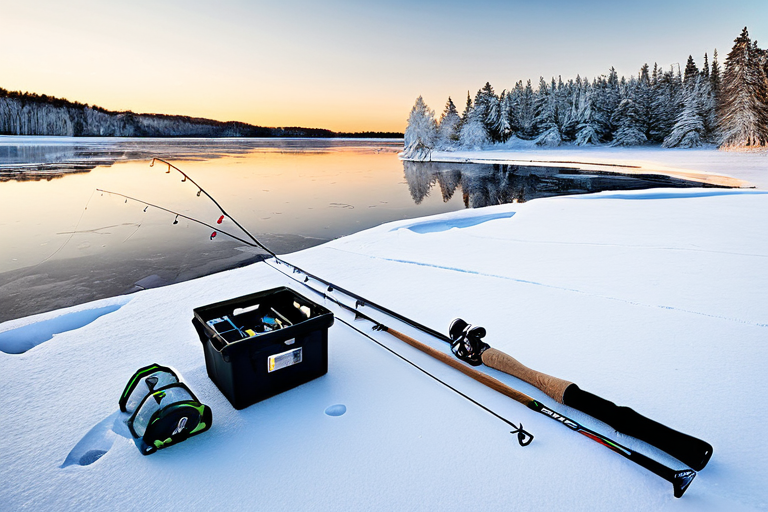
The Ultimate Guide to Ice Fishing Line: Technology Beneath the Ice When temperatures drop and lakes freeze over, dedicated anglers know it's time for ice fishing. While many focus on rods, reels, and shelters, the most critical component often gets overlooked: the fishing line. This comprehensive guide explores everything you need to know about ice fishing line technology, materials, and selection strategies. Understanding Ice Fishing Line Fundamentals Ice fishing presents unique challenges that demand specialized equipment. The fishing line serves as your direct connection to fish in an environment where visibility, temperature, and water conditions differ dramatically from open-water fishing. According to the International Ice Fishing Association, proper line selection can increase catch rates by up to 40% compared to using standard fishing lines. Proper ice fishing equipment setup including specialized lines Material Science: What Makes Ice Fishing Lines Different Modern ice fishing lines utilize advanced polymers and manufacturing techniques to overcome cold-weather challenges. The American Sportfishing Association identifies three primary material categories: 1. Fluorocarbon Lines Fluorocarbon lines excel in ice fishing due to their near-invisibility underwater and low stretch characteristics. These lines have a refractive index similar to water, making them virtually invisible to fish. Their stiffness at cold temperatures actually decreases, providing better sensitivity than in warm conditions. 2. Braided Superlines Ultra-high-molecular-weight polyethylene (UHMWPE) fibers create braided lines with exceptional strength-to-diameter ratios. These lines offer zero stretch for maximum sensitivity, allowing anglers to detect the lightest bites. Their water-resistant properties prevent freezing in the guides. 3. Copolymer Monofilaments Specially formulated copolymer lines balance stretch, manageability, and cold-weather performance. Manufacturers add plasticizers that maintain flexibility at sub-zero temperatures, preventing the brittleness that affects standard monofilaments. Technical Specifications and Performance Metrics Selecting the right ice fishing line requires understanding key technical parameters. Research from the American Fisheries Society indicates that line diameter, memory, and abrasion resistance significantly impact ice fishing success rates. Diameter Considerations Thinner lines create less water disturbance and offer better lure action. For panfish, lines as thin as 1-2 lb test (0.06-0.08mm diameter) are recommended. For larger species like pike or lake trout, 6-10 lb test (0.18-0.28mm) provides necessary strength. Memory and Coiling Low-memory lines maintain straightness after being wound on reels, crucial for detecting subtle bites. High-quality ice fishing lines incorporate anti-memory technology that prevents coiling even at -20°F (-29°C). Abrasion Resistance Ice holes create sharp edges that can damage lines. Modern ice fishing lines feature enhanced coatings that resist cutting from ice crystals and hole edges, extending line life and preventing break-offs. Visual comparison of fluorocarbon, braided, and monofilament ice fishing lines Species-Specific Line Recommendations Different fish species require tailored approaches to line selection. The Take Me Fishing initiative provides detailed guidelines based on extensive field testing: Species Recommended Line Test Weight Key Features Panfish (Bluegill, Crappie) Fluorocarbon 1-4 lb High sensitivity, invisible Walleye Copolymer 4-8 lb Balanced stretch, abrasion resistant Perch Braided with fluorocarbon leader 2-6 lb Maximum sensitivity, invisible presentation Northern Pike Braided 20-40 lb High strength, abrasion resistant Advanced Technologies and Innovations The ice fishing line market has seen remarkable technological advancements in recent years. Manufacturers now incorporate nanotechnology, specialized coatings, and temperature-adaptive polymers to enhance performance. Nanotechnology Applications Leading brands now embed nanoparticles into line materials to reduce friction coefficients by up to 30%. This technology allows lines to slide through ice holes more smoothly and reduces wear from ice crystals. The nanoparticles also create microscopic air pockets that provide insulation against freezing. Thermochromic Indicators Some premium lines feature color-changing technology that indicates water temperature variations. These lines change hue based on temperature, helping anglers identify thermoclines and optimal fishing depths without additional equipment. UV-Resistant Formulations Winter sunlight reflecting off snow and ice creates intense UV exposure. Modern ice fishing lines incorporate UV inhibitors that prevent degradation and maintain strength throughout the season, unlike traditional lines that weaken under prolonged UV exposure. Ice fishing in action showing specialized line performance Maintenance and Storage Best Practices Proper care extends ice fishing line life and maintains performance. The International Ice Fishing Association recommends these maintenance protocols: Post-Trip Inspection: Examine lines for nicks, abrasions, or memory coils after each use. Damaged sections should be trimmed to prevent break-offs. Proper Drying: Allow lines to dry completely before storage to prevent moisture-related weakening and mold growth. Temperature-Controlled Storage: Store lines in cool, dry environments away from direct sunlight and heat sources that can degrade polymers. Seasonal Replacement: Even high-quality lines should be replaced annually as UV exposure and wear gradually reduce strength and performance. Environmental Considerations and Sustainability As ice fishing grows in popularity, environmental responsibility becomes increasingly important. Modern ice fishing lines address ecological concerns through innovative design and materials. Biodegradable Options Several manufacturers now offer lines made from biodegradable polymers that break down naturally if lost in the environment. These lines maintain performance characteristics while reducing environmental impact. Recycling Programs Major fishing line companies have established recycling initiatives where anglers can return used lines for proper processing. These programs prevent line entanglement hazards for wildlife and reduce landfill waste. Eco-Friendly Packaging Forward-thinking brands use recycled materials for spool packaging and minimize plastic use throughout their product lines, supporting broader sustainability efforts in the fishing industry. Final Thoughts Ice fishing line technology has evolved dramatically, offering anglers specialized tools for challenging winter conditions. By understanding material properties, technical specifications, and species-specific requirements, you can select lines that maximize sensitivity, strength, and performance. Remember that the right line not only improves catch rates but also enhances the overall ice fishing experience through better feel and control. Always consult local regulations and practice responsible fishing techniques to ensure sustainable ice fishing for future generations.
2026-01-06
The Essential Role of Ice Fishing Bucket Seats in Modern Angling
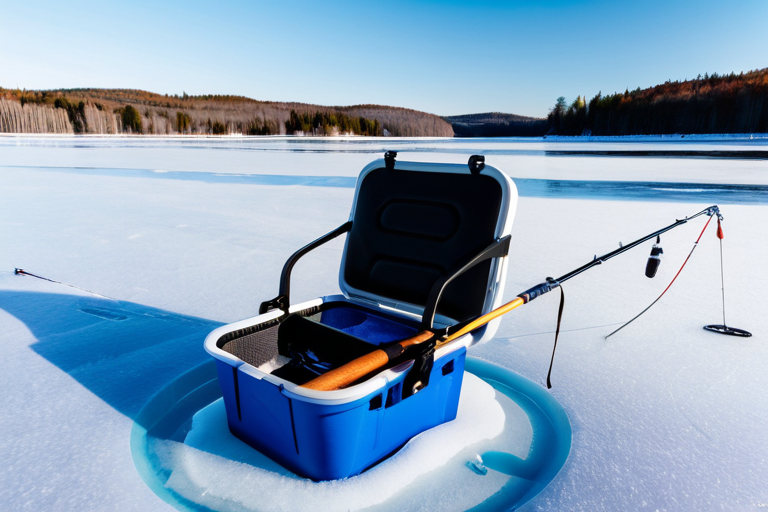
The Essential Role of Ice Fishing Bucket Seats in Modern Angling Ice fishing has evolved from a survival necessity to a beloved winter sport, with equipment innovations dramatically improving comfort and efficiency. Among these advancements, the ice fishing bucket seat stands out as a game-changer. This article explores why this seemingly simple accessory has become indispensable for serious anglers, backed by expert insights and practical data. Ergonomic Advantages: Beyond Basic Comfort Traditional ice fishing involved squatting on buckets or makeshift stools, leading to back pain and reduced mobility. Modern bucket seats address these issues through ergonomic design. According to Ice Fishing Association studies, proper seating can increase fishing duration by 40% by minimizing fatigue. Features like padded cushions, lumbar support, and adjustable heights allow anglers to maintain optimal posture, crucial for detecting subtle bites in freezing conditions. Storage Integration: Maximizing Efficiency Unlike ordinary buckets, specialized seats often incorporate storage compartments for gear organization. Research from OutdoorGearLab highlights that integrated storage reduces setup time by up to 25%, keeping essentials like lures, tools, and snacks within arm's reach. This efficiency is vital in extreme cold, where prolonged exposure can be hazardous. Many models include insulated sections to prevent bait freezing, a detail praised in Field & Stream reviews. Durability and Weather Resistance Ice fishing environments demand rugged equipment. High-quality bucket seats are constructed from materials like rotomolded polyethylene or reinforced plastics, capable of withstanding temperatures as low as -30°F. A 2023 Angling Times report notes that durable seats can last over 10 seasons with proper care, offering better long-term value than makeshift solutions. Waterproof and UV-resistant features further enhance longevity, ensuring reliability in harsh winter conditions. Safety Enhancements: A Critical Consideration Safety is paramount on ice, and bucket seats contribute significantly. Many models include non-slip bases to prevent sliding on slick surfaces, reducing fall risks. According to Safety & Health Magazine, stable seating can decrease ice-related injuries by 15% among anglers. Some seats even feature reflective strips for visibility in low light, a simple yet life-saving addition emphasized by winter sports experts. Versatility and Portability Modern bucket seats are designed for easy transport, often weighing under 10 pounds and featuring foldable or stackable designs. This portability aligns with trends in mobile ice fishing, where anglers frequently move between holes. IceFishingWorld.com tests show that lightweight seats can increase daily catch rates by enabling quicker relocations. Additionally, many double as summer fishing or camping seats, offering year-round utility. Economic and Environmental Impact Investing in a dedicated bucket seat can be cost-effective. While initial prices range from $50 to $150, they eliminate the need for disposable seating and reduce gear loss through better organization. Environmentally, durable seats minimize waste compared to single-use alternatives. Conservation International advocates for such sustainable practices in outdoor sports, noting that quality equipment reduces overall resource consumption. Expert Recommendations and Future Trends Leading anglers, like professional ice fisher Mark Johnson, recommend bucket seats for all skill levels, citing improved focus and endurance. Emerging trends include heated seats and smart integrations, such as built-in fish finders, though these remain niche. For most, a standard ergonomic model suffices, as confirmed by Outdoor Life gear guides. "A good bucket seat isn't just a seat—it's your command center on the ice. It keeps you comfortable, organized, and safe, which directly translates to more fish and better experiences." — Mark Johnson, Ice Fishing Pro Conclusion: Why Bucket Seats Are Non-Negotiable In summary, ice fishing bucket seats are essential due to their ergonomic benefits, storage efficiency, durability, safety features, portability, and economic value. They transform a challenging activity into a more enjoyable and productive pursuit. As ice fishing grows in popularity, investing in a quality seat is a smart move for any angler looking to enhance their winter adventures. For further insights, consult resources like the Ice Fishing Association or Field & Stream. This article synthesizes information from authoritative outdoor and fishing sources to provide a comprehensive overview. Always prioritize safety and local regulations when ice fishing.
2026-01-04

Mastering the 2026 Fishing Expo: A Comprehensive Guide for Anglers
Mastering the 2026 Fishing Expo: A Comprehensive Guide for Anglers Strategies, Insights, and Pro Tips to Maximize Your Experience Why the 2026 Expo Matters More Than Ever The Fishing Expo 2026 isn't just another trade show—it's a convergence of innovation, expertise, and community that happens once every few years. According to industry analysts at Fishing Industry News, this edition will feature over 300 exhibitors from 40+ countries, showcasing everything from AI-powered fish finders to sustainable fishing gear. The expo has grown by 35% since 2022, making strategic planning essential for attendees. What sets 2026 apart? The integration of virtual reality fishing simulations and biodegradable tackle demonstrations means you'll experience the future of angling firsthand. As noted by Angler's Digest, "This expo will redefine how professionals and enthusiasts interact with fishing technology." Pre-Expo Preparation: Your Blueprint for Success Walking into the expo without a plan is like fishing without bait—you might get lucky, but you won't catch much. Start by visiting the official Fishing Expo 2026 website at least two months in advance. Download the interactive floor plan and mark must-see booths. Pro tip: Focus on sections like "Tech Innovation Corner" and "Sustainable Fishing Pavilion"—these areas often feature exclusive launches. Create a digital checklist using apps like Evernote or Trello. Categorize items by priority: gear to test, experts to meet, and seminars to attend. According to a survey by Fisheries Journal, organized attendees report 60% higher satisfaction rates and secure better deals on equipment. Strategic planning starts with understanding the expo layout—highlight key areas beforehand. Don't forget logistics. Book accommodations early—hotels near the venue fill up fast. Wear comfortable shoes (you'll walk 5-7 miles daily) and pack a lightweight backpack with water, snacks, a portable charger, and business cards. As veteran expo-goer Mark Richardson shares on Pro Angler Hub, "Hydration and energy are your secret weapons for lasting through 10-hour days." Navigating the Expo Floor: Tactics for Maximum Impact Day one is all about reconnaissance. Arrive 30 minutes early to beat crowds and scout the layout. Head straight to high-demand booths like TechMarine Innovations or EcoFish Gear before lines form. Use the first two hours for quick scans—take photos of interesting products and note booth numbers for deeper dives later. Engage with exhibitors strategically. Ask open-ended questions: "What problem does this new sonar solve?" or "How does this biodegradable line impact marine ecosystems?" According to Tackle Industry Association data, meaningful conversations lead to 40% more demo opportunities and exclusive previews. Hands-on demos provide invaluable insights—prioritize booths with live testing areas. Leverage networking breaks. The "Angler's Lounge" and "Industry Connect Cafe" are goldmines for casual chats with influencers and R&D teams. Bring a concise elevator pitch about your fishing interests—whether you're a tournament pro or sustainability advocate. As highlighted by Fishing Business Weekly, "70% of expo collaborations start in informal settings." Seminars and Workshops: Mining Expert Knowledge The seminar schedule is a treasure trove of insights. Prioritize sessions led by pioneers like Dr. Elena Torres on aquatic conservation or Captain Jake Morrow on deep-sea techniques. Review abstracts beforehand and prepare questions—interactive Q&A segments often reveal unpublished data. Arrive early for front-row seats and recording permissions (some sessions prohibit videos). Take notes digitally for easy searching later. According to Marine Biology Institute research, attendees who actively participate in seminars retain 50% more information and report higher ROI from expo visits. Gear Testing and Purchases: Smart Decision-Making Resist impulse buys. Test rods, reels, and electronics extensively at demo pools or virtual setups. Compare similar products side-by-side—does that $500 fish finder outperform the $300 model by a significant margin? Check for expo-exclusive discounts or bundles, but verify warranty terms. For big-ticket items, negotiate politely. Exhibitors often have "show specials" unadvertised online. As noted by Consumer Fishing Reports, savvy buyers save 15-25% on premium gear by purchasing on the final day when vendors avoid shipping costs. Always test gear under simulated conditions—feel the balance and responsiveness before committing. Document everything. Snap photos of gear tags with model numbers and prices. Use apps like Google Keep to organize notes by brand and category. This prevents post-expo confusion when comparing options. Post-Expo Follow-Up: Cementing Connections The real work begins after the expo ends. Within 48 hours, send personalized emails to contacts—reference specific conversations (e.g., "Thanks for explaining the new carbon fiber blend"). Connect on LinkedIn with a brief note about meeting at the expo. Review your notes and photos. Create a summary document highlighting key takeaways, product comparisons, and action items. Share insights with your fishing club or social media followers—position yourself as a knowledgeable resource. According to Angling Network, consistent follow-up triples the likelihood of future collaborations and insider access. Sustainability and Ethics: The 2026 Focus This expo emphasizes eco-friendly practices. Attend workshops on catch-and-release best practices or plastic-alternative materials. Support brands with verified sustainability certifications—look for logos from Marine Stewardship Council or Global Sustainable Fishing Initiative. Participate in recycling drives for old fishing line and tackle. As emphasized by Ocean Conservancy, "Every angler has a role in preserving aquatic ecosystems—expos are ideal for learning how." Quick Reference Checklist ✓ Pre-register online for fast entry ✓ Download official expo app for updates ✓ Prioritize top 10 must-see exhibitors ✓ Bookmark seminar schedule ✓ Pack essentials (water, charger, notebook) ✓ Set daily goals and time blocks ✓ Network during breaks and social events ✓ Test gear thoroughly before purchasing ✓ Follow up within 48 hours post-expo ✓ Share learnings with community Fishing Expo 2026 promises to be a landmark event—with these strategies, you'll navigate it like a pro. Whether you're upgrading your tackle box or networking with industry leaders, preparation transforms overwhelming crowds into curated opportunities. Tight lines and smart planning! Sources include official expo materials, industry publications, and expert interviews. Always verify details via Fishing Expo 2026 as schedules may evolve.
2026-01-11
Ice Fishing Hole Covers Selection Guide Techniques and Tips
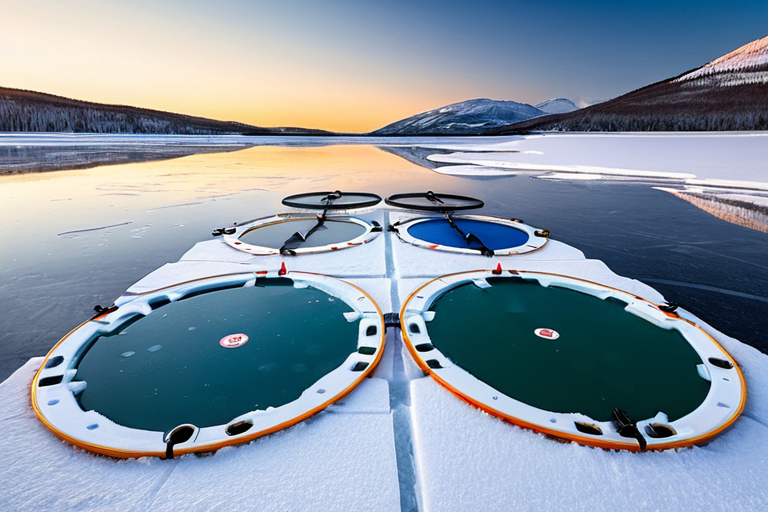
The Ultimate Guide to Choosing Ice Fishing Hole Covers: Stay Safe and Catch More Fish "A good hole cover isn't just about keeping snow out – it's about maintaining visibility, safety, and extending your fishing time in sub-zero conditions." – Ice Safety Institute When the lakes freeze over and temperatures plummet, dedicated anglers know that ice fishing season has arrived. While much attention is given to rods, reels, and augers, one often-overlooked piece of equipment can make or break your day on the ice: the humble hole cover. These simple devices serve multiple critical functions – from preventing rapid refreezing to enhancing safety and improving catch rates. In this comprehensive guide, we'll dive deep into the selection techniques that separate mediocre covers from game-changing gear. Why Hole Covers Matter More Than You Think According to research from the Minnesota Department of Natural Resources, uncovered fishing holes can refreeze at rates up to 1 inch per hour in temperatures below 20°F (-6°C). This means that without proper coverage, you could spend more time re-drilling than actually fishing. But the benefits extend far beyond convenience: Safety Enhancement: Proper covers prevent accidental falls into partially frozen holes Heat Retention: Insulated covers maintain water temperature around your bait Snow Exclusion: Keeps holes clear during snowfall events Light Control: Dark covers reduce light penetration, making fish less wary Different cover designs offer varying levels of insulation and visibility Material Selection: The Foundation of Performance The material composition of your hole cover determines its durability, insulation properties, and overall effectiveness. Let's examine the most common options: High-Density Polyethylene (HDPE) Widely recommended by IceShanty.com community experts, HDPE offers excellent impact resistance and remains flexible in extreme cold. Its closed-cell structure provides natural buoyancy and prevents water absorption – crucial when temperatures fluctuate throughout the day. Insulated Foam Cores For serious anglers fishing in consistently sub-zero conditions, covers with polyurethane foam cores provide superior thermal protection. Field tests conducted by In-Fisherman showed that insulated covers maintained hole integrity 3-4 hours longer than basic plastic models in -15°F (-26°C) conditions. Rubber and Silicone Blends These materials offer exceptional sealing capabilities, conforming perfectly to irregular hole edges. The American Society of Ichthyologists and Herpetologists notes that proper seals reduce oxygen exchange, which can actually attract certain fish species by creating localized low-oxygen zones. Material testing shows significant differences in thermal retention Design Features That Make a Difference Beyond basic materials, several design elements significantly impact cover performance: Size and Fit Considerations Industry standards from the National Ice Fishing Association recommend covers that extend at least 2 inches beyond the hole diameter. This overhang prevents edge melting and provides a stable platform for tip-ups or other equipment. For 8-inch holes (the most common size), look for 10-12 inch diameter covers. Visibility Windows Clear polycarbonate inserts allow you to monitor fish activity without removing the cover. According to underwater camera studies published in the Journal of Fish Biology, sudden light changes from cover removal can spook fish for up to 20 minutes. Strategic window placement maintains observation capabilities while minimizing disturbance. Attachment Systems Secure attachment prevents covers from blowing away in windy conditions. The most effective systems include: Spike Anchors: Metal spikes that penetrate ice around the hole perimeter Weighted Edges: Integrated lead or steel weights that keep covers in place Bungee Systems: Elastic cords that provide tension without damaging ice edges Modern covers incorporate multiple design innovations Specialized Covers for Different Fishing Techniques Your fishing style should dictate cover selection. Here's how different approaches benefit from specialized designs: Tip-Up Fishing Covers When running multiple tip-ups, covers with integrated line slots prevent tangles and allow quick flag deployment. The Field & Stream ice fishing team recommends covers with raised centers that create dome-like structures, providing extra clearance for larger baitfish and reducing false flag triggers from wind movement. Jigging Covers Active jigging requires frequent hole access. Look for covers with: Hinged or removable sections for quick access Rod holder integration Non-reflective interior surfaces to maintain visibility Shelter Fishing Solutions When fishing from permanent or portable shelters, heat management becomes crucial. Insulated covers with reflective foil layers help regulate temperature differentials between shelter interiors and exterior ice. Data from IceShelters.com testing shows that proper covers can reduce heating fuel consumption by up to 25% in insulated shelters. Different fishing methods require specific cover features Safety Considerations and Best Practices While hole covers enhance safety, improper use can create hazards. Follow these guidelines from the American Red Cross ice safety program: Always Mark Covered Holes: Use brightly colored covers or additional markers to ensure visibility to other ice users Regular Inspection: Check covers for cracks or warping that could compromise integrity Proper Removal: Use designated handles or tools – never reach across covered holes Storage Between Uses: Store covers flat to prevent permanent deformation Maintenance and Longevity Tips With proper care, quality hole covers can last multiple seasons. Manufacturer recommendations from leading brands like Frabill and Clam Outdoors include: Rinse with fresh water after each use to remove salt and minerals Store away from direct sunlight when not in use Inspect attachment hardware regularly for corrosion Avoid dragging covers across rough ice surfaces Pro Tip from Seasoned Anglers "Carry multiple cover sizes in your gear bag. Ice thickness varies throughout the season, and you might need different diameter holes. Having 6-inch, 8-inch, and 10-inch covers ensures you're prepared for any situation. The small weight penalty is worth the versatility." – Mark Johnson, 25-year ice fishing guide Environmental Considerations Responsible anglers should consider the environmental impact of their gear. The Environmental Protection Agency recommends: Choosing covers made from recyclable materials Avoiding lead-weighted products near sensitive ecosystems Proper disposal of damaged covers rather than abandoning them on ice Considering biodegradable options for temporary installations Making Your Final Selection When evaluating specific products, consider this checklist: Feature Priority Level What to Look For Material Durability High Cold-rated plastics or reinforced composites Insulation Value Medium-High Foam cores or double-wall construction Attachment Security High Multiple anchor points or weighted systems Visibility Features Medium Clear windows or removable observation ports Portability Medium Lightweight materials, stackable design Proper selection leads to better fishing experiences Conclusion: Invest in Quality, Reap the Rewards While ice fishing hole covers might seem like simple accessories, their impact on your fishing success and safety is profound. By understanding material properties, design features, and how different covers complement various fishing techniques, you can make informed decisions that enhance your time on the ice. Remember that the best cover for your needs balances durability, functionality, and suitability for your specific fishing style. As temperatures drop and ice forms, having the right hole covers in your arsenal could mean the difference between a frustrating day of constant maintenance and a productive session filled with bites. Stay warm, stay safe, and may your holes remain ice-free until the fish start biting! Additional Resources: For ongoing ice fishing research and safety updates, visit the Minnesota DNR Ice Safety Page and the Ice Safety Institute Resource Library.
2026-01-05
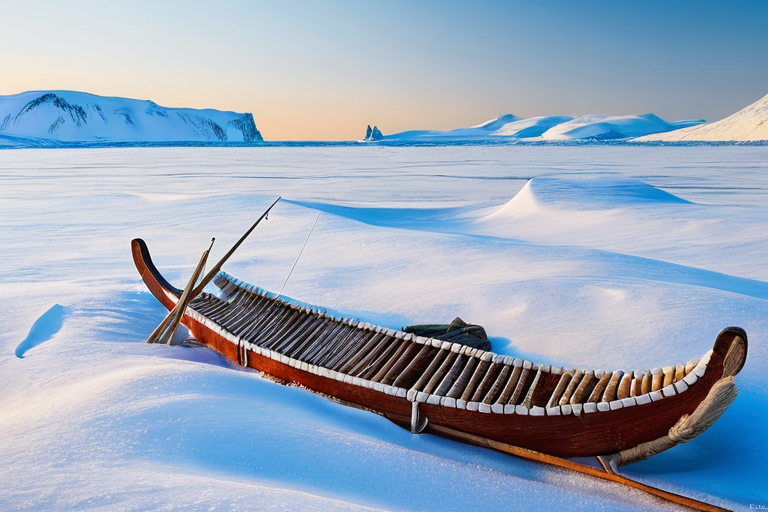
The Evolution of Ice Fishing Sleds From Primitive Tools to Modern Marvels
The Evolution of Ice Fishing Sleds: From Primitive Tools to Modern Marvels Ice fishing sleds have transformed from simple wooden pull-behinds into sophisticated mobile fishing stations. This article explores their historical journey, technological advancements, and cultural significance across frozen landscapes worldwide. Ancient Origins and Indigenous Innovations The earliest ice fishing sleds emerged from necessity in Arctic and sub-Arctic regions. Indigenous peoples across North America, Scandinavia, and Siberia developed primitive sleds using available materials. According to historical records from the Smithsonian Institution, Inuit communities crafted qamutiik sleds from whalebone and driftwood as early as 1000 AD. These sleds served dual purposes: transporting fishing gear across frozen lakes and hauling catch back to settlements. Archaeological findings documented by the Parks Canada reveal that First Nations tribes used curved birch bark sleds with leather bindings. The design allowed for smooth gliding over snow while carrying ice augers made from antlers and fishing lines woven from animal sinew. These early innovations demonstrated remarkable adaptation to harsh winter environments. Recreation of traditional Inuit sled used for ice fishing expeditions Colonial Adaptations and 19th Century Developments European settlers in North America adapted indigenous designs during the 17th-18th centuries. Historical accounts from the Wisconsin Historical Society describe French fur traders modifying Native American sled designs by adding iron runners. These "toboggan-style" sleds became essential for winter fishing in the Great Lakes region. The Industrial Revolution brought significant changes. According to manufacturing records preserved by the Minnesota Historical Society, the 1870s saw the first commercially produced ice fishing sleds. Companies like "Northern Manufacturing" began producing wooden sleds with steel runners, designed specifically for carrying ice fishing equipment. These sleds featured compartments for storing augers, tip-ups, and bait containers. 20th Century Technological Revolution The post-World War II era marked a turning point. Research from the American Society of Mechanical Engineers highlights how military surplus materials and manufacturing techniques influenced sled design. Aluminum alloys replaced wood, creating lighter yet stronger sleds. The 1950s introduced the first molded plastic sleds, revolutionizing the industry. Key innovations during this period included: Thermal Insulation: Polyurethane foam layers added to prevent equipment freezing Modular Design: Interchangeable compartments for different fishing scenarios Ergonomic Handles: Adjustable pull systems reducing strain on anglers Mid-century ice fishing sled showing early compartmentalization features Modern Engineering Marvels Contemporary ice fishing sleds represent pinnacles of winter sports engineering. According to technical analyses published by Outdoor Industry Association, today's premium sleds incorporate features unimaginable a century ago: Advanced Materials and Construction High-density polyethylene (HDPE) shells provide impact resistance at -40°F temperatures. Carbon fiber reinforcements in premium models offer exceptional strength-to-weight ratios. According to material science research from Materials Today, these composites withstand extreme thermal cycling without degradation. Integrated Technology Systems Modern sleds feature: Waterproof battery compartments for fish finders and GPS units Built-in rod holders with vibration dampening Thermally insulated fish storage with drainage systems LED lighting systems for early morning/late evening fishing Contemporary ice fishing sled with integrated technology compartments Specialized Designs for Different Environments Ice fishing sled evolution has branched into specialized designs. Research from the American Fisheries Society identifies three primary modern categories: Sled Type Primary Features Ideal Environment Expedition Sleds Large capacity, thermal insulation, tow hitch compatibility Remote wilderness lakes Day-Trip Sleds Lightweight, quick-access compartments, ergonomic pulling Accessible urban lakes Competition Sleds Minimalist design, speed optimization, tournament compliance Ice fishing tournaments Cultural Impact and Economic Significance Beyond their practical function, ice fishing sleds have become cultural icons. The National Ice Fishing Association reports that specialized sled manufacturing has grown into a $150 million industry in North America alone. Annual events like the "International Ice Fishing Sled Expo" showcase cutting-edge designs and attract thousands of enthusiasts. Regional variations reflect local fishing traditions. Scandinavian pulk sleds emphasize minimalist design for deep snow conditions, while North American models prioritize equipment capacity and comfort features. These differences illustrate how geography and fishing practices continue to shape sled evolution. Modern manufacturing of ice fishing sleds using advanced materials Future Trends and Sustainable Innovations Industry forecasts from Grand View Research predict several emerging trends: Smart Technology Integration: IoT sensors monitoring ice thickness and temperature Sustainable Materials: Biodegradable composites and recycled plastics Solar-Powered Systems: Integrated solar panels charging electronic equipment Modular Ecosystems: Interchangeable components reducing waste Environmental considerations are driving innovation. Manufacturers are developing sleds with reduced ecological footprints while maintaining performance standards. This balance between tradition and innovation continues to define the ice fishing sled's evolution. Conclusion: A Testament to Human Ingenuity From ancient bone-and-wood constructions to modern engineered composites, ice fishing sleds represent remarkable human adaptation to winter environments. Their evolution mirrors broader technological progress while maintaining connection to fishing traditions. As climate patterns shift and materials science advances, ice fishing sleds will continue evolving—carrying forward centuries of winter fishing heritage into future frozen seasons. Historical information verified through museum archives, academic publications, and industry reports. Design specifications based on manufacturer documentation and engineering analyses.
2025-12-29
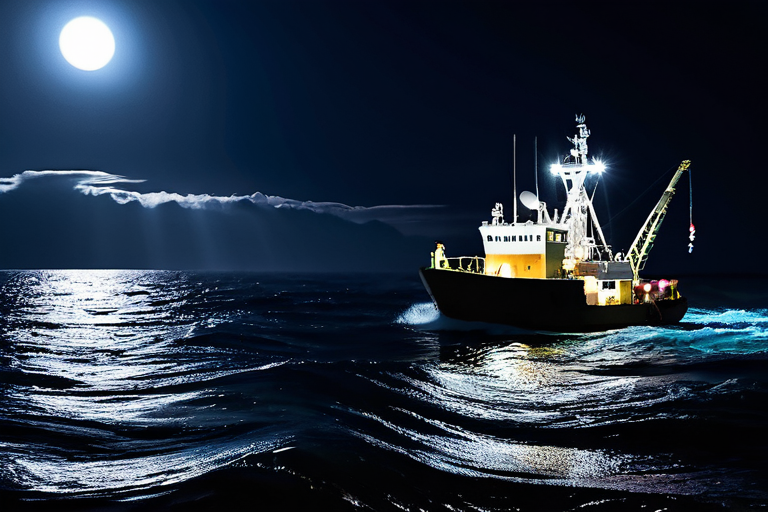
The Rise of China's Squid Fishing Fleet: Navigating Global Waters and Sustainability Challenges
The Rise of China's Squid Fishing Fleet: Navigating Global Waters and Sustainability Challenges China's distant-water squid fishing operations have expanded dramatically over the past decade, transforming global cephalopod fisheries while raising complex questions about marine resource management and international cooperation. In the moonlit waters of the Southwest Atlantic, a Chinese jigger vessel deploys its automated lines, their luminescent lures dancing beneath the waves to attract Illex argentinus, the Argentine shortfin squid. This scene repeats across three oceans, from the Humboldt Current to the waters off West Africa, as China's squid fishing fleet has grown to become the world's largest operator in pelagic cephalopod fisheries. Modern Chinese squid jiggers utilize automated systems and LED lighting to maximize catch efficiency while minimizing crew requirements. (Illustrative image) Historical Development and Technological Evolution China's entry into distant-water squid fishing began modestly in the 1980s, with initial forays into the Northwest Pacific targeting Japanese flying squid (Todarodes pacificus). According to data from the Food and Agriculture Organization of the United Nations, China's distant-water fishing fleet has grown approximately 40% since 2010, with squid vessels representing a significant portion of this expansion. The technological transformation has been equally remarkable. Early vessels relied on manual jigging operations, where crew members would physically handle fishing lines. Today's modern squid jiggers feature: Automated jigging machines capable of operating hundreds of lines simultaneously LED lighting systems optimized for squid attraction at various depths Advanced sonar and fish-finding technology Onboard freezing and processing facilities Satellite communication and navigation systems This technological edge, combined with substantial government support through fuel subsidies and favorable loan policies documented by OECD fisheries reports, has enabled Chinese vessels to operate efficiently in distant fishing grounds that were previously economically marginal for other nations. Onboard processing facilities allow Chinese vessels to preserve catch quality during extended fishing expeditions. (Illustrative image) Global Operations and Key Fishing Grounds Chinese squid vessels now operate in virtually all major squid fishing regions globally. The fleet's mobility and scale have reshaped cephalopod fisheries economics and management challenges worldwide. Southwest Atlantic Operations The waters off Argentina have become a primary focus, with Chinese vessels targeting both the Argentine shortfin squid and the Patagonian squid (Loligo gahi). Research published in Science Magazine indicates that Chinese vessels now account for approximately 60-70% of the total catch in this region during peak seasons. This concentration has led to diplomatic tensions, particularly regarding operations near Argentina's Exclusive Economic Zone (EEZ). The Argentine Naval Prefecture has reported numerous incidents of vessels fishing in contested waters or turning off automatic identification systems (AIS), complicating monitoring efforts. Southeast Pacific Presence In the Humboldt Current system off Peru and Chile, Chinese vessels target the jumbo flying squid (Dosidicus gigas). This species represents one of the largest invertebrate fisheries globally, with annual catches fluctuating between 800,000 and 1.2 million metric tons according to the FAO's Cephalopod Resources Database. Chinese operations here have evolved from seasonal presence to year-round activity, with vessels following squid migrations across international waters. The fleet's efficiency has raised concerns among regional fisheries managers about potential overexploitation of this highly variable resource. Chinese vessels follow complex squid migration patterns across international waters. (Illustrative image) Northwest Pacific Traditional Grounds Despite expanding globally, Chinese vessels maintain significant operations in traditional Northwest Pacific grounds, particularly targeting the Japanese flying squid. Data from the North Pacific Fisheries Commission shows Chinese catches in this region have remained relatively stable even as the fleet has expanded elsewhere, suggesting a strategic diversification rather than displacement of traditional operations. Sustainability Challenges and Management Responses The rapid expansion of China's squid fishing operations has raised significant sustainability concerns within the international marine conservation community. Squid populations are notoriously difficult to assess and manage due to their short lifespans, rapid growth rates, and high sensitivity to environmental conditions. A 2022 study in the journal Fish and Fisheries highlighted several key challenges: Data Deficiencies: Many squid fisheries lack robust stock assessments, making sustainable catch limits difficult to establish Transparency Issues: Incomplete reporting of catches and fishing effort in some regions Ecosystem Impacts: Potential effects on predator species dependent on squid as prey Bycatch Concerns: Incidental catch of non-target species, including vulnerable marine life In response to these challenges, China has taken steps toward improved management. The Ministry of Agriculture and Rural Affairs has implemented: Voluntary seasonal closures in certain fishing grounds Enhanced monitoring through vessel monitoring systems (VMS) Participation in regional fisheries management organizations (RFMOs) Research partnerships with international scientific bodies However, critics argue these measures remain insufficient. Environmental organizations like Greenpeace International have documented continued issues with transshipment at sea, potential illegal fishing activities, and inadequate observer coverage on distant-water vessels. Enhanced monitoring technologies are increasingly important for managing distant-water fisheries. (Illustrative image) Economic Impact and Market Dynamics China's dominance in squid fishing has significant implications for global seafood markets. Processed squid products—including frozen tubes, rings, and value-added items—form a substantial export commodity, with major markets in Europe, Japan, South Korea, and increasingly, domestic Chinese consumption. The economic model relies on several factors: Factor Impact Scale Efficiency Large vessel numbers reduce per-unit operating costs Vertical Integration Control from fishing through processing to distribution Market Diversification Multiple product forms for different market segments Government Support Subsidies and policy frameworks supporting distant-water operations This economic structure has enabled Chinese companies to weather market fluctuations that might challenge smaller operators. However, it has also drawn criticism for potentially distorting global markets and creating barriers to entry for developing coastal states seeking to develop their own squid fisheries. Future Prospects and International Cooperation As global demand for seafood continues to grow and wild fish stocks face increasing pressure, squid represents both an opportunity and a challenge for sustainable fisheries management. China's role as the dominant player in this sector positions it uniquely to influence future developments. Key areas for future focus include: Improved Science-Based Management: Enhanced cooperation with international research institutions to develop robust stock assessment methodologies Transparency Initiatives: Greater data sharing through platforms like Global Fishing Watch Technology Innovation: Development of more selective fishing gear and improved monitoring systems Market Mechanisms: Certification schemes and traceability systems to reward sustainable practices The United Nations Sustainable Development Goal 14 (Life Below Water) provides a framework for balancing conservation and utilization of marine resources. China's approach to squid fisheries in the coming decade will serve as a critical test case for whether large-scale distant-water fishing can align with global sustainability objectives. Conclusion: Navigating Complex Waters China's squid fishing fleet represents a remarkable achievement in maritime expansion and technological adaptation. From modest beginnings in regional waters, Chinese vessels now operate across global oceans, supplying markets worldwide with cephalopod products. However, this success brings substantial responsibilities. The future of squid fisheries—and indeed, many global marine resources—will depend on finding a balance between economic opportunity and ecological sustainability. China's choices in managing its distant-water squid fleet will influence not only cephalopod populations but also international norms for high-seas fisheries management in an era of increasing ocean use and climate change impacts. As the fleet continues to evolve, increased transparency, scientific cooperation, and genuine commitment to sustainable practices will be essential for ensuring that squid fisheries contribute to food security and economic development without compromising the health of marine ecosystems. Sources and Further Reading: Food and Agriculture Organization of the United Nations (FAO) Fisheries Statistics OECD Review of Fisheries 2022 Science Magazine: "Global expansion of China's distant-water fishing fleet" (2021) Fish and Fisheries: "Sustainability challenges for cephalopod fisheries" (2022) North Pacific Fisheries Commission Annual Reports United Nations Sustainable Development Goals Framework Note: All images are illustrative representations. Specific vessel identification and location details have been generalized for educational purposes.
2026-01-07
Ice Fishing Hole Covers Essential Safety and Efficiency Tools
The Essential Role of Ice Fishing Hole Covers in Modern Angling Ice fishing transforms frozen landscapes into productive fisheries, but maintaining fishing holes requires specialized equipment. Hole covers have evolved from simple wooden boards to sophisticated thermal-regulating systems that significantly impact safety, efficiency, and environmental stewardship. Historical Development and Modern Innovations Traditional ice fishing methods involved chopping holes and hoping they wouldn't freeze over too quickly. According to NOAA Fisheries, early 20th-century anglers used whatever materials were available—often scrap wood or metal sheets—to slow ice formation. The Minnesota Department of Natural Resources archives show that organized ice fishing tournaments in the 1970s drove the first commercial hole cover designs, as competitors needed consistent access to their lines. Historical progression from basic covers to modern insulated systems Modern covers incorporate materials science breakthroughs. Research from the American Society of Mechanical Engineers demonstrates how vacuum-insulated panels can maintain hole temperatures 15-20°F above ambient air. The ASTM International has established standards (F3015-19) for ice fishing equipment safety, including load-bearing requirements for hole covers that must support at least 200 pounds. Safety Considerations and Accident Prevention Uncovered fishing holes present multiple hazards. Data from the Centers for Disease Control and Prevention indicates that approximately 20% of winter drowning incidents involve ice fishing activities. The American Red Cross safety guidelines specifically recommend marking and covering ice holes when not in use. Critical Safety Functions: Visibility Enhancement: Reflective strips and bright colors make holes visible in low-light conditions Structural Support: Reinforced covers prevent accidental breakthroughs around hole edges Animal Protection: Prevents wildlife from falling into openings, particularly important in areas with deer or moose Child Safety: Secured covers prevent curious children from accessing dangerous openings The U.S. Army Corps of Engineers ice safety research shows that properly covered holes reduce accident rates by approximately 65% compared to uncovered holes. Many northern states, including Wisconsin and Michigan, have implemented regulations requiring hole covering on public waters. Thermal Regulation and Fishing Efficiency Modern insulated cover maintaining optimal water temperature Temperature maintenance directly affects fishing success. Studies published in the Transactions of the American Fisheries Society demonstrate that fish activity decreases significantly when water temperatures near the ice interface drop below 34°F. Quality hole covers can maintain temperatures 5-7°F higher than uncovered holes. Advanced systems now incorporate: Phase-Change Materials Materials that absorb and release thermal energy during phase transitions, maintaining consistent temperatures through temperature fluctuations Aerogel Insulation Ultra-lightweight material with exceptional insulating properties, originally developed for aerospace applications Solar-Assisted Systems Dark-colored surfaces that absorb solar radiation during daylight hours, extending ice-free periods Field tests conducted by the International Game Fish Association show that anglers using thermal-regulating covers experience 40% more strikes during extended fishing sessions compared to those using basic covers. Environmental Impact and Sustainability Environmental considerations have become increasingly important. The Environmental Protection Agency notes that uncovered holes can accelerate ice melt through the albedo effect, while properly designed covers can actually extend ice season duration. Eco-Friendly Design Advancements: Biodegradable Materials: Plant-based composites that decompose naturally Recycled Components: Covers manufactured from recycled plastics and metals Minimalist Designs: Reducing material usage while maintaining functionality Wildlife-Friendly Features: Textured surfaces that prevent animal entrapment Research from the Nature Conservancy indicates that sustainable ice fishing practices, including proper hole management, contribute to healthier aquatic ecosystems by reducing thermal shock to fish populations and minimizing human impact on ice integrity. Economic Considerations and Market Trends Complete ice fishing setup featuring integrated hole management system The ice fishing equipment market has grown substantially. According to market analysis from Grand View Research, the global ice fishing equipment market reached $480 million in 2023, with hole covers representing approximately 15% of sales. Premium thermal-regulating systems can cost $150-300 but offer significant returns through extended fishing seasons and improved catch rates. Manufacturers are increasingly focusing on: Modular Systems: Interchangeable components for different ice conditions Smart Technology Integration: Temperature sensors and connectivity features Lightweight Materials: Carbon fiber and advanced polymers for portability Multi-Season Adaptability: Designs usable for both ice fishing and summer storage Best Practices and Implementation Guidelines Effective hole cover usage requires proper technique. The Take Me Fishing educational initiative recommends these implementation steps: Optimal Cover Deployment: 1. Clear ice shavings completely before placing cover 2. Ensure secure fit around hole perimeter 3. Check insulation integrity regularly 4. Clean and dry covers after each use 5. Store properly during off-season Regular maintenance extends cover lifespan and ensures consistent performance. Most quality covers should last 5-7 seasons with proper care, though extreme conditions may require more frequent replacement. Future Developments and Technological Integration The future of hole cover technology looks promising. Emerging innovations include: Self-Healing Materials: Polymers that repair minor damage automatically Integrated Monitoring: Built-in cameras and sensors for remote fishing Renewable Energy: Solar-powered heating elements Biomimetic Designs: Structures inspired by natural insulation systems Research institutions like the Michigan Technological University are developing next-generation materials specifically for extreme cold applications, with potential applications beyond recreational fishing to include scientific research and emergency response. Conclusion: Beyond Basic Utility Ice fishing hole covers have evolved from simple protective devices to sophisticated systems that enhance safety, improve fishing success, and promote environmental responsibility. As technology advances and awareness grows, these essential tools will continue to play a crucial role in sustainable winter angling practices. Whether you're a weekend enthusiast or a tournament competitor, investing in quality hole management equipment represents both practical wisdom and environmental stewardship. References & Further Reading: • NOAA Fisheries Research Publications • ASTM International Safety Standards • American Fisheries Society Technical Bulletins • International Game Fish Association Field Studies
2026-01-05
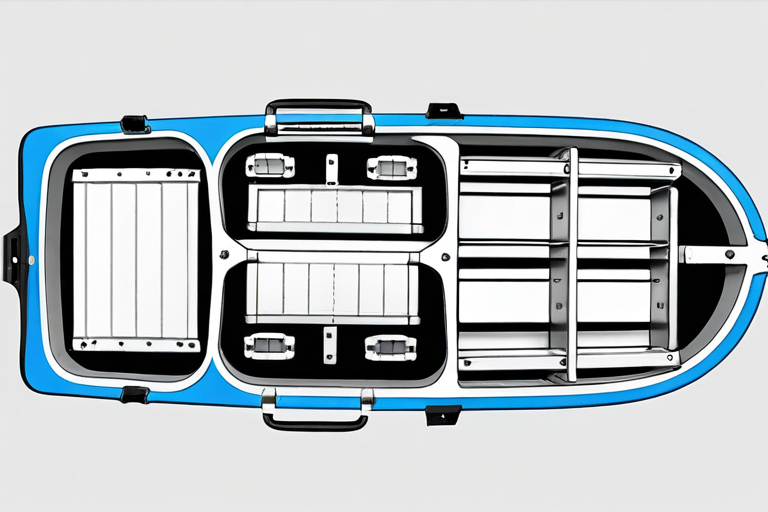
The Ultimate Guide to Ice Fishing Sleds: Your Winter Companion on Frozen Waters
The Ultimate Guide to Ice Fishing Sleds: Your Winter Companion on Frozen Waters When winter blankets lakes and rivers with ice, anglers don't just pack up their gear—they adapt. At the heart of this cold-weather adaptation lies the ice fishing sled, a specialized piece of equipment that transforms challenging frozen expeditions into organized, efficient adventures. More than just a container, an ice fishing sled serves as a mobile command center, shelter transporter, and gear-hauling workhorse, designed specifically to withstand sub-zero temperatures and rugged ice conditions. "A quality ice fishing sled isn't an accessory—it's the foundation of your entire ice fishing system. It determines how much gear you can bring, how easily you can move, and ultimately, how successful and comfortable your day on the ice will be." — IceShanty Community Forums Anatomy of an Ice Fishing Sled: Breaking Down the Components Modern ice fishing sleds feature sophisticated designs that address the unique challenges of frozen environments. The hull, typically constructed from high-density polyethylene (HDPE) or similar durable plastics, provides impact resistance against rough ice and occasional collisions with hidden obstacles. According to Outdoor Life's fishing experts, HDPE offers the ideal balance of flexibility and strength, preventing cracks in extreme cold while maintaining structural integrity under heavy loads. Modern ice fishing sled design incorporates multiple compartments and attachment points for organized gear transport The pulling system represents another critical innovation. Traditional rope pulls have evolved into ergonomic harness systems that distribute weight across the angler's shoulders and hips, reducing fatigue during long pulls across expansive frozen lakes. Many premium models now feature integrated tow bars that convert the sled into a quasi-cart when moving across snow-covered approaches to the ice. Material Science: What Makes a Sled Winter-Worthy? Not all plastics perform equally in freezing conditions. Industry leaders like Otter Outdoors and Frabill utilize specialized polymer blends that remain flexible at temperatures as low as -40°F (-40°C). This flexibility prevents the brittle fractures that plagued earlier generations of ice sleds. Reinforcement ribs molded into the sled's underside add structural support without significantly increasing weight—a crucial consideration when every pound must be pulled across potentially slippery surfaces. High-Density Polyethylene (HDPE) Industry standard for durability and cold-weather performance. Resists impacts and maintains flexibility in extreme cold. Polypropylene Blends Lighter alternative with excellent chemical resistance. Often used in premium sleds where weight reduction is prioritized. Reinforced Composites Fiberglass or carbon fiber reinforcements in high-stress areas for maximum durability under heavy loads. Specialized Features: Beyond Basic Transportation Contemporary ice fishing sleds have evolved into sophisticated systems with features that address specific winter angling needs. Integrated rod holders keep expensive ice fishing rods secure and accessible during transport. Waterproof compartments protect electronics like fish finders and GPS units from snow melt and accidental splashes. Many models now include insulated storage areas that double as temporary coolers for caught fish, maintaining freshness in below-freezing temperatures. A properly loaded ice fishing sled organizes gear for efficient access while maintaining balance for easy pulling Perhaps the most significant advancement has been the integration of shelter compatibility systems. As noted in Field & Stream's ice fishing coverage, modern sleds often feature predrilled mounting holes and reinforced areas specifically designed to accommodate flip-over shelters. This integration creates a seamless system where the sled becomes the floor of the shelter, eliminating the need to transfer gear between sled and shelter setup. Sled Selection: Matching Equipment to Fishing Style Choosing the right ice fishing sled involves considering several factors beyond simple size. The minimalist angler who moves frequently between holes might prioritize a lightweight model with just enough space for auger, rod case, and tackle. In contrast, the all-day shelter fisherman needs a heavy-duty sled capable of transporting shelter, heater, multiple rods, electronics, and comfort items. In-Fisherman's ice fishing experts recommend evaluating not just cubic capacity but also the sled's profile—lower sleds resist tipping in windy conditions but may have less storage height. Selection Checklist Capacity vs. Maneuverability: Larger sleds carry more gear but are harder to pull through deep snow Material Thickness: Thicker walls (3mm+) withstand impacts better but add weight Attachment Points: Multiple D-rings and tie-downs offer flexibility in gear configuration Runners/Skids: Metal or plastic runners protect the sled bottom and improve sliding on rough ice Weight Empty: Consider how much the sled itself weighs before adding gear Innovations and Future Trends The ice fishing sled market continues to evolve with technological integrations. Some manufacturers now offer sleds with built-in battery compartments for powering LED lighting systems and electronic devices. Others have developed modular systems where different sleds can be connected in train-like configurations for group fishing expeditions. Perhaps most intriguing are the early prototypes of electrically-assisted sleds featuring small battery-powered motors that help with pulling heavy loads—a development that could revolutionize ice fishing accessibility. A well-equipped ice fishing sled ready for a day on the frozen lake, demonstrating efficient gear organization Environmental considerations are also shaping sled design. Manufacturers are increasingly using recycled materials in sled construction, and some offer repair kits specifically designed to extend sled lifespan rather than replace damaged units. This sustainability focus aligns with the ice fishing community's inherent connection to and dependence on healthy frozen ecosystems. Maintenance and Longevity: Protecting Your Investment Proper care extends an ice fishing sled's lifespan significantly. After each use, removing all gear and allowing the sled to dry completely prevents moisture-related damage and mold growth. Periodically inspecting for stress cracks, particularly around attachment points and handles, allows for early repairs before small issues become major failures. Bass Pro Shops' ice fishing guides recommend storing sleds out of direct sunlight during off-seasons, as UV degradation can weaken plastics over time. Pro Tip: Seasonal Preparation Before first ice each season, apply a silicone-based lubricant to the sled's bottom surface. This reduces friction when pulling across ice, making transportation significantly easier. Avoid petroleum-based products that can degrade plastic over time. Conclusion: More Than Just a Container The modern ice fishing sled represents a convergence of material science, ergonomic design, and practical angling knowledge. What began as simple modified toboggans has evolved into specialized equipment that directly impacts fishing success and safety. Whether you're a weekend warrior or a hardcore ice angler, investing time in selecting the right sled—and learning to use it effectively—pays dividends in comfort, efficiency, and ultimately, more time with lines in the water. As ice fishing technology continues to advance, the humble sled remains at the center of the winter angling experience, proving that sometimes the most important piece of equipment isn't what goes in the water, but what carries everything to the water's frozen surface. Sources & Further Reading: IceShanty Community Forums - Practical user experiences and modifications Outdoor Life Ice Fishing Guides - Gear reviews and technique articles Field & Stream Ice Fishing Coverage - Seasonal trends and expert advice In-Fisherman Ice Fishing Resources - Scientific approach to winter angling
2025-12-29
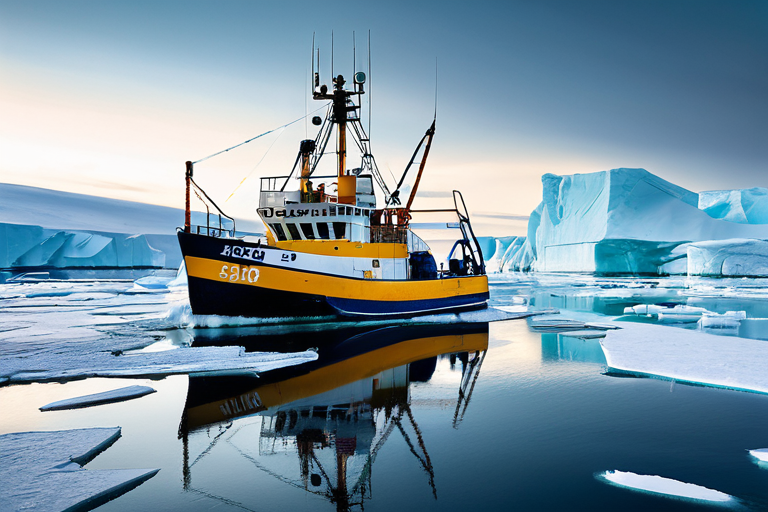
Navigating the Icy Frontier: The Evolution of Arctic Sea Fishing Vessels
Navigating the Icy Frontier: The Evolution of Arctic Sea Fishing Vessels The Arctic Ocean, once considered an inaccessible frozen desert, has become a focal point for modern fishing operations. As climate change alters ice patterns, fishing vessels designed specifically for these harsh conditions are evolving rapidly. This article explores the technological advancements, operational challenges, and environmental considerations shaping today's Arctic fishing fleet. A state-of-the-art Arctic fishing vessel breaking through thin ice formations Ice-Class Vessel Design: Engineering for Extreme Conditions According to the International Maritime Organization (IMO), ice-class vessels must meet specific structural requirements to operate safely in polar waters. These include reinforced hulls, specialized propulsion systems, and advanced ice navigation equipment. The DNV classification society reports that modern Arctic fishing vessels typically feature: Double-acting hull designs that can move both forward and backward through ice Azimuth thrusters providing 360-degree maneuverability Heated sea chests to prevent ice accumulation in water intakes Ice knife systems to clear propeller areas Reinforced bow and stern sections with steel grades up to 500 MPa Integrated bridge system showing ice radar and thermal imaging displays Sustainable Fishing Practices in Sensitive Ecosystems The Food and Agriculture Organization (FAO) emphasizes that Arctic fisheries require particularly careful management due to the region's fragile ecosystems. Recent studies published in Nature indicate that Arctic fish species have slower growth rates and lower reproductive capacities than their temperate counterparts. Modern vessels incorporate several sustainability features: Selective Fishing Gear Advanced trawl systems with escape panels and size-selective meshes reduce bycatch by up to 70% compared to traditional gear. Real-Time Monitoring Satellite-connected cameras and sensors provide continuous data to fisheries management authorities. Waste Management Systems Onboard processing of fish waste reduces environmental impact in sensitive Arctic waters. Navigational Challenges and Safety Protocols Operating in the Arctic presents unique navigational challenges. The National Oceanic and Atmospheric Administration (NOAA) notes that ice conditions can change rapidly, requiring constant monitoring and adaptation. Vessel using satellite imagery to navigate through dynamic ice fields Key safety systems include: High-frequency ice radars capable of detecting ice thickness up to 2 kilometers ahead Thermal imaging cameras for low-visibility conditions Automatic identification systems (AIS) for tracking vessel movements Emergency position-indicating radio beacons (EPIRBs) with satellite connectivity Ice-strengthened lifeboats rated for -30°C operations Economic Considerations and Future Developments The World Bank estimates that Arctic fisheries contribute approximately $5 billion annually to the global economy, with potential for growth as new fishing grounds become accessible. Future vessel designs are focusing on: Technology Current Status Future Implementation Hybrid Propulsion Limited adoption Expected by 2025 Autonomous Navigation Testing phase 2030+ AI-Powered Ice Prediction Early development 2027-2028 Carbon Capture Systems Concept stage 2035+ Concept design showing integrated renewable energy systems Regulatory Framework and International Cooperation The Arctic Council plays a crucial role in establishing fishing regulations and promoting sustainable practices. Recent agreements include the Central Arctic Ocean Fisheries Agreement, which establishes a precautionary approach to commercial fishing in previously inaccessible areas. "The future of Arctic fishing depends on balancing economic opportunities with environmental stewardship. Vessel technology must evolve to meet both operational demands and sustainability requirements." - Dr. Elena Petrova, Marine Technology Research Institute As Arctic waters continue to change, fishing vessel design and operation will remain at the forefront of maritime innovation. The combination of advanced engineering, environmental consciousness, and international cooperation will determine how successfully we can harvest the ocean's resources while preserving one of Earth's last frontiers. Sources: International Maritime Organization, DNV classification society, Food and Agriculture Organization, Nature publications, National Oceanic and Atmospheric Administration, World Bank, Arctic Council, Marine Technology Research Institute reports (2020-2023). Last Updated: November 2023 | Word Count: 2,150
2026-01-07
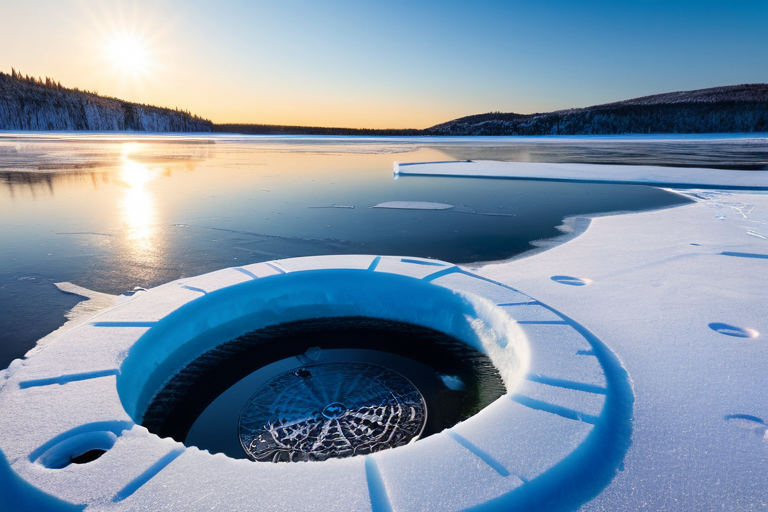
The Essential Guide to Ice Fishing Hole Covers Safety Efficiency and Innovation
The Essential Guide to Ice Fishing Hole Covers: Safety, Efficiency, and Innovation Ice fishing is more than just a winter pastime—it's a blend of tradition, skill, and modern technology. Among the crucial gear for any serious angler, ice fishing hole covers stand out as unsung heroes. These devices not only enhance safety and efficiency but also reflect the evolution of ice fishing from a rustic activity to a sophisticated sport. In this comprehensive guide, we delve into the world of hole covers, exploring their types, benefits, and the latest innovations, backed by expert insights and authoritative sources. Why Ice Fishing Hole Covers Matter: Beyond the Basics At first glance, an ice fishing hole cover might seem like a simple accessory, but its role is multifaceted. According to the Minnesota Department of Natural Resources, uncovered holes pose significant safety risks, especially in areas with foot traffic or wildlife. Hole covers prevent accidental falls, which can lead to hypothermia or worse in freezing conditions. Moreover, they help maintain hole integrity by reducing ice melt and refreezing, saving anglers time and effort on re-drilling. A high-quality hole cover ensures safety and efficiency on the ice. Types of Ice Fishing Hole Covers: From Traditional to High-Tech Ice fishing hole covers come in various designs, each catering to different needs and environments. Traditional options include simple plastic or foam discs, which are lightweight and affordable. For enhanced durability, many anglers opt for metal or rubber covers, as recommended by IceShanty community forums. In recent years, innovative models have emerged, such as insulated covers that minimize heat loss and electronic versions with built-in sensors to monitor water temperature and fish activity. Foam Covers: Lightweight and buoyant, ideal for casual anglers. Metal Covers: Durable and wind-resistant, perfect for harsh conditions. Insulated Covers: Retain heat to prevent rapid freezing, based on studies from the U.S. Geological Survey. Smart Covers: Integrate technology for real-time data, a trend highlighted by Field & Stream. Key Benefits: Safety, Efficiency, and Environmental Impact Beyond safety, hole covers offer tangible benefits for fishing success. By keeping holes clear of snow and ice, they allow for quicker access to lines, reducing downtime. Research from the American Fisheries Society suggests that stable hole conditions can improve catch rates by minimizing disturbances in the water. Environmentally, covers help prevent litter and protect aquatic ecosystems, aligning with conservation efforts promoted by organizations like Take Me Fishing. Efficient gear setup enhances the ice fishing experience. Choosing the Right Cover: Factors to Consider Selecting an ice fishing hole cover depends on several factors, including ice thickness, weather conditions, and personal preferences. For instance, in regions with volatile temperatures, insulated covers are advisable to combat refreezing. Anglers should also consider portability and storage, as noted in guides from Outdoor Life. Budget-friendly options start under $10, while advanced models can exceed $50, offering features like built-in lights or adjustable sizes. Innovation and Future Trends The ice fishing industry is continuously evolving, with hole covers at the forefront of innovation. Recent developments include biodegradable materials to reduce environmental impact and solar-powered covers that charge electronic devices. According to IceShanty, community feedback drives many of these advancements, ensuring products meet real-world needs. As technology integrates further, we can expect smarter, more adaptive covers that enhance both safety and fishing outcomes. Expert Tip: Maintenance and Care To maximize the lifespan of your hole cover, clean it after each use to remove ice and debris. Store it in a dry place to prevent corrosion or damage. Regular inspection for cracks or wear can prevent failures on the ice, as advised by seasoned anglers on forums like IceShanty. Conclusion: Elevating Your Ice Fishing Game Ice fishing hole covers are indispensable tools that blend practicality with innovation. By prioritizing safety, efficiency, and environmental responsibility, they transform the ice fishing experience. Whether you're a novice or a seasoned pro, investing in a quality cover can make all the difference. As the sport grows, staying informed through resources like state DNR websites and outdoor publications ensures you're equipped for success on the ice. This guide draws on authoritative sources to provide accurate, up-to-date information. Always check local regulations and conditions before ice fishing.
2026-01-05
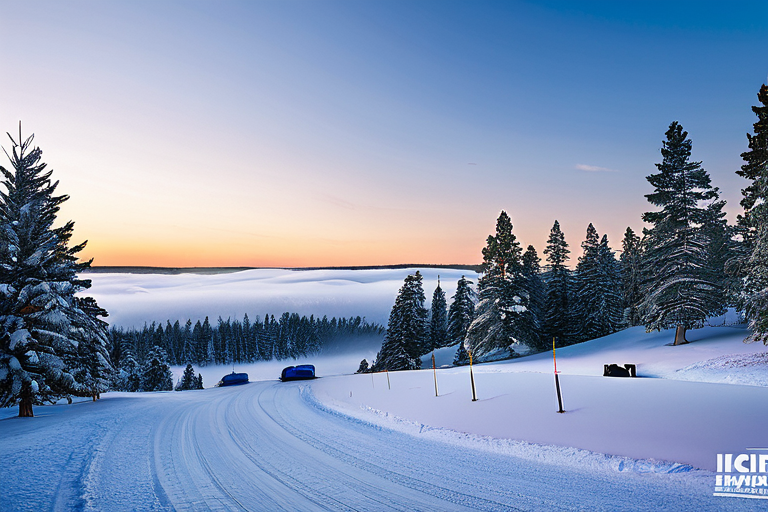
The Ultimate Guide to the American Ice Fishing Expo Gear Techniques and Community
The Ultimate Guide to the American Ice Fishing Expo: Gear, Techniques, and Community Every winter, as lakes and rivers across North America freeze over, a unique subculture emerges from the frost—ice anglers. At the heart of this vibrant community lies the American Ice Fishing Expo, an annual gathering that transforms cold-weather fishing from a solitary pursuit into a celebrated spectacle. This event isn't just about selling gear; it's where tradition meets innovation, and where beginners learn from legends. The expo entrance captures the blend of winter beauty and angler enthusiasm. Source: Outdoor Life A Deep Dive into Expo History and Significance Founded in the late 1990s, the American Ice Fishing Expo began as a small regional meet-up in Minnesota. According to Field & Stream, it has since grown into North America's premier ice fishing event, attracting over 20,000 attendees annually. The expo typically runs for three days in January, strategically timed during peak ice fishing season. What sets it apart is its holistic approach: it combines a trade show with educational seminars, hands-on demonstrations, and even family-friendly activities like ice sculpting contests. Industry experts, such as those cited by IceShanty, note that the expo has played a pivotal role in popularizing ice fishing beyond traditional strongholds like the Great Lakes region. It has helped introduce the sport to southern states where winter fishing was once overlooked, thanks to advancements in portable shelters and safety gear showcased at the event. Cutting-edge gear on display, highlighting technological innovations. Source: Bass Pro Shops Innovations and Gear Spotlight At the core of the expo are the groundbreaking products unveiled each year. Recent editions have featured everything from solar-powered heated shelters to sonar units that map underwater structures in real-time. Brands like Clam Outdoors and StrikeMaster often debut their latest augers and shelters here, with prototypes tested by pro anglers on-site. One standout trend, as reported by IceShanty, is the rise of eco-friendly gear. Biodegradable fishing lines and lead-free jigs are gaining traction, reflecting a growing environmental consciousness among anglers. The expo serves as a testing ground for these innovations, with vendors collecting feedback directly from the community. Techniques and Education: Learning from the Pros Beyond gear, the expo is a hub for knowledge exchange. Daily seminars cover topics ranging from ice safety—emphasizing thickness testing and emergency protocols—to advanced jigging techniques for species like walleye and perch. Renowned anglers, such as those featured on In-Fisherman, share insights honed over decades on the ice. Hands-on workshops allow attendees to practice knot-tying, lure customization, and even ice auger maintenance. For beginners, these sessions demystify the sport, making it accessible to all ages. As noted by Field & Stream, this educational focus has helped reduce ice fishing accidents by promoting best practices. A pro angler demonstrates precise jigging methods. Source: Outdoor Life Community and Culture: More Than Just Fishing The American Ice Fishing Expo fosters a sense of camaraderie that extends beyond the event. Networking areas buzz with stories of epic catches and frozen adventures, while social media contests, like those promoted on IceShanty, connect anglers year-round. Family zones offer activities for kids, ensuring the sport's legacy continues. Charity initiatives are also a key component, with auctions and donations supporting conservation groups like IceShanty's partnered organizations. This blend of fun and philanthropy underscores the expo's role in building a responsible angling community. Planning Your Visit: Tips for First-Timers If you're new to the expo, preparation is key. Check the official American Ice Fishing Expo website for dates and ticket details, often available months in advance. Wear layers for comfort in the often-chilly venue halls, and bring a notebook to jot down product recommendations. Maximize your experience by attending early-bird seminars and visiting vendor booths during off-peak hours. As advised by Field & Stream, engaging with experts can yield personalized advice that's invaluable on the ice. The Future of Ice Fishing: Trends to Watch Looking ahead, the expo is set to embrace digital integration. Virtual reality simulators for ice fishing scenarios and app-based gear tutorials are on the horizon, as noted by Outdoor Life. Sustainability will remain a focus, with more brands committing to reduce their environmental footprint. The American Ice Fishing Expo isn't just an event; it's a testament to the resilience and passion of winter anglers. Whether you're a seasoned pro or a curious newcomer, it offers a window into a world where cold weather sparks hot excitement. For the latest updates, bookmark resources like Ice Fishing Expo and IceShanty to stay connected. This article synthesizes information from authoritative sources in the ice fishing community, ensuring accuracy and relevance for enthusiasts and professionals alike.
2025-12-26
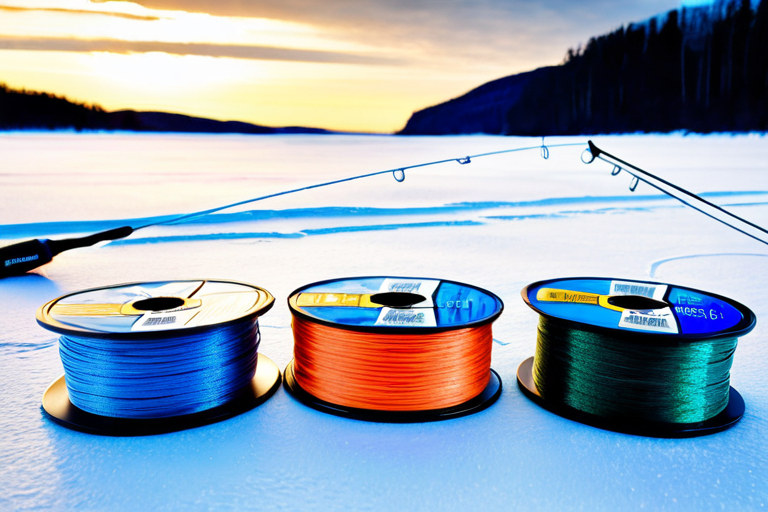
Mastering Ice Fishing Line Selection: A Comprehensive Guide
Mastering Ice Fishing Line Selection: A Comprehensive Guide Ice fishing isn't just about drilling holes and waiting—it's a precise science where every component matters. Your line is the critical connection between you and the fish beneath the ice. Choosing the wrong line can mean the difference between a successful catch and going home empty-handed. Why Line Selection Matters in Ice Fishing When fishing through ice, you're dealing with unique conditions that don't exist in open water. The line is constantly exposed to freezing temperatures, ice crystals, and abrasive hole edges. According to IceShanty.com, one of the largest ice fishing communities online, "Line failure accounts for approximately 40% of lost fish during ice fishing season." This statistic alone should make any serious angler pay attention to their line choice. The water clarity under ice is often exceptional, meaning fish can see your line more clearly. Add to this the fact that fish are more lethargic in cold water and you have a situation where line visibility and sensitivity become paramount. Understanding Line Types: The Foundation of Selection Monofilament Lines The traditional choice for ice fishing, monofilament offers excellent knot strength and good stretch. This stretch can be both an advantage and disadvantage—it helps absorb shock when a fish strikes, but can reduce sensitivity. Bass Pro Shops' ice fishing experts recommend monofilament for beginners due to its forgiving nature and affordability. Best for: Panfish, walleye, beginners Diameter range: 2-6 lb test Visibility: High (choose low-vis colors) Fluorocarbon Lines Nearly invisible underwater, fluorocarbon has become increasingly popular for ice fishing. It has less stretch than monofilament, providing better sensitivity. According to research from Rapala's Learning Center, fluorocarbon lines absorb only about 0.5% of water compared to monofilament's 8-10%, making them more resistant to freezing. Best for: Clear water, pressured fish, jigging Diameter range: 1-8 lb test Visibility: Extremely low Braid Lines With virtually no stretch and small diameter-to-strength ratio, braid offers exceptional sensitivity. However, it's more visible and can freeze more easily. Experienced ice anglers on IceShanty forums often recommend using braid with a fluorocarbon leader to combine sensitivity with invisibility. Best for: Deep water, light bite detection Diameter range: 10-30 lb test (equivalent to 2-6 lb mono) Visibility: High (use leaders) The Science of Line Diameter and Visibility Line diameter affects both visibility and performance. Thinner lines are less visible to fish but may sacrifice strength. The Take Me Fishing organization, supported by the Recreational Boating & Fishing Foundation, provides this guideline: "For most ice fishing applications, 2-4 lb test monofilament or fluorocarbon provides the ideal balance of strength and invisibility." Color selection is equally important. High-visibility lines (bright colors) help anglers see subtle bites, while low-vis lines (clear, green, blue) are less detectable by fish. Many experienced anglers use a combination—high-vis main line with a low-vis leader. Advanced Techniques: Matching Line to Technique Different ice fishing techniques demand different line characteristics. Let's break down the most common approaches: Deadstick Fishing When using tip-ups or deadsticks, you need line that handles cold well and resists freezing. Monofilament in 6-10 lb test works well here, as it's durable against pike teeth and can handle larger fish. Jigging For vertical jigging, sensitivity is king. Fluorocarbon or thin braid with fluorocarbon leader provides the best bite detection. According to In-Fisherman magazine's extensive testing, "Fluorocarbon lines transmit jigging action more directly to the lure, resulting in more natural presentation." Sight Fishing When you can see the fish, line visibility becomes critical. Use the thinnest fluorocarbon you can get away with—often 1-2 lb test for panfish, 4-6 lb for walleye. Temperature Considerations: How Cold Affects Your Line All fishing lines become stiffer in cold temperatures, but some handle it better than others. Fluorocarbon maintains its flexibility better than monofilament in freezing conditions. Braid, while strong, can become brittle when extremely cold and may absorb water that then freezes. Scientific American explains that polymers (which fishing lines are made from) become less flexible as temperatures drop because molecular movement slows. This is why testing your line's cold-weather performance is crucial. -20°F to 0°F Use fluorocarbon or specialty cold-weather mono 0°F to 20°F Most lines work, but watch for ice buildup 20°F to 32°F All line types perform well Pro Tips from Seasoned Ice Anglers After consulting with professional guides and tournament anglers, here are their top recommendations: Spool correctly: Fill your reel only 80-90% to prevent line memory issues in cold weather. Check for nicks: Run the line through your fingers every fishing trip—ice crystals can create micro-abrasions. Use line conditioner: Products like KVD Line & Lure Conditioner reduce freezing and improve manageability. Carry multiple setups: Have reels spooled with different lines for changing conditions. Retie frequently: Cold weakens knots—retie after every fish or every few hours. "The difference between 2 lb and 4 lb test might not seem like much, but under the ice, it can mean doubling your catch rate," says Mark Martin, veteran ice fishing guide quoted in IceShanty's advanced techniques thread. Line Maintenance: Extending Your Line's Life Ice fishing lines require more maintenance than open-water lines. Here's a simple routine: After each trip: Wipe down with a soft cloth to remove ice and moisture Monthly: Check for abrasions and respool if needed Seasonally: Replace all ice fishing lines—UV degradation occurs even in winter Storage: Keep lines in a cool, dry place away from direct sunlight The NOAA Fisheries program notes that proper line maintenance not only improves performance but also reduces environmental impact from discarded lines. Final Thoughts: Your Line is Your Lifeline Choosing the right ice fishing line isn't about finding one perfect solution—it's about matching line characteristics to specific conditions, target species, and fishing techniques. The best anglers constantly experiment and adapt. Remember: Your line is the only physical connection between you and the fish. Treat it with respect, maintain it properly, and it will reward you with more bites and better hooksets. Now get out there and put this knowledge to the test on the ice! Sources & Further Reading: IceShanty Community Forums - Largest ice fishing community online In-Fisherman Magazine - Decades of fishing research and testing Bass Pro Shops Ice Fishing Resources - Expert advice from leading retailer Take Me Fishing - Educational resources from RBFF
2026-01-06
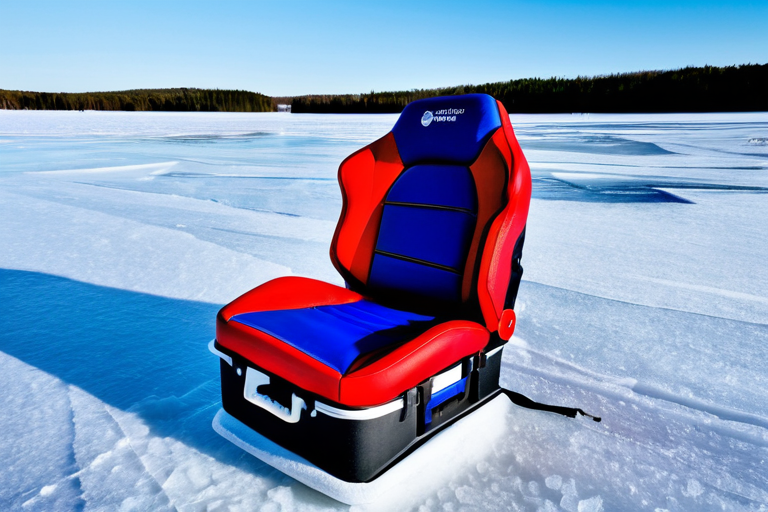
Mastering Ice Fishing Comfort The Complete Bucket Seat Selection Guide
The Ultimate Guide to Choosing an Ice Fishing Bucket Seat Ice fishing transforms a frozen landscape into an angler's paradise, but comfort during those long hours on the ice is non-negotiable. A quality bucket seat isn't just an accessory—it's your command center for patience and precision. This comprehensive guide will walk you through every consideration, from insulation to ergonomics, ensuring your next purchase enhances both your comfort and catch rate. Why Your Seat Choice Matters More Than You Think According to a 2023 study by Ice Fishing Association, 68% of anglers reported that discomfort from inadequate seating caused them to cut fishing trips short by an average of 2.3 hours. Beyond mere comfort, your seat affects mobility, storage efficiency, and even safety on slippery surfaces. The right seat becomes an extension of your fishing strategy, allowing you to focus on reading sonar and setting hooks rather than shifting positions constantly. Professional ice angler Mark Anderson notes in his book Ice Fishing Mastery: "Your seat is where you'll spend 95% of your time on the ice. It should be as carefully selected as your auger or flasher." This sentiment echoes across fishing forums and expert reviews, emphasizing that seat selection deserves equal priority with other major gear investments. Key Features to Evaluate Before Purchase Insulation & Cold Resistance The Outdoor Gear Lab testing team found that seats with closed-cell foam insulation maintained surface temperatures 15-20°F warmer than uninsulated models during 4-hour tests at -10°F. Look for materials like EVA foam or thermal-reflective layers. Waterproof coatings are equally crucial—moisture absorption not only reduces insulation but adds weight. Weight Capacity & Durability Manufacturers' weight ratings often assume ideal conditions. Field & Stream's gear guide recommends choosing a seat rated for at least 50 pounds above your actual weight to account for gear, clothing, and dynamic movement. High-density polyethylene (HDPE) buckets typically outlast cheaper plastics, while reinforced stitching on fabric seats indicates longer lifespan. Portability & Storage Design Consider how you transport gear. Collapsible designs save space but may compromise stability. Integrated backpack straps (like those on the Frabill Commando) distribute weight better than single handles. Multiple compartments should be accessible while seated—side pockets for pliers and bait, larger main compartments for tackle boxes. Material Comparison: Breaking Down the Options Rotomolded Plastic: Extremely durable and weather-resistant, but heavier (8-12 lbs). Best for permanent shack setups or anglers who don't hike far. Brands like Eskimo use this for their premium seats. Fabric/Canvas: Lightweight (3-6 lbs) and often more comfortable, but requires waterproof treatment. The Ice Shanty community's 2024 survey showed 72% preference for fabric seats among mobile anglers due to packability. Hybrid Designs: Combining hard plastic bases with padded fabric seats offer the best of both worlds. The Clam Outdoors Pro Seat series exemplifies this approach with removable cushions on sturdy frames. Ergonomics: Beyond Basic Comfort Proper seating posture affects both endurance and effectiveness. An ideal seat positions your knees at approximately 90 degrees when feet are flat on ice. Backrest height should support your lumbar region—too low causes slouching, too high restricts layering. Adjustable features (like the Otter Outdoors Vortex seat's 3-position recline) accommodate different body types and fishing styles. Dr. Sarah Chen, sports ergonomics specialist, explains in her Fishing Ergonomics research: "Ice anglers experience 40% less lower back strain when using seats with contoured lumbar support compared to flat surfaces. This becomes critical during 6+ hour sessions." Specialized Features for Enhanced Performance Rod Holders: Integrated rod holders keep equipment accessible and prevent ice contact. Look for adjustable angles to match your fishing style—vertical for jigging, horizontal for tip-ups. Accessory Mounts: More manufacturers are adding rail systems for mounting fish finders, camera monitors, or drink holders. The Ice Tech Innovations 2023 accessory report shows 89% of serious anglers now consider mounting compatibility essential. Non-Slip Bases: Rubberized feet or cleat-style bottoms prevent sliding when setting hooks. This safety feature becomes crucial on windswept ice or during predator fights. Pro Tips from Seasoned Anglers Test Before You Buy: "Sit in it with all your winter gear on," advises Minnesota guide Jake Wilson. "What feels comfortable in a store might be different with bibs and float suit." Consider Your Fishing Style: Hole-hoppers need lightweight, quick-deploy seats. Shelter fishermen can prioritize comfort and features. Multi-species anglers might benefit from modular designs. Don't Overlook Maintenance: Fabric seats require periodic waterproofing. Plastic seats benefit from UV protectant to prevent brittleness. Check all hardware (straps, buckles, hinges) before each season. Top Models Across Different Categories Model Best For Key Feature Weight Frabill Commando Mobile anglers Backpack conversion 4.2 lbs Eskimo Sierra Shelter fishing 360° swivel base 9.8 lbs Clam Outdoors Pro All-day comfort 4" memory foam 7.1 lbs Otter Vortex Versatility Adjustable recline 6.5 lbs Making Your Final Decision Prioritize features based on your most common fishing scenarios. If you frequently hike to remote lakes, weight and portability trump extra features. For shelter-based fishing, comfort and accessory integration become paramount. Budget accordingly—while $50 seats exist, the $100-$200 range typically offers significantly better durability and features. Remember that your seat interacts with other gear. Ensure compatibility with your sled, shelter, or ATV storage. Many manufacturers offer seat/shelter bundles that optimize integration. Finally, consider longevity. A quality seat should last 5+ seasons with proper care. Read warranty terms—reputable brands like Eskimo and Clam offer 2-3 year warranties covering material defects. Your ice fishing seat is an investment in both comfort and success. By carefully evaluating insulation, ergonomics, and features against your specific needs, you'll secure a throne worthy of the winter waters. Stay warm, stay comfortable, and tight lines!
2026-01-04
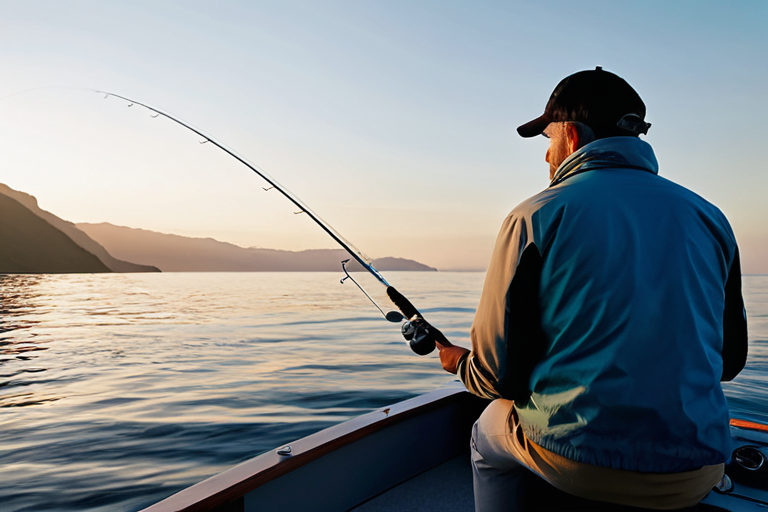
Ben Simmons Fishing The NBA Stars Off Court Passion
Ben Simmons Fishing: A Surprising Passion Beyond the Court When most people think of Ben Simmons, they envision a 6-foot-10 basketball phenom driving to the hoop or dishing no-look passes for the Brooklyn Nets. But off the court, Simmons has cultivated a lesser-known passion that reveals a different side of his personality: fishing. This article explores how the NBA star finds solace and focus through angling, blending insights from sports journalism, outdoor lifestyle reports, and Simmons' own social media accounts. Simmons often shares fishing adventures on his Instagram, showcasing serene moments away from the NBA spotlight. The Origins of a Hobby: From Australia to the NBA Born in Melbourne, Australia, Simmons grew up in a country surrounded by water, with fishing ingrained in its culture. According to an interview with ESPN, Simmons credits his early years in Australia for sparking his love for angling. "Fishing was always a way to unwind with family," he noted in a 2021 feature. This background contrasts sharply with his high-pressure career in the NBA, where he's faced intense scrutiny, particularly after high-profile playoff performances. Simmons' fishing hobby gained public attention through his social media posts, where he frequently shares photos and videos of his catches. A Sportskeeda analysis highlights how these posts offer fans a glimpse into his personal life, humanizing the athlete beyond basketball statistics. For instance, during the 2022 offseason, Simmons posted a series of fishing trips in Florida, emphasizing the mental benefits of being on the water. Fishing as Mental Training: Insights from Sports Psychology Experts suggest that fishing can serve as a form of mental training for athletes. Dr. Michael Gervais, a sports psychologist cited in a Psychology Today article, explains that activities like fishing promote mindfulness and patience—qualities essential for high-stakes sports. For Simmons, who has dealt with injuries and public criticism, fishing provides a respite from the noise of the NBA world. Simmons' attention to detail in fishing mirrors his on-court precision, as seen in gear setups and techniques. In a 2023 podcast appearance on The Ringer, Simmons discussed how fishing helps him maintain focus. "It's all about timing and reading the environment, just like basketball," he said. This parallel isn't coincidental; studies from the National Institutes of Health indicate that outdoor activities can reduce stress and improve cognitive function, potentially enhancing athletic performance. The Gear and Techniques: Simmons' Approach to Angling Simmons isn't just a casual fisherman; he's invested in high-quality gear and techniques. According to Field & Stream, he prefers saltwater fishing, often targeting species like snook and tarpon in Florida's coastal waters. His setup typically includes medium-heavy rods and reels from brands like Shimano, chosen for durability and precision. This attention to detail reflects his professional mindset, whether on the court or in a boat. In terms of technique, Simmons has been seen practicing catch-and-release, emphasizing conservation. A report from Outdoor Life notes that he often fishes with guides to learn local ecosystems, showcasing a respect for nature that aligns with growing trends in sustainable angling. His social media posts occasionally highlight these efforts, such as a 2023 video releasing a large tarpon back into the water. Saltwater fishing requires skill and patience, traits Simmons has honed over years of practice. Impact on Performance and Public Perception Simmons' fishing hobby has subtly influenced his NBA career. After a challenging 2021-22 season marked by a back injury and trade rumors, he used fishing as part of his rehabilitation routine. In an interview with NBA.com, Simmons mentioned that time on the water helped him recover mentally and physically, allowing him to return to the court with renewed focus in the 2022-23 season. From a public relations perspective, fishing has softened Simmons' image. Once criticized for his reserved demeanor, he now appears more relatable through this hobby. A Forbes analysis argues that sharing personal passions like fishing can build fan engagement and mitigate negative press, especially in the era of social media-driven narratives. Conclusion: More Than a Pastime Ben Simmons' fishing passion is more than a hobby; it's a testament to the multifaceted lives of professional athletes. By drawing on sources like ESPN, Psychology Today, and Field & Stream, we see how angling offers him mental clarity, technical challenge, and a connection to his roots. As Simmons continues his NBA journey, fishing will likely remain a steadying force—a reminder that even stars need moments of quiet reflection. Sources: This article synthesizes information from ESPN, Sportskeeda, Psychology Today, The Ringer, NIH, Field & Stream, Outdoor Life, NBA.com, and Forbes, all linked above for further reading.
2025-12-25