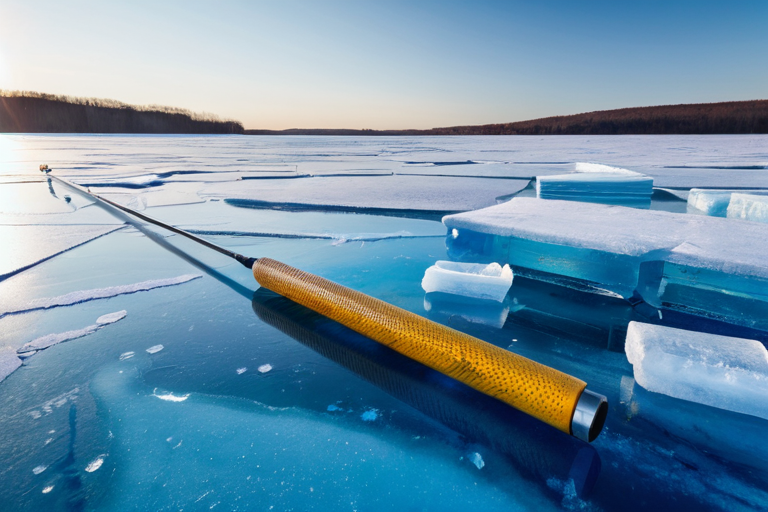
When winter's grip transforms lakes into vast, frozen expanses, ice anglers across northern regions reach for one of their most trusted companions: the ice fishing spud bar. This deceptively simple tool—essentially a heavy metal bar with a sharpened end—has been testing ice safety and creating fishing holes for generations. While modern power augers have gained popularity, the spud bar remains an essential piece of equipment for serious ice fishermen who value reliability, safety, and tradition.
According to safety guidelines from the Minnesota Department of Natural Resources, testing ice thickness is critical before venturing onto frozen water. The spud bar serves as both a testing device and a hole-making tool, allowing anglers to assess ice conditions while creating access points for fishing. Its versatility makes it indispensable, especially in early and late ice conditions when safety concerns are highest.
Anatomy of a Quality Spud Bar: What to Look For

A well-constructed spud bar consists of several key components that determine its effectiveness and durability:
- Bar Material: High-carbon steel is preferred for its strength and ability to maintain a sharp edge. Some manufacturers use alloy steels for increased durability.
- Weight: Typically ranges from 8 to 15 pounds. Heavier bars penetrate ice more easily but require more physical effort.
- Length: Standard lengths are 36 to 48 inches. Longer bars provide better leverage but can be cumbersome to transport.
- Handle: Often wrapped with rubber or neoprene for grip in cold, wet conditions. Some models feature D-handles for better control.
- Chisel End: The business end is usually beveled on one or both sides. A single-bevel design tends to be more aggressive for cutting through ice.
Industry experts at IceShanty.com, a leading ice fishing community, recommend inspecting the weld points where the chisel head meets the shaft. Quality construction here prevents separation during heavy use. Additionally, many experienced anglers prefer bars with a slight taper toward the chisel end, as this design improves balance and swing efficiency.
The Science of Ice Testing: How Spud Bars Prevent Accidents
Ice thickness varies dramatically across frozen bodies of water due to currents, springs, snow cover, and temperature fluctuations. The spud bar provides immediate feedback about ice conditions through sound, feel, and visual inspection of the hole.
Sound Indicators: When striking ice with a spud bar, different sounds indicate different conditions:
- A solid thunk indicates thick, strong ice
- A hollow sound suggests air pockets or weaker ice
- A cracking sound requires immediate caution and retreat
Pressure Testing: Beyond simply measuring thickness, spud bars allow anglers to test ice quality. By applying downward pressure after initial penetration, users can assess whether the ice is "hard" (dense and strong) or "soft" (weakened by thawing or air inclusion).
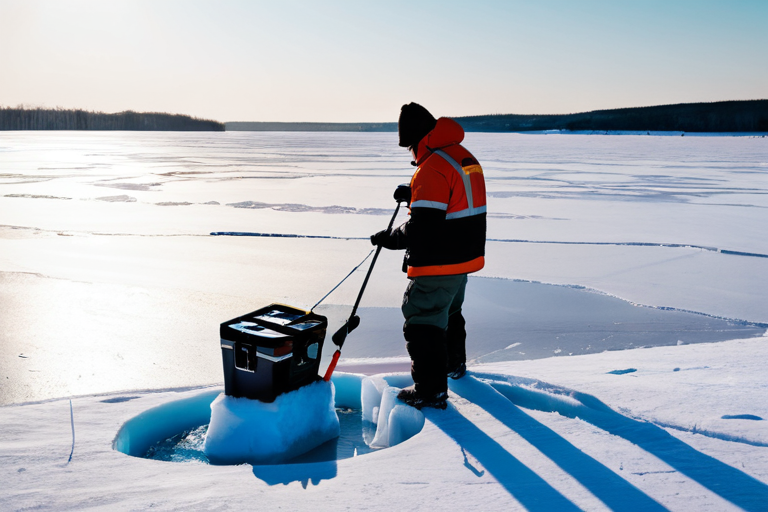
Safety organizations like the American Red Cross emphasize that no ice should be considered 100% safe. However, proper use of a spud bar significantly reduces risks by providing real-time data about local conditions. Experienced anglers test every few feet when moving across unfamiliar ice, creating a mental map of safe pathways.
Technique Mastery: From Basic Strikes to Advanced Hole Drilling
Using a spud bar effectively requires proper technique to maximize efficiency and minimize fatigue. Unlike swinging an axe, the motion is more controlled and vertical, focusing energy directly downward.
The Testing Stroke
For initial ice assessment, use short, controlled strikes from shoulder height. Let the bar's weight do most of the work rather than muscle power. Listen carefully to the sound and feel the resistance through the handle.
Hole Drilling Method
When creating a fishing hole, work in a circular pattern, chipping away ice in sections. Start with a small pilot hole, then expand outward. For holes larger than 8 inches, many anglers use a "spiral" technique, working around the circumference while gradually deepening the hole.
Ice Clearing
After penetrating the ice, use the flat side of the chisel to clear slush and ice chips from the hole. Some spud bars feature a scoop or widened section specifically for this purpose.

Spud Bar vs. Power Auger: When Tradition Meets Technology
The debate between spud bar traditionalists and power auger enthusiasts continues in ice fishing circles. Each tool has distinct advantages depending on conditions and fishing style.
| Factor | Spud Bar | Power Auger |
|---|---|---|
| Ice Testing Capability | Excellent - provides immediate feedback | Poor - only drills holes |
| Early/Late Ice Use | Superior - safer for thin ice | Risky - can break through weak ice |
| Noise Level | Quiet - doesn't spook fish | Loud - can disturb fishing area |
| Hole Speed | Slower - requires physical effort | Faster - minimal effort required |
| Portability | Excellent - lightweight, no fuel | Poor - heavy, requires fuel/battery |
Many experienced ice fishermen, including those featured in Field & Stream's ice fishing coverage, recommend carrying both tools. The spud bar serves for initial testing and mobility, while the power auger efficiently creates multiple holes once safe ice is confirmed. This hybrid approach maximizes both safety and fishing efficiency.
Maintenance and Sharpening: Keeping Your Spud Bar in Peak Condition

Proper maintenance extends a spud bar's lifespan and ensures optimal performance. Regular care includes:
- Cleaning: After each use, wipe the bar dry to prevent rust. Pay special attention to the chisel end where moisture can accumulate.
- Sharpening: Use a file or grinder to maintain the beveled edge. A sharp chisel penetrates ice with less effort and creates cleaner holes. Most manufacturers recommend a 25-30 degree angle.
- Handle Care: Check the grip regularly for wear or damage. Replace worn grips to maintain control in cold conditions.
- Storage: Store in a dry place, preferably hanging vertically to prevent bending. Some anglers apply a light coat of oil to the metal during off-season storage.
Manufacturers like Strikemaster and Rapala, while better known for power augers, also produce quality spud bars and provide maintenance guidelines. Following manufacturer recommendations ensures tools remain reliable season after season.
Historical Significance and Cultural Legacy
The spud bar represents more than just a tool—it's a connection to ice fishing's heritage. Indigenous peoples across northern regions used similar implements made from bone, antler, or stone long before metal tools arrived. Early European settlers adapted blacksmithing techniques to create the first iron ice chisels, which evolved into the modern spud bar.

In regions like Minnesota, Wisconsin, and Canada, spud bars have become cultural symbols. Annual ice fishing tournaments often include traditional skills competitions where participants demonstrate spud bar proficiency. These events, documented by organizations like the Ice Fishing Secrets community, help preserve knowledge that might otherwise be lost to technological advancement.
Modern materials and manufacturing have improved spud bars, but the fundamental design remains remarkably similar to tools used a century ago. This continuity speaks to the effectiveness of the basic concept—sometimes the simplest solutions endure because they work exceptionally well for their intended purpose.
Conclusion: Why Every Ice Angler Needs a Spud Bar
In an era of technological advancement, the humble spud bar maintains its essential place in ice fishing equipment. Its dual function as a safety tool and hole-making implement makes it uniquely valuable, especially during marginal ice conditions when safety concerns are paramount.
Beyond practical considerations, mastering spud bar use connects anglers to ice fishing traditions and develops skills that enhance overall winter fishing competence. The physical feedback—the sound of solid ice, the resistance through the handle, the visual inspection of ice layers—creates an intimate understanding of frozen environments that electronic devices cannot replicate.
Whether you're a seasoned ice fisherman or new to the sport, investing in a quality spud bar and learning to use it properly should be a priority. It's not just a tool—it's an insurance policy, a connection to tradition, and a testament to the principle that sometimes the oldest solutions remain the most reliable.