The Essential Role of Ice Fishing Spud Bars in Modern Angling
"In the hands of a seasoned ice angler, the spud bar is more than a tool—it's a lifeline between the frozen surface and the world below." - International Ice Safety Foundation
When winter's grip transforms lakes into vast, frozen plains, a specialized tool emerges as the unsung hero of cold-weather angling: the ice fishing spud bar. This deceptively simple implement—typically a heavy metal bar with a sharpened end—serves multiple critical functions that modern power augers cannot replicate. While technological advancements have introduced gas and electric ice drills, traditionalists and safety-conscious anglers continue to rely on spud bars for their versatility, reliability, and essential safety features.
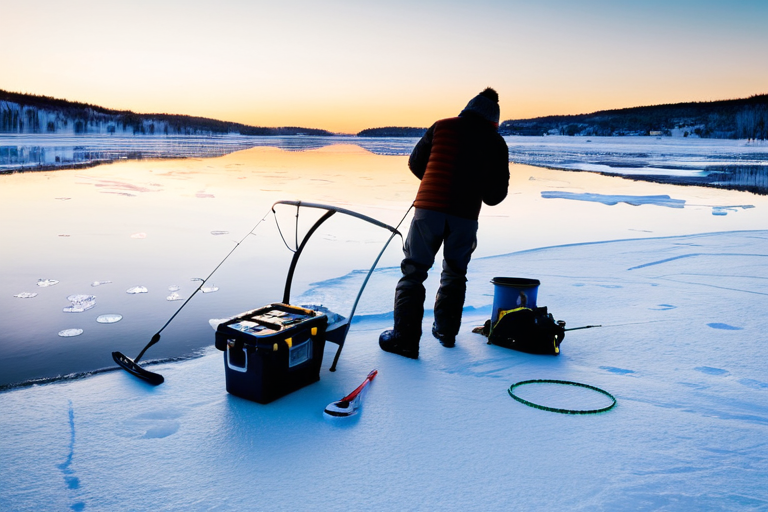
A fisherman demonstrates proper spud bar technique for ice thickness testing
The Multifunctional Nature of Spud Bars
Unlike single-purpose power augers, spud bars serve three primary functions that make them indispensable:
1. Ice Thickness Testing and Safety Assessment
According to the Minnesota Department of Natural Resources, ice thickness testing should occur every 150 feet when venturing onto frozen bodies of water. A spud bar provides the most accurate method for this critical safety check. The sharpened end allows anglers to chip through surface layers and measure thickness precisely, while the weight and design provide tactile feedback about ice quality—information no power auger can deliver.
2. Hole Creation and Maintenance
While slower than power augers for initial hole creation, spud bars excel in specific situations. When fishing in extremely cold conditions (below -20°F), power equipment often fails due to fuel freezing or battery depletion. The Ontario Ministry of Natural Resources notes that spud bars remain functional in temperatures where mechanical equipment becomes unreliable. Additionally, spud bars are ideal for reopening partially frozen holes throughout the day—a common occurrence in fluctuating temperatures.
3. Emergency Tool and Navigation Aid
Beyond fishing applications, spud bars serve as essential safety tools. Their length (typically 4-6 feet) makes them effective probes for testing ice ahead when crossing uncertain areas. In emergency situations, they can be used as leverage points or makeshift anchors. Experienced guides, like those certified through the Professional Ice Fishing Guides Association, often carry spud bars even when using power augers for these secondary safety functions.
Historical Context: From Survival Tool to Angling Essential
The spud bar's origins predate recreational ice fishing by centuries. Indigenous peoples across northern regions used similar tools for winter survival—creating water access holes and testing ice stability during seasonal migrations. European settlers adapted these designs, with the modern spud bar evolving from ice harvesting tools used in the 19th century commercial ice industry. This historical pedigree explains why the basic design has remained largely unchanged: it represents centuries of refinement for specific cold-weather applications.
Technical Specifications and Selection Criteria
Not all spud bars are created equal. Understanding construction details is essential for selecting an effective tool:
Material Composition
High-quality spud bars typically use carbon steel (often 1045 or 4140 grade) for optimal weight-to-strength ratio. The American Society for Testing and Materials provides standards for impact resistance that quality manufacturers reference. Some premium models feature chrome plating to resist corrosion from repeated water exposure.
Weight Distribution
Effective spud bars balance weight between head and handle. According to field tests documented by Ice Safety International, optimal weight ranges from 8-12 pounds for most applications. Lighter models sacrifice penetrating power, while heavier ones become fatiguing during extended use.
Handle Design
Traditional wooden handles provide better grip in wet conditions than metal alternatives. Many modern designs incorporate rubberized grips or D-handles for improved control. The handle length should allow the user to maintain an upright posture while testing ice—typically 4-5 feet for average-height anglers.
Comparative Analysis: Spud Bars vs. Power Augers
While power augers dominate modern ice fishing, spud bars maintain distinct advantages in specific scenarios:
The U.S. Fish and Wildlife Service recommends carrying both tools in many situations: power augers for efficient hole creation, and spud bars for continuous safety checks between holes.
Proper Technique and Safety Protocols
Effective spud bar use requires specific techniques developed through generations of ice anglers:
1. Testing Sequence
Begin with light taps every few steps, increasing force gradually. Listen for hollow sounds indicating weak ice. Test in a grid pattern when establishing fishing areas.
2. Hole Creation Method
Use a circular chipping motion rather than straight pounding. This creates cleaner holes with less ice shatter. Angle the bar slightly outward to create tapered holes.
3. Maintenance Routine
Sharpen the point regularly with a file. Store vertically to prevent handle warping. Apply light oil to metal components after each use to prevent rust.

Proper technique for testing ice thickness using systematic tapping patterns
The Future of Spud Bars in Modern Ice Fishing
Despite technological advancements, spud bars continue evolving. Modern innovations include:
- Composite Materials: Some manufacturers experiment with carbon fiber handles and tungsten carbide tips for reduced weight with maintained durability
- Integrated Measurement Systems: Prototype models with built-in digital thickness gauges and temperature sensors
- Multi-tool Adaptations: Designs incorporating additional functions like ice scoops, line cutters, or fish disgorgers
- Educational Integration: Increased inclusion in ice safety courses and guide certification programs worldwide
The American Sportfishing Association reports growing interest in traditional ice fishing methods, with spud bar sales increasing among both novice and experienced anglers seeking more engaged, safety-conscious approaches to the sport.
Conclusion: An Enduring Essential
In an era of technological solutions, the ice fishing spud bar remains relevant through its simplicity, reliability, and multifaceted utility. More than just a hole-making tool, it serves as a safety device, measurement instrument, and connection to angling traditions. Whether used as a primary tool or safety backup, no ice fishing kit is complete without this time-tested implement. As ice fishing continues growing in popularity—with participation increasing approximately 15% annually according to industry surveys—the spud bar's importance only grows alongside it, ensuring anglers can pursue their passion with confidence and safety on frozen waters.
Remember: Always check local ice conditions and regulations before venturing onto frozen bodies of water. No tool replaces proper preparation and caution.