The Art and Science of Tip-Down Ice Fishing
Tip-down ice fishing represents a sophisticated approach to winter angling that combines traditional techniques with modern understanding of fish behavior. Unlike conventional rod-and-reel methods, tip-downs offer a passive yet highly effective way to detect subtle bites in freezing conditions.
Historical Evolution of Tip-Down Fishing
The origins of tip-down ice fishing can be traced back to indigenous communities in northern regions, where survival depended on efficient winter fishing methods. According to historical records from the Smithsonian Institution, early versions of tip-down devices were crafted from bone, wood, and sinew. These primitive tools evolved through centuries of practical application, with Scandinavian and North American ice fishing communities developing distinct variations.
Mechanical Principles and Design
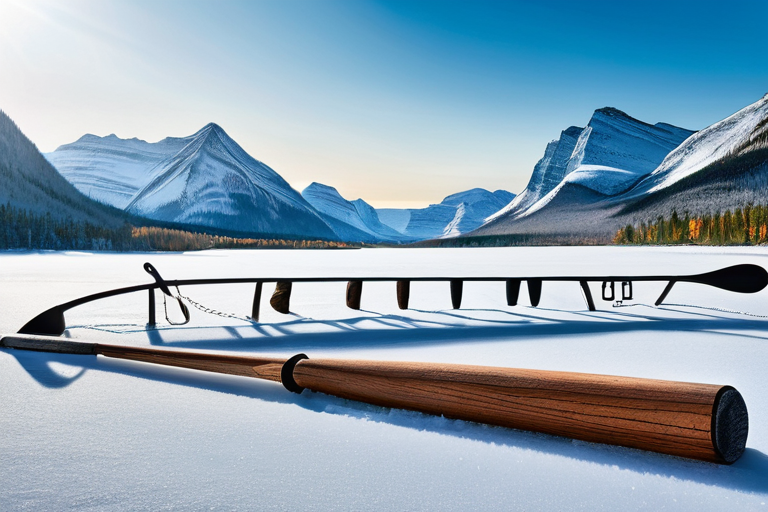
Modern tip-downs operate on simple yet ingenious mechanical principles. As explained by the International Ice Fishing Association, these devices typically consist of a horizontal arm balanced on a vertical stand, with the fishing line running through the tip. When a fish takes the bait, the weight distribution changes, causing the tip to drop or rise dramatically – hence the name "tip-down" or sometimes "tip-up."
The physics behind this system is fascinating. The balance point is carefully calibrated to respond to specific bite pressures, allowing anglers to target different species. Perch and crappie, for instance, often require more sensitive triggers than larger predators like pike or lake trout.
Species-Specific Applications
Different fish species respond uniquely to tip-down presentations. Research published by the American Fisheries Society indicates that:
- Walleye typically exhibit a subtle, lifting bite that requires highly sensitive tip-down triggers
- Northern Pike often strike aggressively, causing dramatic tip movements
- Panfish (bluegill, crappie) demonstrate delicate nibbling patterns best detected with ultra-light setups
- Lake Trout in deep water may require weighted tip-downs to reach proper depths

Modern Materials and Innovations
The contemporary tip-down market has seen remarkable technological advancements. High-density plastics, carbon fiber components, and precision bearings have replaced traditional wooden constructions. According to gear reviews on Field & Stream, modern tip-downs feature:
Temperature-Resistant Materials
Specialized polymers that remain flexible in sub-zero conditions, preventing brittle failure during extreme cold snaps.
Adjustable Sensitivity
Calibrated weight systems allowing anglers to fine-tune trigger sensitivity based on target species and conditions.
Visibility Enhancements
High-visibility flags and LED indicators for low-light conditions, crucial during early morning or late evening sessions.
Strategic Deployment Techniques
Successful tip-down fishing requires more than just proper equipment. Veteran ice anglers emphasize strategic placement based on underwater topography and seasonal patterns. The Ice Shanty community recommends:
- Depth Stratification: Positioning tip-downs at varying depths to locate active fish zones
- Spread Patterns: Creating fan or grid patterns around promising structure
- Bait Presentation: Matching live bait movements to natural prey behavior
- Weather Adaptation: Adjusting setups based on barometric pressure and light conditions

Environmental Considerations and Sustainability
Responsible tip-down fishing involves understanding ecological impacts. Studies from the U.S. Geological Survey highlight several important considerations:
Proper hole management prevents excessive ice damage and maintains structural integrity. Many jurisdictions now regulate the number of tip-downs per angler to prevent overfishing. Additionally, using barbless hooks and proper handling techniques reduces mortality rates for released fish.
Climate change has introduced new variables, with shorter ice seasons in some regions requiring adaptive strategies. Anglers must stay informed about local ice thickness recommendations and changing fish migration patterns.
Comparative Analysis: Tip-Downs vs Traditional Methods
| Aspect | Tip-Down Fishing | Rod Fishing | Spearfishing |
|---|---|---|---|
| Bite Detection | Visual/mechanical trigger | Tactile feel | Visual only |
| Multiple Setups | Excellent (5-10 devices) | Limited (1-2 rods) | Single focus |
| Cold Weather Efficiency | High (hands-free) | Moderate | Low |
| Skill Development | Setup/placement focused | Technique intensive | Specialized skill |
Future Trends and Technological Integration
The future of tip-down ice fishing looks increasingly digital. Prototypes demonstrated at recent outdoor expos feature Bluetooth connectivity, allowing smartphones to monitor multiple tip-downs simultaneously. Some advanced models include:
- Water temperature and depth sensors
- Automated bite recording and pattern analysis
- Solar-powered recharging systems for extended trips
- Integrated fish finders with hole-to-hole mapping
Expert Insight
"The beauty of tip-down fishing lies in its simplicity married to effectiveness. While technology enhances the experience, the fundamental principle remains unchanged: understanding fish behavior and presenting bait naturally."
— Mark Johnson, Professional Ice Fishing Guide with 25 years experience
Getting Started: Essential Gear Checklist
For newcomers to tip-down fishing, proper equipment selection is crucial. Based on recommendations from Bass Pro Shops fishing experts:
3-5 quality devices
8-inch minimum
Basic sonar unit
Live minnows/grubs
Remember: Safety should always precede success. Always check ice thickness (minimum 4 inches for walking, 8+ inches for groups), carry ice picks, and fish with companions in remote areas.
As ice fishing continues to grow in popularity, tip-down techniques offer both novice and experienced anglers a rewarding winter pursuit. The combination of strategic thinking, mechanical simplicity, and connection to fishing heritage makes this method uniquely appealing in the modern angler's toolkit.
References & Further Reading:
- • International Ice Fishing Association - Technique Archives
- • American Fisheries Society - Winter Angling Studies
- • Field & Stream - Ice Fishing Equipment Reviews
- • U.S. Geological Survey - Freshwater Ecology Reports