The Ultimate Guide to Choosing the Perfect Ice Fishing Float Suit
Ice fishing isn't just a hobby—it's a battle against the elements. While the fish might be your target, the real opponent is the freezing water waiting to claim the unprepared. A float suit isn't merely clothing; it's your primary survival tool when fishing on thin ice. This comprehensive guide will walk you through every consideration, from insulation technology to flotation capabilities, ensuring you make an informed investment in your safety and comfort.
Understanding Float Suit Fundamentals
Before diving into specific features, it's crucial to understand what makes a float suit different from regular winter gear. According to experts at Outdoor Life, a proper ice fishing float suit combines three essential functions: thermal insulation, waterproof protection, and buoyancy. The best suits integrate these elements seamlessly, creating a system that keeps you warm, dry, and safe in worst-case scenarios.
Key Features to Prioritize
1. Buoyancy Rating and Certification
Not all floatation is created equal. The U.S. Coast Guard requires personal flotation devices to meet specific standards, and quality float suits follow similar rigorous testing. Look for suits certified by organizations like UL (Underwriters Laboratories) or meeting ISO standards. A minimum of 15-20 pounds of buoyancy is recommended for ice fishing conditions, as noted in research from the Minnesota Department of Natural Resources safety guidelines.
2. Insulation Technology
Modern float suits utilize advanced insulation materials that provide warmth without excessive bulk. Synthetic fills like PrimaLoft Gold and Thermolite offer excellent warmth-to-weight ratios and maintain insulating properties even when wet—a critical factor when fishing over ice. Down insulation provides superior warmth but loses effectiveness when saturated, making synthetic options generally preferable for ice fishing applications.

Visual comparison of synthetic vs. down insulation performance in wet conditions
3. Waterproof and Breathable Membranes
The exterior shell determines how well your suit repels water while allowing moisture vapor to escape. According to testing data from REI's Outdoor School, membranes like Gore-Tex, eVent, and proprietary technologies from brands like Mustang Survival provide the best balance of waterproofing and breathability. Look for seam-sealed construction and durable water repellent (DWR) treatments that bead water effectively.
4. Mobility and Fit Considerations
Ice fishing requires movement—drilling holes, setting up shelters, and fighting fish. A suit that restricts movement becomes a liability. Look for articulated knees and elbows, gusseted underarms, and adjustable features. The National Ice Fishing Association recommends trying suits with your typical base layers to ensure proper fit for both standing and sitting positions.
Specialized Features for Ice Anglers
Beyond basic functionality, several features specifically enhance the ice fishing experience:
- Integrated Tool Storage: Dedicated pockets for ice picks, thermometers, and safety whistles that remain accessible even when wearing gloves
- Reinforced Knees and Seat: Extra durability in areas prone to abrasion from kneeling on ice or sitting on buckets
- Reflective Elements: Critical for visibility during early morning or late evening fishing sessions
- Ventilation Zippers: Strategic openings to prevent overheating during active periods without compromising waterproof integrity
- Ice Cleat Compatibility: Design that accommodates traction devices without damaging the suit material
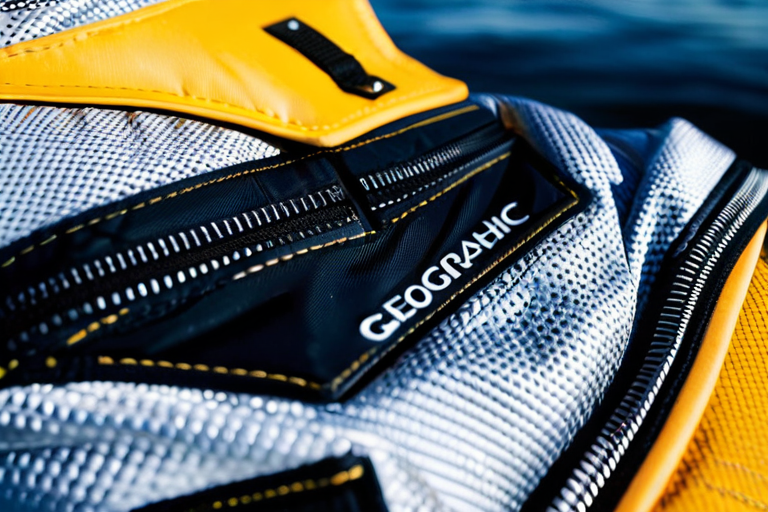
Close-up of specialized pockets, reinforced areas, and reflective elements
Material and Construction Quality
The durability of your float suit directly impacts its lifespan and performance. High-denier nylon or polyester shells (typically 300D or higher) resist abrasion from ice and equipment. Reinforced stitching, especially in stress points, prevents seam failure. YKK zippers with oversized pulls remain operable with cold, gloved hands. According to field tests documented by Field & Stream, suits with double or triple-stitched seams consistently outperform those with single stitching in harsh conditions.
Temperature Rating Considerations
Float suits come with temperature ratings, but these should be interpreted carefully. Ratings assume moderate activity levels and proper layering. For ice fishing—which involves periods of intense activity followed by stationary waiting—consider suits rated for temperatures 10-15°F colder than your expected conditions. The National Weather Service emphasizes that wind chill dramatically affects perceived temperature on open ice, making wind-resistant shells particularly valuable.
Top Brands and Models Analysis
Several manufacturers have established reputations for quality float suits:
Mustang Survival
Industry leader with military and commercial fishing certifications. Their M.I.T. 100 suits feature 100-gram synthetic insulation and 35+ pounds of buoyancy.
Striker Brands
Specifically designed for hardwater anglers. The Climate suit series offers targeted insulation with lighter material in active areas and heavier insulation in core regions.
Frabill
Focuses on mobility with articulated designs. Their I-3 suits incorporate three layers of protection: waterproof shell, thermal barrier, and flotation layer.
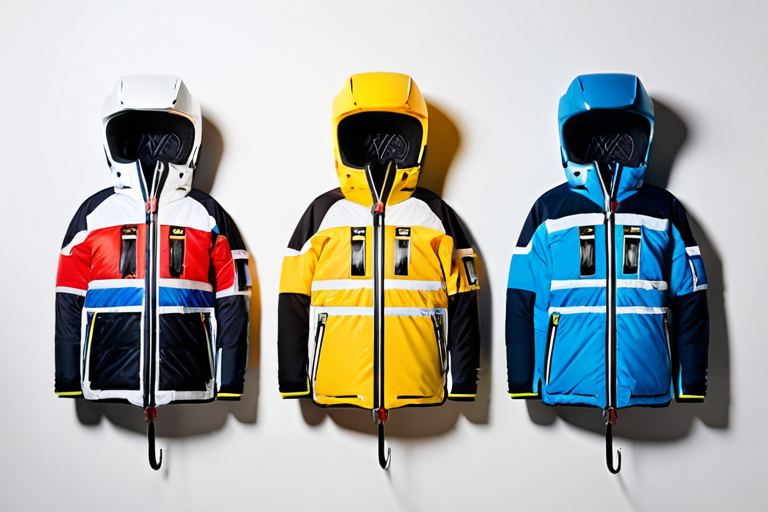
Visual comparison of construction and features across leading brands
Maintenance and Care for Longevity
Proper maintenance extends your suit's effectiveness and lifespan. Follow these guidelines based on manufacturer recommendations aggregated by OutdoorGearLab:
- Rinse with fresh water after saltwater or muddy use to prevent corrosion and material degradation
- Use technical fabric cleaners rather than standard detergents to preserve DWR treatments
- Air dry completely before storage—never use high heat that can damage membranes and insulation
- Store loosely folded or hung in cool, dry conditions away from direct sunlight
- Reapply DWR treatments annually or when water stops beading on the surface
Cost vs. Value Analysis
Float suits represent a significant investment, with quality models ranging from $300 to $800. However, when analyzed through the lens of cost-per-use and potential lifesaving value, premium suits often provide better long-term value. Budget options may compromise on buoyancy materials or seam construction, potentially reducing effectiveness when needed most. Consider your suit as safety equipment rather than mere apparel—this perspective helps justify investing in certified, well-constructed models from reputable manufacturers.
Final Recommendation
The ideal ice fishing float suit balances certified buoyancy, appropriate insulation for your climate, durable waterproof construction, and thoughtful angler-specific features. Prioritize suits from manufacturers with proven track records in marine safety, and always try before you buy to ensure proper fit with your typical layers. Remember: your float suit is your first line of defense against ice fishing's greatest danger—choose accordingly.
Sources and Further Reading: This guide synthesizes information from industry standards, manufacturer specifications, and expert reviews. For additional technical details, consult certification documents from UL (Underwriters Laboratories), safety guidelines from state natural resource departments, and performance testing from outdoor equipment review platforms.