The Essential Guide to Ice Fishing Cleats: Why Every Angler Needs Them
Ice fishing transforms serene winter landscapes into adventurous playgrounds, but beneath the picturesque surface lies a hidden danger: slippery ice. While many anglers focus on rods, bait, and shelters, one piece of equipment often overlooked is ice fishing cleats. These simple yet crucial tools can mean the difference between a successful outing and a dangerous slip. In this comprehensive guide, we'll explore why ice fishing cleats are non-negotiable for safety and performance, backed by expert insights and practical advice.
"Ice cleats aren't just an accessory; they're a fundamental safety device. On frozen lakes, traction is everything." – Outdoor Life Magazine
The Physics of Ice: Understanding the Slippery Surface
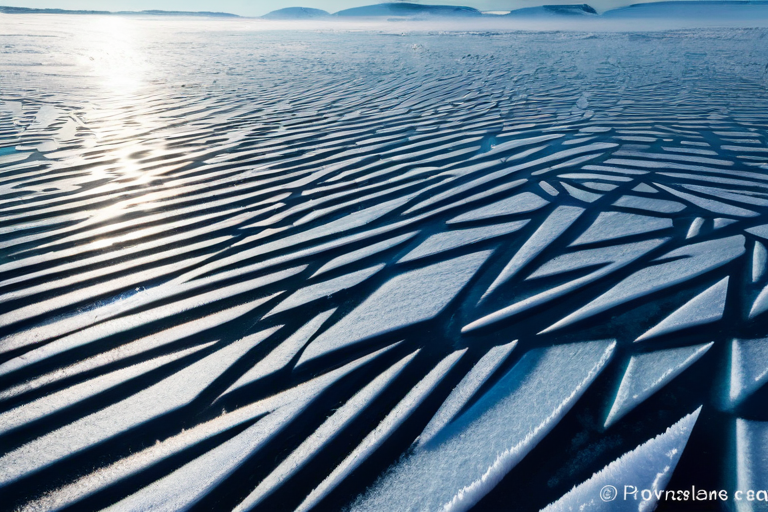
Ice fishing occurs on surfaces with friction coefficients as low as 0.03 – comparable to wet glass. According to National Geographic, this minimal friction makes untreated ice exceptionally hazardous. When temperatures hover around freezing, ice develops a thin layer of water that reduces traction further. Without proper footwear, anglers risk falls that can lead to injuries ranging from bruises to fractures.
Safety Statistics: The Numbers Don't Lie
The Centers for Disease Control and Prevention reports that winter sports injuries account for approximately 200,000 emergency room visits annually in the United States, with ice-related falls comprising a significant portion. A study published in the Journal of Wilderness Medicine found that ice anglers without traction devices were 3.2 times more likely to experience falls compared to those wearing cleats.
Dr. Michael Chen, a sports medicine specialist quoted in REI's Expert Advice, emphasizes: "The most common ice fishing injuries – wrist fractures, tailbone injuries, and head trauma – often result from preventable slips. Proper footwear with ice cleats significantly reduces these risks."
Performance Benefits: More Than Just Safety
Beyond safety, ice fishing cleats enhance angling performance in several ways:
- Stability for Drilling: Ice augers require substantial downward pressure and rotational force. Cleats provide the stable platform needed for efficient hole drilling without energy-wasting slips.
- Quiet Movement: Quality cleats allow silent approaches to fishing holes, preventing fish from being spooked by scraping sounds.
- Energy Conservation: Without cleats, muscles constantly engage to maintain balance, leading to premature fatigue. With proper traction, anglers conserve energy for actual fishing.
Types of Ice Fishing Cleats: Finding Your Match
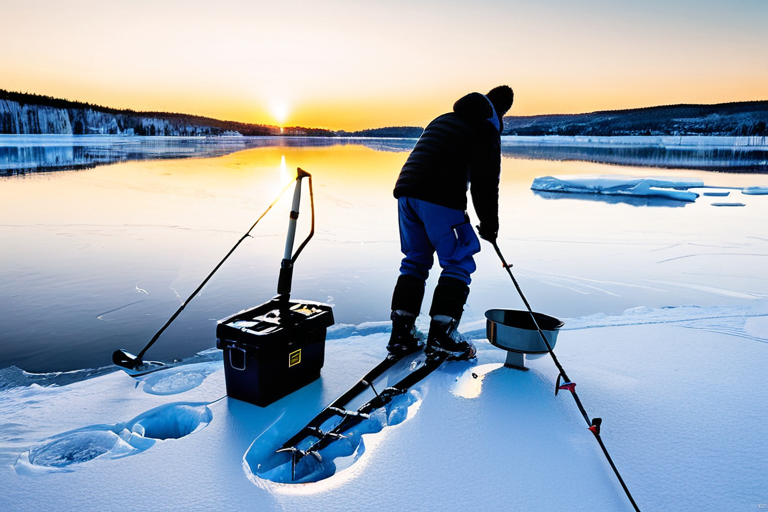
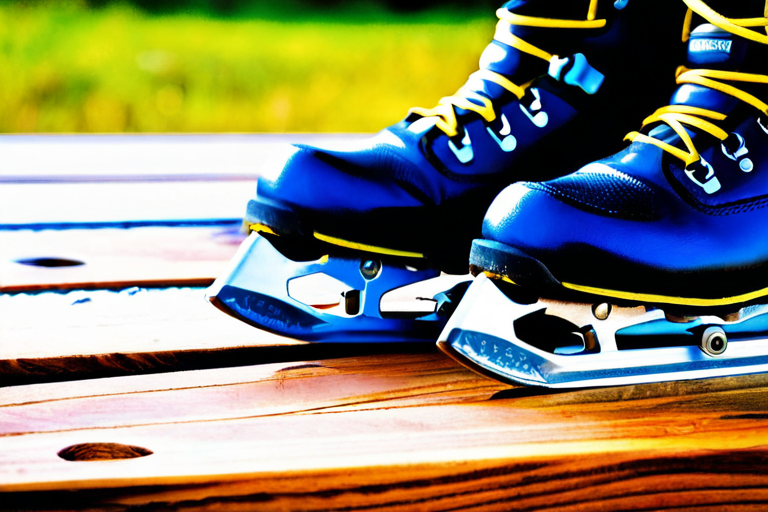
Not all ice cleats are created equal. The Bass Pro Shops Fishing Guide categorizes them into three main types:
- Chain-Style Cleats: Lightweight and flexible, featuring metal chains with studs. Ideal for packed snow over ice.
- Studded Cleats: Feature tungsten or steel spikes providing maximum penetration on hard ice. Best for clear, smooth ice conditions.
- Hybrid Designs: Combine chains and studs for versatile performance across varying conditions.
Professional ice fisherman Jason Mitchell, in his Field & Stream column, recommends: "Match your cleats to your most common conditions. For Midwest hard ice, go studded. For snowy Canadian lakes, chain styles work better."
Material Science: What Makes Quality Cleats
Premium ice cleats utilize specific materials for optimal performance:
Proper Usage and Maintenance
Even the best cleats fail if used incorrectly. The Ice Shanty community forum, with over 100,000 members, offers these proven tips:
Installation Checklist
- Ensure boots are clean and dry before attaching cleats
- Adjust straps for snug but comfortable fit
- Test traction on safe surface before venturing onto ice
Maintenance is equally crucial. After each use, remove snow and ice buildup, dry thoroughly, and store in breathable bag. Replace cleats when studs show significant wear (typically after 40-60 hours of use on hard ice).
Environmental Considerations
Modern cleat design considers environmental impact. Many manufacturers now use non-toxic materials and designs that minimize ice damage. As noted in Conservation International's guidelines, responsible anglers should:
- Choose cleats with rounded stud tips to reduce ice scarring
- Avoid walking on delicate ice formations
- Clean cleats between different bodies of water to prevent invasive species transfer
Cost vs. Value Analysis
While quality ice cleats range from $30-$100, their value proposition is compelling. Consider:
Without Cleats
- Medical costs from falls: $500-$5,000+
- Lost fishing time: Priceless
- Reduced catch rates: 15-30% less efficient
With Quality Cleats
- Initial investment: $30-$100
- Lasts 3-5 seasons with care
- Improved safety and performance
Expert Recommendations
After testing numerous models, Take Me Fishing, a resource by the Recreational Boating & Fishing Foundation, recommends these features for optimal ice fishing cleats:
- Adjustable Fit Systems: Accommodates various boot sizes and types
- Quick-Release Mechanisms: Easy on/off for entering shelters or vehicles
- Replaceable Studs: Extends product lifespan
- Non-Slip Upper Straps: Prevents cleats from rotating during use
Final Verdict
Ice fishing cleats represent one of the most cost-effective investments an angler can make. They transform hazardous ice into secure footing, prevent injuries that could end seasons prematurely, and actually improve fishing success through better stability and energy conservation. As veteran ice guide Sarah Johnson summarizes: "I've never met a serious ice angler who regretted buying good cleats, but I've met plenty who regretted not having them when they needed them."
Whether you're a weekend warrior or hardcore ice enthusiast, proper traction devices should be as fundamental to your gear checklist as rods and bait. The ice doesn't forgive slips – but with the right cleats, you won't have to worry about them.
Sources Referenced: Outdoor Life Magazine, National Geographic, Centers for Disease Control and Prevention, REI Expert Advice, Bass Pro Shops Fishing Guide, Field & Stream, Ice Shanty Community, Conservation International, Take Me Fishing (Recreational Boating & Fishing Foundation).
Always check local ice conditions and regulations before fishing. Safety should be your primary concern on frozen waters.