Tarpon Coast Fishing: A Comprehensive Guide to the Silver King's Domain
From the mangrove estuaries of Florida to the tropical flats of Central America, pursuing the mighty tarpon is an angling adventure like no other.
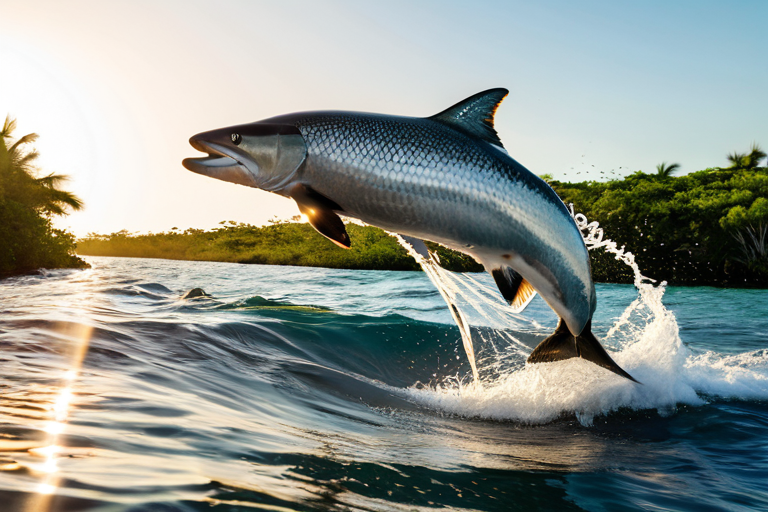
The Biology and Behavior of Megalops atlanticus
Known scientifically as Megalops atlanticus, the Atlantic tarpon is a prehistoric species that has remained virtually unchanged for over 100 million years. These remarkable fish possess a unique physiological adaptation: a modified swim bladder that functions as a primitive lung, allowing them to gulp air in oxygen-poor waters. According to research from the Florida Museum of Natural History, this adaptation enables tarpon to thrive in environments where other game fish would struggle.
Tarpon are anadromous, meaning they migrate between saltwater and freshwater environments. Their life cycle begins in offshore spawning grounds, where females can release up to 12 million eggs. The leptocephalus larvae drift with ocean currents for weeks before entering coastal nurseries. Juvenile tarpon typically inhabit brackish mangrove estuaries and tidal creeks, where they remain for several years before venturing into deeper coastal waters.
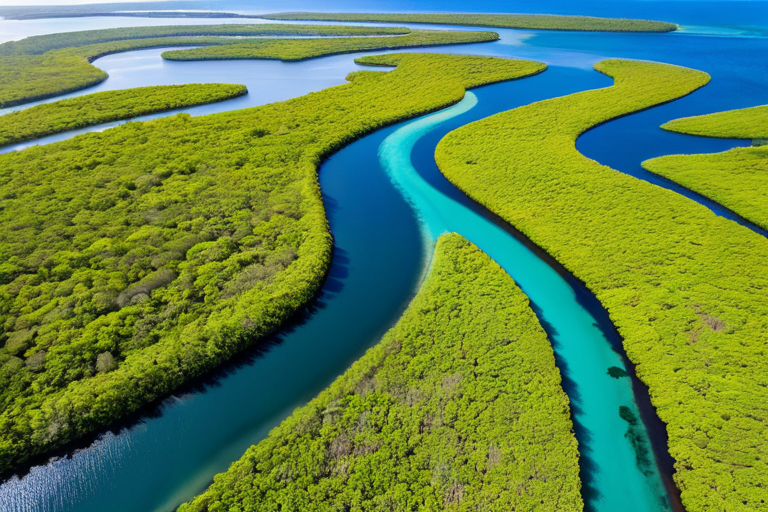
Prime Tarpon Fishing Locations Along the Coast
The tarpon's range extends from Virginia to Brazil in the western Atlantic, with particularly dense populations in Florida, the Caribbean, and Central America. The Florida Fish and Wildlife Conservation Commission identifies several key tarpon fisheries that attract anglers from around the world:
- Florida Keys: From April through July, the annual tarpon migration creates world-class fishing opportunities around bridges, channels, and flats.
- Boca Grande Pass: Known as the "Tarpon Capital of the World," this deep-water pass hosts massive schools during the summer months.
- Mosquito Lagoon: A premier sight-fishing destination where anglers can target tarpon in clear, shallow waters.
- Costa Rica's Caribbean Coast: The Tortuguero region offers year-round tarpon fishing in river mouths and coastal lagoons.
- Belize: The flats and mangrove channels provide excellent opportunities for fly fishing enthusiasts.
Seasonality plays a crucial role in tarpon fishing success. In Florida, the peak season typically runs from late spring through early fall, with the full moon periods often triggering the most aggressive feeding behavior. According to data from the National Oceanic and Atmospheric Administration, water temperature between 75°F and 85°F (24°C to 29°C) creates optimal conditions for tarpon activity.
Essential Techniques and Equipment for Coastal Tarpon Angling
Tackle Selection
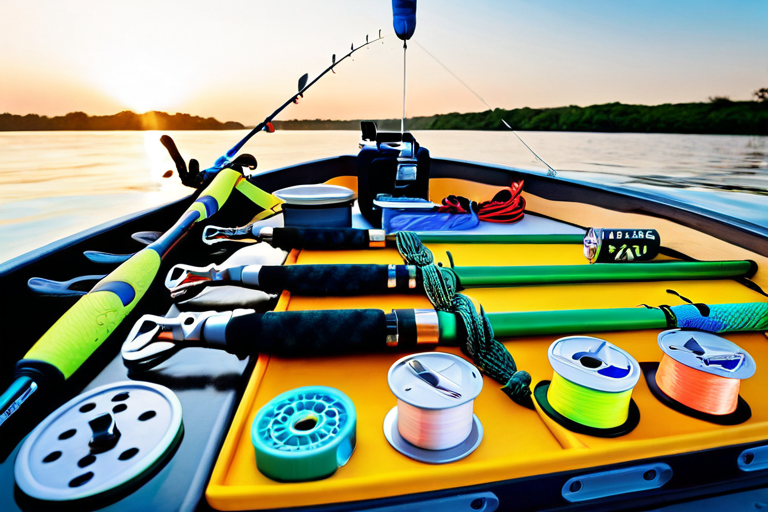
Tarpon fishing demands specialized equipment capable of handling fish that commonly exceed 100 pounds. A quality tarpon rod should have sufficient backbone to turn a large fish while maintaining enough flexibility to absorb powerful runs. Reels must feature smooth drag systems with at least 300 yards of 50-80 lb braided line capacity. The International Game Fish Association (IGFA) maintains specific regulations for tarpon records, requiring 12-20 lb class tackle for most line-class categories.
Presentation techniques vary based on location and conditions. In clear flats, sight-fishing with artificial lures or flies requires precise casting and subtle presentations. In deeper passes, live bait fishing with crabs, mullet, or pinfish often proves most effective. Drift fishing along channel edges during tidal movements can produce explosive strikes from feeding tarpon.
Conservation and Ethical Fishing Practices
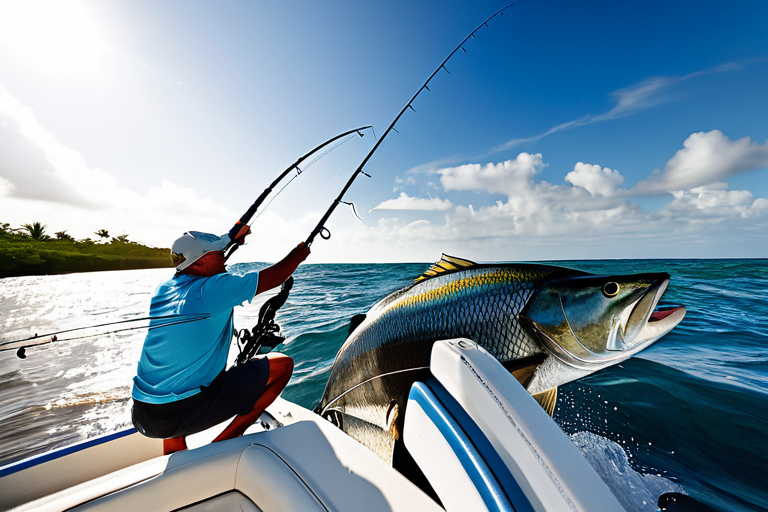
As a primarily catch-and-release fishery, proper handling techniques are essential for tarpon conservation. Research from the Bonefish & Tarpon Trust indicates that minimizing air exposure and supporting the fish horizontally in the water significantly increases survival rates. Using circle hooks, which typically hook in the jaw rather than the gut, reduces mortality and improves release outcomes.
Many coastal states have implemented tarpon-specific regulations to protect spawning populations. Florida, for instance, requires a $50 tarpon tag for anglers intending to keep a trophy fish, with only one tarpon per person per year allowed. The vast majority of tarpon anglers practice voluntary catch-and-release, recognizing that these magnificent fish are more valuable swimming free than mounted on a wall.
The Future of Tarpon Fisheries
Coastal development, habitat degradation, and climate change present ongoing challenges for tarpon populations. Mangrove destruction eliminates crucial nursery habitats, while water quality issues from agricultural runoff and urban development can impact feeding grounds. Organizations like the Coastal Conservation Association work to protect these vital ecosystems through habitat restoration and advocacy.
Despite these challenges, responsible management and angler stewardship offer hope for the future of tarpon fishing. Tagging programs conducted by research institutions provide valuable data on migration patterns and population dynamics. Angler-reported data through citizen science initiatives helps fisheries managers make informed decisions about regulations and protections.
Final Thoughts on Tarpon Coast Fishing
Pursuing tarpon along the coast represents more than just fishing—it's an immersion in marine ecosystems, a test of skill and patience, and a connection to a prehistoric species that has survived for millennia. Whether you're watching a 150-pound silver king explode on a surface plug in the Florida Keys or presenting a carefully tied fly to a cruising tarpon on a Belizean flat, these experiences create memories that last a lifetime.
The combination of powerful fights, spectacular aerial displays, and beautiful coastal environments makes tarpon fishing an unparalleled angling adventure. As conservation awareness grows and sustainable practices become standard, future generations will continue to experience the thrill of hooking into one of the ocean's most magnificent game fish.