Why Glove Choice Matters in Ice Fishing
Ice fishing isn't just a hobby—it's a battle against the elements. When temperatures plummet below freezing, your hands become the frontline of defense. According to Outdoor Life, frostbite can begin in as little as 30 minutes at -20°F (-29°C) with inadequate protection. The right gloves aren't just about comfort; they're about safety and performance.
Professional ice anglers know that glove selection impacts everything from bait handling to fish landing. Field & Stream emphasizes that poor glove choices lead to reduced fishing time and increased frustration. This guide distills expertise from leading outdoor publications and seasoned anglers to help you make informed decisions.
Key Factors in Ice Fishing Glove Selection
Choosing ice fishing gloves involves balancing three critical elements: insulation, dexterity, and waterproofing. Let's break down each factor with insights from REI's Expert Advice and Bass Pro Shops' extensive testing.
Insulation Types Explained
Synthetic Insulation: Materials like PrimaLoft® and Thinsulate™ offer excellent warmth even when wet. Cabela's testing shows synthetic insulation maintains 90% of its warmth capacity when damp, making it ideal for ice fishing's wet conditions.
Down Insulation: Provides superior warmth-to-weight ratio but loses insulating properties when wet. Best used in extremely cold, dry conditions or as part of a layering system.
Fleece Liners: Many premium gloves feature removable fleece liners, allowing adjustment to changing temperatures throughout the day.
Dexterity vs. Warmth Trade-off
The eternal ice fishing dilemma: warm mittens versus dexterous gloves. IceShanty community forums reveal most experienced anglers prefer three-finger "lobster" gloves or mittens with fold-back fingertips for the perfect compromise.
Look for gloves with:
- Pre-curved fingers for natural hand position
- Textured palms for better grip
- Touchscreen-compatible fingertips
Waterproofing Technology Breakdown
Wet gloves are cold gloves. Modern waterproofing technologies have revolutionized ice fishing hand protection. GORE-TEX® remains the gold standard, offering breathable waterproof protection that prevents sweat buildup while keeping external moisture out.
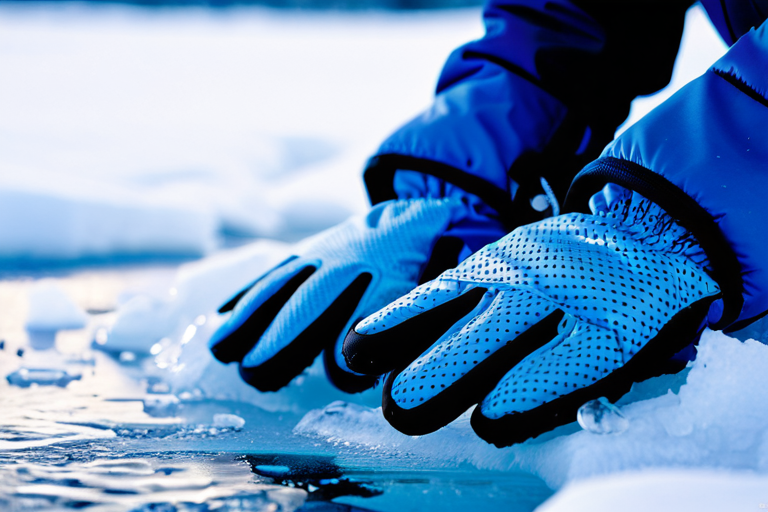
Advanced waterproof membranes allow moisture vapor to escape while blocking liquid water
Other effective technologies include:
- eVent®: Direct venting technology that offers excellent breathability
- HyVent®: The North Face's proprietary waterproof/breathable coating
- DWR (Durable Water Repellent) coatings: Applied to outer fabrics to cause water to bead up and roll off
According to OutdoorGearLab's comprehensive testing, gloves with taped seams provide significantly better waterproofing than those without.
Special Features for Ice Anglers
Beyond basic protection, several features specifically benefit ice fishermen:
Wrist Gaiters & Cuffs
Extended cuffs with adjustable closures prevent snow and cold air from entering. FishUSA recommends gauntlet-style cuffs that can be tightened over jacket sleeves for complete seal.
Retention Systems
Wrist leashes or clips prevent gloves from falling into the ice hole—a common and costly mistake. Many premium models include this feature.
Reinforced Areas
Extra padding on palms, thumbs, and index fingers withstands abrasion from fishing line, auger handles, and equipment.
Material Considerations
The outer shell material determines durability, flexibility, and overall performance. SITKA Gear's research identifies several optimal materials for ice fishing:
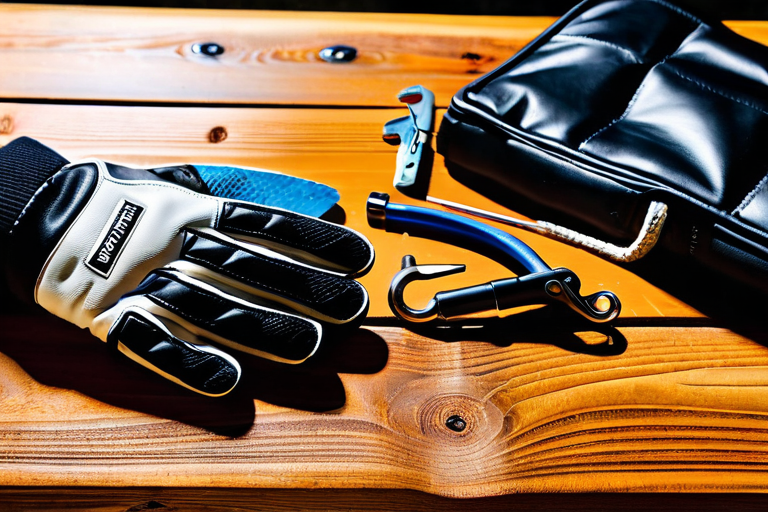
Different materials offer varying balances of durability, flexibility, and weather resistance
| Material | Pros | Cons | Best For |
|---|---|---|---|
| Nylon/Polyester Blends | Lightweight, quick-drying, affordable | Less durable than leather | Mild conditions, budget options |
| Leather (Goat, Deer, Cow) | Excellent durability, molds to hand | Requires maintenance, heavier | Heavy use, extreme conditions |
| Technical Fabrics (Cordura®) | Abrasion-resistant, waterproof options | Can be stiff initially | Professional anglers, frequent use |
Temperature Rating Guidelines
Understanding temperature ratings helps match gloves to your fishing conditions. National Weather Service wind chill charts combined with manufacturer ratings provide accurate guidance:
20°F to 32°F (-7°C to 0°C)
Recommended: Light insulated gloves (40-100g insulation)
Features: Water-resistant, good dexterity
0°F to 20°F (-18°C to -7°C)
Recommended: Medium insulation (100-200g)
Features: Waterproof, lobster/mitten convertible
Below 0°F (-18°C)
Recommended: Heavy insulation (200g+)
Features: Expedition-grade, gauntlet cuffs
Remember that activity level affects warmth needs. Mayo Clinic notes that blood circulation decreases in cold, potentially requiring warmer gloves than temperature ratings suggest.
Layering Strategy for Extreme Conditions
Serious ice anglers often employ a layering system rather than relying on a single pair of gloves. Climbing Magazine's cold-weather experts recommend this three-layer approach:
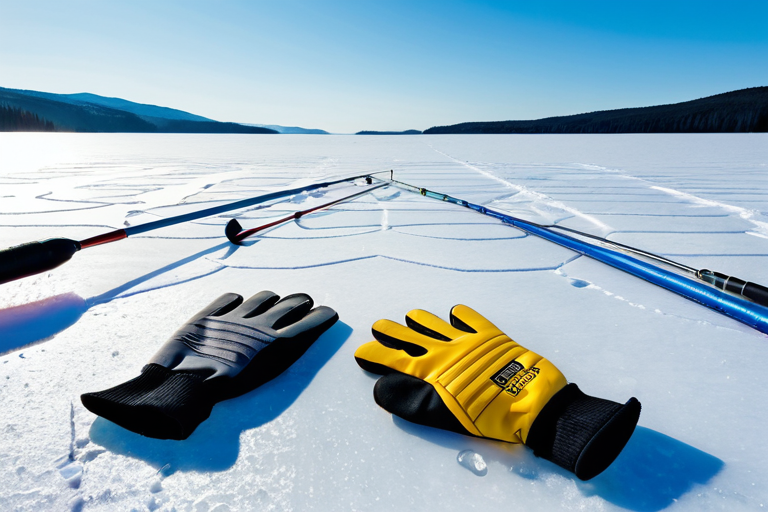
A proper layering system allows adjustment throughout the fishing day
- Base Layer: Thin silk or synthetic liners (25-50g) for moisture wicking
- Insulating Layer: Fleece or light insulated gloves for active periods
- Shell Layer: Waterproof mittens or heavy gloves for stationary periods
This system allows quick adaptation to changing activity levels and weather conditions throughout your fishing day.
Maintenance & Care Tips
Proper maintenance extends glove life and maintains performance. Grangers, a leading outdoor care brand, recommends these practices:
- Cleaning: Use technical cleaner specifically designed for waterproof fabrics
- Drying: Air dry away from direct heat sources to preserve waterproof membranes
- Re-waterproofing: Apply DWR treatment every 10-20 uses or when water stops beading
- Storage: Store in cool, dry place away from direct sunlight
Leather gloves require additional care with conditioners to prevent cracking in dry, cold conditions.
Top Brands & Models Reviewed
Based on testing from OutdoorGearLab and angler feedback from IceShanty, several models consistently perform well:
| Brand/Model | Key Features | Temp Rating | Best Use |
|---|---|---|---|
| Frabill F3 Guide Glove | 3-finger design, waterproof, touchscreen | -20°F (-29°C) | All-around ice fishing |
| Ice Armor Inferno Glove | 5-finger, 200g insulation, waterproof | -40°F (-40°C) | Extreme cold |
| Striker Ice Climate Glove | Convertible mitten, Primaloft® Gold | 0°F (-18°C) | Variable conditions |
| Clam Outdoors IceArmor Pro | 4-finger, reinforced palms, DWR coating | -10°F (-23°C) | Technical fishing tasks |
Final Recommendations
The perfect ice fishing glove doesn't exist—but the right glove for your specific conditions does. Consider your local climate, fishing style, and budget when making your selection.