The Essential Guide to Ice Fishing Float Suits: Safety, Performance, and Survival
Why every serious angler needs this gear on frozen waters
The Cold Hard Truth About Ice Fishing Safety
Ice fishing isn't just about dropping a line through a hole and waiting for a bite. It's a battle against one of nature's most unforgiving environments. According to the National Weather Service, approximately 100 people die each year in the United States from falling through ice. That's not a statistic to ignore when you're standing on what might as well be a frozen trapdoor.
What most beginners don't realize is that cold water immersion follows a predictable, deadly pattern. The CDC reports that cold water shock can cause immediate gasping and hyperventilation, leading to water inhalation within the first minute. Muscle cooling follows, making swimming nearly impossible within 10-20 minutes. Hypothermia sets in, but many victims don't survive long enough to reach that stage.
This is where the ice fishing float suit transforms from optional gear to essential equipment. It's not just about staying warm—it's about creating a critical buffer between you and the water's lethal embrace.
What Exactly Is a Float Suit?
At its core, a float suit is a hybrid piece of technical apparel that combines the insulation of traditional winter gear with built-in buoyancy technology. Unlike regular snowmobile suits or heavy jackets, these garments incorporate closed-cell foam panels in strategic locations—typically across the chest, back, and sometimes thighs.
The engineering behind these suits is fascinating. The foam isn't just stuffed in like packing material; it's carefully laminated between waterproof outer shells and breathable inner liners. This creates what manufacturers call "positive buoyancy"—meaning the suit will keep you afloat even if you're unconscious. Most quality suits provide 15-25 pounds of buoyancy, enough to keep your head above water with minimal effort.
But here's what separates premium suits from budget options: the foam doesn't just float—it insulates. Even when submerged, that trapped air provides thermal protection. As noted in a comprehensive Outdoor Life review, the best models use varying foam densities to balance mobility with protection. Thicker foam in the torso, thinner around joints.
The Multi-Layer Advantage: More Than Just Flotation
Let's break down why a dedicated float suit outperforms layering regular gear with a personal flotation device (PFD).
Immediate Deployment
A traditional PFD requires you to put it on before it works. In an ice breakthrough situation, you rarely have that luxury. A float suit is always "on"—the protection is integrated into what you're already wearing. This eliminates the human factor of forgetting or choosing not to wear separate buoyancy gear.
Superior Thermal Management
Layering a PFD over winter clothing creates air gaps and compression points that actually reduce insulation efficiency. Float suits are engineered as complete systems. The Strikemaster technical guide explains how modern suits use breathable membranes that move moisture away from the body while maintaining waterproof integrity—something impossible with separate components.
Uncompromised Mobility
Try drilling ice holes or fighting a trophy pike while wearing a bulky Type III PFD. The restricted movement isn't just annoying—it can be dangerous when you need to react quickly. Float suits distribute buoyancy evenly, with articulated joints and strategic panel placement that maintains full range of motion.
Research from the Minnesota Department of Natural Resources shows that ice fishing fatalities often involve experienced anglers who "knew the ice was questionable" but went out anyway. The psychological comfort of wearing a float suit actually leads to better decision-making—anglers are more likely to turn back when conditions deteriorate rather than pushing their luck.
Real-World Performance: Beyond the Spec Sheet
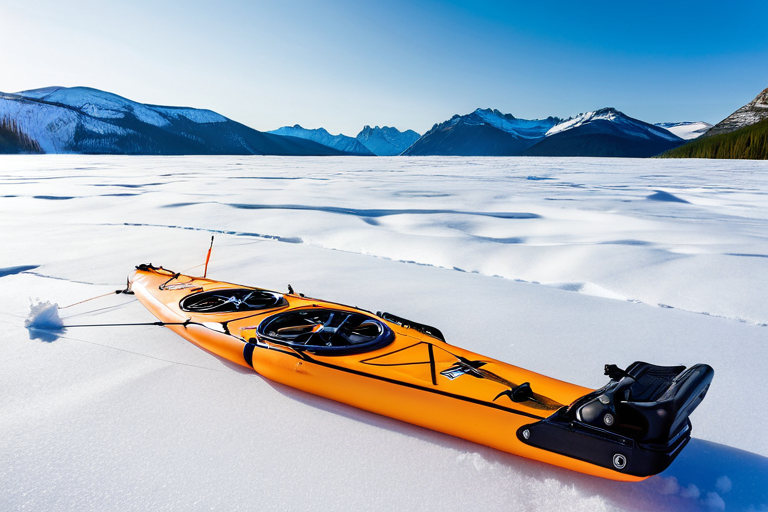
Modern float suits combine technical materials for maximum protection without sacrificing mobility
Field testing reveals nuances that specifications sheets miss. For instance, the sound of the material matters. Cheap suits rustle loudly with every movement, potentially spooking fish. Premium models use quieter fabrics specifically designed for the stillness of ice fishing.
Then there's the zipper technology. Ice fishing involves constant temperature changes—moving from heated shelters to bitter wind. Standard zippers freeze and fail. Quality float suits use waterproof, self-healing zippers with oversized pulls that work even with gloves on. As noted in extensive user reviews on IceShanty, these small details separate gear that works in theory from gear that works at -20°F.
Another critical factor: drying time. After a day on the ice, gear needs to be ready for tomorrow. Traditional winter clothing can take days to dry thoroughly, leading to reduced insulation and mildew. Float suits with proper moisture-wicking liners and breathable shells typically dry overnight, maintaining their performance season after season.
The Economics of Safety: Cost vs. Value Analysis
Let's address the elephant on the ice: float suits aren't cheap. Quality models range from $300 to $800. But consider the alternative costs:
- Medical costs: Even a non-fatal immersion can mean hypothermia treatment, which according to Harvard Health Publishing, often involves emergency room visits averaging $1,500+
- Lost gear: When you go through the ice, your $1,000 auger, $500 electronics, and hundreds in rods usually follow
- Psychological impact: Surviving a breakthrough often ends fishing careers due to trauma
- Insurance implications: Many policies have exclusions for "risky activities" without proper safety gear
More importantly, consider the suit's dual function. You're not buying safety gear you hope never to use—you're buying premium winter apparel you'll wear every outing. The insulation quality typically surpasses regular winter coats, meaning you stay warmer throughout the day. The durability exceeds most outdoor gear, with reinforced knees, seat, and cuffs where ice fishing takes its toll.
As professional guide Mark Martin notes in his ice fishing safety seminars: "I've guided over 10,000 ice fishing trips. The clients with float suits fish more comfortably, stay out longer, and catch more fish. The safety is almost a bonus."
Technical Evolution: From Survival Gear to Performance Wear
Advanced materials create lightweight protection that doesn't compromise on warmth or mobility
The first float suits emerged in the 1990s as essentially snowmobile suits with foam sewn in. They were bulky, restrictive, and hot. Today's generation represents a quantum leap in materials science.
Modern suits use variable-density foams—denser in critical flotation areas, lighter around joints. Some manufacturers incorporate inflatable chambers that activate upon water contact, similar to aviation life vests but integrated seamlessly. These hybrid systems offer exceptional buoyancy without the bulk during normal use.
Perhaps the most significant advancement is in moisture management. Early suits trapped sweat, leading to clammy discomfort. Current models use phase-change materials and directional wicking that actually moves moisture away from the body more efficiently than regular winter gear. According to testing by Field & Stream's gear lab, premium float suits now outperform dedicated winter coats in both warmth-to-weight ratios and breathability metrics.
The attention to angler-specific details shows the category's maturation:
Rod Holder Loops
Integrated attachment points for securing rods during hole hopping
Magnetic Pocket Closures
Secure storage for electronics that works with frozen fingers
Articulated Knees
Reinforced padding where ice fishermen spend most of their time
Integrated Tool Loops
Quick-access points for ice picks, pliers, and other essentials
Choosing Your Suit: A Practical Buyer's Guide
Not all float suits are created equal. Here's what to look for based on your fishing style:
For the Mobile Angler (hole-hopping)
Prioritize weight and breathability. Look for suits under 8 pounds total weight with extensive venting options. The Clam Ice Armor series excels here with strategic foam placement that doesn't hinder movement.
For Shelter Fishermen
Maximum insulation matters more than lightweight design. Seek suits with higher fill-power down or synthetic equivalents. The Striker Climate series offers adjustable insulation that adapts to shelter temperatures.
For Extreme Conditions
Consider suits with integrated hoods, face protection, and expedition-level waterproofing. Brands like Mustang Survival bring commercial fishing technology to recreational anglers.
Regardless of type, ensure certification. Look for UL (Underwriters Laboratories) or ISO (International Organization for Standardization) markings indicating tested buoyancy ratings. Don't trust marketing claims without third-party verification.
The Bottom Line: Why Skip the Suit?
Ice fishing presents a unique paradox: we pursue it for relaxation and connection with nature, yet we operate in an environment that offers zero margin for error. The ice doesn't care about your experience, your expensive gear, or your family waiting at home.
A float suit addresses this paradox directly. It's not a guarantee against all dangers—no gear is. But it transforms the most likely fatal accident (falling through ice) into a survivable incident. It gives you the precious minutes needed for self-rescue or for others to reach you.
More subtly, it changes your relationship with the ice. When you're not constantly worrying about the thickness beneath your feet, you fish more effectively. You notice subtle bites instead of testing ice with your heel. You enjoy the sunrise instead of calculating escape routes.
As veteran ice angler and safety instructor Jim McDonnell puts it: "I've worn float suits for 15 seasons. In that time, I've seen three breakthroughs on lakes I fished. All three survivors were wearing float suits. The statistics don't lie—this gear works."
The question isn't whether you can afford a float suit. It's whether you can afford to ice fish without one.