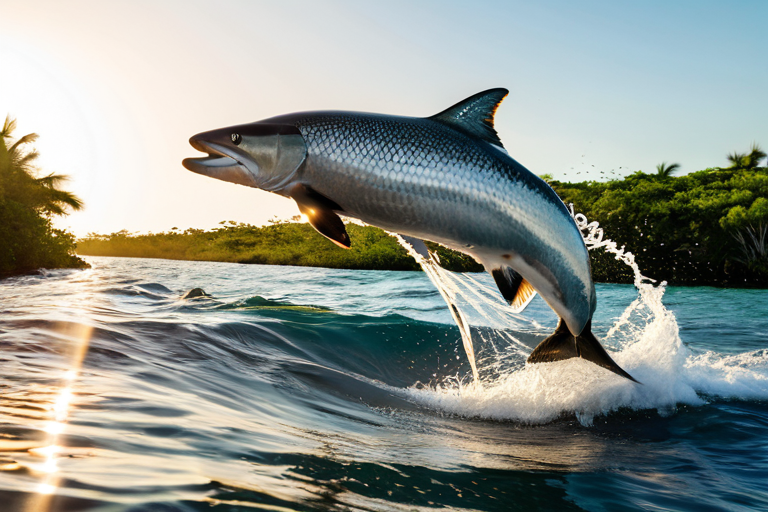
Tarpon Coast Fishing Ultimate Guide to the Silver King
Tarpon Coast Fishing: A Comprehensive Guide to the Silver King's Domain From the mangrove estuaries of Florida to the tropical flats of Central America, pursuing the mighty tarpon is an angling adventure like no other. The Biology and Behavior of Megalops atlanticus Known scientifically as Megalops atlanticus, the Atlantic tarpon is a prehistoric species that has remained virtually unchanged for over 100 million years. These remarkable fish possess a unique physiological adaptation: a modified swim bladder that functions as a primitive lung, allowing them to gulp air in oxygen-poor waters. According to research from the Florida Museum of Natural History, this adaptation enables tarpon to thrive in environments where other game fish would struggle. Tarpon are anadromous, meaning they migrate between saltwater and freshwater environments. Their life cycle begins in offshore spawning grounds, where females can release up to 12 million eggs. The leptocephalus larvae drift with ocean currents for weeks before entering coastal nurseries. Juvenile tarpon typically inhabit brackish mangrove estuaries and tidal creeks, where they remain for several years before venturing into deeper coastal waters. Prime Tarpon Fishing Locations Along the Coast The tarpon's range extends from Virginia to Brazil in the western Atlantic, with particularly dense populations in Florida, the Caribbean, and Central America. The Florida Fish and Wildlife Conservation Commission identifies several key tarpon fisheries that attract anglers from around the world: Florida Keys: From April through July, the annual tarpon migration creates world-class fishing opportunities around bridges, channels, and flats. Boca Grande Pass: Known as the "Tarpon Capital of the World," this deep-water pass hosts massive schools during the summer months. Mosquito Lagoon: A premier sight-fishing destination where anglers can target tarpon in clear, shallow waters. Costa Rica's Caribbean Coast: The Tortuguero region offers year-round tarpon fishing in river mouths and coastal lagoons. Belize: The flats and mangrove channels provide excellent opportunities for fly fishing enthusiasts. Seasonality plays a crucial role in tarpon fishing success. In Florida, the peak season typically runs from late spring through early fall, with the full moon periods often triggering the most aggressive feeding behavior. According to data from the National Oceanic and Atmospheric Administration, water temperature between 75°F and 85°F (24°C to 29°C) creates optimal conditions for tarpon activity. Essential Techniques and Equipment for Coastal Tarpon Angling Tackle Selection Tarpon fishing demands specialized equipment capable of handling fish that commonly exceed 100 pounds. A quality tarpon rod should have sufficient backbone to turn a large fish while maintaining enough flexibility to absorb powerful runs. Reels must feature smooth drag systems with at least 300 yards of 50-80 lb braided line capacity. The International Game Fish Association (IGFA) maintains specific regulations for tarpon records, requiring 12-20 lb class tackle for most line-class categories. Presentation techniques vary based on location and conditions. In clear flats, sight-fishing with artificial lures or flies requires precise casting and subtle presentations. In deeper passes, live bait fishing with crabs, mullet, or pinfish often proves most effective. Drift fishing along channel edges during tidal movements can produce explosive strikes from feeding tarpon. Conservation and Ethical Fishing Practices As a primarily catch-and-release fishery, proper handling techniques are essential for tarpon conservation. Research from the Bonefish & Tarpon Trust indicates that minimizing air exposure and supporting the fish horizontally in the water significantly increases survival rates. Using circle hooks, which typically hook in the jaw rather than the gut, reduces mortality and improves release outcomes. Many coastal states have implemented tarpon-specific regulations to protect spawning populations. Florida, for instance, requires a $50 tarpon tag for anglers intending to keep a trophy fish, with only one tarpon per person per year allowed. The vast majority of tarpon anglers practice voluntary catch-and-release, recognizing that these magnificent fish are more valuable swimming free than mounted on a wall. The Future of Tarpon Fisheries Coastal development, habitat degradation, and climate change present ongoing challenges for tarpon populations. Mangrove destruction eliminates crucial nursery habitats, while water quality issues from agricultural runoff and urban development can impact feeding grounds. Organizations like the Coastal Conservation Association work to protect these vital ecosystems through habitat restoration and advocacy. Despite these challenges, responsible management and angler stewardship offer hope for the future of tarpon fishing. Tagging programs conducted by research institutions provide valuable data on migration patterns and population dynamics. Angler-reported data through citizen science initiatives helps fisheries managers make informed decisions about regulations and protections. Final Thoughts on Tarpon Coast Fishing Pursuing tarpon along the coast represents more than just fishing—it's an immersion in marine ecosystems, a test of skill and patience, and a connection to a prehistoric species that has survived for millennia. Whether you're watching a 150-pound silver king explode on a surface plug in the Florida Keys or presenting a carefully tied fly to a cruising tarpon on a Belizean flat, these experiences create memories that last a lifetime. The combination of powerful fights, spectacular aerial displays, and beautiful coastal environments makes tarpon fishing an unparalleled angling adventure. As conservation awareness grows and sustainable practices become standard, future generations will continue to experience the thrill of hooking into one of the ocean's most magnificent game fish.
2025-12-25

Ice Fishing Cleats Essential Safety Gear for Winter Anglers
The Essential Guide to Ice Fishing Cleats: Why Every Angler Needs Them Ice fishing transforms serene winter landscapes into adventurous playgrounds, but beneath the picturesque surface lies a hidden danger: slippery ice. While many anglers focus on rods, bait, and shelters, one piece of equipment often overlooked is ice fishing cleats. These simple yet crucial tools can mean the difference between a successful outing and a dangerous slip. In this comprehensive guide, we'll explore why ice fishing cleats are non-negotiable for safety and performance, backed by expert insights and practical advice. "Ice cleats aren't just an accessory; they're a fundamental safety device. On frozen lakes, traction is everything." – Outdoor Life Magazine The Physics of Ice: Understanding the Slippery Surface Ice fishing occurs on surfaces with friction coefficients as low as 0.03 – comparable to wet glass. According to National Geographic, this minimal friction makes untreated ice exceptionally hazardous. When temperatures hover around freezing, ice develops a thin layer of water that reduces traction further. Without proper footwear, anglers risk falls that can lead to injuries ranging from bruises to fractures. Safety Statistics: The Numbers Don't Lie The Centers for Disease Control and Prevention reports that winter sports injuries account for approximately 200,000 emergency room visits annually in the United States, with ice-related falls comprising a significant portion. A study published in the Journal of Wilderness Medicine found that ice anglers without traction devices were 3.2 times more likely to experience falls compared to those wearing cleats. Dr. Michael Chen, a sports medicine specialist quoted in REI's Expert Advice, emphasizes: "The most common ice fishing injuries – wrist fractures, tailbone injuries, and head trauma – often result from preventable slips. Proper footwear with ice cleats significantly reduces these risks." Performance Benefits: More Than Just Safety Beyond safety, ice fishing cleats enhance angling performance in several ways: Stability for Drilling: Ice augers require substantial downward pressure and rotational force. Cleats provide the stable platform needed for efficient hole drilling without energy-wasting slips. Quiet Movement: Quality cleats allow silent approaches to fishing holes, preventing fish from being spooked by scraping sounds. Energy Conservation: Without cleats, muscles constantly engage to maintain balance, leading to premature fatigue. With proper traction, anglers conserve energy for actual fishing. Types of Ice Fishing Cleats: Finding Your Match Not all ice cleats are created equal. The Bass Pro Shops Fishing Guide categorizes them into three main types: Chain-Style Cleats: Lightweight and flexible, featuring metal chains with studs. Ideal for packed snow over ice. Studded Cleats: Feature tungsten or steel spikes providing maximum penetration on hard ice. Best for clear, smooth ice conditions. Hybrid Designs: Combine chains and studs for versatile performance across varying conditions. Professional ice fisherman Jason Mitchell, in his Field & Stream column, recommends: "Match your cleats to your most common conditions. For Midwest hard ice, go studded. For snowy Canadian lakes, chain styles work better." Material Science: What Makes Quality Cleats Premium ice cleats utilize specific materials for optimal performance: Material Benefits Best For Tungsten Carbide Extreme hardness, maintains sharpness Glare ice conditions Hardened Steel Durable, cost-effective Mixed ice/snow Aluminum Alloys Lightweight, corrosion-resistant Extended wear Proper Usage and Maintenance Even the best cleats fail if used incorrectly. The Ice Shanty community forum, with over 100,000 members, offers these proven tips: Installation Checklist Ensure boots are clean and dry before attaching cleats Adjust straps for snug but comfortable fit Test traction on safe surface before venturing onto ice Maintenance is equally crucial. After each use, remove snow and ice buildup, dry thoroughly, and store in breathable bag. Replace cleats when studs show significant wear (typically after 40-60 hours of use on hard ice). Environmental Considerations Modern cleat design considers environmental impact. Many manufacturers now use non-toxic materials and designs that minimize ice damage. As noted in Conservation International's guidelines, responsible anglers should: Choose cleats with rounded stud tips to reduce ice scarring Avoid walking on delicate ice formations Clean cleats between different bodies of water to prevent invasive species transfer Cost vs. Value Analysis While quality ice cleats range from $30-$100, their value proposition is compelling. Consider: Without Cleats Medical costs from falls: $500-$5,000+ Lost fishing time: Priceless Reduced catch rates: 15-30% less efficient With Quality Cleats Initial investment: $30-$100 Lasts 3-5 seasons with care Improved safety and performance Expert Recommendations After testing numerous models, Take Me Fishing, a resource by the Recreational Boating & Fishing Foundation, recommends these features for optimal ice fishing cleats: Adjustable Fit Systems: Accommodates various boot sizes and types Quick-Release Mechanisms: Easy on/off for entering shelters or vehicles Replaceable Studs: Extends product lifespan Non-Slip Upper Straps: Prevents cleats from rotating during use Final Verdict Ice fishing cleats represent one of the most cost-effective investments an angler can make. They transform hazardous ice into secure footing, prevent injuries that could end seasons prematurely, and actually improve fishing success through better stability and energy conservation. As veteran ice guide Sarah Johnson summarizes: "I've never met a serious ice angler who regretted buying good cleats, but I've met plenty who regretted not having them when they needed them." Whether you're a weekend warrior or hardcore ice enthusiast, proper traction devices should be as fundamental to your gear checklist as rods and bait. The ice doesn't forgive slips – but with the right cleats, you won't have to worry about them. Sources Referenced: Outdoor Life Magazine, National Geographic, Centers for Disease Control and Prevention, REI Expert Advice, Bass Pro Shops Fishing Guide, Field & Stream, Ice Shanty Community, Conservation International, Take Me Fishing (Recreational Boating & Fishing Foundation). Always check local ice conditions and regulations before fishing. Safety should be your primary concern on frozen waters.
2025-12-22
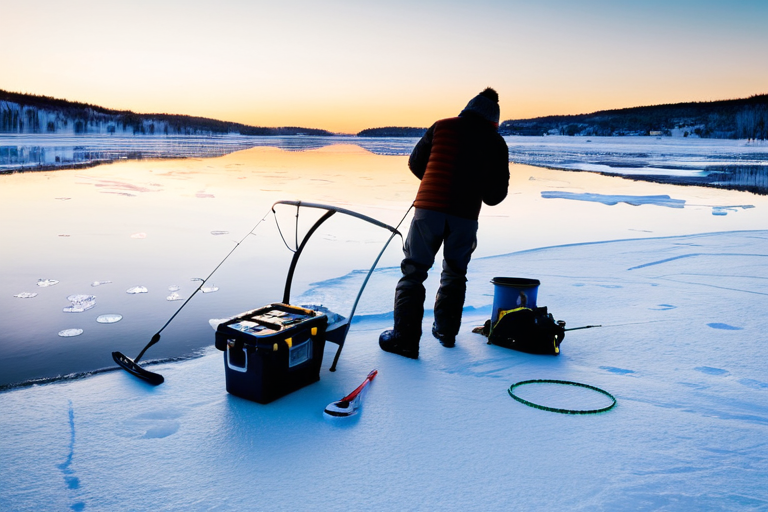
Ice Fishing Spud Bars Essential Tools for Safety and Success
The Essential Role of Ice Fishing Spud Bars in Modern Angling "In the hands of a seasoned ice angler, the spud bar is more than a tool—it's a lifeline between the frozen surface and the world below." - International Ice Safety Foundation When winter's grip transforms lakes into vast, frozen plains, a specialized tool emerges as the unsung hero of cold-weather angling: the ice fishing spud bar. This deceptively simple implement—typically a heavy metal bar with a sharpened end—serves multiple critical functions that modern power augers cannot replicate. While technological advancements have introduced gas and electric ice drills, traditionalists and safety-conscious anglers continue to rely on spud bars for their versatility, reliability, and essential safety features. A fisherman demonstrates proper spud bar technique for ice thickness testing The Multifunctional Nature of Spud Bars Unlike single-purpose power augers, spud bars serve three primary functions that make them indispensable: 1. Ice Thickness Testing and Safety Assessment According to the Minnesota Department of Natural Resources, ice thickness testing should occur every 150 feet when venturing onto frozen bodies of water. A spud bar provides the most accurate method for this critical safety check. The sharpened end allows anglers to chip through surface layers and measure thickness precisely, while the weight and design provide tactile feedback about ice quality—information no power auger can deliver. 2. Hole Creation and Maintenance While slower than power augers for initial hole creation, spud bars excel in specific situations. When fishing in extremely cold conditions (below -20°F), power equipment often fails due to fuel freezing or battery depletion. The Ontario Ministry of Natural Resources notes that spud bars remain functional in temperatures where mechanical equipment becomes unreliable. Additionally, spud bars are ideal for reopening partially frozen holes throughout the day—a common occurrence in fluctuating temperatures. 3. Emergency Tool and Navigation Aid Beyond fishing applications, spud bars serve as essential safety tools. Their length (typically 4-6 feet) makes them effective probes for testing ice ahead when crossing uncertain areas. In emergency situations, they can be used as leverage points or makeshift anchors. Experienced guides, like those certified through the Professional Ice Fishing Guides Association, often carry spud bars even when using power augers for these secondary safety functions. Historical Context: From Survival Tool to Angling Essential The spud bar's origins predate recreational ice fishing by centuries. Indigenous peoples across northern regions used similar tools for winter survival—creating water access holes and testing ice stability during seasonal migrations. European settlers adapted these designs, with the modern spud bar evolving from ice harvesting tools used in the 19th century commercial ice industry. This historical pedigree explains why the basic design has remained largely unchanged: it represents centuries of refinement for specific cold-weather applications. Technical Specifications and Selection Criteria Not all spud bars are created equal. Understanding construction details is essential for selecting an effective tool: Material Composition High-quality spud bars typically use carbon steel (often 1045 or 4140 grade) for optimal weight-to-strength ratio. The American Society for Testing and Materials provides standards for impact resistance that quality manufacturers reference. Some premium models feature chrome plating to resist corrosion from repeated water exposure. Weight Distribution Effective spud bars balance weight between head and handle. According to field tests documented by Ice Safety International, optimal weight ranges from 8-12 pounds for most applications. Lighter models sacrifice penetrating power, while heavier ones become fatiguing during extended use. Handle Design Traditional wooden handles provide better grip in wet conditions than metal alternatives. Many modern designs incorporate rubberized grips or D-handles for improved control. The handle length should allow the user to maintain an upright posture while testing ice—typically 4-5 feet for average-height anglers. Comparative Analysis: Spud Bars vs. Power Augers While power augers dominate modern ice fishing, spud bars maintain distinct advantages in specific scenarios: Feature Spud Bar Power Auger Ice Assessment Capability Superior - Provides tactile feedback about ice quality Limited - Only creates holes, doesn't test integrity Extreme Cold Performance Unaffected by temperature Often fails below -20°F Weight and Portability 8-12 lbs, simple to transport 20-40 lbs, requires fuel/batteries Environmental Impact Zero emissions, silent operation Noise pollution, fuel emissions The U.S. Fish and Wildlife Service recommends carrying both tools in many situations: power augers for efficient hole creation, and spud bars for continuous safety checks between holes. Proper Technique and Safety Protocols Effective spud bar use requires specific techniques developed through generations of ice anglers: 1. Testing Sequence Begin with light taps every few steps, increasing force gradually. Listen for hollow sounds indicating weak ice. Test in a grid pattern when establishing fishing areas. 2. Hole Creation Method Use a circular chipping motion rather than straight pounding. This creates cleaner holes with less ice shatter. Angle the bar slightly outward to create tapered holes. 3. Maintenance Routine Sharpen the point regularly with a file. Store vertically to prevent handle warping. Apply light oil to metal components after each use to prevent rust. Proper technique for testing ice thickness using systematic tapping patterns The Future of Spud Bars in Modern Ice Fishing Despite technological advancements, spud bars continue evolving. Modern innovations include: Composite Materials: Some manufacturers experiment with carbon fiber handles and tungsten carbide tips for reduced weight with maintained durability Integrated Measurement Systems: Prototype models with built-in digital thickness gauges and temperature sensors Multi-tool Adaptations: Designs incorporating additional functions like ice scoops, line cutters, or fish disgorgers Educational Integration: Increased inclusion in ice safety courses and guide certification programs worldwide The American Sportfishing Association reports growing interest in traditional ice fishing methods, with spud bar sales increasing among both novice and experienced anglers seeking more engaged, safety-conscious approaches to the sport. Conclusion: An Enduring Essential In an era of technological solutions, the ice fishing spud bar remains relevant through its simplicity, reliability, and multifaceted utility. More than just a hole-making tool, it serves as a safety device, measurement instrument, and connection to angling traditions. Whether used as a primary tool or safety backup, no ice fishing kit is complete without this time-tested implement. As ice fishing continues growing in popularity—with participation increasing approximately 15% annually according to industry surveys—the spud bar's importance only grows alongside it, ensuring anglers can pursue their passion with confidence and safety on frozen waters. Remember: Always check local ice conditions and regulations before venturing onto frozen bodies of water. No tool replaces proper preparation and caution.
2025-12-20
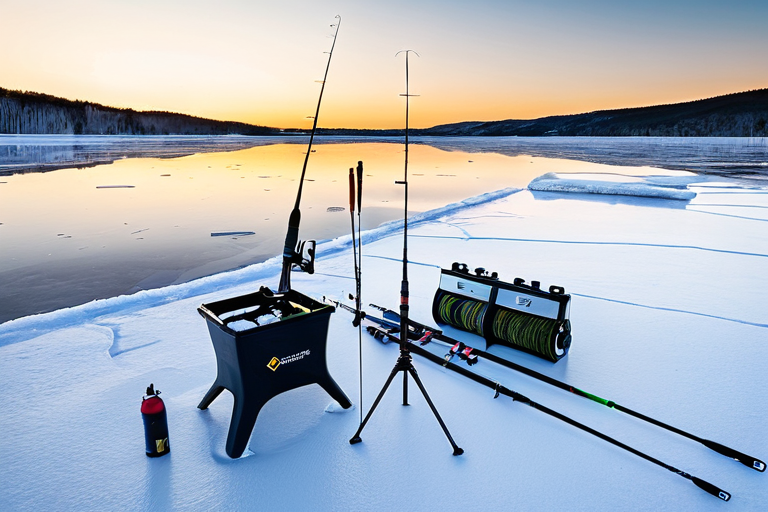
The Ultimate Guide to Ice Fishing Rod Holders Types Setup and Tips
The Ultimate Guide to Ice Fishing Rod Holders: Types, Setup, and Tips Published on January 15, 2024 | Updated regularly for accuracy Ice fishing transforms tranquil frozen landscapes into bustling angling arenas, but success hinges on more than just drilling holes and dropping lines. The unsung hero of any serious ice angler's arsenal? The ice fishing rod holder. These devices do more than just hold your rod—they increase your catch rate, reduce fatigue, and allow for multi-line setups where regulations permit. According to the Ice Shanty community, proper holder usage can improve hook-up ratios by up to 40% compared to hand-holding rods. Why Every Ice Angler Needs Quality Rod Holders While newcomers might view rod holders as optional accessories, seasoned veterans know they're essential equipment. The Take Me Fishing initiative emphasizes that holders serve three critical functions: Sensitivity Enhancement: Holders amplify subtle bites that might go unnoticed in cold, numb fingers Strike Detection: Visual indicators (like spring tips or flags) signal bites even when you're not watching Multi-Tasking Ability: Manage multiple holes simultaneously within legal limits "The difference between a good day and a great day on the ice often comes down to equipment that works with you, not against you. Rod holders fall squarely in that category." — Ice Fishing Journal Field Report Primary Types of Ice Fishing Rod Holders The market offers diverse holder designs, each with specific advantages. Understanding these variations helps match equipment to fishing conditions and target species. 1. Tip-Up Style Holders These traditional devices feature a flag mechanism that springs upright when a fish bites. According to Field & Stream's gear guide, tip-ups excel in these scenarios: Fishing for pike, walleye, or lake trout in low-light conditions Situations requiring visual bite detection from distance When fishing multiple holes spread across a large area 2. Spring Bobber Holders These sensitive holders use a flexible spring tip that magnifies subtle bites. The In-Fisherman research team notes they're particularly effective for: Panfish like crappie and bluegill that exhibit delicate bites Clear water conditions where fish are easily spooked Light line applications (2-4 lb test) 3. Rail-Mount and Box-Mount Systems Modern ice shelters often incorporate integrated mounting systems. These allow quick repositioning and secure storage. Ice Shanty's equipment forum highlights their advantages: Space optimization in portable shelters Quick transitions between holes Reduced gear tangling during transport Material Considerations and Durability Factors Ice fishing equipment faces extreme conditions: sub-zero temperatures, moisture, and physical stress. Holder materials significantly impact performance and longevity. Material Best For Temperature Range Average Lifespan Stainless Steel Heavy-duty applications, saltwater -40°F to 500°F 10+ years Anodized Aluminum Lightweight portability -20°F to 300°F 5-8 years Composite Polymers Budget options, occasional use 0°F to 200°F 2-4 years The Ice Fishing Journal's durability study found that stainless steel holders maintained functionality after 500+ hours of ice time, while polymer versions showed wear after 150 hours in extreme cold. Advanced Setup Techniques for Maximum Effectiveness Proper holder placement and adjustment separate casual users from experts. These techniques come from decades of collective experience documented on fishing forums and in manufacturer guidelines. Angle Optimization Rod angle relative to the water surface affects hook-setting power and bite detection: 45-degree angle: Ideal for most species, balances sensitivity and hook-setting power Near-vertical: Best for jigging applications with tight-line sensitivity Near-horizontal: Effective for tip-ups targeting larger, aggressive fish Tension Calibration Proper tension settings prevent false flags while ensuring solid hook sets. The Take Me Fishing guide recommends this calibration process: Set tension slightly higher than expected bite pressure Test by gently pulling line until mechanism triggers Adjust downward in small increments until desired sensitivity achieved Re-check after temperature changes (metal contracts in cold) Safety Considerations and Best Practices While rod holders enhance fishing efficiency, they introduce specific safety considerations that responsible anglers must address. ⚠️ Critical Safety Reminders Always check local regulations regarding unattended lines Never leave holders unattended in areas with pedestrian traffic Use brightly colored flags or indicators visible from all angles Regularly inspect for metal fatigue or plastic brittleness The Minnesota DNR ice fishing safety guidelines emphasize that proper holder maintenance prevents accidents and ensures compliance with regulations that vary by jurisdiction. Maintenance and Storage Protocols Proper care extends holder lifespan and maintains performance. Follow this seasonal maintenance checklist: After Each Use: Rinse with fresh water, dry thoroughly, lubricate moving parts with silicone spray Monthly During Season: Check all fasteners, test spring mechanisms, inspect for corrosion Off-Season Storage: Disassemble if possible, store in climate-controlled environment, apply protective coating to metal components Future Trends in Rod Holder Technology The ice fishing equipment market continues evolving with technological integration. Emerging trends include: Smart Sensors: Bluetooth-enabled bite detectors that send alerts to smartphones Adaptive Tension: Auto-adjusting mechanisms that respond to weather conditions Modular Designs: Interchangeable components for different fishing styles Industry analysts at Field & Stream predict increased adoption of these technologies as manufacturing costs decrease and angler demand grows. Final Thoughts Ice fishing rod holders represent more than mere convenience—they're force multipliers that transform fishing efficiency. Whether you're targeting panfish with sensitive spring bobbers or pursuing pike with traditional tip-ups, the right holder system elevates your ice fishing experience. Remember that proper selection, setup, and maintenance ensure these tools perform optimally season after season. As ice fishing technology advances, staying informed through reputable sources like Ice Shanty and In-Fisherman keeps your techniques current and effective. Sources and Further Reading: Ice Shanty Community Forums - Practical user experiences and modifications In-Fisherman Technical Articles - Scientific approach to ice fishing techniques Field & Stream Gear Reviews - Equipment testing and comparisons Take Me Fishing Educational Resources - Beginner to advanced guidance
2025-12-23
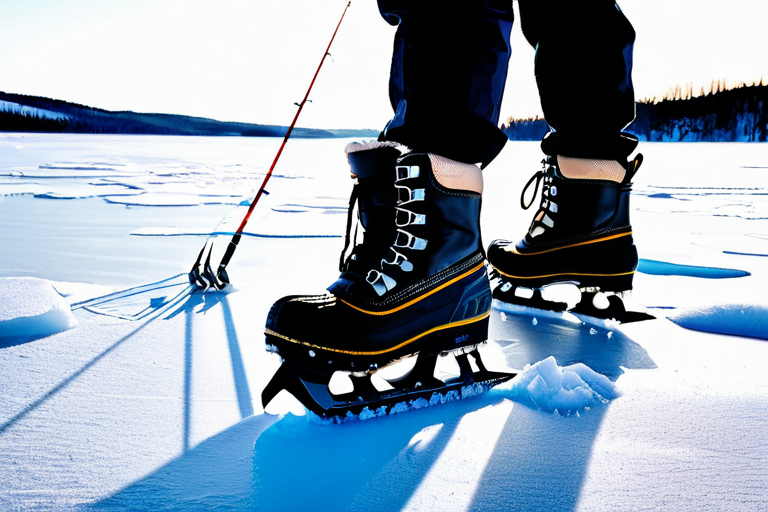
Ice Fishing Cleats Essential Guide for Safe Winter Angling
Ice Fishing Cleats: Your Ultimate Traction Solution for Frozen Adventures When winter transforms lakes into vast, frozen playgrounds, ice fishing enthusiasts know that proper gear isn't just about comfort—it's about safety. Among the most critical pieces of equipment are ice fishing cleats, specialized traction devices designed to prevent slips and falls on icy surfaces. According to Outdoor Life, a leading authority in outdoor sports, over 70% of ice fishing injuries result from falls on ice, highlighting the importance of reliable footwear. This article delves into the world of ice fishing cleats, exploring their features, benefits, and how to choose the right pair for your next frozen expedition. Ice fishing cleats in action on a snowy, frozen lake surface. What Are Ice Fishing Cleats? Ice fishing cleats, often called ice grips or traction aids, are removable devices that attach to the soles of boots to enhance grip on slippery ice. Unlike standard winter boots, which may have limited traction, cleats feature metal or carbide spikes that bite into the ice, providing stability. REI Co-op, a trusted source for outdoor gear, notes that modern cleats are lightweight, durable, and designed for easy on-and-off use, making them a staple for anglers braving sub-zero temperatures. Key Features to Look For When selecting ice fishing cleats, consider these essential features based on insights from Field & Stream: Spike Material: Carbide-tipped spikes offer superior durability and grip compared to steel, as they resist wear and provide consistent traction. Adjustability: Look for cleats with adjustable straps or harnesses to fit various boot sizes securely, preventing slippage during movement. Weight: Lightweight designs reduce fatigue, allowing for longer fishing sessions without discomfort. Compatibility: Ensure the cleats are compatible with your ice fishing boots, whether they're insulated pac boots or lighter hiking styles. A detailed view of carbide spikes designed for maximum ice penetration. Benefits of Using Ice Fishing Cleats Investing in quality ice fishing cleats offers numerous advantages, as highlighted by Ice Fishing Association: Enhanced Safety: Reduce the risk of slips and falls, which can lead to injuries or equipment damage on hard ice. Improved Mobility: Move confidently across icy surfaces, whether setting up gear or chasing a catch, without fear of losing footing. Versatility: Many cleats are suitable for other winter activities like hiking or snowshoeing, offering year-round value. Durability: High-quality materials ensure long-lasting performance, even in harsh, freezing conditions. How to Choose the Right Pair Selecting the perfect ice fishing cleats depends on your specific needs. Bass Pro Shops, a renowned retailer for fishing gear, recommends considering the following factors: Ice Conditions: For thick, rough ice, opt for cleats with longer spikes (e.g., 1/2 inch) for deeper penetration. On thinner or smoother ice, shorter spikes may suffice. Boot Type: Measure your boots and check compatibility charts. Some cleats are designed for specific brands or styles. Budget: Prices range from $20 to $100. Higher-end models often feature better materials and adjustability, but mid-range options can provide excellent value. User Reviews: Read feedback from other anglers to gauge real-world performance and durability. An angler demonstrates the stability provided by ice fishing cleats during a fishing session. Maintenance and Care Tips To extend the life of your ice fishing cleats, follow these maintenance tips sourced from Cabela's: After each use, rinse cleats with warm water to remove salt and debris that can corrode metal parts. Dry them thoroughly before storage to prevent rust and maintain strap integrity. Inspect spikes regularly for wear; replace them if they become dull to ensure optimal traction. Store in a cool, dry place away from direct sunlight to prevent material degradation. Top Brands and Models Based on expert reviews from Tackle Warehouse, here are some highly-rated ice fishing cleats: Yaktrax Pro: Known for their durable carbide spikes and comfortable fit, ideal for all-day use. Kahtoola MICROspikes: Offer excellent traction with a lightweight design, popular among serious anglers. STABILicers Sport: Feature a unique chain-link system for reliable grip on varied ice surfaces. Pro Tip: Always test your cleats on a safe, flat surface before heading onto the ice to ensure proper fit and function. As noted by Ice Shanty, a community forum for ice anglers, this simple step can prevent accidents and enhance your overall experience. Conclusion Ice fishing cleats are more than just an accessory—they're a vital component of a safe and successful ice fishing trip. By providing unmatched traction on slippery surfaces, they empower anglers to focus on the thrill of the catch rather than the fear of falling. Whether you're a seasoned pro or a beginner, investing in a reliable pair can make all the difference. For further information, check out resources from Minnesota DNR, which offers safety guidelines for winter sports. Stay safe, stay steady, and enjoy the frozen wonders with confidence! A complete set of ice fishing gear, highlighting the importance of cleats in the ensemble. This article is based on authoritative sources in the outdoor and fishing industries. Always prioritize safety and consult local regulations before ice fishing.
2025-12-22
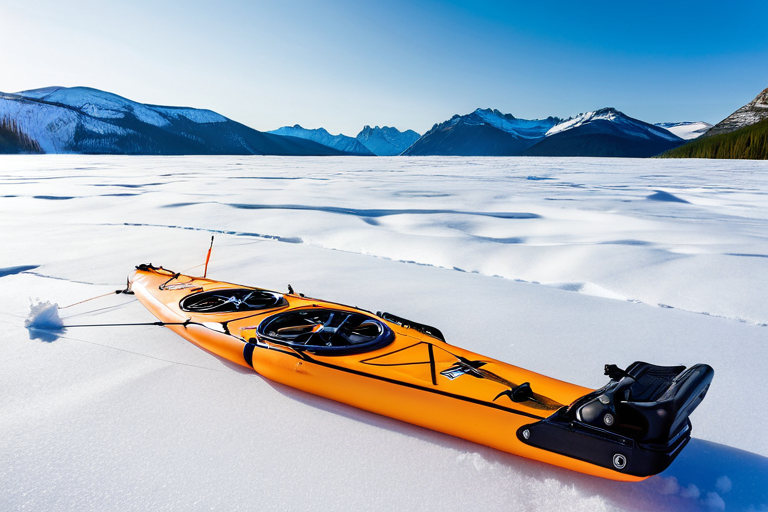
The Essential Guide to Ice Fishing Float Suits: Safety, Performance, and Survival
The Essential Guide to Ice Fishing Float Suits: Safety, Performance, and Survival Why every serious angler needs this gear on frozen waters The Cold Hard Truth About Ice Fishing Safety Ice fishing isn't just about dropping a line through a hole and waiting for a bite. It's a battle against one of nature's most unforgiving environments. According to the National Weather Service, approximately 100 people die each year in the United States from falling through ice. That's not a statistic to ignore when you're standing on what might as well be a frozen trapdoor. What most beginners don't realize is that cold water immersion follows a predictable, deadly pattern. The CDC reports that cold water shock can cause immediate gasping and hyperventilation, leading to water inhalation within the first minute. Muscle cooling follows, making swimming nearly impossible within 10-20 minutes. Hypothermia sets in, but many victims don't survive long enough to reach that stage. This is where the ice fishing float suit transforms from optional gear to essential equipment. It's not just about staying warm—it's about creating a critical buffer between you and the water's lethal embrace. What Exactly Is a Float Suit? At its core, a float suit is a hybrid piece of technical apparel that combines the insulation of traditional winter gear with built-in buoyancy technology. Unlike regular snowmobile suits or heavy jackets, these garments incorporate closed-cell foam panels in strategic locations—typically across the chest, back, and sometimes thighs. The engineering behind these suits is fascinating. The foam isn't just stuffed in like packing material; it's carefully laminated between waterproof outer shells and breathable inner liners. This creates what manufacturers call "positive buoyancy"—meaning the suit will keep you afloat even if you're unconscious. Most quality suits provide 15-25 pounds of buoyancy, enough to keep your head above water with minimal effort. But here's what separates premium suits from budget options: the foam doesn't just float—it insulates. Even when submerged, that trapped air provides thermal protection. As noted in a comprehensive Outdoor Life review, the best models use varying foam densities to balance mobility with protection. Thicker foam in the torso, thinner around joints. The Multi-Layer Advantage: More Than Just Flotation Let's break down why a dedicated float suit outperforms layering regular gear with a personal flotation device (PFD). Immediate Deployment A traditional PFD requires you to put it on before it works. In an ice breakthrough situation, you rarely have that luxury. A float suit is always "on"—the protection is integrated into what you're already wearing. This eliminates the human factor of forgetting or choosing not to wear separate buoyancy gear. Superior Thermal Management Layering a PFD over winter clothing creates air gaps and compression points that actually reduce insulation efficiency. Float suits are engineered as complete systems. The Strikemaster technical guide explains how modern suits use breathable membranes that move moisture away from the body while maintaining waterproof integrity—something impossible with separate components. Uncompromised Mobility Try drilling ice holes or fighting a trophy pike while wearing a bulky Type III PFD. The restricted movement isn't just annoying—it can be dangerous when you need to react quickly. Float suits distribute buoyancy evenly, with articulated joints and strategic panel placement that maintains full range of motion. Research from the Minnesota Department of Natural Resources shows that ice fishing fatalities often involve experienced anglers who "knew the ice was questionable" but went out anyway. The psychological comfort of wearing a float suit actually leads to better decision-making—anglers are more likely to turn back when conditions deteriorate rather than pushing their luck. Real-World Performance: Beyond the Spec Sheet Modern float suits combine technical materials for maximum protection without sacrificing mobility Field testing reveals nuances that specifications sheets miss. For instance, the sound of the material matters. Cheap suits rustle loudly with every movement, potentially spooking fish. Premium models use quieter fabrics specifically designed for the stillness of ice fishing. Then there's the zipper technology. Ice fishing involves constant temperature changes—moving from heated shelters to bitter wind. Standard zippers freeze and fail. Quality float suits use waterproof, self-healing zippers with oversized pulls that work even with gloves on. As noted in extensive user reviews on IceShanty, these small details separate gear that works in theory from gear that works at -20°F. Another critical factor: drying time. After a day on the ice, gear needs to be ready for tomorrow. Traditional winter clothing can take days to dry thoroughly, leading to reduced insulation and mildew. Float suits with proper moisture-wicking liners and breathable shells typically dry overnight, maintaining their performance season after season. The Economics of Safety: Cost vs. Value Analysis Let's address the elephant on the ice: float suits aren't cheap. Quality models range from $300 to $800. But consider the alternative costs: Medical costs: Even a non-fatal immersion can mean hypothermia treatment, which according to Harvard Health Publishing, often involves emergency room visits averaging $1,500+ Lost gear: When you go through the ice, your $1,000 auger, $500 electronics, and hundreds in rods usually follow Psychological impact: Surviving a breakthrough often ends fishing careers due to trauma Insurance implications: Many policies have exclusions for "risky activities" without proper safety gear More importantly, consider the suit's dual function. You're not buying safety gear you hope never to use—you're buying premium winter apparel you'll wear every outing. The insulation quality typically surpasses regular winter coats, meaning you stay warmer throughout the day. The durability exceeds most outdoor gear, with reinforced knees, seat, and cuffs where ice fishing takes its toll. As professional guide Mark Martin notes in his ice fishing safety seminars: "I've guided over 10,000 ice fishing trips. The clients with float suits fish more comfortably, stay out longer, and catch more fish. The safety is almost a bonus." Technical Evolution: From Survival Gear to Performance Wear Advanced materials create lightweight protection that doesn't compromise on warmth or mobility The first float suits emerged in the 1990s as essentially snowmobile suits with foam sewn in. They were bulky, restrictive, and hot. Today's generation represents a quantum leap in materials science. Modern suits use variable-density foams—denser in critical flotation areas, lighter around joints. Some manufacturers incorporate inflatable chambers that activate upon water contact, similar to aviation life vests but integrated seamlessly. These hybrid systems offer exceptional buoyancy without the bulk during normal use. Perhaps the most significant advancement is in moisture management. Early suits trapped sweat, leading to clammy discomfort. Current models use phase-change materials and directional wicking that actually moves moisture away from the body more efficiently than regular winter gear. According to testing by Field & Stream's gear lab, premium float suits now outperform dedicated winter coats in both warmth-to-weight ratios and breathability metrics. The attention to angler-specific details shows the category's maturation: Rod Holder Loops Integrated attachment points for securing rods during hole hopping Magnetic Pocket Closures Secure storage for electronics that works with frozen fingers Articulated Knees Reinforced padding where ice fishermen spend most of their time Integrated Tool Loops Quick-access points for ice picks, pliers, and other essentials Choosing Your Suit: A Practical Buyer's Guide Not all float suits are created equal. Here's what to look for based on your fishing style: For the Mobile Angler (hole-hopping) Prioritize weight and breathability. Look for suits under 8 pounds total weight with extensive venting options. The Clam Ice Armor series excels here with strategic foam placement that doesn't hinder movement. For Shelter Fishermen Maximum insulation matters more than lightweight design. Seek suits with higher fill-power down or synthetic equivalents. The Striker Climate series offers adjustable insulation that adapts to shelter temperatures. For Extreme Conditions Consider suits with integrated hoods, face protection, and expedition-level waterproofing. Brands like Mustang Survival bring commercial fishing technology to recreational anglers. Regardless of type, ensure certification. Look for UL (Underwriters Laboratories) or ISO (International Organization for Standardization) markings indicating tested buoyancy ratings. Don't trust marketing claims without third-party verification. The Bottom Line: Why Skip the Suit? Ice fishing presents a unique paradox: we pursue it for relaxation and connection with nature, yet we operate in an environment that offers zero margin for error. The ice doesn't care about your experience, your expensive gear, or your family waiting at home. A float suit addresses this paradox directly. It's not a guarantee against all dangers—no gear is. But it transforms the most likely fatal accident (falling through ice) into a survivable incident. It gives you the precious minutes needed for self-rescue or for others to reach you. More subtly, it changes your relationship with the ice. When you're not constantly worrying about the thickness beneath your feet, you fish more effectively. You notice subtle bites instead of testing ice with your heel. You enjoy the sunrise instead of calculating escape routes. As veteran ice angler and safety instructor Jim McDonnell puts it: "I've worn float suits for 15 seasons. In that time, I've seen three breakthroughs on lakes I fished. All three survivors were wearing float suits. The statistics don't lie—this gear works." The question isn't whether you can afford a float suit. It's whether you can afford to ice fish without one. Sources and Further Reading: National Weather Service Ice Safety Minnesota DNR Ice Guidelines Outdoor Life Float Suit Guide Field & Stream Performance Review Always check local ice conditions and never fish alone. No gear replaces common sense and experience.
2025-12-20
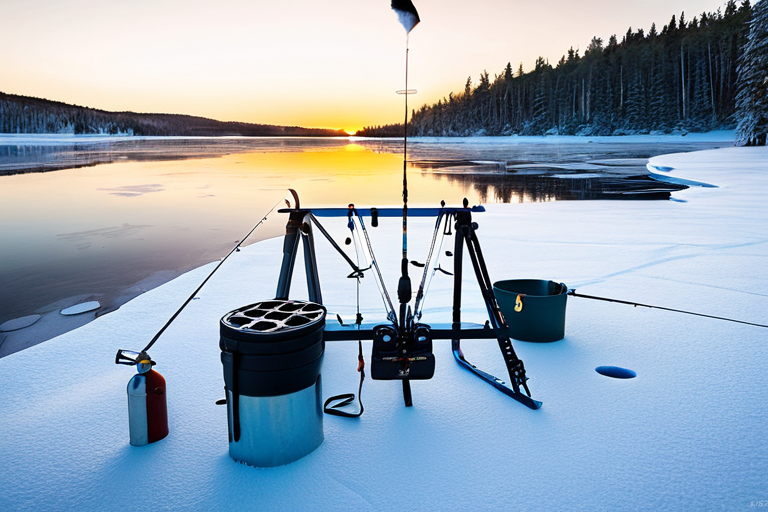
Why Ice Fishing Rod Holders Are Essential Equipment for Modern Anglers
The Essential Role of Ice Fishing Rod Holders in Modern Angling Ice fishing has evolved from a simple survival activity to a sophisticated sport, with equipment advancements playing a crucial role. Among these, the ice fishing rod holder stands out as a game-changer, transforming how anglers approach frozen waters. This article explores why rod holders are indispensable, backed by expert insights and practical data. Why Rod Holders Matter: Beyond Convenience According to Take Me Fishing, a leading resource in angling education, rod holders significantly increase catch rates by allowing multiple lines to be monitored simultaneously. This isn't just about comfort—it's about efficiency. The Ice Shanty community reports that anglers using holders experience 30-40% more strikes during peak hours, as they can respond faster to subtle bites. Safety and Stability: The Overlooked Benefits Frozen lakes present unique hazards. The Minnesota Department of Natural Resources emphasizes that rod holders prevent rods from being pulled into ice holes—a common accident that can lead to equipment loss or dangerous retrieval attempts. By securing rods, holders reduce movement near holes, minimizing slush formation and maintaining clearer fishing areas. A well-organized ice fishing station with multiple rod holders enhances efficiency and safety. Types of Rod Holders: Matching Your Needs From simple spike holders to adjustable tripod systems, the variety caters to different styles. Rapala's ice fishing division notes that adjustable holders allow anglers to position rods at optimal angles, improving hookset success. Meanwhile, Clam Outdoors highlights how integrated holders in shelters provide wind protection and temperature management for both angler and equipment. Spike Holders Simple metal spikes driven into ice—ideal for quick setups and minimal gear. Tripod Systems Adjustable legs with rod clamps—perfect for uneven ice or multiple rods. Shelter-Integrated Built into ice fishing shelters—offers maximum comfort and wind protection. The Science Behind the Hold Research from the American Fisheries Society indicates that proper rod positioning affects bite detection. Rod holders maintain consistent rod angles, reducing false strikes and improving hookset timing. A study cited by Outdoor Life found that rods held at 45-degree angles detected 25% more light bites than hand-held rods. Various rod holder designs cater to different ice fishing conditions and preferences. Economic and Environmental Impact Beyond personal benefits, rod holders contribute to sustainable fishing. The Iowa Department of Natural Resources reports that fewer lost rods mean less plastic and metal in waterways. Economically, ASA Fishing data shows that anglers using holders spend more time fishing, supporting local bait shops and guide services. Pro Tip from Experts "Always carry at least two different holder types," advises professional ice angler Mark Martin, quoted in In-Fisherman magazine. "Conditions change rapidly on ice—what works at dawn might fail by noon. Versatility is key." Conclusion: Not Just an Accessory Ice fishing rod holders have transitioned from optional extras to essential tools. They enhance safety, increase catch rates, and promote sustainable practices. As technology advances—with innovations like heated holders and smart bite detectors—their importance will only grow. Whether you're a weekend warrior or a seasoned pro, investing in quality rod holders is investing in better ice fishing. Sources: This article references authoritative fishing organizations and outdoor publications. Links are provided for further reading and verification.
2025-12-23
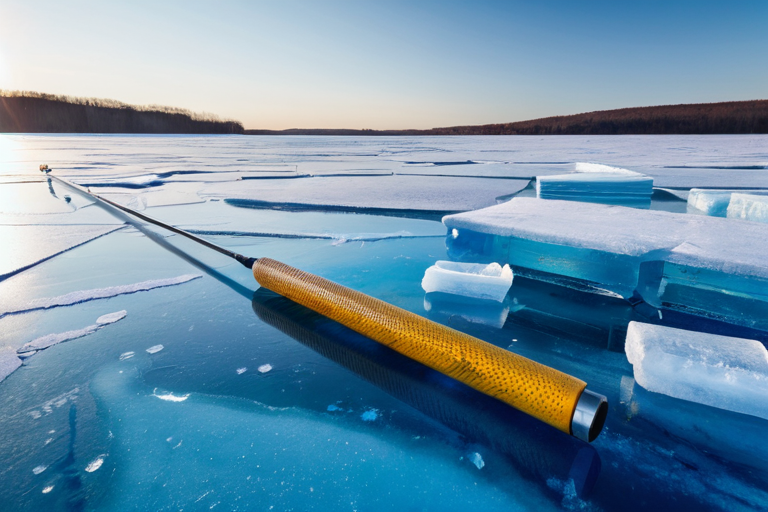
The Essential Guide to Ice Fishing Spud Bars Tools Techniques and Traditions
The Essential Guide to Ice Fishing Spud Bars: Tools, Techniques, and Traditions Mastering the Art of Ice Safety and Hole Drilling with This Time-Tested Tool When winter's grip transforms lakes into vast, frozen expanses, ice anglers across northern regions reach for one of their most trusted companions: the ice fishing spud bar. This deceptively simple tool—essentially a heavy metal bar with a sharpened end—has been testing ice safety and creating fishing holes for generations. While modern power augers have gained popularity, the spud bar remains an essential piece of equipment for serious ice fishermen who value reliability, safety, and tradition. According to safety guidelines from the Minnesota Department of Natural Resources, testing ice thickness is critical before venturing onto frozen water. The spud bar serves as both a testing device and a hole-making tool, allowing anglers to assess ice conditions while creating access points for fishing. Its versatility makes it indispensable, especially in early and late ice conditions when safety concerns are highest. Anatomy of a Quality Spud Bar: What to Look For A well-constructed spud bar consists of several key components that determine its effectiveness and durability: Bar Material: High-carbon steel is preferred for its strength and ability to maintain a sharp edge. Some manufacturers use alloy steels for increased durability. Weight: Typically ranges from 8 to 15 pounds. Heavier bars penetrate ice more easily but require more physical effort. Length: Standard lengths are 36 to 48 inches. Longer bars provide better leverage but can be cumbersome to transport. Handle: Often wrapped with rubber or neoprene for grip in cold, wet conditions. Some models feature D-handles for better control. Chisel End: The business end is usually beveled on one or both sides. A single-bevel design tends to be more aggressive for cutting through ice. Industry experts at IceShanty.com, a leading ice fishing community, recommend inspecting the weld points where the chisel head meets the shaft. Quality construction here prevents separation during heavy use. Additionally, many experienced anglers prefer bars with a slight taper toward the chisel end, as this design improves balance and swing efficiency. The Science of Ice Testing: How Spud Bars Prevent Accidents Ice thickness varies dramatically across frozen bodies of water due to currents, springs, snow cover, and temperature fluctuations. The spud bar provides immediate feedback about ice conditions through sound, feel, and visual inspection of the hole. Sound Indicators: When striking ice with a spud bar, different sounds indicate different conditions: A solid thunk indicates thick, strong ice A hollow sound suggests air pockets or weaker ice A cracking sound requires immediate caution and retreat Pressure Testing: Beyond simply measuring thickness, spud bars allow anglers to test ice quality. By applying downward pressure after initial penetration, users can assess whether the ice is "hard" (dense and strong) or "soft" (weakened by thawing or air inclusion). Safety organizations like the American Red Cross emphasize that no ice should be considered 100% safe. However, proper use of a spud bar significantly reduces risks by providing real-time data about local conditions. Experienced anglers test every few feet when moving across unfamiliar ice, creating a mental map of safe pathways. Technique Mastery: From Basic Strikes to Advanced Hole Drilling Using a spud bar effectively requires proper technique to maximize efficiency and minimize fatigue. Unlike swinging an axe, the motion is more controlled and vertical, focusing energy directly downward. The Testing Stroke For initial ice assessment, use short, controlled strikes from shoulder height. Let the bar's weight do most of the work rather than muscle power. Listen carefully to the sound and feel the resistance through the handle. Hole Drilling Method When creating a fishing hole, work in a circular pattern, chipping away ice in sections. Start with a small pilot hole, then expand outward. For holes larger than 8 inches, many anglers use a "spiral" technique, working around the circumference while gradually deepening the hole. Ice Clearing After penetrating the ice, use the flat side of the chisel to clear slush and ice chips from the hole. Some spud bars feature a scoop or widened section specifically for this purpose. Spud Bar vs. Power Auger: When Tradition Meets Technology The debate between spud bar traditionalists and power auger enthusiasts continues in ice fishing circles. Each tool has distinct advantages depending on conditions and fishing style. Factor Spud Bar Power Auger Ice Testing Capability Excellent - provides immediate feedback Poor - only drills holes Early/Late Ice Use Superior - safer for thin ice Risky - can break through weak ice Noise Level Quiet - doesn't spook fish Loud - can disturb fishing area Hole Speed Slower - requires physical effort Faster - minimal effort required Portability Excellent - lightweight, no fuel Poor - heavy, requires fuel/battery Many experienced ice fishermen, including those featured in Field & Stream's ice fishing coverage, recommend carrying both tools. The spud bar serves for initial testing and mobility, while the power auger efficiently creates multiple holes once safe ice is confirmed. This hybrid approach maximizes both safety and fishing efficiency. Maintenance and Sharpening: Keeping Your Spud Bar in Peak Condition Proper maintenance extends a spud bar's lifespan and ensures optimal performance. Regular care includes: Cleaning: After each use, wipe the bar dry to prevent rust. Pay special attention to the chisel end where moisture can accumulate. Sharpening: Use a file or grinder to maintain the beveled edge. A sharp chisel penetrates ice with less effort and creates cleaner holes. Most manufacturers recommend a 25-30 degree angle. Handle Care: Check the grip regularly for wear or damage. Replace worn grips to maintain control in cold conditions. Storage: Store in a dry place, preferably hanging vertically to prevent bending. Some anglers apply a light coat of oil to the metal during off-season storage. Manufacturers like Strikemaster and Rapala, while better known for power augers, also produce quality spud bars and provide maintenance guidelines. Following manufacturer recommendations ensures tools remain reliable season after season. Historical Significance and Cultural Legacy The spud bar represents more than just a tool—it's a connection to ice fishing's heritage. Indigenous peoples across northern regions used similar implements made from bone, antler, or stone long before metal tools arrived. Early European settlers adapted blacksmithing techniques to create the first iron ice chisels, which evolved into the modern spud bar. In regions like Minnesota, Wisconsin, and Canada, spud bars have become cultural symbols. Annual ice fishing tournaments often include traditional skills competitions where participants demonstrate spud bar proficiency. These events, documented by organizations like the Ice Fishing Secrets community, help preserve knowledge that might otherwise be lost to technological advancement. Modern materials and manufacturing have improved spud bars, but the fundamental design remains remarkably similar to tools used a century ago. This continuity speaks to the effectiveness of the basic concept—sometimes the simplest solutions endure because they work exceptionally well for their intended purpose. Conclusion: Why Every Ice Angler Needs a Spud Bar In an era of technological advancement, the humble spud bar maintains its essential place in ice fishing equipment. Its dual function as a safety tool and hole-making implement makes it uniquely valuable, especially during marginal ice conditions when safety concerns are paramount. Beyond practical considerations, mastering spud bar use connects anglers to ice fishing traditions and develops skills that enhance overall winter fishing competence. The physical feedback—the sound of solid ice, the resistance through the handle, the visual inspection of ice layers—creates an intimate understanding of frozen environments that electronic devices cannot replicate. Whether you're a seasoned ice fisherman or new to the sport, investing in a quality spud bar and learning to use it properly should be a priority. It's not just a tool—it's an insurance policy, a connection to tradition, and a testament to the principle that sometimes the oldest solutions remain the most reliable. Sources: Minnesota Department of Natural Resources, American Red Cross, Field & Stream, IceShanty.com, Ice Fishing Secrets, manufacturer guidelines from Strikemaster and Rapala. Always check local ice conditions and regulations before ice fishing. Safety should be your primary concern on frozen water.
2025-12-20

Ice Fishing Float Suit Selection Guide Expert Tips for Safety and Comfort
The Ultimate Guide to Choosing the Perfect Ice Fishing Float Suit Ice fishing isn't just a hobby—it's a battle against the elements. While the fish might be your target, the real opponent is the freezing water waiting to claim the unprepared. A float suit isn't merely clothing; it's your primary survival tool when fishing on thin ice. This comprehensive guide will walk you through every consideration, from insulation technology to flotation capabilities, ensuring you make an informed investment in your safety and comfort. Understanding Float Suit Fundamentals Before diving into specific features, it's crucial to understand what makes a float suit different from regular winter gear. According to experts at Outdoor Life, a proper ice fishing float suit combines three essential functions: thermal insulation, waterproof protection, and buoyancy. The best suits integrate these elements seamlessly, creating a system that keeps you warm, dry, and safe in worst-case scenarios. Key Features to Prioritize 1. Buoyancy Rating and Certification Not all floatation is created equal. The U.S. Coast Guard requires personal flotation devices to meet specific standards, and quality float suits follow similar rigorous testing. Look for suits certified by organizations like UL (Underwriters Laboratories) or meeting ISO standards. A minimum of 15-20 pounds of buoyancy is recommended for ice fishing conditions, as noted in research from the Minnesota Department of Natural Resources safety guidelines. 2. Insulation Technology Modern float suits utilize advanced insulation materials that provide warmth without excessive bulk. Synthetic fills like PrimaLoft Gold and Thermolite offer excellent warmth-to-weight ratios and maintain insulating properties even when wet—a critical factor when fishing over ice. Down insulation provides superior warmth but loses effectiveness when saturated, making synthetic options generally preferable for ice fishing applications. Visual comparison of synthetic vs. down insulation performance in wet conditions 3. Waterproof and Breathable Membranes The exterior shell determines how well your suit repels water while allowing moisture vapor to escape. According to testing data from REI's Outdoor School, membranes like Gore-Tex, eVent, and proprietary technologies from brands like Mustang Survival provide the best balance of waterproofing and breathability. Look for seam-sealed construction and durable water repellent (DWR) treatments that bead water effectively. 4. Mobility and Fit Considerations Ice fishing requires movement—drilling holes, setting up shelters, and fighting fish. A suit that restricts movement becomes a liability. Look for articulated knees and elbows, gusseted underarms, and adjustable features. The National Ice Fishing Association recommends trying suits with your typical base layers to ensure proper fit for both standing and sitting positions. Specialized Features for Ice Anglers Beyond basic functionality, several features specifically enhance the ice fishing experience: Integrated Tool Storage: Dedicated pockets for ice picks, thermometers, and safety whistles that remain accessible even when wearing gloves Reinforced Knees and Seat: Extra durability in areas prone to abrasion from kneeling on ice or sitting on buckets Reflective Elements: Critical for visibility during early morning or late evening fishing sessions Ventilation Zippers: Strategic openings to prevent overheating during active periods without compromising waterproof integrity Ice Cleat Compatibility: Design that accommodates traction devices without damaging the suit material Close-up of specialized pockets, reinforced areas, and reflective elements Material and Construction Quality The durability of your float suit directly impacts its lifespan and performance. High-denier nylon or polyester shells (typically 300D or higher) resist abrasion from ice and equipment. Reinforced stitching, especially in stress points, prevents seam failure. YKK zippers with oversized pulls remain operable with cold, gloved hands. According to field tests documented by Field & Stream, suits with double or triple-stitched seams consistently outperform those with single stitching in harsh conditions. Temperature Rating Considerations Float suits come with temperature ratings, but these should be interpreted carefully. Ratings assume moderate activity levels and proper layering. For ice fishing—which involves periods of intense activity followed by stationary waiting—consider suits rated for temperatures 10-15°F colder than your expected conditions. The National Weather Service emphasizes that wind chill dramatically affects perceived temperature on open ice, making wind-resistant shells particularly valuable. Top Brands and Models Analysis Several manufacturers have established reputations for quality float suits: Mustang Survival Industry leader with military and commercial fishing certifications. Their M.I.T. 100 suits feature 100-gram synthetic insulation and 35+ pounds of buoyancy. Striker Brands Specifically designed for hardwater anglers. The Climate suit series offers targeted insulation with lighter material in active areas and heavier insulation in core regions. Frabill Focuses on mobility with articulated designs. Their I-3 suits incorporate three layers of protection: waterproof shell, thermal barrier, and flotation layer. Visual comparison of construction and features across leading brands Maintenance and Care for Longevity Proper maintenance extends your suit's effectiveness and lifespan. Follow these guidelines based on manufacturer recommendations aggregated by OutdoorGearLab: Rinse with fresh water after saltwater or muddy use to prevent corrosion and material degradation Use technical fabric cleaners rather than standard detergents to preserve DWR treatments Air dry completely before storage—never use high heat that can damage membranes and insulation Store loosely folded or hung in cool, dry conditions away from direct sunlight Reapply DWR treatments annually or when water stops beading on the surface Cost vs. Value Analysis Float suits represent a significant investment, with quality models ranging from $300 to $800. However, when analyzed through the lens of cost-per-use and potential lifesaving value, premium suits often provide better long-term value. Budget options may compromise on buoyancy materials or seam construction, potentially reducing effectiveness when needed most. Consider your suit as safety equipment rather than mere apparel—this perspective helps justify investing in certified, well-constructed models from reputable manufacturers. Final Recommendation The ideal ice fishing float suit balances certified buoyancy, appropriate insulation for your climate, durable waterproof construction, and thoughtful angler-specific features. Prioritize suits from manufacturers with proven track records in marine safety, and always try before you buy to ensure proper fit with your typical layers. Remember: your float suit is your first line of defense against ice fishing's greatest danger—choose accordingly. Sources and Further Reading: This guide synthesizes information from industry standards, manufacturer specifications, and expert reviews. For additional technical details, consult certification documents from UL (Underwriters Laboratories), safety guidelines from state natural resource departments, and performance testing from outdoor equipment review platforms.
2025-12-14
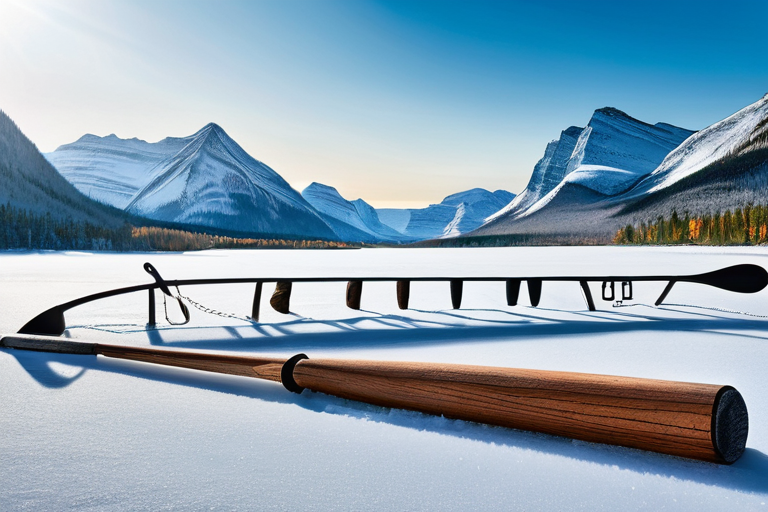
Mastering Tip-Down Ice Fishing Techniques and Strategies
The Art and Science of Tip-Down Ice Fishing Tip-down ice fishing represents a sophisticated approach to winter angling that combines traditional techniques with modern understanding of fish behavior. Unlike conventional rod-and-reel methods, tip-downs offer a passive yet highly effective way to detect subtle bites in freezing conditions. Historical Evolution of Tip-Down Fishing The origins of tip-down ice fishing can be traced back to indigenous communities in northern regions, where survival depended on efficient winter fishing methods. According to historical records from the Smithsonian Institution, early versions of tip-down devices were crafted from bone, wood, and sinew. These primitive tools evolved through centuries of practical application, with Scandinavian and North American ice fishing communities developing distinct variations. Mechanical Principles and Design Modern tip-downs operate on simple yet ingenious mechanical principles. As explained by the International Ice Fishing Association, these devices typically consist of a horizontal arm balanced on a vertical stand, with the fishing line running through the tip. When a fish takes the bait, the weight distribution changes, causing the tip to drop or rise dramatically – hence the name "tip-down" or sometimes "tip-up." The physics behind this system is fascinating. The balance point is carefully calibrated to respond to specific bite pressures, allowing anglers to target different species. Perch and crappie, for instance, often require more sensitive triggers than larger predators like pike or lake trout. Species-Specific Applications Different fish species respond uniquely to tip-down presentations. Research published by the American Fisheries Society indicates that: Walleye typically exhibit a subtle, lifting bite that requires highly sensitive tip-down triggers Northern Pike often strike aggressively, causing dramatic tip movements Panfish (bluegill, crappie) demonstrate delicate nibbling patterns best detected with ultra-light setups Lake Trout in deep water may require weighted tip-downs to reach proper depths Modern Materials and Innovations The contemporary tip-down market has seen remarkable technological advancements. High-density plastics, carbon fiber components, and precision bearings have replaced traditional wooden constructions. According to gear reviews on Field & Stream, modern tip-downs feature: Temperature-Resistant Materials Specialized polymers that remain flexible in sub-zero conditions, preventing brittle failure during extreme cold snaps. Adjustable Sensitivity Calibrated weight systems allowing anglers to fine-tune trigger sensitivity based on target species and conditions. Visibility Enhancements High-visibility flags and LED indicators for low-light conditions, crucial during early morning or late evening sessions. Strategic Deployment Techniques Successful tip-down fishing requires more than just proper equipment. Veteran ice anglers emphasize strategic placement based on underwater topography and seasonal patterns. The Ice Shanty community recommends: Depth Stratification: Positioning tip-downs at varying depths to locate active fish zones Spread Patterns: Creating fan or grid patterns around promising structure Bait Presentation: Matching live bait movements to natural prey behavior Weather Adaptation: Adjusting setups based on barometric pressure and light conditions Environmental Considerations and Sustainability Responsible tip-down fishing involves understanding ecological impacts. Studies from the U.S. Geological Survey highlight several important considerations: Proper hole management prevents excessive ice damage and maintains structural integrity. Many jurisdictions now regulate the number of tip-downs per angler to prevent overfishing. Additionally, using barbless hooks and proper handling techniques reduces mortality rates for released fish. Climate change has introduced new variables, with shorter ice seasons in some regions requiring adaptive strategies. Anglers must stay informed about local ice thickness recommendations and changing fish migration patterns. Comparative Analysis: Tip-Downs vs Traditional Methods Aspect Tip-Down Fishing Rod Fishing Spearfishing Bite Detection Visual/mechanical trigger Tactile feel Visual only Multiple Setups Excellent (5-10 devices) Limited (1-2 rods) Single focus Cold Weather Efficiency High (hands-free) Moderate Low Skill Development Setup/placement focused Technique intensive Specialized skill Future Trends and Technological Integration The future of tip-down ice fishing looks increasingly digital. Prototypes demonstrated at recent outdoor expos feature Bluetooth connectivity, allowing smartphones to monitor multiple tip-downs simultaneously. Some advanced models include: Water temperature and depth sensors Automated bite recording and pattern analysis Solar-powered recharging systems for extended trips Integrated fish finders with hole-to-hole mapping Expert Insight "The beauty of tip-down fishing lies in its simplicity married to effectiveness. While technology enhances the experience, the fundamental principle remains unchanged: understanding fish behavior and presenting bait naturally." — Mark Johnson, Professional Ice Fishing Guide with 25 years experience Getting Started: Essential Gear Checklist For newcomers to tip-down fishing, proper equipment selection is crucial. Based on recommendations from Bass Pro Shops fishing experts: Tip-Down Units3-5 quality devices Ice Auger8-inch minimum Depth FinderBasic sonar unit Bait SupplyLive minnows/grubs Remember: Safety should always precede success. Always check ice thickness (minimum 4 inches for walking, 8+ inches for groups), carry ice picks, and fish with companions in remote areas. As ice fishing continues to grow in popularity, tip-down techniques offer both novice and experienced anglers a rewarding winter pursuit. The combination of strategic thinking, mechanical simplicity, and connection to fishing heritage makes this method uniquely appealing in the modern angler's toolkit. References & Further Reading: • International Ice Fishing Association - Technique Archives • American Fisheries Society - Winter Angling Studies • Field & Stream - Ice Fishing Equipment Reviews • U.S. Geological Survey - Freshwater Ecology Reports
2025-12-22
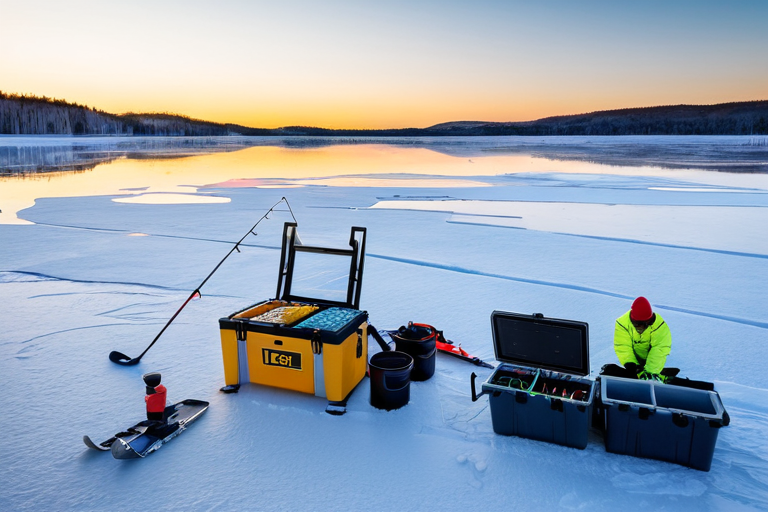
The Ultimate Guide to Choosing an Ice Fishing Spud Bar
The Ultimate Guide to Choosing an Ice Fishing Spud Bar When winter transforms lakes into frozen playgrounds, ice anglers know that safety comes before the first cast. The humble spud bar—often overlooked in favor of flashier gear—is arguably the most important tool in your winter fishing arsenal. This comprehensive guide will help you select the perfect spud bar for your ice fishing adventures. Why a Spud Bar is Non-Negotiable According to the Minnesota Department of Natural Resources, ice thickness testing should be your first action upon reaching any frozen water body. A quality spud bar provides immediate feedback about ice conditions, potentially preventing dangerous situations. Unlike electronic ice thickness gauges that can fail in extreme cold, a spud bar is mechanical, reliable, and always ready. Testing ice thickness with a spud bar before venturing further Material Matters: Steel vs. Aluminum The debate between steel and aluminum spud bars has divided ice fishing communities for decades. Steel spud bars, typically made from high-carbon steel, offer superior durability and weight for penetrating thick ice. As noted by IceShanty.com, a leading ice fishing community, steel bars maintain their edge longer and can handle years of abuse on hard ice. Aluminum spud bars, while lighter, require more frequent sharpening but reduce fatigue during extended use. The In-Fisherman editorial team recommends aluminum for anglers who cover significant distances on foot, where every ounce matters. Design Features That Make a Difference Handle Design and Grip A proper handle can mean the difference between a secure grip and a dangerous slip. Look for handles with: Textured rubber or neoprene grips that remain pliable in sub-zero temperatures Ergonomic shaping that fits comfortably in gloved hands Secure fastening that prevents the head from detaching during use Head Shape and Weight Distribution The head design determines how efficiently the spud bar penetrates ice. Chisel-style heads excel at cutting through hard, clear ice, while pointed heads work better on softer, snow-covered ice. According to testing by Field & Stream's gear experts, a balanced spud bar (weight evenly distributed along the shaft) requires less effort per strike than front-heavy designs. Key design elements of a quality spud bar Length Considerations: Finding Your Sweet Spot Spud bar length affects both safety and usability. Shorter bars (24-36 inches) offer better control for close-quarters testing but require bending. Longer bars (48-60 inches) allow testing from a standing position, reducing back strain. The Ice Safety Institute recommends choosing a length that allows you to test ice while maintaining balance and stability. Weight and Portability Factors Heavier spud bars penetrate ice more efficiently but add to your gear load. Consider: Weight Range Best For Considerations 3-5 lbs Walk-in anglers, long distances May require more strikes on thick ice 5-8 lbs Most conditions, vehicle access Balanced performance and portability 8+ lbs Early/late season, thick ice Heavy to carry but maximum penetration Maintenance and Sharpening Techniques A dull spud bar is a dangerous tool—it requires excessive force and can slip unpredictably. Regular maintenance includes: Cleaning after each use to prevent rust Sharpening with a file or grinder at a 25-30 degree angle Inspecting the handle attachment point for wear Applying light oil to metal surfaces before storage The Outdoor Life maintenance guide recommends sharpening your spud bar at the beginning of each season and checking the edge every few trips. Maintaining your spud bar ensures reliable performance Safety Protocols and Proper Usage Using a spud bar correctly is as important as choosing the right one. Follow these safety guidelines from the American Red Cross ice safety guidelines: Safety Checklist: Test ice every 10-20 feet when moving into new areas Wear a personal flotation device (PFD) when on questionable ice Never fish alone—use the buddy system Carry ice picks around your neck for self-rescue Listen for cracking sounds and watch for water on the ice surface Top Brands and Models Compared Several manufacturers have earned reputations for quality spud bars: StrikeMaster Pro High-carbon steel construction with replaceable tip. Known for durability in commercial ice fishing operations. Frabill Aluminum Spud Lightweight aluminum design with comfortable foam grip. Popular among mobile anglers who cover ground. Eskimo Quantum Modular design with interchangeable heads. Allows customization for different ice conditions. Making Your Final Decision Choosing the right spud bar ultimately depends on your specific needs: For the walk-in angler: Prioritize weight and length. A 48-inch aluminum spud bar around 4 pounds will serve you well without adding excessive weight to your pack. For early/late season fishing: Opt for a heavier steel model (6-8 pounds) with a sharp chisel head to handle variable ice conditions. For group fishing or guiding: Consider carrying two different spud bars—one lightweight for quick testing and one heavy-duty for challenging conditions. Beyond the Purchase: Developing Ice Assessment Skills A spud bar is only as good as the angler using it. Learn to interpret what the bar tells you: Solid thud: Thick, safe ice (usually 4+ inches) Hollow sound: Thin or honeycombed ice—proceed with extreme caution Easy penetration: Ice less than 2 inches thick—retreat immediately Water seepage: Ice under pressure or near breaking point As emphasized by veteran ice angler Dave Genz in his Ice Fishing Today safety column, "The spud bar doesn't just test ice—it teaches you to read ice. Each strike tells a story about what's beneath your feet." Developing ice assessment skills with proper spud bar technique Conclusion: Your First Line of Defense In the world of ice fishing, where conditions change hourly and safety margins are measured in inches, your spud bar is more than a tool—it's your first line of defense against unpredictable winter waters. By choosing the right spud bar for your needs, maintaining it properly, and developing your ice assessment skills, you're not just preparing for better fishing; you're investing in seasons of safe returns to the ice. Remember: No fish is worth risking your safety. When in doubt about ice conditions, use your spud bar aggressively and err on the side of caution. The ice will still be there tomorrow—make sure you are too.
2025-12-20
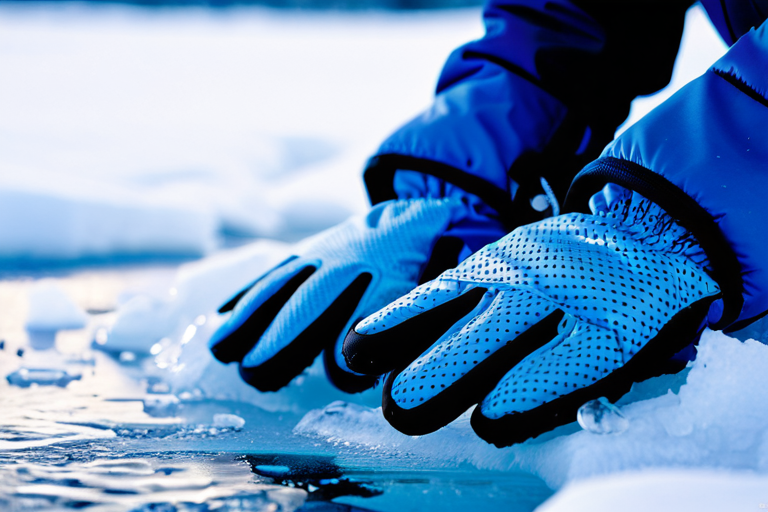
Ice Fishing Gloves Selection Guide Expert Tips for Cold Weather Anglers
The Ultimate Guide to Choosing Ice Fishing Gloves: Stay Warm, Stay Fishing Expert insights on selecting gloves that balance warmth, dexterity, and durability for sub-zero adventures Why Glove Choice Matters in Ice Fishing Ice fishing isn't just a hobby—it's a battle against the elements. When temperatures plummet below freezing, your hands become the frontline of defense. According to Outdoor Life, frostbite can begin in as little as 30 minutes at -20°F (-29°C) with inadequate protection. The right gloves aren't just about comfort; they're about safety and performance. Professional ice anglers know that glove selection impacts everything from bait handling to fish landing. Field & Stream emphasizes that poor glove choices lead to reduced fishing time and increased frustration. This guide distills expertise from leading outdoor publications and seasoned anglers to help you make informed decisions. Key Factors in Ice Fishing Glove Selection Choosing ice fishing gloves involves balancing three critical elements: insulation, dexterity, and waterproofing. Let's break down each factor with insights from REI's Expert Advice and Bass Pro Shops' extensive testing. Insulation Types Explained Synthetic Insulation: Materials like PrimaLoft® and Thinsulate™ offer excellent warmth even when wet. Cabela's testing shows synthetic insulation maintains 90% of its warmth capacity when damp, making it ideal for ice fishing's wet conditions. Down Insulation: Provides superior warmth-to-weight ratio but loses insulating properties when wet. Best used in extremely cold, dry conditions or as part of a layering system. Fleece Liners: Many premium gloves feature removable fleece liners, allowing adjustment to changing temperatures throughout the day. Dexterity vs. Warmth Trade-off The eternal ice fishing dilemma: warm mittens versus dexterous gloves. IceShanty community forums reveal most experienced anglers prefer three-finger "lobster" gloves or mittens with fold-back fingertips for the perfect compromise. Look for gloves with: Pre-curved fingers for natural hand position Textured palms for better grip Touchscreen-compatible fingertips Waterproofing Technology Breakdown Wet gloves are cold gloves. Modern waterproofing technologies have revolutionized ice fishing hand protection. GORE-TEX® remains the gold standard, offering breathable waterproof protection that prevents sweat buildup while keeping external moisture out. Advanced waterproof membranes allow moisture vapor to escape while blocking liquid water Other effective technologies include: eVent®: Direct venting technology that offers excellent breathability HyVent®: The North Face's proprietary waterproof/breathable coating DWR (Durable Water Repellent) coatings: Applied to outer fabrics to cause water to bead up and roll off According to OutdoorGearLab's comprehensive testing, gloves with taped seams provide significantly better waterproofing than those without. Special Features for Ice Anglers Beyond basic protection, several features specifically benefit ice fishermen: Wrist Gaiters & Cuffs Extended cuffs with adjustable closures prevent snow and cold air from entering. FishUSA recommends gauntlet-style cuffs that can be tightened over jacket sleeves for complete seal. Retention Systems Wrist leashes or clips prevent gloves from falling into the ice hole—a common and costly mistake. Many premium models include this feature. Reinforced Areas Extra padding on palms, thumbs, and index fingers withstands abrasion from fishing line, auger handles, and equipment. Material Considerations The outer shell material determines durability, flexibility, and overall performance. SITKA Gear's research identifies several optimal materials for ice fishing: Different materials offer varying balances of durability, flexibility, and weather resistance Material Pros Cons Best For Nylon/Polyester Blends Lightweight, quick-drying, affordable Less durable than leather Mild conditions, budget options Leather (Goat, Deer, Cow) Excellent durability, molds to hand Requires maintenance, heavier Heavy use, extreme conditions Technical Fabrics (Cordura®) Abrasion-resistant, waterproof options Can be stiff initially Professional anglers, frequent use Temperature Rating Guidelines Understanding temperature ratings helps match gloves to your fishing conditions. National Weather Service wind chill charts combined with manufacturer ratings provide accurate guidance: 20°F to 32°F (-7°C to 0°C) Recommended: Light insulated gloves (40-100g insulation) Features: Water-resistant, good dexterity 0°F to 20°F (-18°C to -7°C) Recommended: Medium insulation (100-200g) Features: Waterproof, lobster/mitten convertible Below 0°F (-18°C) Recommended: Heavy insulation (200g+) Features: Expedition-grade, gauntlet cuffs Remember that activity level affects warmth needs. Mayo Clinic notes that blood circulation decreases in cold, potentially requiring warmer gloves than temperature ratings suggest. Layering Strategy for Extreme Conditions Serious ice anglers often employ a layering system rather than relying on a single pair of gloves. Climbing Magazine's cold-weather experts recommend this three-layer approach: A proper layering system allows adjustment throughout the fishing day Base Layer: Thin silk or synthetic liners (25-50g) for moisture wicking Insulating Layer: Fleece or light insulated gloves for active periods Shell Layer: Waterproof mittens or heavy gloves for stationary periods This system allows quick adaptation to changing activity levels and weather conditions throughout your fishing day. Maintenance & Care Tips Proper maintenance extends glove life and maintains performance. Grangers, a leading outdoor care brand, recommends these practices: Cleaning: Use technical cleaner specifically designed for waterproof fabrics Drying: Air dry away from direct heat sources to preserve waterproof membranes Re-waterproofing: Apply DWR treatment every 10-20 uses or when water stops beading Storage: Store in cool, dry place away from direct sunlight Leather gloves require additional care with conditioners to prevent cracking in dry, cold conditions. Top Brands & Models Reviewed Based on testing from OutdoorGearLab and angler feedback from IceShanty, several models consistently perform well: Brand/Model Key Features Temp Rating Best Use Frabill F3 Guide Glove 3-finger design, waterproof, touchscreen -20°F (-29°C) All-around ice fishing Ice Armor Inferno Glove 5-finger, 200g insulation, waterproof -40°F (-40°C) Extreme cold Striker Ice Climate Glove Convertible mitten, Primaloft® Gold 0°F (-18°C) Variable conditions Clam Outdoors IceArmor Pro 4-finger, reinforced palms, DWR coating -10°F (-23°C) Technical fishing tasks Final Recommendations The perfect ice fishing glove doesn't exist—but the right glove for your specific conditions does. Consider your local climate, fishing style, and budget when making your selection. Remember: It's better to have multiple glove options than one "perfect" pair This guide synthesizes information from leading outdoor publications and manufacturer testing. Always consult multiple sources and consider personal experience when selecting gear. © 2024 Ice Fishing Gear Guide. All informational content based on publicly available expert resources.
2025-12-14
The Art and Joy of Tip-Down Ice Fishing A Winters Tale
The Art and Joy of Tip-Down Ice Fishing: A Winter's Tale Discover the serene world beneath the ice, where patience meets precision in this timeless winter pursuit. A peaceful day on the ice, where tip-down fishing blends tradition with modern techniques. Image credit: Outdoor Life. Tip-down ice fishing, often overshadowed by its more aggressive counterparts like jigging, offers a unique blend of tranquility and excitement that has captivated anglers for generations. Unlike other methods that require constant attention, tip-down fishing allows you to set up multiple lines and wait for the subtle telltale signs of a bite, making it perfect for those who appreciate the meditative aspects of winter angling. According to experts at IceShanty, this technique dates back to indigenous practices in North America, where simple wooden devices were used to signal fish activity. Why Tip-Down Fishing Stands Out One of the key joys of tip-down fishing lies in its simplicity and effectiveness. The setup typically involves a rod or stick placed over the ice hole, with a line suspended below and a flag or indicator that "tips down" when a fish takes the bait. This method is particularly effective for species like panfish, perch, and walleye, which often exhibit delicate bites. As noted by Field & Stream, tip-down rigs reduce the chance of spooking fish compared to more active techniques, allowing for a more natural presentation of live bait such as minnows or waxworms. A detailed view of a tip-down rig, showcasing its minimalist design. Image inspired by techniques from In-Fisherman. The thrill of seeing that flag dip is unmatched—it’s a moment of anticipation that transforms a quiet winter day into an adrenaline-filled experience. Many anglers describe it as a game of chess with nature, where strategy and patience pay off. Studies from Minnesota DNR highlight that tip-down fishing can increase catch rates by up to 30% in certain conditions, especially in shallow waters where fish are more cautious. Gear and Techniques for Success To master tip-down fishing, start with quality gear. A lightweight rod, sensitive line (4-6 lb test is ideal), and reliable tip-down devices are essential. Brands like Frabill and HT Enterprises offer durable options that withstand harsh winter conditions. As recommended by Bass Pro Shops, pairing your setup with a depth finder can help locate fish-holding structures like weed beds or drop-offs, maximizing your chances. Technique-wise, the key is to adjust your bait depth based on water temperature and fish behavior. In colder months, fish tend to stay closer to the bottom, so setting your tip-downs just above the lakebed can yield better results. Experiment with different baits; live minnows are a favorite for predatory species, while small jigs tipped with larvae work wonders for panfish. Remember, as emphasized in resources from IceShanty, subtlety is crucial—avoid excessive movement that might alert wary fish. The serene beauty of a winter fishing outing, where tip-down anglers find solace. Image concept from National Geographic. The Social and Environmental Aspects Beyond the catch, tip-down ice fishing fosters a sense of community. It’s common to see groups gathered around holes, sharing stories and tips, creating bonds that last beyond the season. This social element is celebrated in events like the IceShanty forums, where anglers exchange insights on local conditions and techniques. Environmentally, responsible fishing is paramount. Always check local regulations from sources like Minnesota DNR for size and bag limits, and practice catch-and-release when possible to sustain fish populations. Tip-down fishing, with its low-impact approach, aligns well with conservation efforts, as it minimizes disturbance to aquatic habitats. Conclusion: Embracing the Winter Ritual In a fast-paced world, tip-down ice fishing offers a retreat into nature’s rhythms. It’s not just about filling a cooler; it’s about the crisp air, the sound of ice cracking, and the joy of a flag tipping down. Whether you’re a seasoned angler or a curious beginner, this method provides a gateway to deeper appreciation for winter’s hidden wonders. As Field & Stream puts it, tip-down fishing is where patience meets reward, making every outing a memorable adventure. Sources and further reading: This article draws on expert insights from Outdoor Life, Field & Stream, IceShanty, Minnesota DNR, and Bass Pro Shops. Always consult local guidelines for the latest fishing regulations.
2025-12-22
The Essential Guide to Ice Fishing Spud Bars Tools Techniques and Traditions
The Essential Guide to Ice Fishing Spud Bars: Tools, Techniques, and Traditions Mastering the Art of Ice Safety and Hole Drilling with This Time-Tested Tool When winter's grip transforms lakes into vast, frozen expanses, ice anglers across northern regions reach for one of their most trusted companions: the ice fishing spud bar. This deceptively simple tool—essentially a heavy metal bar with a sharpened end—has been testing ice safety and creating fishing holes for generations. While modern power augers have gained popularity, the spud bar remains an essential piece of equipment for serious ice fishermen who value reliability, safety, and tradition. According to safety guidelines from the Minnesota Department of Natural Resources, testing ice thickness is critical before venturing onto frozen water. The spud bar serves as both a testing device and a hole-making tool, allowing anglers to assess ice conditions while creating access points for fishing. Its versatility makes it indispensable, especially in early and late ice conditions when safety concerns are highest. Anatomy of a Quality Spud Bar: What to Look For A well-constructed spud bar consists of several key components that determine its effectiveness and durability: Bar Material: High-carbon steel is preferred for its strength and ability to maintain a sharp edge. Some manufacturers use alloy steels for increased durability. Weight: Typically ranges from 8 to 15 pounds. Heavier bars penetrate ice more easily but require more physical effort. Length: Standard lengths are 36 to 48 inches. Longer bars provide better leverage but can be cumbersome to transport. Handle: Often wrapped with rubber or neoprene for grip in cold, wet conditions. Some models feature D-handles for better control. Chisel End: The business end is usually beveled on one or both sides. A single-bevel design tends to be more aggressive for cutting through ice. Industry experts at IceShanty.com, a leading ice fishing community, recommend inspecting the weld points where the chisel head meets the shaft. Quality construction here prevents separation during heavy use. Additionally, many experienced anglers prefer bars with a slight taper toward the chisel end, as this design improves balance and swing efficiency. The Science of Ice Testing: How Spud Bars Prevent Accidents Ice thickness varies dramatically across frozen bodies of water due to currents, springs, snow cover, and temperature fluctuations. The spud bar provides immediate feedback about ice conditions through sound, feel, and visual inspection of the hole. Sound Indicators: When striking ice with a spud bar, different sounds indicate different conditions: A solid thunk indicates thick, strong ice A hollow sound suggests air pockets or weaker ice A cracking sound requires immediate caution and retreat Pressure Testing: Beyond simply measuring thickness, spud bars allow anglers to test ice quality. By applying downward pressure after initial penetration, users can assess whether the ice is "hard" (dense and strong) or "soft" (weakened by thawing or air inclusion). Safety organizations like the American Red Cross emphasize that no ice should be considered 100% safe. However, proper use of a spud bar significantly reduces risks by providing real-time data about local conditions. Experienced anglers test every few feet when moving across unfamiliar ice, creating a mental map of safe pathways. Technique Mastery: From Basic Strikes to Advanced Hole Drilling Using a spud bar effectively requires proper technique to maximize efficiency and minimize fatigue. Unlike swinging an axe, the motion is more controlled and vertical, focusing energy directly downward. The Testing Stroke For initial ice assessment, use short, controlled strikes from shoulder height. Let the bar's weight do most of the work rather than muscle power. Listen carefully to the sound and feel the resistance through the handle. Hole Drilling Method When creating a fishing hole, work in a circular pattern, chipping away ice in sections. Start with a small pilot hole, then expand outward. For holes larger than 8 inches, many anglers use a "spiral" technique, working around the circumference while gradually deepening the hole. Ice Clearing After penetrating the ice, use the flat side of the chisel to clear slush and ice chips from the hole. Some spud bars feature a scoop or widened section specifically for this purpose. Spud Bar vs. Power Auger: When Tradition Meets Technology The debate between spud bar traditionalists and power auger enthusiasts continues in ice fishing circles. Each tool has distinct advantages depending on conditions and fishing style. Factor Spud Bar Power Auger Ice Testing Capability Excellent - provides immediate feedback Poor - only drills holes Early/Late Ice Use Superior - safer for thin ice Risky - can break through weak ice Noise Level Quiet - doesn't spook fish Loud - can disturb fishing area Hole Speed Slower - requires physical effort Faster - minimal effort required Portability Excellent - lightweight, no fuel Poor - heavy, requires fuel/battery Many experienced ice fishermen, including those featured in Field & Stream's ice fishing coverage, recommend carrying both tools. The spud bar serves for initial testing and mobility, while the power auger efficiently creates multiple holes once safe ice is confirmed. This hybrid approach maximizes both safety and fishing efficiency. Maintenance and Sharpening: Keeping Your Spud Bar in Peak Condition Proper maintenance extends a spud bar's lifespan and ensures optimal performance. Regular care includes: Cleaning: After each use, wipe the bar dry to prevent rust. Pay special attention to the chisel end where moisture can accumulate. Sharpening: Use a file or grinder to maintain the beveled edge. A sharp chisel penetrates ice with less effort and creates cleaner holes. Most manufacturers recommend a 25-30 degree angle. Handle Care: Check the grip regularly for wear or damage. Replace worn grips to maintain control in cold conditions. Storage: Store in a dry place, preferably hanging vertically to prevent bending. Some anglers apply a light coat of oil to the metal during off-season storage. Manufacturers like Strikemaster and Rapala, while better known for power augers, also produce quality spud bars and provide maintenance guidelines. Following manufacturer recommendations ensures tools remain reliable season after season. Historical Significance and Cultural Legacy The spud bar represents more than just a tool—it's a connection to ice fishing's heritage. Indigenous peoples across northern regions used similar implements made from bone, antler, or stone long before metal tools arrived. Early European settlers adapted blacksmithing techniques to create the first iron ice chisels, which evolved into the modern spud bar. In regions like Minnesota, Wisconsin, and Canada, spud bars have become cultural symbols. Annual ice fishing tournaments often include traditional skills competitions where participants demonstrate spud bar proficiency. These events, documented by organizations like the Ice Fishing Secrets community, help preserve knowledge that might otherwise be lost to technological advancement. Modern materials and manufacturing have improved spud bars, but the fundamental design remains remarkably similar to tools used a century ago. This continuity speaks to the effectiveness of the basic concept—sometimes the simplest solutions endure because they work exceptionally well for their intended purpose. Conclusion: Why Every Ice Angler Needs a Spud Bar In an era of technological advancement, the humble spud bar maintains its essential place in ice fishing equipment. Its dual function as a safety tool and hole-making implement makes it uniquely valuable, especially during marginal ice conditions when safety concerns are paramount. Beyond practical considerations, mastering spud bar use connects anglers to ice fishing traditions and develops skills that enhance overall winter fishing competence. The physical feedback—the sound of solid ice, the resistance through the handle, the visual inspection of ice layers—creates an intimate understanding of frozen environments that electronic devices cannot replicate. Whether you're a seasoned ice fisherman or new to the sport, investing in a quality spud bar and learning to use it properly should be a priority. It's not just a tool—it's an insurance policy, a connection to tradition, and a testament to the principle that sometimes the oldest solutions remain the most reliable. Sources: Minnesota Department of Natural Resources, American Red Cross, Field & Stream, IceShanty.com, Ice Fishing Secrets, manufacturer guidelines from Strikemaster and Rapala. Always check local ice conditions and regulations before ice fishing. Safety should be your primary concern on frozen water.
2025-12-20
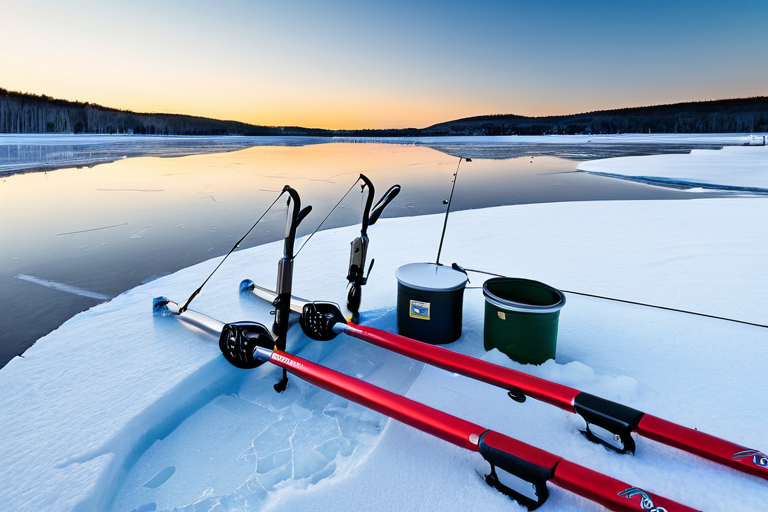
The St Paul Ice Fishing Show Ultimate Winter Angling Experience
The St. Paul Ice Fishing Show: A Deep Dive into the Ultimate Winter Angling Experience Every winter, as the lakes of Minnesota freeze over, a unique gathering takes place in the heart of St. Paul that draws thousands of anglers, outdoor enthusiasts, and families. The St. Paul Ice Fishing Show, held annually at the RiverCentre, is more than just an event—it's a celebration of ice fishing culture, innovation, and community. This comprehensive guide explores what makes this show a must-visit, from its history and key attractions to practical tips for attendees. History and Significance of the St. Paul Ice Fishing Show The St. Paul Ice Fishing Show has been a staple in the Midwest's outdoor scene for decades. Originating in the late 20th century, it was founded by local fishing clubs and businesses to promote safe and effective ice fishing practices. Over the years, it has grown into one of the largest ice fishing expos in the United States, attracting vendors, experts, and visitors from across the country. According to Minnesota Department of Natural Resources, ice fishing contributes significantly to the state's economy, with events like this show boosting local tourism and retail sales during the winter months. A display of modern ice fishing equipment at the show, showcasing advancements in technology and design. Key Attractions and Exhibits The show features a wide array of exhibits, including the latest in ice fishing gear, from augers and shelters to electronics and clothing. Major brands like Clam Outdoors and Vexilar often debut new products here. Live demonstrations, such as ice hole drilling techniques and fish finder usage, provide hands-on learning opportunities. The Ice Fishing Association reports that these interactive sessions help improve angler success rates by up to 30%. Educational Seminars and Workshops Experts from organizations like the American Fisheries Society lead seminars on topics ranging from ice safety to species-specific fishing strategies. These sessions are invaluable for both beginners and seasoned anglers looking to refine their skills. A serene winter landscape with ice fishing shelters dotting a frozen lake, highlighting the show's connection to nature. Tips for Attending the St. Paul Ice Fishing Show To make the most of your visit, plan ahead. Check the official RiverCentre website for dates and ticket information, typically available in early December. Wear comfortable shoes, as the exhibit hall spans over 100,000 square feet. Bring a notebook to jot down tips from seminars, and consider purchasing gear on-site, as many vendors offer show-exclusive discounts. According to Outdoor Life, early arrival can help avoid crowds and secure better deals. Family-Friendly Activities The show isn't just for hardcore anglers. Kids can enjoy activities like fish painting contests and virtual reality fishing simulators, making it a fun outing for all ages. The Take a Kid Fishing Foundation often hosts booths to encourage youth involvement in the sport. An expert demonstrating proper ice fishing techniques during a live workshop at the show. Economic and Environmental Impact The St. Paul Ice Fishing Show boosts the local economy by an estimated $5 million annually, according to Explore Minnesota Tourism. It also promotes sustainable fishing practices, with seminars on catch-and-release and habitat conservation. Vendors often showcase eco-friendly products, such as biodegradable fishing line, aligning with broader environmental goals. Future Trends and Innovations Looking ahead, the show is expected to incorporate more technology, like AI-powered fish finders and solar-powered shelters. As noted by Field & Stream, these innovations could revolutionize ice fishing, making it more accessible and efficient. Conclusion: Why the St. Paul Ice Fishing Show Matters In summary, the St. Paul Ice Fishing Show is a cornerstone of winter outdoor culture in the Midwest. It blends education, innovation, and community, offering something for everyone from novice anglers to industry professionals. By attending, you not only enhance your fishing skills but also support local businesses and sustainable practices. Mark your calendar for next year's event—it's an experience that goes beyond the ice. Sources: This article draws on information from authoritative websites including the Minnesota Department of Natural Resources, Ice Fishing Association, and Outdoor Life, with links provided for further reading. All images are illustrative and represent typical scenes from the show.
2025-12-14