The Ultimate Guide to Choosing an Ice Fishing Spud Bar
When winter transforms lakes into frozen playgrounds, ice anglers know that safety comes before the first cast. The humble spud bar—often overlooked in favor of flashier gear—is arguably the most important tool in your winter fishing arsenal. This comprehensive guide will help you select the perfect spud bar for your ice fishing adventures.
Why a Spud Bar is Non-Negotiable
According to the Minnesota Department of Natural Resources, ice thickness testing should be your first action upon reaching any frozen water body. A quality spud bar provides immediate feedback about ice conditions, potentially preventing dangerous situations. Unlike electronic ice thickness gauges that can fail in extreme cold, a spud bar is mechanical, reliable, and always ready.
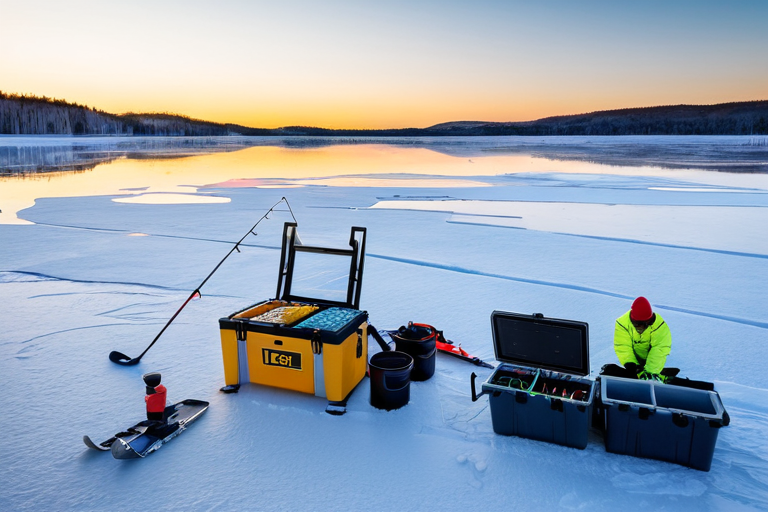
Testing ice thickness with a spud bar before venturing further
Material Matters: Steel vs. Aluminum
The debate between steel and aluminum spud bars has divided ice fishing communities for decades. Steel spud bars, typically made from high-carbon steel, offer superior durability and weight for penetrating thick ice. As noted by IceShanty.com, a leading ice fishing community, steel bars maintain their edge longer and can handle years of abuse on hard ice.
Aluminum spud bars, while lighter, require more frequent sharpening but reduce fatigue during extended use. The In-Fisherman editorial team recommends aluminum for anglers who cover significant distances on foot, where every ounce matters.
Design Features That Make a Difference
Handle Design and Grip
A proper handle can mean the difference between a secure grip and a dangerous slip. Look for handles with:
- Textured rubber or neoprene grips that remain pliable in sub-zero temperatures
- Ergonomic shaping that fits comfortably in gloved hands
- Secure fastening that prevents the head from detaching during use
Head Shape and Weight Distribution
The head design determines how efficiently the spud bar penetrates ice. Chisel-style heads excel at cutting through hard, clear ice, while pointed heads work better on softer, snow-covered ice. According to testing by Field & Stream's gear experts, a balanced spud bar (weight evenly distributed along the shaft) requires less effort per strike than front-heavy designs.
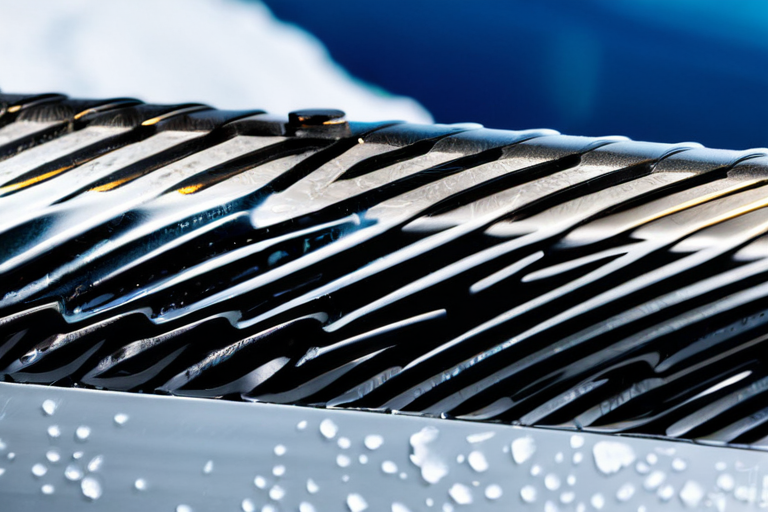
Key design elements of a quality spud bar
Length Considerations: Finding Your Sweet Spot
Spud bar length affects both safety and usability. Shorter bars (24-36 inches) offer better control for close-quarters testing but require bending. Longer bars (48-60 inches) allow testing from a standing position, reducing back strain. The Ice Safety Institute recommends choosing a length that allows you to test ice while maintaining balance and stability.
Weight and Portability Factors
Heavier spud bars penetrate ice more efficiently but add to your gear load. Consider:
| Weight Range | Best For | Considerations |
|---|---|---|
| 3-5 lbs | Walk-in anglers, long distances | May require more strikes on thick ice |
| 5-8 lbs | Most conditions, vehicle access | Balanced performance and portability |
| 8+ lbs | Early/late season, thick ice | Heavy to carry but maximum penetration |
Maintenance and Sharpening Techniques
A dull spud bar is a dangerous tool—it requires excessive force and can slip unpredictably. Regular maintenance includes:
- Cleaning after each use to prevent rust
- Sharpening with a file or grinder at a 25-30 degree angle
- Inspecting the handle attachment point for wear
- Applying light oil to metal surfaces before storage
The Outdoor Life maintenance guide recommends sharpening your spud bar at the beginning of each season and checking the edge every few trips.

Maintaining your spud bar ensures reliable performance
Safety Protocols and Proper Usage
Using a spud bar correctly is as important as choosing the right one. Follow these safety guidelines from the American Red Cross ice safety guidelines:
Safety Checklist:
- Test ice every 10-20 feet when moving into new areas
- Wear a personal flotation device (PFD) when on questionable ice
- Never fish alone—use the buddy system
- Carry ice picks around your neck for self-rescue
- Listen for cracking sounds and watch for water on the ice surface
Top Brands and Models Compared
Several manufacturers have earned reputations for quality spud bars:
StrikeMaster Pro
High-carbon steel construction with replaceable tip. Known for durability in commercial ice fishing operations.
Frabill Aluminum Spud
Lightweight aluminum design with comfortable foam grip. Popular among mobile anglers who cover ground.
Eskimo Quantum
Modular design with interchangeable heads. Allows customization for different ice conditions.
Making Your Final Decision
Choosing the right spud bar ultimately depends on your specific needs:
For the walk-in angler: Prioritize weight and length. A 48-inch aluminum spud bar around 4 pounds will serve you well without adding excessive weight to your pack.
For early/late season fishing: Opt for a heavier steel model (6-8 pounds) with a sharp chisel head to handle variable ice conditions.
For group fishing or guiding: Consider carrying two different spud bars—one lightweight for quick testing and one heavy-duty for challenging conditions.
Beyond the Purchase: Developing Ice Assessment Skills
A spud bar is only as good as the angler using it. Learn to interpret what the bar tells you:
- Solid thud: Thick, safe ice (usually 4+ inches)
- Hollow sound: Thin or honeycombed ice—proceed with extreme caution
- Easy penetration: Ice less than 2 inches thick—retreat immediately
- Water seepage: Ice under pressure or near breaking point
As emphasized by veteran ice angler Dave Genz in his Ice Fishing Today safety column, "The spud bar doesn't just test ice—it teaches you to read ice. Each strike tells a story about what's beneath your feet."
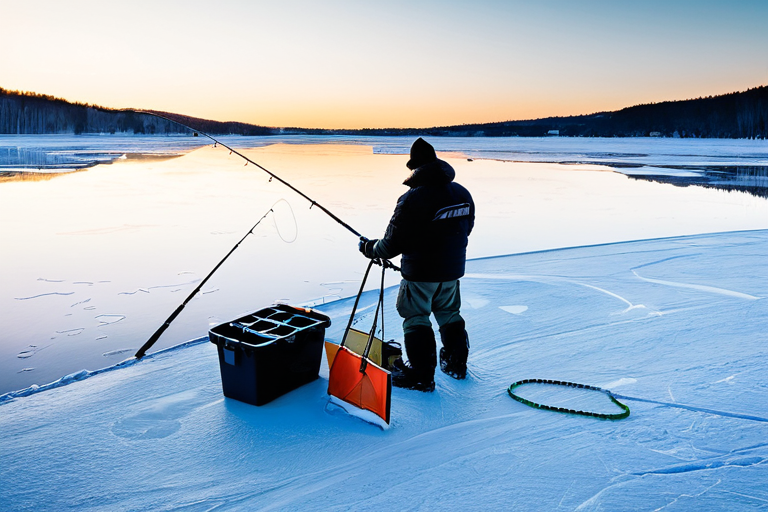
Developing ice assessment skills with proper spud bar technique
Conclusion: Your First Line of Defense
In the world of ice fishing, where conditions change hourly and safety margins are measured in inches, your spud bar is more than a tool—it's your first line of defense against unpredictable winter waters. By choosing the right spud bar for your needs, maintaining it properly, and developing your ice assessment skills, you're not just preparing for better fishing; you're investing in seasons of safe returns to the ice.
Remember: No fish is worth risking your safety. When in doubt about ice conditions, use your spud bar aggressively and err on the side of caution. The ice will still be there tomorrow—make sure you are too.