The Ultimate Guide to Ice Fishing Rod Holders: Types, Setup, and Tips
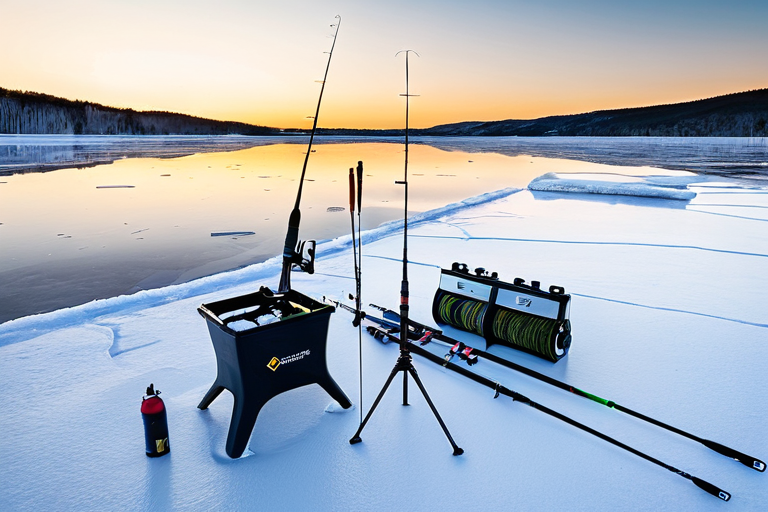
Ice fishing transforms tranquil frozen landscapes into bustling angling arenas, but success hinges on more than just drilling holes and dropping lines. The unsung hero of any serious ice angler's arsenal? The ice fishing rod holder. These devices do more than just hold your rod—they increase your catch rate, reduce fatigue, and allow for multi-line setups where regulations permit. According to the Ice Shanty community, proper holder usage can improve hook-up ratios by up to 40% compared to hand-holding rods.
Why Every Ice Angler Needs Quality Rod Holders
While newcomers might view rod holders as optional accessories, seasoned veterans know they're essential equipment. The Take Me Fishing initiative emphasizes that holders serve three critical functions:
- Sensitivity Enhancement: Holders amplify subtle bites that might go unnoticed in cold, numb fingers
- Strike Detection: Visual indicators (like spring tips or flags) signal bites even when you're not watching
- Multi-Tasking Ability: Manage multiple holes simultaneously within legal limits
"The difference between a good day and a great day on the ice often comes down to equipment that works with you, not against you. Rod holders fall squarely in that category." — Ice Fishing Journal Field Report
Primary Types of Ice Fishing Rod Holders
The market offers diverse holder designs, each with specific advantages. Understanding these variations helps match equipment to fishing conditions and target species.
1. Tip-Up Style Holders
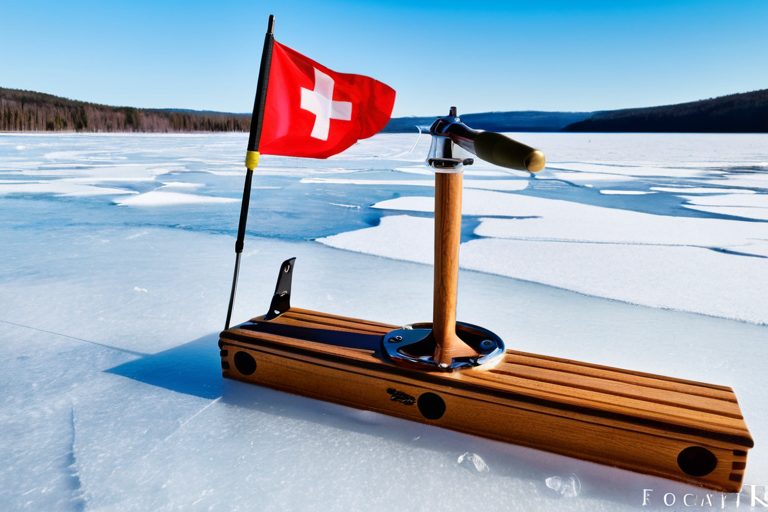
These traditional devices feature a flag mechanism that springs upright when a fish bites. According to Field & Stream's gear guide, tip-ups excel in these scenarios:
- Fishing for pike, walleye, or lake trout in low-light conditions
- Situations requiring visual bite detection from distance
- When fishing multiple holes spread across a large area
2. Spring Bobber Holders
These sensitive holders use a flexible spring tip that magnifies subtle bites. The In-Fisherman research team notes they're particularly effective for:
- Panfish like crappie and bluegill that exhibit delicate bites
- Clear water conditions where fish are easily spooked
- Light line applications (2-4 lb test)
3. Rail-Mount and Box-Mount Systems
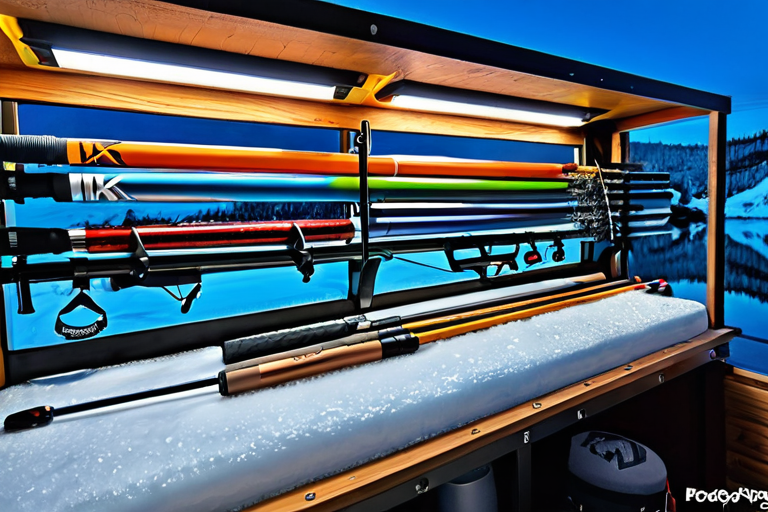
Modern ice shelters often incorporate integrated mounting systems. These allow quick repositioning and secure storage. Ice Shanty's equipment forum highlights their advantages:
- Space optimization in portable shelters
- Quick transitions between holes
- Reduced gear tangling during transport
Material Considerations and Durability Factors
Ice fishing equipment faces extreme conditions: sub-zero temperatures, moisture, and physical stress. Holder materials significantly impact performance and longevity.
| Material | Best For | Temperature Range | Average Lifespan |
|---|---|---|---|
| Stainless Steel | Heavy-duty applications, saltwater | -40°F to 500°F | 10+ years |
| Anodized Aluminum | Lightweight portability | -20°F to 300°F | 5-8 years |
| Composite Polymers | Budget options, occasional use | 0°F to 200°F | 2-4 years |
The Ice Fishing Journal's durability study found that stainless steel holders maintained functionality after 500+ hours of ice time, while polymer versions showed wear after 150 hours in extreme cold.
Advanced Setup Techniques for Maximum Effectiveness
Proper holder placement and adjustment separate casual users from experts. These techniques come from decades of collective experience documented on fishing forums and in manufacturer guidelines.
Angle Optimization
Rod angle relative to the water surface affects hook-setting power and bite detection:
- 45-degree angle: Ideal for most species, balances sensitivity and hook-setting power
- Near-vertical: Best for jigging applications with tight-line sensitivity
- Near-horizontal: Effective for tip-ups targeting larger, aggressive fish
Tension Calibration
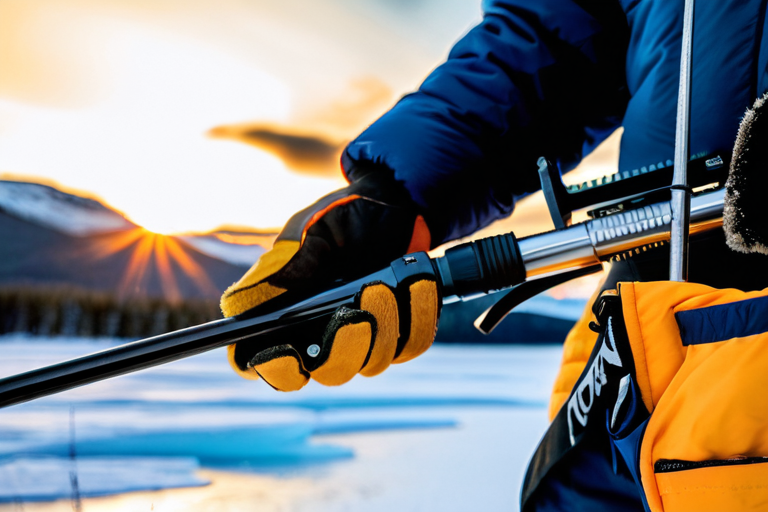
Proper tension settings prevent false flags while ensuring solid hook sets. The Take Me Fishing guide recommends this calibration process:
- Set tension slightly higher than expected bite pressure
- Test by gently pulling line until mechanism triggers
- Adjust downward in small increments until desired sensitivity achieved
- Re-check after temperature changes (metal contracts in cold)
Safety Considerations and Best Practices
While rod holders enhance fishing efficiency, they introduce specific safety considerations that responsible anglers must address.
⚠️ Critical Safety Reminders
- Always check local regulations regarding unattended lines
- Never leave holders unattended in areas with pedestrian traffic
- Use brightly colored flags or indicators visible from all angles
- Regularly inspect for metal fatigue or plastic brittleness
The Minnesota DNR ice fishing safety guidelines emphasize that proper holder maintenance prevents accidents and ensures compliance with regulations that vary by jurisdiction.
Maintenance and Storage Protocols
Proper care extends holder lifespan and maintains performance. Follow this seasonal maintenance checklist:
- After Each Use: Rinse with fresh water, dry thoroughly, lubricate moving parts with silicone spray
- Monthly During Season: Check all fasteners, test spring mechanisms, inspect for corrosion
- Off-Season Storage: Disassemble if possible, store in climate-controlled environment, apply protective coating to metal components
Future Trends in Rod Holder Technology
The ice fishing equipment market continues evolving with technological integration. Emerging trends include:
- Smart Sensors: Bluetooth-enabled bite detectors that send alerts to smartphones
- Adaptive Tension: Auto-adjusting mechanisms that respond to weather conditions
- Modular Designs: Interchangeable components for different fishing styles
Industry analysts at Field & Stream predict increased adoption of these technologies as manufacturing costs decrease and angler demand grows.
Final Thoughts
Ice fishing rod holders represent more than mere convenience—they're force multipliers that transform fishing efficiency. Whether you're targeting panfish with sensitive spring bobbers or pursuing pike with traditional tip-ups, the right holder system elevates your ice fishing experience. Remember that proper selection, setup, and maintenance ensure these tools perform optimally season after season. As ice fishing technology advances, staying informed through reputable sources like Ice Shanty and In-Fisherman keeps your techniques current and effective.
Sources and Further Reading:
- Ice Shanty Community Forums - Practical user experiences and modifications
- In-Fisherman Technical Articles - Scientific approach to ice fishing techniques
- Field & Stream Gear Reviews - Equipment testing and comparisons
- Take Me Fishing Educational Resources - Beginner to advanced guidance