The Art and Joy of Tip-Down Ice Fishing: A Winter's Tale
Discover the serene world beneath the ice, where patience meets precision in this timeless winter pursuit.
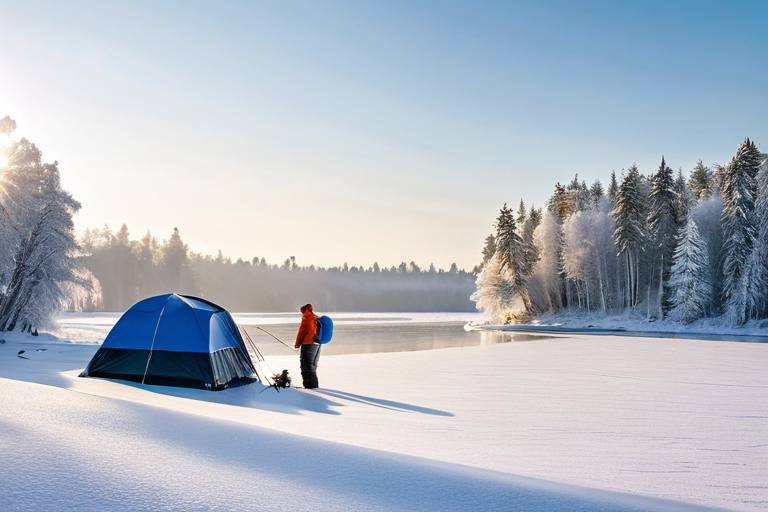
A peaceful day on the ice, where tip-down fishing blends tradition with modern techniques. Image credit: Outdoor Life.
Tip-down ice fishing, often overshadowed by its more aggressive counterparts like jigging, offers a unique blend of tranquility and excitement that has captivated anglers for generations. Unlike other methods that require constant attention, tip-down fishing allows you to set up multiple lines and wait for the subtle telltale signs of a bite, making it perfect for those who appreciate the meditative aspects of winter angling. According to experts at IceShanty, this technique dates back to indigenous practices in North America, where simple wooden devices were used to signal fish activity.
Why Tip-Down Fishing Stands Out
One of the key joys of tip-down fishing lies in its simplicity and effectiveness. The setup typically involves a rod or stick placed over the ice hole, with a line suspended below and a flag or indicator that "tips down" when a fish takes the bait. This method is particularly effective for species like panfish, perch, and walleye, which often exhibit delicate bites. As noted by Field & Stream, tip-down rigs reduce the chance of spooking fish compared to more active techniques, allowing for a more natural presentation of live bait such as minnows or waxworms.
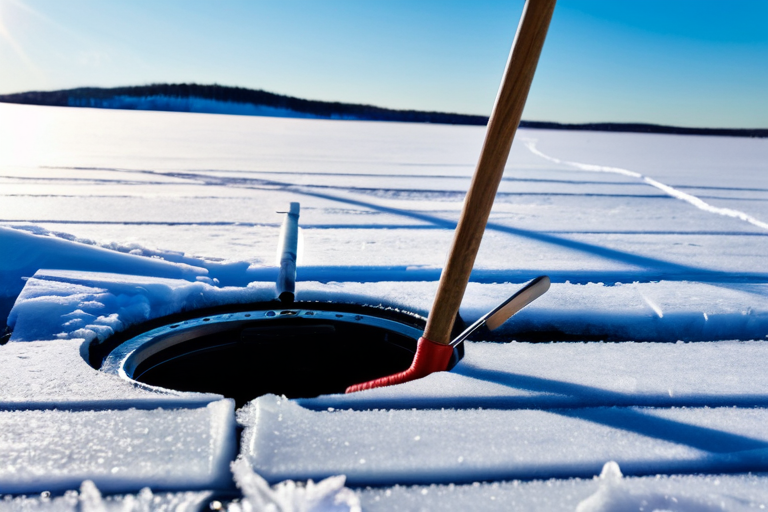
A detailed view of a tip-down rig, showcasing its minimalist design. Image inspired by techniques from In-Fisherman.
The thrill of seeing that flag dip is unmatched—it’s a moment of anticipation that transforms a quiet winter day into an adrenaline-filled experience. Many anglers describe it as a game of chess with nature, where strategy and patience pay off. Studies from Minnesota DNR highlight that tip-down fishing can increase catch rates by up to 30% in certain conditions, especially in shallow waters where fish are more cautious.
Gear and Techniques for Success
To master tip-down fishing, start with quality gear. A lightweight rod, sensitive line (4-6 lb test is ideal), and reliable tip-down devices are essential. Brands like Frabill and HT Enterprises offer durable options that withstand harsh winter conditions. As recommended by Bass Pro Shops, pairing your setup with a depth finder can help locate fish-holding structures like weed beds or drop-offs, maximizing your chances.
Technique-wise, the key is to adjust your bait depth based on water temperature and fish behavior. In colder months, fish tend to stay closer to the bottom, so setting your tip-downs just above the lakebed can yield better results. Experiment with different baits; live minnows are a favorite for predatory species, while small jigs tipped with larvae work wonders for panfish. Remember, as emphasized in resources from IceShanty, subtlety is crucial—avoid excessive movement that might alert wary fish.
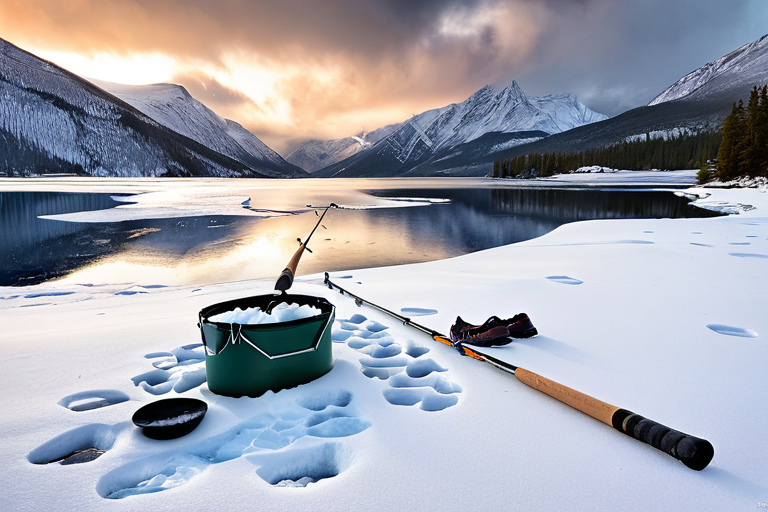
The serene beauty of a winter fishing outing, where tip-down anglers find solace. Image concept from National Geographic.
The Social and Environmental Aspects
Beyond the catch, tip-down ice fishing fosters a sense of community. It’s common to see groups gathered around holes, sharing stories and tips, creating bonds that last beyond the season. This social element is celebrated in events like the IceShanty forums, where anglers exchange insights on local conditions and techniques.
Environmentally, responsible fishing is paramount. Always check local regulations from sources like Minnesota DNR for size and bag limits, and practice catch-and-release when possible to sustain fish populations. Tip-down fishing, with its low-impact approach, aligns well with conservation efforts, as it minimizes disturbance to aquatic habitats.
Conclusion: Embracing the Winter Ritual
In a fast-paced world, tip-down ice fishing offers a retreat into nature’s rhythms. It’s not just about filling a cooler; it’s about the crisp air, the sound of ice cracking, and the joy of a flag tipping down. Whether you’re a seasoned angler or a curious beginner, this method provides a gateway to deeper appreciation for winter’s hidden wonders. As Field & Stream puts it, tip-down fishing is where patience meets reward, making every outing a memorable adventure.
Sources and further reading: This article draws on expert insights from Outdoor Life, Field & Stream, IceShanty, Minnesota DNR, and Bass Pro Shops. Always consult local guidelines for the latest fishing regulations.