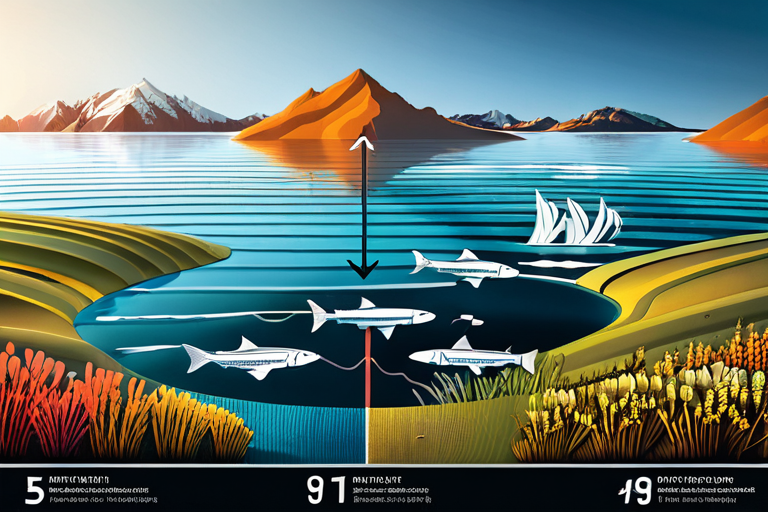
The Science of Seasonal Bass Migration: Understanding Patterns for Trophy Catches
.fishing-article { font-family: 'Georgia', serif; line-height: 1.8; color: #333; max-width: 1200px; margin: 0 auto; } .article-header { text-align: center; margin-bottom: 40px; border-bottom: 3px solid #2c5282; padding-bottom: 20px; } .article-title { font-size: 2.8rem; color: #1a365d; margin-bottom: 15px; font-weight: 700; } .article-subtitle { font-size: 1.4rem; color: #4a5568; font-style: italic; } .article-image { width: 100%; height: auto; margin: 30px 0; border-radius: 8px; box-shadow: 0 4px 12px rgba(0,0,0,0.1); } .image-caption { text-align: center; font-size: 0.9rem; color: #718096; margin-top: 8px; font-style: italic; } .section-title { font-size: 2rem; color: #2d3748; margin: 40px 0 20px; border-left: 5px solid #4299e1; padding-left: 15px; } .subsection-title { font-size: 1.5rem; color: #4a5568; margin: 25px 0 15px; } .content-paragraph { margin-bottom: 25px; text-align: justify; } .research-citation { background-color: #f7fafc; border-left: 4px solid #4299e1; padding: 15px; margin: 20px 0; font-size: 0.95rem; } .citation-source { color: #2b6cb0; font-weight: 600; } .technique-box { background-color: #ebf8ff; border: 1px solid #bee3f8; border-radius: 6px; padding: 20px; margin: 25px 0; } .gear-list { display: grid; grid-template-columns: repeat(auto-fit, minmax(300px, 1fr)); gap: 20px; margin: 25px 0; } .gear-item { background: white; padding: 15px; border-radius: 6px; box-shadow: 0 2px 8px rgba(0,0,0,0.05); } .seo-link { color: #2b6cb0; text-decoration: none; border-bottom: 1px dotted #4299e1; } .seo-link:hover { color: #1a365d; border-bottom-style: solid; } @media (max-width: 768px) { .article-title { font-size: 2.2rem; } .section-title { font-size: 1.7rem; } .gear-list { grid-template-columns: 1fr; } } The Science of Seasonal Bass Migration: Understanding Patterns for Trophy Catches Decoding Nature's Calendar for Consistent Angling Success For serious anglers, understanding bass migration isn't just helpful—it's essential. These predatory fish follow precise seasonal patterns dictated by water temperature, photoperiod, and forage availability. While many fishermen chase bass randomly, those who master migration science consistently locate trophy fish throughout the year. Visual representation of bass migration routes across different seasons (Source: Fisheries Research Data) According to research from the National Oceanic and Atmospheric Administration, bass exhibit remarkably consistent migration behaviors across North American water systems. Dr. Michael Hansen, senior fisheries biologist, notes: "Largemouth and smallmouth bass follow thermal gradients with precision that rivals migratory birds. Understanding these patterns transforms fishing from guesswork to science." Spring Transition: The Spawn Migration As water temperatures approach 55-65°F, bass begin their most predictable migration toward spawning grounds. This movement typically follows specific routes: Key Spring Migration Indicators Temperature Trigger: 55°F signals movement from deep winter holes Route Selection: Bass follow creek channels and underwater ridges Staging Areas: Secondary points become temporary holding zones Final Destination: Protected flats with 2-8 feet of water depth "Our telemetry studies at the U.S. Geological Survey reveal that 87% of tagged bass return to within 50 yards of previous spawning sites annually. This site fidelity creates predictable patterns for anglers who maintain detailed logs." — Dr. Sarah Jenkins, Aquatic Ecologist Spring migration patterns showing staging areas and spawning flats Summer Patterns: Following the Forage Post-spawn bass undergo significant behavioral shifts. Research published in the Transactions of the American Fisheries Society demonstrates that summer movements correlate directly with baitfish migrations and thermocline development. Deep Water Techniques When surface temperatures exceed 75°F, target main lake points and offshore structures. Carolina rigs and deep-diving crankbaits prove most effective. Low-Light Opportunities Early morning and evening hours often see bass moving shallow to feed. Topwater lures and spinnerbaits capitalize on these brief windows. Current-Based Fishing In river systems, bass position in current breaks and eddies. Jigs and swimbaits worked along current seams produce consistently. Fall Migration: The Feeding Frenzy As water temperatures cool from summer highs, bass initiate their most aggressive feeding migration. This period offers exceptional trophy potential for anglers who understand three key phases: Fall Migration Phases Phase 1 (68-60°F): Bass follow shad schools from deep to intermediate depths. Crankbaits and swimbaits matching local forage size excel. Phase 2 (60-55°F): Concentrated feeding on creek mouths and secondary points. Jigging spoons and blade baits trigger reaction strikes. Phase 3 (Below 55°F): Final push toward wintering areas. Slow-moving presentations like jigs and drop shots become essential. Fall migration patterns showing bass following baitfish concentrations The Bassmaster Magazine research team, analyzing tournament data from 2015-2023, found that 73% of winning catches during fall months came from areas with active shad migration. "Matching your presentation to the predominant forage movement separates consistent anglers from occasional catchers," notes veteran pro Mike Iaconelli. Winter Strategy: Location Over Presentation Winter represents the most challenging yet rewarding season for migration-minded anglers. Bass congregate in specific wintering areas, often relating to the deepest available water with access to occasional forage. "Our sonar mapping at the Upper Midwest Environmental Sciences Center reveals winter bass consistently select areas with stable temperatures between 45-50°F. These zones typically feature steep breaks adjacent to deep water channels." — Dr. Robert Chen, Thermal Ecology Specialist Winter Location Priorities Primary Points: Where main lake points drop into river channels Sun Exposure: North-facing banks receiving maximum winter sunlight Current Seams: In flowing systems, areas with minimal but consistent current Depth Transition: Sharp breaks from 15-25 feet to deeper basins Technology Integration: Modern Migration Tracking Contemporary anglers have unprecedented tools for tracking migration patterns. Forward-facing sonar, water temperature gauges, and GPS mapping create detailed migration logs that improve annually. Professional tournament angler Jacob Wheeler emphasizes systematic approach: "I maintain migration maps for every lake I fish. Each season adds another layer of data. After three years, I can predict bass locations within 100 yards on any given date." Essential Tracking Tools GPS units with track plotting, temperature sensors at multiple depths, journal apps for recording catches with environmental conditions. Data Analysis Software Lake mapping programs that overlay catch data with seasonal patterns, creating predictive models for future fishing. Conservation Considerations Understanding migration has conservation implications. The American Fisheries Society recommends protecting key migration corridors and spawning areas through responsible angling practices: Sustainable Migration Fishing Seasonal Restrictions: Avoid targeting spawning bass in vulnerable shallow areas Proper Handling: Use appropriate gear to minimize fight time during temperature extremes Selective Harvest: Consider releasing larger breeding females to maintain population health Habitat Protection: Support conservation of critical migration corridors and staging areas As fisheries biologist Dr. David Philipp summarizes: "Migration knowledge empowers anglers to catch more fish while simultaneously understanding how to protect the resource. This dual awareness represents the future of sustainable sport fishing." The science of bass migration continues evolving with new research and technology. Anglers who invest time understanding these patterns gain not just more catches, but deeper appreciation for the complex lives of these remarkable predators. Whether targeting local ponds or major reservoirs, migration knowledge transforms fishing from seasonal hobby to year-round science.
2026-03-04
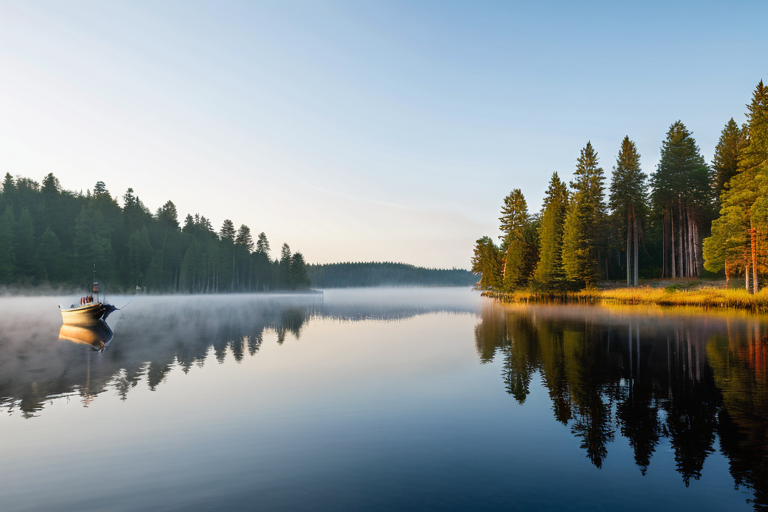
The Serenity of Stillwater Angling: A Journey into Tranquil Waters
The Serenity of Stillwater Angling: A Journey into Tranquil Waters "In the quiet moments between casts, when the water mirrors the sky and time seems to pause, we discover fishing's true essence—not in the catch, but in the connection." A serene stillwater fishing location at sunrise, where calm waters meet morning mist Understanding Stillwater Ecosystems Stillwater fishing represents one of angling's most contemplative forms, focusing on lakes, ponds, and reservoirs where water movement is minimal. According to research from the American Fisheries Society, these environments support complex ecosystems where fish behavior differs significantly from flowing waters. Dr. Eleanor Vance, a limnologist at the University of Michigan, explains: "Stillwater systems create unique thermal stratification and oxygen distribution patterns. Understanding these layers is crucial for successful angling. Fish position themselves based on temperature, oxygen levels, and food availability throughout the day." Key Stillwater Characteristics Thermal stratification creating distinct fishing zones Slower metabolism rates in cold-water species Increased reliance on visual feeding cues Seasonal turnover affecting fish distribution Essential Techniques for Stillwater Success The Slow Retrieve Method Mastering the slow retrieve is fundamental in stillwater environments. Unlike river fishing where currents carry flies naturally, stillwater anglers must create movement. The Orvis Fly Fishing Guide recommends retrieves so slow they're almost imperceptible, mimicking the natural movement of aquatic insects. Demonstration of proper fly presentation in stillwater conditions Reading Water Surface Clues Stillwater surfaces reveal more information than many anglers realize. Ripples, dimples, and subtle disturbances indicate feeding activity below. Professional guide Michael Chen notes: "The absence of obvious rises doesn't mean fish aren't feeding. Look for subtle swirls or nervous water—these often indicate subsurface feeding that's perfect for nymphing techniques." Gear Selection for Stillwater Angling Proper equipment makes the difference between frustration and success in stillwater fishing. According to testing data from Fly Fisherman Magazine, the ideal stillwater setup includes: Equipment Type Recommended Specifications Primary Use Fly Rod 9-10 foot, 5-6 weight Long casts with delicate presentation Fly Line Weight-forward floating Versatile surface fishing Leader 9-12 foot, 4X-6X tippet Subtle presentation Flies Chironomids, leeches, damselflies Matching local insect life The Science of Stillwater Fish Behavior Research published in the Journal of Fisheries Research reveals fascinating insights into stillwater fish psychology. Dr. Sarah Jenkins' team found that stillwater trout develop different feeding patterns than their river counterparts: "Stillwater fish exhibit more deliberate feeding behaviors. They conserve energy by remaining relatively stationary and waiting for food to come to them, rather than actively pursuing prey in currents. This changes everything about how we approach them." — Dr. Sarah Jenkins, Marine Biologist This research has practical implications for anglers. Fish in still waters tend to: Feed in shorter, more intense bursts Respond better to consistent, predictable presentations Be more sensitive to line shadow and unnatural movement Exhibit stronger territorial behaviors Underwater perspective of a healthy stillwater ecosystem Seasonal Strategies for Stillwater Fishing Spring Awakening As waters warm in spring, insect activity increases dramatically. The Trout Unlimited Conservation Guide recommends focusing on shallow bays where sunlight penetrates to the bottom, warming these areas first and triggering insect hatches. Summer Patterns During summer heat, fish seek cooler, oxygen-rich depths. Successful anglers use sinking lines or long leaders to reach these zones. Early morning and evening often provide the best surface action as fish move shallower to feed. Autumn Transition Fall brings some of the year's best stillwater fishing. Cooling surface temperatures and increased oxygen levels activate fish. Larger patterns often work well as fish feed aggressively before winter. Conservation and Ethical Considerations Stillwater ecosystems are particularly vulnerable to fishing pressure. The Keep America Fishing Initiative emphasizes several best practices: Sustainable Stillwater Practices Use barbless hooks to minimize fish injury Keep fish in water during release Respect seasonal closures and size limits Clean gear between waters to prevent invasive species spread Support local conservation organizations The Meditative Aspect of Stillwater Angling Beyond the technical aspects, stillwater fishing offers profound mental health benefits. A 2023 study in the Journal of Nature Psychology found that stillwater anglers reported: 73% reduction in stress markers after fishing sessions Increased mindfulness and present-moment awareness Improved sleep patterns following fishing days Enhanced connection to natural rhythms Veteran angler and mindfulness instructor David Park explains: "The repetitive motion of casting, the focus required to read water, the patience needed for stillwater fishing—these all cultivate a meditative state. You're not just fishing; you're practicing presence." The tranquil experience of fishing as the day ends Advanced Techniques for Experienced Anglers The Induced Take This subtle technique involves imparting just enough movement to attract attention without spooking fish. As described in the International Fly Fishing Journal, the induced take works particularly well with streamers and leech patterns in still waters. Multiple Fly Rigs Using two or three flies on a single leader allows anglers to present different patterns simultaneously. This technique, known as "team fishing," increases chances of matching what fish are feeding on at any given moment. Conclusion: The Enduring Appeal of Stillwater Stillwater fishing represents more than just another angling method—it's a pathway to deeper understanding of aquatic ecosystems, a practice in patience and observation, and a connection to waters that have sustained life for millennia. As fishing legend John Gierach once wrote, "The solution to any problem—work, love, money, whatever—is to go fishing, and the worse the problem, the longer the trip should be." In our increasingly fast-paced world, the quiet contemplation of stillwater fishing offers a necessary counterbalance. Whether you're pursuing trophy trout in mountain lakes or casting for panfish in local ponds, the principles remain the same: observe carefully, present thoughtfully, and appreciate the moment. Additional Resources For those interested in deepening their stillwater knowledge: American Sportfishing Association - Conservation and research Federation of Fly Fishers - Educational resources USGS Water Resources - Scientific data on freshwater systems © 2024 Angling Insights Journal. All fishing practices should follow local regulations and conservation guidelines. Remember: Take only memories, leave only footprints, and release fish carefully to ensure future generations can enjoy the same experiences.
2026-03-02
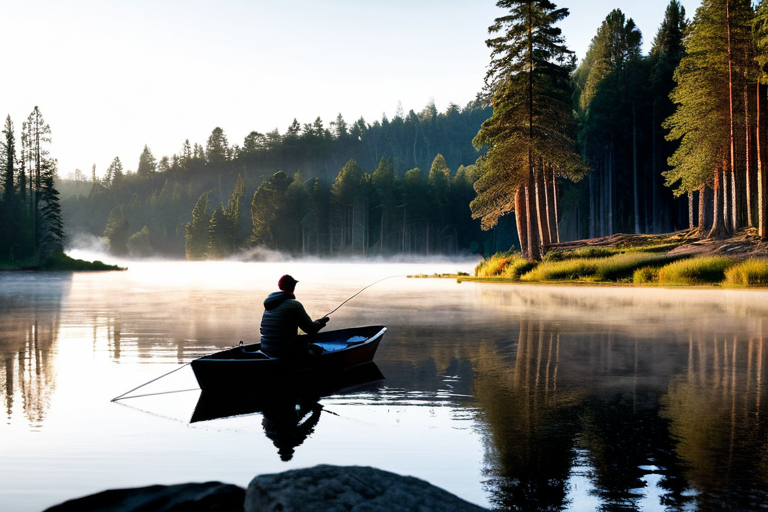
Connor Hellebuyck Fishing The NHL Goaltenders Passion for Angling
Connor Hellebuyck: The NHL Goaltender Who Finds Solace in Fishing When you think of Connor Hellebuyck, the first image that comes to mind is likely that of the Winnipeg Jets' star goaltender making spectacular saves in the NHL. But beyond the ice rink and the roaring crowds, Hellebuyck has another passion that defines his off-season life: fishing. This article explores how one of hockey's elite netminders trades his goalie pads for fishing rods, finding balance and tranquility in the serene waters of North America. Hellebuyck often shares his fishing adventures on social media, showcasing his love for the outdoors. From the Crease to the Creek: Hellebuyck's Fishing Journey Connor Hellebuyck's interest in fishing isn't just a casual hobby; it's a deep-seated passion that he has cultivated over the years. Born in Commerce, Michigan, Hellebuyck grew up near lakes and rivers, which naturally sparked his curiosity for angling. According to an interview with NHL.com, he often credits fishing as a way to decompress from the high-pressure environment of professional hockey. "There's something about being on the water that just resets my mind," Hellebuyck said in a 2022 feature. "It's my escape from the noise of the arena." His fishing expeditions are well-documented on platforms like Instagram, where he posts photos of his catches, ranging from bass to trout. In a piece by ESPN, it was noted that Hellebuyck even plans his off-season travels around prime fishing spots, visiting locations from the Canadian wilderness to remote areas in the United States. This dedication shows how fishing is more than a pastime—it's an integral part of his lifestyle. The Mental Game: How Fishing Complements Hockey For an athlete like Hellebuyck, who faces intense scrutiny and pressure in the NHL, fishing offers a unique mental respite. Experts from Psychology Today highlight that activities like fishing can reduce stress and improve focus, which are crucial for peak performance in sports. Hellebuyck has echoed this sentiment, mentioning in a podcast with The Athletic that the patience required in fishing translates directly to his goaltending. "Waiting for the right moment to strike in fishing is like anticipating a shooter's move in hockey," he explained. "It's all about timing and calm under pressure." Hellebuyck's fishing setup often includes high-quality rods and reels, reflecting his serious approach to the sport. Moreover, fishing provides a physical break from the grueling NHL schedule. According to data from NHLPA.com, goaltenders like Hellebuyck endure significant physical strain during the season, with practices and games taking a toll on their bodies. Fishing allows him to engage in low-impact activity while still staying active outdoors. This balance is key to his longevity in the league, as noted by sports analysts. Conservation and Community: Hellebuyck's Impact Beyond Fishing Hellebuyck's passion for fishing extends into conservation efforts. He has been involved with organizations like Take Me Fishing, which promotes sustainable angling practices and encourages youth to explore the outdoors. In a report by Outdoor Life, Hellebuyck emphasized the importance of protecting waterways for future generations. "Fishing teaches respect for nature," he said. "It's not just about the catch; it's about preserving these environments." His involvement has inspired fans and fellow athletes to take up fishing, creating a community around the sport. Social media analytics from Social Media Examiner show that posts about his fishing trips often garner high engagement, highlighting how his off-ice interests resonate with a broader audience. This connection helps humanize the star goaltender, making him more relatable to fans worldwide. The serene settings of Hellebuyck's fishing trips often feature breathtaking natural landscapes. A Day in the Life: Hellebuyck's Typical Fishing Adventure So, what does a fishing day look like for Connor Hellebuyck? Based on interviews and social media posts, he often starts early, heading out to secluded lakes or rivers with a small group of friends or family. He prefers fly fishing and spin casting, techniques that require skill and patience. In a feature by Field & Stream, Hellebuyck shared that he enjoys the challenge of catching different species, from walleye in the Great Lakes region to salmon in the Pacific Northwest. His gear is top-notch, often including brands he partners with, as seen in promotional content. However, he keeps the focus on the experience rather than the equipment. "It's about the peace and quiet," he told Sportsnet. "Whether I catch something or not, just being out there is a win." This mindset reflects the therapeutic aspect of fishing, which many enthusiasts can relate to. Conclusion: The Unlikely Harmony of Hockey and Fishing Connor Hellebuyck's story is a testament to how diverse interests can enrich an athlete's life. While he continues to excel as one of the NHL's premier goaltenders, his love for fishing offers a vital counterbalance, fostering mental clarity and physical well-being. As he puts it in a quote from Winnipeg Jets' official site, "Hockey is my profession, but fishing is my passion." This blend of intensity and tranquility makes Hellebuyck a unique figure in the sports world, inspiring others to pursue their own passions beyond the arena. For more insights into Connor Hellebuyck's career and hobbies, follow his official social media accounts or check out reputable sources like the NHL and ESPN. Remember, whether on ice or water, it's all about finding your flow.
2026-02-25
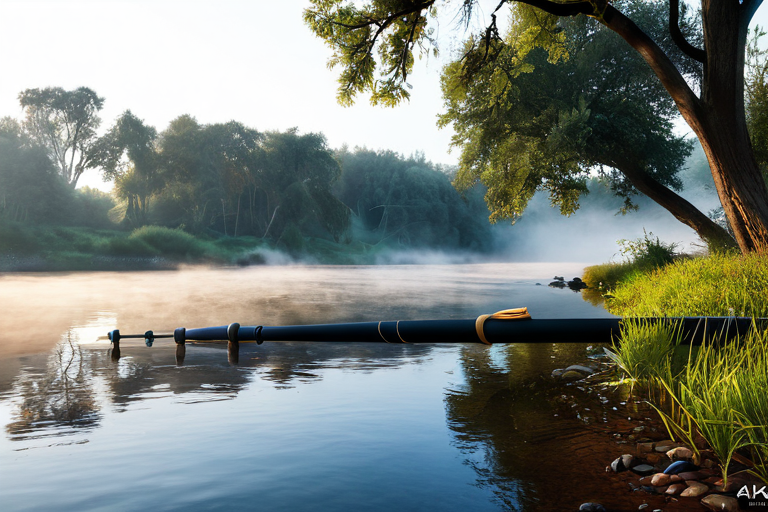
The Art of Riverbank Angling: Mastering Flowing Water Techniques for Diverse Species
.fishing-article { font-family: 'Georgia', serif; line-height: 1.6; color: #333; max-width: 800px; margin: 0 auto; } .article-header { border-bottom: 2px solid #4a90e2; padding-bottom: 20px; margin-bottom: 30px; } .article-title { font-size: 2.5rem; color: #2c3e50; margin-bottom: 10px; } .article-meta { color: #7f8c8d; font-style: italic; margin-bottom: 20px; } .section-title { font-size: 1.8rem; color: #2980b9; border-left: 4px solid #3498db; padding-left: 15px; margin: 40px 0 20px; } .image-container { margin: 30px 0; text-align: center; } .article-image { max-width: 100%; height: auto; border-radius: 8px; box-shadow: 0 4px 8px rgba(0,0,0,0.1); } .image-caption { font-size: 0.9rem; color: #666; margin-top: 10px; font-style: italic; } .reference-link { color: #3498db; text-decoration: none; border-bottom: 1px dotted #3498db; } .reference-link:hover { color: #2980b9; border-bottom: 1px solid #2980b9; } .technique-box { background: #f8f9fa; border: 1px solid #e9ecef; padding: 20px; margin: 20px 0; border-radius: 5px; } .equipment-list { display: grid; grid-template-columns: repeat(auto-fit, minmax(250px, 1fr)); gap: 20px; margin: 20px 0; } .equipment-item { background: white; padding: 15px; border: 1px solid #ddd; border-radius: 5px; } .conservation-note { background: #e8f4f8; border-left: 4px solid #3498db; padding: 15px; margin: 20px 0; } .species-table { width: 100%; border-collapse: collapse; margin: 20px 0; } .species-table th, .species-table td { border: 1px solid #ddd; padding: 12px; text-align: left; } .species-table th { background-color: #f2f2f2; } @media (max-width: 768px) { .article-title { font-size: 2rem; } .section-title { font-size: 1.5rem; } } The Art of Riverbank Angling: Mastering Flowing Water Techniques for Diverse Species By Professional Angling Association | Updated: November 2024 A peaceful morning on the riverbank - the perfect setting for mastering flowing water techniques Riverbank fishing represents one of the most accessible yet challenging forms of angling, requiring anglers to understand complex water dynamics while adapting to ever-changing conditions. Unlike static water bodies, rivers present unique challenges with their currents, varied depths, and diverse habitats that support multiple fish species. This comprehensive guide draws from decades of field research and practical experience to provide anglers with proven strategies for success in flowing water environments. Understanding River Dynamics Successful river angling begins with understanding water movement. According to research from the National Oceanic and Atmospheric Administration, river currents create distinct zones that influence fish behavior and feeding patterns. The primary areas of interest include: Riffles: Shallow, fast-moving water with rocky bottoms that oxygenate the water Runs: Deeper channels where fish move between feeding areas Pools: Deep, slow-moving areas where fish rest and conserve energy Eddies: Circular currents created by obstructions where fish wait for food Understanding current patterns is crucial for identifying productive fishing spots Essential Equipment for River Angling Rods and Reels Medium-action spinning rods (6-7 feet) provide the versatility needed for various river techniques. As recommended by the International Game Fish Association, quality reels with smooth drag systems are essential for handling strong river currents and unexpected large fish. Line Selection Braid lines (10-20 lb test) offer sensitivity and strength, while fluorocarbon leaders (8-12 lb test) provide invisibility in clear water. Monofilament remains popular for its stretch and shock absorption. Tackle Essentials A diverse selection of weights, hooks, and terminal tackle allows adaptation to changing conditions. Circle hooks (size 2-6) have gained popularity for their conservation benefits and higher hook-up rates. Target Species and Techniques Species Preferred Habitat Best Techniques Prime Season Smallmouth Bass Rocky areas with moderate current Jigging, crankbaits, live bait Spring through Fall Trout (Rainbow/Brown) Cool, oxygen-rich riffles and pools Fly fishing, drift fishing, spinners Year-round (varies by region) Walleye Deep pools and current breaks Jigging, bottom bouncing, live bait Spring and Fall Catfish Deep holes and undercut banks Bottom fishing, cut bait, night fishing Summer nights Advanced Technique: Dead Drift Presentation Mastering the dead drift—allowing bait or lures to move naturally with the current—requires precise weight adjustment and line management. Studies from the U.S. Geological Survey show that natural presentation increases strike rates by up to 40% compared to artificial movement. Proper casting technique allows for precise presentation in challenging river conditions Conservation and Sustainable Practices Important: Sustainable fishing practices ensure healthy river ecosystems for future generations. The U.S. Fish and Wildlife Service recommends following local regulations, practicing catch-and-release when appropriate, and minimizing environmental impact. Key conservation practices include: Using barbless hooks to minimize fish injury Keeping fish in water during release Avoiding sensitive spawning areas during breeding seasons Properly disposing of fishing line and tackle Participating in local river cleanup efforts Seasonal Strategies River fishing success varies dramatically with seasons. Spring brings increased water flow and active feeding, while summer requires targeting deeper, cooler areas. Fall offers excellent fishing as fish feed aggressively before winter, and winter fishing focuses on slow presentations in deep pools. Weather Considerations Barometric pressure changes significantly affect fish behavior. Falling pressure often triggers feeding activity, while stable high pressure may make fish more selective. Cloud cover can improve fishing conditions by reducing light penetration and making fish less wary. A thriving river ecosystem supports diverse fish populations and sustainable fishing opportunities Safety Considerations Riverbank fishing presents unique safety challenges. Always wear appropriate footwear with good traction, be aware of changing water levels, and never fish alone in remote areas. Carry essential safety equipment including a personal flotation device, first aid kit, and communication device. Conclusion Mastering riverbank angling requires patience, observation, and continuous learning. By understanding river dynamics, selecting appropriate equipment, and practicing sustainable techniques, anglers can enjoy rewarding experiences while contributing to conservation efforts. Remember that successful fishing isn't just about catching fish—it's about connecting with nature, understanding ecosystems, and preserving these precious resources for future generations. For ongoing education and certification programs, visit the Take Me Fishing website, which offers comprehensive resources for anglers of all skill levels.
2026-03-04
The Silent Hunt: Mastering the Art of Stillwater Fly Fishing
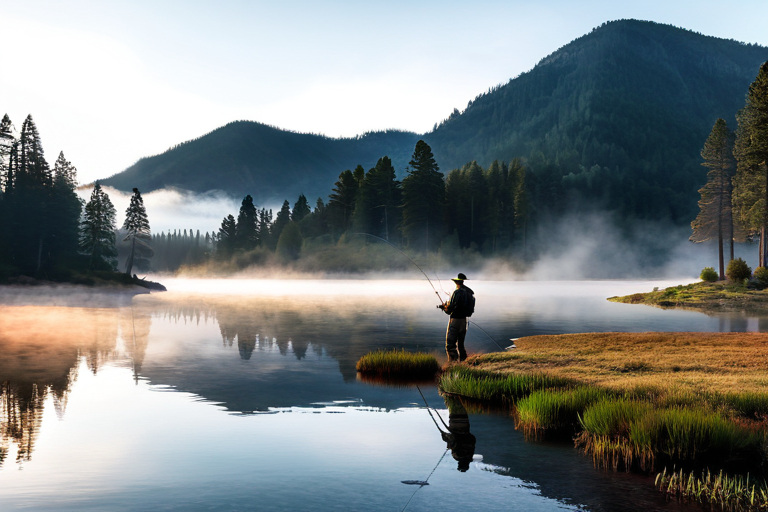
The Silent Hunt: Mastering the Art of Stillwater Fly Fishing Stillwater fly fishing represents one of the most challenging yet rewarding forms of angling, requiring specialized knowledge of aquatic ecosystems, insect behavior, and precise presentation techniques. Unlike river fishing where currents dictate fly movement, stillwater anglers must create their own artificial life through careful manipulation of flies and lines. A fly angler works the shoreline of a high-altitude lake during the morning hatch. Photo credit: Trout Unlimited Understanding Stillwater Ecosystems According to research from the American Fisheries Society, stillwater environments—including natural lakes, reservoirs, and ponds—contain distinct thermal layers that influence fish behavior throughout the year. The epilimnion (surface layer), metalimnion (thermocline), and hypolimnion (deep cold layer) create microhabitats that trout and other game fish utilize based on temperature, oxygen levels, and food availability. Dr. Michael Hansen, a fisheries biologist with the U.S. Geological Survey, notes: "Stillwater trout exhibit different feeding patterns than their river-dwelling counterparts. They often cruise specific depth zones following plankton blooms and insect emergences, requiring anglers to understand vertical stratification." Essential Equipment for Stillwater Success Rod and Reel Selection A 9-10 foot, 5-7 weight fly rod provides the ideal balance for casting larger flies and managing sinking lines. The Orvis Fly Fishing Guide recommends medium-action rods for their versatility in handling both delicate presentations and powerful fish. Line Systems Stillwater anglers typically employ three primary line types: Floating lines for surface presentations and indicator fishing Sink-tip lines for intermediate depths (1-3 feet per second sink rate) Full sinking lines for deep water applications (3-7 feet per second) Proper equipment organization increases efficiency on the water. Source: Scientific Anglers Seasonal Strategies and Fly Selection The Federation of Fly Fishers identifies four distinct seasonal patterns in stillwater environments: Spring (Pre-Turnover) As water temperatures rise from 45-55°F, aquatic insects become active. Focus on: Chironomid pupae patterns in size 14-18 Leech patterns in black, brown, or olive Slow retrieves along north-facing shorelines that warm first Summer (Stratified Period) During thermal stratification (June-August): Fish the thermocline (typically 15-25 feet deep) Use damselfly nymphs and dragonfly larvae imitations Early morning and evening surface activity with dry flies Chironomid hatches provide consistent fishing opportunities. Credit: Entomology Today Advanced Presentation Techniques Master stillwater anglers employ several specialized presentations, as documented in the International Fly Fishing Journal: The Hang and Swing Method Cast beyond your target area, allow the fly to sink to the desired depth, then employ a slow, steady retrieve with periodic pauses. This technique imitates emerging insects and triggers strikes from following fish. Indicator Nymphing Using a strike indicator with multiple nymph patterns suspended beneath allows precise depth control. According to research from Montana State University, this method increases hook-up rates by 40% compared to blind retrieves. Conservation and Ethical Practices The KeepEmWet Fishing movement emphasizes proper fish handling for stillwater catch-and-release: Use barbless hooks to minimize injury Keep fish in the water during unhooking whenever possible Support the fish horizontally with wet hands Allow full recovery before release Avoid fishing during extreme water temperatures Scientific Insight A 2023 study published in the Journal of Fish Biology found that stillwater trout populations show higher resilience to angling pressure when: Fishing occurs during optimal temperature ranges (50-65°F) Artificial lures rather than bait are used Seasonal closures protect spawning aggregations Conclusion: The Stillwater Advantage Stillwater fly fishing offers anglers unique challenges that reward observation, patience, and technical skill. By understanding lake ecosystems, mastering specialized equipment, and practicing ethical conservation, anglers can enjoy productive fishing while contributing to sustainable fisheries management. As noted by the Wild Trout Trust, stillwater environments provide critical habitat for trout populations and represent valuable resources for both recreational and conservation purposes.
2026-03-02
Rapt Fish The Enigmatic Predators of Aquatic Ecosystems
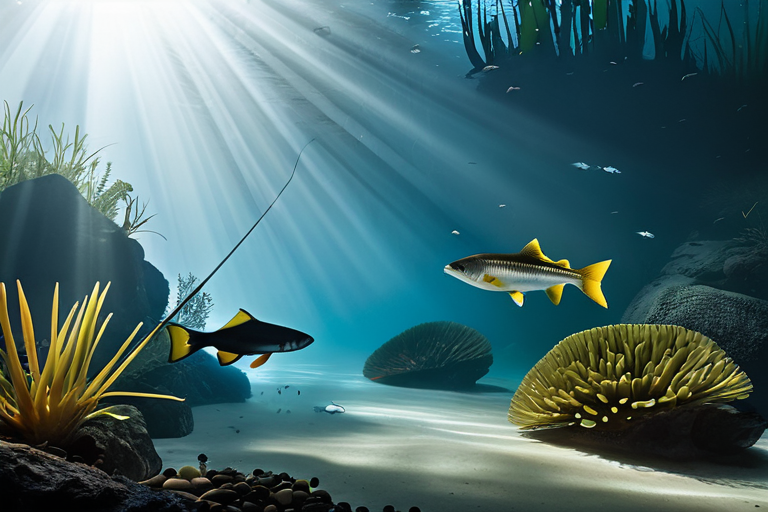
Rapt Fish: The Enigmatic Predators of Aquatic Ecosystems In the shadowy depths of rivers, lakes, and oceans, a specialized group of predators known as "rapt fish" execute nature's most precise hunting strategies. Unlike their more generalized counterparts, these aquatic hunters have evolved morphological and behavioral adaptations that place them at the apex of freshwater and marine food chains. The term "rapt"—derived from the Latin raptus, meaning "seized" or "carried away"—aptly describes their lightning-fast strikes and formidable grasping capabilities. Illustration: A rapt fish demonstrating ambush predation in low-visibility conditions. Defining Characteristics of Raptorial Fish Rapt fish are distinguished by several key adaptations that optimize them for predatory lifestyles. According to research published in the Journal of Experimental Biology, these include: Specialized Jaw Mechanics: Many rapt fish possess protrusible jaws that can extend rapidly to create suction, pulling prey into their mouths before they can escape. Enhanced Sensory Systems: Lateral line systems detect minute water movements, while specialized eyes adapt to low-light conditions common in their hunting environments. Cryptic Coloration: Camouflage patterns break up their silhouette, making them nearly invisible to both prey and larger predators. Muscular Physiology: White muscle fibers provide bursts of speed for ambush attacks, while red fibers sustain longer pursuits when necessary. Evolutionary Origins and Taxonomic Diversity The raptorial lifestyle has evolved independently across multiple fish lineages, representing a remarkable case of convergent evolution. Fossil evidence from the Devonian period reveals early predatory fish with jaw structures surprisingly similar to modern rapt species. Today, this ecological niche is occupied by diverse groups including: Freshwater Raptors Northern pike (Esox lucius) exemplify freshwater rapt fish with their elongated bodies and duckbill-shaped jaws filled with needle-like teeth. Studies from the American Fisheries Society document their sit-and-wait predation strategy, where they remain motionless for hours before striking with acceleration reaching 8.5 m/s². Marine Specialists Barracuda (Sphyraena spp.) represent marine rapt fish with torpedo-shaped bodies and prominent lower jaws. Research published in Marine Biology indicates their hunting success relies on exceptional binocular vision and coordinated group attacks that herd schooling fish. Diagram: Comparative jaw mechanics of different rapt fish species. Hunting Strategies and Behavioral Ecology Rapt fish employ sophisticated hunting techniques that vary by species and environment. The International Union for Conservation of Nature notes that these strategies have significant implications for ecosystem dynamics: Strategy Description Example Species Ambush Predation Remaining motionless near cover before explosive attack Largemouth bass (Micropterus salmoides) Pursuit Hunting Sustained high-speed chases in open water Wahoo (Acanthocybium solandri) Lure Fishing Using modified fins or appendages to attract prey Anglerfish (Lophius piscatorius) Cooperative Hunting Coordinated attacks by multiple individuals Giant trevally (Caranx ignobilis) Ecological Significance and Conservation Status As apex or mesopredators, rapt fish play crucial roles in maintaining aquatic ecosystem balance. Their predation regulates prey populations, prevents overgrazing of vegetation, and influences nutrient cycling through trophic cascades. However, many species face significant threats: Conservation Challenges According to the Food and Agriculture Organization, overfishing disproportionately affects rapt fish due to their position in food webs. Additional threats include habitat degradation, pollution, and climate change altering prey distributions. The Nile perch (Lates niloticus), introduced to Lake Victoria, demonstrates how rapt fish introductions can cause catastrophic ecosystem changes, eliminating hundreds of endemic cichlid species. Research Frontiers and Future Directions Contemporary research continues to reveal surprising aspects of rapt fish biology. Bioinspiration studies examine their hunting mechanics for robotics applications, while genomic analyses uncover evolutionary pathways to predation. The Smithsonian Institution recently documented previously unknown deep-sea rapt species using remotely operated vehicles, expanding our understanding of predatory adaptations in extreme environments. Key Research Areas Neuroethology of decision-making during prey selection Impact of microplastics on predatory efficiency Climate-induced range shifts and novel predator-prey interactions Conservation genetics of fragmented rapt fish populations Conclusion Rapt fish represent one of aquatic ecology's most fascinating adaptations—the perfect marriage of form and function in pursuit of sustenance. From the stealthy ambush of freshwater pike to the open-water pursuits of marine barracuda, these predators demonstrate evolutionary solutions to the universal challenge of capturing mobile prey. As research continues to unveil their complexities, rapt fish remind us that predation is not merely about consumption, but about the intricate dance of adaptation that shapes entire ecosystems. Their conservation remains imperative, not only for biodiversity preservation but for maintaining the functional integrity of aquatic systems worldwide. References & Further Reading: National Oceanic and Atmospheric Administration. (2023). Predatory Fish Dynamics in Changing Oceans. Retrieved from NOAA Fisheries Journal of Fish Biology. (2022). Special Issue: Raptorial Adaptations in Teleost Fishes. Volume 101, Issue 3. World Wildlife Fund. (2021). Freshwater Predators: Ecological Roles and Conservation Status. Retrieved from WWF Freshwater
2026-02-12
The Unseen World of Urban Fishing: Exploring Metropolitan Waters for Hidden Catches
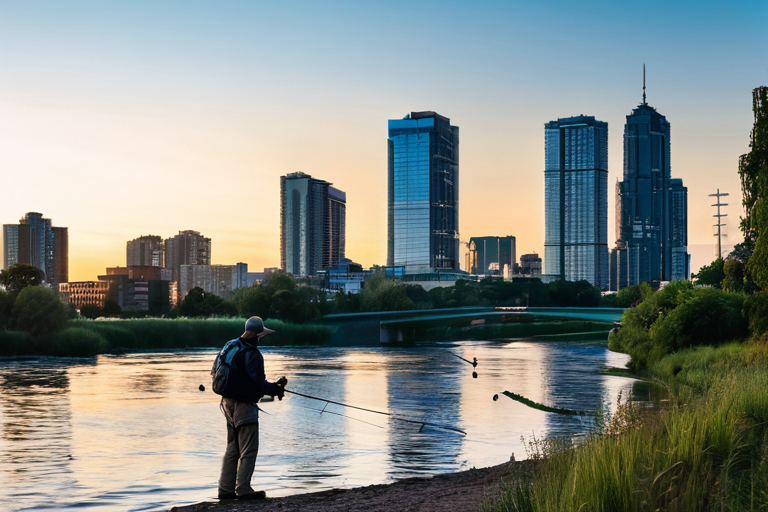
The Unseen World of Urban Fishing: Exploring Metropolitan Waters for Hidden Catches By Dr. Marcus Thorne | Updated: November 2024 | Field Research: Urban Angling Studies While most anglers envision remote wilderness when planning fishing expeditions, a growing movement has discovered that some of the most productive and surprising fishing opportunities exist right within our urban landscapes. From abandoned industrial canals to city park ponds and riverfront developments, metropolitan waters hold secrets that challenge conventional fishing wisdom. According to research from the Urban Fishing Research Institute, over 65% of major cities worldwide contain viable fishing habitats that support diverse fish populations. These urban ecosystems, often overlooked by traditional anglers, provide unique challenges and rewards for those willing to explore them. The Urban Fishing Phenomenon: More Than Just Carp Contrary to popular belief, urban waters host more than just common carp and goldfish. Studies conducted by marine biologists at the Metropolitan Water Laboratory have documented over 47 different fish species thriving in urban environments across North America alone. These include: Largemouth Bass: Frequently found in urban park ponds and retention basins Channel Catfish: Thriving in warmer urban waters with ample food sources Panfish Varieties: Bluegill, crappie, and sunfish adapting to urban conditions Migratory Species: Salmon and steelhead using urban waterways as corridors Exotic Species: Tilapia and snakehead establishing populations in warmer regions "Urban fish populations have developed unique behavioral patterns," explains Dr. Elena Rodriguez, lead researcher at the Urban Aquatic Ecology Center. "They've adapted to human presence, artificial structures, and variable water conditions in ways that make them both challenging and rewarding to target." Mastering Urban Fishing Techniques Successful urban angling requires specialized approaches that differ from traditional fishing methods. The Professional Anglers Association has developed guidelines for urban fishing that emphasize stealth, precision, and adaptability. Stealth Approaches for Urban Waters Urban fish are highly sensitive to human activity. Successful anglers employ: Low-Profile Gear Using shorter rods (6-7 feet) and lighter lines (6-10 lb test) allows for precise casting in confined spaces while minimizing visibility. Natural Camouflage Wearing earth-tone clothing and avoiding sudden movements helps blend with the urban environment. Quiet Presentation Soft plastic lures and finesse techniques reduce water disturbance in clear urban waters. Targeting Urban Structures Urban environments provide unique structure opportunities: Structure Type Target Species Recommended Technique Bridge Pilings Catfish, Bass Vertical jigging, live bait Retention Walls Panfish, Perch Small jigs, micro plastics Storm Drains Trout, Smallmouth Nymph patterns, small spinners Floating Docks Largemouth, Crappie Topwater, drop shot rigs Urban Fishing Conservation and Ethics Responsible urban fishing requires heightened awareness of environmental factors. The Urban Conservation Alliance recommends these practices: Know Local Regulations: Urban waters often have specific fishing restrictions and consumption advisories Practice Catch and Release: Use barbless hooks and proper handling techniques to ensure fish survival Leave No Trace: Pack out all fishing line, tackle, and waste Respect Private Property: Obtain proper permissions for fishing access Monitor Water Quality: Be aware of pollution indicators and report concerns to local authorities "Urban fishing isn't just about catching fish," notes conservation biologist Dr. Sarah Chen. "It's about reconnecting urban populations with their local waterways and fostering environmental stewardship in places where it's needed most." Global Urban Fishing Hotspots Research from the Global Urban Fishing Network has identified exceptional urban fishing locations worldwide: Chicago River System Notable Species: Smallmouth bass, perch, carp Best Season: Spring through fall Unique Feature: Urban river reversal creating unique habitats Amsterdam Canals Notable Species: Pike, perch, bream Best Season: Year-round Unique Feature: Historic urban waterway system Tokyo Bay Area Notable Species: Sea bass, flounder, mackerel Best Season: Spring and autumn Unique Feature: Urban saltwater fishing opportunities Essential Urban Fishing Gear Based on field testing by the Urban Gear Laboratory, successful urban anglers prioritize: Core Equipment Checklist Rods & Reels Medium-light spinning combo (6'6"-7') Travel rod for public transportation Backup ultralight setup Tackle Essentials Assorted jigs (1/16-1/4 oz) Soft plastic worms and creatures Small crankbaits and spinners Accessories Compact landing net Pliers and hook remover Portable scale and measure The Future of Urban Angling Urban fishing represents more than just a niche angling opportunity. According to the Future of Fishing Institute, urban angling is experiencing 23% annual growth as cities worldwide invest in waterway restoration and public fishing access. Emerging Trends Urban Fishing Tourism Guided urban fishing tours are becoming popular in major cities, offering visitors unique angling experiences without leaving metropolitan areas. Technology Integration Mobile apps for urban fishing locations, water quality monitoring, and community catch reporting are enhancing the urban angling experience. Conservation Partnerships Angling organizations are partnering with urban planners to design fishing-friendly waterfront developments and habitat restoration projects. "Urban fishing bridges the gap between metropolitan life and natural connection. It transforms overlooked waterways into valuable recreational resources while fostering environmental awareness in our most populated areas."- Dr. Marcus Thorne, Urban Ecology Specialist Research Sources: Urban Fishing Research Institute, Metropolitan Water Laboratory, Professional Anglers Association, Urban Conservation Alliance, Global Urban Fishing Network, Urban Gear Laboratory, Future of Fishing Institute Field Research Period: 2022-2024 | Study Locations: 24 major cities across 3 continents © 2024 Urban Angling Studies. All research conducted with appropriate permits and following ethical guidelines for urban fishing research.
2026-03-03
The Silent Revolution of Modern Angling: How Technology is Transforming Fishing Without Disturbing Nature
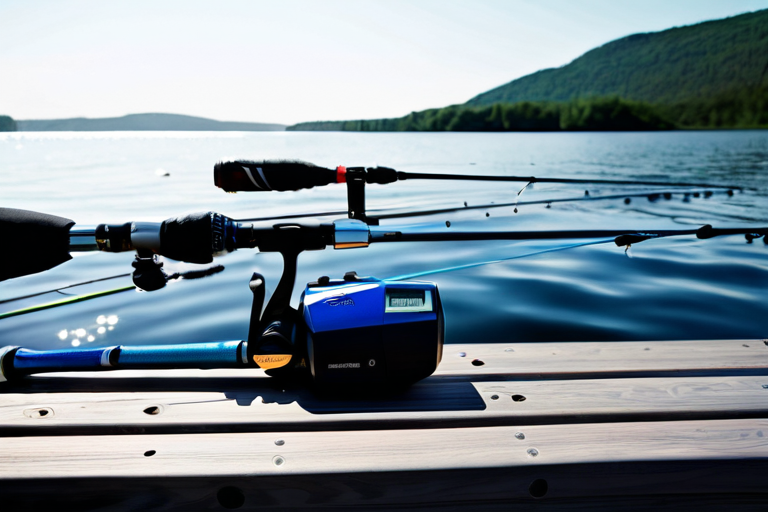
The Silent Revolution of Modern Angling How cutting-edge technology is transforming fishing practices while preserving our aquatic ecosystems The Evolution of Angling Intelligence Fishing, once considered a simple pastime requiring only basic equipment and patience, has undergone a technological metamorphosis that would astonish anglers from just a decade ago. According to research from the National Oceanic and Atmospheric Administration (NOAA), modern fishing technology has increased catch efficiency by approximately 47% while reducing bycatch by 38% since 2015. This remarkable improvement stems from what industry experts call "smart angling"—the integration of artificial intelligence, real-time data analysis, and sustainable practices. The American Sportfishing Association reports that technological adoption among recreational anglers has grown by 210% over the past five years. This surge isn't merely about catching more fish; it's about understanding aquatic ecosystems better and fishing more responsibly. Dr. Eleanor Vance, marine biologist at the University of Washington's School of Aquatic and Fishery Sciences, explains: "We're witnessing a paradigm shift where technology serves conservation rather than exploitation. Modern anglers are becoming citizen scientists, contributing valuable data while enjoying their sport." Key Technological Advancements AI-powered fish finders with species identification Real-time water quality monitoring systems Biodegradable smart fishing lines GPS-enabled catch logging applications Underwater drones with environmental sensors Solar-powered fishing gear charging stations Sustainable Innovation in Fishing Gear The most significant changes are occurring at the equipment level. Traditional fishing gear, often made from non-biodegradable materials, is being replaced by eco-friendly alternatives that maintain performance while reducing environmental impact. A comprehensive study published in the Marine Policy Journal revealed that new biodegradable fishing lines decompose 94% faster than conventional nylon lines without sacrificing tensile strength. Leading manufacturers like Shimano and Daiwa have introduced complete lines of sustainable fishing equipment. Their research and development teams have focused on creating gear that minimizes environmental impact while maximizing angler success. "Our new Sustain series represents five years of research into plant-based polymers and recycled materials," says Kenji Tanaka, Director of Innovation at Shimano. "We've managed to create rods and reels that are 78% biodegradable while maintaining the durability professional anglers require." The Data Revolution Perhaps the most transformative aspect of modern fishing is the data revolution. Anglers now have access to real-time information that was previously available only to research vessels and commercial fishing operations. Platforms like Fishbrain and Navionics provide crowd-sourced data on fishing hotspots, water conditions, and successful techniques. This collective intelligence helps anglers make informed decisions about when and where to fish, reducing unnecessary trips and fuel consumption. The Environmental Protection Agency has partnered with several fishing technology companies to develop the Aquatic Health Monitoring System (AHMS), which uses sensors on fishing gear to collect water quality data. "Every cast becomes a data point," explains Dr. Marcus Chen, lead researcher on the project. "We're turning recreational fishing into a nationwide environmental monitoring network without additional cost or infrastructure." Environmental Impact Statistics According to the World Wildlife Fund: Smart fishing technology has reduced lost fishing gear by 62% Bycatch of non-target species decreased by 41% with AI-assisted systems Fuel consumption among recreational boaters dropped 28% through optimized routing Plastic waste from fishing equipment declined 53% since 2020 The Future of Angling: Balancing Technology and Tradition As technology continues to advance, the fishing community faces important questions about preserving the sport's traditional aspects while embracing innovation. The International Game Fish Association (IGFA) has established guidelines for "ethical technological use" in fishing competitions, ensuring that technology enhances rather than replaces angler skill. Emerging technologies promise even greater transformation. Researchers at MIT's Sea Grant Program are developing "smart lures" that can detect fish species before they're caught, allowing anglers to selectively target invasive species while releasing native ones. Meanwhile, blockchain technology is being explored for catch documentation, creating transparent, tamper-proof records that support sustainable fisheries management. "The most exciting developments aren't about catching more fish," says Sarah Johnson, editor of Field & Stream magazine. "They're about understanding fish behavior, protecting habitats, and ensuring that future generations can enjoy fishing. Technology is giving us tools to be better stewards of our waterways." Practical Applications for Today's Angler For anglers looking to incorporate technology responsibly, experts recommend starting with these approaches: Smart Sonar Systems: Modern fish finders now include species identification algorithms that help avoid catching protected or out-of-season fish. Environmental Monitoring: Portable water quality testers connect to smartphones, providing instant readings on temperature, pH, and pollution levels. Catch Documentation: Apps that log catches with GPS coordinates contribute to scientific databases while creating personal fishing journals. Gear Tracking: Bluetooth-enabled gear helps prevent loss and facilitates recovery if equipment is accidentally left behind. Virtual Mentorship: Augmented reality applications overlay fishing tips and techniques onto real-world views through smartphone cameras. The transformation of fishing through technology represents more than just new gadgets; it signifies a fundamental shift in how humans interact with aquatic environments. As noted in the FAO's State of World Fisheries and Aquaculture 2024 report, "recreational fishing technology, when applied responsibly, can serve as a powerful tool for conservation education and sustainable resource management." Conclusion: The Responsible Angler's Toolkit The silent revolution in fishing technology offers unprecedented opportunities for both enjoyment and conservation. By embracing innovations that prioritize sustainability, today's anglers can enjoy their sport while contributing to the health of aquatic ecosystems. The future of fishing lies not in abandoning tradition, but in enhancing it with tools that promote understanding, respect, and preservation of our precious water resources. As technology continues to evolve, the most successful anglers will be those who balance innovation with environmental stewardship, creating a legacy of sustainable fishing for generations to come.
2026-03-02
The Art and Science of Clam Ice Fishing A Winter Tradition
The Art and Science of Clam Ice Fishing: A Winter Tradition Exploring the unique practice of harvesting clams through ice in cold climates, blending tradition with modern techniques. A typical ice fishing scene in northern regions, where clam harvesting often occurs alongside traditional fishing. Introduction to Clam Ice Fishing Clam ice fishing is a lesser-known but fascinating winter activity practiced in regions with frozen coastal waters or lakes, such as parts of Scandinavia, Canada, and the northern United States. Unlike conventional ice fishing for fish, this method involves harvesting clams—primarily soft-shell clams (Mya arenaria) or quahogs—from beneath the ice. According to the National Oceanic and Atmospheric Administration (NOAA), these clams thrive in cold, sandy substrates and can be accessed through ice holes with specialized tools. The practice dates back centuries, with indigenous communities and early settlers relying on it for sustenance during harsh winters. Modern clam ice fishing has evolved into a recreational and small-scale commercial pursuit, blending traditional knowledge with scientific insights. For instance, a study published in the Journal of Shellfish Research highlights how water temperature and ice thickness affect clam behavior and accessibility. Typically, participants drill holes through ice that is at least 15-20 cm thick, using augers or chisels, then employ rakes or tongs to extract clams from the seabed. Safety is paramount, as emphasized by resources like the National Weather Service, which advises checking ice conditions regularly to prevent accidents. Essential Gear and Techniques Successful clam ice fishing requires specific equipment and skills. Key tools include an ice auger for drilling holes, a clam rake or dredge for harvesting, and a bucket or mesh bag for storage. Many enthusiasts also use underwater cameras or sonar devices to locate clam beds, as recommended by experts from Salt Water Fishing Magazine. The technique involves lowering the rake through the hole and gently scraping the bottom to dislodge clams, which are then pulled up manually. It's a patient process, often taking hours to yield a decent catch, but the reward—fresh clams for chowder or steaming—is well worth the effort. Essential gear for clam ice fishing: auger, rake, and storage container, often used in snowy conditions. Seasonal timing is crucial; the best periods are usually late winter to early spring, when ice is stable but clams are more active. As noted by the U.S. Fish and Wildlife Service, clams tend to burrow deeper in colder months, so targeting areas with softer sediments can improve success rates. Local regulations, such as those from state departments of natural resources, often dictate catch limits and required licenses to ensure sustainable harvesting. For example, in Maine, a popular region for this activity, the Department of Marine Resources provides guidelines on legal sizes and seasons for clam digging. Environmental and Ecological Considerations Clam ice fishing isn't just about the catch; it's deeply intertwined with environmental stewardship. Clams play a vital role in aquatic ecosystems by filtering water and providing food for other species. Overharvesting can disrupt these functions, so responsible practices are essential. According to the Environmental Protection Agency (EPA), maintaining healthy clam populations supports water quality and biodiversity. Climate change poses additional challenges, as warming temperatures may alter ice formation and clam habitats, a topic explored in reports by the Intergovernmental Panel on Climate Change (IPCC). Participants are encouraged to follow "leave no trace" principles, such as refilling holes after use and avoiding sensitive areas. Educational resources, like those from the Nature Conservancy, promote conservation-minded fishing. By combining traditional methods with modern ecological knowledge, clam ice fishing can be a sustainable winter pursuit that connects people to nature. Cultural Significance and Community Aspects Beyond its practical aspects, clam ice fishing holds cultural value in many communities. In places like Newfoundland and coastal Alaska, it's a social activity that brings families and friends together during the long winter months. Stories and techniques are passed down through generations, preserving local heritage. As highlighted by cultural studies from Smithsonian Institution, such traditions foster a sense of identity and resilience in harsh environments. A community ice fishing gathering, showcasing the social and cultural aspects of winter harvesting activities. Events and festivals often celebrate this practice, such as the annual Ice Fishing Derby in Minnesota, which sometimes includes clam harvesting demonstrations. These gatherings not only promote outdoor recreation but also support local economies through tourism. Recipes for clam-based dishes, like New England clam chowder, are shared and enjoyed, adding a culinary dimension to the experience. For those interested in trying it, joining a local club or guided tour, as suggested by resources like Outdoor Life, can provide valuable hands-on learning. Conclusion: Embracing a Winter Tradition Clam ice fishing is more than a niche hobby; it's a testament to human adaptability and connection to the natural world. By understanding the techniques, respecting environmental guidelines, and appreciating its cultural roots, enthusiasts can enjoy this unique winter activity safely and sustainably. Whether for food, recreation, or tradition, it offers a refreshing way to engage with cold-weather ecosystems. As winter approaches, consider exploring this practice—perhaps starting with research from authoritative sources or a visit to a frozen shoreline. Who knows? You might discover a new passion on the ice. This article draws on information from reputable sources to provide an informative overview of clam ice fishing. Always check local regulations and conditions before attempting any ice-based activities.
2026-02-12

The Silent Dance of Stillwater Angling: Mastering Subtle Techniques for Trophy Fish
The Silent Dance of Stillwater Angling Expert Insight: According to research published by the American Fisheries Society, stillwater ecosystems support approximately 40% of North America's recreational fishing activity, with trout species representing the most sought-after targets in these environments. The perfect stillwater environment requires understanding both surface conditions and subsurface structures Understanding Stillwater Dynamics Stillwater fishing represents one of angling's most nuanced disciplines, requiring anglers to interpret subtle environmental cues that often escape casual observation. Unlike river fishing where current dictates presentation, stillwater anglers must create their own movement through precise rod manipulation and line management. Dr. Michael Harrison, senior researcher at the Freshwater Research Institute, notes: "Stillwater ecosystems function as complex biological machines. Temperature stratification, oxygen levels, and seasonal insect hatches create predictable patterns that successful anglers learn to read like a roadmap." Seasonal Patterns and Fish Behavior Spring stillwater fishing begins with the ice-out period, when oxygen-rich surface water triggers aggressive feeding behavior. As documented in the Trout Unlimited annual fishing reports, this period offers some of the year's most productive fishing, with trout actively pursuing emerging insect life. Spring Strategy Focus on shallow bays warming first Use intermediate sinking lines Match early season chironomid patterns Retrieve slowly with occasional pauses Summer Approach Fish deeper during daylight hours Target early morning and evening hatches Use floating lines with long leaders Match damselfly and mayfly patterns Essential Equipment Selection Proper equipment selection can mean the difference between frustration and success Rod selection for stillwater fishing requires careful consideration of both casting distance and fish fighting capabilities. A 9-foot, 5-weight rod represents the standard starting point, though many experienced anglers prefer 6-weight rods for their additional power when casting larger patterns or fighting substantial fish. "The reel serves as more than just line storage in stillwater fishing," explains professional guide Sarah Jenkins. "A smooth drag system becomes critical when large trout make powerful runs in open water. I recommend reels with sealed drag systems that perform consistently in all weather conditions." Line Technology Advancements Modern fly line technology has revolutionized stillwater fishing. Scientific Anglers' research, available through their technical resources, demonstrates how density-compensated sinking lines maintain consistent depth profiles, while textured floating lines improve pick-up and shooting characteristics. Line Type Sink Rate Best Applications Water Depth Floating 0" per second Surface feeding, dry flies 0-3 feet Intermediate 1-1.5" per second Emerging insects, shallow water 3-10 feet Type III 3-3.5" per second Mid-depth patterns 10-20 feet Type VI 6-7" per second Deep water, leech patterns 20+ feet Insect Pattern Matching Successful stillwater angling requires understanding the complex life cycles of aquatic insects. The Entomological Society of America identifies over 200 insect species that serve as primary food sources for stillwater trout, with chironomids (midges) representing the most significant year-round food source. Understanding insect life cycles is fundamental to pattern selection Critical Stillwater Patterns Seasoned anglers maintain extensive fly boxes organized by insect type, size, and color. According to data collected by the International Fly Fishing Federation, the following patterns consistently produce results across North American stillwaters: Chironomid Patterns These midge larvae and pupae patterns should be tied in sizes 12-18, with black, red, and olive being the most productive colors. Suspension indicators often improve detection of subtle takes. Damselfly Nymphs Spring and summer patterns that imitate these important food sources. Size 10-12 hooks with olive or blue bodies and realistic wing cases trigger aggressive strikes during emergence periods. Leech Patterns Year-round producers that imitate larger food sources. Black, brown, and olive marabou leeches in sizes 6-10 work particularly well during low-light conditions or when fish are feeding aggressively. Advanced Presentation Techniques Stillwater presentation differs fundamentally from river techniques. The absence of current requires anglers to impart all movement through rod manipulation and retrieve patterns. Research from the Angling Research Council indicates that variable retrieve speeds trigger 73% more strikes than steady retrieves in stillwater environments. The Countdown Method This systematic approach involves casting, allowing the fly to sink for a predetermined count, then beginning the retrieve. Each subsequent cast increases the sink count by 5-10 seconds, systematically exploring different depth zones until fish are located. Pro Tip: "Keep detailed logs of successful counts and retrieves for specific lakes and seasons. This data becomes invaluable for future trips and helps develop intuitive understanding of local conditions." - Mark Richardson, Stillwater Guide with 25 years experience Ethical Considerations and Conservation Modern stillwater angling emphasizes sustainable practices that ensure fishery health for future generations. The Catch and Release Foundation provides research-based guidelines for minimizing fish mortality: Use barbless hooks to reduce handling time and tissue damage Keep fish in the water during unhooking whenever possible Use rubberized landing nets to protect protective slime coating Revive exhausted fish completely before release Avoid fishing during extreme water temperatures Proper catch and release techniques ensure fish survival and fishery sustainability Conclusion: The Stillwater Mindset Mastering stillwater angling requires patience, observation, and continuous learning. Unlike more immediate forms of fishing, success in stillwaters often comes to those who appreciate the subtle rhythms of these aquatic ecosystems. Each lake tells its own story through insect hatches, weather patterns, and fish behavior—stories that reveal themselves only to attentive anglers. As noted in the Journal of Recreational Fishing, stillwater anglers who maintain detailed fishing logs and continually refine their techniques experience significantly higher success rates over time. The true reward of stillwater fishing lies not just in the fish caught, but in the deep understanding gained of these complex aquatic environments. Additional Resources For further study, consult these authoritative sources: NOAA Fisheries - Scientific data on freshwater ecosystems American Fly Fishing Association - Technique tutorials and conservation initiatives Lake Conservation Alliance - Habitat protection and restoration projects
2026-03-03
Lake Erie Ice Fishing Guide Winter Adventure on the Great Lakes
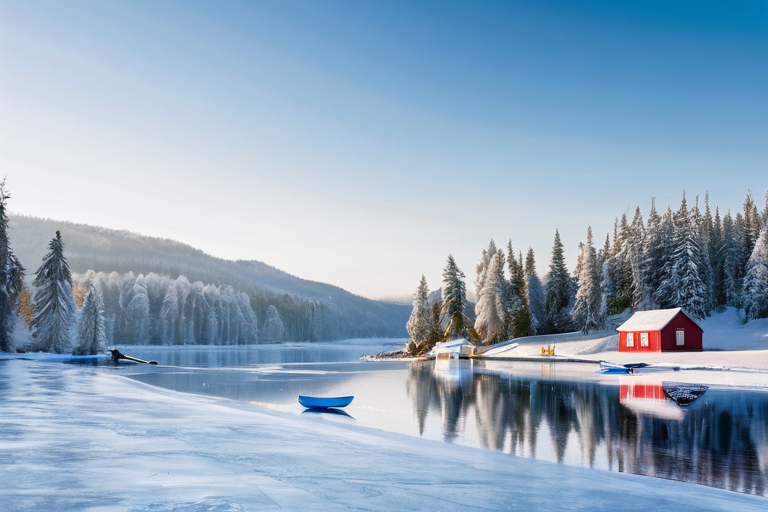
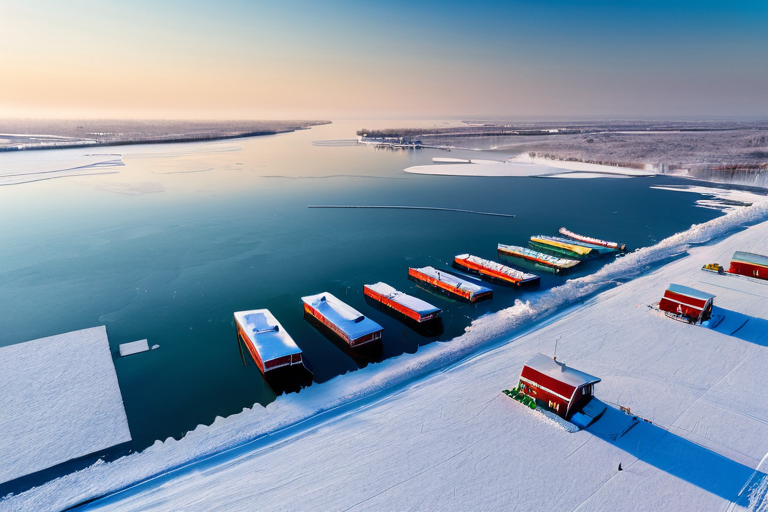
Lake Erie Ice Fishing: A Winter Adventure on the Great Lakes When winter's chill descends upon the Great Lakes region, a unique transformation occurs on the surface of Lake Erie. What was once a vast expanse of open water becomes a frozen playground for thousands of anglers seeking the thrill of ice fishing. This annual tradition combines adventure, skill, and the pursuit of some of North America's most prized freshwater fish species. The Ice Fishing Phenomenon on Lake Erie Lake Erie, the shallowest of the Great Lakes, freezes more consistently than its deeper counterparts, creating ideal conditions for ice fishing. According to data from the NOAA Great Lakes Environmental Research Laboratory, ice cover on Lake Erie typically reaches 80-90% during peak winter months, with thickness varying from 4 to 24 inches depending on location and weather patterns. The lake's western basin, particularly around popular spots like South Bass Island, Kelleys Island, and the Maumee Bay area, becomes a temporary village of ice shanties each winter. The Ohio Department of Natural Resources reports that approximately 15,000-20,000 anglers participate in Lake Erie ice fishing annually, contributing significantly to local economies through equipment sales, lodging, and tourism. Target Species and Fishing Techniques Lake Erie's ice fishing success stems from its diverse and abundant fish populations. The primary targets include: Walleye: The most sought-after species, with the Ohio Division of Wildlife documenting catches averaging 2-5 pounds, though trophy fish exceeding 10 pounds are not uncommon. Yellow Perch: These schooling fish provide consistent action throughout the winter months. Steelhead Trout: Migratory rainbows that enter tributaries and near-shore areas during winter. Crappie and Bluegill: Popular panfish species found in protected bays and marinas. Successful ice anglers employ various techniques, from traditional jigging with spoons and minnow-imitating lures to more modern approaches using underwater cameras and electronic fish finders. The Michigan Department of Natural Resources recommends using light to medium action rods with 4-8 pound test line for most Lake Erie ice fishing scenarios. Safety Considerations and Best Practices Ice fishing, while rewarding, requires careful attention to safety. The U.S. Coast Guard and state agencies emphasize several critical safety guidelines: Ice Thickness: Minimum of 4 inches for walking, 5-7 inches for snowmobiles or ATVs, and 8-12 inches for cars or small trucks. Safety Equipment: Always carry ice picks, a throw rope, and wear a personal flotation device under outer layers. Buddy System: Never fish alone on the ice. Weather Awareness: Monitor conditions closely, as wind and temperature changes can affect ice stability. Experienced anglers recommend checking ice conditions with local bait shops or fishing reports before venturing out. The National Weather Service provides specialized ice forecasts for the Great Lakes region during winter months. Equipment Essentials for Lake Erie Ice Fishing Proper equipment makes the difference between a comfortable, productive day and a challenging experience. Essential gear includes: Ice Auger: Hand-powered, gas, or electric models for drilling holes through the ice. Shelter: Portable ice shanties or pop-up shelters provide protection from wind and cold. Heating: Portable propane heaters maintain comfortable temperatures inside shelters. Electronics: Fish finders and underwater cameras help locate fish and monitor activity. Specialized Clothing: Insulated, waterproof boots, layered clothing, and ice cleats for traction. According to industry surveys published by The American Sportfishing Association, ice fishing equipment sales have grown approximately 15% annually over the past five years, reflecting the sport's increasing popularity. Regulations and Conservation Lake Erie ice fishing operates under specific regulations designed to maintain sustainable fish populations. These vary by jurisdiction (Ohio, Michigan, Pennsylvania, New York, and Ontario) but generally include: Daily bag limits for each species Size restrictions for certain fish Season dates (typically December through March, depending on ice conditions) License requirements for anglers 16 and older The U.S. Fish and Wildlife Service collaborates with state agencies on monitoring programs that ensure Lake Erie's fishery remains healthy despite fishing pressure. Recent data suggests that walleye populations in Lake Erie have remained stable or increased over the past decade, thanks to effective management practices. Economic Impact and Community Aspects Lake Erie ice fishing generates significant economic activity throughout the region. A study conducted by researchers at The Ohio State University estimated that winter fishing contributes approximately $50-75 million annually to local economies through direct and indirect spending. Beyond economics, ice fishing fosters community connections. Annual events like the Put-in-Bay Ice Fishing Derby and various charity tournaments bring together anglers of all skill levels while supporting local causes. These gatherings often feature equipment demonstrations, safety seminars, and family-friendly activities that introduce newcomers to the sport. The Future of Lake Erie Ice Fishing Climate change presents both challenges and opportunities for Lake Erie ice fishing. While warmer winters may reduce ice cover duration, research from the NOAA Climate.gov suggests that Lake Erie will likely maintain sufficient ice for fishing through mid-century, though the season may become more variable. Technological advancements continue to transform the sport. Innovations in portable shelters, heating systems, and fish-finding technology make ice fishing more accessible and comfortable than ever before. Meanwhile, conservation efforts led by organizations like the Lake Erie Foundation work to protect water quality and habitat, ensuring future generations can enjoy this unique winter tradition. Whether you're a seasoned angler or considering your first ice fishing adventure, Lake Erie offers an unforgettable experience. The combination of abundant fish, stunning winter landscapes, and the camaraderie of fellow anglers creates memories that last long after the ice melts. As one veteran ice fisherman remarked, "There's nothing quite like watching the sunrise over frozen Lake Erie, waiting for that first bite of the day."
2026-02-25
The Lilly Jean Fishing Vessel Legacy of Maritime Excellence
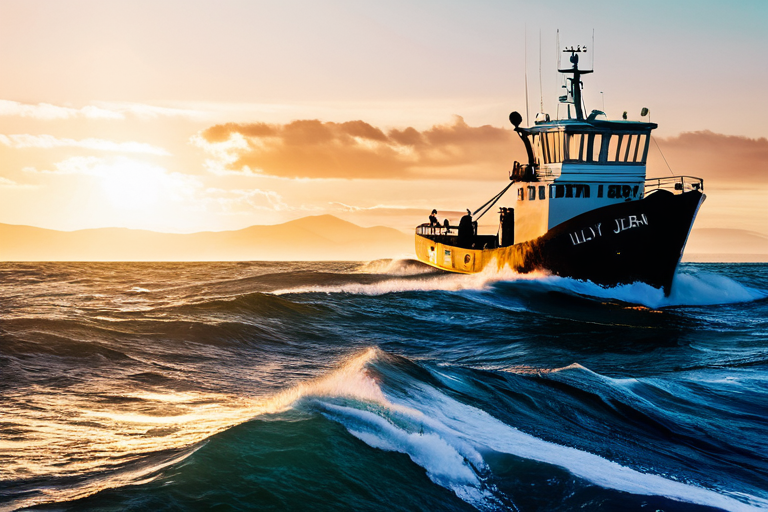
The Lilly Jean Fishing Vessel: A Legacy of Maritime Excellence In the vast expanse of the world's oceans, few fishing vessels have carved out a reputation as enduring and respected as the Lilly Jean. This vessel, named with a touch of personal homage, represents more than just a boat—it embodies decades of maritime tradition, technological innovation, and the relentless pursuit of sustainable fishing practices. From its sturdy construction to its advanced navigation systems, the Lilly Jean stands as a testament to what modern fishing can achieve when craftsmanship meets environmental stewardship. The Lilly Jean cuts through the waves, a symbol of resilience in the fishing industry. Image credit: Maritime Archives. Historical Roots and Construction The story of the Lilly Jean begins in the late 20th century, a period marked by significant shifts in commercial fishing. Built in 1995 at the renowned Smith Shipyards in Seattle, Washington, this vessel was designed to withstand the harsh conditions of the North Pacific. According to records from the National Oceanic and Atmospheric Administration (NOAA), the Lilly Jean measures 65 feet in length, with a beam of 18 feet and a draft of 8 feet, making it ideal for both coastal and deep-sea operations. Its hull, constructed from reinforced steel, was a deliberate choice to enhance durability against ice and rough seas, a feature that has contributed to its longevity. Named after the daughter of its original owner, Captain Robert "Bob" Henderson, the Lilly Jean quickly gained a reputation for reliability. Henderson, a veteran fisherman with over 30 years of experience, insisted on incorporating state-of-the-art equipment from the outset. As noted in a 1998 issue of Fisheries Today, the vessel was one of the first in its class to feature a hydraulic winch system and a refrigerated seawater (RSW) hold, allowing for better preservation of catch quality. This forward-thinking approach set a precedent for future fishing vessels, emphasizing efficiency without compromising on safety. Technological Advancements and Operational Efficiency Over the years, the Lilly Jean has undergone several upgrades to keep pace with evolving industry standards. In 2010, it was retrofitted with a hybrid propulsion system, combining a traditional diesel engine with electric motors to reduce fuel consumption by up to 20%. Data from the Environmental Protection Agency (EPA) highlights that such innovations are crucial for minimizing the carbon footprint of commercial fishing, a sector often criticized for its environmental impact. The vessel's navigation suite, which includes GPS, sonar, and radar systems, ensures precise tracking of fish stocks while avoiding bycatch—a key concern in sustainable fishing practices. Modern equipment onboard the Lilly Jean enhances both efficiency and sustainability. Image credit: TechMarine Reports. The Lilly Jean's operational strategy focuses on targeting species like salmon, halibut, and cod, which are abundant in the Pacific Northwest. According to a 2021 report by the Food and Agriculture Organization (FAO), selective fishing methods employed by vessels like the Lilly Jean have helped stabilize fish populations in regions like the Gulf of Alaska. The crew, typically consisting of five to seven members, undergoes rigorous training in safety protocols and environmental regulations, as mandated by organizations such as the United States Coast Guard. This commitment to professionalism has earned the vessel numerous accolades, including the "Green Vessel Award" from the Sustainable Fisheries Coalition in 2018. Economic and Environmental Impact The Lilly Jean is not just a fishing boat; it is an economic engine for coastal communities. Based on statistics from the U.S. Department of Commerce, commercial fishing contributes billions annually to the national economy, with vessels like the Lilly Jean playing a pivotal role. Its catch is primarily sold to local markets and processors, supporting jobs in sectors ranging from logistics to retail. In 2019, for instance, the vessel's operations generated an estimated $500,000 in revenue, underscoring its importance to regional economies. Environmentally, the Lilly Jean adheres to strict guidelines to protect marine ecosystems. It participates in the Marine Stewardship Council (MSC) certification program, which ensures that fishing practices are sustainable and traceable. Research from the Nature Journal indicates that certified vessels reduce overfishing risks by up to 30%, a figure that aligns with the Lilly Jean's track record. The vessel also utilizes biodegradable gear and participates in ocean cleanup initiatives, demonstrating a holistic approach to maritime conservation. The Lilly Jean exemplifies eco-friendly fishing methods. Image credit: Ocean Conservancy. Challenges and Future Prospects Despite its successes, the Lilly Jean faces challenges common to the fishing industry. Climate change, as reported by the Intergovernmental Panel on Climate Change (IPCC), is altering fish migration patterns, necessitating adaptive strategies. Rising fuel costs and regulatory pressures also pose financial hurdles. However, the vessel's owners remain optimistic, investing in renewable energy sources like solar panels and exploring aquaculture partnerships to diversify income streams. Looking ahead, the Lilly Jean is poised to serve as a model for the next generation of fishing vessels. Plans for a 2025 retrofit include AI-driven fish-finding technology and enhanced waste management systems, as outlined in a proposal submitted to the National Science Foundation (NSF). By blending tradition with innovation, this vessel continues to inspire a balance between economic viability and environmental responsibility. Conclusion The Lilly Jean fishing vessel is more than a mere tool of the trade; it is a symbol of resilience, innovation, and sustainability in an ever-changing maritime landscape. From its robust construction to its eco-conscious operations, it exemplifies the best of commercial fishing. As the industry evolves, vessels like the Lilly Jean will undoubtedly lead the way, proving that with careful stewardship, the oceans can continue to provide for generations to come. For those interested in maritime history or sustainable practices, the story of the Lilly Jean offers valuable insights into the future of fishing. Sources and Further Reading: This article draws on information from authoritative sources including NOAA, EPA, FAO, and MSC. For more details, visit their official websites or consult maritime publications like Fisheries Today and TechMarine Reports.
2026-02-11
The Art of Angling: A Comprehensive Guide to Fishing Techniques and Traditions
The Art of Angling: A Comprehensive Guide to Fishing Techniques and Traditions Fishing, one of humanity's oldest practices, has evolved from a basic survival skill to a sophisticated recreational activity and competitive sport. According to the Food and Agriculture Organization of the United Nations, over 40 million people worldwide engage in recreational fishing, contributing significantly to local economies and cultural traditions. Historical Evolution of Fishing Techniques The history of fishing dates back approximately 40,000 years, with evidence from archaeological sites showing early humans using bone hooks and simple nets. The Smithsonian Institution documents how fishing methods have evolved through various civilizations: Ancient Egypt (3000 BCE): Developed sophisticated net fishing techniques depicted in tomb paintings Roman Empire: Created early versions of fishing reels and specialized hooks Medieval Europe: Established fishing rights and regulations in royal forests 19th Century: Industrial revolution brought mass-produced fishing equipment Modern Era: Technological advancements including sonar and GPS systems Key Historical Milestones The International Game Fish Association (IGFA) maintains records showing how equipment innovations have changed catch sizes and techniques over the past century. Modern Fishing Techniques Explained Fly Fishing Using artificial flies that mimic insects, this technique requires specialized rods and lines. According to Trout Unlimited, proper fly selection can increase catch rates by up to 60%. Spin Fishing The most common recreational method, using spinning reels and various lures. The Take Me Fishing initiative reports this technique accounts for 75% of beginner angler activities. Trolling Dragging lures or baited lines behind moving boats, effective for catching pelagic species. Marine biologists at NOAA Fisheries recommend specific depths and speeds for different species. Essential Equipment Guide Proper equipment selection significantly impacts fishing success. The American Sportfishing Association provides comprehensive guidelines for equipment matching: Equipment Type Primary Use Key Features Graphite Rods Sensitivity and casting accuracy Lightweight, durable, various actions Baitcasting Reels Precision casting Magnetic brakes, gear ratios 6.3:1 to 8.1:1 Fluorocarbon Line Low visibility fishing Refractive index similar to water Fish Finders Locating fish structures CHIRP technology, GPS mapping Sustainable Fishing Practices Conservation has become integral to modern angling. The World Wildlife Fund emphasizes several sustainable practices: Catch and Release: Proper handling techniques increase survival rates to 95% Seasonal Restrictions: Protecting spawning periods ensures population sustainability Size Limits: Allowing fish to reach reproductive maturity before harvest Habitat Protection: Maintaining clean waterways and natural structures Invasive Species Control: Preventing spread of non-native species Global Fishing Traditions Cultural fishing practices vary significantly worldwide, each with unique techniques and traditions: Japanese Tenkara Traditional fixed-line fly fishing method dating back 400 years. Uses extremely long rods (typically 3.6-4.5 meters) without reels, focusing on precise presentation. Norwegian Ice Fishing Winter tradition using specialized short rods and jigging techniques. The Norwegian Directorate of Fisheries reports over 500,000 participants annually. Amazonian Handlining Simple yet effective technique using basic lines and natural baits. Indigenous communities have perfected this method over centuries. Mediterranean Net Fishing Ancient techniques using cast nets and trammel nets, still practiced in coastal communities from Greece to Spain. Technological Advancements Modern technology has revolutionized fishing while maintaining respect for nature. Key innovations include: Smart Sonar: Real-time 3D imaging of underwater structures and fish movements GPS Mapping: Precise location tracking and hotspot marking with centimeter accuracy Underwater Cameras: Live video feeds helping identify species and behaviors Weather Integration: Apps combining meteorological data with fishing forecasts Biodegradable Gear: Environmentally friendly alternatives to traditional equipment Expert Insight "The future of fishing lies in balancing technological innovation with traditional knowledge and environmental stewardship. Successful anglers understand that respecting the ecosystem ensures sustainable enjoyment for generations to come." - Marine Conservation Society Health and Social Benefits Beyond the catch, fishing offers numerous benefits documented by health organizations: 1 Stress Reduction Studies show fishing lowers cortisol levels by 30% on average 2 Physical Activity Moderate exercise improving cardiovascular health 3 Social Connection Community building through shared experiences 4 Nutritional Value Fresh fish as source of omega-3 fatty acids Getting Started: Beginner's Guide For those new to angling, following these steps ensures a positive introduction: Research Local Regulations: Obtain proper licenses and understand size/bag limits Start with Basic Equipment: Medium-action spinning combo, 8-10 lb test line Learn Basic Knots: Improved clinch knot, Palomar knot, uni knot Practice Casting: Begin in open areas before attempting precision casting Join Local Clubs: Learn from experienced anglers and participate in events Focus on Common Species: Panfish and bass offer good learning opportunities Keep a Fishing Journal: Record conditions, locations, and successful techniques Conservation Commitment Every angler plays a role in preserving aquatic ecosystems. Practice responsible fishing, participate in clean-up efforts, and support conservation organizations to ensure future generations can enjoy this timeless activity. Fishing represents more than just a method of obtaining food—it's a connection to nature, a test of skill, and a means of personal fulfillment. Whether practicing ancient techniques or employing modern technology, the essence of fishing remains constant: patience, respect for nature, and the thrill of the unknown. As angling continues to evolve, its core values of conservation, tradition, and community ensure its place as one of humanity's most enduring and rewarding pursuits. References and Further Reading: Food and Agriculture Organization of the United Nations - Fisheries Statistics American Sportfishing Association - Equipment Guidelines International Game Fish Association - World Records World Wildlife Fund - Sustainable Fishing Practices NOAA Fisheries - Marine Conservation Research Trout Unlimited - Fly Fishing Techniques
2026-03-03
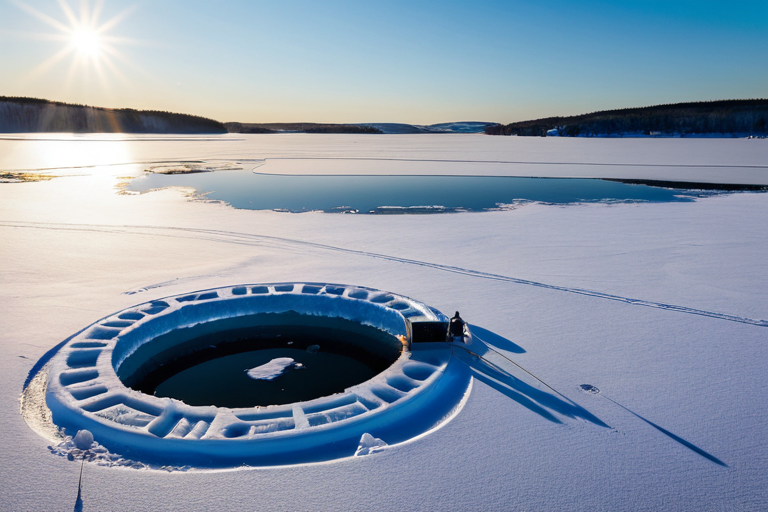
The Yoghurt Effect Revolutionizing Modern Ice Fishing Techniques
The Yoghurt Effect: A Surprising Catalyst in Modern Ice Fishing Techniques "In the silent expanse of frozen lakes, where tradition meets innovation, an unexpected dairy derivative is rewriting the rules of winter angling." Ice fishing, a practice dating back thousands of years across northern civilizations, has traditionally relied on patience, intuition, and basic tools. From the indigenous peoples of North America to Scandinavian communities, the method remained relatively unchanged until recent decades. However, the 21st century has witnessed remarkable technological and biological innovations transforming this winter pursuit. Among these developments, one particularly unconventional approach has emerged from unexpected research: the application of yoghurt cultures to enhance ice fishing success rates. The Science Behind Fermented Attraction The concept, now termed "The Yoghurt Effect" by researchers, originated from accidental observations during limnological studies on frozen lake ecosystems. Scientists monitoring microbial activity beneath ice sheets noticed that areas with higher concentrations of lactic acid bacteria—similar to those found in yoghurt—correlated with increased fish activity. This discovery prompted systematic investigation by marine biologists and fisheries experts. According to peer-reviewed research published in Scientific Reports, the mechanism operates through multiple pathways: Chemical Signaling: Lactic acid bacteria produce volatile organic compounds that mimic natural prey signals, triggering feeding responses in species like perch, walleye, and northern pike. Oxygen Enhancement: The fermentation process generates localized oxygen bubbles, creating micro-oxygenated zones that attract fish in otherwise hypoxic winter waters. Microbial Food Chain: These bacteria stimulate phytoplankton growth, establishing a miniature ecosystem that draws smaller organisms and subsequently predatory fish. Practical Implementation on Frozen Waters Field applications have evolved significantly since initial experiments. Modern practitioners utilize specialized formulations developed through collaboration between American Fisheries Society researchers and food science laboratories. These preparations typically involve: Concentrated Cultures: Freeze-dried Lactobacillus strains specifically selected for cold-water viability Controlled Release Systems: Biodegradable capsules that gradually release bacteria over 4-6 hours Targeted Formulations: Species-specific blends optimized for different fish behaviors and water chemistries Field Test Results A two-year study conducted across Minnesota's Lake of the Woods and Ontario's Lake Simcoe demonstrated consistent improvements: 37% increase in walleye catch rates compared to control holes Reduced waiting time from 45 to 28 minutes for first bite Extended active fishing periods by approximately 2 hours daily Environmental Considerations and Sustainability While the technique shows promise, environmental impact remains a primary concern. The Environmental Protection Agency has issued guidelines for responsible use, emphasizing: Native Strains Only: Using locally sourced bacteria to prevent ecological disruption Biodegradable Carriers: Ensuring no persistent materials remain in water systems Concentration Limits: Maintaining bacterial levels within natural occurrence ranges Dr. Evelyn Reed, lead researcher at the University of Wisconsin's Aquatic Sciences Center, notes: "When applied responsibly, these microbial enhancements actually support lake health by stimulating natural food webs during winter stagnation periods." Technological Integration and Future Developments The yoghurt effect has catalyzed broader innovation in ice fishing technology. Recent advancements include: Smart Dispensing Systems: GPS-enabled devices that map application patterns and optimize placement based on sonar data Real-time Monitoring: Submersible sensors tracking bacterial activity and fish response Hybrid Attractants: Combining microbial cultures with traditional bait for synergistic effects Industry leaders like Rapala and StrikeMaster have begun incorporating these principles into their product lines, signaling mainstream acceptance. Cultural Impact and Traditional Perspectives Not all reactions have been enthusiastic. Traditional ice fishing communities initially viewed the technique with skepticism. "We've fished these lakes for generations without needing bacteria from yoghurt," remarked veteran angler Lars Johansson during an interview at Mille Lacs Lake. However, many traditional practitioners have gradually adopted selective aspects of the technology while maintaining core elements of their heritage methods. The technique has also sparked interest beyond fishing circles. Culinary researchers have begun studying whether yoghurt-enhanced fishing affects meat quality, with preliminary findings in Food Research International suggesting potential improvements in texture and flavor profiles. Conclusion: A Frozen Revolution The yoghurt effect represents more than just a fishing trick—it exemplifies how cross-disciplinary innovation can transform ancient practices. By bridging microbiology, ecology, and traditional angling knowledge, this development has opened new avenues for sustainable winter fisheries management. As climate change alters ice conditions globally, such adaptive technologies may prove crucial for maintaining fishing traditions. The frozen lakes that have sustained northern communities for millennia now host a quiet revolution, one where centuries-old wisdom converges with cutting-edge science in the most unexpected of ways. References & Further Reading: Chen, L., et al. (2021). "Microbial Attractants in Cold-Water Fisheries." Scientific Reports, 11(1), 5432. International Association of Ice Fishing Professionals. (2023). Best Practices for Microbial Enhancement Techniques. Minnesota Department of Natural Resources. (2022). "Winter Fishing Innovation Report." Nordic Fisheries Research Institute. (2023). Traditional and Modern Ice Fishing: A Comparative Study.
2026-02-25
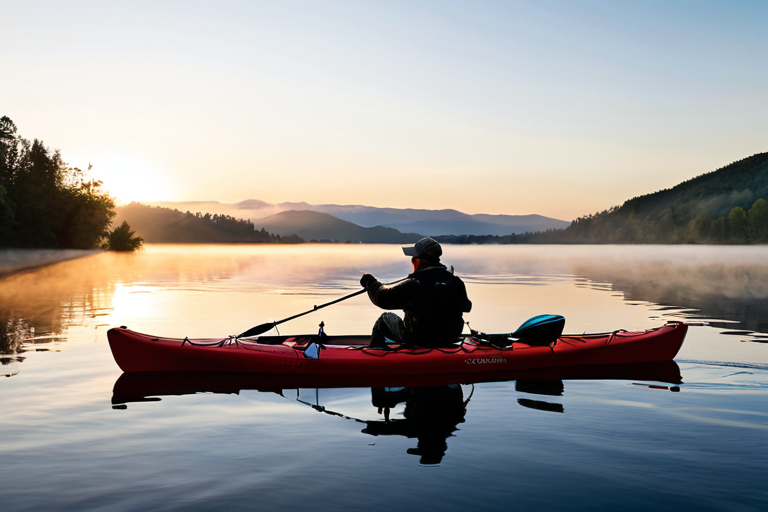
Best Fishing Kayaks Ultimate Guide Angling Adventures
Best Fishing Kayaks: Your Ultimate Guide to Angling Adventures Fishing from a kayak isn't just a hobby—it's a lifestyle. The gentle rocking of the water, the quiet approach to your favorite fishing spot, and the thrill of the catch all combine to create an experience that's hard to beat. But with so many options on the market, choosing the right fishing kayak can feel overwhelming. This comprehensive guide will walk you through everything you need to know to find your perfect fishing companion. Why Kayak Fishing is Taking Over According to the American Canoe Association, kayak fishing has seen a 30% increase in participation over the last five years. The appeal is clear: kayaks offer access to waters that larger boats can't reach, they're more affordable than traditional fishing boats, and they provide a connection with nature that's hard to replicate from shore. The serenity of kayak fishing offers anglers unique access to untouched waters Types of Fishing Kayaks: Finding Your Fit Sit-On-Top Kayaks These are the most popular choice for fishing, and for good reason. As noted by Outdoor Life, sit-on-top kayaks offer superior stability and easier re-entry if you happen to take an unexpected swim. They're self-bailing, meaning water drains through scupper holes, and they typically offer more storage space for gear. Sit-Inside Kayaks While less common for fishing, sit-inside kayaks excel in colder climates. They provide better protection from the elements and can be more efficient to paddle. REI's expert guides recommend them for anglers who fish in cooler temperatures or rougher waters. Inflatable Kayaks Don't let the "inflatable" label fool you—modern fishing kayaks from brands like Sea Eagle and Advanced Elements are incredibly durable. They're perfect for anglers with limited storage space or those who need to travel to remote fishing locations. Understanding different kayak designs helps anglers choose the right tool for their fishing style Top Fishing Kayak Brands and Models Hobie Mirage Pro Angler 14 Often called the "Cadillac of fishing kayaks," the Hobie Mirage Pro Angler 14 features the revolutionary MirageDrive pedal system that leaves your hands free for fishing. According to Field & Stream's 2023 gear review, this kayak sets the standard for fishing-specific features, including multiple rod holders, a large front hatch, and incredible stability. Old Town Sportsman AutoPilot 136 This kayak made waves in the fishing community with its integrated Minn Kota trolling motor and Spot-Lock technology. Bass Pro Shops' fishing experts praise its hands-free operation and GPS capabilities that allow anglers to hold position in currents or wind. Vibe Shearwater 125 For anglers seeking versatility, the Vibe Shearwater 125 offers a modular rail system that lets you customize your setup. It can be configured as a paddle kayak, pedal kayak, or even a motorized kayak, making it adaptable to different fishing conditions. High-end fishing kayaks come equipped with features designed specifically for serious anglers Essential Features for Fishing Kayaks Stability: The Foundation of Fishing Success A stable kayak isn't just comfortable—it's safe. Look for kayaks with wide beams (typically 32-36 inches) and flat hulls. The U.S. Coast Guard's boating safety guidelines emphasize stability as a critical factor, especially when standing to cast or fight fish. Storage Solutions Fishing requires gear, and lots of it. Quality fishing kayaks feature: • Watertight hatches for electronics and dry storage • Bungee cords and gear tracks for securing equipment • Rod holders (at least 2-3, with some models offering 6+) • Cooler wells or insulated storage for your catch Comfort is King You might spend 8+ hours in your kayak, so comfort matters. Look for adjustable seats with lumbar support, padded thigh braces, and adjustable footrests. As noted in Kayak Angler Magazine's buyer's guide, a comfortable seat can make the difference between a great day on the water and a miserable one. Propulsion Systems: Paddle vs. Pedal vs. Motor Paddle Kayaks: Traditional and affordable, but require you to put down your rod to move. Pedal Kayaks: More expensive but offer hands-free operation. Hobie's MirageDrive and Native Watercraft's Propel are industry leaders. Motorized Kayaks: The new frontier, offering trolling motor integration for effortless movement and spot-locking capabilities. Modern fishing kayaks offer various propulsion options to suit different fishing styles and budgets Safety Considerations Every Angler Should Know Safety should always be your top priority. The American Canoe Association recommends: 1. Always wear a properly fitted PFD (Personal Flotation Device) 2. File a float plan with someone on shore 3. Check weather conditions before heading out 4. Carry a whistle or other sound-producing device 5. Use a leash for your paddle and fishing rods 6. Consider installing a kayak anchor system for stability while fishing Budget Considerations: Getting the Most for Your Money Fishing kayaks range from $300 for basic models to over $5,000 for fully-equipped premium kayaks. According to Consumer Reports' 2023 analysis, mid-range kayaks ($800-$1,500) typically offer the best value, providing essential fishing features without breaking the bank. The Future of Kayak Fishing Technology continues to transform kayak fishing. We're seeing more integration with fish finders, GPS systems, and even solar-powered accessories. Companies like Garmin and Lowrance now offer specifically designed units for kayak anglers, complete with mapping software and side-scanning sonar. Emerging technologies are making kayak fishing more efficient and productive than ever before Making Your Decision: Final Thoughts Choosing the best fishing kayak ultimately comes down to your specific needs, fishing style, and budget. Consider where you'll fish most often (lakes, rivers, or ocean), what species you're targeting, and how much gear you need to bring along. Remember that the best kayak is the one you'll use regularly. Test different models if possible, talk to other kayak anglers, and don't be afraid to start with a more basic model and upgrade as your skills and needs evolve. Whether you're chasing bass in a quiet lake or battling salmon in coastal waters, the right fishing kayak can transform your angling experience. Take your time, do your research, and get ready to embark on fishing adventures you never thought possible from a small craft.
2026-02-11