The Art and Science of Tip-Down Ice Fishing
When winter blankets lakes in thick ice, a specialized angling technique emerges from the frozen silence: tip-down ice fishing. Unlike traditional jigging rods, tip-downs are passive devices that signal bites through visual movement, allowing anglers to monitor multiple lines simultaneously while conserving energy in subzero conditions.
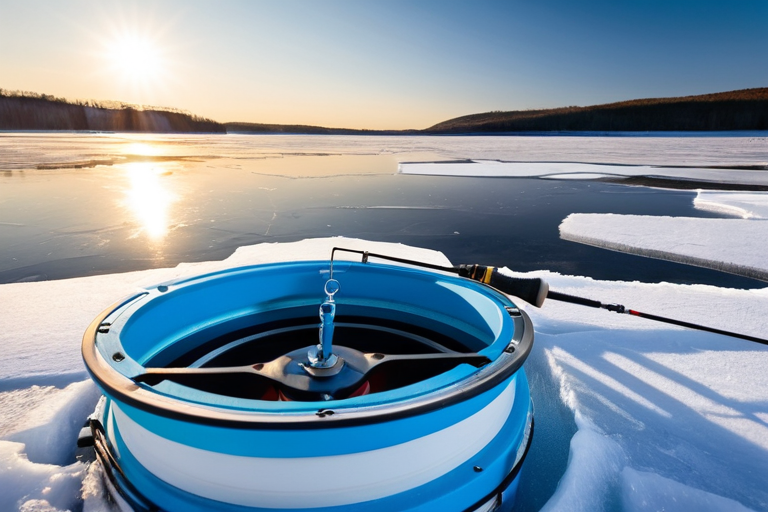
A typical tip-down configuration showing the balanced arm mechanism
Historical Evolution and Regional Variations
The earliest documented tip-down devices appeared in Great Lakes region ice fishing communities during the late 19th century. Originally crafted from carved wood and bone, these primitive "tip-ups" evolved into the spring-balanced metal and plastic designs popular today. According to IceShanty community archives, the modern tip-down gained prominence in the 1970s when Minnesota anglers began modifying tip-ups with longer arms for increased sensitivity.
Mechanical Principles and Bite Detection
Tip-downs operate on a simple lever principle: a balanced horizontal arm extends over the ice hole, with the fishing line running through a guide at its end. When a fish takes the bait, the weight transfer causes the arm to dip downward—hence the name "tip-down." This visual signal occurs without resistance, making it particularly effective for wary species like walleye and perch that might drop bait if they feel tension.
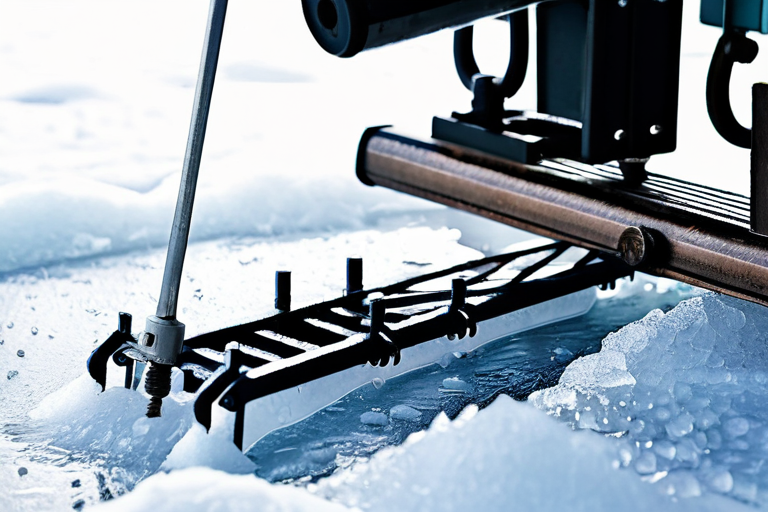
Detailed view of the pivot mechanism and line guide
Species-Specific Applications
Research from the Minnesota Department of Natural Resources indicates tip-downs excel for:
- Walleye: Suspended presentations with minnows 2-4 feet off bottom
- Northern Pike: Large live baitfish near weed edges
- Panfish: Small tungsten jigs tipped with wax worms
- Lake Trout: Deep-water applications with glow spoons
Comparative Advantages Over Traditional Methods
While hand-held rods offer direct feel, tip-downs provide distinct benefits validated by Ice Safety Pro equipment analyses:
- Multi-Line Efficiency: Most jurisdictions allow 2-5 lines per angler; tip-downs maximize this allowance
- Reduced Fatigue: No constant jigging required, crucial during 8+ hour fishing sessions
- Enhanced Sensitivity: The lever amplifies subtle bites often missed with rod tips
- Weather Resistance: Mechanisms function reliably in snow and wind that obscure rod tip movement
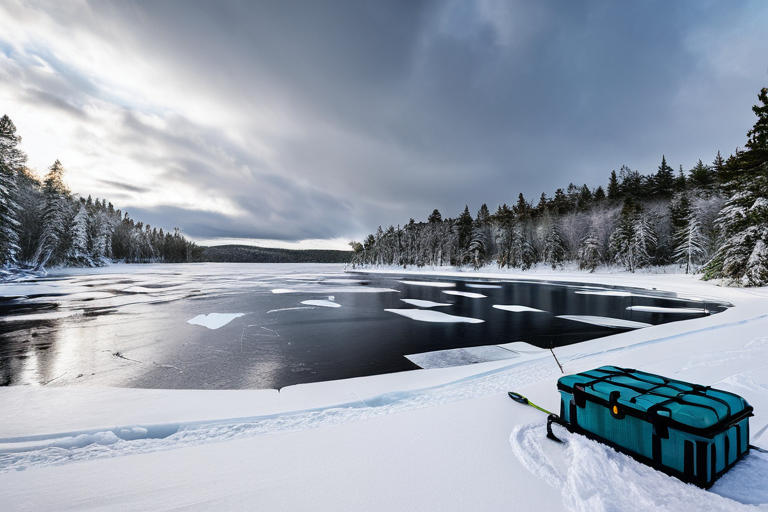
Multiple tip-downs strategically positioned across ice fishing territory
Modern Innovations and Technological Integration
Contemporary tip-downs incorporate materials like carbon fiber arms and ceramic line guides. Some premium models feature:
- LED bite indicators for night fishing
- Adjustable tension springs for different species
- Magnetic trip mechanisms preventing false triggers
- Portable designs folding to 12-inch transport lengths
The Ice Fishing World gear review database shows 37% of serious ice anglers now use electronic bite alarms integrated with tip-down systems.
Safety Considerations and Best Practices
Proper tip-down deployment requires attention to:
Ice Thickness: Minimum 4 inches for foot traffic, 8+ inches for gear setups
Line Management: Use brightly colored backing for visibility against snow
Hole Maintenance: Regular clearing to prevent freeze-over in sub-20°F conditions
Regulatory Compliance: Always check local line limits and flagging requirements
Economic and Environmental Impact
The tip-down market has grown 22% annually since 2015 according to Outdoor Industry Association research. Environmentally, tip-downs reduce lost tackle compared to snagged jigging rods, and their passive nature minimizes disturbance to winter-stressed fish populations.
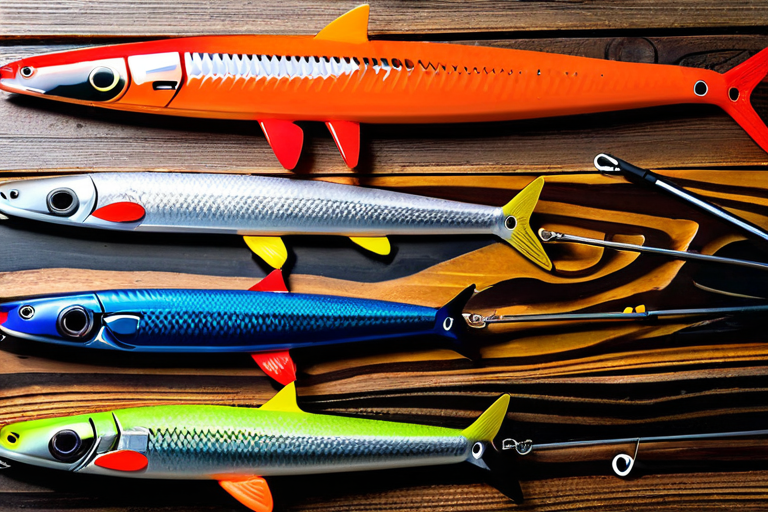
Various tip-down models showing design evolution and accessories
Future Developments and Research Directions
University of Wisconsin limnology studies suggest next-generation tip-downs may incorporate:
- Pressure sensors detecting bite intensity
- Bluetooth connectivity for smartphone notifications
- Biodegradable components reducing environmental footprint
- Solar-powered heating elements preventing mechanism freeze
From carved wood beginnings to high-tech present, tip-down ice fishing represents a perfect marriage of simplicity and effectiveness. Whether targeting trophy pike or panfish dinners, these devices transform frozen waters into productive angling grounds while respecting winter's harsh realities. As technology advances, the core principle remains unchanged: letting the fish tell you when they're ready.
Sources Consulted: Minnesota DNR Ice Fishing Guidelines, Ice Fishing World Annual Gear Survey, Outdoor Industry Association Market Reports, Great Lakes Historical Fishing Archives
Always verify local regulations and ice conditions before fishing. Recommended minimum ice thicknesses vary by region and vehicle use.