The Ultimate Guide to Tip-Ups for Ice Fishing Success
Ice fishing tip-ups represent one of the most effective and traditional methods for targeting cold-water species. These mechanical marvels allow anglers to monitor multiple holes simultaneously while staying warm in their shelters. This comprehensive guide covers everything from basic mechanics to advanced techniques.
What Are Tip-Ups and How Do They Work?
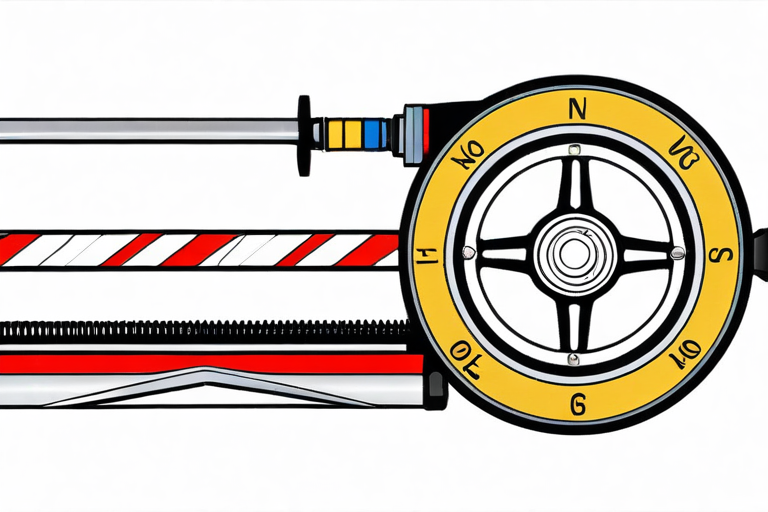
Modern tip-up showing flag mechanism and spool system
Tip-ups are mechanical devices designed to signal when a fish takes your bait while ice fishing. The basic principle involves a spool of line submerged in the water, connected to a spring-loaded flag mechanism above the ice. When a fish pulls line from the spool, tension releases the flag, which springs upright to alert the angler.
According to Take Me Fishing, a leading educational fishing resource, tip-ups have evolved significantly from their simple wooden ancestors. Modern versions feature:
- Thermal-insulated spools to prevent freezing
- Adjustable tension systems for different species
- High-visibility flags with various color options
- Durable materials like ABS plastic and stainless steel
- Compact designs for easy transport
The Ice Shanty community, one of the largest ice fishing forums, reports that experienced anglers typically run 3-5 tip-ups simultaneously, strategically placed around their fishing area to cover different depths and structures.
Choosing the Right Tip-Up for Your Needs
Selecting appropriate tip-ups depends on several factors including target species, fishing conditions, and personal preferences. The three main types include:
Traditional Cross-Style
Wooden or plastic crosses that lay flat on the ice. These classic designs offer excellent stability in windy conditions and are favored by traditionalists.
Thermal Tip-Ups
Feature insulated compartments that keep the spool below the waterline, preventing freeze-ups in extreme temperatures. Essential for serious winter anglers.
Round/Saucer Style
Circular designs that cover the hole completely, reducing light penetration and preventing ice formation. Popular for wary fish like trout.

Strategic placement of tip-ups across different ice fishing holes
In-Fisherman magazine, a respected authority in angling journalism, recommends considering these factors when selecting tip-ups:
- Durability: Can it withstand sub-zero temperatures and rough handling?
- Sensitivity: Does it trigger easily for light-biting fish?
- Visibility: Can you see the flag from your shelter or other holes?
- Portability: How many can you comfortably carry to your spot?
- Ease of Use: Can you set it up quickly with cold hands?
Mastering Tip-Up Techniques and Strategies
Successful tip-up fishing involves more than just setting them out. Advanced techniques can dramatically increase your catch rates.
Depth and Location Strategies
According to data compiled by New York State Department of Environmental Conservation, different species prefer specific depth ranges during winter:
Experienced anglers recommend setting tip-ups in a pattern rather than randomly. A common strategy involves:
- One tip-up shallow (5-10 feet) for aggressive predators
- Two at mid-depth (15-25 feet) for most game fish
- One deep (30+ feet) for suspended or bottom-hugging species
- Positioning them along drop-offs, weed edges, or structure transitions
Pro Tip from Tournament Anglers
"Always set your tip-ups with the flag facing toward your primary observation point. This seems obvious, but you'd be surprised how many people set them randomly and miss subtle flag movements. Also, consider wind direction - flags blowing in the wind can give false positives, so position them accordingly." - Mark Johnson, 3-time Ice Fishing Tournament Champion
Bait Presentation and Hook Setting
Proper bait presentation separates casual anglers from consistent producers. The key lies in making your offering appear natural and vulnerable.
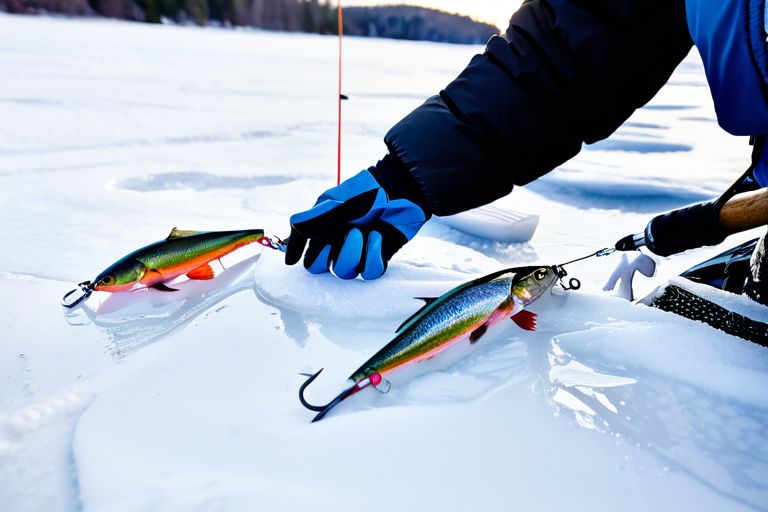
Live Bait Rigging: Hook placement varies by species. For walleye, hook through the lips for natural swimming. For pike, hook behind the dorsal fin to keep bait alive longer. Use appropriate hook sizes - too large reduces bites, too small loses fish.
Setting the Hook: When a flag trips, approach calmly but purposefully. Watch the spool - if it's turning slowly, the fish may be mouthing the bait. If it's spinning rapidly, set immediately. For light biters, wait until the spool stops before setting.
Depth Adjustment: Don't be afraid to change depths throughout the day. As light conditions change, fish move vertically in the water column. Many anglers adjust their tip-ups every 2-3 hours if they're not getting action.
Maintenance and Safety Considerations
Proper maintenance extends tip-up life and ensures reliable performance. After each use:
- Thoroughly dry all components to prevent rust and corrosion
- Lubricate moving parts with ice fishing-specific lubricants (never WD-40 as it freezes)
- Check line for nicks or abrasions and replace as needed
- Test flag mechanisms before storage
- Store in a cool, dry place away from direct sunlight
Safety should always be paramount when ice fishing. The Minnesota Department of Natural Resources emphasizes these critical safety practices:
- Always check ice thickness before venturing out (4+ inches for walking, 8+ for vehicles)
- Mark all tip-up holes clearly with branches or flags to prevent accidents
- Carry ice picks and wear a floatation device under your outer layers
- Fish with a partner whenever possible
- Be aware of changing weather conditions and ice quality
The Evolution of Tip-Up Technology
From simple wooden crosses to high-tech electronic systems, tip-ups have undergone significant evolution. Recent innovations include:
Electronic Tip-Ups
Feature LED lights and audible alarms. Some connect to smartphones via Bluetooth, allowing monitoring from warmth of shelter.
Underwater Cameras
Integrated or separate systems that let you watch fish approach and strike. Excellent for understanding fish behavior.
Temperature Sensors
Monitor water temperature at different depths, helping identify thermoclines where fish congregate.
Despite technological advances, many seasoned ice anglers maintain that mastering traditional tip-up techniques remains fundamental. As noted in Field & Stream's comprehensive guide, "Technology can enhance your fishing, but understanding fish behavior and proper presentation will always catch more fish than gadgets alone."
Final Thoughts on Tip-Up Mastery
Tip-up fishing represents the perfect marriage of tradition and strategy in ice angling. Whether you're targeting trophy pike or panfish for the fryer, mastering these devices will increase your success and enjoyment on the ice. Remember that consistency beats complexity - perfect your basic setup before adding advanced elements. Stay safe, respect the resource, and may your flags fly often this winter season.