The Complete Ice Fisher's Arsenal: Gear That Makes or Breaks Your Winter Adventure
"There's no such thing as bad weather, only unsuitable clothing and equipment." This old Scandinavian saying rings especially true for ice fishing. The difference between a miserable, frozen ordeal and a comfortable, productive day on the ice comes down to one thing: having the right gear.
Ice fishing transforms from a daunting challenge to an enjoyable winter pursuit when you're properly equipped. Unlike summer fishing where you might get away with forgetting a few items, winter fishing on frozen lakes demands preparation and specific equipment. The gear discussed here has been tested across frozen lakes from Minnesota's Boundary Waters to Canada's Great Slave Lake.
The Foundation: Cutting Through the Ice
Your ice fishing experience begins with creating access to the water below. This isn't just about making a hole—it's about doing it efficiently, safely, and with consideration for the environment.
Ice Augers: The Gateway to Fishing
Modern ice anglers have three main choices for creating fishing holes:
- Hand Augers: Lightweight, quiet, and reliable. Perfect for day trips and environmentally conscious anglers. Brands like Rapala and Strikemaster offer excellent manual options.
- Gas-Powered Augers: The workhorses for drilling multiple holes or cutting through thick ice. They're faster but heavier and noisier.
- Electric/Battery Augers: The quiet revolution. Companies like Ion have pioneered lithium-powered augers that combine power with environmental friendliness.
According to IceShanty.com, the largest ice fishing community online, most serious anglers now carry both a hand auger for quick holes and a power auger for serious drilling.
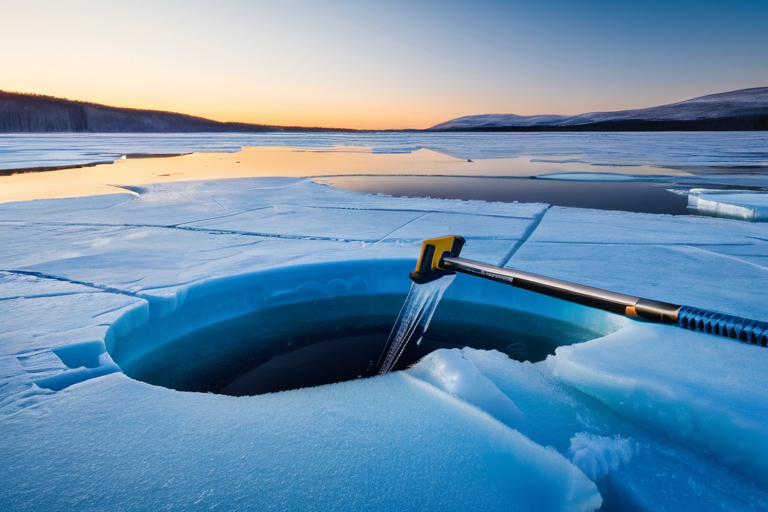
A modern electric ice auger making clean cuts through thick ice
Shelter Systems: Your Mobile Base Camp
Whether you're a "run-and-gun" angler moving constantly or someone who sets up for the day, shelter is non-negotiable. Wind chill on a frozen lake can drop temperatures to dangerous levels quickly.
Flip-Over Shelters
These portable shelters attach to your sled and flip over you in seconds. Perfect for anglers who move frequently. Clam Outdoors and Eskimo lead this category with innovative designs.
Hub-Style Shelters
Pop-up shelters that offer more space for groups or longer stays. They set up in minutes and provide standing room. The trade-off is they're less mobile once established.
Permanent Shacks
For serious ice fishing communities, wooden or insulated shelters that stay on the ice all season. These often include stoves, bunks, and all the comforts of home.
The Business End: Rods, Reels, and Electronics
Ice fishing rods are shorter than their open-water counterparts—typically 24-36 inches—with more sensitive tips to detect subtle bites in cold water. According to In-Fisherman magazine, the trend is toward specialized rods for specific species and techniques.
Modern Electronics: Seeing Through the Ice
Technology has revolutionized ice fishing more than any other aspect:
- Flashers: Traditional sonar units that show fish and bottom in real-time. Humminbird ICE series remains the industry standard.
- LCD/GPS Combos: Modern units like the Garmin Echomap series offer detailed mapping and high-resolution sonar.
- Underwater Cameras: Actually see fish behavior and how they react to your presentation.
The Minnesota DNR fishing reports consistently show that anglers using electronics catch 3-5 times more fish than those fishing blind.
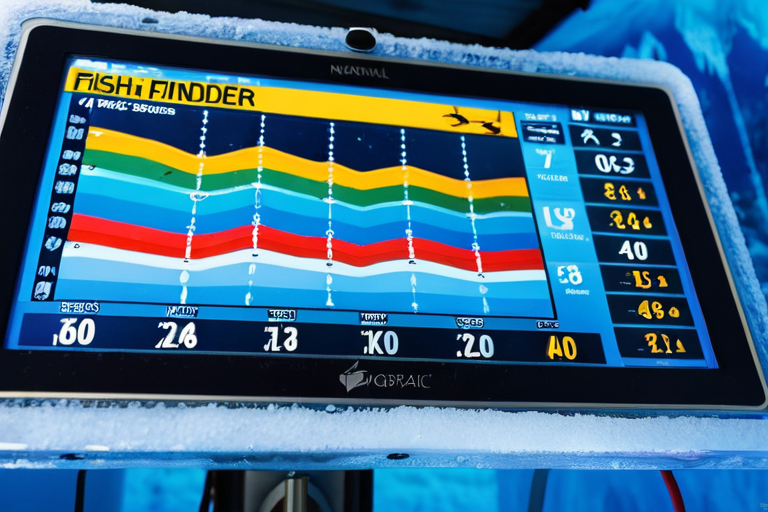
High-resolution fish finder display revealing fish suspended below the ice
Safety: The Non-Negotiable Gear
Every year, ice fishing accidents remind us that safety equipment isn't optional. The American Red Cross recommends a minimum of 4 inches of clear ice for walking, but conditions vary widely.
Ice Picks
Worn around your neck, these simple tools can pull you out if you fall through. Test them regularly—plastic handles can become brittle in extreme cold.
Float Suits
Modern fishing suits with built-in flotation. If you go through the ice, they keep you on the surface while providing insulation.
Ice Cleats
Traction devices that strap to your boots. Black ice on frozen lakes is incredibly slippery, and a fall can mean serious injury.
Communication
Fully charged phone in a waterproof case, plus a backup power bank. Consider a satellite communicator in remote areas.
Clothing: Layering for Success
The key to winter comfort is layering, not just wearing thick clothes. This system allows you to adjust throughout the day as activity levels and temperatures change.
The Three-Layer System
- Base Layer: Moisture-wicking material (never cotton) that moves sweat away from your skin. Merino wool or synthetic fabrics work best.
- Insulation Layer: Fleece, down, or synthetic insulation that traps heat. Multiple thinner layers are better than one thick layer.
- Shell Layer: Windproof and waterproof outer layer that blocks the elements while allowing moisture to escape.
Specialized brands like Striker Ice and Frabill design clothing specifically for ice fishing with features like reinforced knees, plenty of pockets, and built-in flotation.
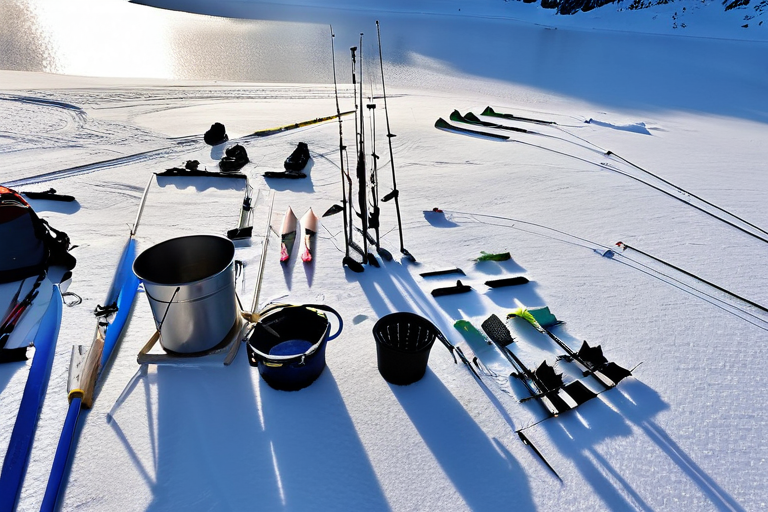
A well-organized ice fishing setup showing all essential equipment arranged on the ice
Accessories That Make a Difference
Beyond the major equipment, these smaller items transform your ice fishing experience from basic to exceptional.
Building Your System Over Time
Few anglers buy everything at once. Start with safety gear and basics, then add specialized equipment as you discover your fishing style. Many experienced ice fishers recommend:
Year 1: Safety gear, hand auger, basic rod, warm clothing
Year 2: Shelter, electronics, better rods
Year 3+: Power auger, specialized equipment, backup systems
The beauty of ice fishing gear is that much of it lasts for decades with proper care. Clean and dry everything after each use, store rods straight, and maintain auger blades. Your investment will pay dividends in comfort and catches for years to come.
The Final Word
Ice fishing connects us to ancient traditions while embracing modern technology. The right gear doesn't just make you more comfortable—it makes you more effective, safer, and more connected to the winter landscape. As legendary ice angler Dave Genz once said, "The fish are down there. Your job is to find them and convince them to bite. The right tools make both possible."
Sources: Information compiled from manufacturer specifications, IceShanty.com community data, In-Fisherman magazine field tests, and safety guidelines from the American Red Cross and various state Department of Natural Resources publications.