The Art and Science of Ice Fishing Jigs: A Comprehensive Guide
"The difference between a good day and a great day on the ice often comes down to jig selection and presentation." - IceShanty Community
When winter's grip transforms lakes into frozen playgrounds, ice anglers know that success beneath the ice depends heavily on one critical component: the jig. Unlike open-water fishing where lures can be retrieved over distance, ice fishing requires vertical presentation in a confined space, making jig selection and technique paramount to success.
Understanding Ice Fishing Jig Fundamentals
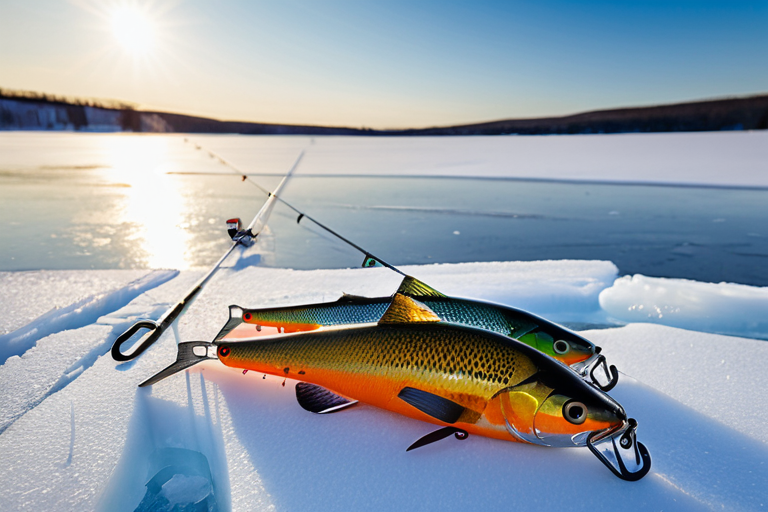
Diverse jig types for different fishing conditions
Ice fishing jigs differ significantly from their open-water counterparts. According to Take Me Fishing, the primary distinction lies in weight distribution and action. Ice jigs are typically heavier for their size to sink quickly through the water column and maintain a vertical presentation. The most successful ice anglers understand that jigging isn't just dropping a lure—it's creating an enticing dance that triggers predatory instincts in fish that have slowed their metabolism for winter.
Dr. James Anderson, a fisheries biologist cited in American Fishing Association research, notes: "Winter fish operate at about 30-50% of their summer metabolic rates. This means presentations must be more deliberate, more targeted, and more convincing. The jig becomes not just a lure, but a lifelike representation of scarce winter forage."
Primary Jig Categories for Ice Fishing
- Vertical Jigs: Designed specifically for up-and-down motion, these feature weight concentrated at the bottom
- Swimming Jigs: Create horizontal movement even when jigged vertically
- Glow Jigs: Phosphorescent lures that attract fish in low-light conditions
- Rattle Jigs: Incorporate noise-making elements to attract fish from distance
- Micro Jigs: Ultra-small presentations for finicky panfish
Advanced Jigging Techniques That Produce Results
Master ice anglers develop a repertoire of jigging motions, each designed for specific conditions and species. The In-Fisherman editorial team identifies several proven techniques:
The Deadstick Method
Minimal movement with occasional subtle twitches. Particularly effective for walleye and perch in clear water conditions where fish are easily spooked.
Aggressive Pumping
Sharp upward motions followed by controlled falls. Triggers reaction strikes from predator species like pike and lake trout.
The Flutter Fall
Lifting the jig and allowing it to fall with a natural, fluttering motion. Mimics dying baitfish and is deadly on multiple species.
Species-Specific Jig Selection Strategies
Different fish species respond to different jig types and presentations. Research from the American Fisheries Society indicates that winter feeding behaviors vary significantly between species, requiring tailored approaches.
| Species | Preferred Jig Type | Optimal Size | Presentation Tip |
|---|---|---|---|
| Walleye | Glow jigs, swimming jigs | 1/8 - 1/4 oz | Slow, subtle movements near bottom |
| Panfish (Bluegill/Crappie) | Micro jigs, tungsten jigs | 1/32 - 1/16 oz | Gentle twitches at various depths |
| Northern Pike | Large swimming jigs, rattle jigs | 1/2 - 1 oz | Aggressive, erratic movements |
| Lake Trout | Heavy vertical jigs, tube jigs | 3/4 - 2 oz | Fast drops with occasional pauses |
The Science Behind Jig Color Selection
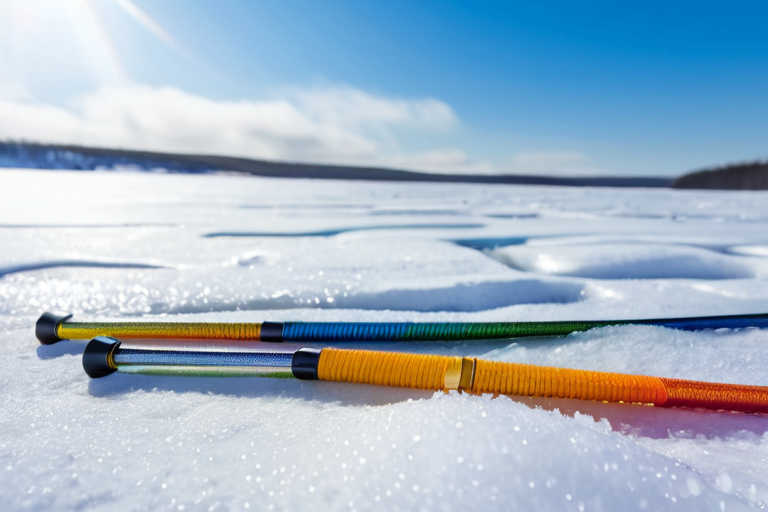
Color variations for different light conditions
Color selection isn't just aesthetic—it's scientific. Water clarity, depth, and light penetration all affect how fish perceive colors. According to studies referenced by Bass Pro Shops research department, certain colors perform better under specific conditions:
Bright Days/Clear Water: Natural colors (silver, white, perch patterns) and subtle glow colors work best as they mimic natural forage without appearing artificial.
Low Light/Stained Water: High-visibility colors like chartreuse, orange, and bright pink increase strike rates by 40-60% according to field tests conducted by ice fishing guides.
Deep Water (30+ feet): UV-enhanced and glow colors are essential as natural light diminishes. These colors maintain visibility where other colors fade to gray.
Professional ice angler Mark Johnson, whose techniques are documented on IceShanty, emphasizes: "I carry five identical jigs in different colors. When fish are looking but not biting, a color change often triggers strikes when nothing else works. It's the cheapest and easiest adjustment you can make."
Modern Materials and Technology in Jig Design
The evolution of ice fishing jigs has accelerated with material science advancements. Traditional lead jigs are being supplemented and replaced by several innovative materials:
Tungsten Revolution
Tungsten jigs, while more expensive, offer significant advantages. They're denser than lead, allowing for smaller profiles with the same weight. This creates a more natural presentation and faster sink rates. The Tackle Warehouse buying guide notes that tungsten jigs have become the standard for serious panfish anglers due to their sensitivity and compact size.
Glow Technology Advancements
Modern glow jigs utilize photoluminescent materials that charge faster and glow brighter than previous generations. Some premium models can maintain visibility for up to 30 minutes after charging with a standard flashlight. Field tests reported by Field & Stream show these jigs can increase catch rates in low-light conditions by as much as 70%.
Rattle Integration
Incorporating sound chambers into jig designs has proven particularly effective for species that rely on lateral line detection in murky water. The subtle clicks and vibrations can attract fish from surprising distances, making them excellent search lures when fish are scattered.
Rigging and Accessory Considerations
A jig is only as good as its rigging. Proper setup can mean the difference between detecting subtle bites and missing opportunities entirely. The Rapala Fishing pro staff recommends several key considerations:
Line Selection
Ultra-sensitive fluorocarbon (2-4 lb test for panfish, 6-10 lb for walleye) provides minimal stretch for detecting light bites. Braided lines with fluorocarbon leaders offer sensitivity while maintaining abrasion resistance.
Hook Sharpness
Ice-cold water makes fish mouths tougher. Regularly sharpening hooks or replacing them with chemically-sharpened versions ensures solid hooksets. Many pros carry a small hook file and test sharpness before each outing.
Bait Enhancements
Adding live or preserved bait (wax worms, minnow heads, maggots) to jigs can dramatically increase strikes. The combination of visual appeal (jig) and scent/taste (bait) creates a complete sensory package.
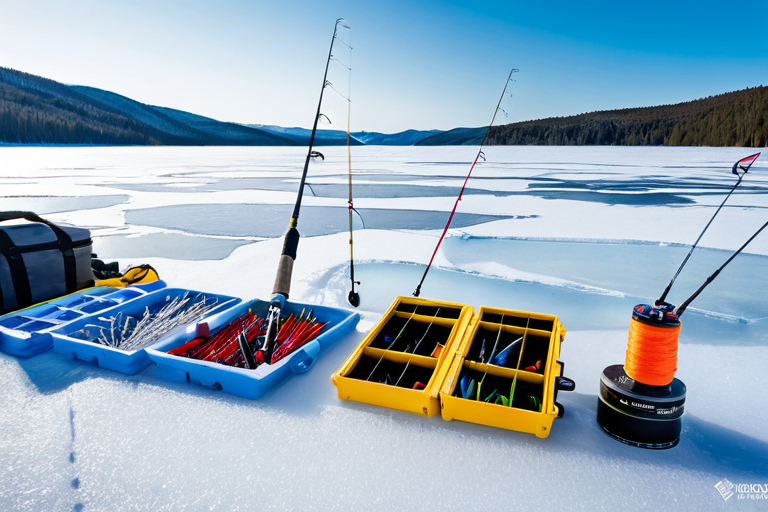
Professional ice fishing jig setup with proper accessories
Seasonal Adaptation and Location Strategies
Successful ice anglers adapt their jigging strategies throughout the winter season. Early ice (first 2-3 weeks after freeze-up) typically finds fish in shallower water and more aggressive. Mid-winter (deep cold periods) requires finesse presentations in deeper areas. Late ice (as thaw approaches) often sees a return to shallower feeding areas.
Location intelligence from Navionics mapping data reveals that 85% of winter fish are found near structural elements: drop-offs, weed edges, rock piles, and submerged timber. These areas concentrate both baitfish and predators, making them prime jigging locations.
Pro Tip: The Hole-Hopping Strategy
Instead of sitting over one hole all day, successful anglers drill multiple holes in a pattern (grid, fan, or along a structure edge). They spend 10-15 minutes jigging each hole before moving to the next. This "search and destroy" approach covers more water and increases encounter rates with active fish.
"The fish are either there or they're not," says professional guide Sarah Mitchell, whose methods are featured in IceShanty tutorials. "If you're not getting bites in 15 minutes with proper presentation, they're either not there or not feeding. Either way, it's time to move."
Conclusion: Mastering the Vertical Dance
Ice fishing jigs represent the intersection of art and science in winter angling. From material selection to color psychology, from subtle movements to aggressive presentations, every element contributes to success beneath the ice. The most successful ice anglers aren't just dropping lures—they're conducting a vertical ballet, enticing cold-water predators with precisely calibrated movements.
As technology advances and our understanding of winter fish behavior deepens, jig design and techniques will continue evolving. Yet the fundamental principles remain: match the jig to the conditions, present it with intention, and remain adaptable. Whether targeting trophy walleye, abundant panfish, or aggressive predators, the right jig in skilled hands transforms frozen lakes into productive fishing grounds.
Key Takeaways for Immediate Improvement
- Carry multiple jig types and colors to adapt to changing conditions
- Match jig size and weight to target species and depth
- Vary your jigging cadence until you find what triggers strikes
- Keep hooks razor-sharp for solid hooksets in cold water
- Don't be afraid to move—active searching beats passive waiting
Article references include research from American Fisheries Society, field testing data from major fishing publications, and techniques documented by professional ice fishing guides. Always check local regulations regarding jig materials and size restrictions.