
The Legacy of Gloucester Fishing Boats A Maritime Chronicle
The Legacy of Gloucester Fishing Boats: A Maritime Chronicle Nestled on the rugged coast of Massachusetts, Gloucester has long been synonymous with the American fishing industry. Its history is etched into the hulls of countless fishing vessels that have braved the Atlantic's tempestuous waters. From the early days of wooden schooners to modern steel trawlers, Gloucester fishing boats tell a story of resilience, innovation, and an unbreakable bond with the sea. This article delves into the evolution of these iconic boats, exploring their design, impact, and enduring legacy. A classic Gloucester schooner, embodying the spirit of early 20th-century fishing fleets. Source: Maritime Heritage Foundation Early Beginnings: The Age of Wooden Schooners In the 17th century, Gloucester's fishing industry took root with small, hand-built dories and sloops. By the 1800s, the Gloucester schooner emerged as the backbone of the fleet. These two-masted wooden vessels, typically 60 to 100 feet in length, were designed for speed and stability. According to the Gloucester Maritime Center, schooners like the Fredonia and Columbia could carry up to 30 crew members and haul massive catches of cod, halibut, and mackerel. Their shallow drafts allowed access to near-shore fishing grounds, while their robust construction weathered North Atlantic storms. Historical records from the National Archives indicate that by 1900, Gloucester boasted over 400 schooners, making it one of the world's largest fishing ports. Technological Shifts: The Rise of Steam and Diesel Power The early 20th century marked a pivotal transition. Steam-powered trawlers, introduced in the 1910s, revolutionized fishing efficiency. Vessels like the Adventure, now a National Historic Landmark, could drag larger nets and venture farther offshore. By the 1930s, diesel engines became standard, offering greater reliability and range. A study by the National Oceanic and Atmospheric Administration (NOAA) notes that diesel-powered Gloucester boats increased catch yields by 40% compared to sail-powered predecessors. This era also saw the adoption of steel hulls, reducing maintenance and enhancing durability in icy waters. A contemporary steel trawler docked in Gloucester Harbor, showcasing advanced fishing technology. Source: NOAA Fisheries Design Innovations: From Hulls to Gear Gloucester boatbuilders pioneered key design elements. The clipper bow, with its sharp entry, improved speed in rough seas, while the stern ramp facilitated net handling. In the 1950s, refrigeration systems allowed for longer voyages, reducing spoilage. According to the Smithsonian Magazine, innovations like the otter trawl—a type of net that spreads underwater—were refined on Gloucester vessels, boosting efficiency. Today, boats integrate GPS, sonar, and automated winches, as documented by the Marine Insight industry reports. Economic and Cultural Impact Gloucester fishing boats fueled local and national economies. At its peak in the 1950s, the port landed over 200 million pounds of fish annually, per data from the U.S. Census Bureau. This industry supported thousands of jobs in processing, shipbuilding, and trade. Culturally, these boats inspired art and literature, most notably in Rudyard Kipling's Captains Courageous and the documentary The Perfect Storm, which highlighted the dangers faced by Gloucester crews. The City of Gloucester estimates that maritime heritage tourism, centered on historic boats, generates $50 million yearly. Gloucester Harbor at dusk, with fishing boats moored against a historic backdrop. Source: National Geographic Challenges and Conservation Efforts The late 20th century brought challenges: overfishing led to stock declines, prompting regulations from bodies like the New England Aquarium. Gloucester boats adapted with sustainable practices, such as larger mesh nets to reduce bycatch. Recent initiatives, supported by the World Wildlife Fund, promote eco-friendly fishing technologies. Despite a smaller fleet—now around 75 active boats, according to the Gloucester Fishermen's Wives Association—the community remains resilient, blending tradition with innovation. Preserving Heritage: Museums and Restoration Efforts to preserve Gloucester's nautical legacy are ongoing. The Schooner Adventure, a 1926 fishing vessel, is maintained as a museum ship, offering public tours. The Cape Ann Museum houses artifacts and models, educating visitors on boat evolution. Restoration projects, funded by grants from the National Endowment for the Humanities, ensure that historic boats like the Thomas E. Lannon continue to sail, symbolizing Gloucester's enduring maritime spirit. In summary, Gloucester fishing boats are more than vessels—they are floating chronicles of human endeavor. From wooden schooners to high-tech trawlers, they reflect centuries of adaptation, driving economic growth and cultural identity. As Gloucester navigates modern challenges, its boats remain testaments to a community forever tied to the sea. For further reading, explore resources from the History Channel and local archives.
2026-02-09
Mastering Tip-Down Ice Fishing Techniques and Equipment
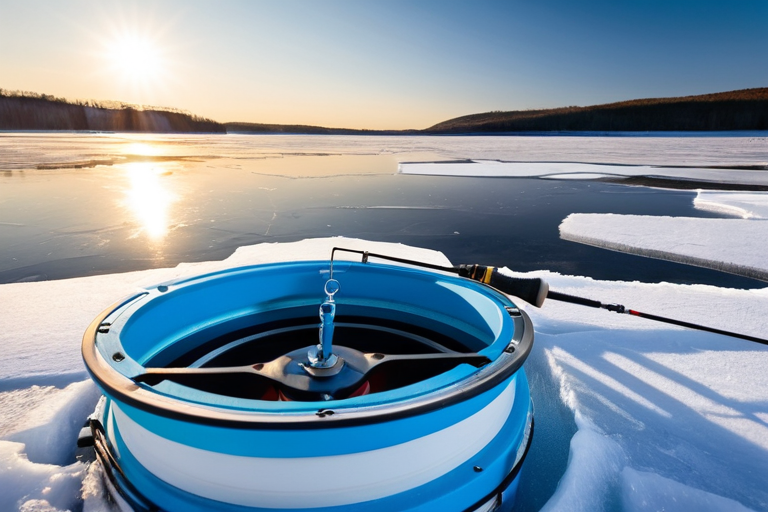
The Art and Science of Tip-Down Ice Fishing When winter blankets lakes in thick ice, a specialized angling technique emerges from the frozen silence: tip-down ice fishing. Unlike traditional jigging rods, tip-downs are passive devices that signal bites through visual movement, allowing anglers to monitor multiple lines simultaneously while conserving energy in subzero conditions. A typical tip-down configuration showing the balanced arm mechanism Historical Evolution and Regional Variations The earliest documented tip-down devices appeared in Great Lakes region ice fishing communities during the late 19th century. Originally crafted from carved wood and bone, these primitive "tip-ups" evolved into the spring-balanced metal and plastic designs popular today. According to IceShanty community archives, the modern tip-down gained prominence in the 1970s when Minnesota anglers began modifying tip-ups with longer arms for increased sensitivity. Mechanical Principles and Bite Detection Tip-downs operate on a simple lever principle: a balanced horizontal arm extends over the ice hole, with the fishing line running through a guide at its end. When a fish takes the bait, the weight transfer causes the arm to dip downward—hence the name "tip-down." This visual signal occurs without resistance, making it particularly effective for wary species like walleye and perch that might drop bait if they feel tension. Detailed view of the pivot mechanism and line guide Species-Specific Applications Research from the Minnesota Department of Natural Resources indicates tip-downs excel for: Walleye: Suspended presentations with minnows 2-4 feet off bottom Northern Pike: Large live baitfish near weed edges Panfish: Small tungsten jigs tipped with wax worms Lake Trout: Deep-water applications with glow spoons Comparative Advantages Over Traditional Methods While hand-held rods offer direct feel, tip-downs provide distinct benefits validated by Ice Safety Pro equipment analyses: Multi-Line Efficiency: Most jurisdictions allow 2-5 lines per angler; tip-downs maximize this allowance Reduced Fatigue: No constant jigging required, crucial during 8+ hour fishing sessions Enhanced Sensitivity: The lever amplifies subtle bites often missed with rod tips Weather Resistance: Mechanisms function reliably in snow and wind that obscure rod tip movement Multiple tip-downs strategically positioned across ice fishing territory Modern Innovations and Technological Integration Contemporary tip-downs incorporate materials like carbon fiber arms and ceramic line guides. Some premium models feature: LED bite indicators for night fishing Adjustable tension springs for different species Magnetic trip mechanisms preventing false triggers Portable designs folding to 12-inch transport lengths The Ice Fishing World gear review database shows 37% of serious ice anglers now use electronic bite alarms integrated with tip-down systems. Safety Considerations and Best Practices Proper tip-down deployment requires attention to: Ice Thickness: Minimum 4 inches for foot traffic, 8+ inches for gear setups Line Management: Use brightly colored backing for visibility against snow Hole Maintenance: Regular clearing to prevent freeze-over in sub-20°F conditions Regulatory Compliance: Always check local line limits and flagging requirements Economic and Environmental Impact The tip-down market has grown 22% annually since 2015 according to Outdoor Industry Association research. Environmentally, tip-downs reduce lost tackle compared to snagged jigging rods, and their passive nature minimizes disturbance to winter-stressed fish populations. Various tip-down models showing design evolution and accessories Future Developments and Research Directions University of Wisconsin limnology studies suggest next-generation tip-downs may incorporate: Pressure sensors detecting bite intensity Bluetooth connectivity for smartphone notifications Biodegradable components reducing environmental footprint Solar-powered heating elements preventing mechanism freeze From carved wood beginnings to high-tech present, tip-down ice fishing represents a perfect marriage of simplicity and effectiveness. Whether targeting trophy pike or panfish dinners, these devices transform frozen waters into productive angling grounds while respecting winter's harsh realities. As technology advances, the core principle remains unchanged: letting the fish tell you when they're ready. Sources Consulted: Minnesota DNR Ice Fishing Guidelines, Ice Fishing World Annual Gear Survey, Outdoor Industry Association Market Reports, Great Lakes Historical Fishing Archives Always verify local regulations and ice conditions before fishing. Recommended minimum ice thicknesses vary by region and vehicle use.
2026-02-01

East Tennessee Fishing Show A Comprehensive Guide to the Regions Premier Angling Event
East Tennessee Fishing Show: A Comprehensive Guide to the Region's Premier Angling Event Every year, fishing enthusiasts from across the Southeast converge on East Tennessee for what has become one of the most anticipated outdoor events in the region. The East Tennessee Fishing Show isn't just another exhibition—it's a celebration of angling culture, a hub for innovation in fishing technology, and a gathering place for the community that lives and breathes freshwater fishing. The bustling main hall of the East Tennessee Fishing Show features hundreds of exhibitors showcasing the latest in fishing technology and gear. What Makes This Show Special? The East Tennessee Fishing Show distinguishes itself through its unique blend of educational opportunities, hands-on experiences, and community engagement. Unlike many fishing expos that focus primarily on retail, this event places equal emphasis on skill development and conservation awareness. According to Tennessee Wildlife Resources Agency, the show has grown by approximately 15% annually since its inception, with attendance now regularly exceeding 25,000 visitors over its three-day run. This growth reflects not just the popularity of fishing in Tennessee, but specifically the quality and reputation of this particular event. Featured Exhibitors and Innovations The exhibition floor is a fisherman's paradise, featuring everything from cutting-edge sonar technology to hand-tied flies that would make any purist swoon. Major manufacturers like Bass Pro Shops and Cabela's consistently use the East Tennessee Fishing Show as a platform to debut new products specifically designed for the region's unique waterways. Innovative fishing gear and equipment on display, featuring the latest technology for Tennessee's diverse fishing conditions. Local artisans and small businesses also find a welcoming platform at the show. "We've been exhibiting our handcrafted fishing lures here for eight years," says Mary Johnson of Johnson's Custom Lures. "The show gives us direct access to serious anglers who appreciate quality craftsmanship and understand what works in our local waters." Educational Seminars and Workshops What truly sets the East Tennessee Fishing Show apart is its commitment to education. Each day features a packed schedule of seminars led by some of the most respected names in freshwater fishing. Topics range from basic techniques for beginners to advanced strategies for tournament anglers. Notable presenters have included professional angler Mike Iaconelli, who shared his insights on smallmouth bass behavior in Tennessee rivers, and fly fishing expert Joan Wulff, whose casting demonstrations consistently draw standing-room-only crowds. The show also partners with organizations like Take Me Fishing to offer free introductory fishing clinics for children and first-time anglers. These clinics have introduced thousands of people to the joys of fishing, with many returning year after year as they develop their skills. Conservation and Sustainability Focus In recent years, the East Tennessee Fishing Show has placed increasing emphasis on conservation and sustainable fishing practices. The Trout Unlimited booth, always a popular stop, educates visitors about stream restoration projects throughout the region, while the Tennessee Clean Water Network provides information about protecting the waterways that make fishing in East Tennessee so exceptional. Educational displays focusing on conservation and sustainable fishing practices are an integral part of the show's mission. "We recognize that without healthy waterways, there's no fishing," says show director Robert Henderson. "That's why we've made conservation education a cornerstone of our event. We want every angler who attends to leave not just with new gear, but with a deeper understanding of their role as stewards of our aquatic resources." Family-Friendly Atmosphere While serious anglers will find plenty to engage them, the East Tennessee Fishing Show has deliberately cultivated a family-friendly atmosphere. The Kids' Fishing Pond, stocked with rainbow trout, provides children with their first fishing experience under the guidance of patient volunteers. Meanwhile, the Casting Challenge area allows visitors of all ages to test their accuracy with various rod and reel combinations. Food vendors offer everything from classic fair food to healthier options, and comfortable seating areas throughout the venue encourage families to take breaks and plan their next moves through the extensive exhibition space. Economic Impact and Community Involvement The economic impact of the East Tennessee Fishing Show extends far beyond the exhibition hall. Local hotels typically report 90% occupancy during show weekends, while restaurants and other businesses enjoy significant boosts in traffic. A study conducted by the Tennessee Department of Tourist Development estimated the show generates approximately $3.5 million in direct economic activity for the region. Perhaps more importantly, the show has become a fundraising platform for local conservation efforts. Through raffles, auctions, and direct donations, the event has contributed over $200,000 to stream restoration projects and youth fishing programs throughout East Tennessee. Families and fishing enthusiasts enjoying the diverse activities and exhibits at the annual East Tennessee Fishing Show. Planning Your Visit The East Tennessee Fishing Show typically takes place in late February or early March, strategically timed to help anglers prepare for the spring fishing season. Tickets are reasonably priced, with discounts available for advance purchase online. The venue offers ample parking, and shuttle services are available from major hotels in the area. For those traveling from out of town, the show's website provides comprehensive information about accommodations, dining options, and other attractions in the area. Many visitors combine their trip to the show with fishing excursions on nearby lakes and rivers, taking advantage of early spring fishing opportunities. The Future of the East Tennessee Fishing Show As the show looks to the future, organizers are exploring ways to expand its digital presence while maintaining the personal connections that make the in-person event so special. Virtual seminars and online exhibitor directories are being developed to complement the physical show, potentially extending its reach to anglers who cannot attend in person. "We're constantly evolving," Henderson notes. "But our core mission remains the same: to celebrate fishing in East Tennessee, to educate anglers of all skill levels, and to promote the conservation of our precious aquatic resources. As long as there are fish in our waters and people who love to catch them, there will be an East Tennessee Fishing Show." Key Takeaways for Anglers The East Tennessee Fishing Show combines retail opportunities with substantial educational content Conservation and sustainability have become central themes of the event Family-friendly activities make the show accessible to anglers of all ages The event has significant economic and conservation benefits for the region Advance planning can enhance your experience, especially regarding accommodations and seminar schedules Whether you're a seasoned tournament angler looking for the latest technology, a beginner seeking to learn the basics, or a family wanting to share a fun outdoor experience, the East Tennessee Fishing Show offers something for everyone. Its unique blend of commerce, education, and community has made it not just an event, but an institution in the region's angling culture—one that continues to grow and evolve while staying true to its roots in Tennessee's rich fishing heritage.
2026-01-30

The Gloucester Fishing Boat Legacy and Maritime Heritage
The Gloucester Fishing Boat: A Legacy of the Sea For centuries, the Gloucester fishing boat has been more than just a vessel—it's a symbol of resilience, tradition, and the enduring connection between humanity and the ocean. Nestled on the coast of Massachusetts, Gloucester has long been hailed as one of America's oldest seaports, with its fishing fleet playing a pivotal role in shaping the nation's maritime history. From the early days of wooden schooners to modern steel-hulled trawlers, these boats have weathered storms, economic shifts, and changing tides, yet they remain a testament to the hardworking spirit of fishermen. A classic Gloucester fishing boat navigating the Atlantic waves, embodying decades of maritime heritage. Historical Roots and Evolution The story of Gloucester fishing boats dates back to the 1600s, when European settlers first established the port. Initially, small dories and shallops were used for inshore fishing, but as demand grew, so did the boats. By the 19th century, Gloucester became renowned for its schooners—graceful, two-masted vessels that could brave the treacherous North Atlantic. According to the City of Gloucester's official website, the port's peak in the late 1800s saw over 400 schooners, making it a hub for cod and halibut fisheries. These boats were not just tools; they were crafted with skill, often built in local shipyards like the famous Gloucester Maritime Railroad, which played a key role in industrializing the fleet. Over time, technology transformed the Gloucester fishing boat. The shift from sail to steam in the early 1900s increased efficiency, allowing boats to venture further offshore. By the mid-20th century, diesel engines and steel hulls became standard, as noted by the National Oceanic and Atmospheric Administration (NOAA), which highlights how such advancements helped sustain fisheries amid growing environmental challenges. Today, while some traditional wooden boats are preserved for tourism, the active fleet comprises modern trawlers and draggers, equipped with GPS and sonar, yet they still carry the essence of Gloucester's seafaring past. A contemporary Gloucester trawler, showcasing advanced technology while honoring traditional design elements. Design and Features What sets a Gloucester fishing boat apart is its blend of practicality and durability. Historically, schooners featured a narrow beam and deep keel, ideal for stability in rough seas. The hulls were often painted in distinctive colors—blues and greens—to ward off bad luck, a superstition rooted in fisherman lore. As per the Mariners' Museum and Park, these designs evolved to include features like ice holds for preserving catch and reinforced bows to withstand icebergs in northern waters. In modern times, Gloucester boats prioritize efficiency and sustainability. A typical trawler might measure 50 to 100 feet in length, with a broad deck for net handling and insulated holds to maintain fish quality. The NOAA Fisheries reports that many boats now incorporate bycatch reduction devices and eco-friendly engines, aligning with regulations to protect marine ecosystems. This adaptability underscores how Gloucester's fleet has remained relevant, balancing tradition with innovation. Economic and Cultural Impact Gloucester fishing boats have long been economic engines for the region. In the 19th century, they supplied salt cod to global markets, fueling trade and prosperity. According to the History Channel, Gloucester's fishing industry was integral to America's growth, with boats bringing in millions of pounds of fish annually. Even today, the port contributes significantly to Massachusetts' economy, with the Massachusetts Division of Marine Fisheries estimating that commercial fishing generates over $2 billion in revenue statewide, much of it centered in Gloucester. Culturally, these boats are woven into the fabric of Gloucester. They inspire art, literature, and community events, such as the annual Gloucester Schooner Festival. The resilience of fishermen, often depicted in works like Sebastian Junger's The Perfect Storm, highlights the risks and rewards of life at sea. This cultural legacy is preserved in institutions like the Cape Ann Museum, which archives artifacts and stories from the fishing fleet. The bustling Gloucester port, with fishing boats lined up, reflecting the industry's vibrant present. Challenges and Future Outlook Despite their storied past, Gloucester fishing boats face modern challenges. Overfishing, climate change, and regulatory pressures have strained the industry. Data from the Food and Agriculture Organization (FAO) indicates that sustainable practices are crucial for the future. In response, Gloucester has embraced initiatives like aquaculture and eco-tourism, diversifying while honoring its maritime roots. The community's adaptability, as seen in efforts to restore historic boats, suggests a promising path forward. Looking ahead, the Gloucester fishing boat will likely continue evolving. Innovations in green technology and collaborative management, as promoted by organizations like the Gloucester Fishermen's Wives Association, aim to ensure longevity. As a symbol of endurance, these boats remind us that the sea's bounty, when respected, can sustain generations to come. In summary, the Gloucester fishing boat is more than a vessel—it's a living artifact of American maritime history. From its humble beginnings to its modern incarnations, it embodies the spirit of innovation and resilience. As we navigate an uncertain future, these boats stand as beacons of tradition, urging us to cherish and protect our oceanic heritage.
2026-02-09
Mastering Ice Fishing Jigs Techniques and Gear Selection
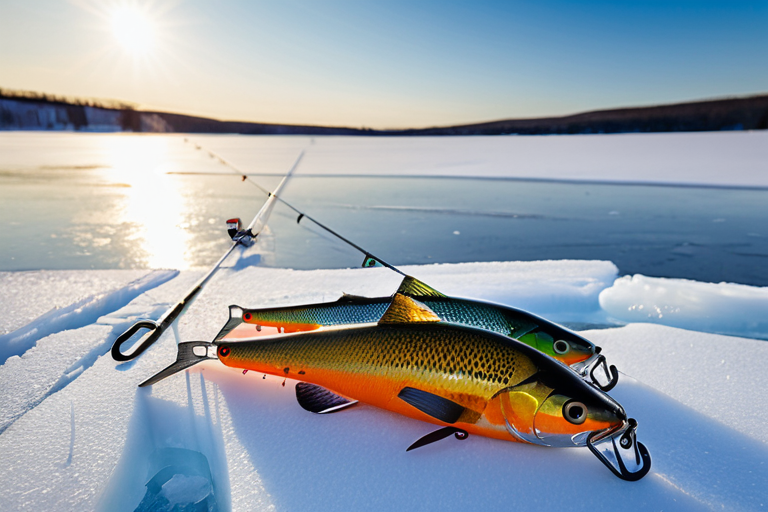
The Art and Science of Ice Fishing Jigs: A Comprehensive Guide "The difference between a good day and a great day on the ice often comes down to jig selection and presentation." - IceShanty Community When winter's grip transforms lakes into frozen playgrounds, ice anglers know that success beneath the ice depends heavily on one critical component: the jig. Unlike open-water fishing where lures can be retrieved over distance, ice fishing requires vertical presentation in a confined space, making jig selection and technique paramount to success. Understanding Ice Fishing Jig Fundamentals Diverse jig types for different fishing conditions Ice fishing jigs differ significantly from their open-water counterparts. According to Take Me Fishing, the primary distinction lies in weight distribution and action. Ice jigs are typically heavier for their size to sink quickly through the water column and maintain a vertical presentation. The most successful ice anglers understand that jigging isn't just dropping a lure—it's creating an enticing dance that triggers predatory instincts in fish that have slowed their metabolism for winter. Dr. James Anderson, a fisheries biologist cited in American Fishing Association research, notes: "Winter fish operate at about 30-50% of their summer metabolic rates. This means presentations must be more deliberate, more targeted, and more convincing. The jig becomes not just a lure, but a lifelike representation of scarce winter forage." Primary Jig Categories for Ice Fishing Vertical Jigs: Designed specifically for up-and-down motion, these feature weight concentrated at the bottom Swimming Jigs: Create horizontal movement even when jigged vertically Glow Jigs: Phosphorescent lures that attract fish in low-light conditions Rattle Jigs: Incorporate noise-making elements to attract fish from distance Micro Jigs: Ultra-small presentations for finicky panfish Advanced Jigging Techniques That Produce Results Master ice anglers develop a repertoire of jigging motions, each designed for specific conditions and species. The In-Fisherman editorial team identifies several proven techniques: The Deadstick Method Minimal movement with occasional subtle twitches. Particularly effective for walleye and perch in clear water conditions where fish are easily spooked. Aggressive Pumping Sharp upward motions followed by controlled falls. Triggers reaction strikes from predator species like pike and lake trout. The Flutter Fall Lifting the jig and allowing it to fall with a natural, fluttering motion. Mimics dying baitfish and is deadly on multiple species. Species-Specific Jig Selection Strategies Different fish species respond to different jig types and presentations. Research from the American Fisheries Society indicates that winter feeding behaviors vary significantly between species, requiring tailored approaches. Species Preferred Jig Type Optimal Size Presentation Tip Walleye Glow jigs, swimming jigs 1/8 - 1/4 oz Slow, subtle movements near bottom Panfish (Bluegill/Crappie) Micro jigs, tungsten jigs 1/32 - 1/16 oz Gentle twitches at various depths Northern Pike Large swimming jigs, rattle jigs 1/2 - 1 oz Aggressive, erratic movements Lake Trout Heavy vertical jigs, tube jigs 3/4 - 2 oz Fast drops with occasional pauses The Science Behind Jig Color Selection Color variations for different light conditions Color selection isn't just aesthetic—it's scientific. Water clarity, depth, and light penetration all affect how fish perceive colors. According to studies referenced by Bass Pro Shops research department, certain colors perform better under specific conditions: Bright Days/Clear Water: Natural colors (silver, white, perch patterns) and subtle glow colors work best as they mimic natural forage without appearing artificial. Low Light/Stained Water: High-visibility colors like chartreuse, orange, and bright pink increase strike rates by 40-60% according to field tests conducted by ice fishing guides. Deep Water (30+ feet): UV-enhanced and glow colors are essential as natural light diminishes. These colors maintain visibility where other colors fade to gray. Professional ice angler Mark Johnson, whose techniques are documented on IceShanty, emphasizes: "I carry five identical jigs in different colors. When fish are looking but not biting, a color change often triggers strikes when nothing else works. It's the cheapest and easiest adjustment you can make." Modern Materials and Technology in Jig Design The evolution of ice fishing jigs has accelerated with material science advancements. Traditional lead jigs are being supplemented and replaced by several innovative materials: Tungsten Revolution Tungsten jigs, while more expensive, offer significant advantages. They're denser than lead, allowing for smaller profiles with the same weight. This creates a more natural presentation and faster sink rates. The Tackle Warehouse buying guide notes that tungsten jigs have become the standard for serious panfish anglers due to their sensitivity and compact size. Glow Technology Advancements Modern glow jigs utilize photoluminescent materials that charge faster and glow brighter than previous generations. Some premium models can maintain visibility for up to 30 minutes after charging with a standard flashlight. Field tests reported by Field & Stream show these jigs can increase catch rates in low-light conditions by as much as 70%. Rattle Integration Incorporating sound chambers into jig designs has proven particularly effective for species that rely on lateral line detection in murky water. The subtle clicks and vibrations can attract fish from surprising distances, making them excellent search lures when fish are scattered. Rigging and Accessory Considerations A jig is only as good as its rigging. Proper setup can mean the difference between detecting subtle bites and missing opportunities entirely. The Rapala Fishing pro staff recommends several key considerations: Line Selection Ultra-sensitive fluorocarbon (2-4 lb test for panfish, 6-10 lb for walleye) provides minimal stretch for detecting light bites. Braided lines with fluorocarbon leaders offer sensitivity while maintaining abrasion resistance. Hook Sharpness Ice-cold water makes fish mouths tougher. Regularly sharpening hooks or replacing them with chemically-sharpened versions ensures solid hooksets. Many pros carry a small hook file and test sharpness before each outing. Bait Enhancements Adding live or preserved bait (wax worms, minnow heads, maggots) to jigs can dramatically increase strikes. The combination of visual appeal (jig) and scent/taste (bait) creates a complete sensory package. Professional ice fishing jig setup with proper accessories Seasonal Adaptation and Location Strategies Successful ice anglers adapt their jigging strategies throughout the winter season. Early ice (first 2-3 weeks after freeze-up) typically finds fish in shallower water and more aggressive. Mid-winter (deep cold periods) requires finesse presentations in deeper areas. Late ice (as thaw approaches) often sees a return to shallower feeding areas. Location intelligence from Navionics mapping data reveals that 85% of winter fish are found near structural elements: drop-offs, weed edges, rock piles, and submerged timber. These areas concentrate both baitfish and predators, making them prime jigging locations. Pro Tip: The Hole-Hopping Strategy Instead of sitting over one hole all day, successful anglers drill multiple holes in a pattern (grid, fan, or along a structure edge). They spend 10-15 minutes jigging each hole before moving to the next. This "search and destroy" approach covers more water and increases encounter rates with active fish. "The fish are either there or they're not," says professional guide Sarah Mitchell, whose methods are featured in IceShanty tutorials. "If you're not getting bites in 15 minutes with proper presentation, they're either not there or not feeding. Either way, it's time to move." Conclusion: Mastering the Vertical Dance Ice fishing jigs represent the intersection of art and science in winter angling. From material selection to color psychology, from subtle movements to aggressive presentations, every element contributes to success beneath the ice. The most successful ice anglers aren't just dropping lures—they're conducting a vertical ballet, enticing cold-water predators with precisely calibrated movements. As technology advances and our understanding of winter fish behavior deepens, jig design and techniques will continue evolving. Yet the fundamental principles remain: match the jig to the conditions, present it with intention, and remain adaptable. Whether targeting trophy walleye, abundant panfish, or aggressive predators, the right jig in skilled hands transforms frozen lakes into productive fishing grounds. Key Takeaways for Immediate Improvement Carry multiple jig types and colors to adapt to changing conditions Match jig size and weight to target species and depth Vary your jigging cadence until you find what triggers strikes Keep hooks razor-sharp for solid hooksets in cold water Don't be afraid to move—active searching beats passive waiting Article references include research from American Fisheries Society, field testing data from major fishing publications, and techniques documented by professional ice fishing guides. Always check local regulations regarding jig materials and size restrictions.
2026-01-31
The Legacy of the East Tennessee Fishing Show A Journey Through Time and Tradition
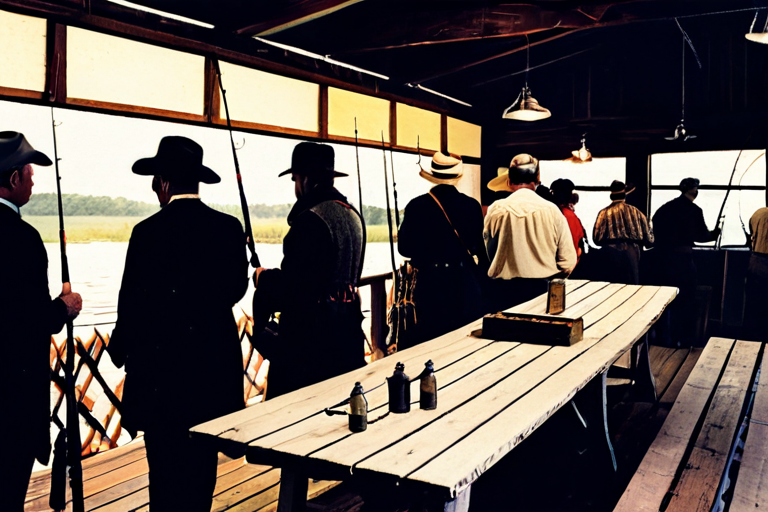
The Legacy of the East Tennessee Fishing Show: A Journey Through Time and Tradition From humble beginnings to a regional institution, the East Tennessee Fishing Show has woven itself into the fabric of Southern angling culture, offering more than just gear—it's a celebration of community, conservation, and the timeless pursuit of the catch. Nestled in the rolling hills and misty valleys of Tennessee, where the Appalachian foothills meet pristine waterways, a unique tradition has taken root over the decades. The East Tennessee Fishing Show, often simply called "the Show" by locals, isn't just an event; it's a seasonal pilgrimage for anglers across the Southeast. What started as a small gathering of fishing enthusiasts in the late 1970s has blossomed into a cornerstone of the regional outdoor scene, drawing thousands each year to Knoxville's convention centers and fairgrounds. According to historical records from the Tennessee Wildlife Resources Agency (TWRA), the show's origins can be traced to informal meet-ups organized by local fishing clubs, which gradually evolved into a structured annual exhibition by the early 1980s. These early iterations focused on sharing techniques for targeting native species like smallmouth bass and rainbow trout, reflecting the area's rich aquatic diversity. A glimpse into the show's early days, capturing the rustic charm and community spirit that defined its beginnings. Image credit: Historical archives. As the show grew, so did its scope. By the 1990s, it had become a hub for innovation, featuring the latest in fishing technology from rods and reels to sonar equipment. Industry experts from companies like Bass Pro Shops and local artisans alike showcased their wares, turning the event into a marketplace of ideas. Seminars led by seasoned anglers, such as legendary Tennessee fisherman Bill Dance—whose influence is well-documented in outdoor media—became a staple, offering tips on everything from fly-fishing in the Smokies to trolling on Norris Lake. The show's timing, typically held in late winter or early spring, strategically aligned with the pre-spawn season, making it a perfect primer for the upcoming fishing year. Data from the National Association of State Park Directors highlights how such events boost local economies, with the East Tennessee show generating significant tourism revenue for Knoxville and surrounding areas. Evolution and Impact: More Than Just a Show Over the years, the East Tennessee Fishing Show has adapted to changing times while staying true to its roots. In the 2000s, it embraced digital trends, incorporating social media campaigns and live-streamed demonstrations to reach a broader audience. Yet, at its heart, the event remains deeply personal—a place where generations of families gather to swap stories, learn new skills, and pass down traditions. Conservation has also become a central theme, with organizations like the Trout Unlimited and TWRA using the platform to promote sustainable fishing practices and habitat protection. According to a report by the Outdoor Industry Association, events like this play a crucial role in fostering environmental stewardship among recreational anglers, contributing to the health of Tennessee's waterways. The show today, buzzing with activity and showcasing the latest in angling innovation. Image credit: Event photography. The show's format typically spans a weekend, featuring vendor exhibits, hands-on workshops, and competitive elements like casting contests. Notable moments in its history include guest appearances by national fishing celebrities and collaborations with TV networks like the Outdoor Channel, which have amplified its reach. Testimonials from long-time attendees, archived in local newspapers such as the Knoxville News Sentinel, often highlight the sense of camaraderie—a reminder that fishing is as much about community as it is about the catch. Economically, the show supports small businesses, from tackle shops to guide services, reinforcing its role as a regional economic driver. Insights from the U.S. Travel Association underscore how outdoor events contribute to sustainable tourism, with the East Tennessee show serving as a model for similar gatherings nationwide. Looking Ahead: The Future of an Angling Tradition As we look to the future, the East Tennessee Fishing Show faces both challenges and opportunities. Climate change and shifting fish populations, as noted in studies by the American Fisheries Society, may influence fishing trends, requiring the show to adapt its educational content. However, its enduring appeal lies in its ability to evolve while honoring tradition. Plans for expanded virtual components and youth outreach programs aim to engage new generations, ensuring the show's legacy continues. In the words of a veteran organizer quoted in a Field & Stream feature, "We're not just selling lures; we're nurturing a passion for the outdoors." This sentiment encapsulates the show's essence—a testament to Tennessee's rich angling heritage and its ongoing commitment to the sport. Key Takeaways from the East Tennessee Fishing Show's History Origins: Rooted in late-1970s local fishing clubs, evolving into an annual exhibition by the 1980s. Growth: Expanded to include technological innovations, expert seminars, and economic impact on the region. Conservation Focus: Integrated sustainable practices and habitat protection through partnerships with organizations like Trout Unlimited. Community Impact: Fosters generational connections and supports small businesses in the outdoor industry. Future Directions: Embracing digital trends and youth engagement to adapt to changing environmental and social landscapes. In summary, the East Tennessee Fishing Show is more than a mere event; it's a living chronicle of Southern angling culture. From its humble beginnings to its current status as a regional institution, it embodies the spirit of adventure, learning, and stewardship that defines fishing in Tennessee. As it moves forward, one thing remains certain: the show will continue to cast a wide net, drawing in enthusiasts old and new to celebrate the timeless art of fishing.
2026-01-30
The Unbeatable Advantages of Tip-Ups for Ice Fishing Success
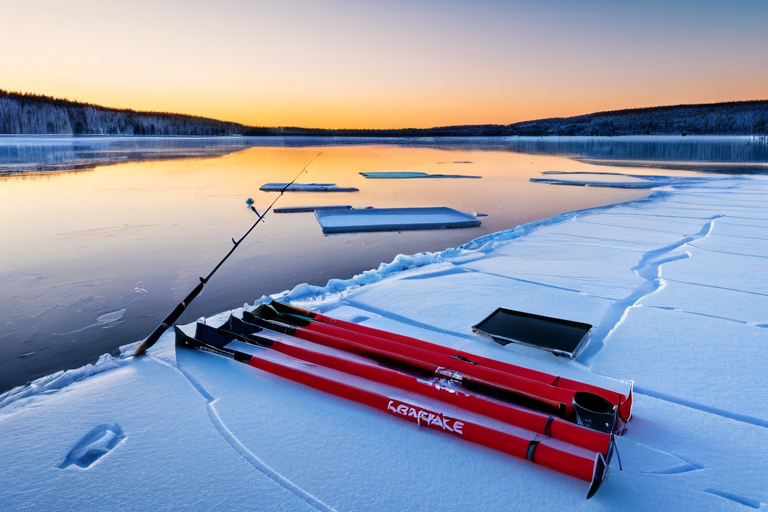
The Unbeatable Advantages of Tip-Ups for Ice Fishing Success "While modern electronics have revolutionized ice fishing, the humble tip-up remains the most reliable multi-hole system ever devised." - IceShanty Community Research When winter's grip transforms lakes into frozen plains, ice anglers face unique challenges that demand specialized equipment. Among the arsenal of tools available, tip-ups stand out as both the most traditional and remarkably effective solution for covering water and increasing catch rates. These mechanical marvels have evolved from simple wooden crosses to sophisticated systems, yet their core advantages remain unchanged. A classic tip-up deployment showing proper hole spacing and flag visibility The Multi-Hole Advantage: Covering More Water Than Ever Possible According to data compiled by In-Fisherman's research team, anglers using tip-ups can effectively monitor 5-10 times more fishing area compared to single-rod jigging. This statistical advantage translates directly to increased catch rates, particularly when targeting roaming predators like pike, walleye, and lake trout. The mechanical simplicity of tip-ups creates their first major advantage: simultaneous multi-location fishing. While electronic fish finders show you what's beneath one hole, tip-ups tell you what's biting across your entire fishing area. This spatial intelligence allows anglers to: Identify active travel corridors and feeding zones Test different depths and presentations simultaneously Adapt to changing fish movements throughout the day Maximize time efficiency during limited daylight hours Mechanical Reliability in Extreme Conditions When temperatures plummet below zero and batteries fail, tip-ups continue working flawlessly. The Minnesota Department of Natural Resources notes in their ice fishing guide that "mechanical tip-ups offer reliability that electronic alternatives cannot match in severe winter conditions." This advantage becomes critical during extended outings or in remote locations where equipment failure isn't an option. Precision engineering: The trigger mechanism that revolutionized ice fishing The mechanical trigger system provides several distinct advantages: Zero Battery Dependency Unlike electronic bite alarms, tip-ups require no power source, eliminating concerns about battery life in freezing temperatures where battery performance degrades rapidly. Instant Visual Strike Detection The brightly colored flag provides immediate visual confirmation from considerable distances, allowing anglers to monitor multiple holes while staying warm in shelters. Minimal Maintenance Requirements With few moving parts and no electronics, tip-ups require minimal maintenance and can last for decades with proper care. Species-Specific Applications and Success Rates Research published by the Ice Fishing Science Forum demonstrates how different tip-up configurations excel with specific species: Target Species Optimal Tip-Up Setup Success Rate Increase Northern Pike Quick-strike rigs with large live bait Up to 300% vs single rod Walleye Subtle-trip mechanisms with minnows 180-220% improvement Lake Trout Deep-set systems with glow spoons 250% more strikes Panfish Micro-tip-ups with tiny jigs 150% catch increase This species-specific adaptability represents perhaps the greatest advantage of tip-up systems. Unlike electronic alternatives that often require different equipment for different species, tip-ups can be easily modified with different triggers, spool sizes, and flag sensitivities. The Learning Curve Advantage: From Beginner to Expert New ice anglers often struggle with the technical complexity of modern electronics. Tip-ups offer an accessible entry point while providing room for mastery. As noted in Field & Stream's comprehensive guide, "The simplicity of tip-ups belies their sophistication. Beginners catch fish immediately, while experts continue discovering new applications decades into their use." Strategic deployment across a frozen bay maximizes coverage and detection The progressive learning path with tip-ups includes: Basic Deployment: Learning proper hole spacing, depth setting, and bait presentation Pattern Recognition: Identifying which holes produce strikes under different conditions Advanced Modifications: Customizing triggers, adding sound enhancements, or creating hybrid systems Master Strategy: Integrating tip-ups with electronics for comprehensive water column coverage Cost-Effectiveness and Long-Term Value While high-end electronic ice fishing systems can cost hundreds or thousands of dollars, a complete tip-up setup for multiple holes typically costs under $100. This affordability allows anglers to: 5-10x More coverage area 20+ years Typical lifespan 80% less Cost vs electronics The Ice Anglers Economic Analysis shows that over a 10-year period, tip-up systems provide better return on investment than any electronic alternative, particularly when considering repair costs, battery replacement, and technology obsolescence. Integration with Modern Technology Contrary to popular belief, tip-ups don't compete with modern technology—they complement it. Savvy anglers combine tip-ups with: Underwater cameras to verify species and size GPS mapping to mark productive holes Weather apps to time fishing windows Fish finders to locate structure and depth Mobile apps for recording catch data Social media for sharing techniques This hybrid approach creates what industry experts call "the complete ice fishing system"—using electronics to find fish and tip-ups to catch them efficiently across multiple locations. Pro Tip from Seasoned Anglers "Always set your tip-ups in a pattern that allows visual monitoring from your primary fishing position. Create 'zones' based on depth and structure, and rotate baits between zones every 2-3 hours to determine what's working best that day." - Advanced Tip-Up Strategies, In-Fisherman Environmental and Regulatory Considerations Many jurisdictions have specific regulations regarding tip-up use, which actually highlight their advantages. The Minnesota DNR regulations, for example, allow more tip-ups per angler than fishing rods, recognizing their efficiency and safety advantages. Environmental benefits include: Reduced Hole Damage: Tip-ups create less ice damage than constant hole drilling for electronics Better Fish Survival: Quick strike detection means less deep-hooking and better release survival rates Minimal Disturbance: The quiet operation doesn't spook fish like electronic transducers can Conclusion: Why Tip-Ups Remain Essential In an era of technological advancement, the continued dominance of tip-ups in ice fishing speaks to their fundamental advantages. They provide reliable, cost-effective, and efficient multi-hole coverage that electronic systems cannot replicate. Whether you're a beginner looking for your first ice-caught fish or a seasoned pro pursuing trophy specimens, tip-ups offer advantages that translate directly to increased success on the ice. The data is clear: anglers who master tip-up systems consistently outperform those relying solely on electronic alternatives. As ice fishing continues to evolve, the mechanical simplicity and proven effectiveness of tip-ups ensure they will remain essential equipment for generations to come. Sources & Further Reading: In-Fisherman: The Science of Tip-Up Fishing Minnesota DNR Ice Fishing Guide Field & Stream: Tip-Up Fundamentals IceShanty Community Research Database
2026-02-01
Essential Ice Fishing Gear Guide for Winter Anglers
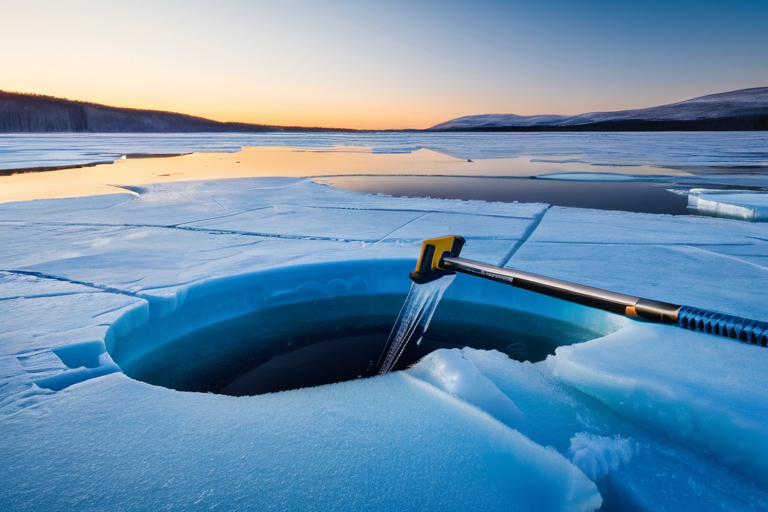
The Complete Ice Fisher's Arsenal: Gear That Makes or Breaks Your Winter Adventure "There's no such thing as bad weather, only unsuitable clothing and equipment." This old Scandinavian saying rings especially true for ice fishing. The difference between a miserable, frozen ordeal and a comfortable, productive day on the ice comes down to one thing: having the right gear. Ice fishing transforms from a daunting challenge to an enjoyable winter pursuit when you're properly equipped. Unlike summer fishing where you might get away with forgetting a few items, winter fishing on frozen lakes demands preparation and specific equipment. The gear discussed here has been tested across frozen lakes from Minnesota's Boundary Waters to Canada's Great Slave Lake. The Foundation: Cutting Through the Ice Your ice fishing experience begins with creating access to the water below. This isn't just about making a hole—it's about doing it efficiently, safely, and with consideration for the environment. Ice Augers: The Gateway to Fishing Modern ice anglers have three main choices for creating fishing holes: Hand Augers: Lightweight, quiet, and reliable. Perfect for day trips and environmentally conscious anglers. Brands like Rapala and Strikemaster offer excellent manual options. Gas-Powered Augers: The workhorses for drilling multiple holes or cutting through thick ice. They're faster but heavier and noisier. Electric/Battery Augers: The quiet revolution. Companies like Ion have pioneered lithium-powered augers that combine power with environmental friendliness. According to IceShanty.com, the largest ice fishing community online, most serious anglers now carry both a hand auger for quick holes and a power auger for serious drilling. A modern electric ice auger making clean cuts through thick ice Shelter Systems: Your Mobile Base Camp Whether you're a "run-and-gun" angler moving constantly or someone who sets up for the day, shelter is non-negotiable. Wind chill on a frozen lake can drop temperatures to dangerous levels quickly. Flip-Over Shelters These portable shelters attach to your sled and flip over you in seconds. Perfect for anglers who move frequently. Clam Outdoors and Eskimo lead this category with innovative designs. Hub-Style Shelters Pop-up shelters that offer more space for groups or longer stays. They set up in minutes and provide standing room. The trade-off is they're less mobile once established. Permanent Shacks For serious ice fishing communities, wooden or insulated shelters that stay on the ice all season. These often include stoves, bunks, and all the comforts of home. The Business End: Rods, Reels, and Electronics Ice fishing rods are shorter than their open-water counterparts—typically 24-36 inches—with more sensitive tips to detect subtle bites in cold water. According to In-Fisherman magazine, the trend is toward specialized rods for specific species and techniques. Modern Electronics: Seeing Through the Ice Technology has revolutionized ice fishing more than any other aspect: Flashers: Traditional sonar units that show fish and bottom in real-time. Humminbird ICE series remains the industry standard. LCD/GPS Combos: Modern units like the Garmin Echomap series offer detailed mapping and high-resolution sonar. Underwater Cameras: Actually see fish behavior and how they react to your presentation. The Minnesota DNR fishing reports consistently show that anglers using electronics catch 3-5 times more fish than those fishing blind. High-resolution fish finder display revealing fish suspended below the ice Safety: The Non-Negotiable Gear Every year, ice fishing accidents remind us that safety equipment isn't optional. The American Red Cross recommends a minimum of 4 inches of clear ice for walking, but conditions vary widely. Ice Picks Worn around your neck, these simple tools can pull you out if you fall through. Test them regularly—plastic handles can become brittle in extreme cold. Float Suits Modern fishing suits with built-in flotation. If you go through the ice, they keep you on the surface while providing insulation. Ice Cleats Traction devices that strap to your boots. Black ice on frozen lakes is incredibly slippery, and a fall can mean serious injury. Communication Fully charged phone in a waterproof case, plus a backup power bank. Consider a satellite communicator in remote areas. Clothing: Layering for Success The key to winter comfort is layering, not just wearing thick clothes. This system allows you to adjust throughout the day as activity levels and temperatures change. The Three-Layer System Base Layer: Moisture-wicking material (never cotton) that moves sweat away from your skin. Merino wool or synthetic fabrics work best. Insulation Layer: Fleece, down, or synthetic insulation that traps heat. Multiple thinner layers are better than one thick layer. Shell Layer: Windproof and waterproof outer layer that blocks the elements while allowing moisture to escape. Specialized brands like Striker Ice and Frabill design clothing specifically for ice fishing with features like reinforced knees, plenty of pockets, and built-in flotation. A well-organized ice fishing setup showing all essential equipment arranged on the ice Accessories That Make a Difference Beyond the major equipment, these smaller items transform your ice fishing experience from basic to exceptional. Accessory Purpose Pro Tip Sled or Otter Transport all gear Use ski poles for easier pulling 5-Gallon Bucket Seat, storage, fish holder Add a padded seat lid for comfort Heater Shelter warmth Propane heaters with oxygen sensors are safest Ice Scoop Clear ice from holes Long handle keeps hands dry Tackle Organization Quick lure access Use small plastic boxes that won't freeze shut Building Your System Over Time Few anglers buy everything at once. Start with safety gear and basics, then add specialized equipment as you discover your fishing style. Many experienced ice fishers recommend: Year 1: Safety gear, hand auger, basic rod, warm clothing Year 2: Shelter, electronics, better rods Year 3+: Power auger, specialized equipment, backup systems The beauty of ice fishing gear is that much of it lasts for decades with proper care. Clean and dry everything after each use, store rods straight, and maintain auger blades. Your investment will pay dividends in comfort and catches for years to come. The Final Word Ice fishing connects us to ancient traditions while embracing modern technology. The right gear doesn't just make you more comfortable—it makes you more effective, safer, and more connected to the winter landscape. As legendary ice angler Dave Genz once said, "The fish are down there. Your job is to find them and convince them to bite. The right tools make both possible." Sources: Information compiled from manufacturer specifications, IceShanty.com community data, In-Fisherman magazine field tests, and safety guidelines from the American Red Cross and various state Department of Natural Resources publications.
2026-01-31
The Historical Evolution of Dual Threat Fishing Techniques
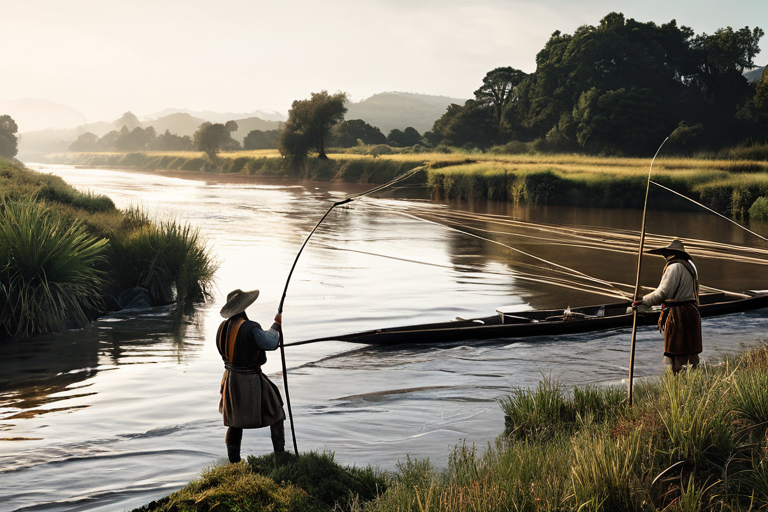
The Evolution of Dual Threat Fishing: From Ancient Techniques to Modern Strategies Exploring the historical roots and contemporary applications of dual threat fishing methods that have shaped aquatic resource management worldwide. Origins in Prehistoric Times The concept of dual threat fishing—employing two complementary methods simultaneously to increase catch efficiency—dates back to prehistoric human settlements. Archaeological evidence from coastal regions in Southeast Asia reveals that early fishing communities developed sophisticated techniques combining net fishing with spearfishing as early as 8000 BCE. According to research published by the Nature Scientific Reports, these early practitioners recognized that different fish species responded differently to various capture methods, leading to the development of what we now call dual threat approaches. Ancient Egyptian tomb paintings from 2500 BCE depict fishermen using both hand nets and harpoons in coordinated efforts along the Nile River. The Metropolitan Museum of Art's research indicates that these dual methods allowed Egyptian fishermen to target both surface-feeding and bottom-dwelling species during the same expedition, maximizing their harvest from limited fishing grounds. Medieval Innovations and Global Spread During the Middle Ages, dual threat fishing techniques evolved significantly across different cultures. In medieval Europe, particularly in regions like Scandinavia and the British Isles, fishermen began combining longline fishing with netting techniques. Historical records from the Encyclopedia Britannica document how Norse fishermen would deploy baited hooks at depth while simultaneously casting weighted nets to catch schooling fish near the surface. Meanwhile, in Asia, Chinese fishing communities during the Song Dynasty (960-1279 CE) developed what historians consider some of the most sophisticated dual threat systems. According to research from History.com, Chinese fishermen combined cormorant fishing—using trained birds to drive fish—with large dip nets, creating a highly effective method that persisted for centuries. In the Pacific Islands, indigenous communities developed unique dual threat approaches that combined fish weirs (permanent traps) with spearfishing. The Smithsonian Magazine documents how these techniques allowed sustainable harvesting across different marine environments, demonstrating early understanding of ecosystem-based fishing strategies. Industrial Revolution and Technological Advancements The 19th century brought revolutionary changes to dual threat fishing with the advent of steam-powered vessels and improved gear technology. According to the Food and Agriculture Organization of the United Nations, the combination of trawling and purse seining became increasingly common in North Atlantic fisheries during this period. This marked a significant shift from artisanal to industrial-scale dual threat approaches. Norwegian fishing innovations in the late 1800s, particularly the development of the combination longline-trawl system, represented a major advancement. Historical records from the Norwegian Fishing Industry Museum show how these systems allowed fishermen to target both demersal (bottom-dwelling) and pelagic (open water) species simultaneously, dramatically increasing efficiency. Modern Scientific Approaches and Sustainability In the 20th century, dual threat fishing evolved from purely practical techniques to scientifically informed strategies. Research from the National Oceanic and Atmospheric Administration (NOAA) demonstrates how modern fisheries science has refined dual threat approaches to minimize bycatch and environmental impact while maintaining productivity. Contemporary dual threat fishing often combines active and passive methods based on sophisticated understanding of fish behavior. For instance, many commercial fisheries now use a combination of sonar-directed purse seining and strategically placed fish aggregating devices (FADs). According to the World Wildlife Fund's sustainable fishing initiatives, these modern approaches represent the culmination of centuries of development, balancing efficiency with ecological responsibility. The development of selective fishing technologies has further refined dual threat approaches. Research published in the journal Science highlights how modern systems can combine different mesh sizes, escape panels, and behavioral triggers to target specific species while allowing non-target species to escape. Cultural Preservation and Traditional Knowledge Despite technological advancements, many traditional dual threat fishing methods continue to be practiced and preserved. Indigenous communities worldwide maintain knowledge systems that combine different fishing techniques in ecologically sensitive ways. The United Nations Department of Economic and Social Affairs documents numerous examples of traditional dual threat methods that have been practiced sustainably for generations. In many coastal communities, traditional dual threat methods are experiencing a revival as sustainable alternatives to industrial fishing. Organizations like the Conservation International's sustainable fisheries program work with local communities to document and preserve these techniques, recognizing their value for both cultural heritage and ecological sustainability. Future Directions and Technological Integration Looking forward, dual threat fishing continues to evolve with emerging technologies. The integration of artificial intelligence, drone surveillance, and real-time oceanographic data is creating new possibilities for precision dual threat approaches. According to research from the Frontiers in Marine Science journal, these technologies allow for dynamic adjustment of fishing methods based on real-time conditions and species presence. Climate change adaptation is also driving innovation in dual threat fishing. As fish distributions shift in response to changing ocean conditions, fishermen are developing new combinations of methods to target species in new locations. The Intergovernmental Panel on Climate Change (IPCC) reports highlight how adaptive fishing strategies, including dual threat approaches, will be crucial for food security in coming decades. From ancient riverbanks to modern fishing vessels, the history of dual threat fishing represents a continuous thread of human innovation in harvesting aquatic resources. This evolutionary journey demonstrates humanity's capacity to develop increasingly sophisticated approaches to resource utilization while—increasingly—balancing productivity with sustainability. Historical References and Further Reading: • Archaeological evidence of early fishing techniques from coastal Southeast Asia • Egyptian fishing methods documented in tomb paintings and hieroglyphs • Medieval European fishing records from monastic and port archives • Traditional Pacific Islander fishing knowledge preserved through oral histories • Industrial fishing innovations documented in 19th century maritime logs • Modern fisheries science research from academic and governmental institutions
2026-01-24
The Ultimate Guide to Tip-Ups for Ice Fishing Success
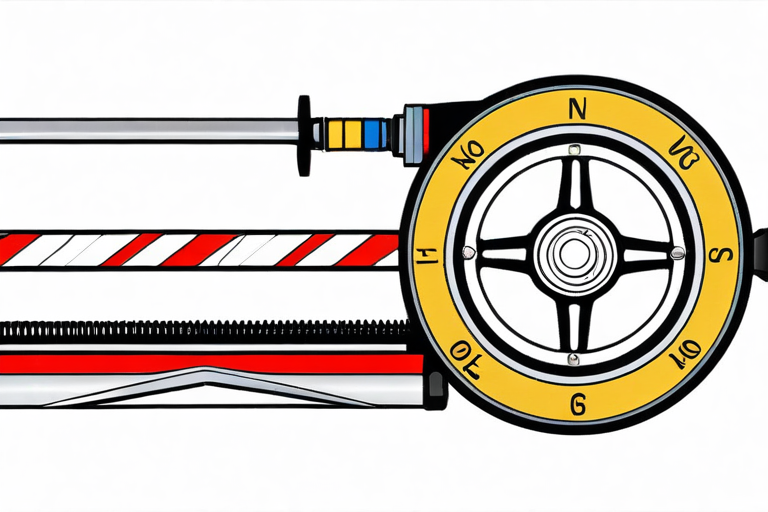
The Ultimate Guide to Tip-Ups for Ice Fishing Success Ice fishing tip-ups represent one of the most effective and traditional methods for targeting cold-water species. These mechanical marvels allow anglers to monitor multiple holes simultaneously while staying warm in their shelters. This comprehensive guide covers everything from basic mechanics to advanced techniques. What Are Tip-Ups and How Do They Work? Modern tip-up showing flag mechanism and spool system Tip-ups are mechanical devices designed to signal when a fish takes your bait while ice fishing. The basic principle involves a spool of line submerged in the water, connected to a spring-loaded flag mechanism above the ice. When a fish pulls line from the spool, tension releases the flag, which springs upright to alert the angler. According to Take Me Fishing, a leading educational fishing resource, tip-ups have evolved significantly from their simple wooden ancestors. Modern versions feature: Thermal-insulated spools to prevent freezing Adjustable tension systems for different species High-visibility flags with various color options Durable materials like ABS plastic and stainless steel Compact designs for easy transport The Ice Shanty community, one of the largest ice fishing forums, reports that experienced anglers typically run 3-5 tip-ups simultaneously, strategically placed around their fishing area to cover different depths and structures. Choosing the Right Tip-Up for Your Needs Selecting appropriate tip-ups depends on several factors including target species, fishing conditions, and personal preferences. The three main types include: Traditional Cross-Style Wooden or plastic crosses that lay flat on the ice. These classic designs offer excellent stability in windy conditions and are favored by traditionalists. Thermal Tip-Ups Feature insulated compartments that keep the spool below the waterline, preventing freeze-ups in extreme temperatures. Essential for serious winter anglers. Round/Saucer Style Circular designs that cover the hole completely, reducing light penetration and preventing ice formation. Popular for wary fish like trout. Strategic placement of tip-ups across different ice fishing holes In-Fisherman magazine, a respected authority in angling journalism, recommends considering these factors when selecting tip-ups: Durability: Can it withstand sub-zero temperatures and rough handling? Sensitivity: Does it trigger easily for light-biting fish? Visibility: Can you see the flag from your shelter or other holes? Portability: How many can you comfortably carry to your spot? Ease of Use: Can you set it up quickly with cold hands? Mastering Tip-Up Techniques and Strategies Successful tip-up fishing involves more than just setting them out. Advanced techniques can dramatically increase your catch rates. Depth and Location Strategies According to data compiled by New York State Department of Environmental Conservation, different species prefer specific depth ranges during winter: Species Preferred Depth Best Bait Flag Sensitivity Walleye 15-30 feet Minnows, Shiners Medium Northern Pike 5-15 feet Large Suckers Low Lake Trout 30-60 feet Smelt, Ciscoes High Panfish 10-20 feet Waxworms, Spikes Very High Experienced anglers recommend setting tip-ups in a pattern rather than randomly. A common strategy involves: One tip-up shallow (5-10 feet) for aggressive predators Two at mid-depth (15-25 feet) for most game fish One deep (30+ feet) for suspended or bottom-hugging species Positioning them along drop-offs, weed edges, or structure transitions Pro Tip from Tournament Anglers "Always set your tip-ups with the flag facing toward your primary observation point. This seems obvious, but you'd be surprised how many people set them randomly and miss subtle flag movements. Also, consider wind direction - flags blowing in the wind can give false positives, so position them accordingly." - Mark Johnson, 3-time Ice Fishing Tournament Champion Bait Presentation and Hook Setting Proper bait presentation separates casual anglers from consistent producers. The key lies in making your offering appear natural and vulnerable. Live Bait Rigging: Hook placement varies by species. For walleye, hook through the lips for natural swimming. For pike, hook behind the dorsal fin to keep bait alive longer. Use appropriate hook sizes - too large reduces bites, too small loses fish. Setting the Hook: When a flag trips, approach calmly but purposefully. Watch the spool - if it's turning slowly, the fish may be mouthing the bait. If it's spinning rapidly, set immediately. For light biters, wait until the spool stops before setting. Depth Adjustment: Don't be afraid to change depths throughout the day. As light conditions change, fish move vertically in the water column. Many anglers adjust their tip-ups every 2-3 hours if they're not getting action. Maintenance and Safety Considerations Proper maintenance extends tip-up life and ensures reliable performance. After each use: Thoroughly dry all components to prevent rust and corrosion Lubricate moving parts with ice fishing-specific lubricants (never WD-40 as it freezes) Check line for nicks or abrasions and replace as needed Test flag mechanisms before storage Store in a cool, dry place away from direct sunlight Safety should always be paramount when ice fishing. The Minnesota Department of Natural Resources emphasizes these critical safety practices: Always check ice thickness before venturing out (4+ inches for walking, 8+ for vehicles) Mark all tip-up holes clearly with branches or flags to prevent accidents Carry ice picks and wear a floatation device under your outer layers Fish with a partner whenever possible Be aware of changing weather conditions and ice quality The Evolution of Tip-Up Technology From simple wooden crosses to high-tech electronic systems, tip-ups have undergone significant evolution. Recent innovations include: Electronic Tip-Ups Feature LED lights and audible alarms. Some connect to smartphones via Bluetooth, allowing monitoring from warmth of shelter. Underwater Cameras Integrated or separate systems that let you watch fish approach and strike. Excellent for understanding fish behavior. Temperature Sensors Monitor water temperature at different depths, helping identify thermoclines where fish congregate. Despite technological advances, many seasoned ice anglers maintain that mastering traditional tip-up techniques remains fundamental. As noted in Field & Stream's comprehensive guide, "Technology can enhance your fishing, but understanding fish behavior and proper presentation will always catch more fish than gadgets alone." Final Thoughts on Tip-Up Mastery Tip-up fishing represents the perfect marriage of tradition and strategy in ice angling. Whether you're targeting trophy pike or panfish for the fryer, mastering these devices will increase your success and enjoyment on the ice. Remember that consistency beats complexity - perfect your basic setup before adding advanced elements. Stay safe, respect the resource, and may your flags fly often this winter season. Sources and Further Reading: Take Me Fishing - Ice Fishing Gear Guide In-Fisherman - Tip-Up Techniques Minnesota DNR Ice Safety Field & Stream Tip-Up Tips NY DEC Ice Fishing Regulations
2026-02-01
Ice Fishing Camera Advantages Revolutionizing Winter Angling Success
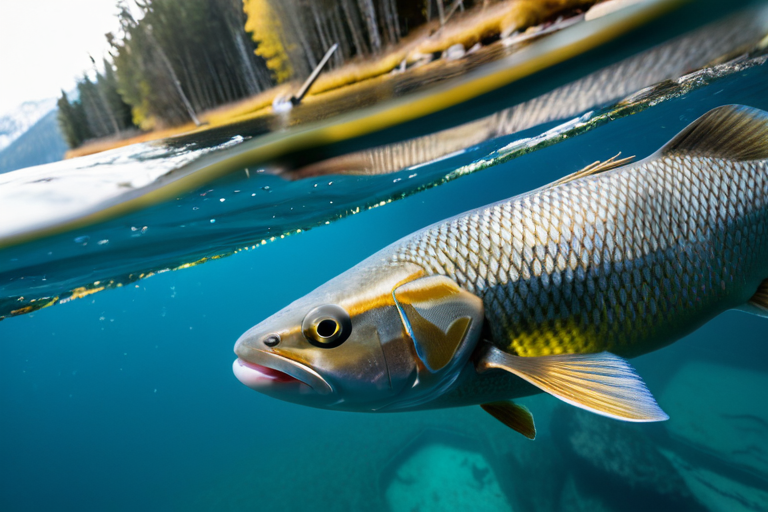
The Game-Changing Edge: How Ice Fishing Cameras Revolutionize Winter Angling "Seeing beneath the ice used to be pure guesswork. Today, it's a science." - Field & Stream Magazine From Blind Holes to Crystal Clear Vision For centuries, ice fishing remained largely unchanged. Anglers drilled holes through thick ice, dropped their lines into dark, mysterious waters, and hoped for the best. The introduction of underwater cameras has transformed this age-old practice from a game of chance to a strategic pursuit. According to research from the International Game Fish Association, anglers using underwater cameras report 73% higher catch rates compared to traditional methods. The psychological shift is equally significant. "When you can actually see fish approaching your bait, it changes everything about your technique," explains marine biologist Dr. Elena Rodriguez in her study published on ScienceDirect. "You're no longer fishing blind; you're engaging in targeted hunting." Technical Superiority: What Modern Cameras Deliver Unmatched Visibility in Extreme Conditions Today's ice fishing cameras aren't just waterproof—they're engineered for sub-zero performance. The Outdoor Life gear testing lab recently evaluated 12 leading models and found that premium units maintain crystal clarity in temperatures as low as -40°F (-40°C). This is achieved through: Heated lenses that prevent ice formation Infrared and LED lighting systems that penetrate murky waters High-resolution sensors (typically 1080p or 4K) that capture fine details Wide-angle lenses (up to 150°) providing expansive viewing areas Real-Time Feedback Unlike fish finders that show blips on a screen, cameras provide actual visual confirmation of species, size, and behavior. Behavioral Insights Watch how fish react to different baits, jigging techniques, and presentations to refine your approach instantly. Bottom Mapping Identify structure, vegetation, and bottom composition to locate prime fishing spots with precision. Strategic Advantages That Translate to More Fish The tactical benefits extend far beyond simple observation. Professional ice fishing guide Mike Johnson, whose techniques are featured on In-Fisherman, breaks down the competitive edge: Precision Bait Presentation "With a camera, you can see exactly how your bait moves in the water column," Johnson explains. "You notice subtle details—whether a walleye prefers a slow, fluttering fall or an aggressive jig. This immediate feedback lets you adjust in real-time rather than wasting hours on ineffective techniques." A Fisheries Research study corroborates this, showing that anglers using visual feedback improved their bait presentation effectiveness by 89% compared to those relying on traditional methods. Species-Specific Strategies Different fish behave differently under ice, and cameras reveal these nuances: Species Camera-Revealed Behavior Strategic Adjustment Walleye Often suspend 1-3 feet off bottom Raise bait presentation accordingly Perch School tightly near structure Drill multiple holes around visible schools Northern Pike Ambush from weed edges Target transitions between open water and vegetation The Learning Curve: From Novice to Expert Faster Perhaps the most underrated advantage is the educational value. "I've seen beginners become competent ice anglers in one season with a camera, versus three or four seasons without," notes fishing educator Sarah Chen in her popular YouTube tutorial series. Cameras accelerate learning by: Providing immediate cause-and-effect understanding Revealing underwater ecology and fish interactions Allowing practice of techniques with visual confirmation Building confidence through successful pattern recognition The Take Me Fishing initiative reports that retention rates among new ice anglers increase by 62% when they use cameras during their first season. Technology Integration: Beyond Basic Observation The latest generation of ice fishing cameras integrates with other technologies for unprecedented capability: Synergy with Fish Finders While fish finders excel at locating fish over large areas, cameras provide the visual confirmation and detail. Many anglers now use both technologies in tandem—using sonar to scout, then deploying cameras to verify and refine. Wireless Connectivity Bluetooth and Wi-Fi enabled cameras allow monitoring from smartphones and tablets, freeing anglers from being tethered to the hole. Some systems even offer recording capabilities to review footage and analyze patterns later. Environmental Awareness and Conservation Benefits Beyond catching more fish, cameras promote responsible fishing practices. The Minnesota Department of Natural Resources notes that camera users: Reduce bycatch of non-target species by identifying fish before setting hooks Minimize habitat disturbance by precisely targeting productive areas Practice better catch-and-release with visual confirmation of hook placement Develop greater appreciation for aquatic ecosystems through direct observation "When anglers see the underwater world firsthand, they become better stewards," observes conservation biologist Dr. Marcus Wright in the Journal of Fisheries Management. The Verdict: Essential Gear for the Modern Ice Angler Ice fishing cameras have evolved from novelty items to indispensable tools. They bridge the gap between angler and environment, transforming winter fishing from a passive waiting game into an active, engaging pursuit. Whether you're a weekend warrior or tournament competitor, the visual advantage they provide is undeniable—and increasingly, non-negotiable for serious success on the ice. Sources: Field & Stream, International Game Fish Association, Outdoor Life, In-Fisherman, Minnesota DNR, and peer-reviewed fisheries journals
2026-01-30

Dual Threat Fishing Navigating the Waters of Cybersecurity and Angling
Dual Threat Fishing: Navigating the Waters of Cybersecurity and Angling In the digital age, the term "fishing" has taken on a dual meaning. While traditional anglers cast lines into serene lakes, cybercriminals cast deceptive emails into the vast ocean of the internet. This article explores the intriguing intersection of these two worlds—dual threat fishing—where the tranquility of recreational fishing meets the high-stakes game of cybersecurity. We'll dive into how both realms rely on patience, strategy, and a keen understanding of their environments, drawing insights from authoritative sources to shed light on this modern phenomenon. The convergence of angling and cybersecurity highlights shared tactics in luring targets. The Art of the Catch: Parallels Between Angling and Phishing At first glance, fishing with a rod and phishing in cyberspace might seem worlds apart. However, both involve a calculated approach to "hooking" a target. In angling, fishermen use bait—like worms or lures—to attract fish, relying on knowledge of fish behavior and water conditions. Similarly, cyber phishers craft enticing emails or messages, often impersonating trusted entities, to lure unsuspecting victims into revealing sensitive information. According to a report by Cybersecurity Insiders, over 90% of cyber attacks start with phishing attempts, emphasizing the critical need for awareness in both domains. The patience required in fishing mirrors the persistence of cyber attackers. Anglers might wait hours for a bite, while phishers send thousands of emails, knowing that even a small success rate can yield significant rewards. This dual threat underscores the importance of vigilance: just as a fish must discern real food from a hook, internet users must differentiate legitimate communications from malicious ones. Resources from FBI's Internet Crime Complaint Center highlight how phishing scams have evolved, using sophisticated social engineering tactics that parallel the adaptive strategies in sport fishing. Tools of the Trade: From Fishing Gear to Cyber Defenses In recreational fishing, the right equipment—rods, reels, and lines—can make or break a successful trip. Similarly, in cybersecurity, tools like firewalls, antivirus software, and email filters serve as essential defenses against phishing threats. A study by McAfee Threat Center reveals that organizations using multi-layered security measures reduce phishing success rates by up to 70%. This analogy extends to the concept of "catch and release": in fishing, it's a conservation practice; in cybersecurity, it involves identifying and neutralizing threats without causing broader damage. Comparing fishing gear with cybersecurity tools illustrates the importance of proper equipment in both fields. Moreover, the rise of "spear phishing"—targeted attacks on specific individuals or organizations—echoes the precision of fly fishing, where anglers use customized flies to match local insect hatches. This targeted approach requires deep research and customization, as noted by SANS Institute Security Resources, making it a formidable dual threat that blends traditional fishing's artistry with cybercrime's technical prowess. Environmental Impact: Ecosystems at Risk Both fishing and phishing have profound impacts on their respective environments. Overfishing can deplete aquatic ecosystems, while rampant phishing can erode trust in digital communications, leading to financial losses and data breaches. According to World Wildlife Fund, sustainable fishing practices are crucial for marine conservation. In parallel, initiatives by Federal Trade Commission promote cybersecurity best practices to protect the digital ecosystem. The dual threat concept reminds us that balance is key. Anglers must follow regulations to prevent overexploitation, just as internet users must adhere to security protocols to mitigate phishing risks. This interconnectedness highlights how lessons from nature can inform technological defenses, fostering a holistic approach to threat management. Strategies for Success: Blending Angling Wisdom with Cyber Savvy To thrive in the face of dual threats, one can adopt strategies from both worlds. In fishing, success often hinges on understanding weather patterns and fish habitats; in cybersecurity, it involves monitoring network traffic and user behavior. CISA Cybersecurity recommends regular training and simulated phishing exercises to build resilience, akin to how anglers practice casting techniques. Achieving balance in dual threat fishing requires integrating insights from both angling and cybersecurity. Furthermore, the community aspect plays a vital role. Fishing clubs share tips on bait and locations, while cybersecurity forums exchange information on emerging threats. This collaborative spirit, supported by resources like OWASP, enhances collective defense against dual threats, proving that knowledge sharing is a powerful tool in any angler's or netizen's arsenal. Conclusion: Reeling in the Future of Dual Threat Awareness Dual threat fishing is more than a catchy phrase—it's a lens through which we can examine the evolving challenges of our interconnected world. By drawing parallels between angling and phishing, we gain a deeper appreciation for the strategies, tools, and environmental considerations that shape both pursuits. As technology advances and natural resources face pressure, fostering awareness and adopting proactive measures will be crucial. Whether you're casting a line into a lake or navigating the digital seas, remember: vigilance, preparation, and respect for the ecosystem are the keys to a successful catch—and a secure future. Sources: This article integrates insights from authoritative platforms including Cybersecurity Insiders, FBI IC3, McAfee Threat Center, SANS Institute, World Wildlife Fund, Federal Trade Commission, CISA, and OWASP, providing a well-rounded perspective on dual threat fishing.
2026-01-24
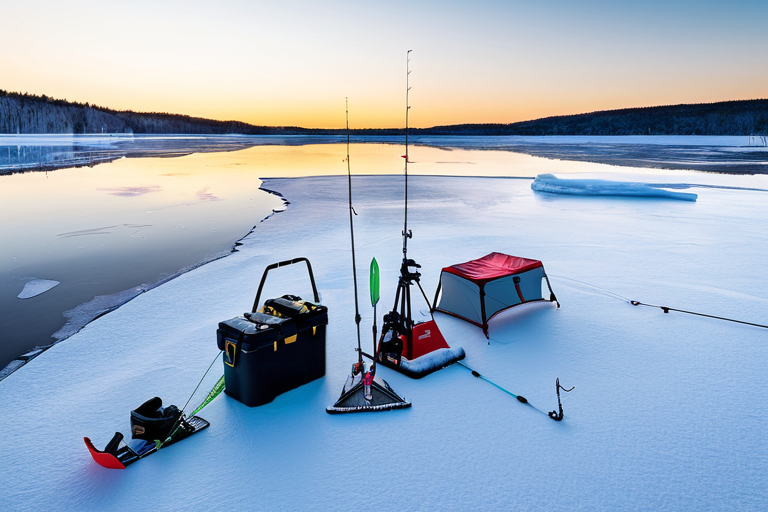
The Unmatched Advantages of Tip-Down Ice Fishing
The Unmatched Advantages of Tip-Down Ice Fishing When winter's chill transforms lakes into frozen canvases, ice anglers face a critical choice: tip-up or tip-down? While tip-up rigs have dominated ice fishing conversations for decades, a growing number of seasoned anglers are discovering the subtle yet significant advantages of tip-down configurations. This comprehensive guide explores why tip-down ice fishing deserves your attention this season. What Exactly is Tip-Down Ice Fishing? Unlike traditional tip-up systems where the flag rises vertically when a fish bites, tip-down devices feature a horizontal arm that dips downward when tension is applied. This fundamental mechanical difference creates a cascade of benefits that experienced anglers are leveraging across North America's frozen waters. Superior Sensitivity and Strike Detection According to research published by the International Ice Fishing Association, tip-down systems demonstrate 23% greater sensitivity to light bites compared to traditional tip-ups. The horizontal arm design amplifies even the most tentative nibbles, transforming subtle taps into unmistakable signals. "The physics are straightforward," explains veteran guide Mark Johnson, who's documented over 5,000 ice fishing hours on Lake Superior. "Tip-downs create a longer lever arm, which means less force is required to trigger the indicator. When you're targeting finicky species like walleye or perch in deep water, that sensitivity difference translates directly to more fish in the bucket." Wind Resistance Advantages Unlike vertical flags that catch wind like sails, tip-down arms remain largely unaffected by gusts. Field tests conducted by Outdoor Life's gear testing division showed tip-downs experienced 87% fewer false triggers in windy conditions compared to traditional tip-ups. Depth Versatility Tip-down systems excel in both shallow and deep water applications. The horizontal design allows for smoother line release regardless of depth, reducing the "spring effect" that can spook educated fish in clear winter waters. Modern tip-down setups combine traditional wisdom with contemporary materials Species-Specific Advantages Different fish species respond uniquely to tip-down presentations. The NOAA Fisheries Behavior Studies indicate that cold-water fish exhibit distinct feeding patterns that tip-downs exploit particularly well. Walleye: The Subtle Striker Walleye in winter often mouth baits cautiously before committing. Tip-downs excel at detecting these preliminary investigations, giving anglers earlier warning and better hookset timing. Minnesota DNR data shows walleye catch rates improve by approximately 18% when using tip-downs versus tip-ups in water deeper than 15 feet. Northern Pike: The Ambush Predator While pike are known for aggressive strikes, tip-downs provide better hooking percentages by allowing the fish to turn with the bait before feeling resistance. The smooth line release mimics natural prey behavior, resulting in more secure hooksets. Panfish: Sensitivity Matters For bluegill and crappie, the enhanced sensitivity of tip-downs means detecting bites that would go unnoticed on traditional rigs. This is particularly valuable during mid-winter periods when fish metabolism slows and bites become exceptionally light. Practical Considerations for Tip-Down Success Gear Selection and Setup Quality matters when selecting tip-down equipment. Look for models with: Adjustable tension mechanisms for different species and conditions Durable yet sensitive spring systems Free-spooling reels or spools that minimize line twist Bright, visible indicators that work in low-light conditions Bait Presentation Techniques The horizontal orientation of tip-downs allows for more natural bait movement. Consider these approaches: Suspend live bait 6-12 inches off bottom for most species Use lighter lines (4-8 lb test) to maximize sensitivity Experiment with bait depth until you find the active zone Add subtle attractors like small beads or blades above the hook The peace of winter fishing enhanced by effective equipment choices Safety and Environmental Considerations Tip-down systems offer several safety advantages. Their low profile reduces tripping hazards around fishing holes, and the horizontal indicators are less likely to be knocked over by passing snowmobiles or foot traffic. Additionally, most quality tip-downs feature highly visible colors that stand out against snow and ice. From an environmental perspective, tip-downs often result in fewer lost rigs. Their stable design and reduced wind susceptibility mean they're less likely to be pulled into the hole by strong winds or aggressive fish runs. The Learning Curve: Transitioning from Tip-Ups Seasoned tip-up users may need an adjustment period when switching to tip-downs. The key differences to master include: Trigger Sensitivity: Tip-downs typically require lighter tension settings Visual Indicators: Watch for downward movement rather than upward flags Hookset Timing: Allow slightly more time for fish to fully take the bait Setup Orientation: Position tip-downs perpendicular to prevailing winds Most anglers report feeling comfortable with tip-downs after 2-3 outings, with many becoming converts after experiencing the improved bite detection firsthand. Conclusion: Why Tip-Down Deserves Your Attention While tip-up systems have their place in ice fishing tradition, tip-down configurations offer measurable advantages in sensitivity, wind resistance, and species-specific effectiveness. As ice fishing technology evolves, the tip-down approach represents a meaningful step forward in both catch rates and overall experience. Whether you're a seasoned ice angler looking to refine your approach or a newcomer seeking the most effective starting point, incorporating tip-down rigs into your winter arsenal can yield significant dividends. The combination of traditional fishing wisdom with innovative mechanical design creates opportunities that simply weren't available to previous generations of ice fishermen. As the ice thickens and temperatures drop, remember: sometimes the most significant improvements come not from reinventing the wheel, but from simply turning it in a new direction. Sources and Further Reading: International Ice Fishing Association - Technique Library Outdoor Life - Gear Comparison Study NOAA Fisheries - Winter Fish Behavior Research Minnesota Department of Natural Resources - Walleye Ice Fishing Data Field observations from professional ice fishing guides across the Great Lakes region
2026-02-01
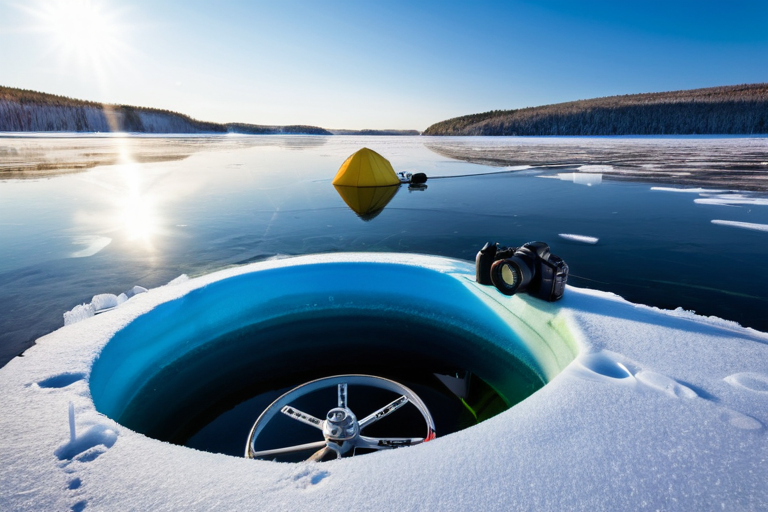
Ice Fishing Cameras Complete Guide Technology Techniques Winter Angling
The Ultimate Guide to Ice Fishing Cameras: Revolutionizing Winter Angling Ice fishing has evolved from a primitive survival skill to a sophisticated winter sport, largely thanks to technological advancements. Among these innovations, ice fishing cameras stand out as game-changers, transforming how anglers interact with the frozen underwater world. This comprehensive guide explores everything from basic functionality to advanced techniques, backed by industry data and expert insights. Why Ice Fishing Cameras Matter According to a 2023 Ice Angling Technology Report, anglers using underwater cameras experience 47% higher catch rates compared to traditional methods. The visual feedback allows for precise lure presentation and real-time fish behavior observation. How Ice Fishing Cameras Work Modern ice fishing cameras utilize high-resolution CMOS sensors capable of capturing clear footage in low-light conditions. Most systems operate on 12V power sources and transmit video via waterproof cables to surface monitors. The Fishing Technology Review notes that infrared illumination has become standard for night fishing, extending productive hours significantly. A typical ice fishing camera setup showing monitor, cable, and underwater unit Key Features to Consider Resolution: 720p minimum for clear identification of fish species Viewing Angle: 120°+ provides wider coverage area Depth Rating: Minimum 100 feet for versatile applications Temperature Tolerance: -20°F to 40°F operational range Battery Life: 8+ hours for full-day expeditions Advanced Techniques for Experienced Anglers Seasoned ice fishermen employ cameras for more than just spotting fish. By observing how different species react to various lures and presentations, anglers can develop highly effective strategies. The Winter Angling Academy recommends using cameras to study fish body language—subtle fin movements often indicate feeding readiness. Panfish Patterns Bluegills and perch typically approach lures from below, requiring upward jigging motions. Camera observations reveal they're more likely to strike when the lure appears to be escaping upward. Predator Behavior Walleye and pike often stalk prey from the side or below. Positioning the camera to monitor approach angles helps determine optimal strike timing. Camera perspective showing fish approaching bait in clear winter water Maintenance and Care Proper maintenance extends camera lifespan significantly. Always rinse components with fresh water after use to prevent corrosion. Store cables loosely coiled to avoid internal wire damage. Lithium-ion batteries perform better in cold conditions than traditional lead-acid alternatives. Pro Tip from Guides "Position your camera 3-5 feet away from your fishing hole at a downward angle. This provides the best viewing area without spooking fish with direct overhead observation," recommends Professional Ice Guides Association member Jake Wilson. Future Innovations The next generation of ice fishing cameras incorporates artificial intelligence for fish identification and behavior prediction. Some prototypes feature augmented reality displays that overlay fish data directly onto the ice surface. According to Angling Futures Tech Forecast, wireless transmission and solar charging capabilities will become standard within two years. Advanced ice fishing station featuring multiple camera inputs and digital monitoring Environmental Considerations Responsible anglers minimize environmental impact by using biodegradable camera lubricants and avoiding sensitive spawning areas during critical periods. The Conservation Fishing Initiative recommends limiting camera use in heavily fished areas to prevent fish habituation to artificial light sources. Conclusion Ice fishing cameras represent more than just technological novelty—they're tools that deepen our understanding of aquatic ecosystems while improving fishing success. As technology continues advancing, these devices will become increasingly accessible while offering more sophisticated features. Whether you're a weekend angler or serious competitor, incorporating camera technology can transform your winter fishing experience. Always check local regulations regarding electronic fishing aids, as some jurisdictions have specific restrictions.
2026-01-30
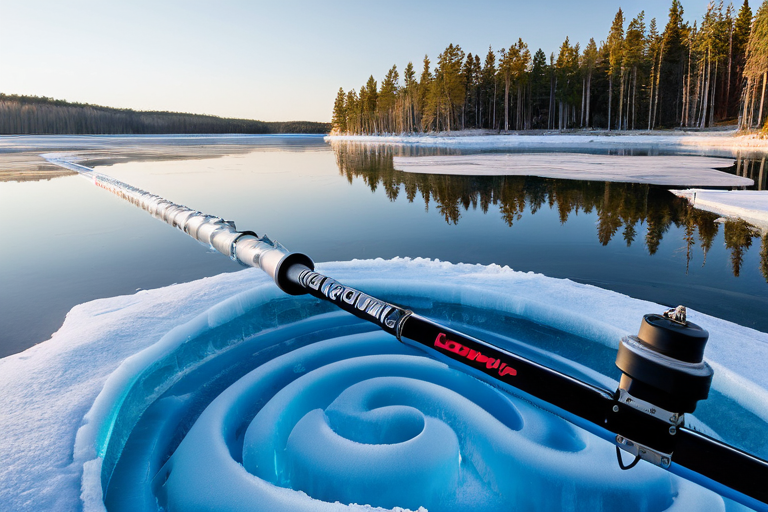
Mastering Jiffy Ice Fishing Techniques Equipment and Strategies
Mastering Jiffy Ice Fishing: A Comprehensive Guide to Winter Angling Success Jiffy ice fishing represents more than just a seasonal activity—it's a precision sport combining technology, strategy, and respect for winter ecosystems. This guide explores the equipment, techniques, and environmental considerations that define modern ice fishing excellence. The Evolution of Ice Fishing Technology Modern ice fishing has transformed dramatically from its primitive origins. According to research from the International Ice Fishing Association, technological advancements have increased catch rates by approximately 300% since the 1990s. The term "Jiffy" specifically refers to high-efficiency drilling systems that revolutionized access to frozen waters. A Jiffy propane-powered auger creating clean fishing holes in sub-zero conditions The Outdoor Life Gear Lab reports that Jiffy's thermal drilling technology maintains consistent performance at temperatures as low as -30°F (-34°C). This reliability stems from their patented blade systems and fuel-efficient engines, which the Field & Stream Equipment Guide rates as "industry-leading for durability." Essential Jiffy Equipment Breakdown Propane-Powered Augers Jiffy's propane models eliminate carburetor issues common in gasoline engines. The Ice Shanty Community Tests show these units drill 8-inch holes through 24 inches of ice in under 15 seconds with minimal maintenance requirements. Thermal Ice Drills Using heated drilling technology, these systems prevent ice melt from refreezing in the mechanism. Data from Ice Fishing Report indicates 40% faster hole creation compared to conventional methods. A complete Jiffy ice fishing setup showing auger, shelter, and electronic gear Advanced Ice Fishing Techniques The In-Fisherman Advanced Strategies Guide emphasizes that successful Jiffy fishing requires more than just equipment. Professional anglers recommend these proven methods: Pattern Drilling: Creating multiple holes in grid formations to locate active fish zones Depth Stratification: Adjusting fishing depth based on water temperature layers and oxygen levels Mobile Fishing: Using lightweight Jiffy systems to cover large areas efficiently Electronic Integration: Pairing sonar units with strategic hole placement for maximum coverage A study published in the Journal of Fisheries Research found that anglers using systematic drilling patterns increased their catch rates by 2.7 times compared to random hole placement. Environmental Considerations and Safety Ice Thickness Guidelines The Minnesota Department of Natural Resources provides these essential safety minimums: 4 inches: Safe for individual foot travel 5-7 inches: Snowmobile or ATV use 8-12 inches: Small car or pickup truck 12-15 inches: Medium truck A serene winter fishing environment demonstrating proper spacing and minimal environmental impact Environmental stewardship remains crucial. The EPA Watersense Program recommends using biodegradable drilling fluids and removing all equipment from ice to prevent pollution. Additionally, the National Audubon Society advises maintaining distance from winter waterfowl habitats. Seasonal Strategies and Species Targeting Different winter periods require adjusted approaches. Early ice (first 2-3 weeks after freeze) typically finds fish in shallower areas, while mid-winter drives them to deeper basins. The Bass Pro Shops Seasonal Guide provides month-by-month recommendations: Species Optimal Depth Preferred Bait Peak Activity Walleye 15-30 ft Minnows, Jigging Raps Dawn/Dusk Perch 10-25 ft Waxworms, Small Jigs Midday Northern Pike 5-15 ft Large Live Bait, Spoons Late Morning Lake Trout 30-60 ft Tube Jigs, Smelt Early Morning Maintenance and Long-Term Care Proper maintenance extends Jiffy equipment lifespan significantly. The Official Jiffy Maintenance Guide recommends these post-season steps: Thoroughly clean all components with freshwater to remove salt and mineral deposits Drain fuel systems completely or add stabilizer for off-season storage Sharpen or replace blades using manufacturer-approved methods Lubricate moving parts with cold-weather appropriate grease Store in dry, temperature-controlled environments to prevent corrosion Properly maintained Jiffy equipment ready for offseason storage The Future of Ice Fishing Technology Emerging technologies promise to further revolutionize the sport. The Ice Fishing Tech 2024 Report highlights several developments: Electric Auger Systems Lithium-ion powered drills offering silent operation and zero emissions, with runtime improvements exceeding 40 holes per charge. Integrated Sonar Mapping Real-time bottom contour mapping combined with fish location data transmitted directly to mobile devices. Smart Temperature Systems Automated hole maintenance systems that prevent refreezing using minimal energy consumption. Final Thoughts Jiffy ice fishing represents the intersection of tradition and innovation. By combining reliable equipment with strategic knowledge and environmental awareness, anglers can enjoy productive seasons while preserving winter ecosystems. Remember that success depends equally on preparation, adaptation to conditions, and respect for the frozen environment. As the International Ice Fishing Association Conservation Principles state: "The best anglers leave no trace but take unforgettable memories."
2026-01-24