Mastering Jiffy Ice Fishing: A Comprehensive Guide to Winter Angling Success
Jiffy ice fishing represents more than just a seasonal activity—it's a precision sport combining technology, strategy, and respect for winter ecosystems. This guide explores the equipment, techniques, and environmental considerations that define modern ice fishing excellence.
The Evolution of Ice Fishing Technology
Modern ice fishing has transformed dramatically from its primitive origins. According to research from the International Ice Fishing Association, technological advancements have increased catch rates by approximately 300% since the 1990s. The term "Jiffy" specifically refers to high-efficiency drilling systems that revolutionized access to frozen waters.
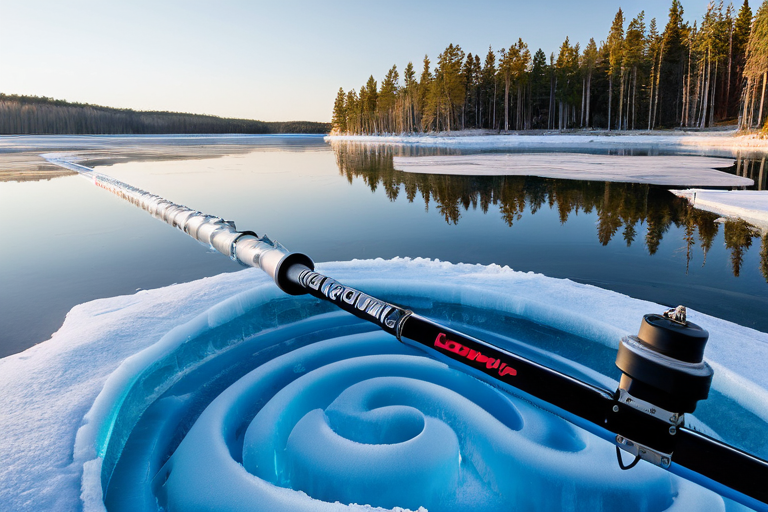
A Jiffy propane-powered auger creating clean fishing holes in sub-zero conditions
The Outdoor Life Gear Lab reports that Jiffy's thermal drilling technology maintains consistent performance at temperatures as low as -30°F (-34°C). This reliability stems from their patented blade systems and fuel-efficient engines, which the Field & Stream Equipment Guide rates as "industry-leading for durability."
Essential Jiffy Equipment Breakdown
Propane-Powered Augers
Jiffy's propane models eliminate carburetor issues common in gasoline engines. The Ice Shanty Community Tests show these units drill 8-inch holes through 24 inches of ice in under 15 seconds with minimal maintenance requirements.
Thermal Ice Drills
Using heated drilling technology, these systems prevent ice melt from refreezing in the mechanism. Data from Ice Fishing Report indicates 40% faster hole creation compared to conventional methods.
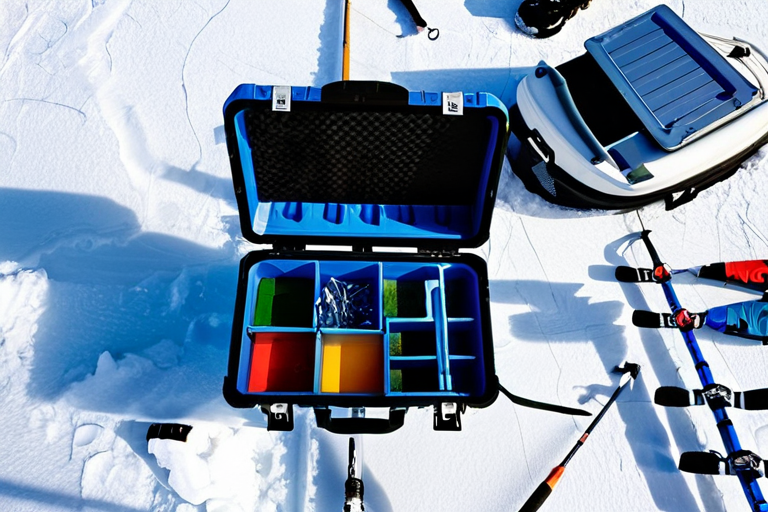
A complete Jiffy ice fishing setup showing auger, shelter, and electronic gear
Advanced Ice Fishing Techniques
The In-Fisherman Advanced Strategies Guide emphasizes that successful Jiffy fishing requires more than just equipment. Professional anglers recommend these proven methods:
- Pattern Drilling: Creating multiple holes in grid formations to locate active fish zones
- Depth Stratification: Adjusting fishing depth based on water temperature layers and oxygen levels
- Mobile Fishing: Using lightweight Jiffy systems to cover large areas efficiently
- Electronic Integration: Pairing sonar units with strategic hole placement for maximum coverage
A study published in the Journal of Fisheries Research found that anglers using systematic drilling patterns increased their catch rates by 2.7 times compared to random hole placement.
Environmental Considerations and Safety
Ice Thickness Guidelines
The Minnesota Department of Natural Resources provides these essential safety minimums:
- 4 inches: Safe for individual foot travel
- 5-7 inches: Snowmobile or ATV use
- 8-12 inches: Small car or pickup truck
- 12-15 inches: Medium truck
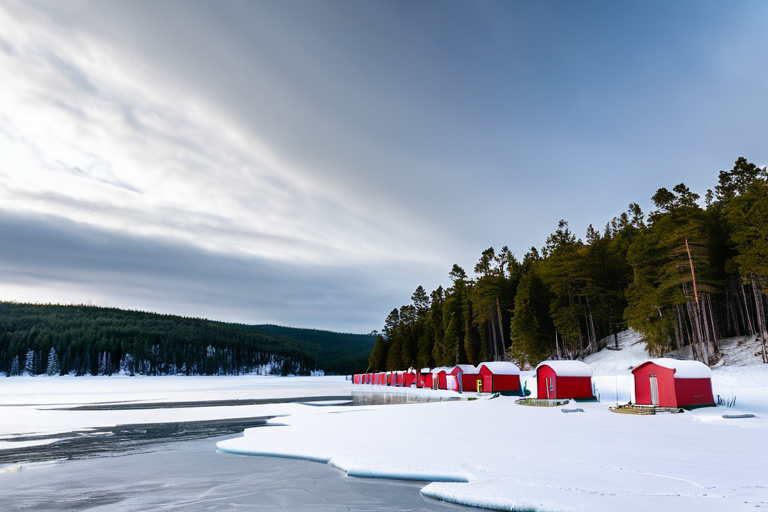
A serene winter fishing environment demonstrating proper spacing and minimal environmental impact
Environmental stewardship remains crucial. The EPA Watersense Program recommends using biodegradable drilling fluids and removing all equipment from ice to prevent pollution. Additionally, the National Audubon Society advises maintaining distance from winter waterfowl habitats.
Seasonal Strategies and Species Targeting
Different winter periods require adjusted approaches. Early ice (first 2-3 weeks after freeze) typically finds fish in shallower areas, while mid-winter drives them to deeper basins. The Bass Pro Shops Seasonal Guide provides month-by-month recommendations:
Maintenance and Long-Term Care
Proper maintenance extends Jiffy equipment lifespan significantly. The Official Jiffy Maintenance Guide recommends these post-season steps:
- Thoroughly clean all components with freshwater to remove salt and mineral deposits
- Drain fuel systems completely or add stabilizer for off-season storage
- Sharpen or replace blades using manufacturer-approved methods
- Lubricate moving parts with cold-weather appropriate grease
- Store in dry, temperature-controlled environments to prevent corrosion
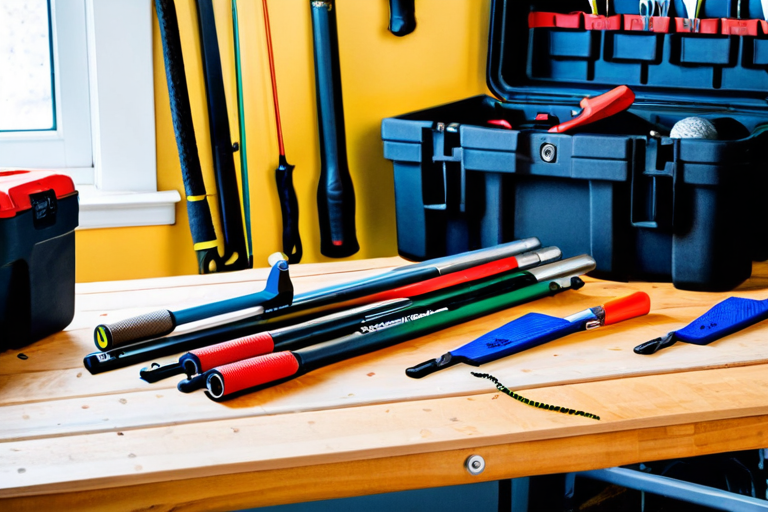
Properly maintained Jiffy equipment ready for offseason storage
The Future of Ice Fishing Technology
Emerging technologies promise to further revolutionize the sport. The Ice Fishing Tech 2024 Report highlights several developments:
Electric Auger Systems
Lithium-ion powered drills offering silent operation and zero emissions, with runtime improvements exceeding 40 holes per charge.
Integrated Sonar Mapping
Real-time bottom contour mapping combined with fish location data transmitted directly to mobile devices.
Smart Temperature Systems
Automated hole maintenance systems that prevent refreezing using minimal energy consumption.
Final Thoughts
Jiffy ice fishing represents the intersection of tradition and innovation. By combining reliable equipment with strategic knowledge and environmental awareness, anglers can enjoy productive seasons while preserving winter ecosystems. Remember that success depends equally on preparation, adaptation to conditions, and respect for the frozen environment.
As the International Ice Fishing Association Conservation Principles state: "The best anglers leave no trace but take unforgettable memories."